Treatment Programs offer a safe and organized environment for people who are struggling with substance abuse, alcoholism, mental health problems, and co-occurring disorders. With addiction affecting each person uniquely, it is important for a treatment plan to be developed and implemented based on the individual needs of a patient rather than using the same approach on everyone in need.
Other treatments involve assessments, detoxification, counseling and therapy (usually cognitive behavioral), psychiatry and medication for co-occurring disorders, families and individual users in treatment together, relapse prevention training, or aftercare. The specific mix, however, relies on the material involved, degree of your problem, bodily fitness, mental health records, preceding treatment and lifestyles things to consider.
The Hope Rehabilitation Center Islamabad, Pakistan is structured assistance for women, men and family members affected by substance misuse as well as exchanging mental health issues.
What Are Addiction Treatment Programs?
A carefully planned and implemented treatment program that helps an individual to replace their use of substances with a healthier way of living.
A program can include:
- Initial medical and psychological assessment
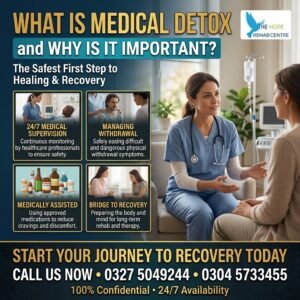
- Detoxification or withdrawal management
- Individual counseling
- Group therapy
- Behavioral therapy
- Psychiatric support
- Dual diagnosis treatment
- Family counseling
- Relapse prevention
- Aftercare and continuing support
The objective is not solely to interrupt substance use for a few months. Addiction is a complex disease; therefore, comprehensive treatment also addresses service that may be factors in the addiction and trains individuals on strategies to remain sober.
Why Individualized Treatment Matters
No one treatment program is suitable for everyone.
Treatment planning may consider:
- Type of substance used
- Frequency and duration of use
- Severity of dependence
- Previous treatment attempts
- Withdrawal history
- Physical health
- Mental health
- Family circumstances
- Social environment
- Risk of relapse
A personal approach lets providers make changes to care when the person or people they are supporting change or grow.
Detoxification and Withdrawal Management
In some cases, detoxification is the initial step in treatment. Detoxification is letting the body become accustomed to no longer using substances while withdrawal symptoms are monitored and managed.
Withdrawal is extremely variable depending on the particular substance being used. Possible symptoms include:
- Anxiety
- Irritability
- Tremors
- Sweating
- Nausea
- Fatigue
- Sleep difficulties
- Muscle aches
- Changes in appetite
- Strong cravings
Medically supervised withdrawal from a select few substances, like alcohol and some sedative medications, can be dangerous. So, if example, you stop something determine this straight aired the mission that peaceful from someone is suffering and long-term weighing heavy usages sub joining suddenly.
Recuperation only consists of detoxing. Continued treatment for behavior and psychological issues associated with addiction is also important.
Individual Counseling
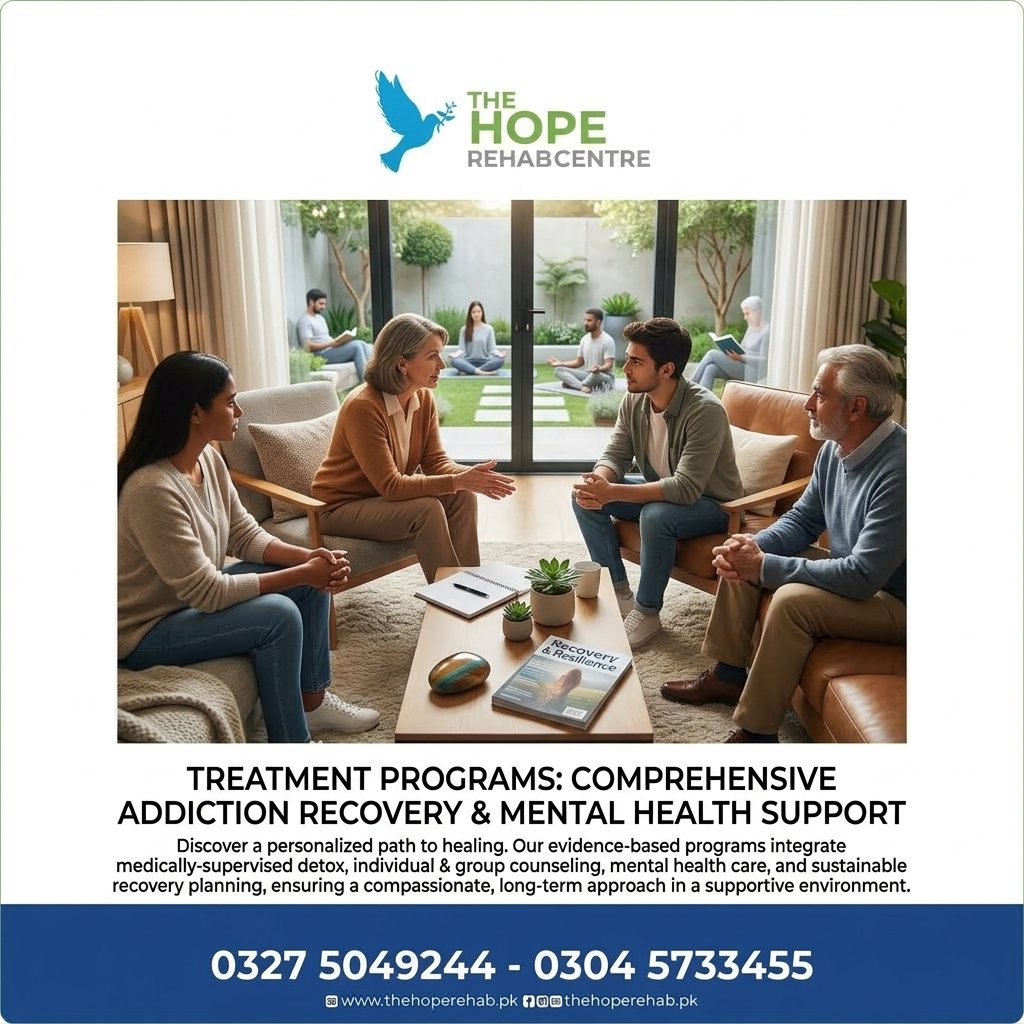
Individual counseling provides an opportunity for people to talk about their substance use, feelings, relationships, problems, and goals of recovery in a professional yet private environment.
Therapy may help individuals:
- Identify substance-use triggers
- Understand patterns of addiction
- Manage cravings
- Develop healthier coping strategies
- Improve emotional regulation
- Address relationship difficulties
- Strengthen motivation for recovery
- Develop relapse-prevention skills
Adaptations of treatment can be made according to the individual.
Group Therapy and Peer Support
Treatment in a group (be it individual, homes or professional acts) setting allows for openness and support to speak about the difficulties of recovery and learn from others who are also battling addiction.
Group sessions may focus on:
- Addiction education
- Coping skills
- Emotional regulation
- Communication
- Relapse prevention
- Recovery planning
- Social support
The extent of participation should be aligned with the person’s clinical needs and comfort level.
Behavioral Therapy
Behavioral therapies help individuals understand the connection between thoughts, emotions, and behaviors related to substance use.
People may benefit from doing cognitive behavioral approaches:
- Identify unhelpful thinking patterns
- Recognize high-risk situations
- Develop alternative behaviors
- Manage cravings
- Improve decision-making
- Handle stress more effectively
Depending on the specificities of the individual, other evidence-informed behavioral strategies may also be sought.
Dual Diagnosis Treatment
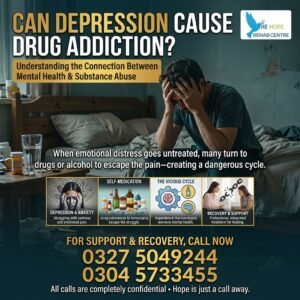
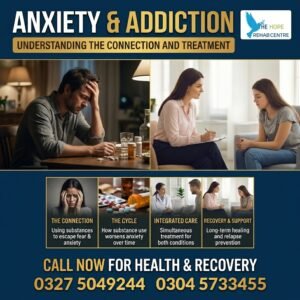
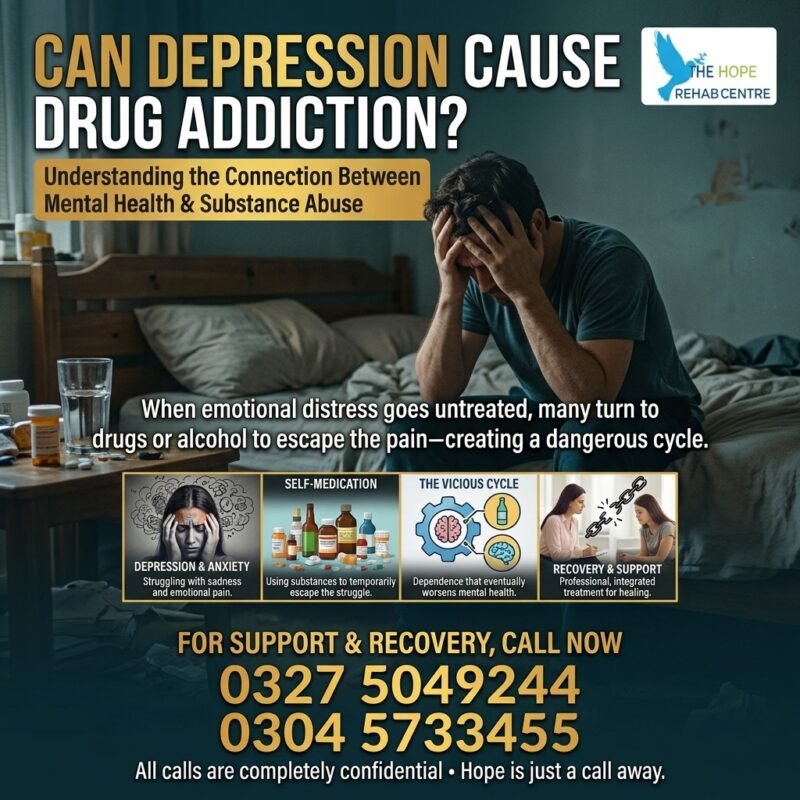
Some people have both addiction and mental health problems such as depression, anxiety, post-traumatic stress disorder (PTSD), bipolar disorder or another mental health condition.
The simultaneous occurrence of substance uses and mental health problems is sometimes known as a dual diagnosis or co-occurring disorder.
Mental health should be screened when relevant and care ought to be coordinated for both situations as part of therapy programs. A focus on only the addiction while missing important psychological symptoms could result in continued unmet needs of recovery.
Family Support Programs
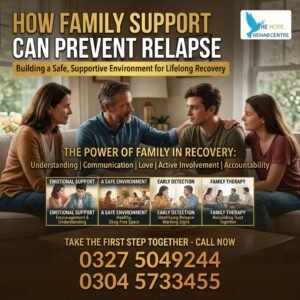
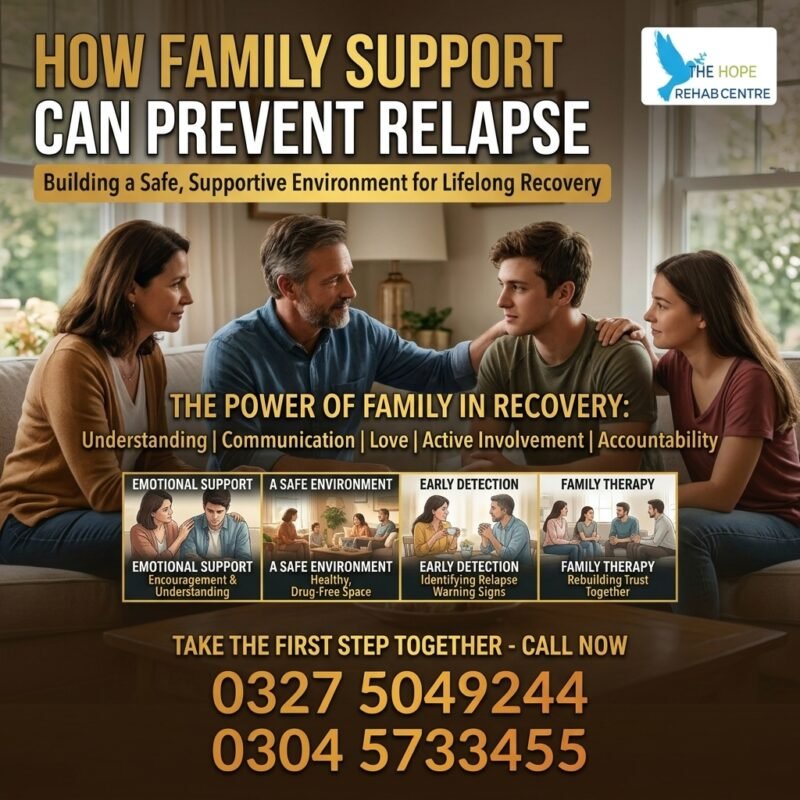
Spouses, parents, kids, and siblings can all be impacted by addiction. Family support aids as a way for relatives to understand addiction, and discover better coping mechanisms.
Family-focused treatment may include:
- Addiction education
- Communication guidance
- Family counseling
- Boundary-setting
- Relapse-warning education
- Support for caregivers
The degree of family involvement should remain governed by clinical necessity, privacy and safety.
Relapse Prevention Programs
After the first course of treatment, recovery continues. Relapse-prevention programs train people to identify situations or triggers that may lead them back to use.
A personalized plan may include:
- Identifying triggers
- Managing cravings
- Developing healthy routines
- Continuing counseling
- Building supportive relationships
- Avoiding high-risk environments
- Managing stress
- Maintaining follow-up care
- How to know when you need assistance
If a person returns to using substances, it should lead to reassessment by the professional instead of being treated as evidence that recovery is not possible.
Home-Based and Outpatient Treatment
Not everyone requires residential rehabilitation. Outpatient or home-based services may be appropriate depending on the person’s health, substance use, safety needs and home environment.
These may enable individuals to receive professional help, while still able to manage different at-home responsibilities.
In patients with a high risk of withdrawal, very severe medical illness or psychiatric symptoms, or who are at home in an unsafe environment, a more intensive level of care may be necessary.
The voice of a trained professional can determine the best setting for you.
Online Treatment Sessions
It can offer supplementary access to counseling and follow-up support for some.
Bringing you online treatment sessions can be beneficial for:
- Counseling
- Follow-up appointments
- Relapse-prevention support
- Family education
- Mental health consultations
Online treatment is maybe not suitable for all forms of desperate situations — at least where an individual inquired emergency medical help, medication-assisted detoxification also intensive psychiatric care.
Choosing the Right Treatment Program
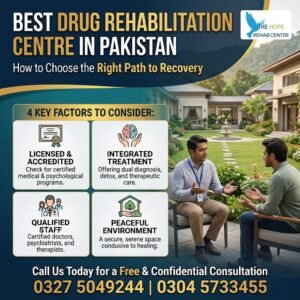
Rather than claims of guaranteed recovery, when comparing Treatment Programs individuals and families should look for the type and quality of professional care.
Useful questions include:
- Is a comprehensive assessment provided?
- Is the person a qualified medical and mental health professional?
- Is withdrawal risk evaluated?
- Are treatment plans individualized?
- Is counseling available?
- Are mental health conditions assessed?
- Is family support provided?
- Is relapse prevention included?
- Is aftercare available?
- What is the procedure to handle medical and psychiatric emergencies?
An effective treatment plan should align with the needs of a person and change when one or other circumstances arise.
The Hope Rehabilitation Center Islamabad, Pakistan
The Hope Rehabilitation Center Islamabad, Pakistan offer organized therapy for individuals and families that are affected with issues related to drug abuse and mental health.
Treatment can consist of evaluation, detoxification, counselling, psychotherapy, family members counseling and also aftercare.
Those considering treatment should undergo an assessment by a professional to evaluate which treatments and type of care are most suitable.
Frequently Asked Questions
1. What treatment programs are available for addiction?
Some of these programs can incorporate detox, residential treatment, outpatient services, individual therapy sessions, group therapy sessions, behavioral therapies dual diagnosis treatment family intervention relapse prevention aftercare.
2. Is detoxification sufficient to treat addiction?
Nah. Detox only has to do with withdrawal and immediate physical symptoms of cessation from a substance To address cravings, behavior patterns, mental health impacts, and relapse potential treatment might continue through an outpatient program.
3. The Dual Diagnosis Rehabilitation aims to treat Addiction and Mental Health Problems at the same time.
Yes. Integrated or dual diagnosis treatment works with a coordinated treatment plan to address substance use and mental health concerns when both conditions exist.
4. How long do addiction treatment programs remain effective?
There is no standard treatment duration. Patient-dependent, factors that impact the right length of treatment include the patient relevant substance, history and severity of the addiction, general health (both physical and mental), previous treatments received, adapting with such kind of therapy or not and subsequent requirements.
5. Will family members be included in the treatment?
Family involvement, when appropriate, can help. Identifying data up to October 2023, this can include family education and counseling that teach them about many aspects in addiction such as effective communication, boundaries during the recovery process, coping skills and support.
Conclusion
Treatment Programs are specialized programs for individuals struggling with addiction, alcohol dependence, mental health conditions and co-occurring disorders where structured and professional support is provided. Preventive measures can include a combination of medical care, counseling, behavior therapy or adjustment group and religious support to prevent relapse after treatment.
Each person is in a different situation so what may be the best treatment setting and services for one person will certainly not be great for another. Assessments for plotting the path of care is an important first step taken professionally.
This content is intended for informational purposes only and should not be used as a substitute for professional medical advice, diagnosis, or treatment and should not be relied on to make decisions about your health or the health of others. The Hope Rehabilitation Center Islamabad, Pakistan have been set up to help the individuals or families looking for the recovery services related to addiction or mental health in a structured manner.