Benzodiazepines are prescription medications commonly used to treat anxiety, insomnia, and certain seizure disorders. While effective when used under medical supervision, these drugs carry a high risk of dependency and misuse. Long-term or unsupervised use can lead to physical dependence, tolerance, and withdrawal symptoms, making professional treatment essential. For individuals struggling with prolonged use, seeking help from a Benzodiazepines Addiction center in Islamabad Pakistan ensures safe, structured, and ethical recovery.
At The Hope Rehabilitation Center Islamabad, Pakistan, patients receive evidence-based interventions, including medically supervised detox, counseling, and long-term relapse prevention planning. The goal is to provide holistic care that addresses both the physical and psychological aspects of addiction while maintaining patient dignity and confidentiality.
Understanding Benzodiazepines Addiction
Benzodiazepines, such as diazepam, lorazepam, and alprazolam, work by depressing the central nervous system to reduce anxiety or induce sleep. While therapeutic use is effective for short-term management, repeated use can lead to:
- Increased tolerance, requiring higher doses to achieve the same effect
- Physical dependence, making cessation difficult without medical supervision
- Withdrawal symptoms including anxiety, insomnia, irritability, and, in severe cases, seizures
- Psychological dependence and compulsive use
Recognizing early signs of benzodiazepine dependence is critical. Individuals may notice a need to use the medication more frequently, experience cravings, or continue usage despite negative personal or professional consequences.

The Role of a Benzodiazepines Addiction Center
A specialized Benzodiazepines Addiction center in Islamabad Pakistan provides a structured environment for recovery. The services typically include:
- Medical Detoxification: Gradual tapering under supervision to safely manage withdrawal symptoms.
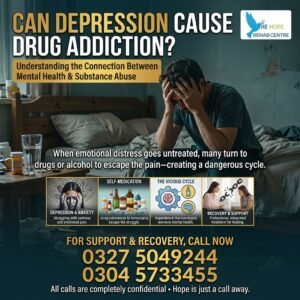
- Psychiatric Evaluation: Assessing co-occurring mental health conditions, such as anxiety or depression.
- Individual and Group Counseling: Addressing behavioral triggers, emotional challenges, and coping strategies.
- Relapse Prevention Programs: Long-term planning to maintain sobriety and prevent setbacks.
At The Hope Rehabilitation Center Islamabad, Pakistan, addiction care is patient-focused, ethical, and evidence-based, ensuring that recovery is safe and sustainable.
Medically Supervised Detox
Detoxification is the first step in benzodiazepine addiction treatment. Abrupt discontinuation can cause severe withdrawal symptoms, including tremors, seizures, and extreme anxiety. Therefore, detox must always be conducted under professional supervision.
During detox, clinicians at The Hope Rehabilitation Center Islamabad, Pakistan monitor patients closely, adjusting tapering schedules and providing supportive medications as needed. This ensures the safety and comfort of patients while reducing the risk of relapse.
Psychological and Behavioral Therapy
Addiction is not only a physical dependence but also a behavioral and psychological condition. Therapy addresses underlying triggers, emotional struggles, and habits that reinforce drug use.
Cognitive Behavioral Therapy (CBT)
CBT helps individuals identify and challenge distorted thinking patterns, develop coping strategies, and reduce anxiety without relying on medication.
Individual Counseling
One-on-one sessions provide a safe space to explore personal stressors, emotional trauma, or compulsive patterns related to benzodiazepine use.
Group Therapy
Group sessions allow patients to share experiences, gain support, and develop accountability while learning from peers facing similar challenges.
By integrating these therapies, Benzodiazepines Addiction center in Islamabad Pakistan programs address both the psychological and behavioral aspects of dependency.
Managing Co-Occurring Mental Health Conditions
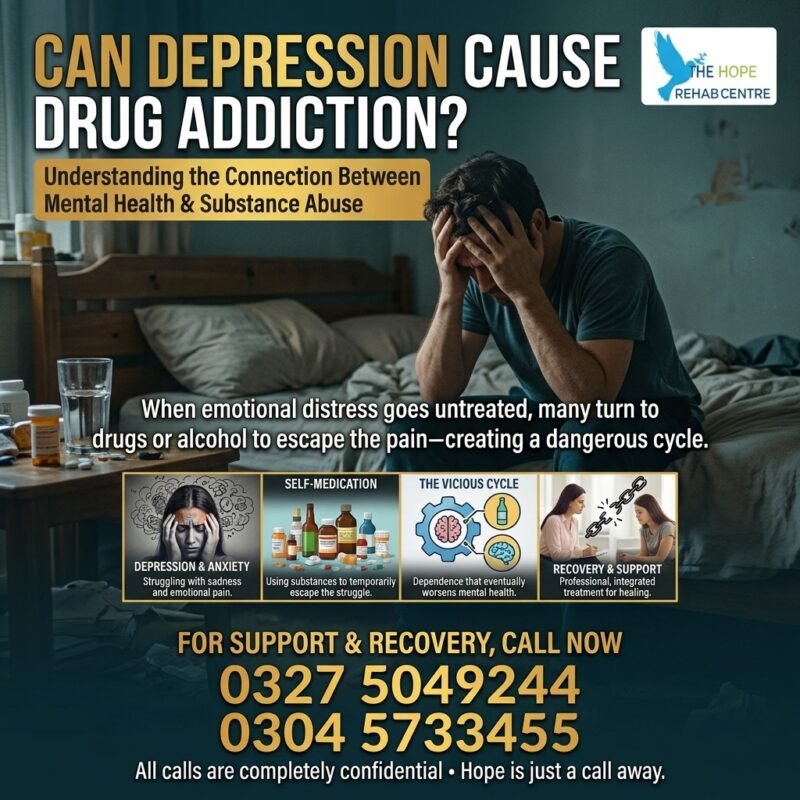
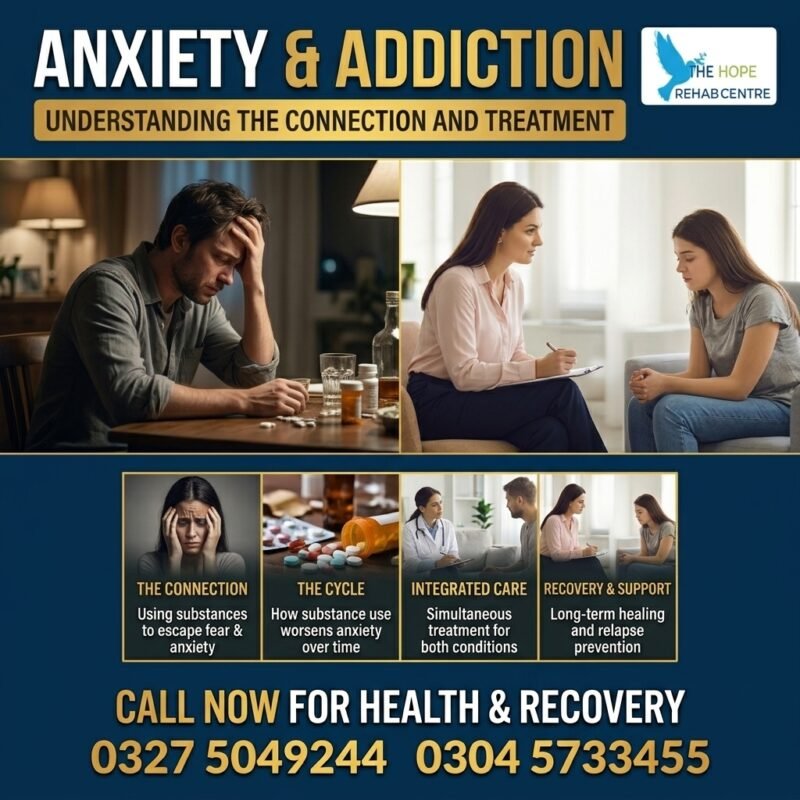
Many individuals struggling with benzodiazepine addiction also experience underlying mental health issues, such as:
- Anxiety disorders
- Depression
- PTSD
- Sleep disorders
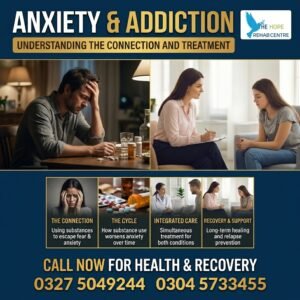
Integrated care ensures that both addiction and mental health conditions are treated simultaneously. Psychiatric support, therapy, and careful medication management help patients achieve stability and reduce the likelihood of relapse.
At The Hope Rehabilitation Center Islamabad, Pakistan, dual-diagnosis treatment is a cornerstone of comprehensive care.
Long-Term Recovery and Relapse Prevention
Recovery from benzodiazepine addiction is a gradual process. Sustained support and structured aftercare programs are crucial to maintaining sobriety. Key elements of long-term recovery include:
- Continued counseling sessions to manage triggers and stress
- Peer support programs to reduce isolation and encourage accountability
- Lifestyle guidance, including stress management and healthy routines
- Regular psychiatric follow-ups for ongoing mental health support
A comprehensive relapse prevention plan equips patients with strategies to navigate challenges safely, supporting sustained recovery.
Family Involvement in Recovery
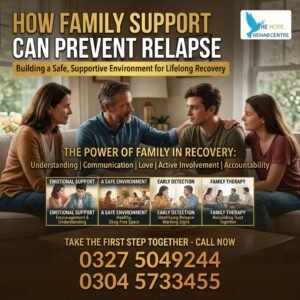
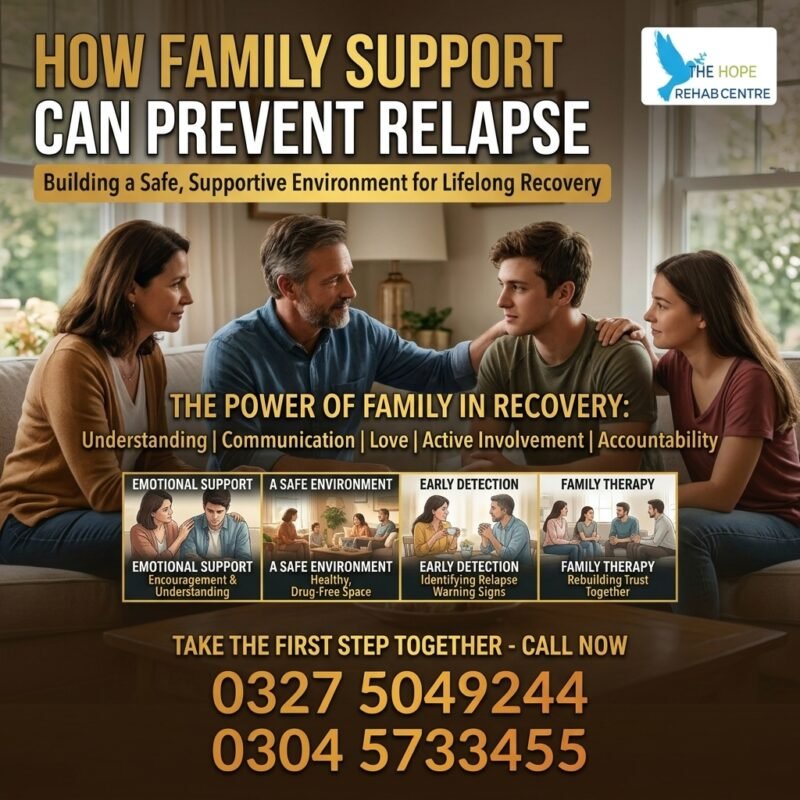
Family engagement is a vital component of successful addiction treatment. Educating family members about benzodiazepine dependence and involving them in counseling sessions strengthens support networks and reduces potential conflict.
Family programs at The Hope Rehabilitation Center Islamabad, Pakistan focus on:
- Understanding addiction and withdrawal
- Supporting healthy coping strategies
- Improving communication and reducing enabling behaviors
- Encouraging adherence to therapy and follow-ups
Family support not only enhances recovery outcomes but also promotes a healthier and more stable home environment.
Ethical and Confidential Care
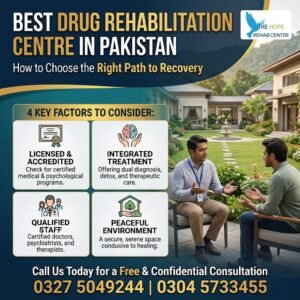
Providing care for addiction requires strict adherence to ethical and professional standards. Benzodiazepines Addiction center in Islamabad Pakistan programs prioritize patient safety, confidentiality, and informed consent.
At The Hope Rehabilitation Center Islamabad, Pakistan, all interventions are:
- Evidence-based and clinically supervised
- Delivered with respect and compassion
- Confidential and privacy-focused
- Tailored to the individual’s unique clinical needs
Maintaining ethical care builds trust, encourages treatment adherence, and improves recovery outcomes.
Frequently Asked Questions (FAQs)
1. What is benzodiazepine addiction?
Benzodiazepine addiction occurs when an individual develops physical or psychological dependence on drugs like diazepam, lorazepam, or alprazolam, often requiring professional intervention.
2. Can benzodiazepine withdrawal be dangerous?
Yes. Abrupt discontinuation can cause severe symptoms, including anxiety, tremors, and seizures, which is why medically supervised detox is essential.
3. How long does treatment typically take?
Treatment duration varies based on severity, co-occurring conditions, and individual progress. A comprehensive program includes detox, therapy, and aftercare support.
4. Are therapy sessions necessary after detox?
Yes. Behavioral and psychological therapy addresses underlying triggers and coping strategies, which are crucial for long-term recovery.
5. Is family involvement required in recovery?
Family involvement is highly recommended, with patient consent, as it strengthens support systems and helps maintain accountability.
Conclusion
Benzodiazepine addiction is a serious condition that requires professional, structured, and compassionate care. A specialized Benzodiazepines Addiction center in Islamabad Pakistan provides medically supervised detox, behavioral therapy, psychiatric support, and long-term relapse prevention strategies.
At The Hope Rehabilitation Center Islamabad, Pakistan, patients receive individualized care that addresses both physical dependence and underlying psychological factors. Through ethical, evidence-based treatment and comprehensive support, individuals struggling with benzodiazepine addiction can rebuild stability, regain control over their lives, and work toward sustained recovery.
By combining professional expertise, structured therapy, and family involvement, The Hope Rehabilitation Center remains a trusted destination for addiction treatment and mental health support in Islamabad, Pakistan.