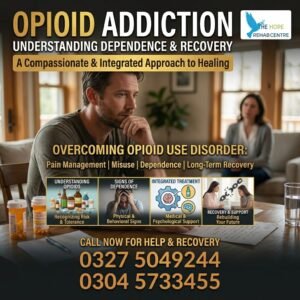
Opioid addiction is a serious health condition that can affect physical health, mental well-being, relationships, and daily life. Opioids include prescription pain medicines and drugs such as heroin. Although these substances may be used medically to manage pain, repeated use can lead to physical dependence and, in some cases, opioid use disorder.
Recovery is possible with appropriate treatment, professional guidance, and ongoing support. Understanding the signs of opioid dependence and the available treatment options can help individuals and families make informed decisions about care.
For people seeking addiction-related support in Islamabad, The Hope Rehabilitation Center Islamabad, Pakistan, provides a setting to explore rehabilitation and recovery support options.
What Is Opioid Addiction?
Opioid addiction, commonly referred to clinically as opioid use disorder, involves difficulty controlling opioid use despite harmful consequences. A person may experience cravings, continue using opioids despite problems, or find it difficult to reduce use.
Opioids act on receptors in the brain and body to reduce pain and can also produce feelings of pleasure or relaxation. Repeated use may lead to tolerance, meaning that the same amount produces less effect, and physical dependence.
Physical dependence and addiction are not identical. Someone taking prescribed opioids may develop physical dependence without having an addiction. A healthcare professional can assess the broader pattern of use and its effects.
Common Types of Opioids
Opioids include several substances with different medical uses and risks.
- Prescription opioids: Certain medicines prescribed for pain management.
- Heroin: An illegal opioid associated with a high risk of overdose.
- Synthetic opioids: Substances such as fentanyl, which can be extremely potent.
- Other opioid medicines: Some may be used in pain treatment or, under medical supervision, in treatment for opioid use disorder.
Using opioids outside medical guidance, taking someone else’s medication, or combining opioids with sedatives can increase the risk of serious harm.
Signs and Symptoms of Opioid Addiction
Opioid use disorder can affect behavior, physical health, and everyday responsibilities. Possible warning signs include:
- Strong cravings for opioids
- Difficulty controlling use
- Repeated unsuccessful attempts to stop
- Spending substantial time obtaining or using opioids
- Neglecting family, work, or educational responsibilities
- Continuing use despite physical or emotional harm
- Developing tolerance
- Experiencing withdrawal symptoms when use decreases
Some signs may overlap with other medical conditions. An appropriate assessment can help determine whether opioid use disorder is present and what treatment may be suitable.
Physical and Psychological Effects
Opioids can cause drowsiness, nausea, constipation, and slowed breathing. In an overdose, breathing may become dangerously slow or stop, potentially leading to brain injury or death.
Long-term problematic use may also affect relationships, financial stability, work, and emotional well-being. Some individuals experience anxiety, depression, social isolation, or other mental health concerns alongside opioid use disorder.
When mental health conditions occur together with addiction, both should be considered during treatment planning.
Understanding Opioid Withdrawal
When a person who has developed physical dependence stops or significantly reduces opioid use, withdrawal symptoms may occur.
Common symptoms include:
- Muscle and body aches
- Sweating and chills
- Restlessness and anxiety
- Runny nose and watery eyes
- Stomach cramps, nausea, or diarrhea
- Difficulty sleeping
- Strong cravings
Opioid withdrawal can be intensely uncomfortable. Although it is generally not life-threatening for otherwise healthy adults, complications such as dehydration may occur, and individual risks can vary. Medical advice is especially important during pregnancy or when other medical conditions are present.
A major concern is reduced tolerance after a period without opioids. Returning to a previously used amount can cause an overdose.
Professional Opioid Addiction Treatment
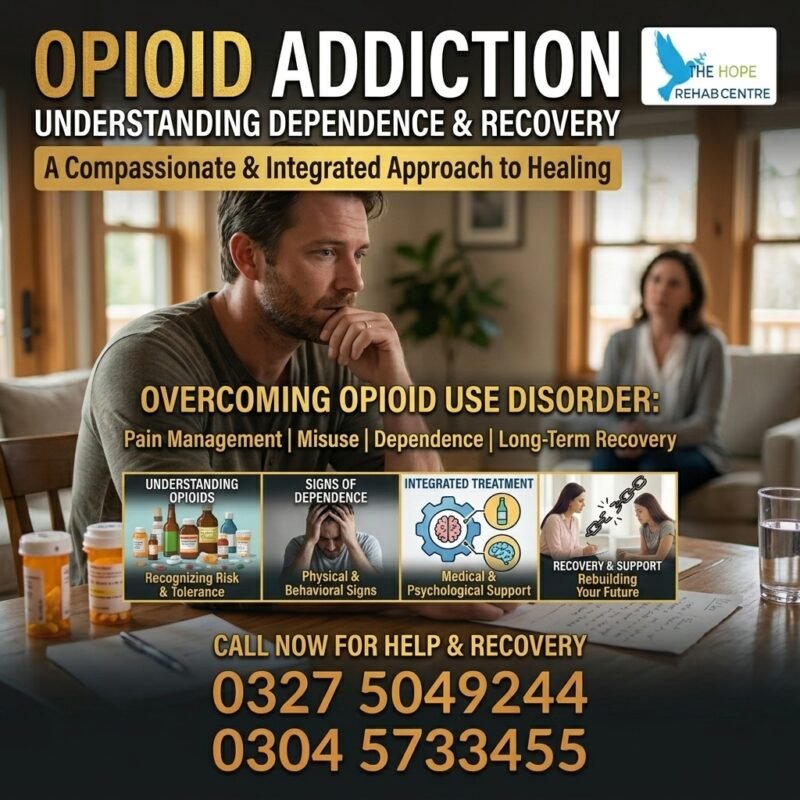
Effective treatment can include medication, counseling, behavioral support, and ongoing recovery care. The appropriate plan depends on the person’s health, opioid use history, treatment preferences, and individual circumstances.
Medication for Opioid Use Disorder
Evidence-based medicines such as buprenorphine and methadone can help reduce cravings and withdrawal symptoms and support recovery when prescribed and monitored by qualified professionals.
Naltrexone may also be appropriate for some individuals after the required opioid-free period and clinical assessment.
These treatments are not simply substitutes for one addiction with another. When appropriately prescribed, they are established medical options for treating opioid use disorder and reducing associated risks.
Medication selection and timing require professional guidance. People should not attempt to start, stop, or adjust these medicines without medical advice.
Counseling and Behavioral Therapy
Counseling can help individuals identify triggers, manage stress, develop coping strategies, and address the effects of opioid use on relationships and daily life.
Behavioral support can complement medication and help individuals build routines that support recovery.
Detoxification and Rehabilitation
Some people need supervised withdrawal management or a structured rehabilitation setting. Detoxification alone, however, does not provide the full treatment needed for opioid use disorder.
A continuing care plan may include medication, counseling, outpatient services, residential treatment when appropriate, and follow-up support.
Opioid Overdose Prevention
Overdose prevention is an essential part of opioid-related care.
Warning signs of a possible opioid overdose include unconsciousness, inability to wake the person, very slow or absent breathing, and blue or grey lips or fingertips.
If an overdose is suspected, call local emergency services immediately. Give naloxone if available and follow the emergency operator’s instructions. If the person is not breathing normally, provide CPR or rescue breathing if trained or instructed to do so. Stay with the person until emergency help arrives.
Combining opioids with alcohol, benzodiazepines, or other sedating substances can increase overdose risk.
Family Support and Long-Term Recovery
Family members can provide valuable encouragement while maintaining healthy boundaries. Learning about opioid use disorder may help relatives respond with understanding rather than blame.
Recovery planning can include regular clinical follow-up, counseling, appropriate medication, social support, and strategies for managing high-risk situations.
A return to opioid use should prompt a reassessment of treatment needs. It is not a reason to withhold care or assume recovery is impossible.
Opioid Addiction Support at The Hope Rehabilitation Center Islamabad, Pakistan
The Hope Rehabilitation Center Islamabad, Pakistan, provides a setting for individuals and families seeking support for addiction and related concerns.
Anyone considering treatment for opioid dependence should receive an appropriate professional assessment. Treatment planning should consider withdrawal risks, overdose history, physical health, mental health, and whether medication for opioid use disorder may be suitable.
An individualized approach can help people understand their options and work toward safer, sustained recovery.
Frequently Asked Questions
1. What is the difference between opioid dependence and opioid addiction?
Physical dependence means the body has adapted to opioids and may experience withdrawal when they are stopped. Opioid addiction involves a problematic pattern of use, such as impaired control and continued use despite harm. The two can occur together but are not identical.
2. Can opioid addiction be treated?
Yes. Treatment may include medicines such as buprenorphine or methadone, counseling, behavioral support, and continuing care. The appropriate plan depends on individual needs.
3. Is opioid withdrawal dangerous?
Withdrawal can be extremely uncomfortable and may cause complications. Medical guidance is important, particularly for people with other health conditions or during pregnancy. Overdose risk also rises if someone returns to opioid use after tolerance has decreased.
4. What is naloxone used for?
Naloxone is a medicine that can rapidly reverse an opioid overdose. It should be given when an overdose is suspected if available, alongside an immediate call for emergency assistance.
5. How can families support someone recovering from opioid addiction?
Families can encourage professional treatment, learn about the condition, support follow-up care, and establish healthy boundaries. Compassionate support can help, but medical treatment should be provided by qualified professionals.
Conclusion
Opioid addiction is a treatable health condition that requires informed, individualized care. Recognizing warning signs, understanding withdrawal and overdose risks, and exploring evidence-based treatment can help individuals and families take safer steps toward recovery.
Medication, counseling, family support, and continuing care can all contribute to a comprehensive recovery plan. For people considering treatment at The Hope Rehabilitation Center Islamabad, Pakistan, a professional assessment is a useful starting point for understanding suitable care options and planning the next steps.