If you are a drug addict or loved one of a drug addict, selecting the best drug rehabilitation center in Pakistan is crucial. Drugs Effects Landslides can have serious consequences on physical health, mental health and well-being, family relations and all areas of life including education and work. But getting into proper treatment can also help people get started on their road to recovery and learn how to create good habits going forward.
But like everything else, not every rehabilitation center offers the same care as others. Some specialize in outpatient care, medical detox coordination, or continuing support following treatment; others offer advice on residential treatment. Being aware of the differences can guide families in making an educated decision.
A good drug rehabilitation center is not the most expensive or hugely advertised. Is an example of the right service to create when balanced properly, this is a controlled environment in which all appropriate safe ethical care reflecting persons needs can be provided.
The Importance of Picking the Right Substance Abuse Rehabilitation Centre
This makes addiction a complex health illness affected on almost all levels by biological, psychological, and social factors. Effective treatment should do more than just stop drug use It also needs to assure you that it takes into account withdrawal risks, mental health, physical health, personal circumstances and the realities of sustained recovery.
By opting for a suitable rehabilitation center, a person can:
- Get proper evaluation and treatment planning.
- Overcome withdrawal safely and medically, without risk of danger.
- Get to know what leads towards use of substance.
- Adopt new coping mechanisms and practices
- Address related mental health concerns.
- Construct an ongoing recovery plan following treatment.
The appropriate level of care is not the same for everyone. An evaluation by a professional can help establish if inpatient rehabilitation, outpatient treatment, or combo of services fits the bill.
What to Consider When Selecting the One of Best Drug Rehabilitation Centre in the Pakistan
So, before you select your facility, here are some important things to think about.
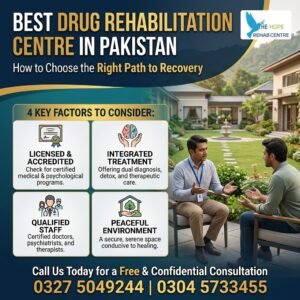
1. Medical and Mental Health Professionals who are qualified.
A trusted rehabilitation center would be transparent about the experience of the professionals in treatment. Care is also often designed in such a way that it needs the presence of one or more doctors, psychiatrists, psychologists, nurses, addiction counselors or other trained professionals from the health profession.
Inquire who overs a patient, who monitors for withdrawal complications and how to react in the event of a medical emergency.
If there is a history of severe alcohol or sedative withdrawal, seizures, major medical illness, or other serious health problems, be sure the site can provide necessary service level and/or timely systematic hospital reference.
2. Individualized Treatment Plans
Addiction affects people differently. Treatment must be tailored to the individual’s substance use history, physical health, mental health, family situations, and recovery goals.
These factors should be assessed by a suitable centre before they recommend a program. Ask if the treatment plan is reviewed when needs change and whether they person has a voice in the care decisions.
Scam alert: If the facility guarantees that everyone at their center receives the same treatment or top level therapy without an appropriate, comprehensive assessment—run in another direction.
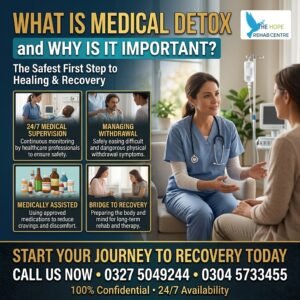
3. Safe and Appropriate Detoxification
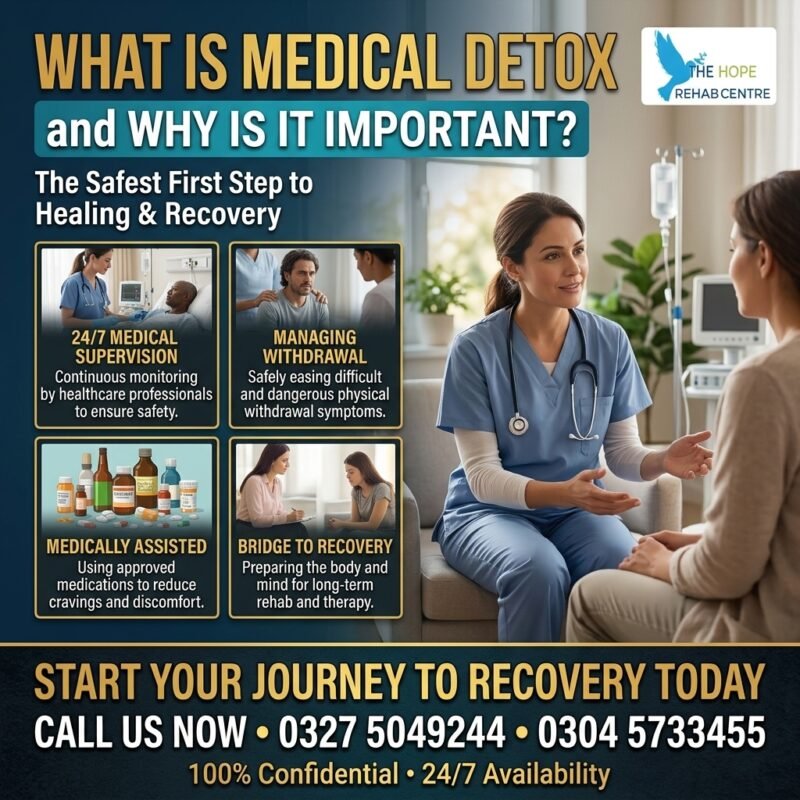
Others require medical help while quitting drugs or alcohol. Risk of withdrawal is highly variable depending on the substance, route and frequency/duration of use, concomitant medications and medical conditions.
Withdrawal from alcohol or benzodiazepines can be lethal. Withdrawal from illicit opioids can also be acutely distressing and even dangerous, especially for the associated dehydration that vomiting or diarrhea may cause.
Inquire about medically supervised withdrawal management, medical availability and how emergencies are handled. Explain how transfers or referrals are done for individuals that do not have medical detox on the premises.
That is why detox alone, in general, does not provide adequate treatment of the addiction itself. Should be tied to a continuous recovery plan
4. Evidence-Based Addiction Treatment
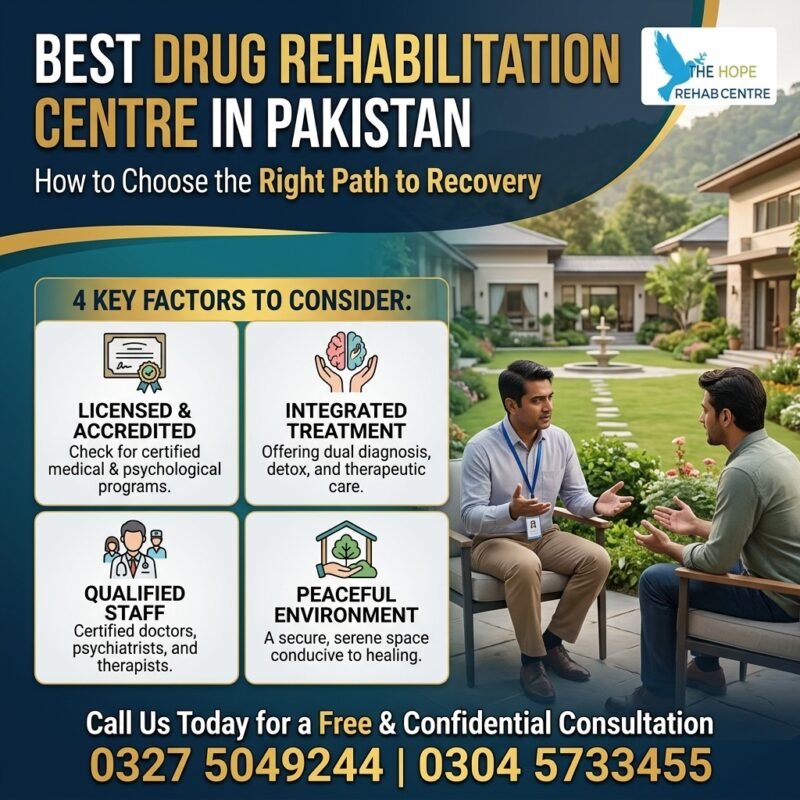
Search for a center, which can provide rationale behind each of the treatments it reproduces and what makes them suitable for individual patients.
Treatment may include, depending on a person’s needs:
- Individual counseling and behavioral therapies.
- Group counseling or peer support.
- Family education and counseling.
- Medications for certain substance use disorders, as needed and appropriate.
- Mental health assessment and treatment.
- Relapse-prevention planning and continued follow-up.
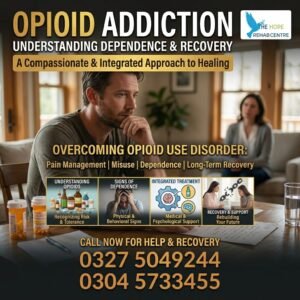
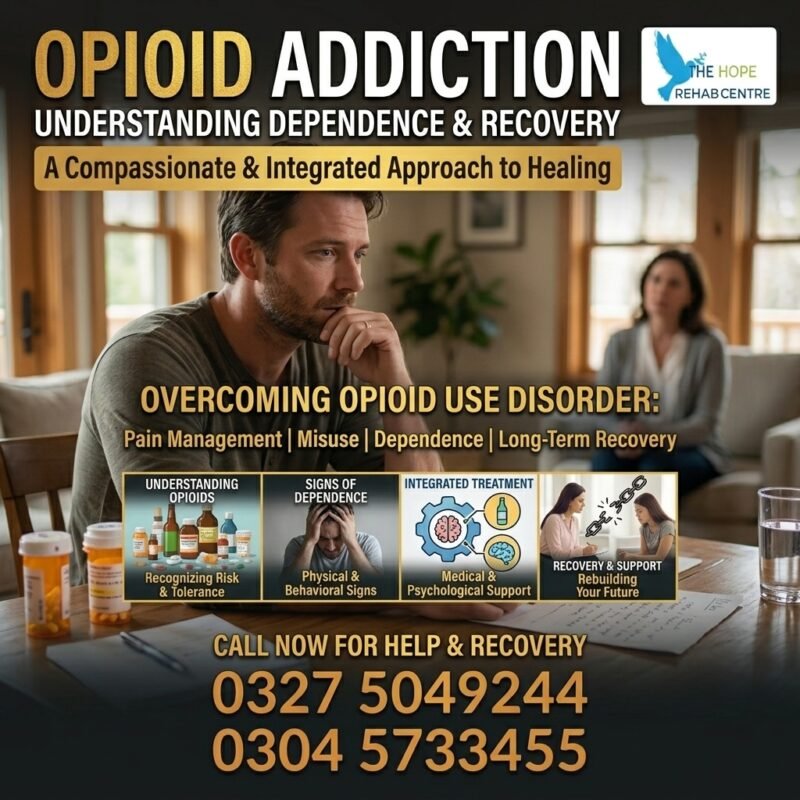
For Opioid Use Disorder, ascertain whether evidence-based medications such as buprenorphine or Methadone are available or can be arranged through appropriate medical providers. These treatments are no less effective than placing people on a waiting list in the hospital and should never be discounted solely because they involve medication, which can help alleviate cravings and overdose risk.
5. Help for More Than One Mental Health Condition at the Same Time
Depression, anxiety, trauma related symptoms or other mental health problems are all also experienced alongside addiction by some people. May require attention when these conditions occur together.
Inquire if the center attempts to evaluate psychological health requirements and is able to offer the necessary procedure or alternate recommendations. Integrated care is the answer to these questions, and it’s an important part of helping people overcome their need to use substances in order to cope with emotional pain.
A facility should also have a clear process for the response to suicidal thoughts, severe psychological distress or other psychiatric emergencies.
6. A Safe, Respectful Environment
Their dignity and safety must always stay at the heart of treatment. If possible, go for a visit and ask about the daily routine of the facility, how private it is, what staff is available during certain hours or whether you can bring up a complaint.
A supportive environment must be an enabling one that is free from humiliating, threatening, violent or degrading treatment.
Inquire how the here center safeguards patient confidentiality, provides a disease explanation of treatment options, and ensures that informed consent is received. Families should know what went in to when updates were released and the privacy laws that apply.
7. Family Involvement and Recovery Education
Family and friends can help play an essential role in recovery, as cheerleaders. Certain addiction recovery plans include family therapy, education on drug dependence or advice about healthy limits.
When the situation allows for it and with the consent of the patient, inquire how families could be involved.
Family involvement should help recovery rather than provide more pressure or blame. Family members may also require advice about identifying warning signs, dealing with relapses, and elevating follow-through to therapy.
8. Aftercare and Relapse Prevention
As part of our work to end the stigma around substance use recovery, we share: Recovery Does Not End with “Sure Recovery” Going back to places or activities that strongly associate with use can be anxiety provoking.
An appropriate treatment plan will include the preparation for life after rehab. So, it might include things like follow-up appointments, outpatient counseling, peer support, medication management family support and craving coping.
Find out what after-discharge care there is, and whether follow-on care is available or if the center would still be able to offer support should a person require it again.
Questions to Consider Before Choosing a Rehabilitation Centre
It always helps to have honest conversation with the center before final decision, try to get answers for some practical questions directly.
- Are the facility and certain professionals sufficiently licensed, registered or certified per local laws?
- Who performs the initial medical and psychological evaluation?
- How is the substance treated?
- Does it provide medically supervised detoxification, or does it refer patients out?
- What makes emergencies —seizures, overdose or extreme withdrawal—managed?
- How does this work for mental health problems?
- Do families have the opportunity to be involved in treatment when relevant?
- How much are the fees total and what you get
- What is the management of privacy, consent and complaints?
- What aftercare and support can I get afterwards?
Not only on the promotional statements. Inquire about verifiable details and consider your option regarding treatment plan in a proper manner.
Red Flags to Look Out For
Exercise caution if a facility comparing rehabs in Pakistan:
- Guarantees a full recovery or claims that relapse will not occur.
- Cannot describe staff qualifications/ their credentials or what the treatment process entails.
- Both make vague insinuations about being medically supervised.
- It precludes a medical assessment before detox.
- Will not answer questions about fees, patient rights or privacy policies.
- It employs humiliation intimidation or humiliating practices
- Does not outline a definite plan for post-discharge care
Conclusion Addiction treatment is a health care process and outcomes are individual. Ethical providers must counsel realistic expectations and assist patients by helping them to make educated decisions.
Cost of Drug Rehabilitation in Pakistan
How Much Does Drug Rehabilitation Cost? The cost of going to drug rehabilitation can vary significantly based on location, type of facility, length of stay, level of care, and included services.
Residential programs might institute differently structured fees than outpatient services. The cost could be impacted by medical detoxification, consultations with specialists, prescription medications, lab tests and other treatments.
Get the list of fees in writing before you sign up. Inquire if medication, assessment, meals, lodging, counseling emergency treatment and follow-up visits is or charged separately.
Cost is definitely a key factor, but it is not the sole deciding criterion. That a fee is lower does not mean there will be poor care any more than a higher fee guarantees an improved treatment. Safety, professional credentialing, proper treatment indications and establishing transparency.
Selecting a Drug Rehab Centers in Islamabad
Families who wanted treatment in Islamabad had issues with accessibility, medical support & their privacy, as well as the nature of the programmed itself.
Look at the ability of the center to identify which individual needs what particular treatment, whether they can explain how the treatment will occur and ensure that as much medical care needed is provided at that time too. In the case of serious medical and/or substance withdrawal complications, check that specific physiological needs can be safely met at the facility and that key mental health issues will also be adequately managed.
You might also consider how easily family members can take part in appointments, whether follow-up care is available and what the person will do when they leave treatment and return to everyday life.
In this case, the center that can provide adequate care for you and a viable recovery plan best tailored to your needs.
The Hope Rehabilitation Center Islamabad, Pakistan show you compassion:
The Hope Rehabilitation Center Islamabad, Pakistan are a source of help for individuals and families looking. Individuals contemplating rehab should share their history of drug use, any medical needs they have, and the results of an evaluation done by a mental health expert regarding recovery goals with a counselor or therapist.
Individuals and families should learn about treatment options, level of staff training and supervision by medical professionals, patient safety measures, and follow-up care arrangements. These details are to know if a facility meets the needs of a specific person.
Confirm with the center itself—what services are offered, what is involved in their intake procedures and if they will be able to administer or arrange for medical detoxification and other specialized care as needed.
An informed choice can aid individuals and families in recognizing suitable help or an educated first effort towards healing.
Frequently Asked Questions
1. What is the best drug rehabilitation center in Pakistan?
Ultimately, what the best center for you is will be determined by your substance use situation, medical condition, mental health needs, budget and preferred treatment setting. Search just above for credentialed staff, acceptable medical care, evidence-based remedy that informs admission policies and aftercare preparation over flags or advertisements alone.
2. In general, the drug rehabilitation process as a whole can range from several months to sometimes longer.
Treatment duration varies. Others do well with shorter structured programs, followed by outpatient care and the continuing support of peers combined with groups. You are able to figure out a plan when evaluated professionally, although that will change as you recover.
3. Do you need to go through medical detox first, before heading to rehab?
While a medical detox is an effective choice for those severe cases of alcohol withdrawal, not everyone needs it. Having said this, there are individuals who may be physically dependent on particular substances that need to have a biological controlled detoxification their withdrawals in a supervision environment. This means that the withdrawal from alcohol and benzodiazepine can be potentially life-threatening, and should therefore not be done without medical guidance.
4. Addiction treatment without residential rehab.
Yes. Treatment can occur via, outpatient counseling, medication treatment, medical appointments, or community support depending on risk and the needs of the individual. If someone needs more intensive supervision or a structured space, residential care is more fitting.
5. Click here to read: When Someone Refuses Addiction Treatment, What Should Families Do?
Speak gently, say you are concerned but non-judgmentally, and request help from a qualified expert. Advice on healthy boundary setting and responding to risk behavior. For an acute overdose, a life-threatening withdrawal or other medical emergency, call emergency services instead of allowing the person to go home where treatment can eventually be arranged.
Conclusion
Selecting the right drug rehabilitation center in Pakistan requires a certain level of research and understanding of what an individual needs best. One in which there is medical safety, competent professionals, evidence-based treatments, dignified care and post-treatment recovery resources.
Families should question, be wary of all pertinent credentials, compare facilities and services. Steer clear of places that promise the moon but do deliver on medical advice received. A proper treatment plan should cater to individual needs, be medically reasonable and target permanent health.
Through proper education and the right professional guidance, individuals struggling with addiction can begin to achieve sobriety and start living a better life.