Recovery is a personal journey, and every individual has unique needs, experiences, and challenges. Effective treatment programs are designed to provide structured, compassionate, and evidence-informed care that supports both physical and emotional healing. Whether someone is facing addiction, depression, anxiety, or another mental health condition, receiving professional support can be an important step toward long-term well-being.
Treatment programs combine medical care, psychological support, counseling, and lifestyle guidance to help individuals regain stability and develop healthier coping strategies. At The Hope Rehabilitation Center Islamabad, Pakistan, treatment plans are personalized to meet each person’s specific recovery goals while maintaining a respectful, confidential, and supportive environment.
What Are Treatment Programs?
Treatment programs are organized plans of care that help individuals recover from substance use disorders, mental health conditions, or both. These programs often include a combination of medical assessment, therapy, counseling, education, and follow-up support.
The purpose of treatment is not only to reduce symptoms but also to improve emotional resilience, daily functioning, and overall quality of life.
Depending on individual needs, treatment programs may be short-term or long-term and can involve different levels of care.
Types of Treatment Programs
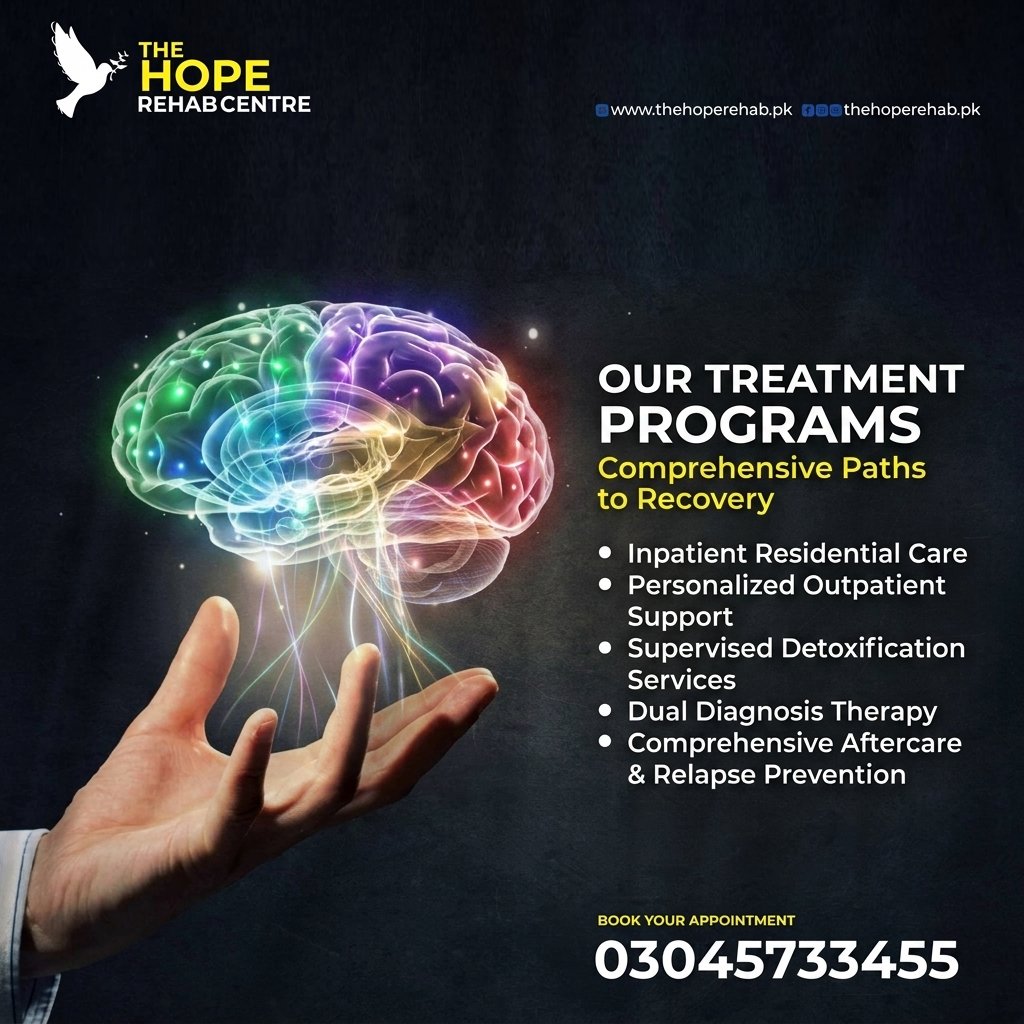
Inpatient Rehabilitation
Inpatient programs provide 24-hour care in a structured setting where individuals can focus entirely on recovery. This option may be appropriate for those with severe addiction, complex mental health conditions, or a need for close supervision during treatment.
Outpatient Services
Outpatient treatment allows individuals to receive therapy and counseling while continuing with work, education, or family responsibilities. Scheduled appointments provide ongoing professional support without requiring residential care.
Detoxification Programs
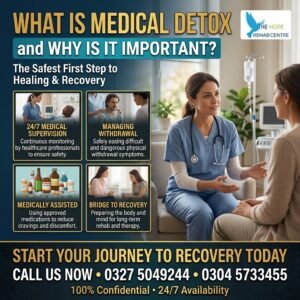
For individuals with substance dependence, detoxification may be the first stage of treatment. During detox, the body gradually clears addictive substances while withdrawal symptoms are monitored and managed by healthcare professionals.
Mental Health Support Programs
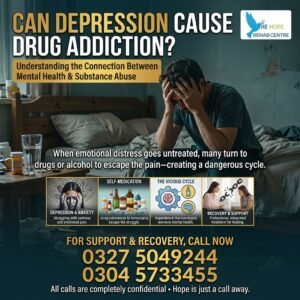
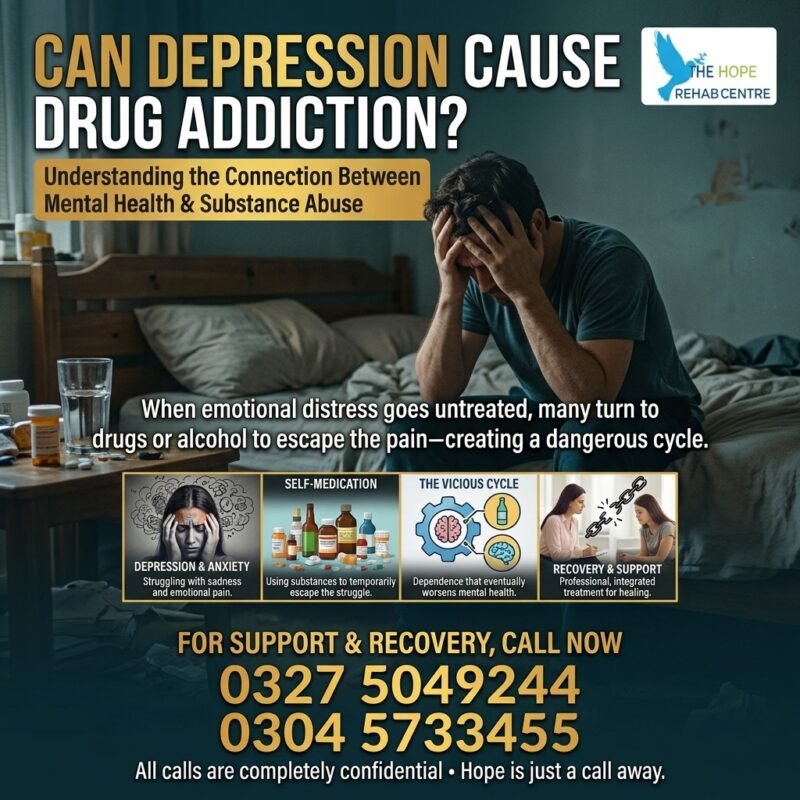
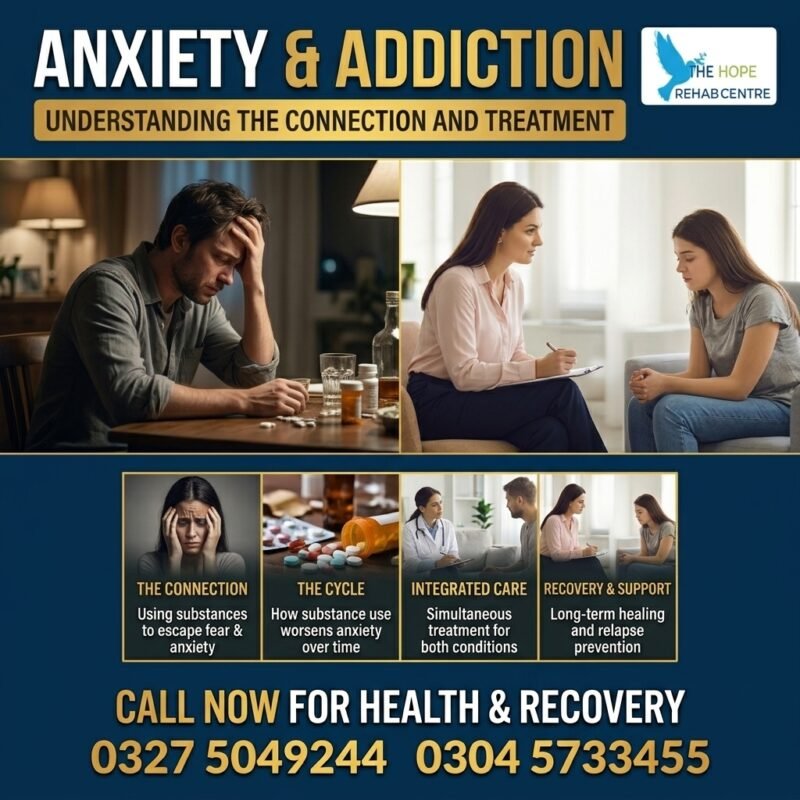
Mental health treatment programs may include therapy, psychiatric assessment, emotional wellness planning, and coping skills development for conditions such as depression, anxiety, trauma, or stress-related disorders.
At The Hope Rehabilitation Center Islamabad, Pakistan, treatment recommendations are based on each individual’s clinical assessment and recovery needs.
Key Components of an Effective Treatment Program
Comprehensive Assessment
Treatment begins with a detailed evaluation of physical health, mental well-being, substance use history, and personal circumstances. This assessment helps professionals create an individualized care plan.
Individual Counseling
One-on-one counseling provides a confidential space where individuals can discuss emotional challenges, identify personal goals, and develop healthier coping strategies.
Behavioral Therapy
Evidence-based therapies, including Cognitive Behavioral Therapy (CBT), can help individuals recognize negative thought patterns, manage triggers, and build positive behavioral changes.
Group Therapy
Group sessions encourage individuals to share experiences, learn from others, and develop a sense of community during recovery.
Family Support
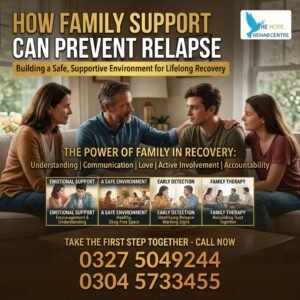
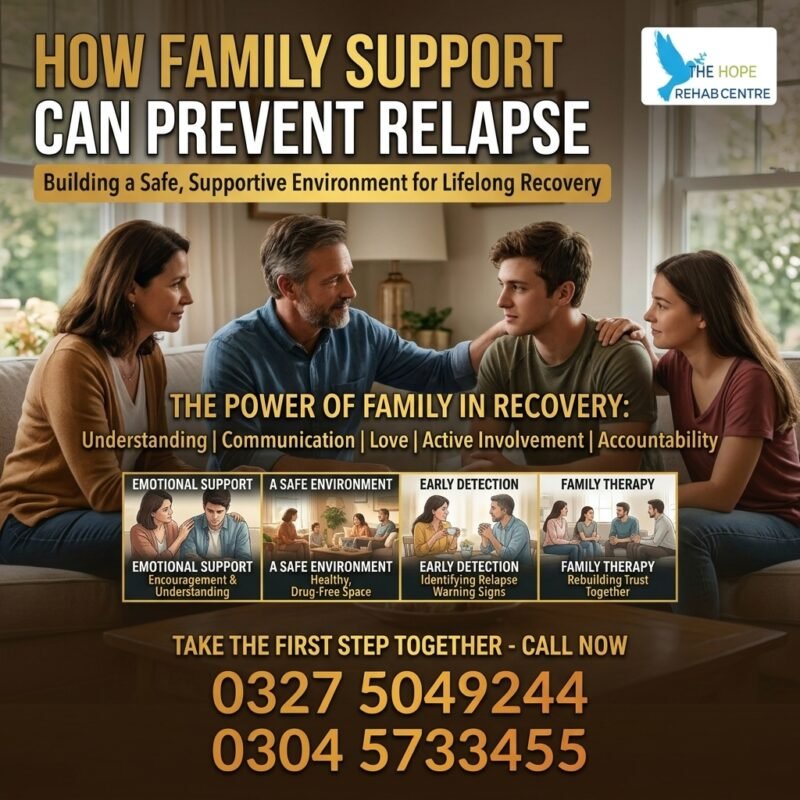
Family involvement may be incorporated into treatment when appropriate. Family counseling can improve communication, rebuild trust, and strengthen support systems at home.
Benefits of Structured Treatment Programs
Professional treatment offers several advantages that support lasting recovery, including:
- Personalized care based on individual needs
- Professional guidance from trained healthcare providers
- Emotional support in a safe and respectful environment
- Development of healthy coping skills
- Improved understanding of addiction and mental health
- Long-term recovery planning
Structured care helps individuals address not only symptoms but also the underlying factors contributing to their condition.
The Importance of Aftercare
Recovery continues after formal treatment ends. Aftercare programs help individuals maintain progress and manage challenges during daily life.
Aftercare may include:
- Follow-up counseling
- Relapse prevention planning
- Support group participation
- Mental health check-ins
- Lifestyle and wellness guidance
At The Hope Rehabilitation Center Islamabad, Pakistan, ongoing support is considered an important part of long-term recovery and emotional well-being.
Building Healthy Habits During Recovery
Treatment programs often encourage individuals to develop routines that support overall health, such as:
- Maintaining regular sleep schedules
- Eating balanced meals
- Participating in physical activity
- Practicing stress management techniques
- Strengthening positive social relationships
These habits can contribute to greater emotional stability and improved quality of life.
Frequently Asked Questions (FAQs)
1. What is the purpose of a treatment program?
A treatment program provides structured care to help individuals manage addiction, mental health conditions, and related challenges while supporting long-term recovery.
2. How do professionals decide which treatment program is appropriate?
Healthcare professionals perform a comprehensive assessment to determine the individual’s needs, health status, and recovery goals before recommending a treatment plan.
3. Can treatment programs address both addiction and mental health conditions?
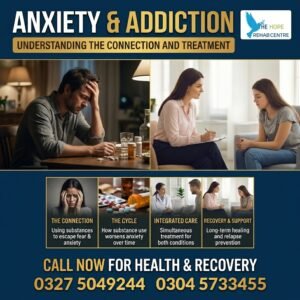
Yes. Many individuals benefit from integrated care that addresses substance use disorders and co-occurring mental health conditions together.
4. Is family involvement important during treatment?
Family participation can improve communication, strengthen emotional support, and contribute positively to the recovery process when appropriate.
5. Why is aftercare important?
Aftercare provides continued guidance, emotional support, and relapse prevention strategies that help individuals maintain progress after completing formal treatment.
Conclusion
Treatment programs provide a structured pathway toward recovery by addressing the physical, emotional, and psychological aspects of addiction and mental health conditions. Every individual’s journey is different, which is why personalized care, professional guidance, and ongoing support are essential components of effective treatment.
At The Hope Rehabilitation Center Islamabad, Pakistan, treatment programs are designed with compassion, professionalism, and respect for each person’s unique needs. Through comprehensive assessment, therapy, counseling, family involvement, and aftercare planning, individuals are supported as they work toward improved health, emotional well-being, and a more stable future.