Recovery from addiction doesn’t end when a person completes detoxification or leaves a rehabilitation program. Returning to everyday life can bring familiar stressors, emotional challenges, social pressure, and situations associated with previous substance use. A structured Relapse Control Program can help individuals recognize these challenges early and develop practical strategies for maintaining recovery.
Relapse is not a sign of personal failure. Addiction is a complex health condition, and recovery can involve setbacks as well as progress. Effective relapse prevention focuses on understanding triggers, strengthening coping skills, maintaining support, and responding quickly when warning signs appear.
At The Hope Rehabilitation Center Islamabad, Pakistan, relapse-prevention support can be incorporated into an individualized recovery plan according to a person’s clinical needs, circumstances, and treatment goals.
What Is a Relapse Control Program?
A Relapse Control Program is a structured approach designed to help people identify and manage factors that may increase the risk of returning to substance use.
The program may include:
- Individual counseling
- Behavioral therapy
- Trigger identification
- Craving-management techniques
- Family education
- Stress-management strategies
- Healthy lifestyle planning
- Aftercare and follow-up
- Emergency or crisis planning when appropriate
The goal isn’t to promise that relapse will never happen. Instead, the focus is on helping individuals recognize risks, strengthen protective factors, and seek support early.
Why Relapse Can Happen
Relapse can occur for many reasons. Some people encounter emotional triggers, while others face environmental or social pressures.
Common risk factors include:
- Stress
- Anxiety or depression
- Relationship conflict
- Exposure to drugs or alcohol
- Returning to places associated with previous use
- Social pressure
- Loneliness
- Poor sleep
- Overconfidence about recovery
- Stopping treatment or support too early
Understanding personal risk factors can help an individual prepare for difficult situations rather than being caught off guard.
Identifying Early Warning Signs
Relapse often involves a progression of changes rather than a single event. Recognizing early warning signs can create an opportunity to seek help before substance use resumes.
Possible warning signs include:
- Increasing isolation
- Romanticizing past substance use
- Missing counseling sessions
- Returning to old social environments
- Significant mood changes
- Ignoring healthy routines
- Experiencing persistent cravings
- Believing that controlled substance use is safe after recovery
A personalized plan can help individuals determine which warning signs are particularly relevant to them.
Relapse Prevention Through Behavioral Therapy
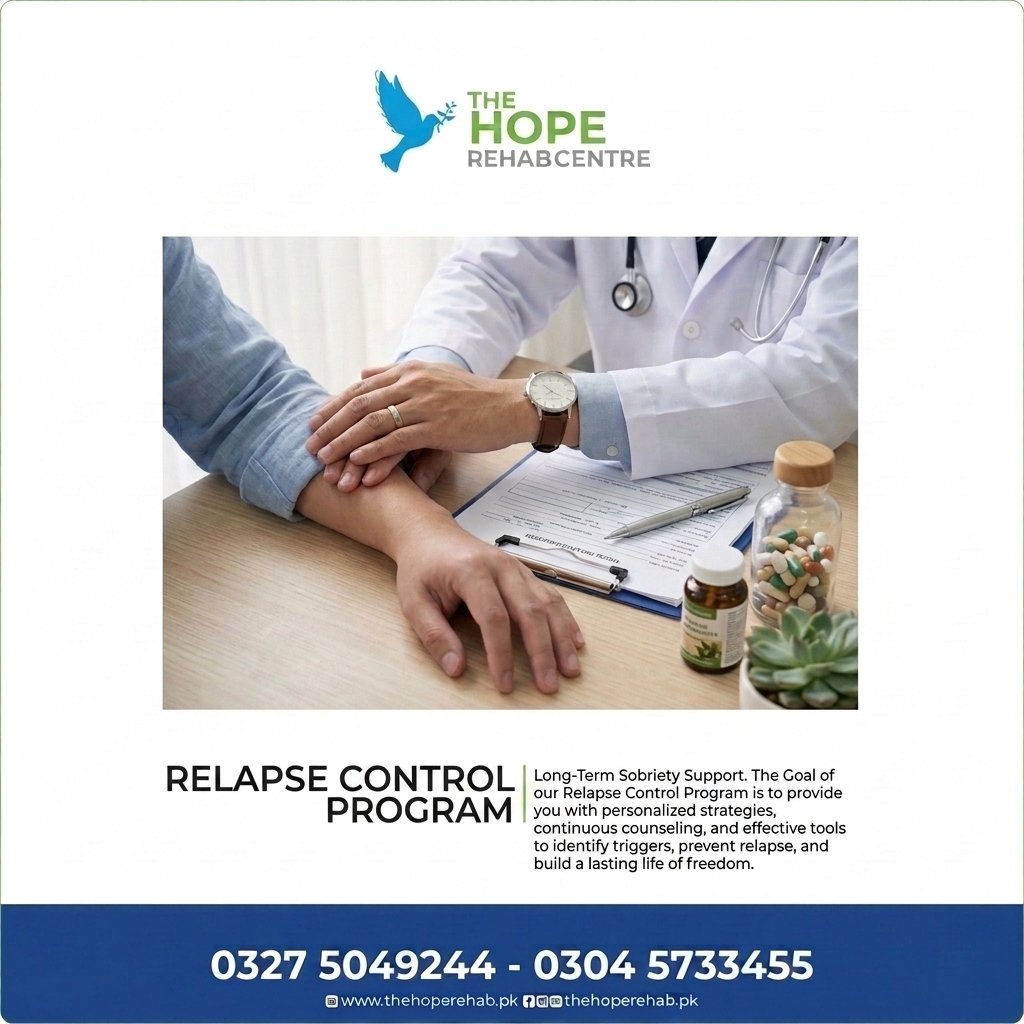
Behavioral therapy can be an important component of relapse prevention. It can help people examine the thoughts, emotions, and behaviors that contribute to substance use.
For example, someone may think, “I had a difficult day, so I deserve to use.” Therapy can help the individual recognize this thought pattern and develop a healthier response.
Treatment may focus on:
- Recognizing high-risk situations.
- Understanding emotional triggers.
- Challenging unhelpful thought patterns.
- Practicing alternative coping strategies.
- Strengthening decision-making skills.
- Developing realistic recovery goals.
These skills can be practiced repeatedly so they become easier to use during stressful situations.
Managing Cravings
Cravings can occur even after a period of abstinence. They don’t necessarily mean that a person has failed or must return to substance use.
Strategies for managing cravings may include:
- Delaying a decision to use
- Changing the immediate environment
- Contacting a trusted person
- Practicing breathing or relaxation exercises
- Engaging in physical activity
- Distracting attention with a healthy activity
- Discussing persistent cravings with a treatment professional
The most appropriate strategy varies from person to person.
The Role of Family Support
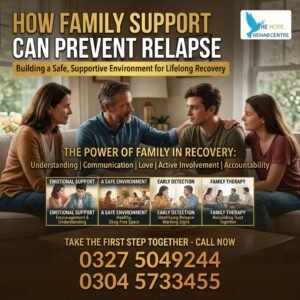
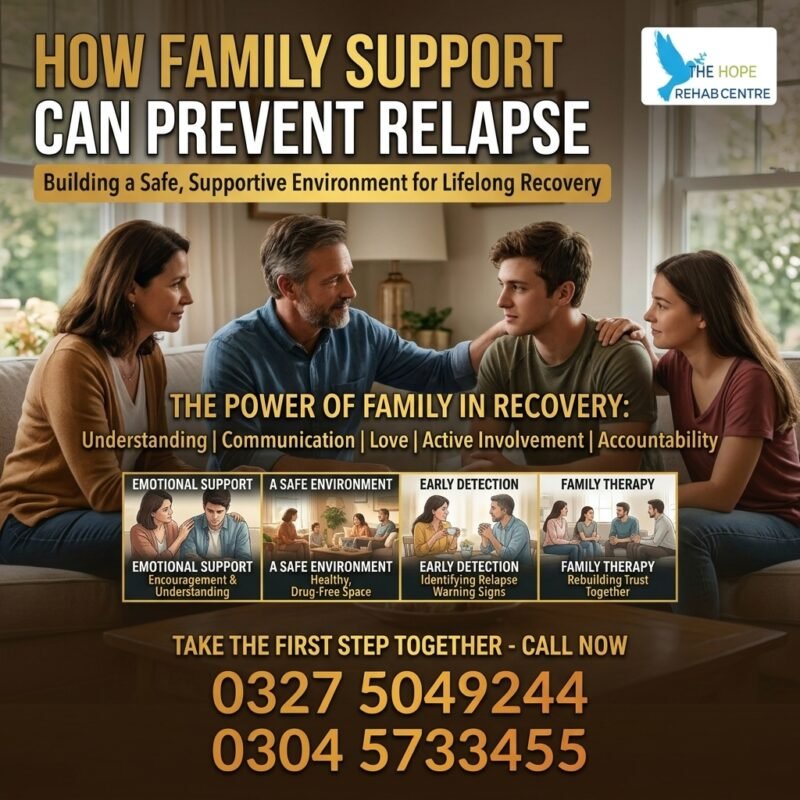
Family members can contribute significantly to recovery when their involvement is appropriate.
A supportive family environment may encourage:
- Open communication
- Healthy routines
- Continued treatment
- Appropriate boundaries
- Early discussion of warning signs
- Reduced exposure to substances
However, relatives should not be expected to monitor or control every aspect of another person’s recovery. Professional guidance can help families understand how to provide support without enabling harmful behavior.
Mental Health and Relapse Prevention
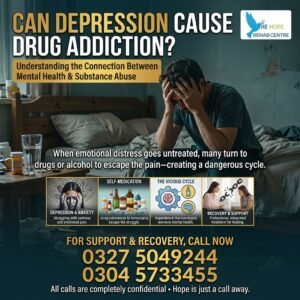
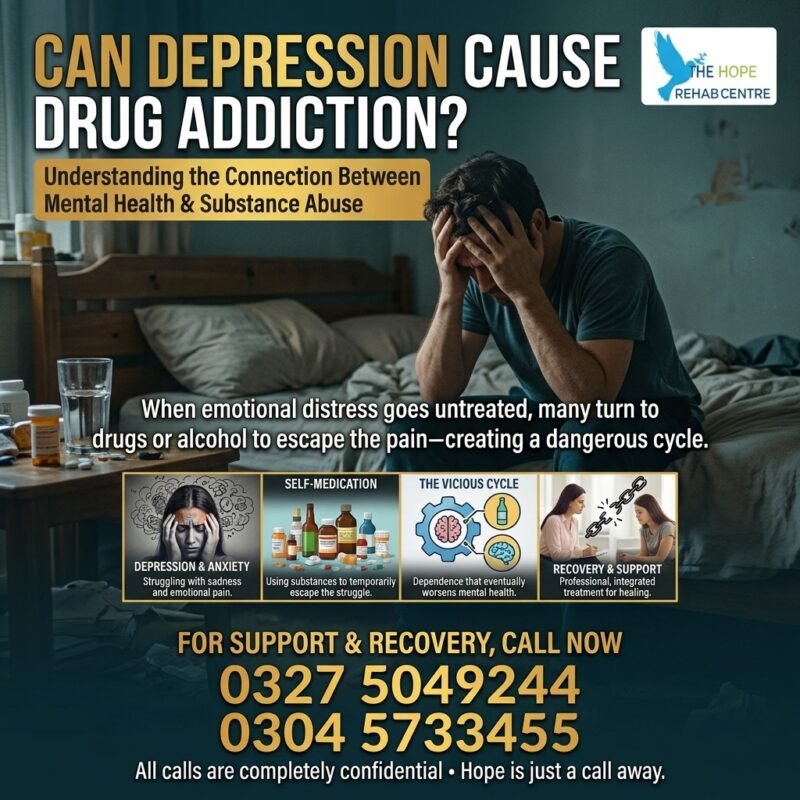
Mental health concerns can sometimes increase vulnerability to relapse. Depression, anxiety, trauma-related symptoms, and other psychological difficulties may affect coping abilities and motivation.
For people experiencing both addiction and mental health conditions, treatment should consider both concerns. Addressing only substance use may leave important factors contributing to relapse unresolved.
A mental health professional can help determine whether additional psychological or psychiatric care is appropriate.
Aftercare and Continuing Support
Aftercare is an important part of maintaining progress. The transition from structured rehabilitation to independent living can be challenging, particularly when familiar routines return.
Aftercare may include:
- Follow-up counseling
- Support groups
- Family sessions
- Recovery check-ins
- Mental health care
- Lifestyle planning
- Relapse-prevention reviews
The intensity and duration of aftercare should be adjusted according to individual needs.
What Happens After a Relapse?
A relapse should be taken seriously, but it doesn’t erase previous progress. It can provide useful information about what may need to change in the treatment plan.
After a return to substance use, it can be helpful to:
- Seek professional support promptly
- Identify what happened before the relapse
- Review triggers and warning signs
- Reassess treatment needs
- Strengthen social support
- Address untreated mental health concerns
- Modify the relapse-prevention plan
If substance use creates an immediate medical or safety emergency, urgent professional assistance should be sought.
How The Hope Rehabilitation Center Can Support Recovery
The Hope Rehabilitation Center Islamabad, Pakistan recognizes that long-term recovery requires ongoing attention to physical health, mental health, relationships, and daily habits. Relapse-prevention support can be incorporated into an individualized treatment and aftercare plan.
The appropriate approach depends on the substance involved, the person’s recovery history, current mental and physical health, and level of support available.
Frequently Asked Questions
1. What is a Relapse Control Program?
It is a structured recovery approach that helps individuals identify relapse risks, manage cravings, develop coping skills, and maintain appropriate support after or during addiction treatment.
2. Does relapse mean that treatment has failed?
No. Relapse can indicate that the current recovery plan needs reassessment or additional support. It should be addressed promptly and without unnecessary shame.
3. How can someone recognize a possible relapse early?
Warning signs may include isolation, persistent cravings, reconnecting with substance-using environments, skipping treatment, emotional instability, or thinking positively about previous substance use.
4. Can family members participate in relapse prevention?
Yes, when appropriate. Family education and counseling can help relatives understand warning signs, communicate effectively, maintain boundaries, and support continued treatment.
5. How long should relapse-prevention support continue?
There is no universal timeframe. Some individuals may benefit from ongoing counseling or aftercare for an extended period, while others may require less intensive support as their recovery becomes more stable.
Conclusion
A Relapse Control Program can provide valuable structure for people working to maintain recovery from addiction. By identifying triggers, managing cravings, addressing mental health concerns, strengthening family support, and continuing aftercare, individuals can develop practical tools for navigating challenges.
At The Hope Rehabilitation Center Islamabad, Pakistan, relapse prevention can be approached as part of continuing, individualized recovery care. The emphasis should remain on realistic goals, compassionate support, professional assessment, and timely intervention when difficulties arise.