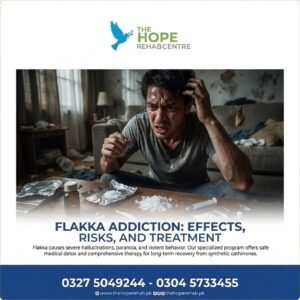
Addiction to flakka is linked with a variety of severe physical, psychosocial and behavioral disorders. In this case, flakka would be the street name of one of the new synthetic stimulants-based drugs called alpha-PVP. It can cause extreme stimulation and may result in agitation, paranoia, hallucinations, and harmful changes to body temperature and heart rate.
Media stories about flakka have suggested very extreme behavior but the actual effects depend on the drug, the dose can vary and most importantly also on how & why it was used together with other drugs. People who understand the risks of flakka and also notice subtle signs of problematic use may obtain treatment sooner.
What Is Flakka?
Flakka is the street name for alpha-PVP, a synthetic stimulant of the cathinone class. These compounds have a potent effect on the reward system and stimulation systems of the brain.
It could be found in a powder or crystal form and you can take it in many different ways. Users may not know what they are consuming because illicitly produced substances may contain unidentified ingredients or different concentrations.
Unpredictability may pose a higher chance of poisoning, overdose and other medical problems.
How Does Flakka Affect the Body and Brain?
Flakka has potent stimulant effects. It has potential to boost neurotransmitters that enhance alertness, reward, and arousal.
Possible short-term effects include:
- Increased energy and alertness
- Rapid heartbeat
- Increased blood pressure
- Restlessness and agitation
- Anxiety and panic
- Sweating
- Dilated pupils
- Reduced appetite
- Insomnia
- Confusion
- Paranoia
- Hallucinations
In the most serious circumstances, it can lead to extremes of agitation, fits, and hyperthermia (high body temperature), abnormal heart rhythms or loss of consciousness.
Flakka Addiction and Dependence
Cycle of stimulation use could add to mental obsession. Cravings increase in individual and may have a need to take the drug in order to feel pleasure, energy, confidence or alertness.
When use is frequent, a person will continue to take flakka even when resulting in medical issues, relationship problems, trouble at work or school flooding home.
Signs of flakka addiction may include:
- Strong cravings
- Repeated unsuccessful attempts to stop
- A lot of time spent obtaining or using the drug
- Neglecting responsibilities
- Using despite inhaling potential detrimental consequences
- Social withdrawal
- Increasing secrecy
- Sleep and appetite changes
- Mood instability
- Complementing flakka effects with other substances
PHYSICAL EFFECTS AND HEALTH RISKS OF FLAKKA
Flakka also puts the cardiovascular system and nervous system under strain.
Potential complications include:
Heart Problems
Stimulant-induced delirium is another form of intoxication overdose that can lead to increased heart rate and high blood pressure, especially from illicit amphetamines. Severe reactions can lead to deadly heartbeat disturbances and cardiovascular issues.
Dangerous Overheating
Hyperthermia, or dangerously high body temperature, can result from severe stimulant toxicity. However, extreme overheating and its dangerous consequences on muscles and organs NEEE emergency medical attention.
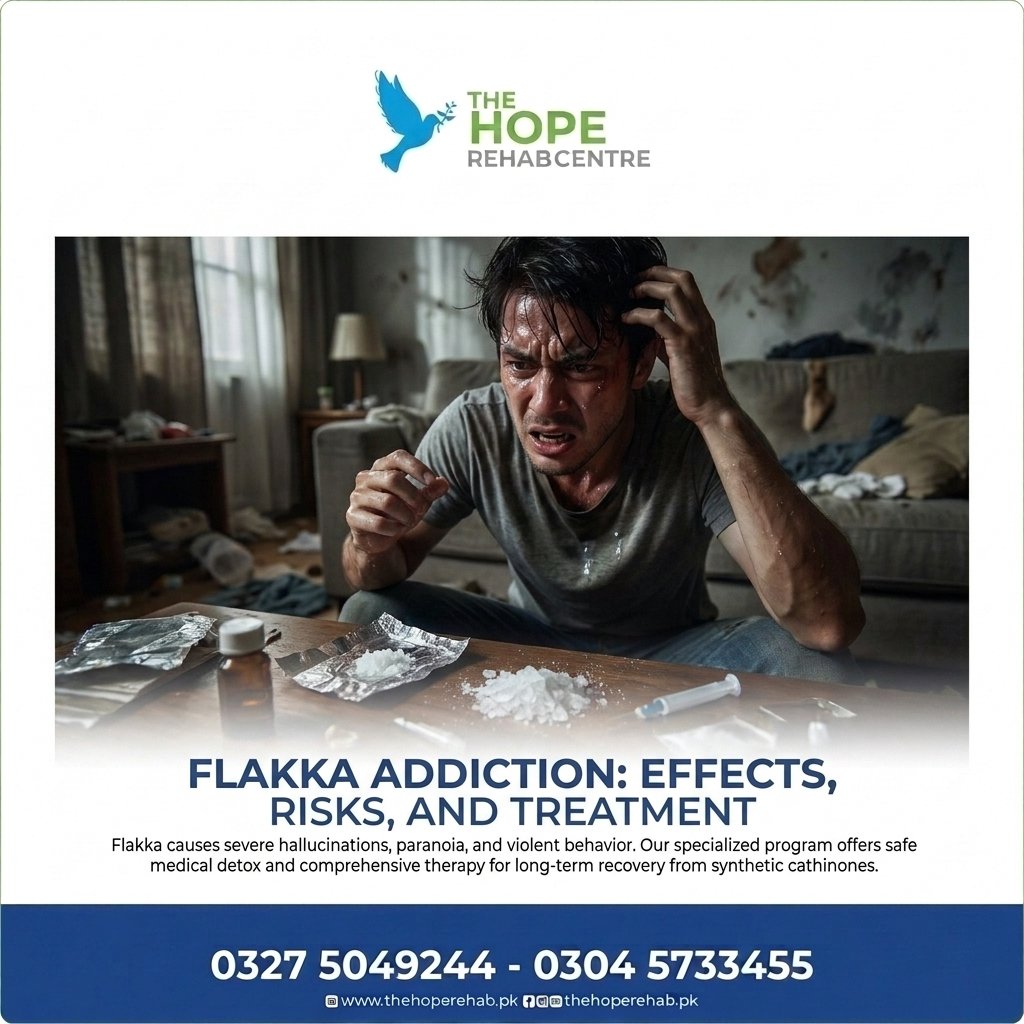
Seizures
Too much stimulation from drugs can result in seizures, especially if very high doses are taken or multiple substances are used together.
Kidney and Muscle Damage
Extreme exertion and heat, panorama are cited as contributory factors in rhabdomyolysis, or muscle breakdown that injures the kidneys.
Mental Health Effects
Numerous psychiatric symptoms such as anxiety, paranoia, confusion and hallucination may be caused by Flakka. These effects can be especially dangerous when a person feels threatened or disoriented.
Flakka Withdrawal
Stimulants are less likely to cause a dangerous physical withdrawal syndrome like some depressant drugs, but more often Cocaine Tablets (or any other drug) withdrawal symptoms are psychological and emotional.
A person who has stopped using flakka may experience:
- Fatigue
- Increased sleep
- Low mood
- Irritability
- Anxiety
- Difficulty concentrating
- Strong cravings
- Increased appetite
- Reduced motivation
A lot of people become depressed. Anyone reading this who is experiencing suicidal thoughts or severe mental distress needs help urgently.
Why Flakka Can Be Difficult to Treat
Illicit products can differ quite a lot in content and strength, meaning that synthetic stimulants can be an unpredictable option. Other drugs such as alcohol, opioids, cannabis, benzodiazepines or other stimulants may be used by individuals that use flakka.
Polysubstance use may also make some assessments and treatments more complex. Assessment is important because it can determine all the substances being used and also any comorbid mental health issues.
Treatment for Flakka Addiction
Stimulant addiction is not one size fits all. Treatment is typically designed around the individuals’ habits in substance use, physical health, mental health and social standings.
Medical Assessment
It usually starts with a physical and psychological evaluation. Patterns of substance use, cardiovascular risks, mental health symptoms, sleep and nutrition concerns are among the medical issues that clinicians may be assessing.
Behavioral Therapy
Behavioral therapies are effective in modifying patients’ attitudes and behaviors related to drug use, as well as increasing the effectiveness of various interventions.
Cognitive-behavioral approaches can help identify thoughts and behaviors that perpetuate drug use.
Mental Health Treatment
Individuals suffering from depression, anxiety, psychosis, post-traumatic symptoms or any other mental health disorder may need combined psychiatric and psychological treatment.
When it comes to lasting recovery, treating co-occurring challenges is an integral step.
Family Support
Addiction education and counseling for family members enables relatives to provide supportive assistance. Similarly, a supportive environment may support the maintenance of treatment and recovery goals.
Relapse Prevention
This recovery does not stop when acute symptoms fade. The tools that are involved in relapse prevention may include an awareness of triggers, the rebuilding of a healthy lifestyle, curating a solid support system, and continuing with counseling if needed.
At What Points Does Flakka Intoxication Become a Medical Emergency?
Life threatening levels of acute overdose toxicity may occur with severe stimulants. If someone who has taken flakka experiences:
- Chest pain
- Difficulty breathing
- Seizures
- Severe confusion or agitation
- Loss of consciousness
- Extremely high body temperature
- Severe hallucinations or dangerous behavior
- Indications of a serious medical emergency
Never try to handle a serious case of intoxicated at home.
Depressed with flakka | The Hope Rehabilitation Center Islamabad, Pakistan
The Hope Rehabilitation Center Islamabad, Pakistan are a leading addiction treatment center for people who are struggling with substance abuse.
Flakka addiction treatment may go beyond just discontinuation of the drug for an individual. A formal treatment plan would look for treating substance misuse, mental health issues, dysfunctional behaviors, family dynamics and preventing relapse.
The appropriate level of care depends on the person’s individual condition and should be determined through professional assessment.
Frequently Asked Questions
1. Is flakka addictive?
Yes. Recurrent usage of flakka (principally alpha-PVP) may produce psychological dependence resulting in a compulsion to take additional, extreme amounts despite awareness or experience of adverse ramifications.
2. Flakka effects and its prevalence: What does flakka feel like?
Read More: Flakka-Increased energy and alertness (through sympathetic stimulation), rapid heartbeat, agitation, anxiety, insomnia, paranoia and hallucinations to say the least. Alcohol poisoning can result in seizures, dangerously high body temperature, heart problems, or loss of consciousness.
3. The psychological symptoms include How long flakka stays in the system?
People report feelings of general fatigue, low mood, irritability, increased sleep or appetite, anxiety and poor concentration along with strong cravings. This is not meant to replace professional help; if you are experiencing significant depression or suicidal thoughts, please seek immediate help.
4. How is flakka addiction treated?
Treatment may involve medical evaluation, psychotherapy, psychiatric care, family therapy, and help with recovery Planning so that the patient does not return to substance abuse. While some people may be able to detox at home, ideally a person undergoes the correct course of treatment based on their health and drug use issues.
5. Can flakka overdose be fatal?
The severe form of this syndrome can be fatal. Harmful high temp, seizures, cardiovascular issues, serious turmoil and loss of awareness require crisis clinical consideration.
Conclusion
Flakka addiction has profound effects on physical well-being and mental health. However, the composition and potency of illicit-level synthetic stimulants can differ widely, leading to unpredictable and possibly dangerous results.
For families, being able to recognize signs of cravings, compulsive use, mood changes, psychological symptoms and physical complications can help them utilize the professional support on hand. Stimulant dependence is treatable with careful evaluation, behavioral therapy, antidepressants or other mental health treatment and long-term recovery support services.