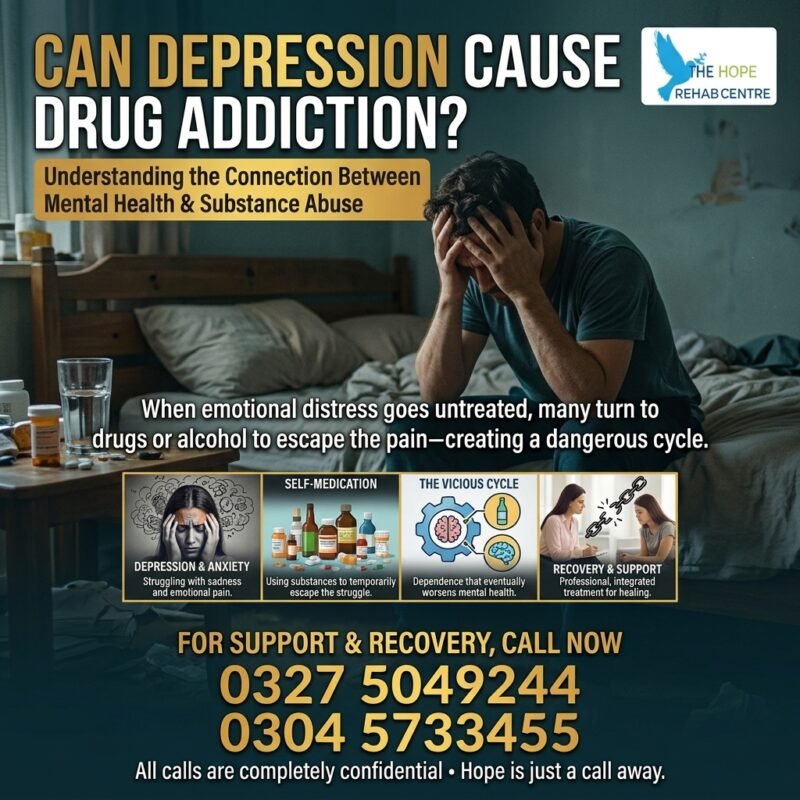
Depression and drug addiction are closely connected health conditions that can affect a person’s emotions, behaviour, relationships, and quality of life. People living with depression may experience persistent sadness, hopelessness, low energy, or a loss of interest in activities they once enjoyed. Some may turn to drugs or other substances in an attempt to escape these feelings or find temporary relief.
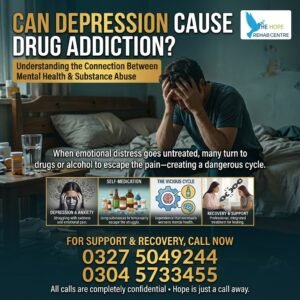
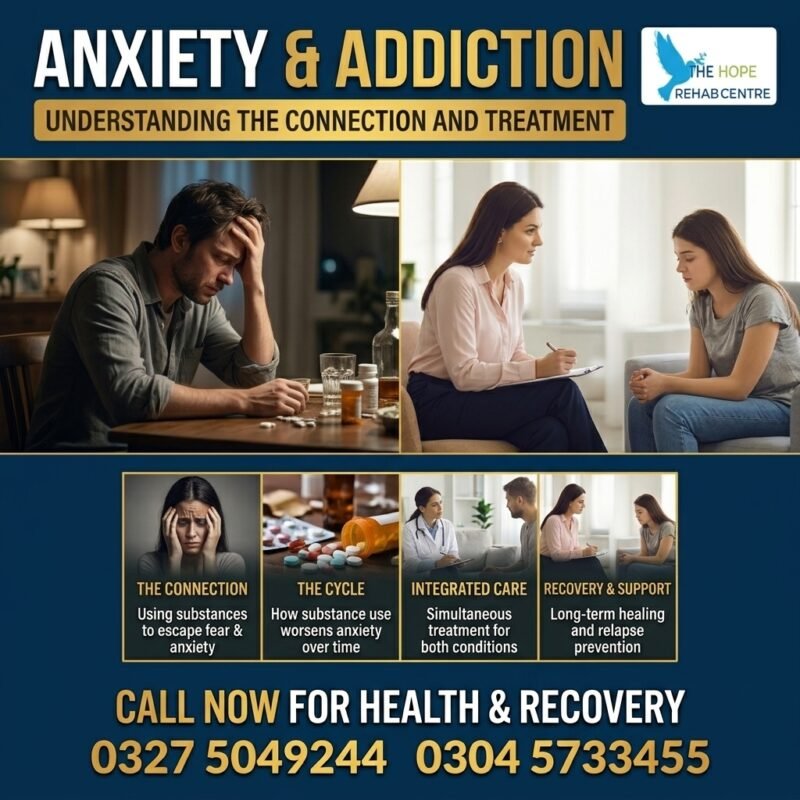
But can depression cause drug addiction? Depression does not automatically lead to addiction, but it can increase the risk of problematic substance use in some people. The relationship is complex: depression may contribute to substance use, drug use can worsen depressive symptoms, and both conditions may share underlying risk factors.
Understanding this connection can help individuals and families recognize warning signs and seek appropriate treatment.
What Is Depression?
Depression is a mental health condition that affects mood, thinking, motivation, and everyday functioning. It is more than occasional sadness and can interfere with work, education, relationships, and self-care.
Common symptoms of depression include:
- Persistent sadness, emptiness, or hopelessness
- Loss of interest in usual activities
- Changes in sleep or appetite
- Low energy and ongoing fatigue
- Difficulty concentrating or making decisions
- Feelings of guilt, worthlessness, or helplessness
- Social withdrawal
- Thoughts of death or suicide in some cases
Symptoms can vary from person to person. A qualified mental health professional can assess persistent symptoms and determine whether depression or another condition may be present.
How Can Depression Increase the Risk of Drug Addiction?
Depression can affect the way people cope with stress and emotional pain. For some individuals, substance use becomes an attempt to manage difficult feelings. Several factors may contribute to this pattern.
1. Using Drugs to Escape Emotional Pain
People experiencing depression may struggle with sadness, loneliness, emptiness, or hopelessness. Some may use drugs to temporarily change their mood, feel more energetic, or avoid painful thoughts.
Although a substance may appear to provide short-term relief, its effects are often temporary. Repeated use can lead to cravings, tolerance, dependence, or difficulty controlling consumption. Over time, this coping strategy may create additional emotional, physical, and social problems.
2. Difficulty Managing Stress
Depression can make everyday challenges feel overwhelming. Financial problems, family conflict, relationship difficulties, or work pressure may become harder to manage.
Without effective coping strategies and support, some people may become more vulnerable to using substances to deal with stress. Learning healthier ways to manage emotions and seeking professional help can reduce reliance on substances as a coping mechanism.
3. Changes in Motivation and Decision-Making
Depression can affect concentration, motivation, sleep, and decision-making. When someone is already struggling emotionally, they may find it harder to evaluate the long-term consequences of substance use, particularly during periods of intense distress.
This does not mean that people with depression lack responsibility or willpower. It highlights the importance of appropriate treatment and support.
4. Shared Risk Factors
Depression and addiction may develop alongside common risk factors, including trauma, chronic stress, family history, social isolation, and other mental health conditions.
These factors can increase vulnerability to both conditions, although not everyone exposed to them develops depression or addiction.
Can Drug Addiction Cause Depression?
Yes. The relationship can work in both directions. Drug use may contribute to depressive symptoms through several mechanisms.
Some substances affect brain systems involved in mood, sleep, motivation, and reward. Repeated use, intoxication, and withdrawal can disrupt these functions and make emotional regulation more difficult.
Other possible contributors include:
- Sleep disruption and physical exhaustion
- Relationship and family difficulties
- Financial or legal problems associated with substance use
- Withdrawal-related sadness, anxiety, or irritability
- Reduced participation in meaningful daily activities
Depressive symptoms that appear during or after substance use may be substance-induced, related to withdrawal, or part of an independent depressive disorder. A professional assessment can help distinguish between these possibilities.
Warning Signs of Depression and Drug Addiction Together
When depression and problematic substance use occur together, it may be difficult to recognize the full extent of either condition. Warning signs can include:
- Using drugs to cope with sadness, stress, or hopelessness
- Losing interest in family, friends, work, or hobbies
- Increasing substance use or struggling to control it
- Changes in sleep, appetite, energy, or concentration
- Withdrawing from loved ones or avoiding responsibilities
- Experiencing mood changes when substances are unavailable
- Continuing drug use despite health or relationship problems
- Feeling unable to cope without drugs
These signs do not establish a diagnosis on their own. They are reasons to seek professional guidance, particularly when symptoms persist or interfere with daily life.
Treatment for Depression and Drug Addiction
When depression and addiction occur together, treatment should address both conditions rather than focusing on only one. An individualized plan may include the following approaches.
1. Comprehensive Mental Health Assessment
A healthcare professional can review mood symptoms, substance use patterns, medical history, medications, and personal circumstances. This assessment helps determine whether depression, a substance-related condition, or both may be present.
2. Psychological Therapy
Therapies such as cognitive behavioural therapy (CBT) can help people recognize unhelpful thought patterns, develop healthier coping strategies, and respond differently to emotional triggers.
Other therapeutic approaches may be appropriate depending on the individual’s needs. Treatment can also address the relationship between difficult emotions, cravings, and substance use.
3. Medication When Appropriate
Some people benefit from medication for depression or a substance use disorder. The choice depends on the diagnosis, medical history, other medications, and potential risks.
Medication should be prescribed and monitored by a qualified healthcare professional. Individuals should not start, stop, or change prescribed medication without appropriate medical advice.
4. Medically Supervised Withdrawal Support
Depending on the substance involved, stopping drug use may cause withdrawal symptoms that require medical supervision. The level of care needed varies according to the substance, duration of use, health status, and other factors.
Detoxification or withdrawal management may be an important first step, but it is not a complete treatment for addiction. Continued care and support can help address the emotional, behavioural, and social factors associated with substance use.
5. Ongoing Recovery Support
Recovery may involve counselling, follow-up appointments, peer support, healthy routines, and help rebuilding relationships. Addressing sleep problems, stress, and social isolation can also support mental well-being.
Treatment should be adjusted over time according to progress and changing needs.
Support for Depression and Addiction at The Hope Rehabilitation Center Islamabad, Pakistan
The Hope Rehabilitation Center Islamabad, Pakistan, is a starting point for individuals and families exploring rehabilitation and recovery support. When seeking care for depression alongside drug addiction, it is important to ask about mental health assessment, individualized treatment planning, qualified clinical oversight, and continuing support.
Because these conditions can influence one another, people may benefit from care that considers both mental health and substance use. A compassionate, non-judgmental approach can help individuals discuss their concerns and explore suitable next steps.
Anyone experiencing severe depression, suicidal thoughts, or serious substance-related complications should seek appropriate medical help promptly.
Frequently Asked Questions
1. Can depression lead to drug addiction?
Depression can increase the risk of problematic substance use for some people, especially when drugs are used to cope with emotional distress. However, depression does not inevitably lead to addiction, and many people with depression never develop a substance use disorder.
2. Can drug addiction make depression worse?
Yes. Some substances, intoxication, and withdrawal can worsen mood symptoms, disrupt sleep, and affect daily functioning. The impact depends on the substance, the pattern of use, and the individual’s health.
3. Can depression and drug addiction be treated together?
Yes. Treatment can address both conditions through an individualized plan that may include psychological therapy, appropriate medication, withdrawal management when necessary, and ongoing recovery support.
4. How can I tell whether depression is caused by drug use?
It can be difficult to determine without a professional assessment. A clinician may consider when symptoms began, the substances used, the timing of intoxication or withdrawal, and whether symptoms persist independently of substance use.
5. When should someone seek professional help?
Seek professional help when depressive symptoms persist, drug use becomes difficult to control, or substance use interferes with everyday life. If someone may overdose, is experiencing severe withdrawal, or has immediate thoughts of suicide or self-harm, seek emergency assistance. Do not leave a person at immediate risk alone if it is safe to remain with them.
Conclusion
Depression can increase the risk of drug addiction by making emotional distress more difficult to manage, while drug use can worsen mood symptoms and create additional health challenges. However, neither condition makes recovery impossible. With appropriate assessment, evidence-based treatment, and ongoing support, individuals can address both concerns and work toward improved well-being.
For individuals and families exploring recovery options, The Hope Rehabilitation Center Islamabad, Pakistan, can be a starting point for learning about appropriate support. Recognizing the connection between depression and addiction is an important step toward seeking help, developing healthier coping strategies, and building a more sustainable recovery journey.