
The Hope Rehab Center

Modern Approaches in Psychiatric Services for Better Mental Health – The Best Psychiatrics Treatment Center in Islamabad

Introduction

Mental health has become a pressing concern worldwide, and Pakistan is no exception. With the rising stress of modern lifestyles, anxiety, depression, and other psychiatric issues are on the rise. In such times, a Psychiatrics Treatment Center in Islamabad like The Hope Rehab Center plays a crucial role in offering modern, effective, and evidence-based psychiatric services. Unlike traditional approaches, modern psychiatric care combines scientific methods, personalized treatment, and holistic wellness programs to ensure long-lasting recovery and improved quality of life.

This article explores the latest advancements in psychiatric care, highlighting how The Hope Rehab Center stands as the best psychiatric facility in Islamabad.

Why Choose a Modern Psychiatrics Treatment Center in Islamabad?

The choice of a psychiatric treatment center can shape one’s recovery journey. Traditional treatments often focused only on symptoms, but modern approaches address root causes, lifestyle patterns, and long-term resilience.

Key Benefits of Modern Psychiatric Services

  • Personalized Care: Tailored treatments designed around individual needs.

  • Integrated Therapies: A mix of psychotherapy, medication management, and lifestyle coaching.

  • Evidence-Based Methods: Use of cognitive-behavioral therapy (CBT), dialectical behavior therapy (DBT), and mindfulness.

  • Compassionate Environment: Patient-centered care that reduces stigma and promotes healing.

At The Hope Rehab Center, these benefits combine to provide patients with a safe, supportive, and transformative journey toward mental wellness.

Modern Approaches Used in Psychiatric Care

Modern psychiatry is not limited to medication—it’s a holistic model of care.

1. Cognitive-Behavioral Therapy (CBT)

CBT is one of the most effective treatments for depression, anxiety, and PTSD. It helps patients recognize and change negative thought patterns.

2. Mindfulness & Stress Management

Mindfulness-based therapy and stress-reduction programs are used to train the mind to stay present, reducing anxiety and emotional distress.

3. Dual Diagnosis Treatment

Many individuals face both addiction and psychiatric disorders. A modern Psychiatrics Treatment Center in Islamabad like The Hope Rehab Center specializes in treating co-occurring disorders simultaneously.

4. Group and Family Therapy

Healing doesn’t happen in isolation. Group sessions and family therapy foster community support and rebuild relationships damaged by mental illness.

5. Medication Management

While therapy is essential, medication may be necessary. Modern psychiatry ensures careful prescription and monitoring of medications to balance brain chemistry safely.

The Role of The Hope Rehab Center in Islamabad

As a trusted Psychiatrics Treatment Center in Islamabad, The Hope Rehab Center has established itself as a pioneer in psychiatric and rehabilitation services.

Our Mission

To provide affordable, accessible, and holistic psychiatric services that restore mental well-being and empower patients to live fulfilling lives.

Our Specialized Services

  • Treatment for Depression & Anxiety Disorders

  • Management of Bipolar Disorder & Schizophrenia

  • Addiction Recovery & Relapse Prevention

  • Trauma Therapy & PTSD Support

  • Adolescent & Geriatric Psychiatry Programs

Why We Stand Out

  • A team of qualified psychiatrists and psychologists

  • Modern, evidence-based treatment plans

  • Comfortable and confidential environment

  • Comprehensive aftercare programs for sustainable recovery

Impact of Modern Psychiatric Care on Mental Health

Patients treated with modern psychiatric methods show significant improvements in:

  • Emotional Stability: Better stress handling and mood regulation

  • Cognitive Function: Clearer thinking and improved focus

  • Social Relationships: Stronger family and community bonds

  • Quality of Life: Improved sleep, productivity, and overall happiness

FAQs About Psychiatric Services in Islamabad

Q1. What makes The Hope Rehab Center the best Psychiatrics Treatment Center in Islamabad?
Our blend of modern therapies, professional psychiatrists, and compassionate care ensures personalized treatment for every patient.

Q2. Do you provide treatment for both addiction and psychiatric disorders?
Yes, we specialize in dual diagnosis treatment, addressing both mental health issues and addiction simultaneously.

Q3. Are psychiatric treatments confidential?
Absolutely. Confidentiality and patient privacy are our top priorities.

Q4. Can family members be involved in the treatment process?
Yes, family therapy is encouraged to build stronger support systems.

Q5. Do you offer aftercare services?
Yes, we provide aftercare and relapse prevention programs to ensure long-term recovery.

Q6. How can I contact The Hope Rehab Center in Islamabad?
You can reach us via our official website or directly visit our facility for consultation.

Conclusion

Mental health is the foundation of a fulfilling life. By adopting modern approaches in psychiatric services, recovery becomes more holistic, compassionate, and long-lasting. As the leading Psychiatrics Treatment Center in Islamabad, The Hope Rehab Center continues to empower individuals with innovative therapies, expert guidance, and unwavering support.

If you or your loved ones are seeking psychiatric help, know that modern psychiatry can transform lives—and The Hope Rehab Center is here to guide you every step of the way.

The Link Between Mental Health and Prescription Drug Addiction | Best Mental Health Rehab Center Islamabad

The Link Between Mental Health and Prescription Drug Addiction

In today’s fast-paced world, mental health challenges are becoming increasingly common. Stress, anxiety, and depression often push individuals toward unhealthy coping mechanisms—one of the most dangerous being prescription drug addiction. At The Hope Rehab Center, recognized as the leading Mental Health Rehab Center Islamabad, we witness firsthand how mental health struggles and drug misuse often go hand in hand.

Understanding this connection is crucial for creating effective treatment plans and offering hope to individuals and families seeking recovery.

Understanding Prescription Drug Addiction

Prescription drug addiction occurs when a person misuses medications intended for medical purposes. While these drugs are prescribed to manage pain, anxiety, or sleep disorders, they can quickly lead to dependency if misused.

Commonly Abused Prescription Medications

  • Opioids (painkillers like oxycodone and morphine)

  • Benzodiazepines (anti-anxiety drugs such as Xanax)

  • Stimulants (ADHD medications like Adderall)

Why Prescription Drug Misuse is Rising in Islamabad

Factors such as easy accessibility, lack of awareness, and social stigma around mental health contribute to rising addiction rates in Islamabad. Many individuals attempt self-medication without realizing the long-term risks.

The Connection Between Mental Health and Addiction

Research shows a strong link between mental health conditions and substance use disorders.

Co-occurring Disorders (Dual Diagnosis)

When mental health disorders and addiction occur together, the condition is known as dual diagnosis. Patients battling both often require specialized treatment at a reputable Mental Health Rehab Center in Islamabad.

How Stress, Anxiety, and Depression Trigger Addiction

  • People with depression may misuse opioids to numb emotional pain.

  • Those with anxiety may overuse benzodiazepines for temporary relief.

  • Chronic stress often fuels dependency on stimulants to maintain focus.

The Vicious Cycle of Self-Medication

Unfortunately, self-medicating only worsens mental health over time, creating a cycle of dependency and emotional instability.

Signs You Need a Mental Health Rehab Center in Islamabad

Recognizing the early warning signs can save lives.

Behavioral and Emotional Warning Signs

  • Mood swings and irritability

  • Social withdrawal

  • Lack of motivation

Physical Health Red Flags

  • Sudden weight changes

  • Poor sleep patterns

  • Neglect of personal hygiene

If these symptoms appear alongside heavy reliance on prescription drugs, it’s time to seek professional help at The Hope Rehab Center Islamabad.

How The Hope Rehab Center Islamabad Helps Patients Heal

At The Hope Rehab Center, our mission is to treat not just the addiction but also the underlying mental health issues.

Holistic Mental Health Treatments

We integrate yoga, meditation, and mindfulness therapy to promote emotional balance.

Evidence-Based Therapies for Recovery

  • Cognitive Behavioral Therapy (CBT) to reframe negative thoughts

  • Dialectical Behavioral Therapy (DBT) for emotional regulation

  • Medication-Assisted Treatment (MAT) when necessary

Family Support and Aftercare Programs

Family involvement plays a key role in long-term recovery. Our aftercare programs ensure patients continue to receive support even after leaving rehab.

Why Choose The Hope Rehab Center – Best Mental Health Rehab Center Islamabad

Personalized Recovery Plans

Every patient’s journey is unique. We design customized programs tailored to individual needs.

Safe and Supportive Environment

Our compassionate staff and serene environment in Islamabad provide a safe space where healing can begin.

Preventing Prescription Drug Addiction Through Mental Wellness

Building Healthy Coping Mechanisms

Developing hobbies, engaging in physical activity, and practicing mindfulness can reduce reliance on prescription medications.

Role of Counseling and Community Support

Counseling sessions, group therapy, and strong community networks help individuals stay resilient against addiction.

Frequently Asked Questions (FAQs)

Q1: What is the connection between mental health and prescription drug addiction?
A: Poor mental health can lead to misuse of prescription drugs as a form of self-medication, often resulting in addiction.

Q2: How does The Hope Rehab Center treat dual diagnosis?
A: We offer integrated treatment plans addressing both mental health conditions and substance abuse simultaneously.

Q3: What types of therapies are provided at The Hope Rehab Center Islamabad?
A: CBT, DBT, mindfulness practices, and holistic treatments tailored to each patient.

Q4: How long does treatment usually last at a Mental Health Rehab Center in Islamabad?
A: Treatment duration varies but typically ranges from 30 to 90 days depending on individual needs.

Q5: Can prescription drug addiction be prevented?
A: Yes, through proper medical supervision, mental health support, and building healthy coping strategies.

Q6: Why should I choose The Hope Rehab Center over others in Islamabad?
A: We provide personalized care, evidence-based therapies, and long-term aftercare, making us the trusted choice.

Conclusion: A Path to Lasting Recovery

The link between mental health and prescription drug addiction is undeniable. Without addressing underlying psychological struggles, recovery remains incomplete. That’s why The Hope Rehab Center, the leading Mental Health Rehab Center Islamabad, focuses on treating both the mind and body. With professional care, holistic therapies, and family support, lasting recovery is not just possible—it’s achievable.

👉 If you or your loved one is struggling, don’t wait. Reach out to The Hope Rehab Center Islamabad today and take the first step toward healing.

Family Support in the Healing Journey of Opioid Addicts – Best Drug Addiction Treatment Center in Islamabad

Introduction: The Role of Family in Addiction Recovery

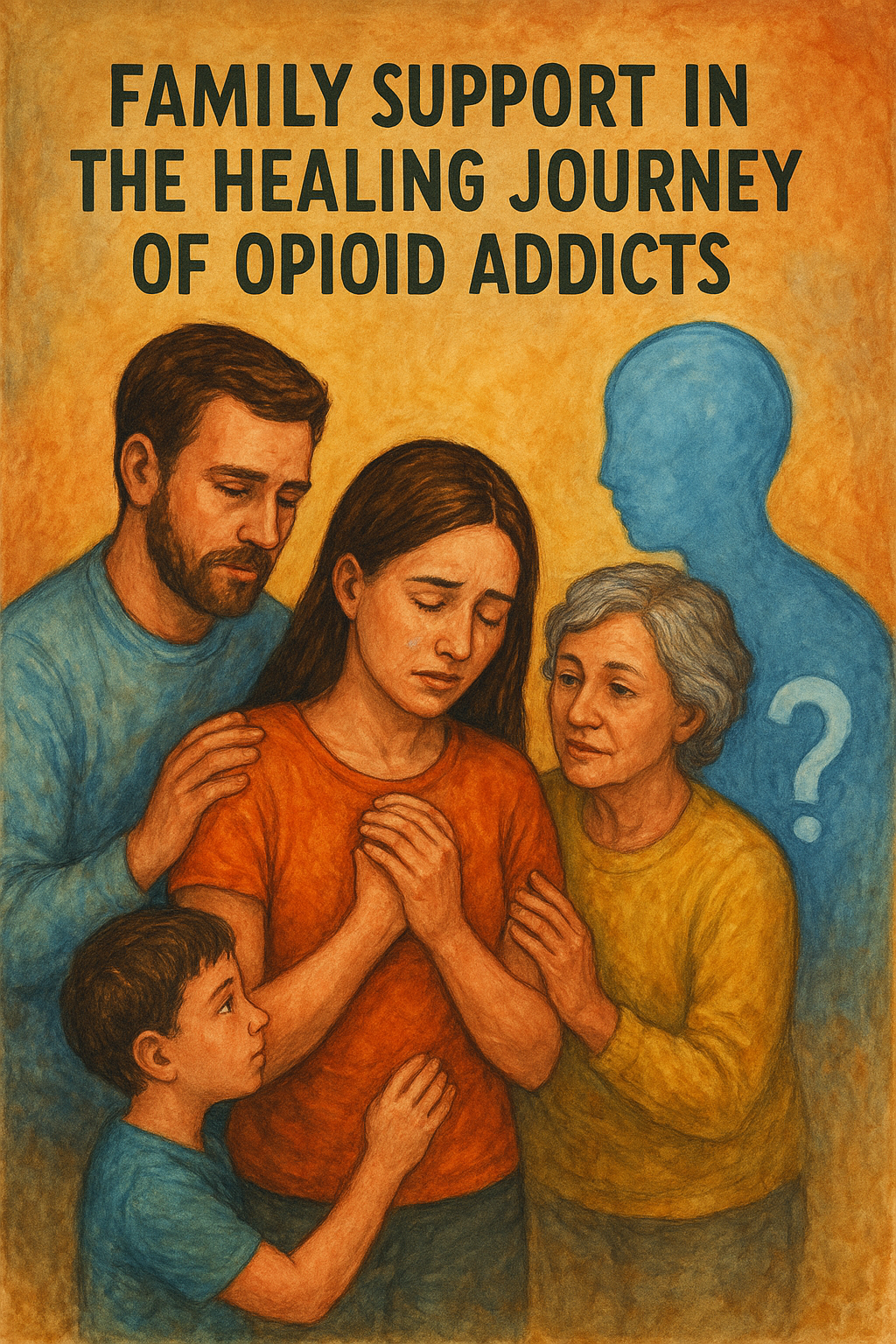
Recovering from opioid addiction is not a journey that an individual takes alone. Families play a critical role in providing emotional strength, encouragement, and practical guidance. At The Hope Rehab Center, known as the Best Drug Addiction Treatment center in Islamabad, we believe healing is most effective when loved ones are directly involved.

Family members often become the foundation of an addict’s recovery—helping to rebuild trust, nurture resilience, and encourage accountability. Without a strong family support system, even the best clinical treatments can feel incomplete.

Understanding Opioid Addiction and Its Impact on Families

Emotional Toll on Parents and Siblings

Opioid addiction doesn’t just affect the person using the drug—it ripples through the entire household. Parents struggle with fear, anxiety, and helplessness. Siblings often feel neglected or misunderstood, creating tension at home. This emotional imbalance can delay recovery if not addressed.

Financial and Social Challenges Faced by Families

Beyond emotional pain, families also face financial strain due to treatment costs, lost income, or legal issues related to addiction. Socially, families may experience isolation and stigma, making it difficult to reach out for help. That’s why a compassionate rehab center is vital for guiding both patients and families.

Why Family Support is Crucial in Healing

The Psychological Power of a Strong Support System

Studies show that people recovering from opioid addiction have a higher success rate when they feel supported by their families. Love, empathy, and encouragement provide the emotional strength needed to resist relapse.

Encouragement and Accountability for Recovery

When families are involved, patients feel more accountable. Supportive families remind addicts of their progress, celebrate small victories, and motivate them to keep pushing forward.

Family Involvement in Treatment Programs

Counseling Sessions for Families

At The Hope Rehab Center, family counseling sessions help relatives understand the science of addiction. Families learn how to set healthy boundaries while offering unconditional support.

Family Therapy as a Healing Tool

Therapy sessions are designed to mend broken relationships, improve communication, and rebuild trust. This structured involvement ensures recovery becomes a shared journey.

How The Hope Rehab Center Supports Families in Islamabad

Specialized Family-Centered Programs

As the Best Drug Addiction Treatment center in Islamabad, we provide holistic treatment approaches that focus on both patients and families. Our programs emphasize collaboration between counselors, patients, and loved ones.

Creating a Safe Environment for Recovery

We create a nurturing environment where families and patients can heal together—free from judgment and stigma. This approach ensures long-term recovery and strengthens family bonds.

Building Healthy Family Communication

Breaking the Stigma Around Addiction

One of the biggest barriers to recovery is stigma. Families often avoid discussing addiction due to shame. At The Hope Rehab Center, we encourage open dialogue to eliminate guilt and judgment.

Encouraging Open and Honest Dialogue

By fostering honesty, families learn to communicate their fears, concerns, and love in healthier ways. This transparency builds trust and motivates the addict to stay committed to recovery.

Practical Ways Families Can Help Loved Ones Heal

Providing Emotional Encouragement

Simple acts of love—like words of affirmation, attending therapy sessions, or celebrating milestones—make a huge difference in recovery.

Helping with Daily Structure and Routines

Families can support patients by encouraging healthy habits such as regular sleep, balanced diets, and structured daily activities that prevent relapse triggers.

Success Stories: Families Who Transformed Together

Many families in Islamabad have found hope and healing at our center. By working together, families not only support their loved one’s recovery but also rebuild trust, love, and unity in their homes. These success stories show that recovery is not just possible—it’s sustainable with family involvement.

FAQs on Family Support in Opioid Addiction Recovery

Q1: Why is family support important in opioid addiction recovery?
Family support provides emotional strength, accountability, and stability, which increase the chances of successful recovery.

Q2: How does The Hope Rehab Center involve families in treatment?
We offer counseling, therapy sessions, and structured family programs designed to educate and heal families together.

Q3: Can family therapy improve long-term recovery?
Yes, family therapy improves communication, rebuilds trust, and addresses deep-rooted issues that can hinder healing.

Q4: What should families avoid during recovery?
Families should avoid judgment, blame, or enabling addictive behaviors. Instead, they should encourage progress and set healthy boundaries.

Q5: How can families reduce the stigma of addiction?
By speaking openly about addiction, seeking therapy, and treating it as a medical condition rather than a moral failure.

Q6: Is The Hope Rehab Center only for patients, or do families also receive support?
Our center provides full family support programs, ensuring that recovery becomes a shared process.

Conclusion: A Family’s Role in Lifelong Recovery

The journey to overcoming opioid addiction is challenging, but with the right family support, recovery becomes not just possible, but powerful. At The Hope Rehab Center, the Best Drug Addiction Treatment center in Islamabad, we believe healing is a collective effort. By involving families in the recovery process, we strengthen both the patient’s resilience and the family’s unity.

Together, we heal. Together, we hope.

The Role of Nutrition in Boosting Immunity: Expert Insights from The Hope Rehabilitation Center in Islamabad

Introduction


Good nutrition is more than just a healthy habit—it’s a cornerstone of strong immunity and faster recovery. At The Hope Rehabilitation Center in Islamabad, we’ve seen firsthand how proper diet can help patients regain their strength, fight infections, and improve mental well-being. Whether recovering from illness, injury, or addiction, the right foods can act as your body’s defense system.

1. Understanding the Link Between Nutrition and Immunity

The immune system relies on nutrients to function optimally. Deficiencies in vitamins, minerals, or macronutrients can weaken your body’s defenses, making you more vulnerable to illness. For rehabilitation patients, immune health is critical because recovery often requires extra resilience.

Key Points:

  • A balanced diet fuels the production of white blood cells.

  • Nutrients act as antioxidants, reducing inflammation.

  • Proper hydration aids in toxin removal.

2. Essential Nutrients That Boost Immunity

At The Hope Rehabilitation Center in Islamabad, nutritionists design meal plans to ensure patients receive these vital nutrients:

Vitamins & Minerals:

  • Vitamin C: Supports white blood cell production (found in citrus fruits, bell peppers).

  • Vitamin D: Enhances pathogen-fighting abilities (found in fatty fish, fortified milk).

  • Zinc: Strengthens immune cell development (found in nuts, seeds, legumes).

Proteins & Healthy Fats:

  • Lean meats, eggs, and legumes support cell repair.

  • Omega-3 fatty acids reduce inflammation.

3. The Role of Antioxidants in Recovery

Antioxidants fight oxidative stress—a condition that can damage cells and delay healing. Foods rich in antioxidants include:

  • Berries (blueberries, strawberries)

  • Dark leafy greens

  • Green tea

These foods are staples in our rehabilitation meal plans to speed up recovery.

4. Hydration and Immunity

Water is essential for nutrient transportation and waste removal. Dehydration can impair immune function, making it harder for the body to fight infections. Herbal teas, soups, and water-rich fruits like watermelon can keep hydration levels optimal.

5. Personalized Nutrition at The Hope Rehabilitation Center in Islamabad

One-size-fits-all diets don’t work in recovery. Our specialists create tailored nutrition plans based on:

  • Medical history

  • Recovery stage

  • Food preferences

  • Allergies or intolerances

This personalized approach ensures patients receive the right nutrients in the right amounts.

6. Common Nutrition Mistakes During Recovery

Even with the best intentions, patients sometimes make dietary mistakes:

  • Skipping meals due to low appetite

  • Overconsuming processed foods

  • Ignoring hydration

  • Avoiding healthy fats

Our team educates patients on avoiding these pitfalls to ensure steady progress.

7. The Mental Health Connection

A nutritious diet not only boosts immunity but also supports mental health. Foods high in omega-3s, magnesium, and B vitamins can help regulate mood and reduce stress—critical factors in rehabilitation.

8. Immune-Boosting Sample Meal Plan

Here’s an example of a day’s menu from The Hope Rehabilitation Center in Islamabad:

Breakfast: Oatmeal with berries, chia seeds, and almond milk
Snack: Handful of mixed nuts
Lunch: Grilled chicken, quinoa, and steamed vegetables
Snack: Greek yogurt with honey
Dinner: Baked salmon with sweet potato and spinach
Hydration: 8–10 glasses of water, herbal tea

9. Long-Term Benefits of a Healthy Diet

Patients who maintain their nutrition plans after leaving our center enjoy:

  • Stronger immunity year-round

  • Better energy levels

  • Improved mental clarity

  • Reduced risk of relapse in addiction recovery

FAQs

Q1: How quickly can nutrition improve my immunity?
You may start noticing increased energy and fewer infections within a few weeks of improving your diet.

Q2: Is diet alone enough to boost immunity during rehabilitation?
No. Diet works best alongside exercise, proper rest, and mental wellness practices.

Q3: Can I get all nutrients from food without supplements?
Yes, but in some cases (like Vitamin D), supplements may be necessary.

Q4: How is nutrition handled at The Hope Rehabilitation Center in Islamabad?
We provide customized meal plans based on each patient’s needs and medical background.

Q5: Which foods should I avoid to maintain strong immunity?
Limit processed foods, refined sugar, and excessive caffeine.

Q6: Do immune-boosting diets help with mental health?
Yes. Nutrient-rich foods can improve mood, reduce anxiety, and enhance focus.

Conclusion

Nutrition plays a vital role in recovery and immunity building. At The Hope Rehabilitation Center in Islamabad, we prioritize balanced, nutrient-rich diets to help our patients heal faster and stay healthier for the long term. By incorporating immune-boosting foods into daily meals, you can strengthen your body’s natural defenses and improve your overall well-being.

Music Therapy for Stress Relief: Why the Best Rehab Center in Islamabad Recommends It for a Calmer Mind

Introduction

At The Hope Rehab Center, widely recognized as the Best Rehab center in Islamabad, we understand that stress can quietly undermine mental health, emotional balance, and overall well-being. While traditional therapy remains essential, innovative methods like music therapy have gained attention as powerful tools for stress relief. But can music truly calm your mind, or is it just a pleasant distraction?

Let’s explore the science, benefits, and practical applications of music therapy—and how it could be your path to a calmer, more resilient mind.

What is Music Therapy?

Music therapy is a scientifically recognized therapeutic approach where trained professionals use music-based activities—such as listening, playing instruments, singing, or composing—to improve emotional, cognitive, and physical health. Unlike simply enjoying music on your own, music therapy involves personalized interventions tailored to each individual’s needs.

The Science Behind Music’s Calming Effect

When you listen to music, your brain reacts in fascinating ways:

  • Releases dopamine: Known as the “feel-good” chemical, dopamine boosts mood.

  • Reduces cortisol: Music can lower the body’s main stress hormone.

  • Activates the parasympathetic nervous system: This helps slow your heart rate and breathing, creating a relaxation response.

A 2020 study in Frontiers in Psychology found that listening to calming music significantly reduced participants’ anxiety levels, even in high-stress environments.

Why the Best Rehab Center in Islamabad Uses Music Therapy

At The Hope Rehab Center, we integrate music therapy into our holistic treatment programs because:

  • It’s non-invasive and enjoyable.

  • It improves emotional expression, especially for those who find verbal communication difficult.

  • It complements other therapies such as counseling, mindfulness, and cognitive-behavioral therapy.

Our patients often report reduced stress, better sleep, and improved emotional resilience after consistent music therapy sessions.

Music Therapy Techniques for Stress Relief

  1. Guided Music Listening – A therapist selects calming or uplifting tracks based on your emotional needs.

  2. Active Music Making – Playing instruments or singing can serve as an emotional outlet.

  3. Songwriting – Composing lyrics helps individuals process emotions in a safe space.

  4. Music and Movement – Combining music with gentle movements promotes mind-body relaxation.

Benefits of Music Therapy in Stress Management

  • Improved Mood – Music triggers positive emotions and optimism.

  • Better Sleep – Relaxing melodies prepare the body for rest.

  • Enhanced Focus – Instrumental music can improve concentration.

  • Lower Blood Pressure – Music reduces physiological markers of stress.

Music Therapy vs. Other Stress Relief Techniques

While meditation, yoga, and breathing exercises are effective, music therapy offers unique benefits—especially for individuals who struggle to focus during silent practices. It engages multiple senses, making it easier to stay present and reduce anxiety.

Method Engagement Level Accessibility Emotional Expression
Music Therapy High Easy Strong
Meditation Moderate Moderate Limited
Yoga High Moderate Moderate

Who Can Benefit from Music Therapy?

Music therapy is suitable for:

  • People experiencing chronic stress or burnout

  • Individuals recovering from trauma

  • Patients in rehabilitation centers

  • Those with anxiety or depression

  • Children and elderly individuals needing emotional support

Incorporating Music Therapy into Daily Life

You don’t have to be a musician to benefit. Here are easy ways to practice:

  • Create a “calm playlist” of slow-tempo tracks.

  • Spend 10 minutes daily in mindful music listening.

  • Learn a simple instrument like a hand drum or ukulele.

  • Sing along to uplifting songs to release endorphins.

FAQs About Music Therapy and Stress Relief

1. Is music therapy scientifically proven to reduce stress?
Yes. Multiple studies show that music therapy lowers cortisol levels, reduces anxiety, and improves mood.

2. Can I practice music therapy without a therapist?
While self-directed listening is beneficial, professional music therapists tailor sessions to individual needs for maximum impact.

3. What type of music works best for stress relief?
Slow, instrumental music—like classical, ambient, or soft jazz—often works best, though preferences vary.

4. How long before I notice results?
Some people feel calmer after one session, while others may need several weeks of regular practice.

5. Can music therapy replace medication?
No. It’s a complementary therapy that works best alongside other treatments prescribed by professionals.

6. Is music therapy offered at The Hope Rehab Center?
Yes. As the Best Rehab center in Islamabad, we offer personalized music therapy as part of our stress management and recovery programs.

Conclusion

Music therapy is more than just background sound—it’s a scientifically backed method for reducing stress, improving mood, and promoting healing. At The Hope Rehab Center, we have seen firsthand how this approach transforms lives. Whether you’re dealing with chronic anxiety, recovering from addiction, or simply seeking peace of mind, music therapy could be your key to a calmer, healthier future.

Key Techniques for Effective Motivational Interviewing

Motivational Interviewing (MI) is a powerful counseling approach designed to help individuals find the motivation they need to make positive behavioral changes. At The Hope Rehab Center, we believe in empowering our clients through empathy, collaboration, and evidence-based techniques. This method is especially effective in addiction recovery, mental health treatment, and lifestyle improvement because it focuses on the individual’s readiness to change, rather than imposing change upon them.

In this article, we will explore the key techniques for effective motivational interviewing and how they can transform the recovery journey for those seeking a healthier and more fulfilling life.

1. Understanding Motivational Interviewing

Motivational Interviewing is a client-centered, directive method for enhancing intrinsic motivation to change by exploring and resolving ambivalence. It’s built on the foundation of compassion, collaboration, acceptance, and evocation. Rather than telling individuals what to do, therapists help them discover their own reasons for change, making it a respectful and empowering process.

This approach is widely used in addiction treatment, rehabilitation programs, mental health counseling, and lifestyle interventions. At The Hope Rehab Center, MI is a cornerstone of our therapeutic model, enabling clients to build self-confidence and take ownership of their recovery journey.

2. Core Principles of Motivational Interviewing

To ensure effective motivational interviewing, counselors follow four fundamental principles:

  • Express Empathy – Actively listening and understanding the client’s perspective without judgment.

  • Develop Discrepancy – Helping clients see the gap between their current behavior and desired goals.

  • Roll with Resistance – Avoiding confrontation and instead working with the client’s hesitation.

  • Support Self-Efficacy – Encouraging belief in their ability to change.

These principles guide every interaction, ensuring the client feels heard, respected, and motivated.

3. Key Techniques for Effective Motivational Interviewing

To apply MI successfully, therapists use specific, structured techniques that facilitate change.

a. Open-Ended Questions

Open-ended questions invite clients to share more about their experiences and feelings. Instead of “yes” or “no” answers, they encourage deeper conversation. For example:

  • “What changes would you like to see in your life?”

  • “How does your current lifestyle impact your well-being?”

This technique helps uncover underlying motivations and barriers to change.

b. Affirmations

Recognizing and affirming the client’s strengths builds trust and self-esteem. Genuine affirmations show clients that their efforts are noticed and valued. For instance:

  • “You’ve shown great courage in coming here today.”

  • “It’s impressive how much you’ve thought about improving your health.”

Affirmations reinforce positive behavior and strengthen motivation.

c. Reflective Listening

Reflective listening involves repeating or paraphrasing what the client has said to ensure understanding. This shows empathy and encourages clients to elaborate further. For example:

  • Client: “I’ve tried to quit before but failed.”

  • Therapist: “It sounds like you’ve been through tough attempts to change, and it’s been frustrating.”

Reflective listening helps clients feel understood and supported.

d. Summarizing

Summarizing brings together what has been discussed during the session, ensuring clarity and reinforcing progress. It helps clients see their own motivation and plan the next steps. This also allows therapists to highlight key points that can inspire action.

e. Eliciting Change Talk

Change talk refers to statements by the client that indicate motivation for change. The therapist encourages such talk by asking targeted questions, such as:

  • “What would be different if you made this change?”

  • “How important is it for you to address this issue now?”

Encouraging change talk increases commitment and readiness for action.

4. Benefits of Motivational Interviewing in Recovery

Motivational Interviewing is more than just a counseling method; it’s a life-changing approach that fosters self-awareness, accountability, and personal growth. At The Hope Rehab Center, MI provides multiple benefits:

  • Enhances Motivation – Clients develop a genuine desire to change, rather than feeling forced.

  • Builds Trust – A collaborative and empathetic relationship promotes openness.

  • Reduces Resistance – By avoiding confrontation, clients feel safe to explore their thoughts.

  • Supports Long-Term Recovery – Encouraging self-efficacy leads to sustainable changes.

  • Addresses Ambivalence – Helps individuals overcome indecision about change.

5. Motivational Interviewing in Addiction Treatment

In addiction recovery, ambivalence is common. People may understand the harm caused by substance use but still struggle to take the first step toward change. Motivational Interviewing techniques help break down these barriers by:

  • Allowing individuals to voice their concerns and hopes.

  • Encouraging them to set achievable recovery goals.

  • Building confidence in their ability to maintain sobriety.

At The Hope Rehab Center, we integrate MI with other evidence-based therapies, such as Cognitive Behavioral Therapy (CBT) and Group Counseling, to create a comprehensive treatment plan.

6. Tips for Practicing Effective Motivational Interviewing

For therapists and counselors aiming to improve their MI skills, consider these tips:

  • Practice Active Listening – Stay fully present and engaged.

  • Avoid Judgment – Create a non-threatening environment.

  • Ask More, Tell Less – Let the client lead the conversation.

  • Focus on Strengths – Empower clients by recognizing their capabilities.

  • Stay Patient – Change is a gradual process; respect the client’s pace.

7. Why Choose The Hope Rehab Center for Motivational Interviewing

At The Hope Rehab Center, we are committed to providing compassionate, client-focused care. Our team of trained professionals uses Motivational Interviewing to help clients navigate their recovery journey with confidence and clarity. We understand that change must come from within, and our role is to guide, support, and inspire every step of the way.

Conclusion

Motivational Interviewing is a transformative approach that empowers individuals to find their own reasons for change, making it highly effective in addiction recovery and personal development. By using key techniques such as open-ended questions, affirmations, reflective listening, summarizing, and eliciting change talk, therapists can help clients overcome resistance, build confidence, and achieve lasting change.

At The Hope Rehab Center, we believe that everyone has the potential to create a better future. Through compassionate care and evidence-based methods like Motivational Interviewing, we help our clients take meaningful steps toward a healthier, happier life.

The Vital Role of Doctors in Today’s Healthcare System

Introduction

In the ever-evolving world of healthcare, doctors play a vital role as the cornerstone of medical treatment, prevention, and overall wellness. Their expertise, dedication, and compassion form the backbone of modern healthcare systems around the globe. At The Hope Rehab Center, we recognize and appreciate the critical contributions of doctors—not just as medical professionals, but as life-savers, advisors, and trusted guardians of our health.

This blog explores the importance of doctors, their growing responsibilities, and their unmatched impact in today’s health landscape, especially in rehabilitation and mental health settings.

1. Doctors as Frontline Defenders of Health

One of the most critical roles doctors fulfill is acting as the first line of defense against diseases and health complications. Whether it’s diagnosing the early signs of a condition or providing emergency medical care, doctors help save lives every day.

In the context of rehabilitation centers like The Hope Rehab Center, doctors are especially vital. They not only manage withdrawal symptoms for addiction recovery but also monitor patients for co-occurring mental health issues like anxiety, depression, or PTSD.

2. Role of Doctors in Chronic Disease Management

In today’s world, chronic diseases such as diabetes, hypertension, and cardiovascular disorders are on the rise. Doctors play a crucial role in managing these long-term conditions by designing personalized treatment plans, lifestyle modifications, and medication management.

At The Hope Rehab Center, our doctors work hand-in-hand with patients battling both substance abuse and chronic health issues, ensuring a holistic recovery process.

3. Doctors and Mental Health Treatment

Gone are the days when mental health was a taboo subject. Today, mental health doctors and psychiatrists are essential players in healthcare, helping millions overcome psychological disorders and emotional struggles.

At our center, we employ qualified psychiatrists and clinical psychologists who collaborate with general practitioners to provide integrated care. Whether it’s dealing with addiction, trauma, or depression, our doctors offer both medication and therapeutic interventions.

4. Doctors Ensure Preventive Healthcare

One of the most effective ways to combat illness is through prevention, and doctors are key in promoting it. Through routine check-ups, vaccinations, screenings, and lifestyle guidance, they help individuals stay ahead of potential health threats.

This aspect is especially significant in rehab settings. Preventing relapse, ensuring proper nutrition, and encouraging regular physical activity are areas where doctors play a guiding role.

5. Doctors Offer Personalized and Patient-Centered Care

Healthcare today is no longer a one-size-fits-all model. Doctors now focus on personalized treatment plans, taking into account each patient’s medical history, lifestyle, genetics, and emotional wellbeing.

At The Hope Rehab Center, our doctors craft individualized recovery paths for every patient, ensuring they receive the most suitable therapies and medical care. This approach boosts recovery rates and enhances long-term success.

6. Doctors as Educators and Health Advocates

Doctors aren’t just clinicians—they’re educators. They help patients understand their diagnoses, treatment options, and lifestyle changes required for recovery and wellness.

They also serve as public health advocates, raising awareness on crucial health issues like drug addiction, mental health stigma, and healthy living—which aligns with the mission of The Hope Rehab Center.

7. Contribution to Emergency and Critical Care

In emergency rooms and trauma units, doctors make split-second decisions that can mean the difference between life and death. Their training and intuition are essential to providing critical care.

While The Hope Rehab Center focuses more on long-term recovery, we collaborate with emergency physicians when immediate care is needed for overdose cases or acute psychiatric episodes.

8. Role in Rehabilitation and Addiction Recovery

Doctors in rehab centers hold a specialized role. They oversee detoxification, prescribe medications for withdrawal management, and monitor for physical or psychiatric complications. Their involvement ensures patient safety and successful recovery.

Our in-house medical team at The Hope Rehab Center includes addiction medicine specialists, psychiatrists, and general physicians—all focused on rebuilding lives through expert care and compassion.

9. Ethical Leadership and Medical Innovation

Doctors not only practice medicine but also lead in shaping ethical standards and driving medical innovation. From clinical research to new treatment methodologies, their contributions are vital for the advancement of healthcare.

We encourage our medical staff at The Hope Rehab Center to stay updated with global best practices and incorporate evidence-based treatments to improve outcomes for our patients.

Conclusion

Doctors are the lifeline of today’s healthcare system, blending science, compassion, and dedication to serve humanity. From managing chronic diseases to guiding mental health recovery and addiction rehabilitation, their presence is indispensable.

At The Hope Rehab Center, we are proud to have a team of highly qualified and compassionate doctors who work tirelessly to ensure the best outcomes for our patients. Their commitment not only restores health—but hope.

💬 Need Help?

If you or a loved one is struggling with addiction or mental health challenges, reach out to The Hope Rehab Center today. Our experienced doctors and therapists are here to guide you toward lasting recovery.

Common Detox Symptoms and How to Manage Them Effectively

Detoxification is the critical first step in overcoming substance abuse and beginning a healthier, addiction-free life. However, detox is not always easy. As the body adjusts to the absence of addictive substances, individuals often experience a range of physical and emotional withdrawal symptoms. Understanding common detox symptoms and learning how to manage them effectively is key to a safe and successful recovery journey.

In this article, we’ll explore the most frequent detox symptoms, their causes, and evidence-based strategies to manage them effectively—especially in professional settings like The Hope Rehab Center, where comprehensive detox support ensures safety and comfort.

What Is Detoxification?

Detoxification, often referred to as detox, is the body’s natural process of eliminating toxins. In addiction recovery, detox is the phase during which the body clears out drugs, alcohol, or other harmful substances. This process can vary in length and intensity depending on the type of substance, the duration of use, and the individual’s overall health.

At The Hope Rehab Center, medically supervised detox ensures that individuals go through this process in a safe, supportive environment. Our expert medical team closely monitors each client to manage withdrawal symptoms effectively and prevent complications.

Common Detox Symptoms You May Experience

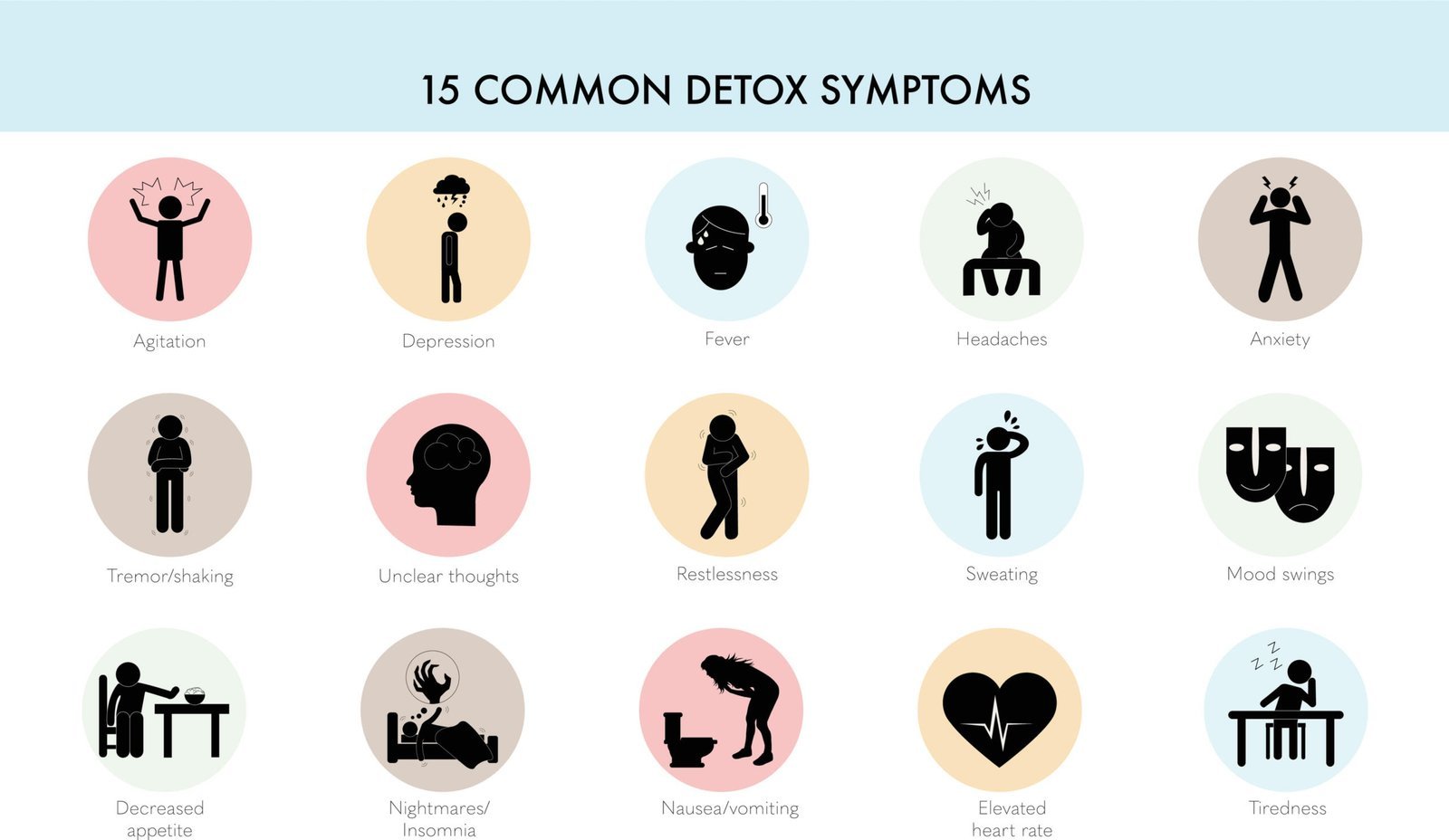
1. Headaches and Muscle Aches

As the body adjusts to the absence of toxic substances, headaches and muscle pain are among the most common physical symptoms. These occur due to dehydration, chemical imbalances, and the body’s fight to regain homeostasis.

2. Nausea, Vomiting, and Diarrhea

Gastrointestinal issues such as nausea and vomiting often accompany detox, especially in opioid or alcohol withdrawal. These symptoms result from the body trying to expel remaining toxins and re-regulate digestion.

3. Sweating and Shivering

Fluctuations in body temperature, profuse sweating, and shivering are common as the body works hard to rid itself of toxins. These symptoms are typically temporary but can be uncomfortable without proper care.

4. Fatigue and Insomnia

Many individuals experience extreme tiredness or difficulty sleeping during detox. The central nervous system struggles to stabilize, leading to disrupted sleep patterns and energy levels.

5. Anxiety, Depression, and Mood Swings

Emotional symptoms are often as intense as physical ones. Detox can cause anxiety, depression, irritability, and mood swings due to chemical imbalances in the brain and emotional dependency on the substance.

6. Cravings for the Substance

Strong cravings are a hallmark of detox. These urges can be physical or psychological and are especially risky because they increase the chances of relapse without proper management.

7. Tremors and Seizures (Severe Cases)

In some severe cases—especially during alcohol or benzodiazepine detox—symptoms like tremors, seizures, or delirium tremens (DTs) can occur. These require immediate medical attention.

Factors Affecting the Severity of Detox Symptoms

Several factors influence how severe detox symptoms can be, including:

  • Type of substance used (e.g., alcohol, opioids, stimulants)

  • Duration and frequency of use

  • Individual health status

  • Co-occurring mental health disorders

  • Previous detox experiences

At The Hope Rehab Center, we perform a personalized assessment for each client to predict potential withdrawal symptoms and develop an individualized detox care plan.

How to Manage Detox Symptoms Effectively

1. Choose a Medically Supervised Detox Program

The safest and most effective way to manage detox symptoms is under medical supervision. At The Hope Rehab Center, our trained professionals monitor clients 24/7, administer appropriate medications, and offer emotional support to ensure a safe detox process.

2. Stay Hydrated and Eat Nutrient-Rich Foods

Hydration and proper nutrition are crucial. Drinking water and consuming vitamin-rich foods help flush out toxins and support physical recovery. Foods high in vitamins B, C, and E, and omega-3 fatty acids are especially beneficial.

3. Medication-Assisted Treatment (MAT)

In some cases, medications like methadone, buprenorphine, or naltrexone are used to ease withdrawal symptoms and reduce cravings. Our medical team carefully selects FDA-approved medications based on each client’s needs.

4. Psychological Support and Counseling

Detox isn’t just physical—it’s emotional too. Counseling, therapy, and support groups help clients cope with mood swings, anxiety, and depression. At The Hope Rehab Center, we offer individual therapy, group therapy, and mindfulness practices to support mental wellness during detox.

5. Holistic Therapies for Comfort

Holistic treatments like yoga, massage, acupuncture, and meditation can relieve stress, promote relaxation, and ease physical discomfort. These are available at The Hope Rehab Center as part of our integrated detox approach.

6. Rest and Sleep Hygiene

Encouraging a calm sleep environment and practicing sleep hygiene techniques—like regular sleep schedules, avoiding caffeine, and reducing screen time—can help combat insomnia and fatigue during detox.

7. Gradual Tapering Off

In some detox cases, gradual tapering of the substance is recommended instead of sudden cessation (cold turkey). This approach minimizes severe withdrawal symptoms and allows the body to adjust more smoothly.

Why Professional Detox at The Hope Rehab Center Makes a Difference

Attempting detox at home without medical supervision can be dangerous and often leads to relapse. At The Hope Rehab Center, we offer:

  • 24/7 medical monitoring

  • Customized detox plans

  • Immediate emergency care

  • Mental health support

  • Comfort-focused therapies

  • Family counseling and education

Our mission is to provide safe, compassionate, and effective detox care in a healing environment, helping individuals take the first step toward lasting recovery.

Final Thoughts

Detoxification is a necessary yet challenging step on the road to recovery. While detox symptoms can be uncomfortable, they are temporary and manageable with the right support. Recognizing the signs and knowing how to respond can make a significant difference in your recovery experience.

At The Hope Rehab Center, we are committed to providing expert detox services, compassionate care, and a personalized approach to help every individual begin their recovery journey safely and confidently.

Contact The Hope Rehab Center Today

Are you or a loved one struggling with addiction and in need of detox support? Contact The Hope Rehab Center today for a confidential consultation. Our team is here to help you reclaim your life and embrace a healthier, addiction-free future.

📞 Call us: +92 327 5049244
🌐 Visit: https://thehoperehab.pk/
📍 Location: House # 9-A Street 130, Block A Jinnah Garden, Islamabad, 44000

What Is CBD Hostile Detox? Understanding the Process and Purpose


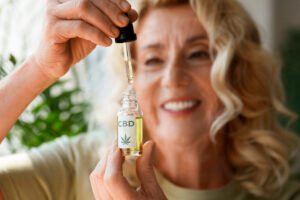
In recent years, CBD (Cannabidiol) has become popular for its potential health benefits, including stress relief, pain management, and sleep support. However, excessive or unregulated use of CBD—especially when combined with other substances—can lead to dependency issues in some individuals. This is where CBD Hostile Detox comes into play. At The Hope Rehab Center, we specialize in evidence-based, medically supervised detox programs, including hostile detox for CBD dependency.

In this blog, we explore what CBD hostile detox is, its purpose, who needs it, and how professional detox treatment can help ensure a safe recovery journey.

What Is CBD Hostile Detox?

CBD hostile detox refers to a structured detoxification process designed for individuals who are experiencing severe or challenging symptoms during CBD withdrawal. Although CBD is generally considered non-psychoactive and non-addictive, long-term or excessive use—particularly of high-potency or synthetic CBD—can cause physical and psychological dependency in some people. When such individuals abruptly stop usage, hostile detox symptoms may occur.

Unlike a standard detox, hostile detox involves managing aggressive withdrawal symptoms that can affect both mental and physical health. These may include anxiety, irritability, insomnia, mood swings, headaches, and gastrointestinal distress.

Why Does Hostile Detox Become Necessary for CBD?

While natural CBD products are typically well-tolerated, hostile detox may be needed in cases where:

  • Synthetic CBD products or contaminated CBD oils have been consumed.

  • CBD was used in combination with THC or other drugs, intensifying its effects.

  • The user has a pre-existing mental health disorder exacerbated by CBD usage.

  • The person is undergoing polysubstance detoxification, involving CBD and other substances.

In these scenarios, CBD detox symptoms may not be mild and require medical supervision to manage severe reactions and ensure a safe withdrawal process.

Signs You May Need a CBD Hostile Detox

If you or a loved one experiences the following symptoms after stopping CBD, professional detox may be necessary:

  • Severe anxiety or panic attacks

  • Sleep disturbances or insomnia

  • Irritability or aggression

  • Digestive issues like nausea or diarrhea

  • Restlessness or muscle tension

  • Depressive episodes or mood swings

These symptoms could indicate CBD withdrawal syndrome, which requires medical attention to prevent complications.

The Purpose of CBD Hostile Detox

The primary goal of CBD hostile detox at The Hope Rehab Center is to help clients safely eliminate CBD and its byproducts from the body, while managing intense withdrawal symptoms. We also aim to:

  • Stabilize physical and mental health

  • Reduce the risk of relapse or self-medication

  • Provide therapeutic support during detox

  • Identify and treat any underlying mental health issues

  • Prepare individuals for long-term recovery programs

How The Hope Rehab Center Handles CBD Hostile Detox

At The Hope Rehab Center, one of the leading rehabilitation centers in Pakistan, we use a multidisciplinary approach to handle CBD hostile detoxification, combining medical care, psychological support, and holistic therapies.

1. Medical Assessment and Monitoring

Every client receives a comprehensive medical evaluation before starting detox. We assess the severity of CBD dependency, co-occurring disorders, and any other substance use.

2. Customized Detox Plans

Our team creates personalized detox plans, ensuring that each client’s unique needs are addressed. We use FDA-approved medications, if necessary, to manage severe symptoms.

3. 24/7 Medical Supervision

Clients undergoing hostile detox are closely monitored by experienced doctors and nurses to ensure safety and comfort during the detox phase.

4. Mental Health Support

Licensed psychologists and therapists provide emotional support, counseling, and behavioral therapy to manage CBD withdrawal anxiety, depression, or aggression.

5. Holistic Therapies

To support recovery naturally, we incorporate yoga, meditation, nutritional therapy, and exercise programs, which help regulate the body’s response to detox.

Is CBD Addiction Real?

While CBD addiction is not as common as addiction to THC or opioids, CBD misuse or dependency is possible, especially with non-regulated CBD products or self-medication practices. People who rely heavily on CBD to manage anxiety, pain, or sleep may find it hard to quit, leading to CBD withdrawal symptoms.

The rise in CBD dependency cases highlights the need for professional rehab centers like The Hope Rehab Center, which offer comprehensive detox programs in Pakistan.

Long-Term Recovery After CBD Hostile Detox

Detox is only the first step in the recovery process. After successful CBD hostile detox, we recommend:

  • Inpatient or outpatient rehab programs for long-term healing

  • Psychotherapy (CBT, DBT, and trauma-informed therapy)

  • Relapse prevention education

  • Support groups and aftercare programs

  • Life skills training and vocational counseling

Our goal at The Hope Rehab Center is to empower individuals to live a healthy, substance-free life through continuous support and care.

Why Choose The Hope Rehab Center for CBD Detox in Pakistan?

  • Certified Medical Staff with experience in handling CBD and substance detox

  • Modern facilities for inpatient care and detox support

  • Personalized care plans for every patient

  • Confidential and compassionate treatment

  • Located in a peaceful, healing environment in Pakistan

Final Thoughts

While CBD is often marketed as a safe, natural remedy, it’s important to remember that overuse or misuse of CBD—especially low-quality or synthetic variants—can lead to dependency issues. If you or someone you know is struggling with CBD withdrawal symptoms, seeking professional help is crucial.

CBD Hostile Detox is a structured, medically managed process aimed at restoring balance, ensuring safe withdrawal, and preparing individuals for lasting recovery. At The Hope Rehab Center, we are committed to helping individuals overcome substance dependency through safe, effective, and holistic detox programs.

Contact Us for Help Today

Ready to take the first step toward recovery?
Contact The Hope Rehab Center for a confidential consultation.
📞 Call Now: +92 304 5733455
🌐 Visit: https://thehoperehab.pk/

The Hope Rehab Center – Restoring Lives, Renewing Hope.

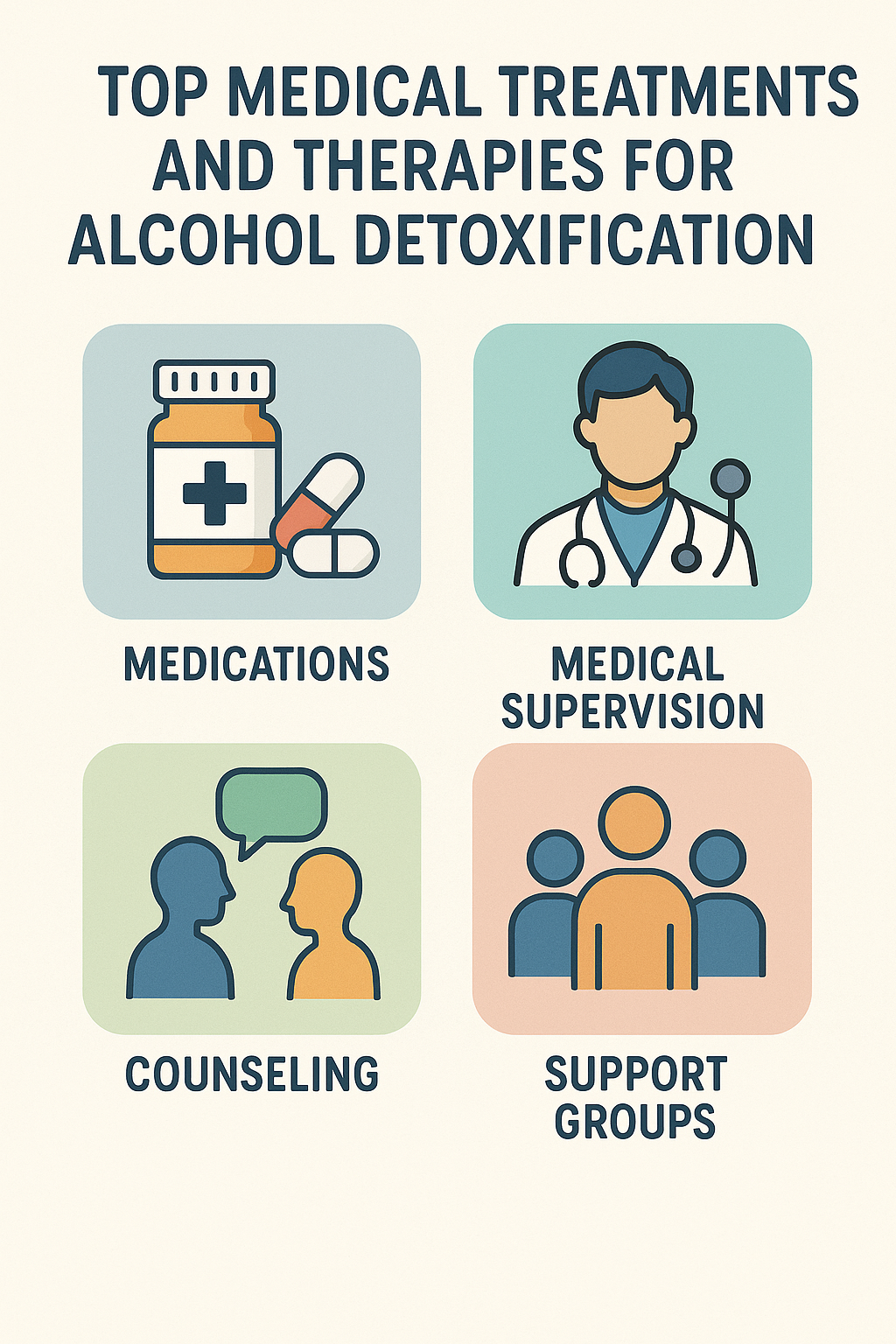
Top Medical Treatments and Therapies for Alcohol Detoxification

Alcohol addiction is a serious medical condition that requires professional help and structured treatment. If you or your loved one is struggling with alcohol dependency, alcohol detoxification is often the critical first step toward recovery. At The Hope Rehab Center, we provide safe, medically supervised alcohol detox treatments and evidence-based therapies to help our clients begin their journey to sobriety with confidence and support.

In this blog, we explore the top medical treatments and therapies for alcohol detoxification, explain the alcohol withdrawal symptoms to watch for, and highlight the importance of choosing a professional inpatient detox center for lasting recovery.

Understanding Alcohol Detoxification: Why It’s Essential

Alcohol detox refers to the process of removing alcohol from the body after prolonged and heavy use. Detoxification is not merely about stopping drinking—it involves managing the body’s withdrawal from alcohol safely and effectively.

Key Points:

  • Detox helps stabilize physical and mental health.

  • Unsupervised detox can be dangerous due to severe withdrawal symptoms.

  • Medical detox increases the chances of successful long-term recovery.

Common Alcohol Withdrawal Symptoms

When alcohol consumption is stopped abruptly, the brain and body can react strongly. Here are some common withdrawal symptoms associated with alcohol detox:

  • Anxiety, irritability, and mood swings

  • Insomnia and fatigue

  • Sweating and tremors

  • Nausea and vomiting

  • Hallucinations and seizures (in severe cases)

  • Delirium tremens (DTs), a life-threatening condition

The Hope Rehab Center ensures that all patients are closely monitored and treated during detox to prevent complications and manage withdrawal symptoms safely.

Top Medical Treatments for Alcohol Detox

Professional medical alcohol detox treatment includes a combination of medications and clinical supervision. Here are the most effective and commonly used medical treatments:

1. Benzodiazepines for Withdrawal Management

Medications such as Diazepam (Valium) and Lorazepam (Ativan) are commonly prescribed to reduce anxiety, seizures, and agitation. They also help stabilize brain activity during detox.

2. Anticonvulsants

In cases of moderate withdrawal, anticonvulsants like Carbamazepine and Gabapentin may be used to prevent seizures without the sedative effects of benzodiazepines.

3. Beta-blockers and Clonidine

These medications help manage high blood pressure and rapid heart rate associated with withdrawal.

4. Nutritional Therapy

Chronic alcohol use often leads to vitamin deficiencies. Detox usually includes supplementation with Vitamin B1 (Thiamine), Folic Acid, and other essential nutrients to prevent complications such as Wernicke-Korsakoff Syndrome.

Evidence-Based Therapies for Alcohol Detox and Recovery

After managing the physical symptoms, the focus shifts to psychological and behavioral therapies. These therapies address the root causes of addiction and help maintain long-term sobriety.

1. Cognitive Behavioral Therapy (CBT)

CBT helps patients identify negative thought patterns and behaviors linked to alcohol use and teaches coping skills for relapse prevention.

2. Motivational Interviewing (MI)

This therapy strengthens the individual’s motivation to change and encourages commitment to recovery goals.

3. Group Therapy

Sharing experiences with peers in a supportive setting fosters connection, accountability, and encouragement.

4. Family Therapy

Addiction affects the entire family. Family therapy helps repair relationships and builds a strong support system for recovery.

5. Holistic Therapies

Complementary treatments such as yoga, meditation, mindfulness, and art therapy are integrated into detox plans to support mental health and emotional healing.

Inpatient vs Outpatient Detox: Which is Best?

For most individuals, especially those with a long history of heavy alcohol use, inpatient detox at a professional rehab center is recommended. Here’s why:

Inpatient Alcohol Detox Benefits:

  • 24/7 medical supervision

  • Immediate access to emergency care

  • Structured environment, free from triggers

  • Emotional support from trained professionals

  • Higher success rates compared to outpatient detox

At The Hope Rehab Center, we offer a serene, medically supervised environment tailored to meet each patient’s needs during the detox process.

Why Choose The Hope Rehab Center?

At The Hope Rehab Center, we combine medical excellence with compassionate care. Our alcohol detox program is customized to ensure safe alcohol detox, minimize discomfort, and build the foundation for long-term recovery.

Our Features:

  • Licensed and experienced medical staff

  • Individualized treatment plans

  • Modern, comfortable detox facilities

  • Access to therapies post-detox, including dual diagnosis treatment for co-occurring disorders

  • Aftercare planning and relapse prevention support

Start Your Journey to Recovery Today

If you or someone you care about is ready to take the first step toward a sober life, contact The Hope Rehab Center. Our comprehensive alcohol detoxification treatment program ensures you are supported every step of the way—from medical detox to therapeutic recovery and beyond.

Call us now or visit our website to learn more about our alcohol detox services, schedule a confidential consultation, and begin your path to healing.

Frequently Asked Questions (FAQs)

Q1: Is alcohol detox dangerous at home?
Yes, unsupervised detox can lead to severe complications, including seizures and delirium tremens. Always seek professional help.

Q2: How long does alcohol detox take?
Typically, detox lasts 5–7 days, but it may vary depending on the severity of addiction.

Q3: Does insurance cover alcohol detox treatment?
Many insurance plans cover medical detox. Contact us for insurance verification and financial guidance.

Final Thoughts

Alcohol detoxification is a critical and potentially life-saving step in the recovery process. With the right medical treatments and therapies, individuals can detox safely and start a fulfilling, sober life. Trust The Hope Rehab Center—your partner in healing and long-term recovery.

How Smart Therapy Combines Technology with Traditional Healing Methods

In the rapidly evolving world of mental health and addiction recovery, Smart Therapy has emerged as a groundbreaking approach. At The Hope Rehab Center, we harness the power of advanced technology while honoring time-tested traditional healing methods. This powerful integration ensures that each patient receives personalized, effective, and sustainable care.

In this blog, we explore how Smart Therapy is revolutionizing treatment, what technologies are involved, and why combining them with traditional therapies leads to optimal recovery outcomes.

What is Smart Therapy?

Smart Therapy refers to a modern, evidence-based treatment approach that uses cutting-edge digital tools, artificial intelligence (AI), wearable technology, and telehealth platforms in conjunction with conventional therapies like counseling, cognitive behavioral therapy (CBT), meditation, and holistic wellness.

By merging technology with traditional practices, Smart Therapy provides a data-driven, real-time, and personalized treatment experience. At The Hope Rehab Center, this approach enhances engagement, boosts recovery success rates, and ensures long-term wellness.

The Role of Technology in Smart Therapy

1. Wearable Devices for Real-Time Monitoring

Smart Therapy often utilizes wearable devices like smartwatches, biosensors, and fitness trackers. These tools monitor vital signs such as heart rate, sleep patterns, stress levels, and physical activity. Real-time data helps therapists assess progress, identify relapse triggers, and tailor interventions on the go.

2. AI-Powered Mental Health Apps

Artificial Intelligence (AI) is transforming therapy with AI-powered mental health apps that offer mood tracking, guided breathing exercises, and chatbots for emotional support. These apps provide 24/7 support, ensuring that patients have resources even outside clinical sessions.

3. Virtual Reality (VR) for Exposure Therapy

VR technology is used for exposure therapy to treat conditions like PTSD, anxiety, and phobias. Patients safely face fears in a controlled virtual environment, helping them develop coping skills and reduce distress.

4. Teletherapy and Remote Counseling

Smart Therapy enables teletherapy sessions via secure video calls, making therapy accessible from anywhere. Patients can connect with therapists from home, reducing barriers like distance and time.

Traditional Healing Methods in Modern Rehab

While technology enhances treatment, The Hope Rehab Center remains committed to traditional, human-centered healing practices. These time-honored methods form the foundation of Smart Therapy and include:

1. Cognitive Behavioral Therapy (CBT)

CBT is a proven psychological treatment that helps individuals identify and change negative thought patterns. In Smart Therapy, digital tools track progress and offer real-time CBT exercises via apps or platforms.

2. Holistic Wellness Practices

Traditional therapies such as yoga, meditation, mindfulness, and acupuncture are integral to healing the mind, body, and spirit. These practices improve emotional regulation, reduce stress, and enhance overall wellbeing.

3. Group and Family Therapy

Healing is often enhanced in group settings where patients share experiences and support each other. Family therapy also plays a critical role, ensuring loved ones are part of the recovery journey.

4. Personalized Counseling

In-person individual therapy sessions remain essential. Therapists at The Hope Rehab Center use data from smart tools to inform and enrich these face-to-face sessions for deeper healing.

Benefits of Combining Technology with Traditional Healing

1. Personalized Treatment Plans

Smart Therapy collects real-time data from wearables and apps, allowing therapists to customize treatment to each patient’s unique needs. This personalization enhances engagement and improves outcomes.

2. Early Detection of Relapse

Technology enables continuous monitoring, helping therapists detect signs of relapse or mental health crises early. This ensures prompt intervention and support.

3. Greater Accessibility and Flexibility

With teletherapy and mobile health apps, patients can receive therapy from anywhere. This is ideal for those with mobility issues, remote locations, or busy schedules.

4. Enhanced Patient Engagement

Interactive tools like VR therapy and gamified mental health apps keep patients motivated and involved in their healing process.

5. Holistic and Sustainable Recovery

By combining technological innovation with holistic practices, Smart Therapy fosters long-term recovery and well-being. Patients not only heal physically and mentally but also develop lifelong coping skills.

Top Smart Therapy Tools Used at The Hope Rehab Center

At The Hope Rehab Center, we use a wide range of smart tools to enhance therapy, including:

  • Mood tracking apps that help monitor emotional changes

  • Biofeedback devices that guide stress management techniques

  • Virtual Reality sessions for trauma healing and relaxation

  • Online therapy portals for scheduling, journaling, and progress tracking

  • AI-driven mental health chatbots for 24/7 support and engagement

Smart Therapy Success Stories

One of our patients, Ali, struggled with chronic anxiety and substance abuse. Through Smart Therapy, he used wearable devices to monitor his stress, attended virtual therapy sessions, and practiced mindfulness through guided apps. Combined with traditional counseling and group therapy, Ali achieved sustained recovery and now leads a balanced, fulfilling life.

Another patient, Sara, overcame PTSD using VR-based exposure therapy and holistic healing methods like yoga and meditation. The combination of technology and tradition enabled her to confront her trauma safely and rebuild confidence.

Why Choose The Hope Rehab Center for Smart Therapy?

At The Hope Rehab Center, we are pioneers in Smart Therapy. Our mission is to provide innovative, compassionate, and comprehensive care. Our rehab programs are designed to meet the unique needs of each patient by blending technology, tradition, and personalized attention.

Key Features of Our Smart Therapy Program:

  • Expert team of therapists, doctors, and wellness coaches

  • Integration of smart technology with evidence-based therapies

  • Focus on holistic healing and long-term wellness

  • State-of-the-art facilities and digital platforms

  • Supportive, patient-centered environment

Conclusion: The Future of Healing is Smart

Smart Therapy is not just a trend—it’s the future of mental health and addiction recovery. By combining the best of technology and traditional healing, patients at The Hope Rehab Center experience more effective, personalized, and empowering care.

If you or a loved one is seeking cutting-edge, compassionate therapy, reach out to The Hope Rehab Center today. Let us help you embark on a transformative journey to healing and wellness.

Call to Action

Contact The Hope Rehab Center now to learn more about our Smart Therapy Programs. Discover how technology and tradition can help you achieve lasting recovery and a brighter future.

How Nutrition Counseling and Support Groups Aid Food Addiction Treatment

Food addiction is a serious condition that affects both mental and physical health. It often involves an uncontrollable urge to consume certain foods—particularly those high in sugar, fat, or salt—despite knowing their negative health impacts. At The Hope Rehab Center, we understand that recovery from food addiction is a complex journey that requires a comprehensive approach. Two key components that greatly enhance recovery success are nutrition counseling and support groups. This blog explores how these vital services work together to support long-term healing and sustainable lifestyle changes.

Understanding Food Addiction: A Growing Health Crisis

Food addiction, similar to substance addiction, involves the brain’s reward system. Individuals with food addiction often struggle with binge eating, emotional eating, and compulsive overeating. The cravings and withdrawal symptoms can lead to obesity, type 2 diabetes, heart disease, and mental health issues like depression and anxiety. Identifying the root causes and addressing both the physical and emotional aspects of this addiction is critical for recovery.

Why Nutrition Counseling is Essential in Food Addiction Treatment

1. Personalized Nutritional Guidance

Every individual’s body is different, and nutrition counseling provides a personalized approach to managing eating behaviors. Licensed nutritionists and dietitians at The Hope Rehab Center create customized meal plans that help regulate blood sugar levels, control cravings, and restore nutritional balance. Personalized plans consider an individual’s medical history, food preferences, and lifestyle, ensuring that the changes are realistic and sustainable.

2. Education About Healthy Eating Habits

Many people struggling with food addiction lack accurate knowledge about nutritional values and healthy food choices. Through educational sessions, clients learn about macronutrients, portion control, and mindful eating practices. Understanding how food impacts both physical and mental health empowers individuals to make informed decisions and build a positive relationship with food.

3. Addressing Nutritional Deficiencies

Food addiction often results in vitamin and mineral deficiencies due to poor dietary habits. Nutrition counseling identifies these deficiencies and provides strategies to correct them through balanced diets and, if necessary, nutritional supplements. Restoring the body’s health can improve energy levels, mood stability, and overall well-being—key factors in successful recovery.

4. Managing Triggers and Emotional Eating

Nutrition counseling also focuses on identifying triggers that lead to emotional eating. Triggers can include stress, anxiety, depression, or even specific social situations. With professional support, individuals learn how to manage these triggers without turning to food for comfort, using healthy coping mechanisms instead.

The Role of Support Groups in Food Addiction Recovery

1. Building a Community of Shared Experiences

Support groups provide a safe, non-judgmental environment where individuals can share their struggles, victories, and challenges. Knowing that others have faced similar issues fosters a sense of belonging and encouragement, reducing feelings of isolation and shame.

2. Peer Accountability and Motivation

In support groups, members often set personal recovery goals and hold each other accountable. This peer support creates motivation to stay committed to recovery plans and avoid relapse. Group members offer encouragement during setbacks and celebrate progress, reinforcing positive behaviors.

3. Learning from Others’ Strategies

Hearing how others manage cravings, cope with stress, or deal with relapse can provide valuable insights. Participants learn practical strategies and gain emotional support from people who truly understand the complexities of food addiction. These shared experiences enhance coping skills and resilience.

4. Access to Professional Facilitation

Many support groups at The Hope Rehab Center are led by trained therapists or counselors. These facilitators guide discussions, provide resources, and ensure the group remains focused on recovery and growth. Professional facilitation also helps address mental health issues that may co-occur with food addiction, such as anxiety disorders or depression.

Integrated Treatment: The Power of Combining Nutrition Counseling and Support Groups

Combining nutrition counseling with support group participation offers a holistic treatment approach. While nutrition counseling addresses the physical and dietary aspects of food addiction, support groups provide emotional and social support. Together, they form a strong foundation for long-term recovery.

At The Hope Rehab Center, clients receive individualized treatment plans that include both services, along with additional therapies such as cognitive behavioral therapy (CBT), mindfulness training, and physical fitness programs. This integrated approach ensures that clients are supported in all areas of their recovery journey.

Benefits of Comprehensive Food Addiction Treatment at The Hope Rehab Center

  • Improved physical health through balanced nutrition

  • Enhanced mental clarity and emotional stability

  • Reduced cravings and better impulse control

  • Supportive community connections

  • Increased confidence in maintaining healthy habits

  • Lower risk of relapse with ongoing support

  • Customized, client-centered recovery plans

Start Your Journey to Recovery Today

If you or someone you care about is struggling with food addiction, The Hope Rehab Center is here to help. Our compassionate team of nutritionists, therapists, and recovery specialists is dedicated to providing effective, evidence-based treatment tailored to your unique needs. Don’t let food addiction control your life—reclaim your health and well-being today.

Contact us to learn more about our nutrition counseling services and support groups for food addiction treatment.