The Hope Rehab Center

Drug and Alcohol Addiction | Understanding Recovery and Professional Support

Drug and Alcohol Addiction | Understanding Recovery and Professional Support

Drug and alcohol addiction is a complex health condition that affects millions of people worldwide. It can influence physical health, emotional well-being, relationships, education, employment, and overall quality of life. While substance use may begin as an occasional habit, repeated use can gradually lead to dependence, making it increasingly difficult to stop without professional support.

Recovery is possible with the right combination of medical care, counseling, behavioral therapy, and ongoing support. At The Hope Rehabilitation Center Islamabad, Pakistan, treatment programs are designed to provide compassionate, evidence-informed care that helps individuals address addiction while promoting long-term physical and emotional well-being.

Understanding Drug and Alcohol Addiction

Drug and alcohol addiction, also known as a substance use disorder, occurs when a person continues using alcohol or drugs despite experiencing harmful consequences. Addiction affects the brain’s reward system, influencing motivation, decision-making, and self-control.

Over time, individuals may develop tolerance, requiring larger amounts of a substance to achieve the same effects. They may also experience withdrawal symptoms when attempting to reduce or stop use.

Substances commonly associated with addiction include:

  • Alcohol
  • Heroin
  • Cannabis (Marijuana)
  • Methamphetamine (Ice)
  • Cocaine
  • Prescription opioids
  • Sedatives and tranquilizers

Common Signs and Symptoms

Recognizing the warning signs of addiction can encourage timely intervention and treatment.

Physical Signs

  • Changes in sleep patterns
  • Unexplained weight changes
  • Poor personal hygiene
  • Frequent fatigue
  • Bloodshot eyes or unusual appearance
  • Tremors or shakiness

Behavioral Signs

  • Neglecting work, school, or family responsibilities
  • Social withdrawal
  • Financial difficulties
  • Secretive behavior
  • Risk-taking activities
  • Repeated unsuccessful attempts to stop using substances

Emotional Signs

  • Mood swings
  • Anxiety
  • Depression
  • Irritability
  • Difficulty concentrating
  • Reduced motivation

At The Hope Rehabilitation Center Islamabad, Pakistan, a comprehensive assessment helps identify both the physical and emotional effects of addiction before creating a personalized treatment plan.

Causes and Risk Factors

Drug and Alcohol Addiction | Understanding Recovery and Professional Support

Addiction develops through a combination of biological, psychological, and environmental influences. Common contributing factors include:

  • Family history of substance use disorders
  • Emotional trauma
  • Chronic stress
  • Mental health conditions
  • Peer influence
  • Easy access to addictive substances

Understanding these underlying factors is important because successful treatment often addresses more than the addiction itself.

Health Effects of Drug and Alcohol Addiction

Long-term substance use can affect multiple body systems and overall well-being.

Physical Health

Substance use may contribute to:

  • Liver disease
  • Heart problems
  • Respiratory conditions
  • Weakened immune function
  • Digestive disorders
  • Neurological complications

Mental Health

Addiction often occurs alongside mental health conditions such as:

  • Depression
  • Anxiety disorders
  • Trauma-related conditions
  • Mood disorders
  • Sleep disturbances

Integrated treatment can help individuals manage both addiction and emotional health more effectively.

Treatment Options

Recovery typically involves several stages, depending on each individual’s needs.

Medical Assessment and Detoxification

For some individuals, detoxification is the first stage of treatment. Healthcare professionals monitor withdrawal symptoms while supporting physical stabilization.

Individual Counseling

Counseling helps individuals understand the emotional and behavioral factors contributing to substance use while developing healthier coping strategies.

Cognitive Behavioral Therapy (CBT)

CBT focuses on identifying harmful thought patterns, managing cravings, and responding to triggers in healthier ways.

Group Therapy

Group sessions provide opportunities for peer support, shared experiences, and encouragement throughout recovery.

At The Hope Rehabilitation Center Islamabad, Pakistan, treatment plans are tailored to each individual’s medical history, emotional needs, and personal recovery goals.

Relapse Prevention and Long-Term Recovery

Recovery continues after formal treatment ends. Relapse prevention strategies help individuals maintain progress while managing future challenges.

These strategies may include:

  • Identifying personal triggers
  • Building healthy daily routines
  • Stress management techniques
  • Ongoing counseling
  • Family support
  • Follow-up recovery planning

Long-term recovery often depends on consistency, self-awareness, and continued professional guidance.

The Importance of Family Support

Addiction affects not only the individual but also family members and close relationships. Family support can improve communication, strengthen motivation, and encourage healthier recovery environments.

Family counseling may help:

  • Rebuild trust
  • Improve communication
  • Address emotional concerns
  • Encourage healthy boundaries
  • Support long-term recovery goals

At The Hope Rehabilitation Center Islamabad, Pakistan, family involvement may be incorporated into treatment when appropriate.

Frequently Asked Questions (FAQs)

1. What is drug and alcohol addiction?

Drug and alcohol addiction is a condition in which individuals continue using substances despite experiencing harmful physical, emotional, or social consequences.

2. Can addiction affect mental health?

Yes. Addiction is often associated with depression, anxiety, emotional instability, and other mental health conditions.

3. What treatments are available for addiction?

Treatment may include medical assessment, detoxification, counseling, behavioral therapy, group therapy, and relapse prevention planning.

4. How long does addiction treatment take?

Treatment duration varies depending on the individual’s health, substance use history, and recovery needs.

5. Why is family involvement important during recovery?

Supportive family relationships can improve communication, provide encouragement, and contribute positively to long-term recovery.

Conclusion

Drug and alcohol addiction is a serious but treatable health condition that affects both physical and emotional well-being. Early recognition, professional treatment, and ongoing support can help individuals develop healthier coping strategies and rebuild their lives.

At The Hope Rehabilitation Center Islamabad, Pakistan, comprehensive treatment programs combine compassionate care, evidence-informed therapies, counseling, family support, and relapse prevention planning. With individualized care and continued guidance, individuals can work toward lasting recovery, improved well-being, and a healthier future.

Cocaine Addiction – Cocaine Addiction Treatment at Islamabad, Pakistan
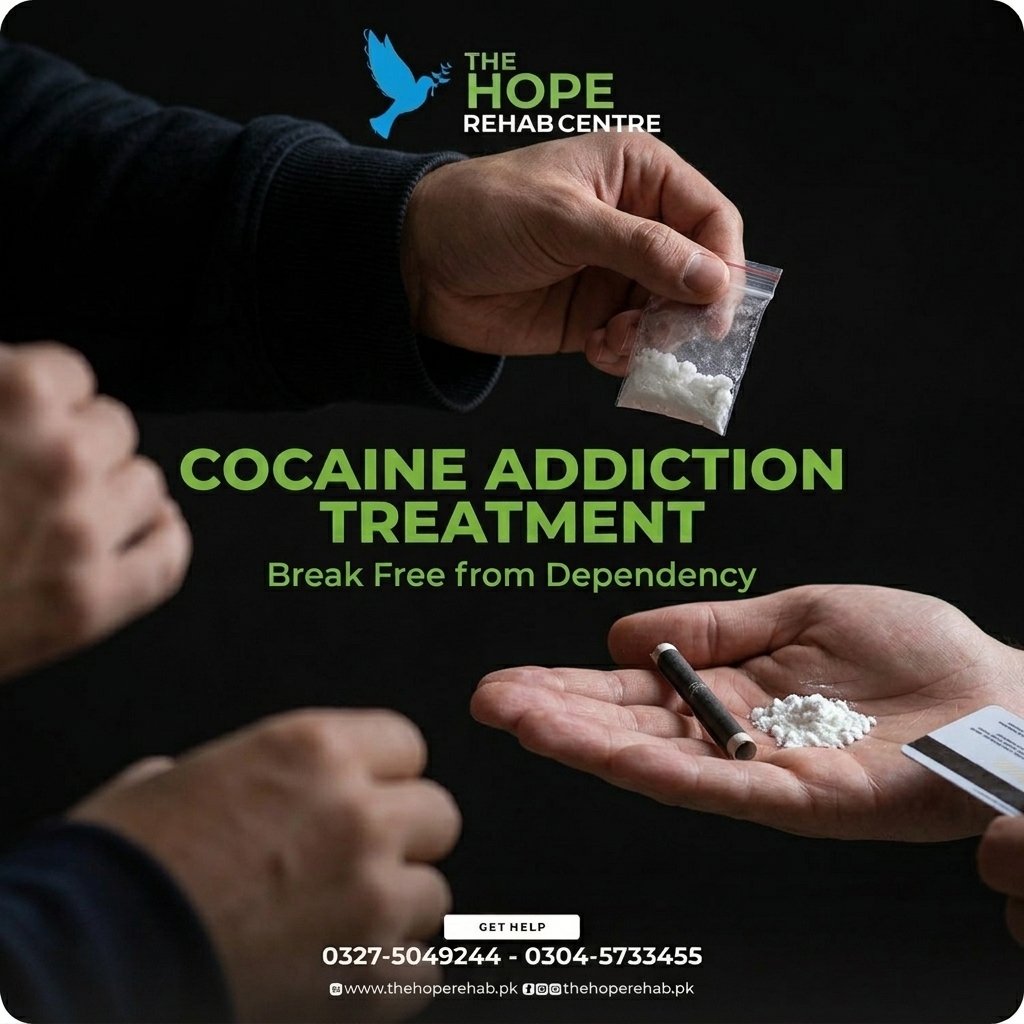
Cocaine Addiction – Cocaine Addiction Treatment at Islamabad, Pakistan

Cocaine use disorder, more commonly known as cocaine addiction, is a compulsive psychological and physical dependence on the drug that can have devastatingly detrimental consequences to all areas of one’s life. Cocaine is a powerful stimulant which gives temporary feelings of increased energy and euphoria but with repeated use rapidly induces tolerance, dependence and addiction. Cocaine use disorder, if not handled in a timely manner, can lead to catastrophic medical, psychosocial and behavioral issues.

Cocaine is an extremely addictive and highly dangerous drug. For those needing help in terms of Cocaine Addiction Treatment, read about the risks, symptoms and recovery options below. The treatment programs at the The Hope Rehabilitation Center Islamabad, Pakistan are tailored to help provide evidence-based, ethical treatment that is compassionate and supportive of continued recovery.

What Is Cocaine Addiction?

Cocaine addiction is typically regarded as a physical or psychological dependence on cocaine that leads the individual to continue taking it despite harmful consequences. Cocaine acts on the reward system of the brain by more or less bursting with increased dopamine levels that produce very intense pleasure and triggers a desire to use it again.

The brain slowly down-regulates its natural reward response, and eventually the drug is incapable of producing a high without medical assistance.

Symptoms and Signs of Cocaine Addiction

Knowing the first signs of cocaine addiction can prompt early intervention and increase the chances of recovery.

Common symptoms include:

  • Intense cravings for cocaine
  • Increased tolerance
  • Mood swings
  • Restlessness and irritability
  • Anxiety or panic attacks
  • Insomnia
  • Loss of appetite
  • Weight loss
  • Poor concentration
  • Neglecting responsibilities at work, school or home

These symptoms are sometimes progressive and tend to worsen the more you become addicted.

Causes of Cocaine Addiction

Many reasons explain the addiction to cocaine.

Emotional Stress

Certain people use cocaine to numb emotional discomfort, stress, or struggles in their lives.

Mental Health Disorders

Anxiety, depression and trauma are conditions that can lead to substance misuse.

Peer Pressure

Most studies also provide estimates of the (relative) contribution of social environments and/or peer influence to the use of drugs for recreational purposes, especially in young adults.

Genetic and Family Factors

Having a family history of addiction may predispose to type dependence on substances.

Knowing those factors assists the practitioners in developing personalized treatment plans.

Health Risks of Cocaine Addiction

Cocaine is one of the most widely used illicit drugs and has such a power to almost have an effect on every organ in the body when someone long-term uses cocaine

Physical Health Risks

Potential complications include:

Cocaine Addiction – Cocaine Addiction Treatment at Islamabad, Pakistan
  • High blood pressure
  • Irregular heartbeat
  • Heart attack
  • Stroke
  • Respiratory problems
  • Weight loss
  • Seizures
  • Increased risk of overdose

Mental Health Effects

The cocaine addiction can also lead to:

  • Anxiety
  • Depression
  • Paranoia
  • Hallucinations
  • Aggressive behavior
  • Memory problems
  • Emotional instability

Often to recover you have to treat both the addiction and mental illness.

The Necessity of Professional Cocaine Addiction Treatment

With frequent cocaine use, increased cravings and withdrawal symptoms make quitting on your own challenging. An organized treatment program can offer medical monitoring, emotional support and working therapies in order to help individuals recovering safely.

Cocaine Addiction Treatment in Islamabad, Pakistan provides aid to individuals who:

  • Manage withdrawal symptoms
  • Reduce cravings
  • Improve emotional well-being
  • Identify addiction triggers
  • Build healthier coping strategies
  • Lower the risk of relapse

The Hope Rehabilitation Center Islamabad, Pakistan offer personalized treatment plans based on each individual’s recovery needs.

Treatment Approaches for Cocaine Addiction

Medical Assessment

The process for getting better starts with an initial assessment, which involves thorough physical health and mental health assessments, a complete past history of substance use.

Detoxification

Cocaine detoxification is the process through which cocaine is removed from your system, and a healthcare provider assists in monitoring you as you go through withdrawal symptoms and overall health.

Individual Counseling

Individual counseling encourages patients to explore the emotional and psychological roots of their compulsions, as they learn how to cope effectively.

Cognitive Behavioral Therapy (CBT)

Cognitive Behavioral Therapy (CBT) is an evidence based therapy that allows patients to identify unhealthy thinking habits and replace them with positive behavior.

Group Therapy

Group therapy offers encouragement, accountability, and companionship from others who are also on a journey of recovery.

Family Support Programs

Family Therapy enhances communication, restores trust and provides a safe environment that facilitates long journey of recovery.

Relapse Prevention Strategies

This is recovered by holistic thinking and strong relapse prevention planning after the treatment.

Helpful strategies include:

  • Identifying personal triggers
  • Managing stress in healthy ways
  • Attending follow-up counseling
  • Maintaining structured daily routines
  • Building positive relationships
  • Participating in ongoing recovery programs

Relapse Prevention Stage at The Hope Rehabilitation Center Islamabad, Pakistan

Significance of mental well-being professionals

Most people with cocaine addiction experience mental illnesses such as:

  • Anxiety disorders
  • Depression
  • Trauma-related disorders
  • Chronic stress

Dual diagnosis (addiction and mental health) can lead to better treatment outcomes and a better quality of life long-term.

Frequently Asked Questions (FAQs)

1.     What is cocaine addiction?

Cocaine addiction is a substance use disorder characterized by the compulsive desire to take cocaine despite harmful consequences.

2.     Can cocaine addiction be treated?

Yes. The combination of detoxification, counseling, behavioral therapy and relapse prevention can help make successful recovery a lasting reality.

3.     What Are Symptoms of Cocaine Withdrawal?

The possible withdrawal symptoms include dysphoria, fatigue, depression, anxiety, sleep disturbances or excessive somnolence [66], increased appetite and strong cravings.

4.     Cocaine addiction therapy: Why is it important?

Therapy is the process of understanding how addiction starts and ends, developing healthy coping skills, and reducing the risk of relapse.

5.     Can family involvement improve recovery?

Yes. Family support can also enhance emotional well-being, foster healthy communication styles and re-enforce long-term recovery commitment.

Conclusion

Cocaine addiction is a chronic illness that is treatable & affects both physical and mental health. With sufficient intervention and professional treatment, how well an individual recovers can improve positively. Abstract Cocaine addiction treatment in Islamabad, Pakistan offers a structured environment and therapeutic care to overcome addiction and regain a healthier life.

The The Hope Rehabilitation Center Islamabad, Pakistan offer a variety of comprehensive treatment programs, including Safe detoxification Evidence based therapies Mental health care Family support Relapse prevention with skilled and nurturing care, people can begin their long-term healing journey in a drug-free life.

Relapse Control Program – Relapse Control Program in Islamabad, Pakistan
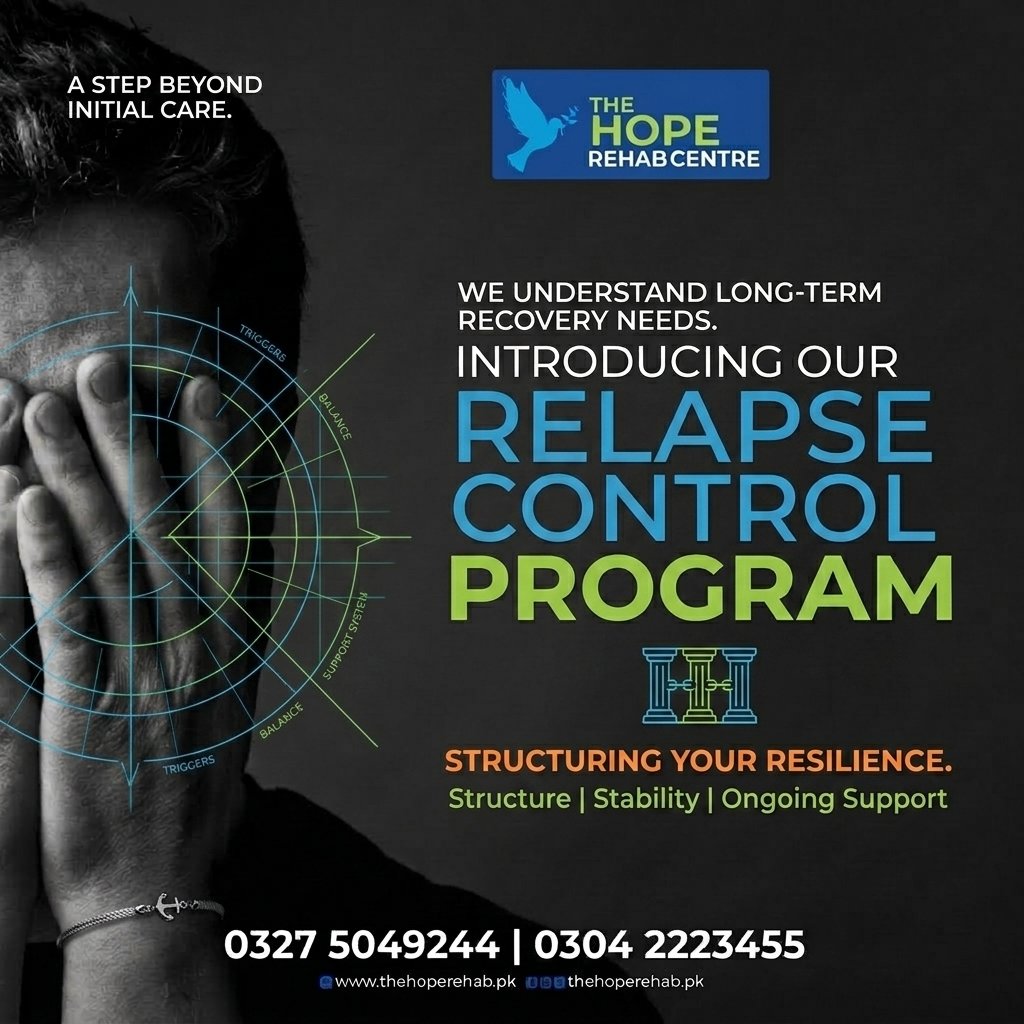
Relapse Control Program – Relapse Control Program in Islamabad, Pakistan

Addiction recovery is an ongoing process that stretches well beyond detox and IOP. Completion of treatment is a major step in recovery; however, sobriety does not end there — it still requires continued support, coping strategies and relapse prevention. Individuals are trained to identify warning signs, cope with triggers and develop the skills necessary for long-term recovery in structured relapse control programs.

If you or someone you know is searching for a Relapse Control Program in Islamabad, Pakistan — reach out to professionals today and take the first step towards preventing lapses in orders to live a longer, healthier life. One of the most crucial components of any well-rounded addiction treatment is relapse prevention at The Hope Rehabilitation Center Islamabad, Pakistan, which ensures that each person leaves an addiction program armed with the tools needed to stay sober.

What Is a relapse control program?

Relapse prevention program is a systematic aftercare plan that minimizes the likelihood of going back to using substances after treatment. It offers real-life resources, emotional sustenance and coping skills that allow individuals to navigate everyday difficulties without turning to alcohol or drugs for relief.

Elements of a comprehensive relapse control program may include:

  • Individual counseling
  • Cognitive Behavioral Therapy (CBT)
  • Group therapy
  • Family counseling
  • Stress management techniques
  • Lifestyle improvement plans
  • Ongoing recovery monitoring

To help individuals maintain recovery in the long-term and have a better quality of life.

Understanding Relapse

Relapse does not happen suddenly. It usually emerges gradually through emotional, mental and behavioral changes prior to the substance use.

Common stages of relapse include:

Emotional Relapse

Individuals may go through the following at this stage:

  • Increased stress
  • Mood swings
  • Anxiety
  • Isolation
  • Poor self-care

While we have not gone back to using, there are emotional issues which can trigger the process.

Mental Relapse

This is when one may start thinking about your substance use, or you are caught between wanting to recover and having the will to use.

Signs include:

  • Cravings
  • The glorification of former substance uses and excessive drinking
  • Minimizing the risks of addiction
  • Considering high-risk situations

Physical Relapse

A physical relapse refers to the third stage of a drug or alcohol return following abstinence.

Recognizing emotional and mental red flags early on can prevent a physical relapse.

Common Triggers for Relapse

This is the main thing you need to know about relapsing: personal triggers.

Common triggers include:

  • Emotional stress
  • Anxiety or depression
  • Family conflicts
  • Social pressure
  • Financial difficulties
  • Loneliness
  • Exposure to substances
  • Unhealthy relationships

By recognizing these triggers, we are able to find more constructive coping strategies.

Creating an effective Relapse Control Program

Relapse Control Program – Relapse Control Program in Islamabad, Pakistan

Individual Counseling

One-on-one counseling allows individuals to identify personal triggers, learn how to manage emotions positively, and reinforce recovery goals.

Cognitive Behavioral Therapy (CBT)

CBT trains people on how to substitute unhealthy thoughts with healing behaviors that promote sustained recovery.

Group Therapy

Peer support groups offer encouragement, accountability, and a sense of shared experience that can decrease feelings of isolation.

Family Support Programs

The family involvement enhances communication, the strength of relationship and a conducive home environment.

Stress Management

Stress can be managed effectively by combating the urge to use drugs through processes like relaxation, exercise and mindfulness which teach healthy habits thus reducing relapse risk.

Relapse prevention plans in The Hope Rehabilitation Center Islamabad, Pakistan are custom-tailored to each person’s recovery process.

The Importance of Aftercare

Rehabilitation is not the end of recovery. The focus of continuing care is to keep people engaged in their recovery efforts.

Aftercare services may include:

  • Regular counseling sessions
  • Recovery support groups
  • Mental health follow-up
  • Lifestyle coaching
  • Family counseling
  • Ongoing relapse prevention planning

Ongoing support can lead to better long-term recovery outcomes.

Long Term Recovery, Developing Healthy Habits

Preventing relapse depends largely on the establishment of healthy daily routines.

Positive habits include:

  • Maintaining regular sleep patterns
  • Eating a balanced diet
  • Exercising regularly
  • Managing stress effectively
  • Building supportive relationships
  • Setting realistic goals
  • Participating in productive activities

These habits help with physical and mental well-being.

The Importance of Family in Preventing a Relapse

Family members can sometimes tease compassionate words during recovery.

Supportive families can help by:

  • Encouraging healthy routines
  • Attending family counseling sessions
  • Recognizing early warning signs
  • Promoting open communication
  • Offering emotional support without judgment

To boost long-lasting recuperation, family members are included right into the The Hope Rehabilitation Center Islamabad, Pakistan is a drug treatment center in Islamabad flexible boys’ recovery plan.

Frequently Asked Questions (FAQs)

1.     What Is A Relapse Control Program?

A relapsing control program is designed to avoid going back to the dependent use of material for individuals who have completed a treatment plan.

2.     Can relapse be prevented?

There is no programmed that can prevent suicide but properly directed support and counselling can go a long way towards minimizing risk.

3.     What are common relapse triggers?

Stress and anxiety, cases of depression, conflicts in family or inappropriate social influences and availability to addictive substances are common cases which lead to relapsing.

4.     Why is aftercare important?

Aftercare includes ongoing counseling, help, and support that helps graduates from treatment stay sober.

5.     How family members can help in relapse prevention

Family is able to offer emotional support, provide advice on healthy behaviors, be willing to attend counseling and spot early warning signs.

Conclusion

Addiction recovery is a lifelong journey that involves dedication, social support, and effective relapse prevention strategies. In Islamabad, Pakistan — A structured Relapse Control Programmed helps trained professionals with long-term sobriety by instilling new coping skills and recognizing triggers

Relapse prevention is a key component of complete addiction treatment at The Hope Rehabilitation Center Islamabad, Pakistan. Individualized attention in counseling, specific behavioral therapies, and involvement from family, alongside aftercare further enhances the likelihood of sustained recovery and getting back to a better quality of life.

Treatment Programs | Comprehensive Care for Addiction and Mental Health Recovery
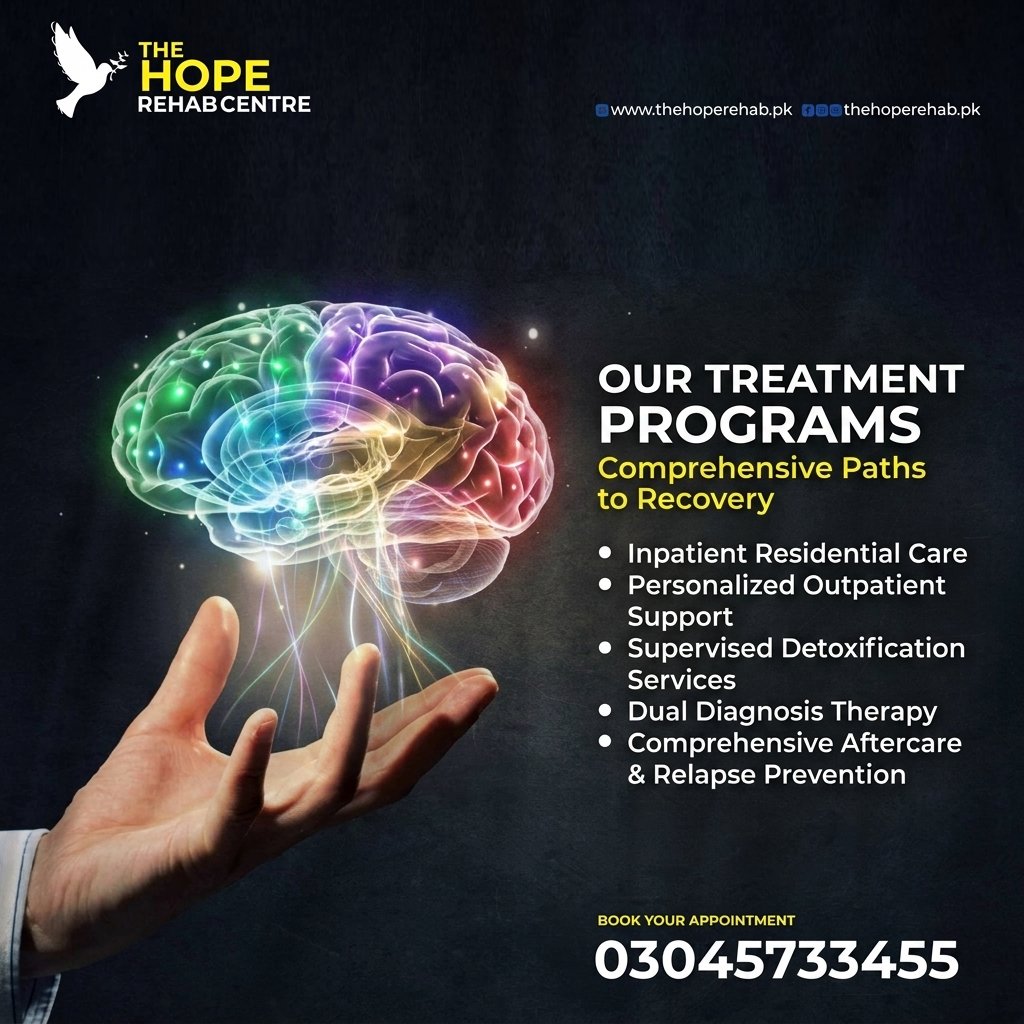
Treatment Programs | Comprehensive Care for Addiction and Mental Health Recovery

Recovery is a personal journey, and every individual has unique needs, experiences, and challenges. Effective treatment programs are designed to provide structured, compassionate, and evidence-informed care that supports both physical and emotional healing. Whether someone is facing addiction, depression, anxiety, or another mental health condition, receiving professional support can be an important step toward long-term well-being.

Treatment programs combine medical care, psychological support, counseling, and lifestyle guidance to help individuals regain stability and develop healthier coping strategies. At The Hope Rehabilitation Center Islamabad, Pakistan, treatment plans are personalized to meet each person’s specific recovery goals while maintaining a respectful, confidential, and supportive environment.

What Are Treatment Programs?

Treatment programs are organized plans of care that help individuals recover from substance use disorders, mental health conditions, or both. These programs often include a combination of medical assessment, therapy, counseling, education, and follow-up support.

The purpose of treatment is not only to reduce symptoms but also to improve emotional resilience, daily functioning, and overall quality of life.

Depending on individual needs, treatment programs may be short-term or long-term and can involve different levels of care.

Types of Treatment Programs

Inpatient Rehabilitation

Inpatient programs provide 24-hour care in a structured setting where individuals can focus entirely on recovery. This option may be appropriate for those with severe addiction, complex mental health conditions, or a need for close supervision during treatment.

Outpatient Services

Outpatient treatment allows individuals to receive therapy and counseling while continuing with work, education, or family responsibilities. Scheduled appointments provide ongoing professional support without requiring residential care.

Detoxification Programs

For individuals with substance dependence, detoxification may be the first stage of treatment. During detox, the body gradually clears addictive substances while withdrawal symptoms are monitored and managed by healthcare professionals.

Mental Health Support Programs

Mental health treatment programs may include therapy, psychiatric assessment, emotional wellness planning, and coping skills development for conditions such as depression, anxiety, trauma, or stress-related disorders.

At The Hope Rehabilitation Center Islamabad, Pakistan, treatment recommendations are based on each individual’s clinical assessment and recovery needs.

Key Components of an Effective Treatment Program

Comprehensive Assessment

Treatment begins with a detailed evaluation of physical health, mental well-being, substance use history, and personal circumstances. This assessment helps professionals create an individualized care plan.

Individual Counseling

One-on-one counseling provides a confidential space where individuals can discuss emotional challenges, identify personal goals, and develop healthier coping strategies.

Behavioral Therapy

Evidence-based therapies, including Cognitive Behavioral Therapy (CBT), can help individuals recognize negative thought patterns, manage triggers, and build positive behavioral changes.

Treatment Programs | Comprehensive Care for Addiction and Mental Health Recovery

Group Therapy

Group sessions encourage individuals to share experiences, learn from others, and develop a sense of community during recovery.

Family Support

Family involvement may be incorporated into treatment when appropriate. Family counseling can improve communication, rebuild trust, and strengthen support systems at home.

Benefits of Structured Treatment Programs

Professional treatment offers several advantages that support lasting recovery, including:

  • Personalized care based on individual needs
  • Professional guidance from trained healthcare providers
  • Emotional support in a safe and respectful environment
  • Development of healthy coping skills
  • Improved understanding of addiction and mental health
  • Long-term recovery planning

Structured care helps individuals address not only symptoms but also the underlying factors contributing to their condition.

The Importance of Aftercare

Recovery continues after formal treatment ends. Aftercare programs help individuals maintain progress and manage challenges during daily life.

Aftercare may include:

  • Follow-up counseling
  • Relapse prevention planning
  • Support group participation
  • Mental health check-ins
  • Lifestyle and wellness guidance

At The Hope Rehabilitation Center Islamabad, Pakistan, ongoing support is considered an important part of long-term recovery and emotional well-being.

Building Healthy Habits During Recovery

Treatment programs often encourage individuals to develop routines that support overall health, such as:

  • Maintaining regular sleep schedules
  • Eating balanced meals
  • Participating in physical activity
  • Practicing stress management techniques
  • Strengthening positive social relationships

These habits can contribute to greater emotional stability and improved quality of life.

Frequently Asked Questions (FAQs)

1. What is the purpose of a treatment program?

A treatment program provides structured care to help individuals manage addiction, mental health conditions, and related challenges while supporting long-term recovery.

2. How do professionals decide which treatment program is appropriate?

Healthcare professionals perform a comprehensive assessment to determine the individual’s needs, health status, and recovery goals before recommending a treatment plan.

3. Can treatment programs address both addiction and mental health conditions?

Yes. Many individuals benefit from integrated care that addresses substance use disorders and co-occurring mental health conditions together.

4. Is family involvement important during treatment?

Family participation can improve communication, strengthen emotional support, and contribute positively to the recovery process when appropriate.

5. Why is aftercare important?

Aftercare provides continued guidance, emotional support, and relapse prevention strategies that help individuals maintain progress after completing formal treatment.

Conclusion

Treatment programs provide a structured pathway toward recovery by addressing the physical, emotional, and psychological aspects of addiction and mental health conditions. Every individual’s journey is different, which is why personalized care, professional guidance, and ongoing support are essential components of effective treatment.

At The Hope Rehabilitation Center Islamabad, Pakistan, treatment programs are designed with compassion, professionalism, and respect for each person’s unique needs. Through comprehensive assessment, therapy, counseling, family involvement, and aftercare planning, individuals are supported as they work toward improved health, emotional well-being, and a more stable future.

Rapid Detox Treatment – Rapid Detox Treatment in Islamabad, Pakistan

Rapid Detox Treatment – Rapid Detox Treatment in Islamabad, Pakistan

Rapid detox treatment is a specific type of detox used in addiction recovery that helps individuals to safely get rid of harmful substances from their systems quicker than normal. It is commonly recommended for individuals with a history of opioid, heroin, alcohol, or drug dependency who want to start their recovery journey in a medically supervised environment. One of the most important preliminary steps in addiction treatment is detoxification, which stabilizes the body prior to therapy and rehabilitation.

For an individual searching for rapid detox treatment in Islamabad, Pakistan, it is important to know how the procedure works and its benefits and risks. Rapid detox treatment at The Hope Rehabilitation Center Islamabad, Pakistan is approached with medical care, professional monitoring, ethical support so that a patient can get to the point of long-term recovery.

What Is Rapid Detox Treatment?

You are collecting rapid detox treatment, a supervised process with function on elimination of some addictive substances through the body faster than the normal detox. The aim is to assist reduce withdrawal discomfort and speed up the detox schedule.

Rapid detox may be used for:

  • Opioid addiction
  • Heroin addiction
  • Prescription drug dependence
  • Alcohol addiction
  • Other substance uses disorders

Because withdrawal symptoms are often severe, this process is usually carried out under medical supervision.

Why Detoxification Is Important

The body has a natural process to clear harmful substances; it is called detoxification. This step is one of the hardest physically and emotionally for addiction victims.

Detox is important because it:

  • Detoxifies the body from poisons
  • Helps stabilize physical health
  • Prepares individuals for therapy
  • Reduces immediate health risks
  • Supports the beginning of recovery

Detox can be a more challenging to start, plus long-term treatment without detox is not recommended.

How Rapid Detox Treatment Works

Rapid detox treatment usually requires careful supervision and medical assistance to assist with the withdrawal effects.

The process may include:

Medical Assessment

This is done as a full health evaluation of the person and his/her addiction history, making it easier to understand how detox needs to begin.

Detoxification Phase

At this stage, the body eliminates the substance while symptoms are managed closely.

Withdrawal Monitoring

The doctors watch the vital signs, hydration, sleep and stability of emotion.

Recovery Planning

Therapy and rehabilitation follow detox when it comes to understanding the psychological side of addiction.

Detox for most patients in The Hope Rehabilitation Center Islamabad, Pakistan will lead into counseling and relapse prevention programs.

Benefits of Rapid Detox Treatment

When done under the right supervision, rapid detox offers numerous advantages.

Faster Physical Stabilization

You can complete your detox naturally in even much less time than you would using regular techniques.

Controlled Withdrawal Support

Having a medical professional monitor the process can ease discomfort and help catch complications.

Rapid Detox Treatment – Rapid Detox Treatment in Islamabad, Pakistan

Early Start to Therapy

Detox provides a safe, stable environment for patients to complete any withdrawal symptoms before beginning counseling and behavioral treatment.

Reduced Risk of Immediate Relapse

A drug detox program can help begin the rehabilitation process with less strain on your body.

Who May Need Rapid Detox?

Who is Rapid Detox for:

  • Have severe opioid dependence
  • Struggle with heroin addiction
  • Have repeated relapse history
  • Need structured medical detox
  • Experience intense withdrawal symptoms

Only a small percentage of people qualify for accelerated detox. Professional assessment is necessary.

Withdrawal Symptoms During Detox

Whether you experience withdrawal symptoms depends on the type of the substance and how long you’ve been using it.

Common symptoms include:

  • Anxiety
  • Sweating
  • Body pain
  • Nausea
  • Insomnia
  • Restlessness
  • Mood swings
  • Strong cravings
  • Fatigue

They range from mild to severe—from these you require the supervision of a doctor.

Detox Is Only the First Step

You should note however, that simply detoxing is not a complete addiction treatment. Detox gets the substance out of you but therapy is needed for your emotions and behaviors that drive your addiction.

In the case of rapid detox, the treatment may consist of:

  • Individual counseling
  • Cognitive Behavioral Therapy (CBT)
  • Group therapy
  • Family support programs
  • Relapse prevention planning

The Hope Rehabilitation Center Islamabad, Pakistan recovery programs take care of the physical as well as emotional aspects of healing.

Importance of Family Support in the Recovery

After detoxification, the role of family support can be huge. Loved ones can help by:

  • Providing emotional encouragement
  • Supporting treatment goals
  • Helping reduce stress
  • Creating a stable environment
  • Recognizing relapse warning signs

A caring family environment can improve outcomes of recovery.

Frequently Asked Questions (FAQs)

1.     What is rapid detox treatment?

Rapid detox treatment is a medical procedure that eliminates addictive chemicals from the body more quickly.

2.     Is rapid detox safe?

Rapid detox is only completed in a medical facility with the ability to monitor and mitigate withdrawal risks as needed.

3.     Can rapid detox cure addiction?

No. Detox is just the tip of the iceberg. It takes therapy and rehabilitation for a long-term recovery.

4.     The duration of a rapid detox program

The length of detox depending on the individual, illness and amount of substance used but is typically shorter than standard detox.

5.     Detox brings so many changes — it is very important there be family support afterwards.

Yes. Increased stability and lowered risk of relapse when family support is involved

Conclusion

Rapid detox is a necessary first step when dealing with substance dependence. It aids in the elimination of toxins from the system and is vital to give people a powerful start on their way to recovery. opt for Rapid Detox Treatment in Islamabad, Pakistan as it offers so many benefits and is a safe approach to providing assistance during this essential phase.

This full day treatment program with appropriate medications is done under professional monitoring at The Hope Rehabilitation Center Islamabad, Pakistan center to create a success path for rapid detox, counseling and long-term recovery planning. However, given adequate care, therapy and assistance people can recover towards a healthier, more steady life that is free of drugs.

Heroin Addiction | Understanding Dependency and Recovery Support
Heroin Addiction | Understanding Dependency and Recovery Support

Heroin addiction is one of the most serious and complex substance use disorders. It affects both the body and mind, often leading to severe physical dependence, emotional instability, and major disruptions in daily life. Many individuals who struggle with heroin addiction may feel trapped in a cycle of cravings, withdrawal symptoms, and repeated use.

Heroin is an opioid drug that can quickly create dependency, even after short-term use. Without proper treatment, heroin addiction can affect relationships, work, health, and mental well-being.

At The Hope Rehabilitation Center Islamabad, Pakistan, treatment for heroin addiction focuses on compassionate care, structured detoxification, therapy, and long-term recovery planning to support individuals in rebuilding their lives.

What Is Heroin Addiction?

Heroin addiction develops when a person becomes physically and psychologically dependent on heroin. The drug affects the brain’s reward system, creating feelings of relaxation or temporary relief, which can lead to repeated use.

Over time, the body adjusts to the drug, requiring larger amounts to achieve the same effects. This can increase both dependence and health risks.

Heroin may be used in different ways, including:

  • Injecting
  • Smoking
  • Snorting

Each method carries serious health risks.

Signs and Symptoms of Heroin Addiction

Recognizing the signs of heroin addiction can help individuals and families seek support earlier.

Physical Symptoms

  • Extreme drowsiness
  • Constricted pupils
  • Weight loss
  • Poor hygiene
  • Slow breathing
  • Frequent flu-like symptoms

Behavioral Symptoms

  • Secretive behavior
  • Loss of interest in responsibilities
  • Financial problems
  • Social withdrawal
  • Risk-taking behavior

Emotional Symptoms

  • Mood swings
  • Depression
  • Anxiety
  • Irritability
  • Lack of motivation

At The Hope Rehabilitation Center Islamabad, Pakistan, these symptoms are carefully assessed to build personalized treatment plans.

Health Risks of Heroin Addiction

Heroin addiction can lead to serious short-term and long-term health complications.

Physical Risks

Long-term heroin use may contribute to:

  • Respiratory problems
  • Liver complications
  • Heart infections
  • Collapsed veins
  • Digestive issues
  • Weakened immune system
Heroin Addiction | Understanding Dependency and Recovery Support

Mental Health Risks

Heroin addiction is often linked with:

  • Depression
  • Anxiety disorders
  • Emotional instability
  • Cognitive difficulties
  • Trauma-related conditions

Treating both addiction and mental health together is often an important part of recovery.

Heroin Withdrawal Symptoms

One of the biggest challenges in heroin addiction is withdrawal. When heroin use stops, the body reacts strongly because of physical dependence.

Common withdrawal symptoms include:

  • Severe cravings
  • Sweating
  • Body pain
  • Restlessness
  • Nausea and vomiting
  • Difficulty sleeping
  • Anxiety and agitation

Withdrawal can be physically and emotionally intense, which is why professional supervision is important.

Treatment Options for Heroin Addiction

Recovery from heroin addiction usually requires a structured and multi-step treatment approach.

Medical Detoxification

Detox is often the first step in heroin addiction treatment. During detox, the body clears heroin while healthcare professionals monitor withdrawal symptoms and overall safety.

At The Hope Rehabilitation Center Islamabad, Pakistan, detox programs are designed to provide supportive care during this difficult stage.

Therapy and Counseling

Therapy helps individuals understand the emotional and behavioral patterns behind addiction.

Common therapies include:

  • Cognitive Behavioral Therapy (CBT)
  • Individual counseling
  • Group therapy
  • Emotional regulation therapy

These approaches help individuals identify triggers and build healthier coping strategies.

Relapse Prevention Planning

Long-term recovery requires preparation for life after treatment. Relapse prevention focuses on:

  • Trigger awareness
  • Stress management
  • Healthy routine building
  • Ongoing counseling support

This helps individuals maintain progress after completing treatment.

Importance of Family Support in Recovery

Heroin addiction often affects entire families. Family support can play a key role in emotional healing and long-term stability.

Family counseling may help:

  • Improve communication
  • Rebuild trust
  • Strengthen emotional support
  • Create healthier boundaries

At The Hope Rehabilitation Center Islamabad, Pakistan, family involvement may be included in treatment when beneficial.

Recovery Is a Long-Term Process

Recovery from heroin addiction is not always quick or easy. It often requires patience, commitment, and ongoing support. Some individuals may need extended therapy or follow-up care to maintain stability.

A structured recovery plan can help individuals rebuild:

  • Physical health
  • Emotional balance
  • Relationships
  • Daily routines
  • Personal goals

Each step forward can contribute to long-term improvement.

Frequently Asked Questions (FAQs)

1. Why is heroin so addictive?

Heroin affects the brain’s reward system quickly, creating strong cravings and physical dependence.

2. What are the first signs of heroin addiction?

Common early signs include drowsiness, secretive behavior, mood changes, and increased isolation.

3. Is heroin withdrawal dangerous?

Withdrawal can be intense and uncomfortable. Professional supervision can help manage symptoms safely.

4. Can heroin addiction affect mental health?

Yes. Heroin addiction is often linked with depression, anxiety, and emotional instability.

5. How long does heroin addiction treatment take?

Treatment length varies depending on the individual’s condition, history of use, and recovery needs.

Conclusion

Heroin addiction is a serious condition that can affect every area of life, but recovery is possible with the right treatment and support. Understanding the signs, risks, and treatment options can help individuals and families take the first step toward healing.

At The Hope Rehabilitation Center Islamabad, Pakistan, heroin addiction treatment focuses on safe detoxification, therapy, emotional support, and long-term recovery planning. Through compassionate care and structured guidance, individuals can begin rebuilding their health, stability, and future.

Smoking Addiction | Understanding Nicotine Dependence and the Path to Recovery
Smoking Addiction | Understanding Nicotine Dependence and the Path to Recovery

Smoking addiction is one of the most common forms of substance dependence worldwide. Many people begin smoking out of curiosity, stress, social influence, or habit, but over time it can become a strong physical and psychological addiction. The addictive substance in cigarettes, nicotine, affects the brain quickly, making it difficult for many individuals to quit without support.

Smoking addiction does not only affect the smoker; it can also impact family members and loved ones through secondhand smoke and emotional stress. At The Hope Rehabilitation Center Islamabad, Pakistan, individuals struggling with nicotine dependence can receive structured guidance, counseling, and behavioral support to help them work toward a healthier lifestyle.

Understanding smoking addiction is the first step toward making informed decisions about recovery.

What Is Smoking Addiction?

Smoking addiction is a condition where the body and mind become dependent on nicotine. Nicotine stimulates the release of chemicals in the brain, creating temporary feelings of relaxation, pleasure, or alertness.

Over time, the brain begins to rely on nicotine, which can lead to cravings and withdrawal symptoms when smoking stops. This cycle makes quitting challenging for many people.

Smoking addiction can involve:

  • Cigarettes
  • Vape devices
  • Tobacco products
  • Nicotine pouches
  • Shisha or hookah

While the forms may differ, the addictive pattern often remains the same.

Signs of Nicotine Dependence

Smoking addiction may become stronger over time. Some common signs include:

  • Strong cravings to smoke
  • Difficulty going a few hours without nicotine
  • Smoking immediately after waking up
  • Increased smoking during stress
  • Failed attempts to quit
  • Irritability when unable to smoke

These signs often show that both physical and psychological dependence have developed.

Health Risks of Smoking Addiction

Smoking affects nearly every organ in the body. Long-term tobacco use can increase the risk of serious health problems.

Physical Health Risks

Smoking may contribute to:

  • Lung disease
  • Breathing difficulties
  • Heart disease
  • High blood pressure
  • Reduced immune function
  • Chronic cough

Mental and Emotional Effects

Although some people smoke to reduce stress, nicotine can actually increase anxiety and emotional dependency over time.

Many smokers report:

  • Irritability
  • Mood swings
  • Difficulty focusing without smoking
  • Stress-related smoking patterns

At The Hope Rehabilitation Center Islamabad, Pakistan, treatment focuses on both the physical habit and emotional triggers behind smoking addiction.

Why Is Quitting Smoking So Difficult?

Smoking Addiction | Understanding Nicotine Dependence and the Path to Recovery

Nicotine changes how the brain responds to stress, pleasure, and routine. Over time, smoking becomes linked to everyday activities like drinking tea, socializing, or managing tension.

When someone tries to quit, withdrawal symptoms may appear, such as:

  • Cravings
  • Restlessness
  • Anxiety
  • Difficulty sleeping
  • Headaches
  • Trouble concentrating

These symptoms can make quitting feel overwhelming, but they are often temporary and manageable with proper support.

Treatment Options for Smoking Addiction

Recovery from smoking addiction often involves a combination of behavioral support and structured treatment.

Behavioral Therapy

Therapy helps individuals identify triggers and replace smoking habits with healthier coping methods.

This may include:

  • Stress management
  • Trigger awareness
  • Habit replacement strategies
  • Emotional regulation techniques

Counseling and Emotional Support

One-on-one counseling can help individuals understand the emotional side of addiction and stay motivated during the quitting process.

At The Hope Rehabilitation Center Islamabad, Pakistan, counseling is designed to support both mental and behavioral change.

Relapse Prevention Planning

Quitting smoking is not just about stopping—it is also about staying smoke-free. Relapse prevention focuses on long-term strategies for maintaining progress.

Benefits of Quitting Smoking

The body begins to recover soon after smoking stops. Over time, many positive changes can happen, including:

  • Improved breathing
  • Better energy levels
  • Healthier lungs
  • Improved circulation
  • Reduced coughing
  • Better sleep quality
  • Lower long-term health risks

Quitting smoking can also improve emotional health, financial stability, and family well-being.

The Role of Family Support

Family encouragement can make a meaningful difference during recovery. Loved ones can help by:

  • Offering emotional support
  • Reducing smoking triggers at home
  • Encouraging healthy habits
  • Celebrating progress

At The Hope Rehabilitation Center Islamabad, Pakistan, family involvement may be encouraged when appropriate to strengthen recovery support.

Frequently Asked Questions (FAQs)

1. Is smoking addiction a serious condition?

Yes. Smoking addiction can affect both physical and mental health and may become harder to manage over time.

2. Why is nicotine addictive?

Nicotine changes brain chemistry and creates cravings, making it difficult to stop once dependence develops.

3. Can therapy help with quitting smoking?

Yes. Behavioral therapy and counseling can help manage triggers and build healthier habits.

4. How long do nicotine withdrawal symptoms last?

Withdrawal symptoms vary, but many improve over days to weeks depending on the individual.

5. Is relapse common when quitting smoking?

Relapse can happen, but it does not mean failure. Continued support and treatment can help individuals stay on track.

Conclusion

Smoking addiction is a challenging condition that affects physical health, emotional well-being, and daily life. While quitting can be difficult, recovery is possible with the right guidance, structure, and support.

At The Hope Rehabilitation Center Islamabad, Pakistan, smoking addiction treatment focuses on understanding nicotine dependence, managing withdrawal, and building healthier routines. Through counseling, behavioral therapy, and long-term support, individuals can take meaningful steps toward a smoke-free and healthier future.

Hopelessness Is a Sin: Understanding the Spiritual and Emotional Weight of Despair
Hopelessness Is a Sin: Understanding the Spiritual and Emotional Weight of Despair

Hopelessness is a heavy emotional state that can make a person feel lost, empty, and disconnected from life. It often appears during difficult times—when pain feels endless, when prayers seem unanswered, or when life becomes overwhelming. Many people ask whether hopelessness is simply a feeling or something deeper.

From a spiritual perspective, hopelessness is often seen as dangerous because it can distance a person from faith, purpose, and trust in God. In many religious teachings, despair is discouraged because it can weaken the belief that healing, mercy, and change are still possible.

However, it is important to understand the difference between feeling hopeless and choosing to live in hopelessness.

Hopelessness as a Human Emotion

Every person experiences moments of sadness, pain, and uncertainty. Feeling hopeless during hardship does not make someone weak or sinful. It is part of being human. Loss, trauma, addiction, depression, and emotional pain can create intense feelings of despair.

What matters is how a person responds to those feelings.

When hopelessness becomes permanent in the mind, it can lead to isolation, depression, and harmful decisions. That is why emotional support, faith, and professional help are so important.

Spiritual Meaning of Hopelessness

Many faith traditions teach that God’s mercy, guidance, and help are always present—even when unseen. Losing all hope can sometimes reflect losing trust in that mercy.

In Islamic teachings, despairing completely of Allah’s mercy is strongly discouraged. The Qur’an repeatedly reminds believers that hardship is temporary and that relief can come after struggle.

Hopelessness becomes spiritually harmful when a person believes:

  • Things can never improve
  • Forgiveness is impossible
  • Recovery is out of reach
  • Their life has no value

These thoughts can trap a person in darkness.

The Connection Between Hopelessness and Mental Health

Hopelessness Is a Sin: Understanding the Spiritual and Emotional Weight of Despair

Hopelessness is also closely connected to mental health conditions like depression, anxiety, trauma, and addiction. Sometimes people do not feel hopeless because of weak faith—they feel hopeless because they are emotionally exhausted.

This is why mental health support matters.

At The Hope Rehabilitation Center Islamabad, Pakistan, individuals struggling with depression, addiction, and emotional trauma receive structured care designed to help them rebuild emotional strength and regain hope.

Professional treatment can help people understand that hopelessness is often a symptom, not a permanent truth.

How to Fight Hopelessness

Overcoming hopelessness often takes both spiritual and practical steps:

1. Speak to Someone

Keeping pain inside can make hopelessness stronger. Talking to a trusted person, therapist, or counselor can provide relief.

2. Reconnect with Faith

Prayer, reflection, and spiritual connection can help restore inner peace and perspective.

3. Focus on Small Steps

Recovery and healing do not happen overnight. Small progress still matters.

4. Seek Professional Help

If hopelessness is linked with depression, addiction, or trauma, professional support may be necessary.

At The Hope Rehabilitation Center Islamabad, Pakistan, mental health and addiction recovery programs help individuals rebuild confidence, emotional balance, and hope.

Final Thoughts

Hopelessness is not something to ignore. While it can be a painful emotional experience, living in complete despair can damage both mental health and spiritual well-being. The key is to remember that no hardship lasts forever.

Healing is possible. Forgiveness is possible. Recovery is possible.

Even in the darkest moments, hope remains one of the strongest forces a person can hold onto. Sometimes the first step toward healing is simply believing that a better day can still come.

Family Support – Family Support Program in Islamabad, Pakistan
Family Support – Family Support Program in Islamabad, Pakistan

In the case of people dealing with addiction, mental health issues or behavioral problems, family support is an important part of their healing process. Addiction is neither the disease of the individual—that would be too easy—and making it an individual problem ignores the fact that addiction affects entire family systems, fragilizing familial bonds through emotional overloads and broken trust in communication with loved ones. Good family support underlies positive treatment outcomes and helps establish the emotional foundation needed for a lifelong recovery.

Understanding the importance of family involvement can help individuals and families looking for a Family Support Program in Islamabad Pakistan. At The Hope Rehabilitation Center Islamabad, Pakistan Family support is an integral part of the recovery process. It helps both, individual as well as their family members to rebuild healthier relationships.

The Importance of Family Support During Recovery

Family involvement is essential for effective recovery. Both addiction and mental health conditions cause emotional pain, confusion, and frustration for everyone involved.

Family support can help by:

  • Providing emotional encouragement
  • Improving communication
  • Reducing feelings of isolation
  • Building trust again
  • Supporting relapse prevention
  • Strengthening motivation for treatment

Familial dynamics are a big part of creating healthy space for a person to heal, and stabilize.

The Family Effects of Addiction

Family members also struggle with the impact of addiction. Loved ones may experience:

Emotional Stress

Loved ones – family members in particular – often experience anxiety, depression, anger or powerlessness when they observe someone who is battling to find the self-discipline needed for recovery from an addiction to drugs.

Financial Pressure

It is important to be aware of the potential negative consequences a la santé de votre âme may create financial hardship when an addiction leads to healthcare expenses, job loss or risky behaviors.

Broken Relationships

Distance is where trust issues, being dishonest and talking after a fight go.

Mental Health Challenges

They were also unable to expand family members who develop stress, depression, or emotional exhaustion as they may struggle or adopt a new normal.

This is why healing your family is just as important as healing yourself.

Family Service Program: Explained

The Family Support Program Islamabad, Pakistan aims to inform, counsel and assist family members in the treatment process of a loved one. It helps families understand addiction, recovery and how they can help with a positive contribution.

Family support programs often include:

  • Family counseling
  • Educational sessions
  • Emotional support groups
  • Communication skill-building
  • Relapse prevention planning
  • Conflict resolution strategies

Fundamental to our drug treatment programs in Islamabad is the nature of family support services and since we advance sound family relations through uniting families, esteem can be a goldmine with regards to accomplishing an effective recovery.

Family Involvement in Treatment Benefits

Family Support – Family Support Program in Islamabad, Pakistan

Better Treatment Outcomes

Family support has been shown to keep people more committed to, and engaged in recovery.

Improved Communication

Individual or family therapy — to improve listening, understanding and emotional expression

Reduced Relapse Risk

Healthy family environments can also aid in recognizing and addressing risk factors early on.

Emotional Healing for Everyone

It is where both the person and family can heal from past pain together and learn to rebuild trust.

Increased Awareness

Education concerning addiction aids families understand better that recovery is not a brief process.

Family Counseling in Recovery

Counseling for families is often an integral part of many treatment programs. It can create a safe environment where family members can:

  • Share concerns openly
  • Discuss emotional pain
  • Understand addiction behaviors
  • Learn healthy boundaries
  • Improve problem-solving skills

This process has the ability to minimize misunderstandings and deepen emotional connections.

Supporting a Recovery at Home: How Families Can Play a Role

Family support only extends until the point where formal treatment ends. Families can help in many important ways, such as:

Encourage Healthy Routines

It encourages good sleep, nutritious diet and positive behavior each day.

Avoid Triggers

Limiting exposure to stressors or triggers may aid recovery.

Offer Emotional Support

Compassion in simpler terms can bring about the season of confidence during trials and tribulations.

Attend Follow-Up Sessions

You can give yourself the best chance of strengthening your recovery by continuing to attend therapy or other support meetings.

Practice Patience

And recovery isn’t a linear path; there will be ups and downs. Patience and understanding are important.

PREVENTION AND RELAPSE Family Role

One of biggest parts of recovery is the prevention from relapsing. Some signs that families can look out for include:

  • Isolation
  • Mood changes
  • Increased stress
  • Avoiding treatment sessions
  • Returning to unhealthy environments

The better the early support and communication, the lower will be the probability of outside relapse.

For example, in The Hope Rehabilitation Center Islamabad, Pakistan, relapse prevention planning incorporates family education to help loved ones support long-term recovery.

Frequently Asked Questions (FAQs)

1.     When someone is suffering from addiction, their recovery will greatly benefit from having a reliable family support system in place.

Emotional strength, encouragement, and stability from supportive family members can enhance the chance of recovery.

2.     Is Family Therapy the antidote to a fractured family?

Family therapy may allow families to improve communication, rebuild trust, and resolve emotional pain.

3.     What if family ties are challenging?

Support programs can teach the families how to communicate better and manage conflicts better.

4.     Does involving family members decrease the risk of relapse?

Yes, a family that is supportive can help them understand where their triggers are and how to be encouraged to use good positive coping skills.

5.     So, I don’t know if family members can also be supported emotionally?

Are family support programs usually including counseling and direction for loved ones too?

Conclusion

Recovery is not just for the individual — frequently it entails soothing the whole domestic system. A Family Support Program in Islamabad, Pakistan that is effective can serve as an emotional guide for families while providing information and practical tools to support their loved one through recovery. Including the family can help foster communication, lower stress levels, and provide a more stable environment for sustainable recovery.

At The Hope Rehabilitation Center Islamabad, Pakistan, the involvement of family is integral within the treatment process to help both the individual and significant others repair damaged relationships, regain trust with one another, and progress towards recovery closer as a family unit.

Stop Smoking – Smoking Addiction Treatment Center in Islamabad, Pakistan
Stop Smoking – Smoking Addiction Treatment Center in Islamabad, Pakistan
Starting to smoke is among the leading causes of nicotine dependence all over the world. Many begin smoking due to Patience, social pressure or as a relief from stress but later its genera long term addiction that can be harmful on your physical, bodily and needs of daily life. Deciding to quit smoking is one of the most powerful things a person can do for better lifestyle and health. A Smoking Addiction Treatment Center in Islamabad, Pakistan provides professional help, behavioral support and structured recovery programs to those who want them.
The Hope Rehabilitation Center Islamabad, Pakistan also focus on improving slackness leading towards a clear idea of understanding towards how help can be provided to smokeless through counseling and guide the individuals about delivering them work-free without hiding information regarding nicotine caught in new atmosphere.

Understanding Smoking Addiction

The addiction to smoking is mainly caused by nicotine. Nicotine works on the reward system of our brain, temporarily making us feel relaxed, happy or alert. The longer one uses nicotine, particularly through smoking tobacco, the more their brain adjusts and depends on it and then cannot easily get off without assistance; this explains why people with enough experience just cannot stop.

Nicotine cravings can be fierce and persistent, and this is why so many smokers are aware of the health risks associated with smoking yet still cannot seem to quit. Smoking Addiction Treatment Center in Islamabad, Pakistan can successfully help them with these obstacles.

Why Is It Difficult to Quit Smoking

Quitting smoking is not just about stopping the use of cigarettes. Over the course of time, people build up emotional, social and behavioral ties to smoking.

Why is it so hard to quit Common reasons people struggled with quitting include:

  • Nicotine dependence
  • Stress and anxiety
  • Social habits
  • Fear of withdrawal symptoms
  • Emotional triggers
  • Long-term smoking routines

If people can realize these things, then they will be able to shape realistic and genuine plans for quitting.

Health Effects of Smoking

Smoking has adverse effects on almost every organ in the body. Chronic tobacco unpleasantness is connected to various medical issues and protracts the whole life.

Common health effects include:

Respiratory Problems

Smoking harms the lungs and leads to wheezing, coughing, and decreased lung function.

Cardiovascular Risks

The risk of heart disease, hypertension, and circulation issues may be increased by tobacco use.

Weakened Immune System

Smokers may find it tougher for their body to fight infections and recover from diseases.

Mental Health Impact

Most people would argue that smoking is the stress, as they believe to feel better while stretching nicotine out of their lungs between parts.

Benefits of Quitting Smoking

Just a few days after quitting smoking, the body starts to heal. Although recovery times differ, most individuals observe good changes in a few weeks and months.

Some potential benefits of quitting smoking include:

Stop Smoking – Smoking Addiction Treatment Center in Islamabad, Pakistan
  • Improved breathing
  • Better circulation
  • Increased energy levels
  • Taste and Smell Were Enhanced
  • Reduced coughing
  • Better sleep quality
  • Enhanced overall well-being

Going for a Smoking Addiction Treatment Center in Islamabad, Pakistan helps you have the, better chances of remaining drug-free.

Treatment Approaches for Smoking Addiction

Behavioral support and lifestyle modification plays an important role in smoking cessation success.

Behavioral Counseling

Counseling aids in recognizing triggers, understanding smoking behavior, and finding better coping methods.

Cognitive Behavioral Therapy (CBT)

Cognitive behavioral therapy can help challenge unhealthy negative thoughts related to smoking and facilitate change in behaviors that support the change.

Stress Management Techniques

Cigarettes are also used to cope with stress by many smokers. Learning about other ways to manage stress can help in recovery.

Relapse Prevention Planning

It is an important component of developing a quit plan and being able to cope with cravings and high-risk situations.

Family and Social Support

Motivation and accountability can come from support from family and friends while quitting.

Managing Nicotine Withdrawal

It is not uncommon for people to experience withdrawal symptoms when they quit smoking from nicotine. In this case, these symptoms are transient and gradually improve.

Common withdrawal symptoms include:

  • Cravings for cigarettes
  • Irritability
  • Restlessness
  • Difficulty concentrating
  • Mood changes
  • Increased appetite
  • Sleep disturbances

Such symptoms can be dealt with by gaining professional guidance that helps individuals understand these issues.

Building a Smoke-Free Lifestyle

Recovery commonly requires healthy changes in our Input and Output, which lead to sustainable solutions.

Helpful strategies include:

  • Staying physically active
  • Maintaining healthy eating habits
  • Practicing relaxation techniques
  • Avoiding smoking triggers
  • Building supportive relationships
  • Setting realistic recovery goals

The Hope Rehabilitation Center Islamabad, Pakistan teach an absolutely new aspect of the rehab to people, which focuses mainly on sustainable lifestyle changes rather than instant change.

FAQs About Stopping Smoking

1.     Why is nicotine so addictive?

What this means is that nicotine increases the reward pathway in the brain leading to pleasant sensations, and thus it can start to become an addiction as time progresses.

2.     What are common withdrawal symptoms when quitting smoking?

Symptoms can include cravings, irritability, anxiety, restlessness, sleep problems, and trouble concentrating.

3.     How Long Do Nicotine Cravings Last

Everyone experiences cravings differently, but most people will find that they are less intense and come less frequently as time passes since quitting smoking.

4.     Counseling To Stop Smoking: Can It Assist?

Yes. Counseling is effective in recognizing triggers, controlling urges, and creating better coping mechanisms.

5.     Can you give up smoking after years?

Yes. With the right support, people can make long-term changes to quit smoking after years of smoking tobacco.

Conclusion

Making the decision to quit is a major step toward better health, greater well-being and an improved quality of life. Nicotine addiction impacts many people, but it is often less daunting when you find professional help, discover the right coping skills for you and lean on your support system. As smoking is bad and quitting comes with several advantages, people will have a fair image of how smoking might affect their life.

The Hope Rehabilitation Center Islamabad, Pakistan assist individuals who are searching for a means to stop smoking with nicotine dependence in their life. The center is a Smoking Addiction Treatment Center in Islamabad Pakistan that helps individuals achieve healthier habits, restore wellness and work toward a smoke free future.

Mental Health – Mental Health Treatment Center in Islamabad, Pakistan

Mental Health – Mental Health Treatment Center in Islamabad, Pakistan

Mental health is a key component of personal well-being, as it affects how individuals think, feel and behave. Normal physical health needs exercise, and rest; so, mental stability needs warm support. For better management of your emotional problems, stress, anxiety, depression or any other mental disorder — you would need to seek professional help with prediction and proper care. Connecting with a reputable Mental Health Treatment Center in Islamabad, Pakistan can assist to enhance their quality of life and develop healthier adaptability steps.

The first thing to talk about is the approach towards mental health care. With The Hope Rehabilitation Center Islamabad, Pakistan, they take a compassionate approach with secrecy and respect. The aim is to help people deal with tough times while enhancing their current and future well-being and self-development.

What Is Mental Health?

Mental health includes our emotional, psychological and social well-being. It has an effect on how people deal with stress, how they make decisions, keeping relationships, and everyday living situations. Having good mental health or mental wellbeing does not mean that you are free from struggling, but it is the ability to manage the difficult times in life.

A number of aspects can affect psychological wellbeing, for example:

  • Genetics and family history
  • Life experiences and trauma
  • Physical health conditions
  • Stressful environments
  • Substance abuse
  • Social and financial pressures

The first move to getting the help they need when required is the knowledge regarding mental health.

Why Mental Health Matters

Mental health affects almost every area of the life. When emotional wellness is strained, people can find it hard to work, study, interact with family and friends.

Good mental health contributes to:

  • Better emotional balance
  • Improved relationships
  • Higher productivity
  • Effective stress management
  • Better physical health outcomes
  • Greater self-confidence

A professional Mental Health Treatment Center in Islamabad, Pakistan can help people stay emotionally and physically well.

Common Mental Health Conditions

Mental health conditions range in severity and presentation. Some people have short term mental trauma; others are traumatized a life time.

Anxiety Disorders

Anxiousness leads excessive worrying, fear and nervousness as well as physical symptoms like rapid heartbeat or restlessness.

Depression

Depression deals with chronic state of sadness, lack of interest and energy, feelings of worthlessness.

Stress-Related Disorders

Thus, chronic stress can impact mental well-being, focus, quality of sleep and physical health.

Substance Use and Mental Health

Mental health difficulties commonly co-exist with addiction. People might self-medicate to relieve their emotional pain, which may increase recovery needs.

Mood Disorders

Mood disorders can also commonly disrupt daily function in regulating emotions and maintaining healthy relationships.

Red Flags for Mental Health Issues (Your Head Is a Wonderful Place)

Mental Health – Mental Health Treatment Center in Islamabad, Pakistan

Identifying early symptoms can lead to timely intervention and support.

Common warning signs include:

  • Persistent sadness or anxiety
  • Mood swings
  • Sleep disturbances
  • Social withdrawal
  • Difficulty concentrating
  • Loss of motivation
  • Increased irritability
  • Changes in appetite
  • Feelings of hopelessness

If these symptoms continue for more than a couple of weeks and are interfering with the person’s daily life, formal evaluation should be sought out from mental health professionals.

Mental Health and Daily Life

Mental health also plays a huge factor in how we respond to things that happen on a daily basis. Emotional issues can harm relationships with family, your performance at the workplace, academic success, and ambitions in life.

Some common effects include:

  • Reduced productivity
  • Communication difficulties
  • Relationship conflicts
  • Physical fatigue
  • Poor decision-making
  • Increased stress levels

Preventive action can forestall the progression of symptoms.

Ways to Treat: Mental Health Treatment

Depending on their specific needs, effective mental health care typically requires a blend of therapies.

Psychological Counseling

Just talking about concerns, feelings and personal difficulties is also what counseling really provides — a safe space free of judgment.

Cognitive Behavioral Therapy (CBT)

CBT works by recognizing negative patterns and shifting those negative thoughts into positive more productive frames.

Stress Management Techniques

There are various methods of stress reduction, including meditation, mindfulness, and emotional regulation.

Family Support Programs

Family care can facilitate communication, enhance understanding, and be a source of support in the recovery process.

Lifestyle and Wellness Planning

Good sleep habits, good nutrition, exercise and structure often aid mental fitness.

The Importance of Early Intervention

Stigma & Misconceptions About Mental Health A lot of people tend to postpone therapy due to stigma or misconceptions. Nonetheless, timely intervention could mean the difference between an emotional recovery and a permanent condition.

The advantages of seeking support early are:

  • Better symptom management
  • Reduced emotional distress
  • Improved relationships
  • Enhanced coping skills
  • Increased confidence and resilience

Seeking professional help from a Mental Health Treatment Center in Islamabad, Pakistan is essential before it takes a toll on daily life.

Mental Health Awareness in Pakistan

Pakistan is becoming massively aware for its mental health. With the growing awareness of mental well-being, more individuals and families are willing to prioritize emotional health and turn to professionals whenever required.

Raising awareness and reducing stigma also supporting open conversations, and building healthier communities. Mental health is an integral component of medical health, just as important and worthy of attention as any other condition.

At The Hope Rehabilitation Center Islamabad, Pakistan, people are invited to receive care in an environment that is supportive, respectful, and confidential.

FAQs About Mental Health

1.     What is mental health?

Mental Health: Mental health is state of subjective well-being with respect to emotions, psychology and social aspects.

2.     Can stress affect mental health?

Yes. Chronic stress can lead to anxiety, depression, sleep deprivation and emotional exhaustion.

3.     When Should A Person Seek Professional Mental Health Support?

When the emotional problems become chronic, cause disruption to daily life, and start affecting relationships and work performance — getting professional support can help.

4.     Learn More About Mental Health Disorders

Physical and Mental Health Most mental health problems can be treated with therapy and counseling alongside lifestyle changes, support from a trained professional or family member.

5.     Importance of family in mental health recovery?

Family support offer encouragement, empathy and stability ─ all factors that can benefit recovery results.

Conclusion

Mental health is an important part of our life as it affects the emotional and psychological wellbeing, relationships, behavior, decision-making skills and quality of life. Early recognition of symptoms and knowing where to seek help can enable individuals to manage difficulties and enhance emotional well-being. In a supportive environment with the right guidance and healthier coping skills, they can achieve greater emotional regulation and growth.

The Hope Rehabilitation Center Islamabad, Pakistan are committed to empathy, professionalism, and making a difference in the lives of those battling emotional, psychological and behavioral problems. By finding a good Mental Health Treatment Center in Islamabad, Pakistan we can peacefully navigate meaningful steps to better well-being, healthier relationships and getting the most out of life.

Rapid Detox – Rapid Detox Treatment Center in Islamabad, Pakistan

Rapid Detox – Rapid Detox Treatment Center in Islamabad, Pakistan

Rapid detoxification, or rapid detox is a medically supervised process that helps ease withdrawal symptoms in the early recovery stages. Drug or alcohol withdrawal can lead to physical pain, stress at the emotional level, mental health problems or lose of health. In fact, undergoing a structured detoxification process can minimize health risks and support a safer transition into long-term treatment and recovery.

Recovery at The Hope Rehabilitation Center Islamabad, Pakistan is based on ethical care, emotional support, and evidence-based therapeutic techniques. Rapid detox is usually done in conjunction with the other phases of addiction recovery including counseling, behavioral therapy and relapse prevention support.

What Is Rapid Detox?

Rapid detox is a medically-supervised treatment method designed to expedite the elimination of addictive substances from the body. It is widely used for people with opioid addiction, prescription drugs use disorder, alcohol use disorder and other substance use disorders.

Rapid Detox focuses on treating the withdrawal symptoms in a clinically safe environment, and preparing you for continued recovery care.

This process may involve:

  • Medical monitoring
  • Medication-assisted support
  • Hydration and nutritional care
  • Emotional and psychological support
  • Post-detox rehabilitation planning

Rapid detox by itself is not a comprehensive addiction treatment. Therapy, counseling and lifestyle changes are often necessary for long-term recovery.

The Importance of Detoxification in Addiction Recovery

When a person is physically dependent on drugs or alcohol, his or her body adjusts to the substance. Suddenly ceasing use can result in withdrawal symptoms from slight transient discomfort to life-threatening medical issues.

Detoxification assists patients in safely dealing with uncomfortable symptoms such as:

  • Nausea and vomiting
  • Muscle pain
  • Anxiety and depression
  • Insomnia
  • Sweating
  • Irritability
  • Cravings
  • Fatigue
  • Restlessness

A medically supervised detox can minimize health risks and make the withdrawal process more comfortable.

The poor genes may be targeting in a rapid detox treatment?

This is another area where rapid detox might be recommended, particularly in cases of severe dependency and when withdrawal symptoms may be difficult to control without assistance.

Some of the most common addictions that require detox treatment are:

Opioid Addiction

Addiction to heroin, fentanyl, morphine and prescription painkillers needs detox professional help.

Alcohol Addiction

Severe alcohol withdrawal can present life-threatening symptoms that call for closely monitored care.

Methamphetamine and ICE Addiction

Withdrawal from stimulants can lead to emotional instability, anxiety, and depression.

Prescription Drug Dependency

Detoxing slowly may be required for lengthy use of sedatives or benzodiazepines.

Each from one person is different that also, assessment and treatment planning needs to be assessed in personalized manner.

The Process of Rapid Detox

Rapid detox starts with a medical evaluation to assess physical health, history of addiction, mental health and hazards involved.

Initial Assessment

Healthcare professionals evaluate:

Rapid Detox – Rapid Detox Treatment Center in Islamabad, Pakistan
  • Substance use patterns
  • Physical condition
  • Mental health concerns
  • Existing medical conditions
  • Withdrawal risks

Medical Supervision

Detox Must Be Monitored: Many patients require the use of supportive medications along with careful monitoring in order to safely relieve withdrawal side effects during detox.

Stabilization Phase

The body slowly learns to function without the addictive agent. It pays attention to physical and emotional symptoms.

Transition Into Rehabilitation

Detox is only the start; it should be followed by treatment, including therapy, counselling and rehab.

Addressing physical addiction and mental health problems is often an essential factor for long-term recovery.

Mental Health Support During Detox

Psychological health or emotional health are most often affected by addiction. Substance dependence also comes along with a major underlying issue for many people who have anxiety, depression, trauma or stress.

Mental health support at The Hope Rehabilitation Center Islamabad, Pakistan might include:

  • Individual counseling
  • Behavioral therapy
  • Emotional support sessions
  • Stress management techniques
  • Relapse prevention education

By treating psychiatric issues, you can restore emotional health and potentially enhance recovery from MTSS.

Advantages of Professional Rapid Detox Programs

In a professionally supervised detox environment, there are several key advantages that added benefit:

Safer Withdrawal Management

Medical monitoring may reduce withdrawal complications.

Emotional Support

Psychological and counseling service can relieve stress and anxiety.

Structured Recovery Planning

You can guide patients for long-term rehab and deter relapse.

Improved Comfort

Supportive care may assist with discomfort throughout the detox process.

Health Monitoring

Physicians are able to monitor vital statistics and react promptly to counter health issues.

A professional is also likely to provide for a more consistent and nurturing climate of healing.

Challenges During the Detox Process

Detox is a critical step in the recovery process, but it can also be physically and emotionally difficult.

Common challenges include:

  • Drug cravings
  • Mood swings
  • Sleep difficulties
  • Emotional stress
  • Fear of relapse
  • Physical discomfort

Such hardships also emphasize the significance of compassion and how vital continued rehabilitation engagement is even after a recovery program.

Relapse Prevention After Detox

Detoxification is merely the first step of a recovery journey. Sticking to the treatment and making lifestyle changes is often crucial for long-term success.

Helpful relapse prevention strategies include:

  • Ongoing counseling
  • Family support programs
  • Healthy daily routines
  • Stress management techniques
  • Avoiding high-risk environments
  • Peer support groups
  • Mental health care

Generally, the road to recovery is a slow one that takes time, dedication with yourself, and may even involve some assistance from others.

Family And Recovery: The Role It Plays

Having a family involved during medical detox treatment and thereafter can have a positive impact. Empathy, emotional support, and well-meaning encouragement may be able to help the recovering individuals feel a little bit more stoked about their recovery.

Families can support recovery by:

  • Encouraging healthy communication
  • Learning about addiction and withdrawal
  • Supporting therapy participation
  • Promoting positive lifestyle changes
  • Recognizing emotional warning signs

Healing Context can solidify emotional resilience and create a sense of belonging.

FAQs

1.     What is rapid detox treatment?

Rapid detox is a medically supervised process that manages withdrawal symptoms in early addiction recovery.

2.     Is rapid detox safe?

A detox program is typically safer than going through withdrawal without medical supervision.

3.     What Addictions Can Detox Treatment Help With?

If someone struggles with an addiction to opioids, a dependency on alcohol, or prescription drug and/or stimulant abuse, detox support may be needed.

4.     Does detox cure addiction completely?

Detox is only the first step of recovery, no. Generally, recovery studies require long periods of rehabilitation and counselling.

5.     Detox is on the list of things that should be weaning off gradually, with professional supervision.

When they routinely help with withdrawal symptoms, health conditions and monitoring, emotions surrounding the recovery process.

Conclusion

In the first days of rehabilitation, speedy detox is essential as it will help a person healing phase early for controlling the initial signs. Since addiction is complex and impacts both physical and emotional health, long-term recovery often requires — 2) ongoing support & care.

At The Hope Rehabilitation Center Islamabad, Pakistan (NHRCC), we deliver patient-centered addiction treatment to guide those struggling with the addiction detox process, emotional healing and rehabilitation in a safe, supportive environment.