The Hope Rehab Center

Dual Diagnosis Treatment in Pakistan: Powerful Steps for Addiction and Mental Health Recovery

Dual Diagnosis Treatment in Pakistan: Powerful Steps for Addiction and Mental Health Recovery

Dual Diagnosis Treatment All over the Pakistan This treatment is meant for persons dealing with Drug and alcohol abuse problem along with a mental disorder. The mentioned problems can be present in co-occurrence and may depend on one another. Such as a person with depression may start using drugs and/ or alcohol to escape psychological distress, then continued substance use can contribute to increased anxiety, depression, or other mental health symptoms.

Focusing on only one issue can ignore critical aspects of recovery. Synergizing gives us the opportunity to treat addiction in conjunction with mental health. Whatever the case may be, we at The Hope Rehabilitation Center Islamabad, Pakistan provide structured support to individuals and families looking for help with substance use and related psychological concerns.

What Is a Dual Diagnosis?

A dual diagnosis, or co-occurring disorder, is when someone has both a substance use disorder as well as a mental health disorder.

Substance-related problems can involve:

  • Alcohol
  • Heroin and other opioids
  • Methamphetamine or crystal meth
  • Cannabis
  • Cocaine
  • Prescription medications
  • Other addictive substances

Mental health problems may be grouped illnesses like depression, anxiety disorders, trauma and post-trauma disorder, bipolar disorder or other mental illness.

The relationship isn’t always straightforward. The mental health symptoms can present prior to, subsequent to or overlapping with substance use. It is thus requiring a cautious professional analysis.

Why Do Addiction and Mental Health Issues Happen Together?

There are many reasons why co-occurring disorders may exist. Any number of factors can be at work, including genetics, chemistry of the brain, trauma and stressors in the environment, and other personal circumstances.

Self-Medication and Emotional Distress

There are those who use substances as a remedy whenever sadness, anxiety, insomnia, traumatic memories or different unpleasant emotions hit them. Even if a compound can temporarily alleviate, reliance on repeated use only amplifies the problem.

Substance-Induced Symptoms

Some medication can invoke or exacerbate psychiatric symptoms. Stimulants in particular can directly trigger anxiety, agitation, paranoia or psychotic symptoms in certain individuals. Major alterations in mood and behavior can also occur when one stops taking drugs (known as withdrawal).

Shared Risk Factors

Addictions and mental health disorders do share risk factors, including childhood trauma, chronic stress, social isolation and family history. This may be why the two conditions are more likely to (co)-occur.

When to Seek Dual Diagnosis Care

Dual Diagnosis Treatment in Pakistan: Powerful Steps for Addiction and Mental Health Recovery

Following that, identifying a co-occurring issue is never an easy task. Moods, Sleep, Thoughts and Behavior Effects of Drug It can change Mood, Sleep, Thinking &Behavior.

Potential warning signs include:

  • Persistent sadness or hopelessness
  • Severe anxiety or panic
  • Major mood changes
  • Social withdrawal
  • Sleep disturbances
  • Paranoia or unusual beliefs
  • Using substances repeatedly specifically to cope with an emotion
  • Inability to stop using drugs or drinking alcohol
  • Family dysfunctionrelated working, or educational status

Life dysfunction and problems which are ongoing even when they aren’t intoxicated

An assessment with a professional will help clarify what is going on and the type of treatment indicated.

How Does Dual Diagnosis Treatment in Pakistan Work?

Effective care should be individualized. For this reason, the treatment process often starts with a thorough assessment of co-occurring substance use and mental health disorder.

Assessment and Diagnosis

Substance use history (patterns of use, withdrawal history), physical health, medication review and monitoring, mental state (mood) & sleep patterns; trauma / abuse history; behavior issues.

It also serves to identify whether they have a second mental health condition that is independent from their substance use or, conversely, symptoms due to the use of substances either directly (by/toxicity) or indirectly (i.e. worsening an existing condition).

Medical and Withdrawal Management

Certain medications can lead to severe or even fatal withdrawal side effects. Some substances, as well as personal risk factors dictate the need for medically supervised withdrawal management.

Although detoxification helps with the physical aspect of stopping substance use, it is only one aspect of back into recovery.

Psychological Treatment

Counseling and behavioral therapies teach people how to understand their triggers and develop healthier coping skills.

Cognitive-behavioral strategies may assist individuals with awareness of unhelpful thoughts and behaviors while discovering effective techniques to cope with cravings, stress, and negative feelings.

Medication When Clinically Appropriate

Prescribed medication can help with some mental health or substance use disorders. Because of this, medication should be prescribed by someone qualified to assess the individual based upon their diagnosis, medical history, current substance uses and any other treatments being received.

No medication should ever be commenced, stopped or changed without suitable medical advice.

The Importance of Integrated Treatment

One of the key advantages of dual diagnosis treatment is that you can have addiction and mental health issues treated at the same time as part of an integrated plan.

Someone who is recovering from methamphetamine use (and experiences anxiety and/or paranoia) may benefit from being on serotonin reuptake inhibitors. Focusing on the substance abuse without treating chronic post-traumatic symptoms may actually complicate recovery efforts.

Integrated care can focus on:

  • Reducing harmful substance use
  • Managing mental health symptoms
  • Developing healthy coping skills
  • Improving daily functioning
  • Strengthening relationships
  • Preventing relapse
  • Supporting long-term recovery

Dual Diagnosis Recovery: Family Support

Families can have important challenges related to mental health and addiction problems. Relatives will wonder why anyone continues using even when it is plain to all that they have lost a job or destroyed a family.

Education can replace blame with a more informed understanding of both addiction and mental health.

Family members can help the recovery process by doing the following:

  • Encouraging professional treatment
  • Communicating calmly
  • Learning about co-occurring disorders
  • Setting clear and healthy boundaries
  • Supporting treatment appointments
  • Watching for changes in behavior
  • Taking warning signs seriously
  • Taking care of one’s own mental health

A positive family life can be a great supplement to therapeutic support, but it is not an alternative.

Relapse Prevention and Long-Term Care

Dual diagnosis recovery is most often an ongoing process because both substance-related triggers and mental health symptoms may change over time.

A relapse-prevention plan may include:

  • Continued counseling
  • Mental health follow-up
  • Medication management when prescribed
  • Identifying emotional and environmental triggers
  • Building a healthy support network
  • Staying in a consistent sleep pattern and daily routine
  • Avoiding high-risk situations
  • Developing stress-management skills
  • Seeking help early on when symptoms worsen

Callan: Recovery is not always a linear process. Rather than a reason to write off treatment, a decrease in substance uses or an increase in psychiatric symptoms can be impetus for reassessing treatment.

Selecting A Dual Diagnosis Therapy Facilities

Families seeking help for Dual Diagnosis Treatment in Pakistan should only look for a provider that can treat both substance use and mental health needs.

Useful questions include:

  • Is there a psychological evaluation provided?
  • Is evaluated for physical health and risk of withdrawal?
  • Addiction and mental health illness (mental disorders) often can be treated in concert.
  • Is individual counseling available?
  • Is family support included?
  • When appropriate, are medications managed by qualified professionals?
  • Does the program include relapse prevention?
  • Is there a continuing care plan or aftercare program?

Individuals and families searching for managed, structured addiction and mental health support in Islamabad may consider The Hope Rehabilitation Center Islamabad, Pakistan.

Frequently Asked Questions

1.     What does dual diagnosis mean?

Dual diagnosis = both a problem with the substance AND another mental health matter successfully diagnosed!! These two issues could interact and impact recovery.

2.     Can addiction cause mental health problems?

Certain compounds can lead to psychological symptoms or intensify pre-existing problems, plus withdrawal may affect mood, sleep and behavior. This will play a vital role in defining the correlation between the symptoms of mental health and substance use with a professional assessment.

3.     Another name for dually diagnosed cases is comorbid patients in which a person is suffering from both depression and drug addiction.

Depression and substance use disorders can overlap. That while treatment may only need consider one and not the all to think we both will be resolved.

4.     Is it enough to just detox with a dual diagnosis?

Detox, by its very nature, is about withdrawal and short-term solutions to the physical challenges of stopping. You may require ongoing treatment for addiction, mental health symptoms, coping skills and relapses.

5.     How long does dual diagnosis treatment withdrawal take?

No one holotype timeline It depends on the substances used, the severity of any underlying mental health condition, one’s physical health status, how responsive one is to treatment and whether continuing support and/or counseling are required.

Conclusion

An integrated approach for people dealing with both addiction and mental health challenges could be offered by Dual Diagnosis Therapy in Pakistan. A more holistic approach that recognizes how substance use, emotions, behavior, physical health and relationships work together as opposed to treating these problems in isolation.

You are supported by involucrate, correct withdrawal management, psychological therapy, family conditioning and ongoing ease handling. Islamabad The Hope Rehabilitation Center Islamabad, Pakistan provide live-in rehabilitation for individuals and families][6] in Pakistan along with structured support for addiction recovery and co-occurring mental health problems.

Home-Based Treatment Program – Home-Based Treatment Program in Pakistan, Islamabad
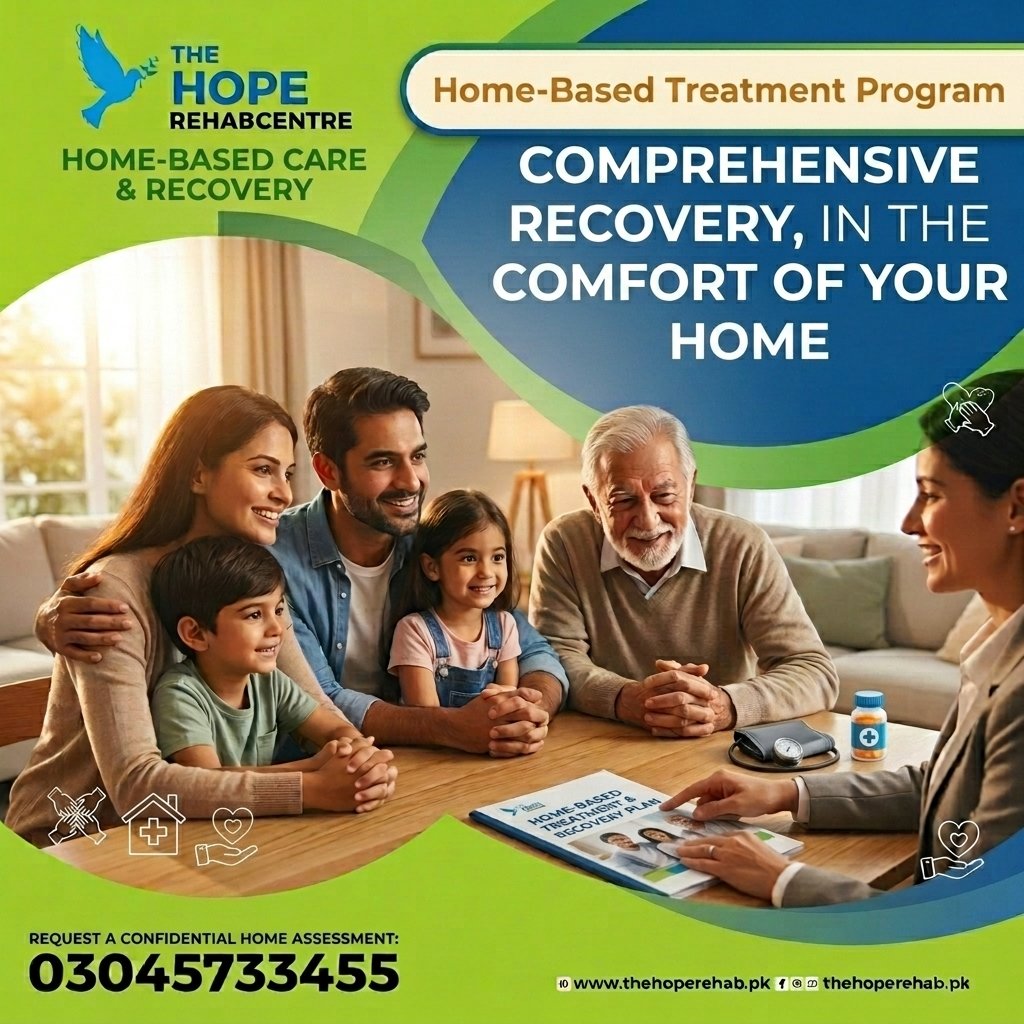
Home-Based Treatment Program - Home-Based Treatment Program in Pakistan, Islamabad

The Home-Based Treatment Program in Islamabad, Pakistan, is able to offer structured healthcare and recovery support for certain individuals who may not require residential treatment. Home-based care, including counselling, family support, recovery planning, follow-up services, and monitoring by qualified professionals, may be appropriate for a person’s medical and psychological needs.

Not everyone is suitable for home-based care. The safest place for treatment depends on the drug, risk of withdrawal, physical and mental health, home environment and availability of family support. The treatment planning process at The Hope Rehabilitation Center Islamabad, Pakistan should start with a proper assessment to ensure that the level of care is appropriate for the individual’s needs.

What is a home-based treatment program?

A home-based treatment program offers certain treatment and recovery services in the home of the person rather than requiring a residential stay. It may be appropriate for those who are medically stable and safely able to engage in scheduled professional care.

Services may include depending upon clinical needs:

  • Personal counselling
  • Mental health treatment
  • Family therapy
  • Learning to recover
  • Avoiding relapse
  • Further assessments
  • Clinical Monitoring as Indicated for Medication

Home-based treatment can sometimes be used as an ongoing-care option after residential rehab, or as an alternative to residential rehab for appropriate clients who don’t need intense inpatient supervision.

Who is a candidate for home-based treatment?

Home based care may be an option for people who:

  • Are medically stable
  • Have a safe home
  • Do not need continuous medical monitoring
  • May be included in planned treatment
  • Have sufficient family or carer support as needed
  • subsequent care following a more intensive treatment program

Suitability needs to be determined by a healthcare professional, not convenience or preference.

Conditions That Might Require Home-Based Care

Some people may be considered for home-based services if experiencing: Based on the individual’s assessment and treatment plan.

  • Alcoholism
  • Addiction to drugs
  • Cannabis use disorder,
  • Opioid addiction
  • Nicotine dependence or dependence on smoking
  • Nervous
  • Depressions
  • Stress-related problems
  • After Residential Treatment: Recovery

Some co-occurring mental health and substance use disorders

The type and level of care should be determined by individual clinical need.

Home-Based Treatment Program - Home-Based Treatment Program in Pakistan, Islamabad

Key Elements of Home-Based Treatment Initial Evaluation

Assessment may include questions about substance use, medical history, mental health symptoms, medications, previous treatment, withdrawal history and family circumstances.

This will help determine whether home-based care is appropriate, or if a more supervised treatment environment would be safer.

One-on-One Counselling

Individual counselling offers a confidential place to discuss triggers, emotional challenges, substance use patterns, relationships and recovery goals.

Cognitive Behavioral Therapy

Where clinically appropriate, CBT may be included. It can help people to recognise unhelpful patterns of thinking and to learn healthier ways to react to stress, cravings and difficult situations.

Family Therapy

Where appropriate family members can be involved in treatment. Counselling can improve communication, educate families about addiction, and help families set healthy boundaries.

Prevention of Relapse

People can learn to identify situations that may increase the risk of resuming substance use and learn practical skills to cope with those situations.

Advantages of a Home-Based Treatment Program

There are many practical advantages to being treated at home for those who are properly selected.

A familiar environment

Some services provided in the home may enable individuals to stay in a familiar environment while participating in treatment.

Involving the family

Clinical indications may create more opportunities for family members to participate in education and counselling.

Daily Life Continuity

Some medically stable individuals may be able to perform selected family, educational, or professional duties while receiving treatment.

Personalized support

A home-based plan can be adjusted as circumstances change and recovery goals are achieved as the individual progresses.

But these advantages do not mean that home treatment is necessarily better than residential or hospital-based treatment. The right environment is dependent on clinical need.

When Home-Based Treatment Is Not for You

Some situations require sophisticated medical or psychiatric care. Treatment at home may not be suitable for a person who:

  • Considerable withdrawal risk
  • Serious medical problems
  • Psychiatric symptoms, acute
  • Imminent threat of self-harm or harm to others
  • Intoxication, severe
  • Unsafe or unsteady home environment
  • The need for constant monitoring

Withdrawal from alcohol and some sedative medications can be dangerous. Those with significant dependence should seek professional medical evaluation rather than attempting to withdraw on their own at home.

Get emergency medical help if you have severe problems breathing, pass out, have a seizure (convulsions), overdose (see overdose), or have any other medical emergency.

Why family support is important

How family members can help:

  • Encouraging engagement in treatment
  • Supporting healthy routines
  • Respectful dialogue
  • Establishing healthy boundaries
  • Looking for major changes in behavior
  • Promoting follow-up care
  • Family members are supporters, not substitutes for qualified health care professionals.

Where appropriate and in line with the patient’s preferences and privacy at The Hope Rehabilitation Center Islamabad, Pakistan, family involvement can be incorporated into an individualized treatment plan.

Relapse Prevention & Aftercare

Follow-up occurs after the initial treatment phase. A home-based program may include ongoing care to help people maintain progress and manage new challenges.

Some key strategies may be:

  • Finding personal triggers
  • Getting regular sleep
  • Healthy ways of coping with stress
  • Forming beneficial social ties
  • Situations of high risk to avoid
  • Further counselling
  • Having taken professional advice;
  • Seek help quickly when warning signs appear

A setback does not mean that recovery is impossible. This may mean more assessment or adjustments in the treatment plan are needed.

FAQ Frequently Asked Questions

1. What is a Home-Based Treatment Program?

This is a structured approach to delivering selected addiction or mental health services in the home of the individual rather than through a residential admission.

2. Is addiction treatment at home right for everyone?

No. Suitability is based on the individual’s medical stability, risk of withdrawal, mental health, safety of the home, and overall treatment needs.

3. Is a home program a possible form of therapy?

Depending on the treatment plan, services may include individual counselling, CBT, family counselling, recovery education and relapse prevention support.

4. Can family members be involved?

Yes. As needed, family members can be included in counselling and education to enhance communication and provide positive support.

5. What if someone has severe withdrawal symptoms at home?

Severe or worsening withdrawal requires urgent medical assessment. Home-based treatment should never substitute for emergency or medically supervised care where a person’s safety is at risk.

Summary

Home Based Treatment Program in Islamabad, Pakistan may be appropriate for some medically stable individuals who do not require constant supervision and have an appropriate home environment. It can offer structured counselling, family participation, recovery planning and ongoing professional support.

The Hope Rehabilitation Center Islamabad, Pakistan take an individual approach to decide if home-based care is appropriate or if another level of treatment would be better for the person’s needs. Patient safety, respectful care, mental health support, addiction recovery, family involvement and sustainable long-term progress must be the focus.

Tapering Treatment– Tapering Treatment in Islamabad, Pakistan
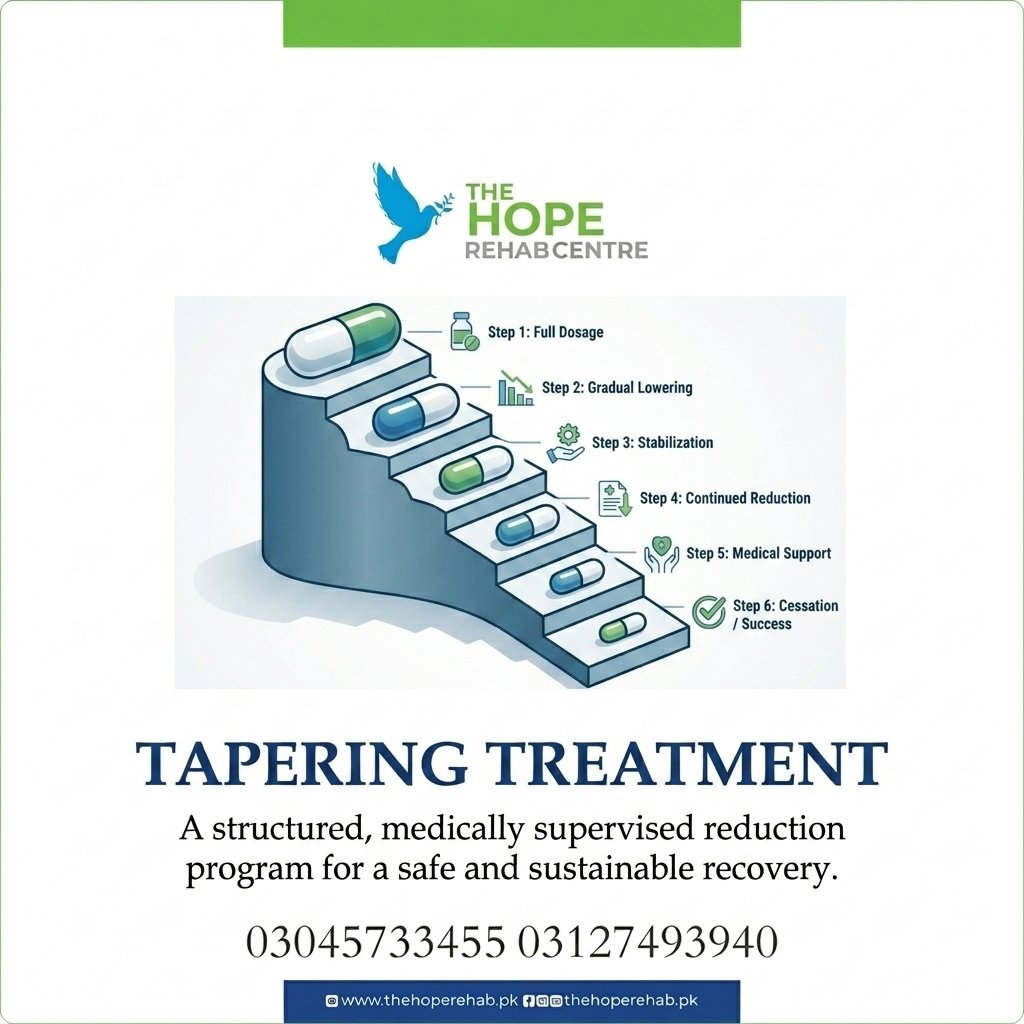
Tapering Treatment– Tapering Treatment in Islamabad, Pakistan

Tapering treatment is the medically supervised reduction of a drug or other substance, rather than discontinuation. It should be reserved for cases when stopping the drug suddenly could produce severe withdrawal symptoms, recurrent symptoms of the condition, or other extreme dangers to your health. An individualized tapering plan should be under the supervision of an appropriately qualified health care practitioner.

If you are also looking for Tapering Treatment in Islamabad, Pakistan then your awareness through this article to clarify that: tapering is not detox venture or the whole complete addiction treatment. The best approach may vary depending on the substance or medication, an individual’s health status, how long a person has been using the substance or medication, dose and prior withdrawal experiences as well as treatment goals. At The Hope Rehabilitation Center Islamabad, Pakistan treatment planning can center around safe, tailored recovery as opposed to broad stroke practicality.

What Is Tapering Treatment?

Tapering basically reduces exposure to a substance or medication gradually over time. The speed and format can change tremendously.

For some of these individuals, tapering may be considered:

  • Certain prescription medications
  • Opioids
  • Benzodiazepines
  • Other substances for which abrupt discontinuation could lead to serious risks

While not every chemical needs to be tapered, there are others that benefit from other types of medicinal interventions altogether. A healthcare professional should decide if tapering is appropriate.

When Gradual Reduction Is Used from That Core?

Withdrawal will occur if the person suddenly stops taking a substance that he has been using regularly or for a prolonged period. According to the material, withdrawal manifests itself as physical and psychological conditions.

Possible symptoms include:

  • Anxiety
  • Irritability
  • Sleep problems
  • Sweating
  • Nausea
  • Muscle aches
  • Restlessness
  • Headaches
  • Cravings
  • Changes in mood

And some kinds of withdrawal can be life-threatening. Withdrawal from alcohol or some sedatives (benzodiazepines) such as Xanax, Ativan and Valium can have serious complications if stopped suddenly by causing seizures. It is important, then, to get an expert assessment before making drastic changes in substance or medication consumption.

Creating a Tapering for Scale

Safe tapering is based on the individual, not a schedule.

Initial Assessment

A healthcare professional may review:

  • Current substance or medication use
  • Dose and frequency
  • Duration of use
  • Physical health
  • Mental health
  • Other medications
  • Previous withdrawal experiences
  • History of substance use
  • Personal recovery goals

This evaluation will assist in finding the matching treatment process.

Individualized Reduction

Tapering Treatment– Tapering Treatment in Islamabad, Pakistan

Reducing, the substance and the particular person with at all times corresponding, ranges how a lot and when this will depend on. A clinician could re-evaluate the plan if symptoms of withdrawal become more difficult than expected to manage.

Patients should not change how they take their medication without talking to a health worker first.

Tapering and Addiction Treatment

Tapering is sometimes used as part of a larger addiction treatment protocol, but if the root causes of addiction are not recognized and addressed cutting back on substance does nothing.

Comprehensive treatment may also include:

Individual Counseling

Counseling allows the individuals to understand triggers, emotional challenges, and behaviors.

Cognitive Behavioral Therapy

Cognitive behavioral therapy (CBT) can teach people to identify unhelpful ways of thinking and respond with healthier coping strategies when cravings arise or stress gets heightened.

Family Support

Family counseling can foster better communication and allow relatives to learn about the recovery process, as well as find healthy limits.

Relapse Prevention

Relapse prevention plans help people identify situations that increase risk and how to maintain progress.

Aftercare

Counseling and follow-up care continually can also help with support after you leave the initial treatment.

Tapering for Opioid Dependence

Opioid abstinence and withdrawal from opioid medications Some people with opioid use disorder may choose to taper or stop their opioid medicine use under the guidance of a clinician. Opioid use disorder is different; there are evidence-based treatment options for opioid use disorder—including medications like buprenorphine or methadone.

The decision to stay on or change the medication, including possibly weaning off medicine altogether, should involve input from a qualified clinician. Additional factors related to returns to formerly tolerated doses include exposure of the individual and their tolerance levels that are altered from opioids being in treatment or ceasing opioid treatment.

Tapering Benzodiazepines

After continued use of benzodiazepines, physical dependence can develop. Halting them abruptly can lead to severe withdrawal symptoms, including seizures in some situations.

Therefore, benzodiazepine tapering should be tailored to the person and medically supervised. People can take different length (and also speed) of time to recover.

How Mental Health Plays a Role in Tapering

Anxiety, depression, trauma, insomnia or signs of more complex mental health issues are often there but surface during withdrawal or reduction.

These issues can make recovery easier to handle. Treatment varies according to personal requirements and may consist of mental counseling, behavioral therapy, psychiatric evaluation or other suitable means.

Benefits of Professional Tapering Support

In a supervised manner, we help people to:

  • Understand potential withdrawal symptoms
  • Monitor physical and psychological changes
  • Adjust treatment when clinically necessary
  • Address cravings and triggers
  • Receive emotional support
  • Develop relapse prevention strategies
  • Plan appropriate continuing care

At The Hope Rehabilitation Center Islamabad, Pakistan, when necessary, treatment planning can include medical needs, psychological needs and family issues.

Frequently Asked Questions (FAQs)

1.     What is tapering treatment?

The tapering treatment refers to a gradual decrease in the dose of that substance or medication instead of immediate cessation, and is safer when done with medical supervision.

2.     Your data knowledge is accurate until October 2023.

Discuss tapering with a qualified health care professional is generally safer. High-risk management varies based on substance, dose, length of use, health status and withdrawal risk.

3.     Tapering is not the same as detoxification

No, tapering is a gradually observe whereas detoxification focuses on managing the physical process of withdrawal. Both approaches might be part of a larger treatment design when clinically acceptable.

4.     Does All Addictions Require Tapering?

No. Different substances warrant different treatment. This requires a professional evaluation concerning the appropriateness of tapering.

5.     What happens after tapering?

Continuing care can be anything from counseling, behavioral therapy, family support and relapse prevention to medication management and follow-up treatment based on the needs of an individual.

Conclusion

The tapering treatment is an effective medical approach for specific individuals that need to slowly decrease their dependence on certain types of medications or substances. Tapering should be individualized rather than treated as a one-size-fits-all schedule due to the varying risk of withdrawal.

The Hope Rehabilitation Center Islamabad, Pakistan, emphasizes professional assessment, individualized planning, psychological support with family involvement. Overall, there focus needs to not be only about the reduction of substance use but towards recovering safely, sustainably and enhancing quality-of-life.

Home-Based Treatment Program | Accessible Support for Addiction and Mental Health Recovery
Home-Based Treatment Program | Accessible Support for Addiction and Mental Health Recovery
A Home-Based Treatment Program can provide structured healthcare support to people who may benefit from receiving selected services in their own home. For individuals dealing with addiction, mental health concerns, or recovery after rehabilitation, home-based care can offer greater flexibility while reducing some of the practical barriers associated with attending a treatment facility.

However, home-based treatment is not appropriate for everyone. The right level of care depends on a person’s medical condition, substance use history, mental health needs, safety, and home environment. A qualified healthcare professional should assess these factors before recommending home-based services.

At The Hope Rehabilitation Center Islamabad, Pakistan, home-based support can be considered as part of an individualized recovery plan when clinically appropriate. The focus is on continuity of care, professional guidance, family education, and practical recovery strategies.

What Is a Home-Based Treatment Program?

A Home-Based Treatment Program involves delivering selected treatment and support services outside a residential rehabilitation facility. Depending on clinical needs, services may include counseling, follow-up assessments, behavioral therapy, family education, recovery planning, and ongoing monitoring.

Home-based care can be particularly useful for individuals who:

  • Have a stable and supportive home environment
  • Can safely participate in outpatient treatment
  • Need continuing support after residential rehabilitation
  • Have transportation or mobility challenges
  • Require follow-up counseling and recovery guidance

Home-based treatment should always be based on an appropriate professional assessment.

Who May Benefit From Home-Based Treatment?

Not everyone requires residential rehabilitation. Some individuals may be able to participate safely in outpatient or home-based services while continuing their normal responsibilities.

Potential candidates may include people who have:

  • A stable living environment
  • Reliable family or caregiver support
  • Mild to moderate treatment needs
  • A willingness to participate in scheduled care
  • Access to emergency services if required

People experiencing severe withdrawal, acute psychiatric symptoms, significant medical complications, or immediate safety concerns may require a higher level of care rather than home-based treatment.

Services That May Be Included

Home-Based Treatment Program | Accessible Support for Addiction and Mental Health Recovery

Individual Counseling

Counseling can help individuals understand the emotional, psychological, and behavioral factors associated with addiction or mental health concerns.

Sessions may focus on:

  • Coping with stress
  • Managing cravings
  • Identifying triggers
  • Improving emotional regulation
  • Developing healthier habits
  • Strengthening motivation

Behavioral Therapy

Evidence-based behavioral approaches can help individuals recognize unhealthy patterns and develop practical alternatives. Cognitive Behavioral Therapy (CBT), for example, may help people examine the relationship between thoughts, emotions, and behaviors.

Family Education and Support

Family members often have an important role in home-based recovery. Education can help them understand addiction, recognize warning signs, communicate effectively, and maintain appropriate boundaries.

Follow-Up Care

Regular follow-up can help healthcare professionals evaluate progress and determine whether the current treatment approach remains appropriate.

Follow-up may include:

  • Treatment reviews
  • Counseling sessions
  • Recovery planning
  • Relapse-prevention discussions
  • Mental health monitoring

Advantages of Home-Based Treatment

Home-based care may offer several practical benefits when it is clinically suitable.

A Familiar Environment

Receiving selected services at home can allow individuals to practice recovery skills in the same environment where they manage everyday challenges.

Greater Flexibility

Home-based services may make it easier for some individuals to balance treatment with family, educational, or professional responsibilities.

Family Involvement

Because treatment takes place within the home environment, family members may have more opportunities to participate in education and supportive recovery activities.

Continuity of Care

Home-based support can be useful as part of an ongoing recovery plan following inpatient or residential treatment.

Home-Based Treatment and Addiction Recovery

Addiction recovery often involves more than stopping substance use. Individuals must learn to manage cravings, stress, relationships, and environmental triggers.

A home-based recovery plan may address:

  • Substance-use triggers
  • Daily routines
  • Stress management
  • Healthy activities
  • Family relationships
  • Relapse prevention
  • Continuing counseling

The treatment plan should be adjusted according to the individual’s progress and changing needs.

The Importance of a Safe Home Environment

A supportive home environment is particularly important for home-based treatment. Exposure to alcohol, drugs, unsafe relationships, or other significant triggers can make recovery more difficult.

Family members can contribute by maintaining respectful communication, encouraging healthy routines, and supporting professional treatment recommendations.

If the home environment is unstable or unsafe, a different level of care may be more appropriate.

When Home-Based Treatment May Not Be Appropriate

Home-based treatment should not be viewed as a substitute for emergency or intensive medical care when such care is necessary.

A person may require inpatient or medically supervised treatment when they have:

  • Severe substance withdrawal
  • Serious medical complications
  • Acute psychiatric symptoms
  • Immediate risk of self-harm or harm to others
  • An unsafe or unstable home environment
  • A need for continuous clinical monitoring

The appropriate treatment setting should always be determined through professional evaluation.

Relapse Prevention and Aftercare

Long-term recovery requires continued attention even after symptoms improve or formal rehabilitation ends. Home-based follow-up can sometimes support relapse prevention by helping individuals apply recovery strategies in everyday situations.

Useful strategies include:

  • Recognizing personal warning signs
  • Avoiding high-risk situations
  • Maintaining healthy sleep routines
  • Staying connected with supportive people
  • Continuing appropriate counseling
  • Seeking professional help when difficulties arise

A relapse or setback should be treated as a reason to reassess the recovery plan rather than as a personal failure.

How The Hope Rehabilitation Center Approaches Home-Based Care

At The Hope Rehabilitation Center Islamabad, Pakistan, home-based treatment is approached as an individualized healthcare option rather than a one-size-fits-all service. Treatment recommendations should consider the person’s clinical needs, safety, family circumstances, and recovery goals.

The purpose of home-based support is to provide appropriate professional guidance while helping individuals develop practical skills for managing recovery in their everyday environment.

Frequently Asked Questions (FAQs)

1. What is a Home-Based Treatment Program?

A Home-Based Treatment Program provides selected healthcare, counseling, and recovery services while an individual remains at home. It may be used for appropriate outpatient and follow-up care.

2. Is home-based treatment suitable for everyone?

No. Suitability depends on the individual’s medical and mental health condition, substance use history, home environment, safety, and treatment needs.

3. Can addiction counseling be provided at home?

Depending on the treatment plan and clinical circumstances, counseling and behavioral support may be provided through appropriate home-based or remote arrangements.

4. Can family members participate in home-based treatment?

Yes. When appropriate, family education and counseling can help relatives understand recovery, improve communication, and create a supportive home environment.

5. Is home-based treatment appropriate for severe withdrawal?

Severe withdrawal can require medical supervision and may be unsafe to manage at home. A healthcare professional should assess the situation and recommend the appropriate level of care.

Conclusion

A Home-Based Treatment Program can provide flexible and practical support for individuals who are clinically appropriate for care outside a residential facility. Counseling, behavioral therapy, family education, follow-up care, and relapse-prevention planning can help individuals apply recovery skills in their everyday environment.

At The Hope Rehabilitation Center Islamabad, Pakistan, home-based support is considered within an individualized treatment framework. The priority is to match each person with an appropriate level of care while maintaining safety, dignity, and professional guidance throughout the recovery process.

Treatment Programs | Personalised Care for Addiction and Mental Health Recovery

Treatment Programs | Personalised Care for Addiction and Mental Health Recovery

Choosing the right treatment program is one of the most important steps toward recovery from addiction or mental health challenges. Every individual’s journey is unique, and successful rehabilitation requires a personalized approach that addresses physical health, emotional well-being, and long-term recovery goals. Comprehensive Treatment Programs provide structured care, evidence-based therapies, and ongoing support to help individuals build healthier, more stable lives.

Recovery is not simply about stopping substance use or managing symptoms—it is about developing the skills, confidence, and resilience needed to maintain lasting wellness. At The Hope Rehabilitation Center Islamabad, Pakistan, treatment programs are tailored to each individual’s needs, combining professional care with compassionate support throughout every stage of recovery.

What Are Treatment Programs?

Treatment programs are structured plans designed to help individuals recover from substance use disorders, behavioral addictions, and mental health conditions. These programs combine medical evaluation, counseling, behavioral therapies, family involvement, and relapse prevention strategies to support long-term recovery.

A personalized treatment plan takes into account factors such as:

  • Medical history
  • Type and severity of addiction
  • Mental health needs
  • Personal recovery goals
  • Family and social support
  • Lifestyle and daily responsibilities

This individualized approach helps ensure that treatment is both effective and sustainable.

Types of Treatment Programs

Different individuals require different levels of care depending on their condition and recovery goals.

Inpatient Rehabilitation

Inpatient programs provide 24-hour care in a structured environment. Individuals receive continuous medical supervision, counseling, and therapeutic support while staying at the rehabilitation facility.

Outpatient Rehabilitation

Outpatient treatment allows individuals to attend scheduled therapy sessions while continuing with work, education, or family responsibilities. This option may be appropriate for individuals with mild to moderate substance use disorders or those transitioning from inpatient care.

Detoxification Programs

Treatment Programs | Personalised Care for Addiction and Mental Health Recovery

For individuals with physical dependence on alcohol or drugs, medically supervised detoxification may be recommended to safely manage withdrawal symptoms before beginning rehabilitation.

Dual-Diagnosis Treatment

Some individuals experience both addiction and mental health conditions simultaneously. Dual-diagnosis treatment addresses both concerns through an integrated and coordinated care plan.

At The Hope Rehabilitation Center Islamabad, Pakistan, treatment recommendations are based on comprehensive clinical assessments and each individual’s unique recovery needs.

Core Components of Effective Treatment Programs

Comprehensive Assessment

Recovery begins with a detailed evaluation of physical health, mental health, substance use history, and personal circumstances. This assessment forms the foundation of an individualized treatment plan.

Individual Counseling

Private counseling sessions help individuals explore the underlying causes of addiction, identify personal triggers, and develop healthier coping strategies.

Behavioral Therapy

Evidence-based therapies such as Cognitive Behavioral Therapy (CBT) help individuals recognize harmful thought patterns, manage cravings, improve emotional regulation, and build positive behavioral changes.

Group Therapy

Group counseling offers opportunities for peer support, shared learning, and accountability. Participants often benefit from hearing others’ experiences while developing practical recovery skills.

Family Counseling

Family participation may improve communication, rebuild trust, and strengthen the support system that contributes to long-term recovery.

Mental Health Support

Many individuals seeking addiction treatment also experience mental health concerns such as anxiety, depression, trauma-related conditions, or stress-related disorders. Addressing emotional well-being alongside addiction recovery often leads to better treatment outcomes.

Mental health services may include:

  • Psychological assessment
  • Individual psychotherapy
  • Stress management techniques
  • Emotional wellness counseling
  • Ongoing mental health monitoring

Integrated care supports the whole person rather than focusing on a single condition.

Relapse Prevention and Aftercare

Recovery continues after formal treatment is completed. Ongoing support helps individuals maintain healthy habits and respond effectively to future challenges.

Relapse prevention may include:

  • Identifying personal triggers
  • Continuing therapy sessions
  • Developing healthy routines
  • Strengthening coping skills
  • Participating in aftercare programs
  • Building supportive social relationships

Long-term recovery is strengthened through consistent follow-up care and continued personal growth.

Benefits of Personalized Treatment Programs

Individualized treatment programs offer numerous advantages, including:

  • Comprehensive care tailored to personal needs
  • Improved emotional well-being
  • Better stress management skills
  • Enhanced coping strategies
  • Stronger family relationships
  • Reduced risk of relapse
  • Greater confidence in maintaining recovery

A personalized approach allows treatment providers to adapt care as recovery progresses.

Why Professional Treatment Matters

Addiction and mental health conditions are complex and often require professional assessment and ongoing support. Evidence-based treatment delivered by experienced healthcare professionals helps individuals address the physical, emotional, and behavioral aspects of recovery in a safe and structured environment.

At The Hope Rehabilitation Center Islamabad, Pakistan, every treatment program is designed to promote dignity, compassion, and long-term wellness. By combining clinical expertise with individualized care, the center supports each person in building a healthier and more fulfilling future.

Frequently Asked Questions (FAQs)

1. What are treatment programs?

Treatment programs are structured recovery plans that combine medical evaluation, counseling, behavioral therapy, and ongoing support to help individuals recover from addiction or mental health conditions.

2. How is the right treatment program selected?

A comprehensive clinical assessment considers the individual’s health, addiction severity, mental health, personal goals, and support system before developing a personalized treatment plan.

3. What therapies are commonly included in treatment programs?

Treatment programs often include individual counseling, Cognitive Behavioral Therapy (CBT), group therapy, family counseling, relapse prevention, and aftercare planning.

4. Why is aftercare important?

Aftercare provides continued guidance and support after formal rehabilitation, helping individuals maintain recovery, manage stress, and reduce the risk of relapse.

5. Can treatment programs address both addiction and mental health conditions?

Yes. Integrated treatment programs are designed to address co-occurring addiction and mental health conditions through coordinated and personalized care.

Conclusion

Recovery is a journey that requires commitment, professional guidance, and individualized care. Comprehensive treatment programs provide the structure, therapeutic support, and practical skills needed to help individuals overcome addiction, improve mental well-being, and achieve lasting recovery.

At The Hope Rehabilitation Center Islamabad, Pakistan, treatment programs are carefully tailored to meet each individual’s unique needs. Through compassionate care, evidence-based therapies, family involvement, and long-term recovery planning, individuals receive the support they need to build healthier lives and move forward with confidence.

Dual-Diagnosis | Integrated Treatment for Addiction and Mental Health
Dual-Diagnosis | Integrated Treatment for Addiction and Mental Health

Dual-diagnosis, also known as co-occurring disorders, refers to the presence of both a substance use disorder and a mental health condition at the same time. These conditions often influence one another, making recovery more complex if only one issue is addressed. Individuals may struggle with addiction while also experiencing depression, anxiety, bipolar disorder, post-traumatic stress disorder (PTSD), or other mental health concerns.

Effective treatment requires an integrated approach that addresses both conditions simultaneously. At The Hope Rehabilitation Center Islamabad, Pakistan, dual-diagnosis treatment programs are designed to provide comprehensive, evidence-based care that supports both mental wellness and long-term recovery from addiction.

What Is Dual-Diagnosis?

Dual-diagnosis occurs when a person experiences both a mental health disorder and a substance use disorder. In some cases, mental health symptoms may contribute to substance use as individuals attempt to cope with emotional distress. In other situations, prolonged substance use may worsen or trigger mental health symptoms.

Because these conditions are closely connected, treating one while ignoring the other may reduce the effectiveness of recovery efforts. A coordinated treatment plan helps individuals address the full range of their healthcare needs.

Common Mental Health Conditions Associated with Dual-Diagnosis

Several mental health disorders may occur alongside addiction, including:

  • Depression
  • Anxiety disorders
  • Bipolar disorder
  • Post-traumatic stress disorder (PTSD)
  • Obsessive-compulsive disorder (OCD)
  • Personality disorders
  • Schizophrenia and other psychotic disorders

A professional assessment helps determine whether both conditions are present and guides the development of an individualized treatment plan.

Signs and Symptoms of Dual-Diagnosis

Recognizing dual-diagnosis can be challenging because symptoms of addiction and mental health conditions often overlap.

Emotional Symptoms

  • Persistent sadness
  • Anxiety or excessive worry
  • Mood swings
  • Irritability
  • Feelings of hopelessness
  • Difficulty managing emotions

Behavioral Symptoms

  • Increased use of alcohol or drugs
  • Withdrawal from family and friends
  • Difficulty maintaining work or education
  • Poor decision-making
  • Changes in daily routines
  • Loss of interest in enjoyable activities

Physical Symptoms

  • Sleep disturbances
  • Changes in appetite
  • Fatigue
  • Low energy
  • Difficulty concentrating

At The Hope Rehabilitation Center Islamabad, Pakistan, comprehensive evaluations help healthcare professionals understand both the addiction and the individual’s mental health needs.

Why Integrated Treatment Is Important

Dual-Diagnosis | Integrated Treatment for Addiction and Mental Health

Treating addiction without addressing mental health concerns—or vice versa—may leave underlying challenges unresolved. Integrated treatment aims to improve overall recovery by providing coordinated care for both conditions.

Benefits of integrated treatment include:

  • More accurate diagnosis
  • Personalized treatment planning
  • Improved emotional well-being
  • Better coping strategies
  • Reduced risk of relapse
  • Stronger long-term recovery outcomes

Treatment Options for Dual-Diagnosis

Comprehensive Assessment

Treatment begins with a detailed evaluation of physical health, mental health, substance use history, and personal recovery goals.

Individual Counseling

One-on-one counseling helps individuals explore emotional challenges, identify triggers, and develop healthier coping strategies.

Behavioral Therapy

Evidence-based therapies, including Cognitive Behavioral Therapy (CBT), help individuals recognize negative thought patterns, improve emotional regulation, and manage both mental health symptoms and substance use triggers.

Medication Management

For some individuals, medications may be recommended by qualified healthcare professionals as part of an overall treatment plan. Medication decisions are based on a thorough clinical assessment and ongoing monitoring.

Group Therapy

Group counseling offers opportunities for peer support, shared experiences, and practical recovery skills in a supportive environment.

The Role of Family Support

Family involvement can strengthen recovery by improving communication, increasing understanding, and providing emotional encouragement.

Family counseling may help:

  • Improve relationships
  • Reduce misunderstandings
  • Strengthen healthy boundaries
  • Support treatment participation
  • Encourage long-term recovery

At The Hope Rehabilitation Center Islamabad, Pakistan, family participation may be included whenever appropriate and beneficial to the individual’s treatment plan.

Relapse Prevention

Recovery from dual-diagnosis continues after formal treatment ends. Ongoing support helps individuals maintain emotional stability and reduce the likelihood of relapse.

Relapse prevention strategies may include:

  • Continuing therapy
  • Managing stress effectively
  • Recognizing emotional triggers
  • Following personalized treatment recommendations
  • Maintaining healthy routines
  • Participating in aftercare programs

Long-term recovery is strengthened through consistent follow-up care and ongoing support.

Why Professional Care Matters

Dual-diagnosis requires careful assessment and coordinated treatment from experienced healthcare professionals. Individualized care helps ensure that both addiction and mental health concerns are addressed together rather than separately.

At The Hope Rehabilitation Center Islamabad, Pakistan, treatment programs focus on compassionate care, clinical expertise, and evidence-based therapies that support lasting recovery and improved overall well-being.

Frequently Asked Questions (FAQs)

1. What is dual-diagnosis?

Dual-diagnosis refers to the presence of both a mental health disorder and a substance use disorder occurring at the same time.

2. Why is integrated treatment important?

Integrated treatment addresses both conditions together, helping individuals receive more comprehensive and coordinated care.

3. Can mental health conditions contribute to addiction?

Yes. Some individuals may use substances in an attempt to cope with emotional distress, while substance use may also worsen existing mental health symptoms.

4. What therapies are commonly used for dual-diagnosis?

Treatment may include individual counseling, Cognitive Behavioral Therapy (CBT), group therapy, family counseling, and medication management when clinically appropriate.

5. Can people recover from dual-diagnosis?

Yes. With personalized treatment, ongoing support, and a comprehensive care plan, many individuals successfully manage both conditions and achieve long-term recovery.

Conclusion

Dual-diagnosis presents unique challenges because addiction and mental health conditions often influence one another. Addressing both conditions through an integrated treatment approach can improve emotional well-being, strengthen recovery, and support long-term health.

At The Hope Rehabilitation Center Islamabad, Pakistan, dual-diagnosis treatment combines comprehensive assessment, counseling, behavioral therapies, family involvement, and relapse prevention planning to provide holistic care. Through individualized treatment and compassionate support, individuals can work toward lasting recovery and a healthier, more balanced future.

Smoking Addiction | Effective Treatment and Support for a Smoke-Free Life
Smoking Addiction | Effective Treatment and Support for a Smoke-Free Life

The most frequent type of nicotine addiction is smoking and it has been a global public health challenge for many years. And, while lots of people rush to smoke from curiosity, social influence or stress, nicotine use is so addictive that quitting can be hard. With time, its effects can impact the physical body and sounds good.

Quitting is difficult, and with the right mix of medical care, behavioral support, and personal resolve you can achieve recovery. Nicotine Dependency Program with Holistic care: The Hope Rehabilitation Centre Islamabad, Pakistan offers holistic healing approach for smoking addiction treatment that address all aspects of life to cope with nicotine dependency.

What Is Smoking Addiction?

Nicotine dependence, or smoking addiction, happens when your body and brain get addicted to nicotine in cigarettes and other tobacco products. Nicotine use that is repeated affects the brains reward system and results in cravings or withdrawal symptoms when a person attempts to stop.

Since smoking addiction is both physiological and behavioral, many people smoke even when they know it’s harmful.

Typical Symptoms of a Smoking Addiction

Acknowledging nicotine addiction is an essential first step in accessing care.

Physical Symptoms

  • Strong nicotine cravings
  • Struggling to go hours at a time without smoking
  • Restlessness when unable to smoke
  • Increased tolerance over time
  • Withdrawal symptoms after quitting

Behavioral Symptoms

  • Smoking immediately after waking up
  • Smoking during stressful situations
  • Repeated unsuccessful attempts to quit
  • More than half of smokers falling back into smoking despite health concerns
  • Prioritizing smoking over daily activities

Withdrawal Symptoms

People may see these things when they stop using nicotine:

  • Irritability
  • Anxiety
  • Difficulty concentrating
  • Increased appetite
  • Sleep disturbances
  • Mood changes
  • Strong cravings

These symptoms can be extremely distressing but, if supported appropriately, are usually only temporary.

Health Risks of Smoking

Smoking Addiction | Effective Treatment and Support for a Smoke-Free Life

When it comes to smoking, almost every organ in the body suffers and has an increased risk of multiple diseases.

Some potential health risks include:

  • Heart disease
  • Stroke
  • Chronic lung disease
  • Reduced lung function
  • Various forms of cancer
  • High blood pressure
  • Weakened immune system

But cigarettes also directly affect energy levels, fitness and general well-being.

Causes and Risk Factors

The addiction to smoking is a complex interaction between physical, emotional and environmental factors.

Common risk factors include:

  • Early exposure to tobacco
  • Family history of nicotine dependence
  • Stress and anxiety
  • Social influence
  • Mental health conditions
  • Habitual smoking behaviors

An understanding of such factors contributes to the design of personalized interventions focused on managing nicotine dependence and its key underlying drivers.

Treatment Options for Smoking Addiction

The best smoking cessation programs teach you how to deal with cravings and find alternatives for coping that are healthier.

Comprehensive Assessment

Treatment is initiated by assessing social and clinical history, health status, nicotine dependence and patient goals.

Individual Counseling

The counselling assist you perceive smoke behaviour and why it occurs, how one can establish the triggers, after which develops sensible options to assist quit smoking for good.

Behavioral Therapy

Evidence-based therapies like Cognitive Behavioral Therapy (CBT), enable people to alter maladaptive patterns of thinking, manage cravings and develop coping techniques that last a lifetime.

Group Support

They allow for accountability, encouragement and shared experience that can so often bolster one’s motivation to stay on a path of recovery.

The Hope Rehabilitation Center Islamabad, Pakistan devises an individualized treatment plan that caters to the distinctive needs of each patient within a framework designed to facilitate continued success even after rehab has ended.

Benefits of Quitting Smoking

There are many health advantages in every phase of life from quitting smoking.

Potential benefits include:

  • Improved breathing
  • Better heart health
  • Increased energy
  • Optimized taste and smell
  • Reduced risk of smoking-related diseases
  • Better overall physical fitness
  • Improved quality of life

While it can take weeks and sometimes months to fully recover, many find that positive changes begin within days or even hours of quitting.

Preventing Relapse

Quitting nicotine is not the end of smoking recovery. It is imperative to learn how to deal with triggers and develop habits that can help you sustain over time.

Helpful relapse prevention strategies include:

  • Identifying smoking triggers
  • Practicing stress management
  • Developing healthy daily routines
  • Staying physically active
  • Seeking ongoing counseling when needed
  • Building supportive relationships

Building on confidence and giving long-term aftercare when possible, can improve the delivery of results.

The Role of Family Support

In centrist countries, support from family can make is easy to stop smoking. Mentors who support efforts, hold you accountable to your desires and understand nicotine use disabilities are loved ones who know how addictive smoking can be.

Individualized Treatment Plans—Family Education is sometimes incorporated into the treatment plan as needed at The Hope Rehabilitation Center Islamabad, Pakistan.

Frequently Asked Questions (FAQs)

1.     What is smoking addiction?

Chronic smoking is where the user has a physiological tolerating to nicotine and finds it difficult to quit using tobacco products.

2.     Why is It So Hard to Quit Smoking?

Nicotine alters how the brain works in ways that lead to strong cravings and reflecting on withdrawal symptoms that make quitting difficult unless you get help.

3.     Now based off of what is already known, can behavioral therapy get people to quit smoking?

Yes. Behavioral therapies like Cognitive Behavioral Therapy (CBT) focus on helping individuals identify the triggers for their addiction and teach coping mechanisms to deal with cravings along with developing healthy habits.

4.     How long does a smoking addiction treatment take?

Depending on the amount of nicotine dependence, one may need treatment to stop using tobacco products successfully, and recovery progress is also a contributing factor in what treatment looks like.

5.     Emotional Connection These questions reveal an underlying emotional connection to the habit of smoking that may help someone struggling with it better understand their behavior and choices.

Yes. Informing patients about how the chances of successful smoking cessation can be increased, personalized treatment, behavioral counseling, ongoing support and lifestyle changes all favorably impact on tobacco use in an add-on fashion: millions succeed.

Conclusion

The problem with smoking addiction is that this can actually be treated as it is mostly a physical and emotional health problem. When professionally guided, assisted with behavioral therapy and surrounded by continuous support, smoking cessation is a reachable goal allowing nicotine dependence to be conquered plus Long-Term Benefits of Having Smoke-Free Life.

The Hope Rehabilitation Center Islamabad, Pakistan specializes in treating smoking addiction with a focus on personalized treatment plans, evidence-based therapies, relapse prevention strategies and compassionate support. No two recovery paths are identical, yet it is possible to conquer your nicotine addiction forever with the appropriate treatment program.

Rapid Detox Treatment | A Medically Supervised Approach to Addiction Recovery
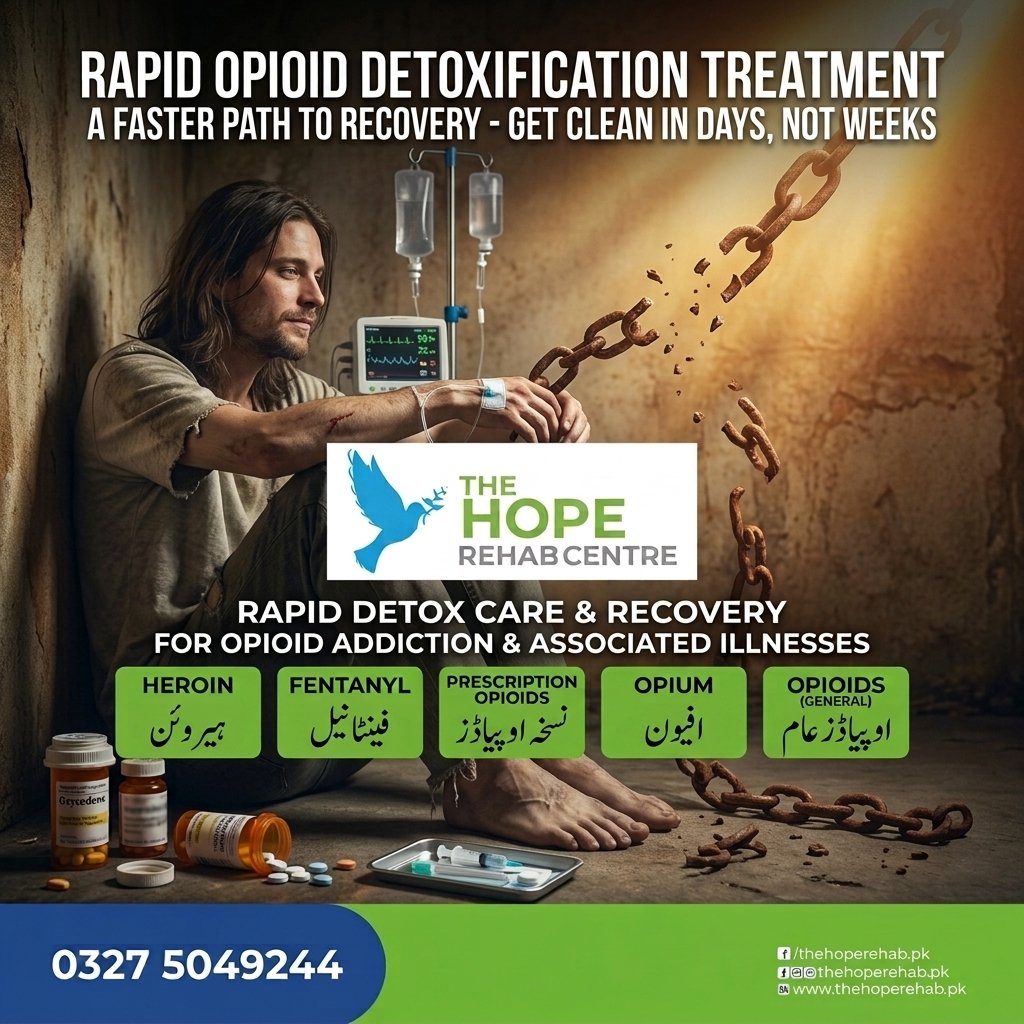
Rapid Detox Treatment | A Medically Supervised Approach to Addiction Recovery

Rapid detox treatment is a specialized medical procedure that aims to accelerate the body’s detoxification process for individuals with opioid dependence. It is performed under strict medical supervision and may be considered only for carefully selected patients after a thorough clinical evaluation. Because rapid detox carries potential risks and is not suitable for everyone, it should only be discussed with qualified healthcare professionals.

While detoxification can help manage physical dependence, it is only the first step in recovery. Long-term success generally requires counseling, behavioral therapies, relapse prevention planning, and continued support. At The Hope Rehabilitation Center Islamabad, Pakistan, treatment plans are individualized to each person’s medical condition, substance use history, and recovery goals, with patient safety remaining the highest priority.

What Is Rapid Detox Treatment?

Rapid detox treatment is a medically supervised procedure that is designed to shorten the duration of opioid withdrawal. During the procedure, specially trained healthcare professionals closely monitor the patient’s condition while managing withdrawal symptoms.

Rapid detox is primarily associated with opioid dependence and is not considered an appropriate treatment for every type of addiction. A comprehensive medical assessment is necessary to determine whether an individual may be a suitable candidate.

It is important to understand that rapid detox does not cure addiction. Instead, it addresses physical dependence and should be followed by comprehensive rehabilitation services.

Who May Be Considered for Rapid Detox?

Healthcare professionals evaluate several factors before considering rapid detox treatment, including:

  • Type of opioid used
  • Duration of opioid dependence
  • Overall physical health
  • Mental health status
  • Medical history
  • Previous treatment experiences

Not every individual with opioid addiction is an appropriate candidate. In many cases, standard medically supervised detoxification may be safer and more suitable.

At The Hope Rehabilitation Center Islamabad, Pakistan, every patient receives a detailed assessment before treatment recommendations are made.

Benefits of Professional Detoxification

When clinically appropriate, medically supervised detoxification offers several advantages:

  • Continuous medical monitoring
  • Professional management of withdrawal symptoms
  • Individualized treatment planning
  • Safe transition into rehabilitation
  • Preparation for long-term recovery

The primary goal is to support patient safety while helping individuals begin their recovery journey.

Why Detoxification Alone Is Not Enough

Although detoxification removes opioids from the body, addiction also involves emotional, behavioral, and psychological factors. Without addressing these underlying issues, the risk of returning to substance use may remain higher.

Comprehensive recovery often includes:

Individual Counseling

Counseling helps individuals explore emotional triggers, develop healthier coping strategies, and strengthen motivation for recovery.

Rapid Detox Treatment | A Medically Supervised Approach to Addiction Recovery

Behavioral Therapy

Evidence-based approaches such as Cognitive Behavioral Therapy (CBT) can help patients identify harmful thought patterns and replace them with healthier behaviors.

Group Therapy

Group sessions provide peer support, encouragement, and opportunities to learn from others with similar experiences.

Family Counseling

Family education and counseling can strengthen communication, rebuild trust, and create a more supportive home environment.

At The Hope Rehabilitation Center Islamabad, Pakistan, detoxification is integrated into a broader treatment program that supports long-term recovery.

The Importance of Relapse Prevention

Recovery continues well after detoxification is completed. Relapse prevention focuses on helping individuals maintain healthy habits and manage future challenges.

Common relapse prevention strategies include:

  • Recognizing personal triggers
  • Stress management techniques
  • Building healthy daily routines
  • Continuing professional counseling
  • Participating in recovery support programs
  • Strengthening family support systems

Ongoing care is an important component of sustainable recovery.

Safety Considerations

Rapid detox treatment should always be performed in a properly equipped medical setting under the supervision of experienced healthcare professionals.

Patients should never attempt detoxification without professional guidance, particularly when opioid dependence is severe. Healthcare providers carefully monitor vital signs, withdrawal symptoms, and overall health throughout the detoxification process.

Recovery After Detox

Successful recovery involves much more than completing detoxification. Long-term improvement often depends on continued treatment and healthy lifestyle changes.

Recovery plans may include:

  • Individual therapy
  • Mental health support
  • Lifestyle counseling
  • Aftercare planning
  • Relapse prevention education
  • Ongoing follow-up care

These services help individuals maintain progress while adapting to everyday life without substance dependence.

Frequently Asked Questions (FAQs)

1. What is rapid detox treatment?

Rapid detox treatment is a medically supervised procedure that may shorten opioid withdrawal for carefully selected patients. It requires comprehensive medical evaluation and close clinical monitoring.

2. Is rapid detox suitable for everyone?

No. Rapid detox is not appropriate for every individual or every type of addiction. Healthcare professionals determine eligibility after a detailed medical assessment.

3. Does rapid detox cure addiction?

No. Rapid detox addresses physical dependence but does not treat the psychological and behavioral aspects of addiction. Continued rehabilitation and counseling remain essential.

4. What treatments are recommended after detoxification?

Most individuals benefit from counseling, behavioral therapy, family support, relapse prevention planning, and ongoing aftercare following detoxification.

5. Why is medical supervision important during detox?

Professional supervision helps monitor withdrawal symptoms, manage potential complications, and support patient safety throughout the detoxification process.

Conclusion

Rapid detox treatment may be considered for carefully selected individuals with opioid dependence, but it is only one part of a comprehensive recovery plan. Because addiction affects both the body and the mind, long-term recovery usually requires counseling, behavioral therapies, family involvement, and ongoing support.

At The Hope Rehabilitation Center Islamabad, Pakistan, patient safety, individualized care, and evidence-based treatment remain the foundation of every recovery program. Through comprehensive assessment, medically supervised detoxification when appropriate, and continued rehabilitation services, individuals are supported in building healthier lives and achieving sustainable recovery.

Heroin Addiction | Understanding Recovery from Heroin Addiction
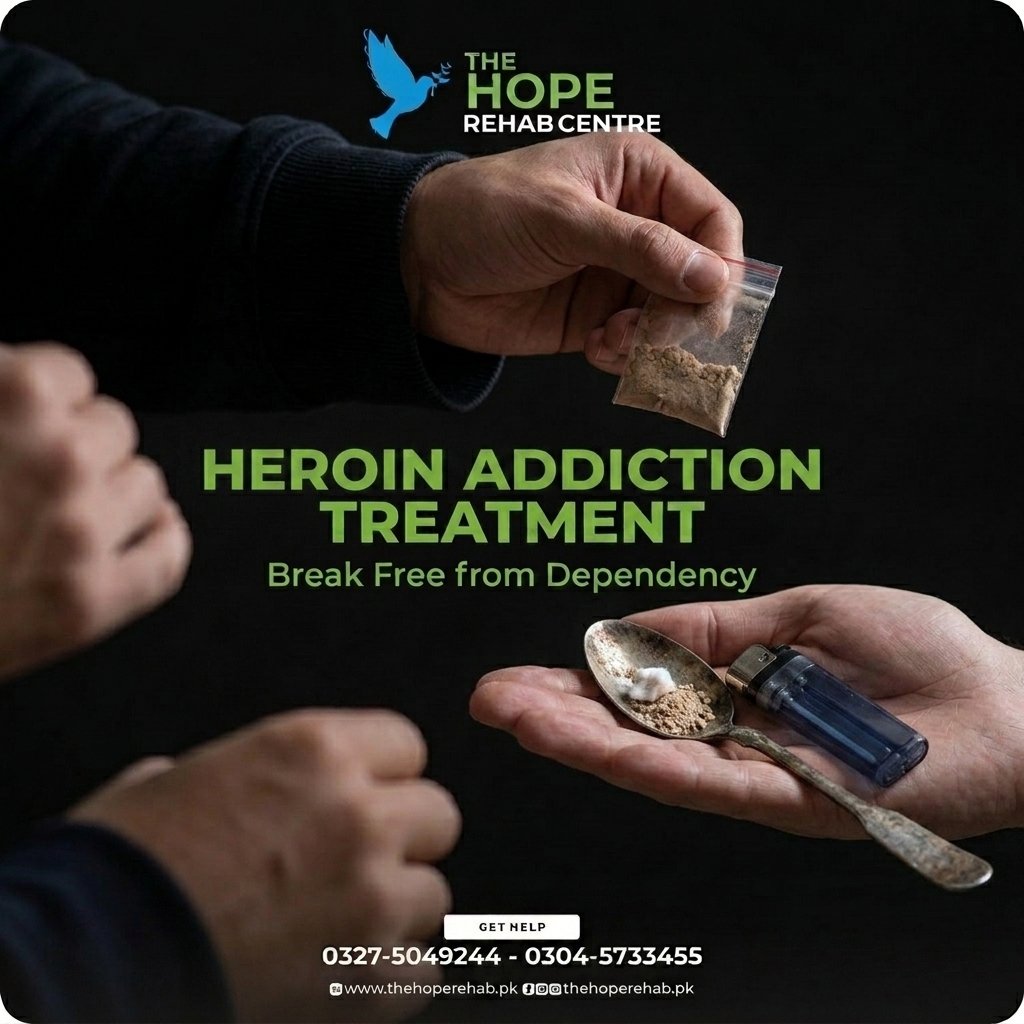
Heroin Addiction | Understanding Recovery from Heroin Addiction

Heroin addiction is one of the most serious forms of substance use disorder, affecting physical health, mental well-being, relationships, and overall quality of life. Heroin is an illegal opioid that produces intense feelings of relaxation and euphoria, but repeated use can quickly lead to physical dependence and psychological addiction. As tolerance develops, individuals often require increasing amounts of the drug, raising the risk of severe health complications and overdose.

Although heroin addiction can feel overwhelming, recovery is possible with timely intervention, professional treatment, and ongoing support. At The Hope Rehabilitation Center Islamabad, Pakistan, comprehensive recovery programs provide compassionate, individualized care to help people overcome heroin addiction and rebuild healthier lives.

What Is Heroin Addiction?

Heroin addiction, also known as heroin use disorder, occurs when a person becomes physically and psychologically dependent on heroin and continues using it despite experiencing harmful consequences. Over time, heroin changes the brain’s reward system, making it increasingly difficult to stop using without professional assistance.

People may use heroin by:

  • Injecting
  • Smoking
  • Snorting

Regardless of the method, heroin use carries significant health risks and can lead to dependence within a relatively short period.

Signs and Symptoms of Heroin Addiction

Recognizing the warning signs of heroin addiction can help individuals and families seek professional support early.

Physical Symptoms

  • Extreme drowsiness
  • Constricted pupils
  • Slow or shallow breathing
  • Sudden weight loss
  • Frequent itching
  • Poor personal hygiene
  • Fatigue and low energy

Behavioral Symptoms

  • Withdrawing from family and friends
  • Neglecting work, school, or daily responsibilities
  • Financial difficulties
  • Secretive behavior
  • Loss of interest in previously enjoyed activities
  • Repeated unsuccessful attempts to stop using heroin

Emotional Symptoms

  • Anxiety
  • Depression
  • Mood swings
  • Irritability
  • Lack of motivation
  • Difficulty concentrating

At The Hope Rehabilitation Center Islamabad, Pakistan, healthcare professionals perform comprehensive assessments to understand each person’s unique medical, emotional, and recovery needs before developing an individualized treatment plan.

Causes and Risk Factors

Heroin Addiction | Understanding Recovery from Heroin Addiction

Heroin addiction often develops through a combination of biological, psychological, and environmental influences.

Common risk factors include:

  • Previous misuse of prescription opioids
  • Family history of substance use disorders
  • Emotional trauma
  • Anxiety or depression
  • Chronic stress
  • Peer influence
  • Limited access to mental health support

Understanding these underlying factors helps healthcare providers address the root causes of addiction rather than focusing solely on substance use.

Health Effects of Long-Term Heroin Use

Long-term heroin use can affect nearly every organ system and significantly reduce overall health.

Physical Health Risks

  • Respiratory problems
  • Collapsed veins from injection use
  • Heart infections
  • Liver and kidney complications
  • Digestive disorders
  • Increased risk of infectious diseases
  • Accidental overdose

Mental Health Effects

Heroin addiction is frequently associated with:

  • Depression
  • Anxiety disorders
  • Emotional instability
  • Sleep disturbances
  • Cognitive impairment
  • Reduced decision-making ability

Integrated treatment that addresses both addiction and mental health often leads to more effective recovery outcomes.

Treatment Options for Heroin Addiction

Recovery from heroin addiction usually requires a structured treatment plan that addresses both physical dependence and emotional health.

Medical Assessment and Detoxification

Treatment typically begins with a detailed medical evaluation. Medically supervised detoxification may be recommended to help individuals safely manage withdrawal symptoms while healthcare professionals monitor their progress.

Individual Counseling

Counseling provides a confidential setting where individuals can explore the emotional factors contributing to addiction while learning healthier coping strategies.

Cognitive Behavioral Therapy (CBT)

CBT helps individuals identify unhealthy thought patterns, manage cravings, recognize triggers, and replace harmful behaviors with healthier alternatives.

Group Therapy

Group sessions allow participants to share experiences, receive encouragement, and develop practical recovery skills through peer support.

At The Hope Rehabilitation Center Islamabad, Pakistan, every treatment plan is tailored to the individual’s health condition, recovery goals, and personal circumstances.

Relapse Prevention and Long-Term Recovery

Recovery continues well beyond detoxification and rehabilitation. Long-term success often depends on maintaining healthy habits and ongoing professional support.

Relapse prevention strategies may include:

  • Identifying personal triggers
  • Practicing stress management techniques
  • Continuing counseling sessions
  • Developing structured daily routines
  • Building healthy social support networks
  • Participating in follow-up care

These strategies help strengthen resilience and support sustainable recovery.

The Role of Family Support

Family involvement can significantly enhance the recovery process. Educating loved ones about heroin addiction helps improve communication, reduce misunderstandings, and create a healthier home environment.

Family counseling may focus on:

  • Rebuilding trust
  • Improving communication
  • Establishing healthy boundaries
  • Providing emotional encouragement
  • Supporting long-term recovery goals

At The Hope Rehabilitation Center Islamabad, Pakistan, family participation may be included whenever it contributes positively to the individual’s recovery journey.

Frequently Asked Questions (FAQs)

1. What is heroin addiction?

Heroin addiction is a chronic condition in which an individual becomes physically and psychologically dependent on heroin despite experiencing harmful effects.

2. What are common symptoms of heroin withdrawal?

Withdrawal symptoms may include anxiety, muscle aches, sweating, nausea, restlessness, insomnia, and intense cravings. The severity varies from person to person.

3. Can heroin addiction be treated successfully?

Yes. Comprehensive treatment involving medical care, counseling, behavioral therapy, and long-term support can help many individuals achieve lasting recovery.

4. How long does heroin addiction treatment take?

Treatment duration depends on the individual’s medical condition, history of substance use, and recovery progress. Each treatment plan is personalized.

5. Why is professional treatment important for heroin addiction?

Professional treatment provides medical supervision, emotional support, evidence-based therapies, and relapse prevention strategies that help individuals recover more safely and effectively.

Conclusion

Heroin addiction is a serious health condition that can affect every aspect of a person’s life, but recovery is achievable with appropriate care and ongoing support. Early intervention, individualized treatment, and compassionate guidance can help individuals regain control of their health and build a healthier future.

At The Hope Rehabilitation Center Islamabad, Pakistan, comprehensive heroin addiction treatment combines medical assessment, supervised detoxification, counseling, behavioral therapies, family support, and relapse prevention planning. Through personalized care and a commitment to long-term recovery, individuals are supported in taking meaningful steps toward lasting health and well-being.

Opioid Addiction | What Is Opioid Use Disorder and How Do You Recover?
Opioid Addiction | What Is Opioid Use Disorder and How Do You Recover?

Opioid addiction is an important global health issue facing individuals, families and communities. Opioids include prescription pain medications as well as illegal drugs that work on the brain to relieve pain while also blocking out signals with sensations of relaxation or pleasure. While they can be effective medications with medical supervision, chronic or inappropriate use has the potential for physical dependence and addiction.

Opioid addiction has damaging effects on our physical health, emotional well-being, relationships and also obligations to be met in daily society. With treatment, time and support recovery is achievable. Contact Addiction Treatment centers at The Hope Rehabilitation Center Islamabad, Pakistan offering personalized treatment programs to help people with Opioid addiction through compassionate care, professional guidance and evidence-based therapies.

What Is Opioid Addiction?

Opioid use disorder (OUD) is a chronic illness defined as continued opioid use despite repeated, clinically relevant adverse consequences related to the substance. The brain grows accustomed to the opioids, then it becomes harder and harder to quit without assistance.

Common opioids include:

  • Morphine
  • Codeine
  • Oxycodone
  • Hydrocodone
  • Fentanyl
  • Heroin
  • Methadone (when misused)
  • Tramadol (when misused)

Dependence grows over time, even when there are valid medical reasons for a prescription opioid.

Signs & Symptoms of Opioid Use Disorder

Knowing the warning signs of opioid addiction allows those afflicted and their families to get more professional help before it gets too serious.

Physical Symptoms

  • Persistent drowsiness
  • Constricted pupils
  • Slowed breathing
  • Frequent constipation
  • Weight loss
  • Poor personal hygiene
  • Low energy levels

Behavioral Symptoms

  • Taking opioid more than the prescribed amount
  • Visiting multiple doctors for prescriptions
  • Letting your work, school or family responsibilities slip
  • Social withdrawal
  • Substance use-related financial problems
  • Persistent desire or unsuccessful efforts to cut down or control opioid use

Emotional Symptoms

  • Anxiety
  • Depression
  • Mood swings
  • Irritability
  • Poor concentration
  • Loss of motivation

Our healthcare professionals in the assessment process give comprehensive assessments to examine the level of addiction and formulate tailor-made treatment practices accordingly at The Hope Rehabilitation Centre Islamabad Pakistan.

Causes and Risk Factors

Opioid Addiction | What Is Opioid Use Disorder and How Do You Recover?

There are a number of reasons that can result in addictions to opioids, such as:

  • Long-term prescription opioid use
  • Remember: has PTSD changed what you know about drug use?
  • Family history of addiction
  • Chronic pain conditions
  • Mental health conditions including anxiety or depression;
  • Emotional trauma
  • High levels of stress

Having this insight into these contributing factors allows healthcare providers to focus on the underlying causes of addiction rather than simply substance use.

Health risks of opioid use over an extended period

Opioid use on the long term can have influence positive or negative in nearly everything of health.

Physical Health Risks

  • Respiratory problems
  • Digestive complications
  • Hormonal imbalances
  • Increased risk of infections
  • Reduced immune function
  • Accidental overdose

Mental Health Effects

Opioid dependence can also lead to:

  • Depression
  • Anxiety disorders
  • Emotional instability
  • Sleep disturbances
  • Cognitive difficulties

Is able to be in a facility which offers more holistic treatment that treat both the addiction and any underlying mental health conditions.

Treatment Options for Opioid Addiction

Opioid use disorder treatment is typically a combination of medical treatment, psychological and emotional support, and long-term care for sobriety.

Medical Assessment and Detoxification

Management starts with careful clinical assessment. When someone has developed a physical dependence, medically managed detox may be appropriate to help with the safe management of withdrawal symptoms.

Individual Counseling

The process of counselling is to identify the triggers for an emotional reaction, establish new healthier ways to cope with your feelings, and inspiration and motivation for long term recovery.

Cognitive Behavioral Therapy (CBT)

CBT is prefaced in recognizing unhealthy thoughts and behaviors while learning practical steps to help cope with urges and reducing the chance of a relapse.

Group Therapy

The approach supports peer interactions, connection and accountability while learning from each other during the journey of recovery.

The Hope Rehabilitation Center Islamabad, Pakistan creates personalized treatment plans based on each client´s medical history, personal goals, and needs for recovery.

Relapse Prevention and Long-Term Recovery

The end of treatment does not necessarily end in recovery. Continued support is necessary to sustain lasting progress.

Relapse prevention strategies may include:

  • Recognizing personal triggers
  • Developing healthy daily routines
  • Continuing therapy and counseling
  • Participating in recovery support groups
  • Learning stress management techniques
  • Building positive social connections

These strategies contribute to the development of resilience and ongoing recovery.

The Importance of Family Support

Family can help during recovery. With an understanding of what addiction is and healthy communication skills, families can encourage without enabling destructive behaviors.

Family counseling may help:

  • Improve communication
  • Rebuild trust
  • Reduce conflict
  • Strengthen emotional support
  • Encourage long-term recovery

At The Hope Rehabilitation Center Islamabad, Pakistan, family involvement may be part of the individual treatment plan whenever it will assist in their recovery.

Frequently Asked Questions (FAQs)

1.     What is opioid addiction?

Opioid addiction is a chronic, relapsing disorder characterized by compulsive, at times uncontrollable use of opioids despite harmful consequences.

2.     Prescription pain medications: Are they addictive?

Yes. Some prescription opioids are known to cause physical dependence or addiction, especially when taken over a period of time, in greater amounts than prescribed, or for reasons other than pain relief.

3.     Is opioid withdrawal treatable?

Yes. Withdrawal symptoms are frequently less dangerous when done under the care of a medical doctor as part of an overall treatment plan.

4.     Therapies used in the treatment of opioid addiction.

Treatment involves counseling, Cognitive Behavioral Therapy (CBT), group therapy, family support, relapse prevention planning and medical detoxification if necessary.

5.     How to Opioid Addiction In People Recover?

Yes. However, many people find long-term recovery by following an individualized treatment plan, maintaining counseling or family support, and continuing healthy lifestyle changes.

Conclusion

Opioid addiction is a chronic, relapsing health disorder that can impact every facet of life, but it is treatable. However, with early intervention, compassionate care and an evidence-based treatment plan, anyone can be empowered to regain their health and head toward lifelong recovery.

The Hope Rehabilitation Center Islamabad, Pakistan is designed and continues to work at providing treatment in a holistic approach for opioid addiction including comprehensive medical evaluation, psychiatric assessment, personalized medication regimens, individual and family therapy along with educational workshops and physical activities. This holistic approach focuses on healing the patient physically and emotionally, giving people the tools they need to live a healthier life while getting lasting recovery from addiction.

Family Support Program | Building Stronger Families for Lasting Recovery
Family Support Program | Building Stronger Families for Lasting Recovery

Recovery from addiction and mental health challenges is often more successful when families are actively involved in the healing process. A Family Support Program provides education, counseling, and practical guidance to help loved ones better understand addiction, mental health conditions, and the recovery journey. By strengthening communication and rebuilding trust, families can become an important source of encouragement and stability.

Addiction and mental health disorders affect more than just the individual—they can influence relationships, emotional well-being, finances, and daily family life. A structured family support program helps everyone move forward together with greater understanding and resilience.

At The Hope Rehabilitation Center Islamabad, Pakistan, the Family Support Program is designed to complement individualized treatment by promoting healthy family involvement, emotional healing, and long-term recovery.

What Is a Family Support Program?

A Family Support Program is a structured service that educates and supports family members throughout the recovery process. It helps loved ones understand the nature of addiction and mental health conditions while providing tools to improve communication, manage stress, and support recovery in healthy ways.

A typical program may include:

  • Family counseling sessions
  • Educational workshops
  • Emotional support meetings
  • Communication skills training
  • Relapse prevention education

The aim is to strengthen family relationships while supporting the individual receiving treatment.

Why Family Support Is Important

Recovery does not happen in isolation. A supportive family environment can encourage motivation, reduce stress, and improve treatment engagement.

Family involvement may help by:

  • Improving understanding of addiction and recovery
  • Reducing misunderstandings and conflict
  • Encouraging healthy communication
  • Providing emotional support
  • Helping maintain long-term recovery goals

At The Hope Rehabilitation Center Islamabad, Pakistan, family participation is encouraged whenever it is appropriate and beneficial for the individual’s treatment plan.

How Addiction Affects Families

Substance use disorders and mental health conditions often have a significant impact on loved ones.

Emotional Challenges

Family members may experience anxiety, sadness, frustration, or feelings of helplessness while supporting someone with addiction.

Communication Difficulties

Misunderstandings, arguments, and emotional distance can develop over time if problems remain unresolved.

Financial and Social Stress

Addiction may create financial strain, workplace difficulties, and changes in family responsibilities.

Loss of Trust

Repeated substance use or unhealthy behaviors can affect trust within relationships. Family counseling can help rebuild healthy communication over time.

Key Components of a Family Support Program

Family Support Program | Building Stronger Families for Lasting Recovery

Family Counseling

Counseling provides a safe and respectful environment where family members can discuss concerns, improve communication, and work toward healthier relationships.

Education About Addiction

Learning about addiction as a health condition helps reduce stigma and improves understanding of the recovery process.

Topics may include:

  • Causes of addiction
  • Recovery expectations
  • Relapse prevention
  • Healthy family roles
  • Emotional support strategies

Communication Skills

Families learn practical techniques to:

  • Listen actively
  • Express concerns respectfully
  • Set healthy boundaries
  • Resolve conflicts constructively

These skills support healthier interactions during and after treatment.

Emotional Wellness

Family members also benefit from learning stress management and self-care strategies, recognizing that their own well-being is an important part of the recovery process.

Benefits of Family Involvement

A strong Family Support Program can contribute to:

  • Better communication
  • Increased emotional stability
  • Improved treatment participation
  • Stronger family relationships
  • Greater understanding of addiction
  • Healthier recovery environments

When families receive education and guidance, they are often better prepared to provide meaningful support without becoming overwhelmed.

Supporting Long-Term Recovery

Recovery continues long after formal treatment ends. Family support remains valuable during this stage by encouraging healthy routines, celebrating progress, and recognizing early signs of emotional difficulty.

Long-term recovery strategies may include:

  • Regular family meetings
  • Continued counseling when needed
  • Encouraging healthy daily routines
  • Supporting treatment recommendations
  • Maintaining open communication

At The Hope Rehabilitation Center Islamabad, Pakistan, aftercare planning may include family education to help sustain recovery beyond residential or outpatient treatment.

Frequently Asked Questions (FAQs)

1. What is a Family Support Program?

A Family Support Program provides education, counseling, and guidance to help families support loved ones recovering from addiction or mental health conditions.

2. Why is family involvement important during recovery?

Family support can improve communication, strengthen motivation, and create a healthier environment that supports long-term recovery.

3. Can family counseling help rebuild trust?

Yes. Counseling encourages honest communication, healthy boundaries, and gradual rebuilding of trust within relationships.

4. Do family members receive support too?

Yes. Family programs recognize that loved ones may also experience emotional stress and provide guidance to help them cope effectively.

5. Can family support reduce the risk of relapse?

While no program can guarantee outcomes, a supportive and informed family environment may help individuals stay engaged in recovery and recognize challenges early.

Conclusion

A Family Support Program recognizes that recovery is often strongest when families heal together. Education, counseling, and open communication help loved ones better understand addiction, strengthen relationships, and provide meaningful support throughout the recovery journey.

At The Hope Rehabilitation Center Islamabad, Pakistan, family support is an important part of comprehensive care. By helping individuals and their families build trust, improve communication, and develop healthier coping strategies, the program supports lasting recovery and improved emotional well-being for everyone involved.

Tapering Treatment | A Safe and Gradual Approach to Recovery
Tapering Treatment | A Safe and Gradual Approach to Recovery

Tapering treatment is a well-planned way of slowly decreasing the number of medications or substances instead of just stopping right away. If you are recovering from drug dependence either due to physical usage or addiction of certain prescription medications, getting off gradually will help control withdrawal symptoms and lead to a safer recovery. Tapering must always be done under the supervision of licensed health care professionals, because each individual’s health status and level of dependence is different.

The tapering treatment is included in individualized recovery plans when clinically appropriate at The Hope Rehabilitation Center Islamabad, Pakistan. It aims to be aware of the physical dependence while also taking care for, comfort, safety and long-term health recovery from addiction.

What Is Tapering Treatment?

Tapering is the gradual withdrawal of a drug or other addictive substance via a medically effective timetable. Rather than abruptly stopping, the dosage is gradually reduced by days, weeks or months depending on the condition.

This method is often considered for those who are dependent on substances such as:

  • Prescription opioids
  • Benzodiazepines
  • Certain sleeping medications
  • Some antidepressants (when the patient is loosely medically fit for discontinuation)
  • Other prescribed medications that need to be titrated off

The tapering schedule is uniquely different by individual and should be made in coordination with a healthcare clinician.

Why Is Tapering Important?

Some substances cause withdrawal symptoms that can range from discomfort to serious when they are suddenly stopped. Tapering allows the body to slowly adjust.

Possible advantages of tapering treatment include:

Reduced withdrawal discomfort

Improved physical stability

Better emotional adjustment

Increased treatment adherence

Reduction of complication risk for abrupt cessation

A professionally monitored tapering process gives healthcare providers insight into progress, allowing them to make any necessary changes.

Who Should Consider Tapering?

Tapering treatment may be fit for individuals who:

  • Became dependent on prescription drugs
  • Been on certain types of medications for a long time
  • Have experienced withdrawal symptoms when trying to cut down or stop
  • Need a structured framework to help titrate off medication
  • Need comprehensive addiction recovery support

Every person at The Hope Rehabilitation Center Islamabad, Pakistan is fully assessed before a plan of action can be proceed with.

The Tapering Process

Comprehensive Medical Assessment

Your recovery starts with an in-depth analysis of your medical history, current medications, physical health, mental health and various substance use items. This information increases the personalized tapering schedule.

Personalized Tapering Plan

Healthcare providers decide the best rate of dose reduction based on clinical factors, such as the kind of substance being used, how long it was used, and overall patient status.

Ongoing Monitoring

Tapering Treatment | A Safe and Gradual Approach to Recovery

During treatment, care providers monitor Withdrawal symptoms, any adverse effects on the emotional state, and progress. Modifications will be made to make safety assure and also comfort.

Counseling and Behavioral Support

Because addiction often has psychological and behavioral aspects, counseling also has a role in recovery. Therapy teaches people how to recognize their triggers, what coping mechanisms they can use, and how to create healthier habits.

Managing Withdrawal Symptoms

How withdrawal feels varies by individual and substance.

Possible symptoms may include:

  • Anxiety
  • Irritability
  • Sleep disturbances
  • Muscle discomfort
  • Fatigue
  • Difficulty concentrating
  • Mood changes

Medical supervision mitigates these symptoms, as well as facilitates the overall recovery process.

Importance of Mental Health Support

Some people who are dependent on drugs or alcohol may also suffer from psychological disorders, including anxiety, depression and trauma-related disorders. Co-occurring substance abuse and mental health disorders can be effectively addressed together.

Integrated care could involve, at The Hope Rehabilitation Center Islamabad Pakistan:

  • Individual counseling
  • Cognitive Behavioral Therapy (CBT)
  • Stress management techniques
  • Emotional wellness planning
  • Relapse prevention education

This holistic approach helps in addressing your physical as well as mental challenges.

Recovery Beyond Tapering

Finishing a tapering program is only one step along the path of recovery. Sticking to comprehensive long-term management methods and alterations in lifestyle are sometimes required.

Aftercare may include:

  • Ongoing counseling
  • Support groups
  • Family education
  • Relapse prevention planning
  • Regular follow-up appointments

They leverage past progress and instill confidence in us for ongoing aspirations at life.

Frequently Asked Questions (FAQs)

1.     What is tapering treatment?

Tapering treatment or simply tapering is the gradual dose reduction of a drug, the process of discontinuation that is conducted under medical supervision so as to minimize withdrawal symptoms and offer contain safe recovery.

2.     Is tapering preferable to a sudden loss of momentum?

With some medications and substances, this can mean tapering off rather than stopping outright. The best method will vary depending upon the specific medical condition and should be classified by the doctor.

3.     How long does it take to taper treatment?

The length of time will vary based on the substance, severity of addiction, and overall health.

  • Can counseling be included during tapering?

Yes. Emotional and mental health wellness is an important part of any recovery program, so counseling and behavioral therapy are often significant treatment elements.

5.     What will happen if I finish tapering Treatment?

After that, most stay in some type of aftercare services (counseling and/or relapse prevention planning), and receive support as they learn to live sober.

Conclusion

If you need to stop taking prescribed medications or taper off certain addictive substances, this is a structured approach (medically monitored). This helps people not just achieve therapy needed, by perhaps to recover from the disorder can feel a lot better as they will be going at their own pace keeping checking and reassurance along the way.

Tapering treatment at The Hope Rehabilitation Center Islamabad Pakistan is implemented according to an individualized recovery strategy that prioritizes safety, support and sustainable recovery for the patient. From comprehensive assessment to professional guidance, counseling and ongoing support people can chart a path toward meaningful and sustainable recovery.