The Hope Rehab Center

Alcohol Addiction Treatment Centre in Islamabad, Pakistan: Treatment, Recovery and Support

Alcohol Addiction Treatment Centre in Islamabad, Pakistan: Treatment, Recovery and Support

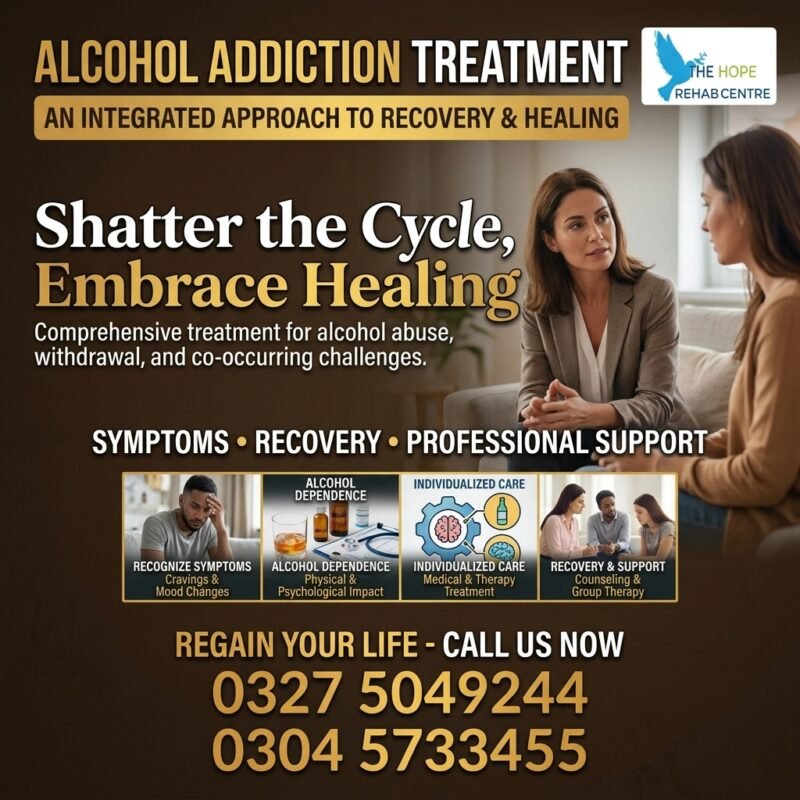
One of the important steps for getting rid of alcohol dependence is finding an appropriate Alcohol Addiction Treatment Centre in Islamabad, Pakistan. Alcohol addiction can impact your physical health, mental health, social life, work and family. But, with proper professional support, you can learn to manage alcoholism and achieve long-term recovery.

Alcohol use disorder is a condition characterized by the inability to stop or control drinking although it has caused problems in one life. Treatment should focus on more than alcohol use, with interventional components addressing withdrawal risks, psychological health (including co-occurring mental disorders) and family circumstances, surroundings and relapse risk.

The Hope Rehabilitation Center provide a structured change programmed for anyone struggling to cope with an addiction or mental health issue due.

What Is Alcohol Addiction?

Alcoholism (or alcohol addiction, alcohol dependence), is a disease characterized by repeated drinking of alcoholic drinks that would cause a significant issue for your life which the person cannot control. Continued use despite having persistent or recurrent social, occupational behavioral, or relationship problems caused by the effects of alcohol

Common warning signs can include:

  • Strong cravings for alcohol
  • Drinking more or for longer than you intended
  • Trouble cutting back and quitting alcohol
  • Developing tolerance
  • Experiencing withdrawal symptoms after stopping
  • Neglecting family, work or other duties
  • Drinking regardless of the adverse results
  • Devoting a lot of time to get alcohol or recover from its effects

Detecting these signs early can motivate people and their families to ask for a professional assessment.

Why Get Professional Alcohol Addiction Treatment

For those who are heavily physically dependent on alcohol, stopping suddenly is not always safe. It can also include seizures, profound confusion, hallucinations or delirium and sometimes it gets serious enough to act as a medical emergency.

This is why anyone with high alcohol intake or long-term use should seek medical advice before abruptly discontinuing.

Before determining the best treatment approach for them, a licensed alcohol abuse center in Islamabad matches the person’s drinking background, physical health, mental health, drugs they are taking or have used, and their probability of withdrawal.

Alcohol Detoxification and Withdrawal Management

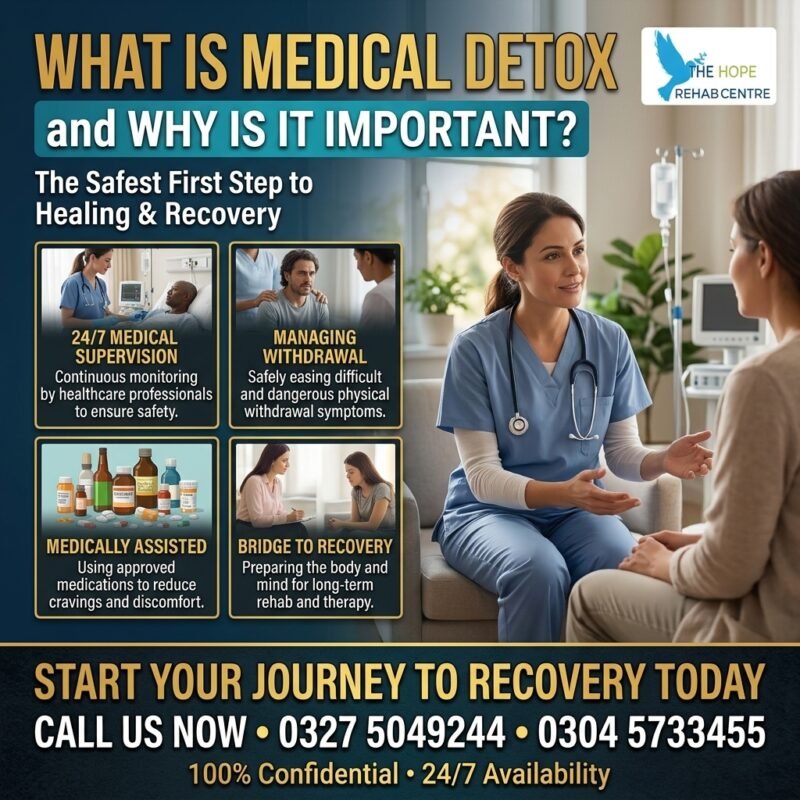
Alcohol detox is usually a first step in recovery for those who are physically dependent on alcohol. The goal here is to train the body not only to do without alcohol, but also to monitor and control withdrawal symptoms.

Possible withdrawal symptoms include:

  • Anxiety or restlessness
  • Tremors
  • Sweating
  • Nausea
  • Headaches
  • Sleep difficulties
  • Irritability
  • Increased heart rate

The most severe types of withdrawal can involve seizures, hallucinations or profound confusion and need immediate medical attention.

But detox alone is not a cure for addiction. Continuous care has been shown to be effective in helping people reduce the risk of relapse and maintain a full recovery.

Counseling for Alcohol Addiction

Psychological treatment teaches people what drives their drinking and how they can cope in a healthier way with stress, emotions and difficult situations.

Counseling may focus on:

  • Identifying drinking triggers
  • Managing alcohol cravings
  • Improving emotional regulation
  • Challenging unhealthy thought patterns
  • Developing healthier coping skills
  • Improving decision-making
  • Building motivation for recovery

Where appropriate, cognitive behavioral approaches may be incorporated. Treatments should be personalized rather than cookie-cutter across the board for everyone.

Mental Health and Alcohol Addiction

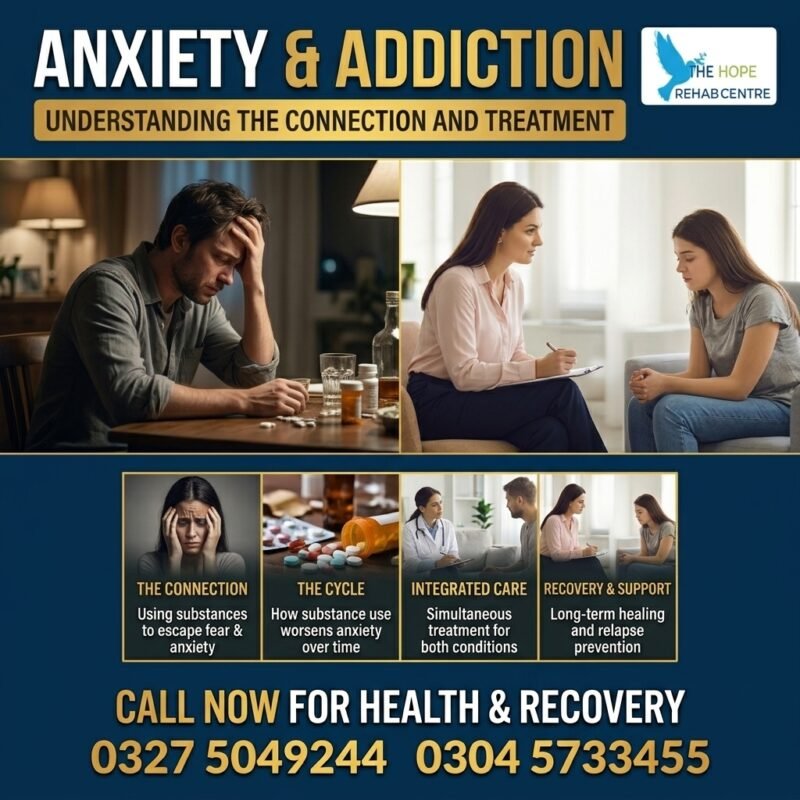
Co-occurring Alcohol Use Disorder and Mental Health Conditions Psychological states, such as depression and anxiety and trauma-related symptoms can affect alcohol use while heavy drinking may impact the emotional and psychological health of individuals.

A good treatment plan must, therefore, take into account both conditions when they exist.

Which is why this integrated method has other names like dual diagnosis treatment or co-occurring disorder care. Treating mental health issues in conjunction with an alcohol problem will help you recover more completely.

Alcohol Addiction Treatment Centre in Islamabad, Pakistan: Treatment, Recovery and Support

Family Support During Alcohol Recovery

Families can be greatly taxed by alcohol dependence. Alternatively, loved ones might worry, fight over what to do, struggle with their finances or not know what to do.

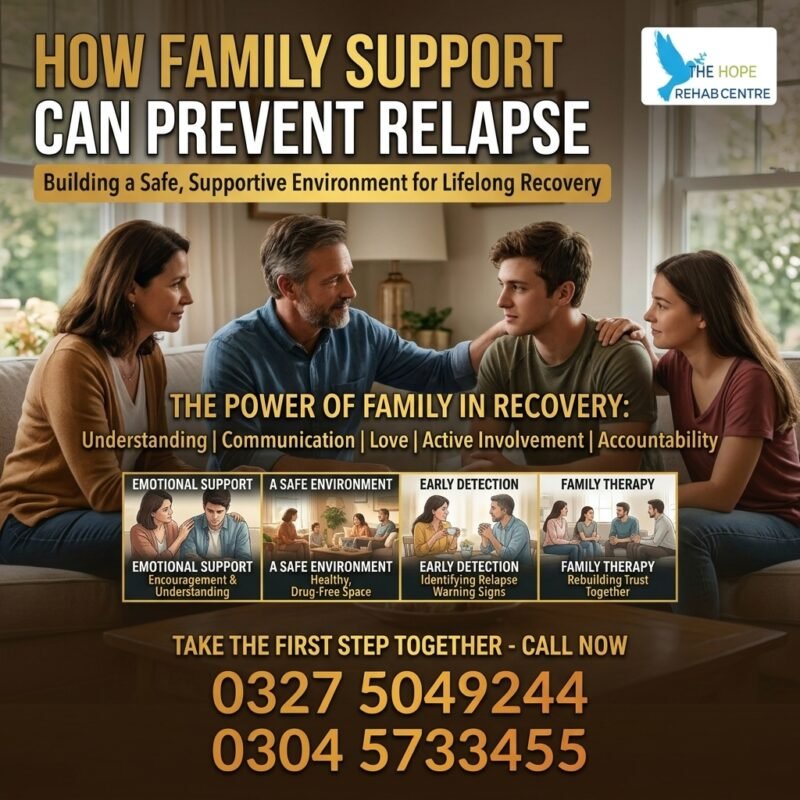
Family counseling and education can teach family members about alcohol dependence and how they can encourage recovery in more effective ways.

This is a powerful message around how families can learn to:

  • Communicate calmly and clearly
  • Establish appropriate boundaries
  • Avoid enabling harmful drinking
  • Encourage professional treatment
  • Support healthy routines
  • Recognize warning signs
  • Respond appropriately during a crisis

Family members should ask for emotional support also when needed.

Relapse Prevention After Alcohol Treatment

After the treatment period, there is continued recovery. Cravings to consume alcohol will resurface when someone is put in a stressful situation or put near the people, places, or situations that they were in during previous drinking.

A relapse-prevention plan can include:

  1. Identifying personal triggers
  2. Continuing counseling or therapy
  3. Developing healthy daily routines
  4. Building a supportive social network
  5. Managing stress in healthier ways
  6. Avoiding high-risk situations
  7. Maintaining follow-up care
  8. Proactive treatment when cravings feel difficult to control

Realizing that returning to drinking is not a failure of the program, but rather an inherent part of it. This can be a moment to re-evaluate what the person needs and provide stronger support for recovery.

Selecting an Alcohol Addiction Treatment Centre in Islamabad

Keep in mind the most important thing when looking for an Alcohol Addiction Treatment Centre in Islamabad, Pakistan is to look at quality of care and not just advertisements or false promises of 100% recovery.

Important questions include:

  • Is a trained medical or mental health provider helping?
  • Is a full workup done prior to treatment?
  • How is Alcohol Withdrawal Symptoms Monitored or Treated?
  • Is there walk-in emergency medical assistance?
  • Are counseling and behavioral therapies offered?
  • Is mental health assessed?
  • Is family support included?
  • Does the program include relapse prevention measures?
  • Is follow-up or aftercare available?

Such questions can then assist individuals and families to make a more educated decision about the treatment.

In Islamabad, New Hope Rehabilitation and caring center offer alcohol rehabilitation services.

The Hope Rehabilitation Center have organized lodgings for all who are confronting enslavement and psychological wellness issues.

Each person’s substance-use history, physical health, psychological needs, family circumstances and recovery goals should be taken into account for treatment. The appropriateness of the identification and assistance can be determined through a professional evaluation.

It’s important to get help quickly, especially if drinking is impacting health, home life, work or school responsibilities or safety.

Frequently Asked Questions

1.     Which is the best treatment for alcoholism?

There is no one-size-fits-all treatment. The treatment methods depend on the particular needs of the individual and may involve medical withdrawal management, counselling, behavioral therapy, mental health treatment, family involvement and/or relapse prevention.

2.     Who Needs Alcohol Detoxification?

Not necessarily. Whether medically supervised withdrawal is needed depends on the drinking history, physical dependence, previous experiences with alcohol withdrawal and general health. A qualified professional can evaluate the degree of risk.

3.     Can alcohol withdrawal be dangerous?

Yes. In severe cases, alcohol withdrawal may cause seizures, hallucinations and extreme confusion or delirium which could lead to needing immediate medical care. If you have very heavy alcohol dependence then you should not stop suddenly without medical advice.

4.     Alcohol addiction is something that often calls for some form of counseling to overcome.

Counseling is a take-back part of treatment. It can assist them in managing cravings, improve their coping skills, identifying triggers and dealing with psychological issues relating to drinking. Here are some who must also be given medical or psychiatric support.

5.     What is the duration of alcohol dependency therapy?

The treatment duration is different in each case. This may be based on the extent and duration of use, withdrawal risks, mental and physical health status, previous treatment history, and motivating recovery needs or goals.

Conclusion

An Alcohol Addiction Treatment Centre in Islamabad, Pakistan offers structured professional help for those who have trouble controlling alcohol consumption. Because many of the risks associated with alcohol dependence are immediate, effective care should focus on these as well as on longer-term psychological, behavioral, and social aspects of recovery.

Depending on your condition, medical assessment, withdrawal management if indicated, mental health care and family support will be components of a comprehensive recovery plan.

If you have health problems, relationship issues or losing control over use of alcohol, talking to a competent addiction or mental health professional can help identify your next best steps. If you are trying and need qualified help, The Hope Rehabilitation Center provide individuals within troubled families with opportunity for a fresh start.

Best Drug Rehabilitation Centre in Pakistan: How to Choose the Right One
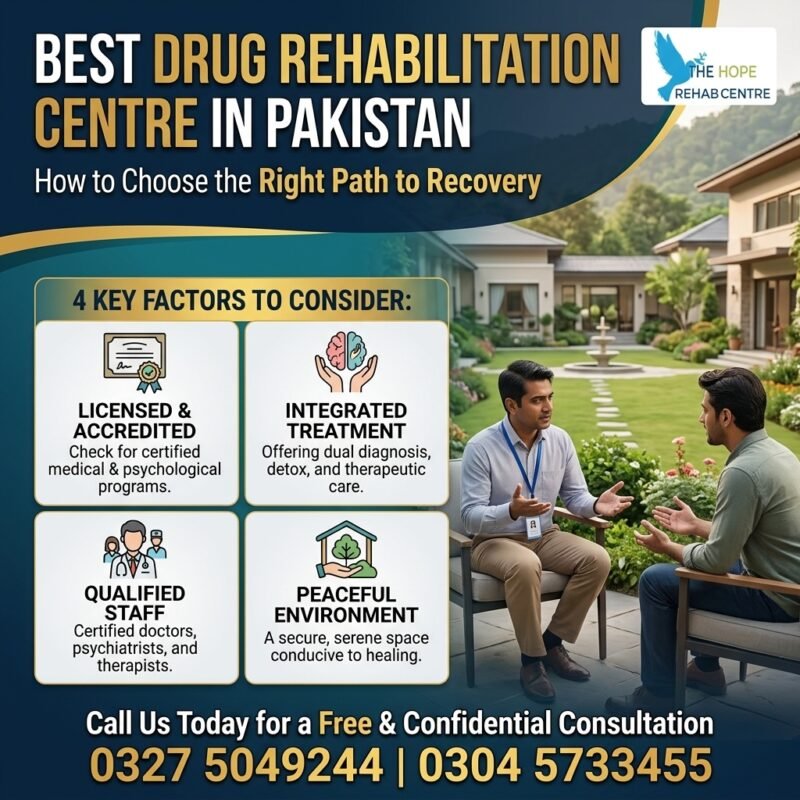
Best Drug Rehabilitation Centre in Pakistan: How to Choose the Right One

Finding the Best Drug Rehabilitation Centre in Pakistan can be an important decision for individuals and families dealing with substance use. With different treatment programs and levels of care available, choosing a facility should involve more than looking at advertisements or making a decision based on a single claim.

A suitable rehabilitation centre should provide appropriate professional support, individualized care, a safe environment, and a recovery plan that continues beyond the initial treatment period. Families should also consider whether the centre can address both substance use and related mental health concerns.

Understanding Drug Rehabilitation

Drug rehabilitation is a structured process designed to help people address problematic substance use and develop healthier ways of managing everyday life. Treatment may involve medical assessment, detoxification, counseling, behavioral therapy, family education, and aftercare.

Different drugs can create different health and withdrawal risks. Heroin, methamphetamine, cannabis, prescription medicines, and other substances may therefore require different treatment approaches.

Rehabilitation should be based on the individual’s substance use history, physical health, psychological needs, and social circumstances.

Why Choosing the Right Rehab Centre Matters

The right treatment setting can make it easier for an individual to receive consistent support and work on the underlying factors associated with addiction.

When comparing rehabilitation centres, families should look for clear information about:

  • Treatment methods
  • Staff qualifications
  • Medical supervision
  • Counseling services
  • Mental health assessment
  • Family involvement
  • Relapse prevention
  • Aftercare planning
  • Privacy and safety procedures

A responsible centre should explain its services clearly rather than making unrealistic promises about recovery.

Check the Treatment Approach

One of the most important factors is the type of treatment provided.

Medical Assessment and Detoxification

A professional assessment should generally take place before treatment begins. It can identify medical conditions, substance use patterns, withdrawal risks, and other factors that may affect care.

Detoxification may be appropriate for some individuals, but detox alone isn’t a complete addiction treatment. Certain substances, particularly alcohol and benzodiazepines, can produce potentially dangerous withdrawal symptoms and may require medical supervision.

Counseling and Behavioral Therapy

Counseling can help individuals understand triggers, manage cravings, improve coping skills, and address behaviors connected to substance use.

Behavioral therapies can also support healthier decision-making and relapse-prevention skills. Treatment should be adjusted according to the individual’s needs rather than following a rigid program for everyone.

Mental Health Support

Substance use and mental health conditions can occur together. Depression, anxiety, trauma, and other psychological concerns may influence substance use or become worse alongside it.

A suitable rehabilitation centre should recognize these possibilities and provide appropriate assessment or referral when additional mental health care is needed.

Look for Individualized Treatment Plans

Best Drug Rehabilitation Centre in Pakistan: How to Choose the Right One

Every person’s recovery journey is different. Age, substance use history, physical health, mental health, family circumstances, and previous treatment experiences can all influence the appropriate plan.

An individualized program may include different combinations of medical care, counseling, behavioral therapy, family support, and aftercare.

Be cautious of facilities that present one treatment method as suitable for every person or guarantee a particular outcome.

Consider the Qualifications of the Care Team

The qualifications and experience of the professionals providing care are important considerations.

Families can ask whether the centre has appropriately trained healthcare professionals, counselors, psychologists, or other specialists relevant to the services being offered.

It’s also reasonable to ask who supervises medical treatment and how emergencies are handled. Clear answers can help families make a more informed decision.

Ask About Family Support

Addiction affects more than the individual using substances. Family members may experience stress, confusion, financial difficulties, and relationship problems.

Family education and counseling can help relatives understand addiction, communicate more effectively, establish healthy boundaries, and support recovery without unintentionally enabling harmful behavior.

Review Relapse Prevention and Aftercare

A rehabilitation program shouldn’t focus only on the initial treatment period. Recovery continues after a person returns to everyday life.

Ask whether the centre provides an aftercare or relapse-prevention plan. This may include continuing counseling, follow-up appointments, peer support, family involvement, and strategies for managing triggers.

Relapse can occur and doesn’t necessarily mean that treatment has failed. A good recovery plan should provide a way to reassess treatment and strengthen support when difficulties arise.

Consider the Environment and Level of Care

The treatment environment should provide appropriate privacy, safety, structure, and dignity. Families should understand whether the program is residential, outpatient, or another level of care.

The appropriate setting depends on clinical needs. Someone with significant medical or psychiatric concerns may require a different level of supervision than someone receiving ongoing outpatient counseling.

Questions to Ask Before Choosing a Rehab Centre

Before selecting a facility, consider asking:

  1. What assessment is completed before treatment?
  2. Who provides medical and psychological care?
  3. How are withdrawal symptoms managed?
  4. What counseling and behavioral therapies are available?
  5. How are co-occurring mental health concerns addressed?
  6. Is family education or counseling available?
  7. What happens after the initial treatment program?
  8. How does the centre respond if a person experiences a relapse?
  9. What level of care is appropriate for the individual’s condition?

These questions can help families compare services based on quality and suitability rather than marketing language.

The Hope Rehabilitation Center Islamabad, Pakistan

The Hope Rehabilitation Center Islamabad, Pakistan is a rehabilitation facility serving individuals and families affected by substance use and related challenges. When considering any rehabilitation service, the focus should remain on appropriate assessment, individualized care, professional support, and long-term recovery planning.

Families researching treatment options can use these same principles when evaluating The Hope Rehabilitation Center or any other rehabilitation provider. The most suitable choice depends on the individual’s specific health and recovery needs.

Frequently Asked Questions

1. What should I look for in the best drug rehabilitation centre in Pakistan?

Look for qualified professionals, appropriate medical assessment, evidence-informed treatment, individualized care, mental health support, family involvement, relapse prevention, and aftercare.

2. Is residential rehab better than outpatient treatment?

Neither is automatically better for everyone. The appropriate level of care depends on the person’s substance use, health, withdrawal risks, home environment, and clinical needs.

3. How important is medical supervision during addiction treatment?

It can be very important, particularly when withdrawal may involve significant medical risks or when a person has other health conditions or uses multiple substances.

4. Does detoxification cure drug addiction?

No. Detox addresses the physical process of stopping substance use but doesn’t necessarily address cravings, behavioral patterns, mental health concerns, or social factors. Continuing treatment is often important.

5. What role does aftercare play in recovery?

Aftercare provides ongoing support after the initial treatment period. It can help individuals manage triggers, maintain healthy routines, recognize warning signs, and seek additional help when needed.

Conclusion

Choosing the Best Drug Rehabilitation Centre in Pakistan should be based on the quality, suitability, and safety of the treatment rather than promotional claims. Families should examine the centre’s treatment approach, professional qualifications, medical support, mental health services, family involvement, and aftercare planning.

Addiction is a complex health condition, and recovery doesn’t follow one identical path for everyone. A thoughtful assessment and individualized treatment plan can provide a stronger foundation for meaningful, long-term recovery.

Methamphetamine Addiction in Pakistan: Key Facts About Causes, Signs and Recovery

Methamphetamine Addiction in Pakistan: Key Facts About Causes, Signs and Recovery

Methamphetamine is a strong stimulant that can affect the brain, body, emotions and day to day life in a dangerous way. Methamphetamine addiction is decorated by a pattern of compulsive use, which alters the brain’s reward system so that it becomes more difficult for you to control your substance use.

To do you know meth also referred to as crystal methamphetamine or ice. Some individuals use it initially for stimulation, increased attentiveness or euphoria but developing cravings can lead to dependence, sleep disruption, psychiatric issues and pronounced behavior change with a continued pattern over time.

With the right professional support, recovery is possible. Treatment can include medical evaluation, detox management, counseling, behavioral therapy, mental health services and family assistance and relapse prevention. The Hope Rehabilitation Center Islamabad, Pakistan provides a structured environment for addiction and recovery for those individuals and families.

What Is Methamphetamine Addiction?

Chemical use disorder is a term used to describe substances such as methamphetamine where the person using the substance may find that they are unable to stop or control their use of meth whilst also continuing with this use even though it makes them unwell (they are less able than other people not to take meth).

Meth is a powerful central nervous stimulant and affects the natural chemicals in the brain that are used for reward and motivation. Over time, a user may develop tolerance (using more of the substance to experience the same effects).

Some of the signs that your methamphetamine use is problematic include:

  • Strong cravings for meth
  • Increasing tolerance
  • Staying awake for long periods
  • Marking gulps of urge or weigh
  • Neglecting work, school or family responsibilities
  • Irritability or unusual mood changes
  • Using in spite of Health Problems
  • Repeated unsuccessful attempts to stop
  • Using a lot of time acquiring or beating Meth

Reasons that lead to Addiction towards Meth in Pakistan

There’s not one single cause of addiction. Many biological, psychological, social and environmental factors may make a person more vulnerable.

Peer Pressure and Social Environment

Peer influence or social exposure causes some to begin experimenting with stimulants. Having ongoing exposure to people or places where drugs are used can make you more likely to use drugs again.

Stress and Emotional Difficulties

Acute stress, major life events, and depression and anxiety can drive people to engage in substance use. Many are first introduced to stimulants as a means of coping with emotional hardships or things we may otherwise find taxing.

Regular use may lead to poor mental and emotional health in the long run.

Family and Personal Factors

The risk for addiction can be mediated by various contributors including a family history of substance use disorders, difficult family relationships, previous substance use and deficient coping strategies.

A deeper understanding of these factors may facilitate expansion of treatment that targets more than the substance alone.

Signs of Methamphetamine Addiction

By recognizing early signs of meth use, families may be able to identify the need for help sooner.

Physical Signs

Possible physical changes include:

  • Reduced appetite
  • Weight loss
  • Increased heart rate
  • Excessive sweating
  • Dilated pupils
  • Sleep deprivation
  • Repetitive movements or restlessness
  • Poor dental health

These signs can be associated with other factors, and thus are not sufficient by themselves to diagnose addiction.

Behavioral and Psychological Signs

Methamphetamine Addiction in Pakistan: Key Facts About Causes, Signs and Recovery

It can also impact thoughts, emotions and behavior — meth is powerful.

A person may experience:

  • Anxiety or agitation
  • Irritability
  • Mood swings
  • Suspiciousness or paranoia
  • Poor concentration
  • Social withdrawal
  • Confusion
  • Some cases of hallucinations or even other psychotic symptoms

If you have severe confusion, are having hallucinations or psychosis, chest pain, seizures, or large disparities in level of consciousness (eg: fell into a coma), please seek urgent medical input.

Effects of Methamphetamine Addiction

Chronic or heavy use of meth, however, can have effects throughout the body.

Some of the potential effects are heart related issues, trouble sleeping, diet complications, dental problems as well as anxiety disorders, depression and paranoia.

Addiction also has a negative impact on relationships, employment, education, finances and the support system of the family itself.

Methamphetamine is a powerful stimulant that can significantly alter the reward and motivational systems of the brain, which is why some people end up finding it difficult to go off meth even after experiencing serious consequences.

Methamphetamine Withdrawal and Detox

Someone who has been using meth for a period of time and stops can go into withdrawal or “crash.”

Possible symptoms include:

  • Extreme fatigue
  • Increased sleep
  • Increased appetite
  • Low mood
  • Irritability
  • Anxiety
  • Difficulty concentrating
  • Strong cravings
  • Disturbed sleep patterns

It varies from person to person for both severity and duration.

While stimulant withdrawal often does not require the same medical detox as some substances, assessment by professionals is still important. If you’re experiencing severe depression, suicidal thoughts, psychosis or other concerning symptoms you need to see a relevant health professional immediately.

Methamphetamine Addiction Treatment in Pakistan

There isn’t a one size fits all for treatment. Mental wellness, physical health, and substance use history should be the first three topics or skills needed to draw up a good recovery plan while support system need to come last.

Medical and Psychological Assessment

Treatment will start with a full assessment. Substance use, physical health, mental health, medications, previous treatments and any current safety concerns may be reviewed by professionals.

This informs the degree of care necessary.

Counseling and Behavioral Therapy

Behavioral treatment also can help to determine triggers, patterns of substance use, and coping strategies.

People may be helped by cognitive behavioral approaches:

  • Recognize high-risk situations
  • Manage cravings
  • Challenge unhelpful thought patterns
  • Improve decision-making
  • Develop healthier responses to stress
  • Strengthen motivation for recovery

Mental Health Support

Many people who are addicted to methamphetamine also experience depression, anxiety or PTSD as well, or other mental health related issues.

Psychological problems should be diagnosed and treated when they occur in recovery. Addressing both substance use and mental health issues can offer a more holistic approach.

Family Support and Recovery

Family participation is beneficial during drug addiction treatment. Still, families need to be educated on the best way to assist without perpetuating substance abuse.

Family members can:

  • Encourage professional treatment
  • Learn about methamphetamine addiction
  • Communicate calmly
  • Establish healthy boundaries
  • Support treatment appointments
  • Encourage healthy routines
  • Watch for warning signs
  • Seek professional guidance during crises

Also, families must look after their own emotional health.

Relapse Prevention After Meth Treatment

After treatment, recovery is ongoing. Stress, environmental situations, or social triggers associated with past drug use can bring back cravings in a person.

A relapse-prevention plan may include:

  • Identifying personal triggers
  • Continuing counseling
  • Building a supportive social network
  • Maintaining healthy sleep routines
  • Avoiding high-risk environments
  • Developing stress-management skills
  • Attending follow-up appointments
  • Getting an early referral when cravings become unmanageable

Seeing a rebound does not mean a recovery is impossible. This may suggest the treatment plan ought to be reassessed and bolstered.

Choosing Methamphetamine Addiction Treatment

Families should take medications and personalized treatments administered by professionals which illicit promises of instant or guaranteed recovery during Methamphetamine Addiction in Pakistan treatment.

Useful questions include:

  • A full medical examination?
  • Are mental health concerns evaluated?
  • How are withdrawal symptoms managed?
  • Is behavioral therapy available?
  • Does the program involve families?
  • Is relapse prevention included?
  • Does the program offer continuous care after the completion of proper programming?
  • How do psychiatric or medical emergencies get dealt with?

The Hope Rehabilitation Center Islamabad, Pakistan can be an option for people living in Islamabad as well families require the need of a structured addiction recovery strategy, mental health support.

Frequently Asked Questions

1.     Signs That Indicate Methamphetamine Addiction

Some common indicators include no sleep, intense cravings, continued to use even if you have a problem, not caring for responsibilities or physical ailments connected with the drug (as appetite too sudden change weight), and difficulty stopping, please even in the mood because some people change.

2.     So, are people able to recover from meth?

Yes. Recovery is possible. Substance use disorder treatment can (i) refrain you from using substances, (ii) reduce the frequency and/or amount of substance used, (iii) help you learn ways to cope with problems other than being dependent on drugs or alcohol, and (iv) deal with any related warning signs and symptoms that may occur in the course of abstaining or reducing dependence.

3.     How To Come Off Methamphetamine?

Fatigue, increased sleep, increased appetite, depressed mood, irritability, anxiety and difficulty concentrating along with strong cravings. Acute depression, suicidal ideation, or psychotic symptoms need urgent clinical assessment.

4.     If you are an addict, is detox enough to treat your methamphetamine addiction?

Not really, detox or withdrawal management relieves the acute effects of quitting a substance. Once you see that all of the components you may need are there—counseling, behavioral therapy, mental health care, family programs and relapse prevention—you can check off long-term recovery.

5.     Well, how long does methamphetamine addiction treatment even take?

Duration of Treatment: Based on severity and duration of substance use, mental health needs, physical health, response to treatment, and need for continuing care. Not everyone is ready at the same time.

Conclusion

An Introduction to Methamphetamine Addiction in Pakistan Methamphetamine addiction is a serious health problem that impacts physical health, mental / psychological well-being, interpersonal relationships and day-to-day functioning. Understanding the warning signs and getting professional help can be a crucial first step in recovery.

Drug treatment should do more than simply stop whatever drug use is going on. A comprehensive recovery plan may include a medical assessment, counseling, behavioral therapy, mental health support medicine, family involvement and relapse prevention.

If you or someone you know is having difficulties with meth abuse, talking to a qualified addiction or mental health professional can help guide people in the direction of proper care. Islamabad The Hope Rehabilitation Center Islamabad, Pakistan, we can help you move along structured paths to addiction recovery for you and your family in Islamabad.

Heroin Addiction in Pakistan: Signs, Effects and Treatment

Heroin Addiction in Pakistan: Signs, Effects and Treatment

Heroin Addiction in Pakistan is a serious health concern that can affect a person’s physical health, mental well-being, relationships, education, employment, and overall quality of life. Heroin is an opioid that can produce powerful feelings of pleasure and relaxation. Repeated use, however, can lead to tolerance, cravings, and physical dependence.

Recognizing the signs early can help families and individuals seek appropriate professional support. Addiction isn’t simply a matter of willpower. It is a complex health condition that may require medical care, counseling, behavioral support, and ongoing recovery planning. The Hope Rehabilitation Center Islamabad, Pakistan takes an informative and compassionate approach to understanding substance use and recovery.

Understanding Heroin Addiction

Heroin affects areas of the brain involved in pleasure, reward, pain, and stress. With repeated exposure, the brain can adapt to the presence of the drug. As a result, a person may increasingly rely on heroin to feel normal or avoid withdrawal symptoms.

Addiction may involve difficulty controlling use, strong cravings, and continued consumption despite harmful consequences. Some people may also use other substances at the same time, which can increase health risks and make treatment more complicated.

Causes and Risk Factors

There is no single reason why someone develops heroin addiction. Several factors can interact.

Physical Dependence

Repeated opioid use can lead to physical dependence. When heroin use is reduced or stopped, withdrawal symptoms can occur. Fear of these symptoms may make it harder for someone to stop using the drug.

Mental Health and Social Factors

Depression, anxiety, trauma, chronic stress, loneliness, and other emotional difficulties can sometimes occur alongside substance use. Peer influence, family difficulties, social isolation, and exposure to drug use may also increase risk.

Understanding these factors helps healthcare professionals develop a more appropriate treatment plan.

Signs of Heroin Addiction

Heroin addiction can present differently from person to person. Possible signs include:

  • Strong or frequent cravings for heroin
  • Difficulty reducing or stopping use
  • Spending significant time obtaining or using the drug
  • Neglecting work, education, or family responsibilities
  • Changes in sleeping and eating patterns
  • Social withdrawal or secrecy
  • Continued use despite health or relationship problems
  • Withdrawal symptoms when heroin isn’t available
  • Financial difficulties associated with substance use

One or two signs alone don’t necessarily establish an addiction. A professional assessment is the best way to understand what is happening.

Physical and Mental Effects

Heroin Addiction in Pakistan: Signs, Effects and Treatment

Heroin can have serious effects on both the body and mind.

Short-Term Effects

Short-term effects may include:

  • Drowsiness and reduced alertness
  • Slowed breathing
  • Nausea or vomiting
  • Confusion or impaired judgment
  • Itching or flushing
  • Reduced heart and breathing rates

The most serious immediate danger is overdose, particularly when heroin is combined with other substances that can suppress breathing.

Long-Term Health Consequences

Long-term heroin use can contribute to opioid dependence, respiratory problems, infections, poor nutrition, constipation, and other medical complications.

People who inject heroin may face additional risks, including skin and soft-tissue infections and blood-borne infections when needles or equipment are shared.

Mental health can also be affected. Mood changes, anxiety, social isolation, and difficulties with concentration may occur, although symptoms can have multiple causes.

Heroin Withdrawal and Detoxification

Withdrawal can begin after the effects of heroin wear off. Symptoms may include muscle aches, sweating, restlessness, anxiety, runny nose, stomach cramps, nausea, diarrhea, and sleep problems.

Opioid withdrawal is often extremely uncomfortable. It can also create challenges for maintaining recovery, particularly when someone attempts to manage it without appropriate support.

Detoxification addresses the immediate physical effects of stopping substance use, but detox alone doesn’t treat the underlying addiction. Continued treatment is generally important for reducing the risk of returning to problematic opioid use.

Assessment Before Treatment

A comprehensive assessment helps determine the appropriate level of care. Healthcare professionals may consider:

  • Substance use history
  • Current physical health
  • Mental health symptoms
  • Other medications or substances being used
  • Previous treatment and relapse history
  • Family and social circumstances
  • Current safety concerns

This information can help create an individualized recovery plan rather than relying on a one-size-fits-all approach.

Heroin Addiction Treatment Options

Treatment can involve several forms of support depending on individual needs and clinical assessment.

Medical Support

Evidence-based medications for opioid use disorder may be appropriate for some individuals. These treatments can help reduce cravings and withdrawal and may support longer-term recovery.

Medication decisions should always be made by qualified healthcare professionals. The appropriate medication and treatment plan depend on the person’s medical history and circumstances.

Counseling and Behavioral Therapy

Counseling can help individuals understand triggers, manage cravings, develop coping skills, and address behaviors associated with substance use.

Behavioral therapy may also focus on emotional regulation, decision-making, relationships, and relapse prevention. Treating co-occurring mental health concerns is important when they are present.

Family Support in Recovery

Heroin addiction affects families as well as individuals. Relatives may experience fear, stress, anger, or confusion. Education can help families understand addiction without placing unnecessary blame on themselves or their loved one.

Healthy communication and clear boundaries are also important. Family members can encourage treatment while avoiding behaviors that unintentionally enable continued substance use.

Relapse Prevention and Aftercare

Recovery doesn’t end when the initial treatment period finishes. Aftercare can provide continuing support as a person returns to everyday responsibilities.

A recovery plan may include counseling, peer support, family involvement, healthy routines, and strategies for handling cravings and high-risk situations.

Relapse should not automatically be viewed as a personal failure. It can indicate that additional assessment or adjustments to treatment are needed.

Rehabilitation Support in Islamabad

The Hope Rehabilitation Center Islamabad, Pakistan recognizes that addiction recovery requires attention to the whole person. Appropriate rehabilitation may combine assessment, counseling, behavioral support, family education, relapse-prevention planning, and continuing care.

The purpose of professional rehabilitation is not simply to stop drug use temporarily. It is also to help individuals develop healthier coping strategies and work toward a more stable lifestyle.

Anyone experiencing a suspected opioid overdose should receive emergency medical attention immediately. Signs such as very slow or stopped breathing, inability to wake, or blue or gray lips or skin require urgent help.

Frequently Asked Questions

1. What are the most common signs of heroin addiction?

Strong cravings, inability to control use, withdrawal symptoms, secrecy, neglected responsibilities, and continued use despite harmful consequences are common warning signs.

2. Can heroin addiction be treated?

Yes. Opioid use disorder is treatable. Depending on individual needs, treatment may include medication, counseling, behavioral therapy, family support, and continuing care.

3. Is heroin withdrawal dangerous?

Withdrawal can be severe and extremely uncomfortable. Professional assessment is recommended, especially when other substances or medical conditions are involved.

4. Is detoxification enough to treat heroin addiction?

No. Detoxification addresses the immediate effects of stopping heroin but doesn’t by itself address the causes and behaviors associated with addiction. Continuing treatment and recovery support are important.

5. How can families support someone with heroin addiction?

Families can encourage professional treatment, learn about opioid use disorder, communicate without unnecessary judgment, establish healthy boundaries, and support appropriate aftercare.

Conclusion

Heroin Addiction in Pakistan is a complex health issue that deserves informed, compassionate, and evidence-based care. Recognizing the warning signs and seeking professional assessment can be an important first step.

Recovery can involve medical support, counseling, behavioral therapy, family involvement, and long-term aftercare. With an individualized approach, people affected by heroin dependence can work toward improved health, stronger coping skills, and a more stable recovery journey.

Dual Diagnosis Treatment in Pakistan: Powerful Steps for Addiction and Mental Health Recovery

Dual Diagnosis Treatment in Pakistan: Powerful Steps for Addiction and Mental Health Recovery

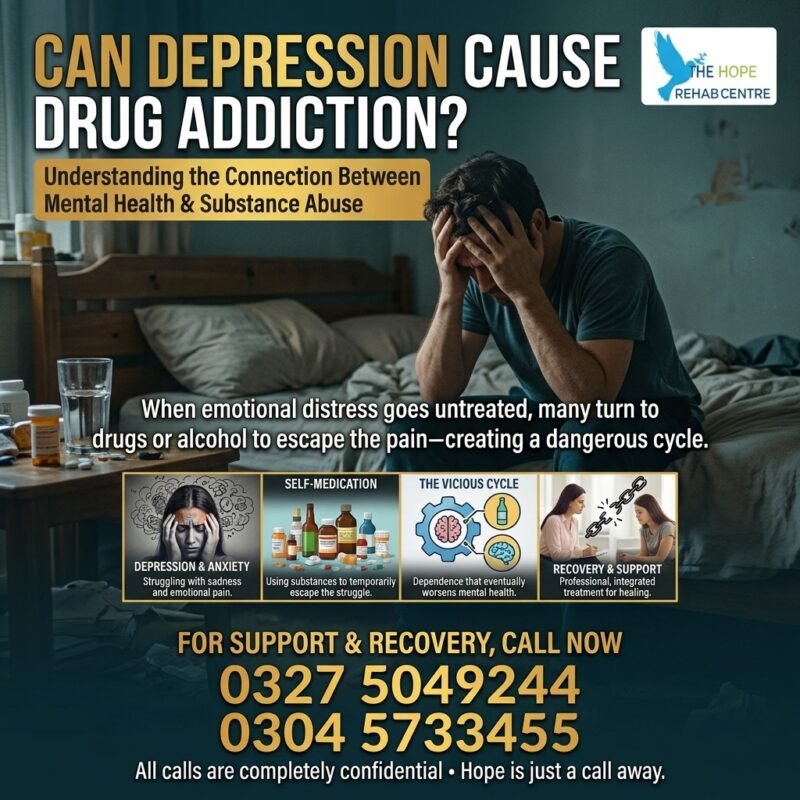
Dual Diagnosis Treatment All over the Pakistan This treatment is meant for persons dealing with Drug and alcohol abuse problem along with a mental disorder. The mentioned problems can be present in co-occurrence and may depend on one another. Such as a person with depression may start using drugs and/ or alcohol to escape psychological distress, then continued substance use can contribute to increased anxiety, depression, or other mental health symptoms.

Focusing on only one issue can ignore critical aspects of recovery. Synergizing gives us the opportunity to treat addiction in conjunction with mental health. Whatever the case may be, we at The Hope Rehabilitation Center Islamabad, Pakistan provide structured support to individuals and families looking for help with substance use and related psychological concerns.

What Is a Dual Diagnosis?

A dual diagnosis, or co-occurring disorder, is when someone has both a substance use disorder as well as a mental health disorder.

Substance-related problems can involve:

  • Alcohol
  • Heroin and other opioids
  • Methamphetamine or crystal meth
  • Cannabis
  • Cocaine
  • Prescription medications
  • Other addictive substances

Mental health problems may be grouped illnesses like depression, anxiety disorders, trauma and post-trauma disorder, bipolar disorder or other mental illness.

The relationship isn’t always straightforward. The mental health symptoms can present prior to, subsequent to or overlapping with substance use. It is thus requiring a cautious professional analysis.

Why Do Addiction and Mental Health Issues Happen Together?

There are many reasons why co-occurring disorders may exist. Any number of factors can be at work, including genetics, chemistry of the brain, trauma and stressors in the environment, and other personal circumstances.

Self-Medication and Emotional Distress

There are those who use substances as a remedy whenever sadness, anxiety, insomnia, traumatic memories or different unpleasant emotions hit them. Even if a compound can temporarily alleviate, reliance on repeated use only amplifies the problem.

Substance-Induced Symptoms

Some medication can invoke or exacerbate psychiatric symptoms. Stimulants in particular can directly trigger anxiety, agitation, paranoia or psychotic symptoms in certain individuals. Major alterations in mood and behavior can also occur when one stops taking drugs (known as withdrawal).

Shared Risk Factors

Addictions and mental health disorders do share risk factors, including childhood trauma, chronic stress, social isolation and family history. This may be why the two conditions are more likely to (co)-occur.

When to Seek Dual Diagnosis Care

Dual Diagnosis Treatment in Pakistan: Powerful Steps for Addiction and Mental Health Recovery

Following that, identifying a co-occurring issue is never an easy task. Moods, Sleep, Thoughts and Behavior Effects of Drug It can change Mood, Sleep, Thinking &Behavior.

Potential warning signs include:

  • Persistent sadness or hopelessness
  • Severe anxiety or panic
  • Major mood changes
  • Social withdrawal
  • Sleep disturbances
  • Paranoia or unusual beliefs
  • Using substances repeatedly specifically to cope with an emotion
  • Inability to stop using drugs or drinking alcohol
  • Family dysfunctionrelated working, or educational status

Life dysfunction and problems which are ongoing even when they aren’t intoxicated

An assessment with a professional will help clarify what is going on and the type of treatment indicated.

How Does Dual Diagnosis Treatment in Pakistan Work?

Effective care should be individualized. For this reason, the treatment process often starts with a thorough assessment of co-occurring substance use and mental health disorder.

Assessment and Diagnosis

Substance use history (patterns of use, withdrawal history), physical health, medication review and monitoring, mental state (mood) & sleep patterns; trauma / abuse history; behavior issues.

It also serves to identify whether they have a second mental health condition that is independent from their substance use or, conversely, symptoms due to the use of substances either directly (by/toxicity) or indirectly (i.e. worsening an existing condition).

Medical and Withdrawal Management

Certain medications can lead to severe or even fatal withdrawal side effects. Some substances, as well as personal risk factors dictate the need for medically supervised withdrawal management.

Although detoxification helps with the physical aspect of stopping substance use, it is only one aspect of back into recovery.

Psychological Treatment

Counseling and behavioral therapies teach people how to understand their triggers and develop healthier coping skills.

Cognitive-behavioral strategies may assist individuals with awareness of unhelpful thoughts and behaviors while discovering effective techniques to cope with cravings, stress, and negative feelings.

Medication When Clinically Appropriate

Prescribed medication can help with some mental health or substance use disorders. Because of this, medication should be prescribed by someone qualified to assess the individual based upon their diagnosis, medical history, current substance uses and any other treatments being received.

No medication should ever be commenced, stopped or changed without suitable medical advice.

The Importance of Integrated Treatment

One of the key advantages of dual diagnosis treatment is that you can have addiction and mental health issues treated at the same time as part of an integrated plan.

Someone who is recovering from methamphetamine use (and experiences anxiety and/or paranoia) may benefit from being on serotonin reuptake inhibitors. Focusing on the substance abuse without treating chronic post-traumatic symptoms may actually complicate recovery efforts.

Integrated care can focus on:

  • Reducing harmful substance use
  • Managing mental health symptoms
  • Developing healthy coping skills
  • Improving daily functioning
  • Strengthening relationships
  • Preventing relapse
  • Supporting long-term recovery

Dual Diagnosis Recovery: Family Support

Families can have important challenges related to mental health and addiction problems. Relatives will wonder why anyone continues using even when it is plain to all that they have lost a job or destroyed a family.

Education can replace blame with a more informed understanding of both addiction and mental health.

Family members can help the recovery process by doing the following:

  • Encouraging professional treatment
  • Communicating calmly
  • Learning about co-occurring disorders
  • Setting clear and healthy boundaries
  • Supporting treatment appointments
  • Watching for changes in behavior
  • Taking warning signs seriously
  • Taking care of one’s own mental health

A positive family life can be a great supplement to therapeutic support, but it is not an alternative.

Relapse Prevention and Long-Term Care

Dual diagnosis recovery is most often an ongoing process because both substance-related triggers and mental health symptoms may change over time.

A relapse-prevention plan may include:

  • Continued counseling
  • Mental health follow-up
  • Medication management when prescribed
  • Identifying emotional and environmental triggers
  • Building a healthy support network
  • Staying in a consistent sleep pattern and daily routine
  • Avoiding high-risk situations
  • Developing stress-management skills
  • Seeking help early on when symptoms worsen

Callan: Recovery is not always a linear process. Rather than a reason to write off treatment, a decrease in substance uses or an increase in psychiatric symptoms can be impetus for reassessing treatment.

Selecting A Dual Diagnosis Therapy Facilities

Families seeking help for Dual Diagnosis Treatment in Pakistan should only look for a provider that can treat both substance use and mental health needs.

Useful questions include:

  • Is there a psychological evaluation provided?
  • Is evaluated for physical health and risk of withdrawal?
  • Addiction and mental health illness (mental disorders) often can be treated in concert.
  • Is individual counseling available?
  • Is family support included?
  • When appropriate, are medications managed by qualified professionals?
  • Does the program include relapse prevention?
  • Is there a continuing care plan or aftercare program?

Individuals and families searching for managed, structured addiction and mental health support in Islamabad may consider The Hope Rehabilitation Center Islamabad, Pakistan.

Frequently Asked Questions

1.     What does dual diagnosis mean?

Dual diagnosis = both a problem with the substance AND another mental health matter successfully diagnosed!! These two issues could interact and impact recovery.

2.     Can addiction cause mental health problems?

Certain compounds can lead to psychological symptoms or intensify pre-existing problems, plus withdrawal may affect mood, sleep and behavior. This will play a vital role in defining the correlation between the symptoms of mental health and substance use with a professional assessment.

3.     Another name for dually diagnosed cases is comorbid patients in which a person is suffering from both depression and drug addiction.

Depression and substance use disorders can overlap. That while treatment may only need consider one and not the all to think we both will be resolved.

4.     Is it enough to just detox with a dual diagnosis?

Detox, by its very nature, is about withdrawal and short-term solutions to the physical challenges of stopping. You may require ongoing treatment for addiction, mental health symptoms, coping skills and relapses.

5.     How long does dual diagnosis treatment withdrawal take?

No one holotype timeline It depends on the substances used, the severity of any underlying mental health condition, one’s physical health status, how responsive one is to treatment and whether continuing support and/or counseling are required.

Conclusion

An integrated approach for people dealing with both addiction and mental health challenges could be offered by Dual Diagnosis Therapy in Pakistan. A more holistic approach that recognizes how substance use, emotions, behavior, physical health and relationships work together as opposed to treating these problems in isolation.

You are supported by involucrate, correct withdrawal management, psychological therapy, family conditioning and ongoing ease handling. Islamabad The Hope Rehabilitation Center Islamabad, Pakistan provide live-in rehabilitation for individuals and families][6] in Pakistan along with structured support for addiction recovery and co-occurring mental health problems.

Drug Detoxification in Pakistan — What You Should Know to Get Well

Drug Detoxification in Pakistan — What You Should Know to Get Well

When a person decides to stop taking an addictive substance, drug detoxification is often the first significant step. Drug Detoxification in Pakistan aids in the managing of withdrawal whilst your body repairs itself and become adjusted to living with less or no substance. But detox is more than just halting drugs. Withdrawal can range from uncomfortable to medically dangerous, depending on the substance and how long it has been used, as well as the health of the person.

Safe detox starts with proper assessment followed by matching addiction treatment. The Hope Rehabilitation Center Islamabad, Pakistan offers structure for people and families who are working to overcome substance use as a means of recovery.

What Is Drug Detoxification?

Drug detoxification, simply known as addiction detox, refers to the complete procedure of clearing a substance from the body while monitoring and managing withdrawal symptoms.

With regular use, the body & brain adapts to that presence of drugs. And thus, abruptly discontinuation can lead to not just physical but also psychological symptoms.

Common withdrawal symptoms can include:

  • Anxiety and irritability
  • Sweating and shaking
  • Nausea or vomiting
  • Muscle aches
  • Headaches
  • Sleep problems
  • Changes in appetite
  • Strong drug cravings
  • Low mood or restlessness

The type and severity of withdrawal is very much dependent on the substance.

Why Professional Assessment Matters

Our detoxes are not the same for everyone. A healthcare provider may assess the substance used, the amount and frequency of use, past withdrawal experiences, physical health, mental health status and other medications.

This evaluation determines whether an individual can get care through an outpatient program or whether they require residential or medically supervised treatment.

The Medical Necessity of Drug Detoxification

Certain types of withdrawal can even become serious. Long-term use of alcohol and some sedating drugs, such as benzodiazepines, can lead to potentially life-threatening withdrawal syndromes if their use is suddenly terminated.

Opioid withdrawal (opioid withdrawal syndrome), e.g. withdrawal from heroin or other opioids, is usually not immediately life-threatening in itself but can be severe and increase the risk of opioid relapse. Tolerance can drop during an opioid-free period, meaning someone who relapses by returning to a dosage they previously took could overdose.

Methamphetamine, for example, produces a severe “crash” marked by fatigue, sleep deprivation, movement changes and depression — not to mention significant cravings.

Long story short, the potential danger in detoxing alone.

What is Drug Detoxification — What Happens During Drug.

The detox process is unique to the individual and the drug in question. There could be multiple phases to the professional way in a program seniormost.

Initial Medical and Psychological Assessment

They may go over the following prior to withdrawal management beginning:

  • Substance use history
  • Current medications
  • Physical health
  • Mental health symptoms
  • Previous treatment experiences
  • Withdrawal history
  • Risk of complications

The data guides what is developed for an individual plan.

Drug Detoxification in Pakistan — What You Should Know to Get Well

Withdrawal Monitoring

Staff will monitor symptoms and overall health during detox. To detect complications early and to provide suitable supportive care.

In certain situations, medications can be used to address withdrawal or help avoid cravings. The choice is determined by the substance, personal history, and clinical judgement.

Emotional and Psychological Support

Detox can be emotionally difficult. This is easier said than done when anxiety, irritability, low mood and cravings are mixed in with the fact you have no idea what to do about work in future.

Supportive counseling can guide a person to understand what they are experiencing and how to prepare for the next step in recovery.

Addiction treatment is not detox

A big thing to get about Drug Detoxification in Pakistan is that detox does not address the addiction itself.

Detox refers to the physical process of quitting or reducing the number you use. Addiction treatment focuses on the underlying causes of addiction like trauma or mental illness and certain behaviors that lead to continued use.

Following detox, the treatment and aftercare may include:

  1. Individual counseling
  2. Behavioral therapy
  3. Group support
  4. Mental health treatment
  5. Family counseling
  6. Craving-management strategies
  7. Relapse-prevention planning
  8. Continuing or aftercare support

If the follow-up is not done and properly executed, the subject could stay with very good chances of return to use.

The Importance of Dual Diagnosis Treatment

Co-occurring disorders include depression, anxiety, trauma-related conditions or other mental health concerns in addition to substance use disorders.

In this situation, both diseases should be addressed in treatment. An example could be that an individual uses drugs to cope with mental distress, and the drug use itself is making their mental health worse.

Pinpointing these problems is the key to a more comprehensive recovery strategy.

Provide Family Support During Detox and Recovery

It is not just individuals — families are also impacted by addiction. Family members may feel anxious, angry and confused as to how best to respond.

Family members may be supportive in the following ways:

  • Encouraging professional care
  • Avoiding judgment and unnecessary confrontation
  • Learning about addiction and withdrawal
  • Supporting healthy routines
  • Maintaining appropriate boundaries
  • Watching for warning signs
  • Encouraging continued treatment after detox

Something families need to keep in mind is that offering support does not mean doing everything for them in their recovery.

The Way to Choose a Drug Detox Center in Pakistan

Deciding on a detoxification facility is certainly not an easy task. An appropriate provider should focus on safety, individualized assessment and professional monitoring, and ongoing treatment rather than a quick fix.

Families may ask before selecting a facility:

  • Is medical assessment available?
  • How are withdrawal symptoms monitored?
  • Is a mental health program addressed in the program?
  • What happens after detox?
  • Is counseling included?
  • Is family support available?
  • Relapse Prevention Neal — what is the plan?
  • How are emergencies handled?

Those seeking structured addiction and detox-related treatment options can consider a center like The Hope Rehabilitation Center Islamabad, Pakistan for themselves or their loved ones.

Frequently Asked Questions

1.     Is drug detoxification safe?

Detox is the safe place when treated with the right level of supervision. The safety of detoxing off particular substances, the risk of withdrawal, medical history and personal factors all make a difference.

2.     Duration of Drug Detoxification.

There is no universal timeline. Withdrawal can be acute or chronic in onset and duration, depending on the drug and the pattern of use. Although these withdrawal symptoms are generally short-lived (usually lasting five to 10 days), others such as psychological craving for tobacco may still linger even longer.

3.     While you may think of detoxing at home as an option.

Some individuals could potentially do well with outpatient withdrawal management, while others necessarily require medical supervision. This is true for alcohol, benzodiazepines and some other substances which have more serious withdrawal risks. This should always be assessed by a healthcare professional to determine the safest plan.

4.     Why detox alone cannot cure addiction?

No, detox is usually just the first step in recovery and not a full treatment. This might include counseling, behavioral support, mental health care, relapse prevention, and aftercare.

5.     What happens after detox?

Additionally, the individual will then be able to enter an appropriate addiction treatment program following detox. This can include a residential rehabilitation program, outpatient treatment, support groups/counseling, medication management for withdrawal symptoms and continued support from family members.

Conclusion

Drug detoxification In Pakistan, is significantly suitable for individuals wishing to impair the use of addictive substances. Due to the wide range in risk for withdrawal, a professional evaluation is necessary prior to starting any detox regimen.

The comprehensive plan should cover issues of cravings, behavior, mental health, family and relapse prevention in addition to withdrawal management. With proper care and ongoing support, recovery can be a real possibility with great meaning.

If you are looking for Professional help & support for Addiction in Islamabad (for Individuals and Families) then make sure to avail Quality Care Centre The Hope Rehabilitation Center Islamabad, Pakistan, who will provide Structured evidence-based treatment options tailored around ensuring your Recovery is the first priority.

Drug Addiction in Pakistan: Causes, Effects, Treatment and Recovery

Drug Addiction in Pakistan: Causes, Effects, Treatment and Recovery

Drug Addiction in Pakistan is an important public health concern that can affect individuals, families, and communities. Substance use can begin for different reasons, including curiosity, peer pressure, emotional distress, chronic stress, or exposure to drugs. With repeated use, some people may develop dependence or a substance use disorder that makes stopping difficult without professional support.

Understanding the causes, effects, treatment options, and recovery process can help reduce stigma and encourage people to seek appropriate care. The Hope Rehabilitation Center Islamabad, Pakistan focuses on a compassionate and structured approach to addiction recovery, recognizing that each person’s circumstances and treatment needs are different.

Understanding Drug Addiction in Pakistan

Drug addiction is more than a lack of willpower. Repeated use of certain substances can affect brain systems involved in reward, decision-making, motivation, and stress. As dependence develops, a person may experience cravings and continue using drugs despite negative consequences.

Drug addiction can involve substances such as heroin, opioids, methamphetamine, cannabis, cocaine, prescription medicines, and other psychoactive substances. The risks vary according to the substance, amount used, method of use, and the person’s physical and mental health.

Major Causes of Drug Addiction

There is no single cause of addiction. Biological, psychological, social, and environmental factors can interact and increase a person’s risk.

Psychological and Emotional Factors

Depression, anxiety, trauma, loneliness, grief, and chronic stress may influence substance use. Some people use drugs as a way of temporarily escaping emotional pain. Without appropriate support, this pattern can become increasingly difficult to control.

Social and Environmental Influences

Peer pressure, family difficulties, social isolation, unemployment, and easy exposure to substance use can also contribute. Young people may be particularly influenced by their social environment and the behavior of people around them.

Commonly Misused Drugs

Different substances create different risks. Common categories include:

  • Opioids: heroin, illicit opioids, and some prescription pain medicines
  • Stimulants: methamphetamine and other stimulant drugs
  • Cannabis: marijuana and related cannabis products
  • Sedatives: certain prescription medicines when misused
  • Club drugs: substances such as MDMA and other psychoactive drugs

Polydrug use, or using more than one substance, can increase health risks and make treatment more complex.

Effects of Drug Addiction on Health

Drug addiction can affect almost every area of health. The consequences depend on the substance and pattern of use.

Physical Health Effects

Possible complications include cardiovascular problems, respiratory difficulties, infections, poor nutrition, sleep problems, liver or kidney complications, and increased risk of injury.

Injecting drugs can create additional risks, particularly when needles or other equipment are shared.

Mental Health Effects

Substance use may contribute to anxiety, depression, mood changes, impaired concentration, paranoia, or other psychological symptoms. Some people also have an existing mental health condition alongside addiction.

When substance use and mental health conditions occur together, both concerns should be assessed and addressed as part of an individualized treatment plan.

Effects on Families and Society

Drug Addiction in Pakistan: Causes, Effects, Treatment and Recovery

Addiction can place considerable emotional and financial pressure on families. Trust may become difficult to maintain, responsibilities may be neglected, and conflicts can increase.

The effects can also extend to education, employment, relationships, and community well-being. Reducing stigma and improving access to appropriate treatment can help people seek support earlier.

Recognizing the Signs of Addiction

Possible warning signs include:

  • Strong or frequent cravings
  • Difficulty controlling drug use
  • Increasing secrecy or withdrawal from family
  • Neglect of work, studies, or responsibilities
  • Sudden changes in behavior or social circles
  • Financial problems related to substance use
  • Withdrawal symptoms when the substance is stopped
  • Continued use despite physical, emotional, or social harm

These signs don’t automatically confirm addiction. A healthcare professional can conduct a proper assessment.

Assessment and Diagnosis

Before treatment begins, professionals may review a person’s substance use history, physical health, mental health, family circumstances, previous treatment experiences, and current safety concerns.

A thorough assessment helps determine whether outpatient care, residential rehabilitation, medical treatment, counseling, or another level of support may be appropriate.

Drug Addiction Treatment Options

Treatment should be individualized rather than based on a single standard program.

Detoxification and Medical Support

Some substances can produce significant withdrawal symptoms when stopped. Medical supervision may be important, particularly for people with heavy or prolonged substance use, multiple substance use, or other medical conditions.

Detoxification is only an initial stage of recovery. Removing a substance from the body does not by itself address the psychological, behavioral, or social factors associated with addiction.

Counseling and Behavioral Therapy

Behavioral therapy and counseling can help individuals understand triggers, manage cravings, develop healthier coping strategies, and make practical changes to daily routines.

Individual counseling, group sessions, and relapse-prevention work may all have a role depending on the person’s needs.

Family Support and Education

Family involvement can strengthen recovery when it is appropriate and welcomed by the individual. Education helps relatives understand addiction as a health condition rather than simply a behavioral failure.

Families can also learn communication skills, healthy boundaries, and ways to respond constructively to setbacks.

Recovery and Relapse Prevention

Recovery is an ongoing process. After the initial phase of treatment, continuing support can help people maintain healthy habits and respond to triggers.

An aftercare plan may include counseling, peer support, family involvement, healthy sleep and nutrition routines, and strategies for managing high-risk situations.

Relapse can occur during recovery and should be treated as a reason to reassess and strengthen the treatment plan rather than as proof that change is impossible.

Role of a Rehabilitation Center

A rehabilitation center can provide a structured environment where individuals receive professional guidance while working on the physical, psychological, and behavioral aspects of addiction.

At The Hope Rehabilitation Center Islamabad, Pakistan, an appropriate recovery plan may involve assessment, counseling, behavioral support, family education, relapse-prevention planning, and continuing care according to individual needs.

Seeking treatment is a health decision, not something that should be associated with shame. Professional assessment can help determine what type of support is most suitable.

Frequently Asked Questions

1. What are the main causes of drug addiction in Pakistan?

Drug addiction can develop through a combination of genetic vulnerability, psychological distress, peer influence, family circumstances, social pressures, trauma, and repeated exposure to substances.

2. What are the common effects of drug addiction?

Drug addiction can affect physical health, mental well-being, relationships, education, employment, finances, and overall quality of life.

3. Is drug addiction treatable?

Yes. Substance use disorders are treatable health conditions. Treatment may involve medical care, counseling, behavioral therapy, family support, and continuing recovery services.

4. Is detoxification enough to overcome addiction?

Usually, detoxification is only one part of treatment. Long-term recovery may also require counseling, behavioral support, relapse-prevention strategies, and aftercare.

5. How can families help someone with addiction?

Families can encourage professional help, learn about addiction, communicate without unnecessary blame, establish healthy boundaries, and support appropriate treatment and aftercare.

Conclusion

Drug Addiction in Pakistan is a complex health issue that requires understanding, responsible treatment, and long-term support. Recognizing the warning signs early can make it easier to seek professional guidance before substance use causes further harm.

Recovery doesn’t happen in exactly the same way for everyone. With individualized care, appropriate medical and psychological support, family involvement, and continuing recovery planning, people affected by addiction can work toward healthier and more stable lives. At The Hope Rehabilitation Center Islamabad, Pakistan, compassionate and structured support can be an important part of that journey.

Heroin Addiction: Causes, Treatment, Recovery, and Support

Heroin Addiction: Causes, Treatment, Recovery, and Support

Heroin addiction is a serious substance use disorder that can affect physical health, mental well-being, relationships, education, employment, and everyday life. Because heroin is an opioid, repeated use can lead to strong cravings and physical dependence. Over time, a person may continue using the drug even when they understand its harmful effects.

Recovery is possible, but heroin dependence often requires structured and professional support. The Hope Rehabilitation Center Islamabad, Pakistan recognizes that addiction should be approached as a health condition rather than a reason for shame or judgment. Appropriate care can address both substance use and the factors that may contribute to it.

Understanding Heroin Addiction

Heroin is an opioid that can produce feelings of relaxation, pleasure, and drowsiness. With repeated use, the brain adapts to the drug. This can result in tolerance, meaning a person may need more of the substance to achieve similar effects.

Physical dependence can also develop. When heroin use is reduced or stopped, withdrawal symptoms may appear. These symptoms can make recovery difficult without appropriate guidance and support.

Heroin addiction may affect a person’s ability to control their drug use. Signs can include spending significant time obtaining or using heroin, neglecting responsibilities, experiencing strong cravings, and continuing use despite health or relationship problems.

Why Heroin Addiction Develops

There isn’t one single cause of heroin addiction. Several biological, psychological, and social factors can increase a person’s vulnerability.

Physical Dependence and Brain Changes

Repeated opioid exposure can change the brain’s reward and stress systems. These changes can contribute to cravings and make it difficult to stop using heroin without support.

A person’s history of opioid exposure, genetics, and overall health may also influence the risk of developing dependence.

Psychological and Social Risk Factors

Mental health concerns such as depression, anxiety, trauma, or chronic stress can sometimes occur alongside substance use. Social isolation, peer pressure, unstable living conditions, and exposure to drug use may also contribute.

Understanding these factors is important because effective treatment should address more than the drug itself.

Common Signs of Heroin Addiction

Possible warning signs include:

  • Strong or frequent cravings for heroin
  • Difficulty reducing or stopping use
  • Spending considerable time obtaining or using the drug
  • Changes in sleep, appetite, or daily behavior
  • Neglecting work, studies, or family responsibilities
  • Withdrawal symptoms when heroin is not available
  • Continued use despite physical, financial, or relationship problems
  • Increasing secrecy or social withdrawal

One sign alone doesn’t necessarily prove addiction. A qualified healthcare professional can provide a proper assessment.

Health Effects of Heroin Use

Heroin can have serious effects on the body. Short-term effects may include drowsiness, slowed breathing, nausea, and impaired judgment. Long-term use can contribute to dependence, infections, constipation, respiratory problems, and other health complications.

Sharing needles or other injection equipment can increase the risk of infections such as HIV and hepatitis. Contaminated or unexpectedly potent substances can also increase overdose risk.

Overdose and Other Medical Risks

Opioid overdose can cause extremely slow or stopped breathing, unconsciousness, and death. An overdose is a medical emergency. If someone is suspected of overdosing, seek emergency medical help immediately. Where available, naloxone can temporarily reverse opioid overdose and should be followed by emergency care.

Heroin Withdrawal and Detoxification

Heroin Addiction: Causes, Treatment, Recovery, and Support

Withdrawal may begin after the effects of heroin wear off. Common symptoms can include muscle aches, sweating, restlessness, anxiety, runny nose, stomach problems, nausea, vomiting, diarrhea, and sleep difficulties.

Although opioid withdrawal is often not medically dangerous in the same way as severe alcohol or benzodiazepine withdrawal, it can be intense and may increase the risk of returning to opioid use. Reduced tolerance after a period without heroin can also increase overdose risk if a person returns to a previous amount.

For these reasons, professional assessment and medically informed treatment can make the recovery process safer and more manageable.

Assessment Before Treatment

A comprehensive assessment can help determine the appropriate level of care. Professionals may consider:

  • Heroin and other substance use history
  • Physical health and medical conditions
  • Mental health symptoms
  • Previous treatment or relapse history
  • Family and social circumstances
  • Current safety concerns

Treatment should be individualized rather than based on a one-size-fits-all plan.

Heroin Addiction Treatment Approaches

Effective care can involve several components. Depending on the individual’s needs, treatment may include medical care, behavioral therapy, counseling, family involvement, and continuing recovery support.

Behavioral Therapy and Counseling

Counseling can help people understand triggers, recognize unhealthy patterns, manage cravings, and develop healthier coping skills. Behavioral approaches can also address thoughts and behaviors associated with continued substance use.

Individual and group counseling may provide opportunities to work on communication, emotional regulation, decision-making, and relapse prevention.

Medical Treatment and Recovery Support

For opioid use disorder, evidence-based medications may be considered by qualified healthcare professionals. Medication-assisted treatment can reduce cravings and withdrawal and may support long-term recovery for appropriate patients.

The specific treatment plan should be determined by a licensed medical professional after considering the person’s health, substance use history, and individual circumstances.

The Importance of Family Support

Addiction affects families as well as individuals. Family members can support recovery by learning about substance use disorder, encouraging professional care, communicating without unnecessary blame, and maintaining healthy boundaries.

Families also need support for themselves. Counseling and education can help relatives respond to difficult situations in a constructive way while protecting their own well-being.

Relapse Prevention and Aftercare

Recovery doesn’t end when a person completes an initial treatment program. Aftercare can help maintain progress and identify warning signs early.

A continuing plan may include counseling appointments, peer support, healthy routines, family involvement, and strategies for handling cravings or high-risk situations.

Relapse can happen, but it doesn’t mean treatment has failed. It can be a signal that the recovery plan needs reassessment and additional support.

The Hope Rehabilitation Center Islamabad, Pakistan

At The Hope Rehabilitation Center Islamabad, Pakistan, addiction recovery can be approached through structured support that considers the individual’s physical, emotional, and social needs. A responsible rehabilitation plan should focus on assessment, counseling, recovery skills, family education, and continuing support when appropriate.

The goal of addiction care is not simply to stop substance use for a short period. Sustainable recovery also involves rebuilding healthy routines, improving relationships, developing coping skills, and addressing underlying concerns that may contribute to substance use.

Frequently Asked Questions

1. What are the signs of heroin addiction?

Common signs include strong cravings, difficulty controlling use, withdrawal symptoms, neglect of responsibilities, and continued heroin use despite harmful consequences.

2. Can heroin addiction be treated?

Yes. Heroin addiction is treatable. Treatment may involve counseling, behavioral therapy, medical care, medications for opioid use disorder, family support, and aftercare, depending on individual needs.

3. Is heroin withdrawal dangerous?

Opioid withdrawal can be very uncomfortable and may create significant challenges during recovery. Medical assessment is recommended, particularly when there are other health conditions or substances involved.

4. Can someone recover from heroin addiction without family support?

Recovery can happen with different forms of support. Family involvement can be helpful, but professional counseling, peer support, and appropriate medical care can also play important roles.

5. What should I do if someone overdoses on heroin?

Treat a suspected overdose as an emergency. Contact emergency medical services immediately. If naloxone is available and you are trained to use it, administer it according to its instructions while waiting for emergency help.

Conclusion

Heroin addiction is a complex health condition that can affect nearly every part of a person’s life. Recognizing the warning signs and seeking appropriate professional help can be an important step toward recovery.

With individualized treatment, counseling, medical support when appropriate, family education, and ongoing aftercare, people affected by opioid dependence can work toward healthier and more stable lives. Most importantly, addiction should be met with compassion, informed care, and practical support rather than shame.

ICE | METH Addiction – Powerful Treatment Options for Lasting Recovery in Islamabad, Pakistan

ICE | METH Addiction – Powerful Treatment Options for Lasting Recovery in Islamabad, Pakistan

Ice (aka crystal meth or methamphetamine) is a very powerful and highly addictive stimulant that can severely impact the brain, body, social life, as well as aspects of everyday life. ICE | METH Addiction can start off with sporadic use but could lead to a full-blown substance use disorder where professional assistance is required.

With the proper mix of medical intervention, counseling, therapy for behavior modification and other therapy forms coupled with family support and relapse prevention planning recovery is possible. About The Hope Rehabilitation Center Islamabad, Pakistan are providing patients with a really structured addiction recovery process within a caring atmosphere for individuals or families in need of some help.

Ice or Crystal Meth Addiction?

Ice is a potent central nervous system stimulant being a type of methamphetamine. It can make you full of energy, be alert, feel confident and euphoric. Nevertheless, these effects are accompanied by considerable physical and psychosocial risks.

Chronic Methamphetamine Exposure Alters the Neural Circuitry of Reward At some point; the individual cannot function normally without the drug anymore.

Below are twenty signs that you may be addicted to meth.

  • Strong cravings for meth
  • Increasing tolerance
  • Resting for an abnormally extended amount of time
  • Considerable weight loss or appetite changes
  • Anxiety, irritability, or aggression
  • Poor concentration and memory
  • Skipping work, school or family obligations
  • Financial or relationship problems
  • Using despite negative consequences

ICE | METH Addiction Is So Hard to Overcome: Why?

Meth creates very strong psychological dependencies. Such a person might feel powerful cravings to take the drug no matter how thoroughly they understood how bad it is.

Chronic use can also lead to insomnia, in addition to mood disturbances, anxiety, paranoia, and other mental health symptoms. Others may have debilitating confusion or even develop minor psychosis.

This is why treatment cannot just be about stopping drug use. Lastly, you need a wider recovery plan — one that includes:

  1. Physical health
  2. Mental health
  3. Behavioral patterns
  4. Family relationships
  5. Triggers and cravings
  6. Relapse prevention
  7. Healthy daily routines

The last meth addiction treatment in Islamabad, Pakistan.

ICE | METH Addiction – Powerful Treatment Options for Lasting Recovery in Islamabad, Pakistan

A comprehensive assessment typically kicks off treatment. Treatment providers will assess patterns of substance use, physical health, mental health and the individual status of their current living situation.

Medical Assessment and Detox Support

Once a person stops using methamphetamine, they may experience a “crash” followed by fatigue, increased appetite associated with disturbed sleep, depressed mood and strong drug cravings. Certain individuals may also have serious psychological distress.

Complications can be prevented or identified with the aid of professional supervision, which will assist in determining whether such person requires a greater degree of medical care or psychiatric treatment.

Counseling and Behavioral Therapy

Similarly, Behavioral treatment helps in the recovery from of stimulant addiction. With support from counseling, it becomes easier to identify what triggers substance abuse, how unhealthy ways of thinking can contribute, and what skills are needed to cope in the moment with life’s stressors—a much safer way of deciding how to act when faced with a challenging situation.

Cognitive-behavioral techniques may be particularly useful for understanding how to integrate thoughts, feelings, and behaviors.

Mental Health Support

Combination of meth addiction and mental illness This could be an indication that depression and anxiety or trauma-related symptoms, or simply needs psychiatric assessment and treatment for other causes.

In cases where substance use and mental health problems co-exist, both activities are usually important components of a sustainable recovery strategy.

Family Is Important for Overcoming Meth Addiction

Substance abuse goes beyond what the individual abusing drugs does. Anxiety, stress, rage, or helplessness could be what parents, spouses, children and others near and dear to the heart.

Family members can provide crucial and necessary emotional support, but they can also help instill boundaries.

Families can learn how to:

  • Communicate without constant confrontation
  • Recognize warning signs of relapse
  • Encourage professional treatment
  • Avoid unintentionally enabling harmful behavior
  • Support healthy routines
  • Protect their own emotional well-being

Relapse Prevention After Meth Treatment

Just because someone has completed an initial programmed of treatment does not mean they have recovered. Cravings and triggers can return, especially under stress or if someone is in the presence of people, places, or events linked to a former drug use site.

A relapse-prevention plan may include:

  • Continuing counseling
  • Identifying personal triggers
  • Building a reliable support network
  • Maintaining healthy sleep habits
  • Avoiding high-risk environments
  • Developing stress-management skills
  • Attending follow-up appointments
  • Getting help early when craving increases

It should be taken as a sign that the recovery plan needs outlining, and not as evidence that it cannot recover.

Opting for Professional Treatment of Meth Dependency

Families looking for ICE | METH Addiction treatment should avoid promises of quick fixes Addiction care of quality should be tailored, evidence based, compassionate and solution focused to the longer term.

These are some of the key questions to ask a treatment provider:

  • Is there a preliminary medical and psychiatric evaluation?
  • How are withdrawal and mental health symptoms treated?
  • What counseling is offered?
  • Is family support available?
  • How is relapse prevention addressed?
  • Is aftercare provided?
  • What do you do with emergencies or acute psychiatric symptoms?

Families dealing with substance use and associated mental health issues if you are looking for a plan rehabilitation center then The Hope Rehabilitation Center Islamabad, Pakistan on will make weighted an consideration.

Frequently Asked Questions

1.     What is ice addiction?

Methamphetamine addiction is a type of substance use disorder characterized by the compulsive use of meth-amphetamine, also known as ice. It can escalate to compulsive use, cravings, tolerance and severe impairments in physical/mental health, social obligations and functioning.

2.     The answer is yes; a person can recover from meth addiction.

Yes. Recovery is possible. It is advisable to go through a treatment programmed, which can help an individual to overcome dependence on meth and the problems associated with it, learn managing skills to avoid using meth again, as well as preventing the risk of relapse.

3.     What occurs during the cessation of ice?

For others, the fatigue turns to exhaustion, they sleep far more than usual and so much that they cannot carry on their lives as normal; changes in appetite with no or less interest in food followed by over-eating and cravings; lower mood, irritability. Psychological symptoms can also occur. If extensive mood, behavioral, and psychiatric signs are present, expert examination is suggested.

4.     Does meth addiction require residential treatment?

Not necessarily. The type of care best needed is determined by the individual’s use of substance, health and wellness, mental wellness needs, stability at home5973 and safety. While some get the will need for residential treatment, others are far better fit for outpatient assist.

5.     How long does treatment for meth addiction take

There isn’t one fixed timeline. How long your treatment lasts depends on many factors and can range from 28 days to 90 depending on your needs, how you respond to treatment, any existing mental health conditions, and how much support you need. Recovery is rarely, if ever, described as a one-time event.

Conclusion

The consequences of ICE | METH Addiction can be severe, however getting help is often the first step on your path to recovery. Medical evaluation, counseling, behavioral support, mental health care, family involvement and relapse-prevention work in a judicious mix for maximum effectiveness.

If you or someone you know is having problems with meth, this addiction professional can help assess the best and safest way to proceed. The Hope Rehabilitation Center Islamabad, Pakistan offer specialized addiction recovery services for individuals and families in need of professional assistance.

Alcohol Addiction: Understanding Causes, Treatment, Recovery, and Support

Alcohol Addiction: Understanding Causes, Treatment, Recovery, and Support

Alcohol addiction is a serious health condition that can affect a person’s physical health, emotional well-being, relationships, work, and daily life. What may begin as occasional drinking can become difficult to control for some people. Over time, repeated alcohol use may lead to dependence, cravings, and continued drinking despite negative consequences.

Understanding alcohol addiction is an important first step toward seeking appropriate help. Recovery is possible, but treatment needs to be based on the person’s health, drinking history, mental health, and individual circumstances.

At The Hope Rehabilitation Center Islamabad, Pakistan, people and families can explore appropriate rehabilitation and recovery support based on professional assessment and individual needs.

What Is Alcohol Addiction?

Alcohol addiction, commonly referred to clinically as alcohol use disorder, involves difficulty controlling alcohol use despite harmful consequences. It can range from mild to severe, and symptoms can vary between individuals.

Some possible signs include:

  • Strong urges to drink
  • Drinking more or for longer than intended
  • Repeated attempts to reduce or stop drinking without success
  • Spending significant time obtaining, drinking, or recovering from alcohol
  • Neglecting work, education, family, or social responsibilities
  • Continuing to drink despite physical or emotional problems
  • Developing tolerance to alcohol
  • Experiencing withdrawal symptoms when alcohol use is reduced or stopped

Having one or more signs doesn’t automatically establish a diagnosis. A qualified healthcare professional can conduct an appropriate assessment.

Why Alcohol Addiction Develops

There is no single cause of alcohol addiction. Several factors can contribute to problematic alcohol use.

Biological Factors

Genetics, brain chemistry, and individual differences in how the body responds to alcohol may influence vulnerability to dependence.

Mental Health

Depression, anxiety, trauma, chronic stress, and other mental health difficulties may occur alongside problematic drinking. Some individuals may use alcohol in an attempt to cope with difficult emotions, although alcohol can ultimately make these problems harder to manage.

Social and Environmental Factors

Family circumstances, peer influence, social norms, stressful environments, and easy access to alcohol can also affect drinking patterns.

Understanding these factors can help treatment professionals develop a more complete recovery plan.

Health Effects of Long-Term Alcohol Misuse

Heavy or prolonged alcohol consumption can affect many parts of the body.

Potential health concerns include:

  • Liver disease
  • High blood pressure
  • Cardiovascular problems
  • Digestive difficulties
  • Sleep disruption
  • Weakened immune function
  • Memory and concentration problems
  • Nutritional deficiencies
  • Increased risk of certain cancers

Alcohol can also affect mental health and may contribute to depression, anxiety, relationship difficulties, and problems with decision-making.

The effects vary depending on drinking patterns, individual health, and other factors.

Alcohol Withdrawal Can Require Medical Attention

Alcohol Addiction: Understanding Causes, Treatment, Recovery, and Support

One of the most important considerations in alcohol addiction treatment is withdrawal.

A person who has developed physical dependence may experience symptoms after reducing or stopping alcohol. These can include shaking, sweating, anxiety, nausea, insomnia, and an elevated heart rate.

In severe cases, alcohol withdrawal can cause seizures, hallucinations, severe confusion, or delirium tremens. These complications can be life-threatening.

For this reason, someone who drinks heavily or regularly should not assume that suddenly stopping alcohol is always safe. Medical assessment can help determine the appropriate approach.

Emergency medical care should be sought for severe confusion, seizures, hallucinations, difficulty breathing, loss of consciousness, or other serious symptoms.

Alcohol Addiction Treatment

Treatment should be individualized rather than based on a single method. Depending on a person’s needs, treatment may involve several stages.

Assessment

A healthcare professional may review alcohol use, physical health, mental health, medications, previous treatment, and withdrawal history.

Detoxification

For individuals who require it, medically supervised withdrawal management can help address alcohol withdrawal safely. Detox is not the same as complete addiction treatment.

Counseling and Behavioral Therapy

Therapy can help individuals understand patterns of drinking, identify triggers, develop coping skills, and work toward healthier behaviors.

Mental Health Treatment

When depression, anxiety, trauma, or another psychiatric condition occurs alongside alcohol addiction, both concerns may need attention.

Aftercare and Relapse Prevention

Continuing care can help individuals manage cravings, recognize warning signs, maintain healthy routines, and seek assistance when difficulties arise.

The Role of Family Support

Alcohol addiction can place considerable strain on families. Relatives may experience worry, frustration, anger, or uncertainty about how to respond.

Family support can include education about addiction, counseling, improved communication, and healthy boundaries.

Being supportive doesn’t mean ignoring harmful behavior. Families can encourage treatment while protecting their own emotional and physical well-being.

Recovery Is More Than Stopping Alcohol

Stopping alcohol use is an important milestone, but long-term recovery often involves broader changes.

These may include:

  • Developing healthier coping strategies
  • Improving sleep and daily routines
  • Building supportive relationships
  • Addressing mental health concerns
  • Avoiding high-risk situations
  • Participating in counseling
  • Developing a relapse-prevention plan
  • Maintaining appropriate follow-up care

Recovery looks different for each person. Some people need intensive treatment, while others may benefit from less intensive outpatient support.

How The Hope Rehabilitation Center Can Help

The Hope Rehabilitation Center Islamabad, Pakistan takes a rehabilitation-focused perspective in which treatment needs should be considered individually. Appropriate care may involve assessment, counseling, family involvement, relapse-prevention planning, and continuing support.

No responsible healthcare provider can guarantee a particular outcome. Recovery can involve progress, challenges, and changes to the treatment plan over time.

The most appropriate level of care depends on the individual’s medical condition, alcohol use pattern, mental health, support system, and professional assessment.

Frequently Asked Questions

1. What are the common signs of alcohol addiction?

Signs may include difficulty controlling drinking, strong cravings, increased tolerance, neglect of responsibilities, repeated unsuccessful attempts to stop, and continued drinking despite harmful consequences.

2. Is alcohol withdrawal dangerous?

It can be. Severe alcohol withdrawal may involve seizures, hallucinations, severe confusion, or delirium tremens. People with significant alcohol dependence should seek medical advice before stopping suddenly.

3. Is detox enough to treat alcohol addiction?

No. Detox primarily addresses the physical effects of withdrawal. Long-term recovery may also require counseling, behavioral therapy, mental health care, family support, and relapse-prevention strategies.

4. Can alcohol addiction occur alongside depression or anxiety?

Yes. Alcohol use disorder and mental health conditions can occur together. Professional assessment can help determine whether both require treatment.

5. How can family members support someone with alcohol addiction?

Families can encourage professional treatment, learn about addiction, communicate respectfully, maintain appropriate boundaries, and support healthy recovery routines without enabling harmful drinking.

Conclusion

Alcohol addiction is a complex health condition that can affect nearly every area of life. Recognizing the signs and seeking appropriate professional assessment can help individuals understand their treatment options.

Recovery may involve medically appropriate withdrawal management, counseling, behavioral therapy, mental health care, family support, and continuing aftercare. At The Hope Rehabilitation Center Islamabad, Pakistan, treatment can be approached with dignity, compassion, realistic expectations, and attention to each individual’s circumstances.

Treatment Programs – Treatment Programs in Islamabad, Pakistan

Treatment Programs – Treatment Programs in Islamabad, Pakistan

Addiction and mental health are the core components that create a cycle of addiction, impacting almost every part of people’s lives; physical health, relationships, work life, daily life. Due to the variance between individual circumstances, care should be devised with an individualized assessment as opposed to a final treatment option. Structured Treatment Programs in Islamabad, Pakistan offer varying levels of expert care based on physical and psychological necessities as well as obtainment goals.

At The Hope Rehabilitation Center Islamabad, Pakistan, a treatment plan that emphasizes tailored care and dignity through respect. Programs may be based on drug addiction, alcohol addiction, behavioral problems, mental health disorders, relapse prevention and co-occurring disorders depending on what the clinical needs are.

What Are Treatment Programs?

Treatment programs are systematically organized and delivered healthcare systems to remedy a specific disease or recovery need. For instance, in the case of addiction care, treatment may start with assessment and withdrawal management before transitioning to counseling, behavioral therapy, rehabilitation, or ongoing continuing care.

A treatment plan may include:

  • Medical assessment
  • Detoxification and withdrawal management
  • Individual counseling
  • Group therapy
  • Cognitive Behavioral Therapy (CBT)
  • Family support
  • Mental health care
  • Relapse-prevention planning
  • Aftercare and follow-up

Every individual is not applicable for every service; The correct blend is contextual.

Treatment Programs at Different Levels

There are multiple settings for how treatment can be delivered. The threshold is influenced by safety, medical issues, psychological signs and symptoms, domestic conditions, and substance use severity.

Residential Rehabilitation

Residential Treatment traditional residential treatment center is a structured setting where the individual with addiction can safely stabilize, away from some of the triggers and habits that accompany substance use.

It also should be taken into account for persons who need more structure or whose home environment is not conducive to an early recovery.

Outpatient Treatment

For well-suited candidates, outpatient care enables individuals to get the treatment they need on a planned basis, while at home. This could involve counselling, therapies, appropriate medication management and potential review appointments.

Home-Based Treatment

Specific recovery services may occur at home for selected medically stable patients. Provides services such as counseling, family support other recovery education and continuing-care services.

It is not appropriate for individuals who need ongoing medical monitoring or have moderate-severe withdrawal or psychiatric risks.

Detoxification and Withdrawal Management

Detoxification: For individuals who have developed physical dependence on alcohol, drugs or certain medications, detoxification may be the first step in treatment.

Withdrawal symptoms can vary from relatively minor to medically severe. Especially alcohol and benzodiazepine withdrawal which can be hazardous at times.

A professional assessment assesses whether you need medical assisted withdrawal management.

Treatment Programs – Treatment Programs in Islamabad, Pakistan

Detoxification is never a solution in itself to beat addiction. Psychological and behavioral care continues after the withdrawal phase.

Individual Counseling and Behavioral Therapy

Counseling helps the person learn to understand substance use and instead turn to other examples on how to cope in a healthy way.

Therapy may address:

  • Cravings
  • Emotional distress
  • Stress
  • Negative thought patterns
  • Relationship difficulties
  • Substance-use triggers
  • Unhealthy behaviors
  • Recovery goals

Cognitive Behavioral Therapy

Cognitive behavioral therapy (CBT) is a type of psychological therapy that focuses on changing patterns associated with maladaptive thoughts and behaviors, enabling individuals to identify unhelpful thoughts and behaviors and learn new ways of coping.

Mental Health Treatment

Mental health issues can be present with or without addiction. How depression, anxiety, trauma-related conditions and neurological problems affect recovery.

This is typically what is known as a dual diagnosis or co-occurring disorder—when an addiction happens at the same time as a mental health condition.

An integrated Mira of concern rather being solely focused on isolating substance use.

If clinically appropriate, mental health needs can be addressed in an individualized treatment plan at The Hope Rehabilitation Center Islamabad, Pakistan.

Family Support Programs

At the same time, addiction is a family issue. Stress, fear, frustration and uncertainty of how to help can be faced by relatives.

Family support may include:

  • Education about addiction
  • Family counseling
  • Communication guidance
  • Healthy boundary setting
  • Relapse-prevention education
  • Support for caregivers

Incorporation of family involvement must be performed with respect to privacy, consent and treatment needs of the individual.

Relapse Prevention and Aftercare

This process doesn’t end with the initial treatment period. Returning to prior environments, unmanaged stress and emotional challenges, along with exposure to substance-based triggers put the individual at high risk of relapse.

A continuing-care plan may include:

  • Follow-up counseling
  • Trigger identification
  • Craving-management strategies
  • Healthy daily routines
  • Family support
  • Mental health follow-up
  • Relapse-prevention planning
  • Appropriate peer or community support

In the event of a relapse, this process can be used to assess what factors contributed to it and if treatment needs to be adjusted.

A guide on selecting a suitable treatment program

When selecting a treatment center, the focus should not be simply on facilities or program names. They can also ask practical questions like?

  1. The qualifications of healthcare professionals
  2. How patients are assessed
  3. How withdrawal risks are managed
  4. Whether mental health is evaluated
  5. Available counseling approaches
  6. Family involvement
  7. Continuing-care arrangements
  8. Protocols have been established for medical or psychological emergencies.

The correct program is one that meets the individual’s clinical needs and offers an appropriate balance of safety and structure.

Frequently Asked Questions (FAQs)

1.     Why are Treatment Programs for addiction?

In this, treatment programmed is a type of structure based services which may include assessment withdrawal management two recovery types and other education bundle like recommendation in fair Treatment Centers with counseling used to provide behavioral therapy family support relapse prevention care etc.

2.     How long does it take to do addiction treatment?

There is no standard duration. Average treatment lengths vary with the substance used, severity of use disorder, co-occurring mental and physical conditions, response to treatment, and ongoing care needs.

3.     Detoxication is not enough for addiction recovery

No. Detox is the physical withdrawal process, but it does not directly help with the psychological, behavioral and social components of addiction.

4.     Does treatment work for both addiction and mental health?

Yes. Integrated or dual-diagnosis care may target both issues as a unified treatment plan when substance use and mental health conditions co-occur.

5.     Are family members allowed to be involved in treatment?

Where clinically appropriate, families could be involved in education and counseling, supported communication strategies and relapse-prevention planning whilst safeguarding the privacy and consent of the individual.

Conclusion

Structured support for individuals struggling with addiction, mental health concerns or both is available through well-conceived Treatment Programs in Islamabad, Pakistan. Treatment is individualized because no two people have the same medical history, psychological needs or recovery situations.

Depending on the individual, The Hope Rehabilitation Center Islamabad, Pakistan can include evaluation, withdrawal management, counseling, behavioral therapy, mental health treatment, family involvement, prevention relapse along with aftercare. Safe, ethical, respectful care that is based on evidence-informed practices which promote meaningful outcomes across the course of recovery should continue to be the priority.

Detoxification: A Safe and Structured First Step Toward Addiction Recovery

Detoxification: A Safe and Structured First Step Toward Addiction Recovery

Detoxification is often one of the first stages of treatment for people experiencing substance dependence. It refers to the process through which the body adjusts after reducing or stopping alcohol or drugs. Depending on the substance and the person’s health, this process may involve withdrawal symptoms that range from uncomfortable to medically serious.

Although detox is an important part of recovery for some individuals, it is not the same as addiction treatment. Detox primarily addresses the physical effects of stopping substance use. Long-term recovery may also require counseling, behavioral therapy, mental health care, family support, and relapse-prevention planning.

At The Hope Rehabilitation Center Islamabad, Pakistan, detoxification should be approached with careful assessment, appropriate supervision, and respect for each person’s individual needs.

What Is Detoxification?

Detoxification is the process of allowing the body to clear a substance while managing the physical and psychological effects of withdrawal.

Withdrawal can differ significantly depending on:

  • The substance being used
  • How frequently it is used
  • The amount consumed
  • Duration of substance use
  • Physical health
  • Mental health
  • Previous withdrawal experiences
  • Use of multiple substances

For this reason, there is no single detox method that is appropriate for everyone.

Why Medical Supervision Can Be Important

Some forms of withdrawal can become dangerous. Alcohol and certain sedative medications, for example, may cause serious withdrawal complications in people who are physically dependent.

Depending on the circumstances, withdrawal can involve:

  • Anxiety
  • Sweating
  • Tremors
  • Nausea
  • Insomnia
  • Changes in mood
  • Increased heart rate
  • Confusion
  • Seizures in severe cases

A healthcare professional can assess withdrawal risk and determine whether medical monitoring or a higher level of care is necessary.

People should not attempt to manage potentially severe withdrawal independently simply because they want to stop using quickly.

The Difference Between Detox and Rehabilitation

Detoxification and rehabilitation serve different purposes.

Detoxification focuses primarily on managing withdrawal and helping the body adjust to reduced or discontinued substance use.

Rehabilitation addresses the broader factors involved in addiction. It may include:

  • Individual counseling
  • Behavioral therapy
  • Group support
  • Family counseling
  • Mental health treatment
  • Life-skills development
  • Relapse prevention
  • Aftercare planning

Completing detox does not automatically resolve cravings, psychological dependence, or the behaviors associated with substance use. Continuing care can therefore be an important part of recovery.

Assessment Before Detoxification

Detoxification: A Safe and Structured First Step Toward Addiction Recovery

A thorough assessment can help healthcare professionals determine the safest treatment approach.

An assessment may consider:

Substance Use History

Clinicians may ask about the type of substance, amount, frequency, duration, and method of use.

Medical History

Existing conditions, medications, allergies, and previous withdrawal complications can affect detox planning.

Mental Health

Depression, anxiety, trauma, psychosis, or other mental health concerns may influence treatment and should be identified.

Previous Detox Attempts

A history of severe withdrawal or previous unsuccessful attempts can provide important information when planning care.

Different Substances Require Different Approaches

Detoxification isn’t the same for every substance.

Alcohol

Alcohol withdrawal can become medically serious, particularly in people with significant physical dependence. Medical assessment is important before stopping heavy or prolonged alcohol use.

Opioids

Opioid withdrawal can involve muscle aches, sweating, nausea, diarrhea, restlessness, anxiety, and strong cravings. Although withdrawal is generally not life-threatening by itself, medical and psychosocial support can make treatment safer and more manageable.

Benzodiazepines

Suddenly stopping certain benzodiazepines after prolonged use can cause serious withdrawal, including seizures. Tapering under qualified medical supervision may be appropriate in some circumstances.

Stimulants

Withdrawal from stimulants such as methamphetamine may involve fatigue, low mood, sleep changes, increased appetite, and cravings. Mental health monitoring can be particularly important when severe depression or suicidal thoughts occur.

The Role of Nutrition, Sleep, and Hydration

During recovery, basic physical care matters. Withdrawal can disrupt appetite, sleep, hydration, and daily routines.

Healthcare professionals may provide guidance regarding:

  • Adequate fluids
  • Balanced nutrition
  • Rest and sleep
  • Physical activity when appropriate
  • Management of withdrawal symptoms

These measures support general health but should not be presented as substitutes for medical treatment when withdrawal is severe.

Emotional Support During Detox

Detox can be physically and emotionally challenging. Individuals may experience fear, irritability, anxiety, low mood, or uncertainty about the future.

A respectful treatment environment can help reduce shame and encourage individuals to communicate openly about symptoms and concerns.

At The Hope Rehabilitation Center Islamabad, Pakistan, compassionate communication and individualized planning can help people understand what to expect and identify appropriate next steps in their recovery journey.

Family Support During Detox and Recovery

Family members may have an important supportive role, but they should not be expected to manage serious withdrawal symptoms without professional assistance.

Families can help by:

  • Providing encouragement
  • Maintaining a calm environment
  • Supporting treatment recommendations
  • Avoiding judgment
  • Learning about addiction and withdrawal
  • Encouraging continued care after detox

Family counseling may also help relatives understand their own boundaries and emotional needs.

What Comes After Detoxification?

Once the immediate withdrawal phase has been addressed, continuing treatment can help individuals work on the causes and consequences of addiction.

A continuing recovery plan may include:

  1. Individual therapy
  2. Behavioral interventions
  3. Mental health support
  4. Family involvement
  5. Relapse-prevention strategies
  6. Healthy routine development
  7. Aftercare and follow-up

The appropriate plan depends on the individual’s condition and recovery goals.

Frequently Asked Questions

1. What is detoxification?

Detoxification is the process of allowing the body to adjust after reducing or stopping alcohol or drug use while managing withdrawal symptoms when necessary.

2. Is detoxification the same as addiction treatment?

No. Detox primarily addresses withdrawal. Rehabilitation and continuing care address behavioral, psychological, social, and other factors related to addiction.

3. Can detoxification be dangerous?

Yes, depending on the substance and the person’s level of dependence. Alcohol and certain sedative withdrawals can become particularly serious and may require medical supervision.

4. How long does detoxification take?

There is no universal timeframe. Duration varies according to the substance, pattern of use, physical health, withdrawal symptoms, and treatment approach.

5. What happens after detox?

Many people benefit from continued treatment such as counseling, behavioral therapy, family support, mental health care, relapse prevention, and aftercare.

Conclusion

Detoxification can be an important first stage for people recovering from substance dependence, but it should not be viewed as a complete solution to addiction. The safest approach depends on the substance involved, the person’s health, and the potential severity of withdrawal.

At The Hope Rehabilitation Center Islamabad, Pakistan, detoxification can be considered within a broader, individualized recovery plan that emphasizes appropriate assessment, safety, compassionate care, and continued treatment.

Anyone experiencing severe withdrawal symptoms—including seizures, severe confusion, hallucinations, difficulty breathing, or thoughts of self-harm—should receive urgent medical attention. Professional assessment is an important starting point for determining the appropriate level of care.