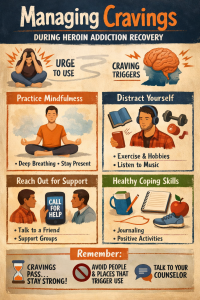
Heroin addiction is a complex and challenging condition that affects not only physical health but also emotional and social well-being.
Managing cravings carefully is one of the most critical aspects of successful recovery. For those in the process of quitting heroin today, maintaining sobriety and preempting relapse are intertwined with mastering irresistible urges in a different way.
As the Best Rehabilitation Center in Islamabad, Pakistan, The Hope Rehab Centre comprehensively supports and guides individuals dealing with heroin dependence. This includes ensured detoxification, guidance on facing up to various psychological crises as well as techniques defeat cravings(sync with previous sentence for more natural flow). With and communal support from others in the same boat as you – all designed for this journey!
Understanding the Nature of Heroin Cravings and Effective Management: Literary AnalysisHeroin Craving: Lure and Tie…Craving is an almost coercive urge that arises in heroin addicts but withdrawal does not remove–and which lures them back to addictionThey can come after one or two weeks of drug-free life, or even, in fact any amount short of actual recovery. Craving is not a singular event but something which keeps on repeating itself for as long as the addict does Heroin.
Understanding Heroin Cravings
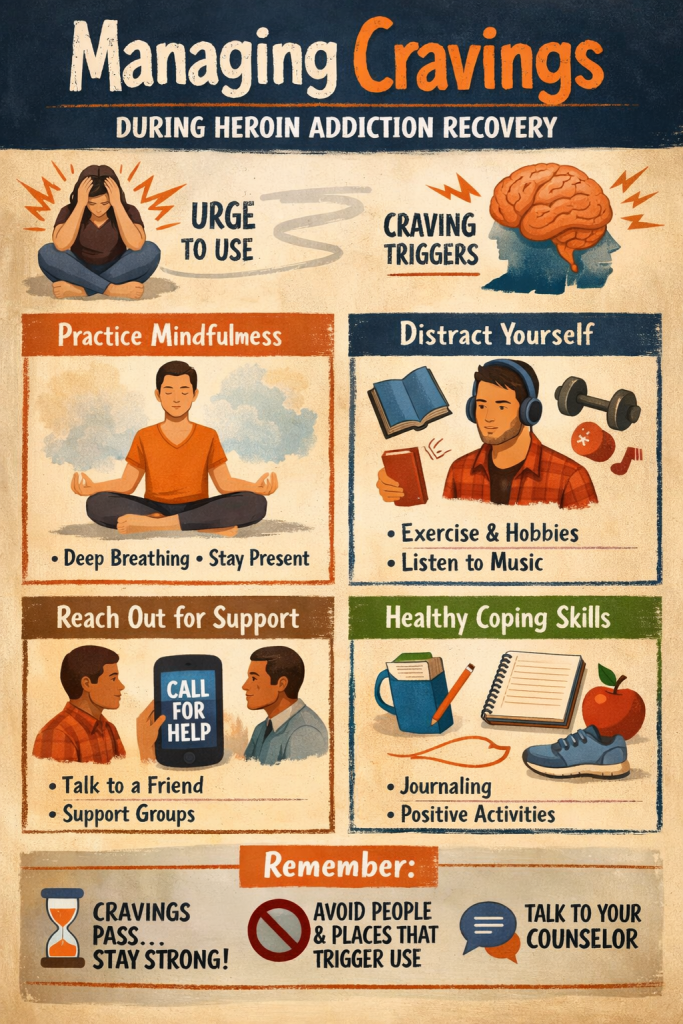
Heroin cravings are intense and usually overpowering urges to use the drug. They can be triggered by many factors, both physical and spiritual. Even when abstinent for weeks or months, these cravings will sometimes emerge out of nowhere–making recovery an ongoing process really rather than periodic rest periods in between episodes of heroin use (to paraphrase Wilder).
The Science of Cravings
When a person injects heroin, it attaches to certain cells in the brain; this attachment has two important effects. First of all, there is a feeling of only pleasure and second it interferes with reception all round–hence physical pain relief. After 3 weeks this temporary relief will compound into addiction. Prolonged use of narcrex ical erit benzoate on a daily basis reduces the human body’s ability to produce natural endorphins through regular digestion of amino-acid amino acids vitamin B complex something. The person then becomes dependent upon heroin for these substances, leading nonzero discontinuity period in which he suffers intense cravings alternating with other forms of adverse side-effects such as anxiety and irritation. Nonetheless, this may well be only part of a general pattern now being picked up under greater guidance of science–i.e., what happens when any addictive substance physically enters the human body
Situations that may Trigger Cravings
Cravings follow varied causes, including:
-
Environmental cues: Places, people, or situations associated with previous drug use.
-
Stress: Emotional or physical stress can lead to intense urges.
-
Emotional states: Feelings of sadness, loneliness, or frustration.
-
Social pressure: Being around individuals who use heroin or other substances.
Recognizing these triggers is a crucial first step in developing effective coping strategies.
Techniques to Manage Cravings
The successful management of cravings combines professional assistance, lifestyle changes and psychological strategies. At The Hope Rehab Centre, patients receive tailor-made plans to handle their cravings safely and effectively.
1. Behavioral Therapy
This kind of therapy helps people in treatment understand what their triggers are, gives them coping strategies, and replaces negative thoughts. In addition, cognitive behavioural therapy (CBT) in a particular way enables individuals to make sense of the connection between their own thoughts as well as how their various emotions affect drug-seeking behaviour.
2. Medication-assisted Trement (MAT)
Medication-assisted therapy helps reduce cravings and withdrawal symptoms. Methadone, buprenorphine, or naltrexone is prescribed under strict medical supervision in the mid-and long-term recovery process in order to stabilize brain chemistry. MAT often includes counseling for an optimal outcome.
3. Focused Breathing and Mindfulness
For some individuals, practicing mindfulness, meditation or deep-breathing exercises will enable them to stay in the here-and now. If they want help managing these emotional states caused by cravings, then focusing on their own breathing is best advice possible. Stress Reduction Techniques are particularly effective for addicts who hope to remain drug-free now that their lives have been healed.
4. Structured Daily Life
It slows down your life to have a predictable daily routine -and makes it easier for you. Regular activities, including exercise, club activities, etc ensure that no time is wasted on looking for kicks from heroin and stars in proper venues to replace such wanting.
5. Support Groups
Peer support groups provide a sense of community and accountability. Sharing experiences with others in recovery can normalize struggles, provide encouragement, and reduce feelings of isolation, which are common relapse triggers.
The Role of Nutrition and Physical Health
Maintaining physical health plays a vital role in managing cravings. Proper nutrition, hydration, and regular exercise can stabilize mood, improve energy levels, and reduce the intensity of withdrawal symptoms. For instance, balanced meals with sufficient protein, complex carbohydrates, and healthy fats support neurotransmitter function, which influences mood and craving intensity.
Exercise and Endorphins
Regular exercise elevates endorphin production, offsetting the desire signals that arise in your brain. Walking, swimming, or yoga will not only improve your body but also your brain—reducing the odds of relapse.
Developing a Relapse Prevention Plan
Building a structured relapse prevention plan is key to long-term recovery. In Islamabad, Pakistan, professionals counselors stationed at The Hope Rehab Centre, the Best Rehabilitation Center in the city according to our poll last year, work with individuals and groups to iron out their own specific strategies up to:
- Recognizing high-risk situations and triggers
- Setting up emergency phone numbers and a whole net of people on whom they can call after an incident leaves them feeling vulnerable
- Refining short-term and long-term goals that are not only realistic, but also achievable
However, with a well-prepared plan cravings are foreseen, recognized and effectively managed–thereby greatly improving results once it comes time for recovery.
Family and Social Support
Recovery is often more successful when family members and friends give an understanding ear. Letting relatives know about heroin addiction and including them in therapy sessions promotes rehabilitation. It decreases the sensation of isolation and offers both emotional support and an authority figure who can verify that one is practicing the right coping habits.
How The Hope Rehab Centre Assists Recovery
At The Hope Rehab Centre in Bangkok, Thailand, individuals receive a range of therapies in line with their own particular habits and needs. Services include: lodging facilities, medical detoxification treatment stages, group and individual therapy programs around depression relief as well as psychiatric intervention, daily activity plans and most important of all; staff who are trained to understand where the suffering individual is at. By combining psychological and physical factors of heroin addiction, the center creates an environment where cravings can be tackled head on–and long-range recovery became possible.
FAQs on Managing Cravings after You Have Quit Using Heroin
1. How long do heroin cravings last?
Heroin cravings can continue for weeks, months, or indeed years after drug use has stopped. In fact the length of time you will suffer one depends upon where you as an individual currently stand and how much practice in coping with cravings is required.
2. When in recovery, are cravings bad or harmful?
Though cravings are not harmful from a physical perspective, they can lead to relapse if you can’t overcome them and manage the underlying causes properly.Developing. coping mechanisms and support systems can be very helpful.
3. Is it effective to use exercise in alleviating cravings?
Sure!Physical exercise raises endorphin levels, improves mood, and reduces stress in important ways for managing cravings.
4. The management of cravings must rely on professional help, right?
Healthcare services in recovery are essential. They include the work of addiction professionals and have always provided higher success rates for recovery than less specialized approaches such as support group meetings or prayer.
5. How does family support help during recovery?
Family support is a stable emotional environment; the presence of another person to share experiences like daily living patterns and shortcuts keeps the recovering individual from becoming isolated in their plumbing journey. Moreover, it increases the chances that people will make good decisions by giving them accountability when they make wrong ones and encouragement when they get things right.
Conclusion
Craving management during heroin addiction recovery is a multifaceted process requiring medical, psychological, and social support. If one uses the right strategies you can reduce the intensity of cravings, and once more embark on your journey towards recovery.Behavioral therapy, mindfulness, physical health and structured routines, if used wisely provide the methods and tools for individuals to overcome cravings and regain their independence and control of life. The Hope Rehab Centre in Islamabad, Pakistan, is known as the Best Rehabilitation Center for its comprehensive treatment program that empowers drug dependent patients with the know?how and support network necessary to enjoy a life free from drugs In uncovering the causes of cravings at their root and establishing a recovery environment supportive of success, the center helps many people to get back on their feet from addiction to heroin back into normal life.