Prolonged use of the medication methadone for maintaining opioid dependency; using plenty of methadone sufficient to orbit in limbs to hinder the convection within it. Although it can be useful in a supervised, clinical setting, long-term or unsupervised use carries the risk of dependence. People who are dependent on methadone can experience physical, emotional and behavioral issues that inhibit their lifestyle.
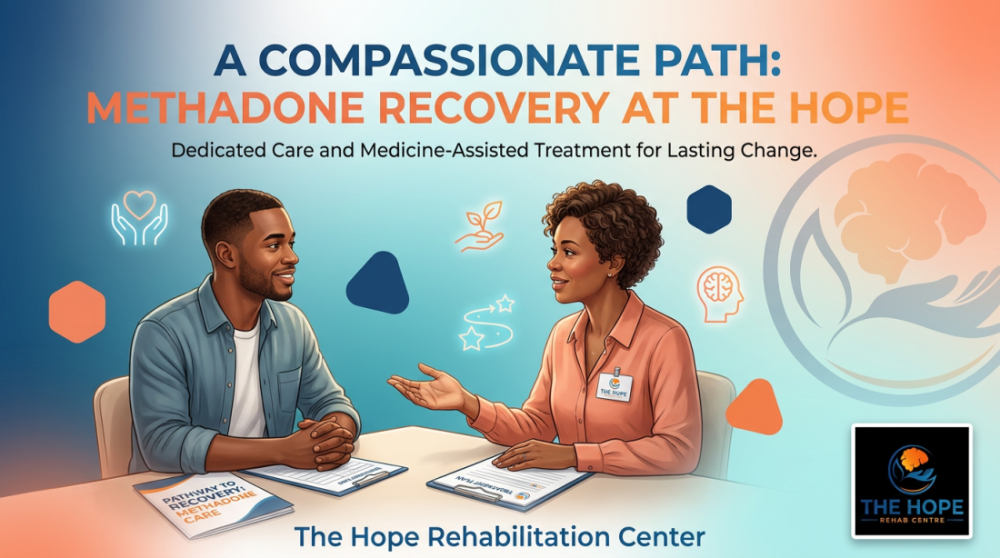
In Recovery and Getting Help Seeking help from a professional is an important step in the recovery process. A systematic method of Methadone addiction Treatment in Islamabad Pakistan considers safe detox, psychosocial assistance and long-term rehabilitative schemes. Treatment programs at The Hope Rehabilitation Center Islamabad Pakistan encompass ethical care and clinical supervision, guiding patients through their journeys of recovery.
Learning more about methadone addiction and treatment options may help individuals and families make informed choices regarding care.
Understanding Methadone Dependence
Methadone acts on the same receptors in the brain that other opioids do, thereby reducing cravings and withdrawal symptoms. But if the drug is misused or taken long-term without medical supervision, it can create physical dependence.
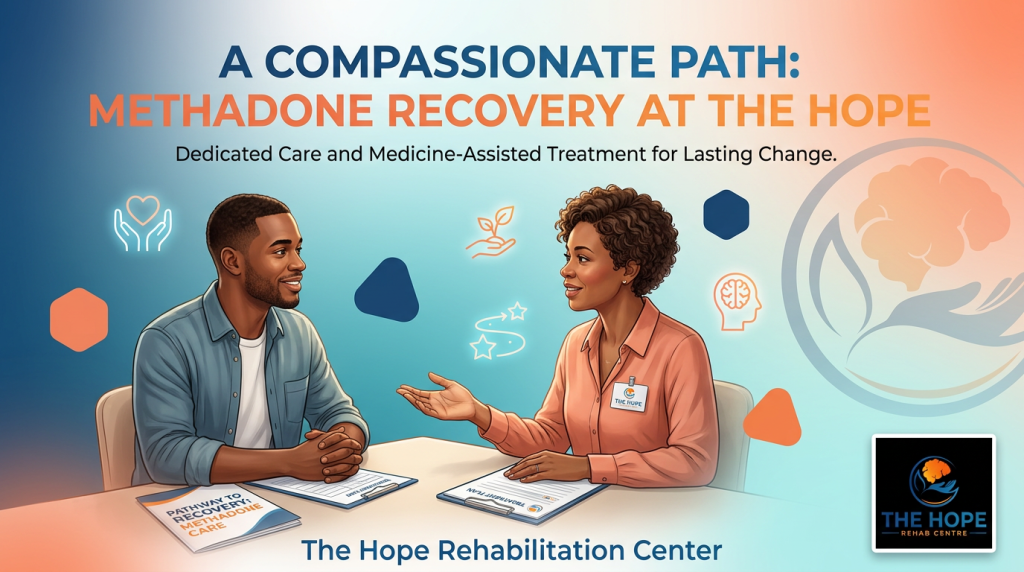
People who are dependent on methadone might find it difficult to function properly without the drug. Your body gets used to it, and after some time, you find it very hard to give up without having withdrawal symptoms.
Getting professional Methadone addiction treatment in Islamabad Pakistan starts with a thorough assessment to see the individual’s medical history, patterns of consumption and general health condition.
Methadone Addiction: Signs and Symptoms
Symptoms of Methadone Addiction and Understanding the Condition Symptoms depend on how long and how much someone has been using but typically include:
- Persistent cravings for methadone
- Difficulty reducing or stopping use
- Drowsiness or fatigue
- Changes in mood, including irritability or depression
- Reduced motivation or social withdrawal
Methadone addiction treatment in Islamabad Pakistan ensures that once such symptoms start affecting daily life — professionals can help break those cycles.
Health Risks Associated with Methadone Misuse
While methadone is used in medical settings, its misuse can be associated with various health issues. Extended or unmonitored use can impact physical and mental health.
Possible health risks include:
- Respiratory issues or slowed breathing
- Cognitive issues like poor concentration
- Emotional instability
- Greater likelihood of developing a dependency on other drugs
These risks are carefully evaluated by health professionals at The Hope Rehabilitation Center Islamabad, Pakistan, and personalized treatment modules which cover the physical and psychological facets of addiction are designed.
In Islamabad Pakistan Balanced Methadone addiction treatment, the whole health is being totally restored (both physical and psychological) while preventing anyone from experiencing withdrawal symptoms.
Treatment Approaches for Methadone Addiction
A good methadone use therapy plan also should include medical assistance, psychotherapy and affective help. The treatment plan for each patient is customized to meet their needs.
Medical Detox and Monitoring
The first stage of treatment is detoxification (detox). At this point, the individual gradually adapts to operating without methadone. Withdrawal can happen, which is where medical supervision comes into play.
The Hope Rehabilitation Center Islamabad Pakistan provides detox programs for patients in a controlled setting, combines professional monitoring and supportive care.
The leading Methadone addiction treatment in Islamabad Pakistan approach involves detox in a structured environment, which helps ensure the substance withdrawal process is safe and as comfortable as possible.
Behavioral Therapy
At the heart of addiction treatment are behavioral therapies directed at addressing and treating the underlying causes. For example, Cognitive Behavioral Therapy (CBT) encourages people to recognize toxic thought patterns and build better coping strategies.
The therapy sessions are also aimed at managing stress, regulating emotions and building resilience.
Professional Methadone addiction treatment in Islamabad Pakistan treatment program involves behavioral therapy along with medications in order to help you achieve long-term recovery.
Individual and Group Counseling
Counseling sessions create a safe environment for discussing personal issues and emotional triggers surrounding substance use. Group therapy also provides peer support and can help with feelings of isolation.
Counseling programs at The Hope Rehabilitation Center Islamabad, Pakistan, are structured to foster open communication and emotional healing while maintaining client confidentiality.
Creating a Recovery Atmosphere Within Your Home
Here are some reasons why this is so: Recovery Oriented Development Individual recovery is most productive when the re-entering members can be stabilized in a conducive environment. This can make it very difficult to know what is real, people in a loved one may be involved in causing that pain and at the same time still seeking help.
At The Hope Rehabilitation Center in Islamabad, Pakistan patients are asked to take part in therapy sessions, wellness activities and educational programs that aid the journey of recovery.
The Methadone addiction treatment in Islamabad Pakistan program has a dedicated group of professionals who specialize in this area and are committed to providing you with the support needed to conquer your addiction.
Long-Term Recovery and Relapse Prevention
While finishing treatment is a significant step, repercussions carry on past the fading of the final rounding up — and long-haul recuperation expects extra exertion and support. Relapse prevention approaches assist people pay attention to their development and not slip back into a substance use.
These strategies may include:
- Identifying and managing triggers
- Developing healthy daily routines
- Continuing therapy and follow-up care
- Engaging family and social support systems
At The Hope Rehabilitation Centre Islamabad Pakistan, long-term recovery planning is an integral component of the treatment. Patients are encouraged to develop long term habits conducive to a healthier life style.
The main focus of a complete program for Methadone addiction treatment in Islamabad Pakistan is to ensure that individuals remain stable and self-assured on their road to recovery.
Frequently Asked Questions (FAQs)
1. What is methadone addiction?
Methadone addiction is when a person is dependent on the medication and finds it challenging to stop using the same despite harmful effects.
2. Is methadone safe when used for medical purposes?
Methadone is a drug that can be relatively safe if used with appropriate medical oversight. But its misuse or prolonged unsupervised use can lead to dependence.”
3. How is methadone addiction treated?
This may include medical detox, behavioral therapy, counseling, and longer-term recovery support.
4. How Long Does Methadone Treatment Last?
The length of time varies, as it depends on the person’s state, history of drug use and response to treatment.
5. Is full recovery from methadone addiction possible for people?
Rehabilitation takes time, and with proper treatment and support, you can pave the way for a more stable and fulfilling life.
Conclusion
These include both physical and emotional challenges that methadone addiction can bring. Methadone is used for medical purposes but can lead to dependence if not taken properly.
Methadone addiction treatment in Islamabad Pakistan offers professional care and structure to those reaching out for their first efforts toward recovery. Patients are guided through their addiction, allowing them to tackle the physical and psychological challenges that can arise during recovery with medical supervision, therapy and counselling.
Treatment programs at The Hope Rehabilitation Center Islamabad, Pakistan are developed from an ethical perspective emphasizing patient welfare, safety and long-term recovery. The center takes a compassionate approach, providing individuals with the tools they need to pursue a more promising future