A Psychiatric Treatment Center can provide specialized support for people experiencing mental health conditions that affect emotions, thinking, behavior, relationships, or daily functioning. Psychiatric care may be particularly important when symptoms are persistent, severe, or difficult to manage without professional assistance.
Mental health treatment is different for every individual. Depending on the person’s condition, care may include psychiatric assessment, medication management, psychological therapy, behavioral support, family education, and continuing follow-up. The Hope Rehabilitation Center Islamabad, Pakistan emphasizes an individualized and respectful approach to mental health and rehabilitation.
What Is a Psychiatric Treatment Center?
A psychiatric treatment center is a healthcare setting where people can receive professional assessment and treatment for mental health conditions. Psychiatric care is generally provided by qualified mental health professionals, including psychiatrists and other members of a multidisciplinary care team.
Treatment may address symptoms such as persistent sadness, severe anxiety, mood instability, unusual thoughts, hallucinations, sleep disturbances, or significant behavioral changes.
The purpose of psychiatric care isn’t simply to reduce symptoms. Treatment may also focus on improving daily functioning, relationships, coping skills, and overall well-being.
When Psychiatric Treatment May Be Needed
Not every emotional difficulty requires psychiatric treatment. However, professional assessment may be appropriate when symptoms persist or significantly interfere with everyday life.
Potential warning signs include:
- Persistent sadness or hopelessness
- Severe or ongoing anxiety
- Major changes in mood or behavior
- Significant sleep disturbances
- Difficulty concentrating
- Social withdrawal
- Unusual thoughts or perceptions
- Difficulty managing everyday responsibilities
- Severe changes in appetite or energy
- Thoughts of self-harm or suicide
Anyone experiencing an immediate risk of self-harm or harm to others should receive urgent emergency assistance rather than waiting for a routine appointment.
Common Conditions Treated
A Psychiatric Treatment Center may provide assessment and treatment for a range of mental health conditions.
Depression and Anxiety
Depression may involve persistent low mood, loss of interest, fatigue, sleep changes, and difficulty concentrating. Anxiety disorders can involve excessive worry, fear, restlessness, and physical symptoms.
Treatment may include psychotherapy, medication, or a combination, depending on the individual’s needs and professional assessment.
Bipolar Disorder and Psychotic Disorders
Bipolar disorder can involve significant episodes of depression and elevated or unusually activated mood. Psychotic disorders may involve symptoms such as hallucinations, delusions, or significant changes in thinking and behavior.
These conditions can require ongoing psychiatric monitoring and an individualized treatment plan.
Psychiatric Assessment
A detailed assessment is an important part of psychiatric care. A professional may review:
- Current symptoms
- Medical history
- Previous psychiatric treatment
- Family mental health history
- Medication and substance use
- Sleep and daily functioning
- Social and family circumstances
- Current safety concerns
This information helps the care team understand the person’s situation and determine appropriate treatment options.
Medication Management
Medication can play an important role in treating some psychiatric conditions. Depending on the diagnosis, a psychiatrist may consider antidepressants, mood stabilizers, antipsychotic medicines, or other appropriate medications.
Medication should always be prescribed and monitored by qualified healthcare professionals. Individuals shouldn’t start, stop, or change psychiatric medication without appropriate medical guidance.
Treatment decisions should take potential benefits, side effects, interactions, existing health conditions, and individual circumstances into account.
Psychological Therapy and Counseling
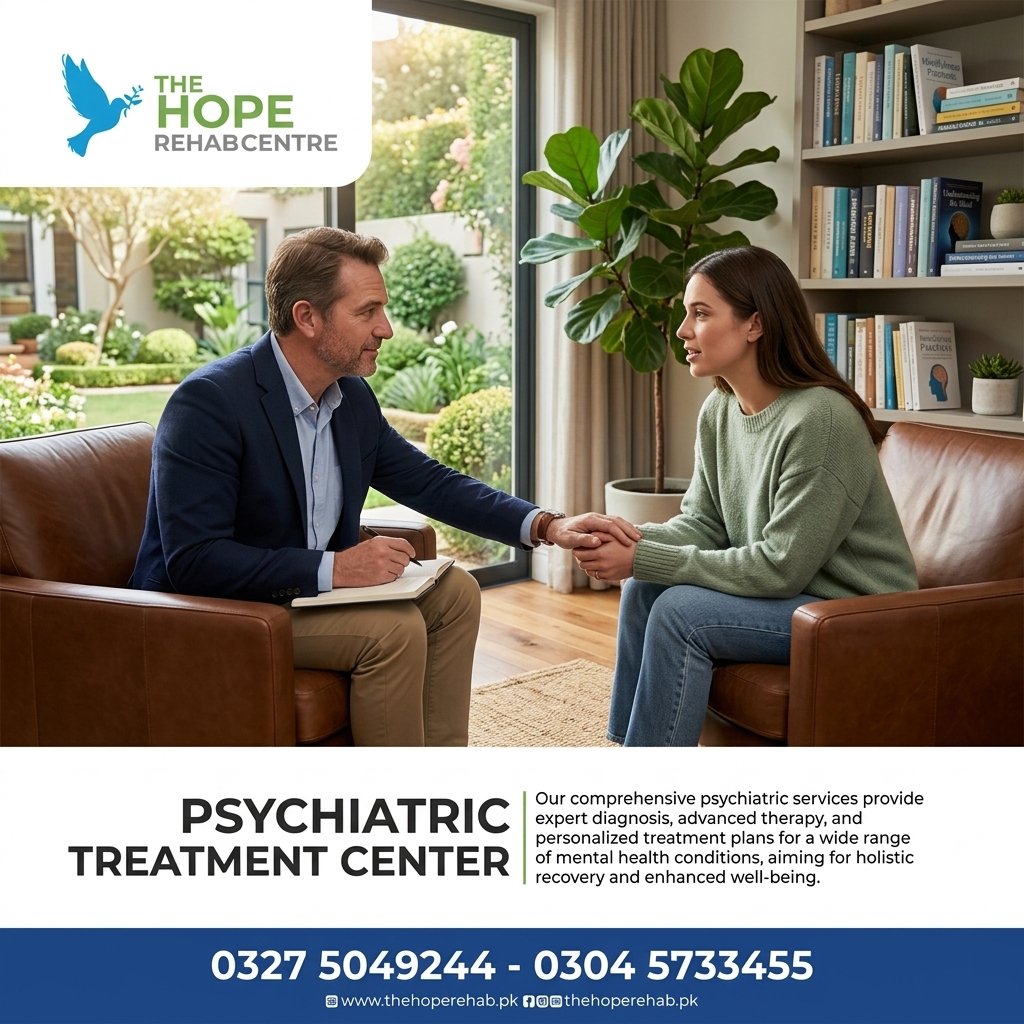
Medication isn’t the only form of psychiatric care. Psychological therapies can help individuals understand thoughts, emotions, behaviors, and triggers.
Depending on the condition, evidence-based approaches such as cognitive behavioral therapy may help develop coping skills, improve emotional regulation, manage stress, and address unhealthy behavioral patterns.
Combining psychiatric and psychological care can be useful for some individuals.
Dual Diagnosis and Substance Use
Mental health conditions can occur alongside alcohol or drug use disorders. This is sometimes described as a co-occurring disorder or dual diagnosis.
Substance use can worsen psychiatric symptoms, while untreated mental health difficulties may contribute to problematic substance use. When both are present, an integrated assessment can help ensure that treatment addresses the person’s broader needs.
Family Support
Mental health conditions can affect spouses, parents, children, and other relatives. Families may not always understand why certain symptoms or behaviors are occurring.
Family education can help relatives understand the condition, communicate more effectively, support treatment, and recognize warning signs. Healthy boundaries are also important for protecting the well-being of both the individual and family members.
Inpatient and Outpatient Psychiatric Care
Psychiatric treatment can take different forms. Outpatient care allows individuals to attend appointments while continuing their usual daily activities.
More intensive or residential care may be considered when symptoms are severe or when an individual requires closer supervision and structured support.
The appropriate level of care should be determined through professional assessment rather than based solely on personal preference.
Choosing a Psychiatric Treatment Center
When considering a Psychiatric Treatment Center, families can ask:
- Are qualified psychiatric professionals involved?
- Is a comprehensive mental health assessment provided?
- Are treatment plans individualized?
- How is medication monitored?
- Are psychological therapies available?
- Can substance use and co-occurring conditions be assessed?
- Is family education available?
- How are psychiatric emergencies handled?
- Is follow-up care provided?
Clear answers to these questions can help individuals make informed healthcare decisions.
The Hope Rehabilitation Center Islamabad, Pakistan
The Hope Rehabilitation Center Islamabad, Pakistan provides a structured setting for individuals and families seeking support for mental health and rehabilitation-related concerns. Depending on individual needs and professional assessment, care may involve counseling, behavioral support, family education, rehabilitation planning, and continuing care.
Mental health treatment should remain individualized, respectful, and guided by qualified professionals. No single treatment approach is appropriate for everyone.
Frequently Asked Questions
1. What does a psychiatric treatment center provide?
A psychiatric treatment center may provide mental health assessment, psychiatric consultation, medication management, psychological therapy, behavioral support, and continuing care depending on available services and individual needs.
2. When should someone see a psychiatrist?
Professional assessment may be appropriate when mental health symptoms are persistent, severe, worsening, or interfering significantly with daily life, relationships, work, or education.
3. Does psychiatric treatment always involve medication?
No. Treatment depends on the condition and individual circumstances. Some people may benefit from psychotherapy or other non-medication approaches, while others may require medication or a combination of treatments.
4. Can psychiatric treatment and addiction treatment be combined?
Yes. When mental health conditions and substance use disorders occur together, addressing both concerns as part of an integrated treatment plan can be important.
5. How long does psychiatric treatment take?
There is no universal treatment duration. It depends on the diagnosis, severity of symptoms, response to treatment, individual circumstances, and ongoing clinical assessment.
Conclusion
A Psychiatric Treatment Center can provide important professional support for people experiencing mental health conditions that affect their daily lives. Comprehensive assessment is an essential first step in understanding symptoms and selecting appropriate care.
Psychiatric treatment may involve medication, psychotherapy, behavioral support, family education, or a combination of approaches. At The Hope Rehabilitation Center Islamabad, Pakistan, an individualized and compassionate approach can help individuals and families navigate mental health challenges while supporting ongoing recovery and well-being.