Heroin addiction is a serious substance use disorder that can affect physical health, mental well-being, relationships, education, employment, and everyday life. Because heroin is an opioid, repeated use can lead to strong cravings and physical dependence. Over time, a person may continue using the drug even when they understand its harmful effects.
Recovery is possible, but heroin dependence often requires structured and professional support. The Hope Rehabilitation Center Islamabad, Pakistan recognizes that addiction should be approached as a health condition rather than a reason for shame or judgment. Appropriate care can address both substance use and the factors that may contribute to it.
Understanding Heroin Addiction
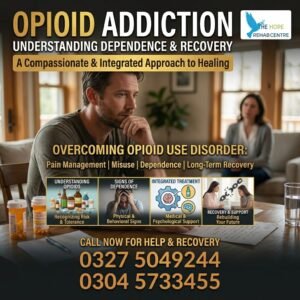
Heroin is an opioid that can produce feelings of relaxation, pleasure, and drowsiness. With repeated use, the brain adapts to the drug. This can result in tolerance, meaning a person may need more of the substance to achieve similar effects.
Physical dependence can also develop. When heroin use is reduced or stopped, withdrawal symptoms may appear. These symptoms can make recovery difficult without appropriate guidance and support.
Heroin addiction may affect a person’s ability to control their drug use. Signs can include spending significant time obtaining or using heroin, neglecting responsibilities, experiencing strong cravings, and continuing use despite health or relationship problems.
Why Heroin Addiction Develops
There isn’t one single cause of heroin addiction. Several biological, psychological, and social factors can increase a person’s vulnerability.
Physical Dependence and Brain Changes
Repeated opioid exposure can change the brain’s reward and stress systems. These changes can contribute to cravings and make it difficult to stop using heroin without support.
A person’s history of opioid exposure, genetics, and overall health may also influence the risk of developing dependence.
Psychological and Social Risk Factors
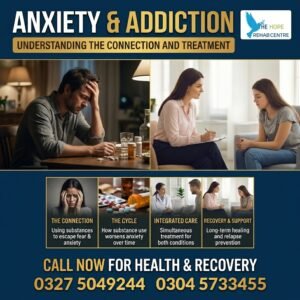
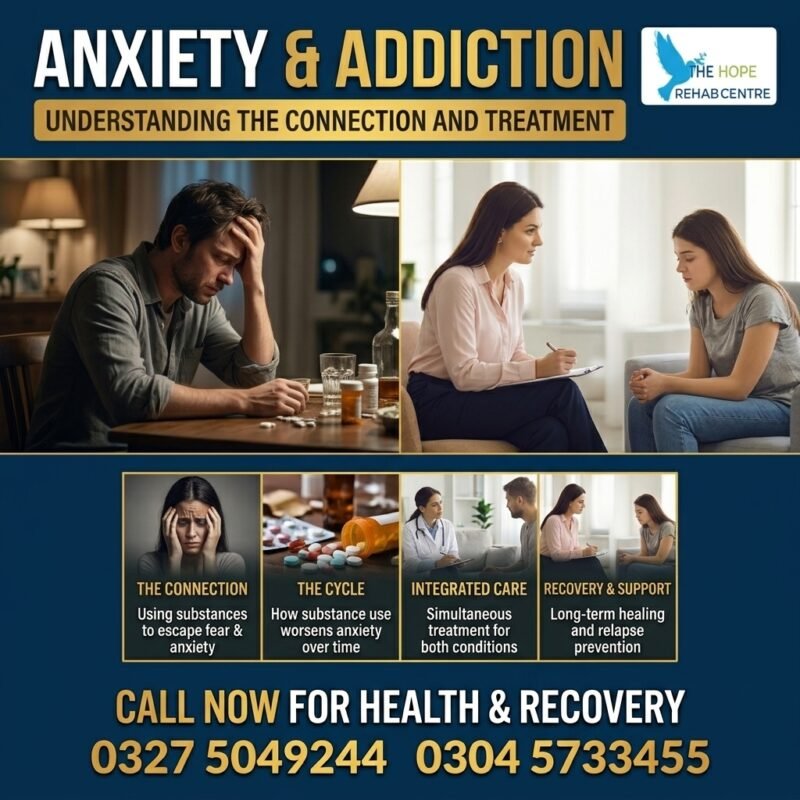
Mental health concerns such as depression, anxiety, trauma, or chronic stress can sometimes occur alongside substance use. Social isolation, peer pressure, unstable living conditions, and exposure to drug use may also contribute.
Understanding these factors is important because effective treatment should address more than the drug itself.
Common Signs of Heroin Addiction
Possible warning signs include:
- Strong or frequent cravings for heroin
- Difficulty reducing or stopping use
- Spending considerable time obtaining or using the drug
- Changes in sleep, appetite, or daily behavior
- Neglecting work, studies, or family responsibilities
- Withdrawal symptoms when heroin is not available
- Continued use despite physical, financial, or relationship problems
- Increasing secrecy or social withdrawal
One sign alone doesn’t necessarily prove addiction. A qualified healthcare professional can provide a proper assessment.
Health Effects of Heroin Use
Heroin can have serious effects on the body. Short-term effects may include drowsiness, slowed breathing, nausea, and impaired judgment. Long-term use can contribute to dependence, infections, constipation, respiratory problems, and other health complications.
Sharing needles or other injection equipment can increase the risk of infections such as HIV and hepatitis. Contaminated or unexpectedly potent substances can also increase overdose risk.
Overdose and Other Medical Risks
Opioid overdose can cause extremely slow or stopped breathing, unconsciousness, and death. An overdose is a medical emergency. If someone is suspected of overdosing, seek emergency medical help immediately. Where available, naloxone can temporarily reverse opioid overdose and should be followed by emergency care.
Heroin Withdrawal and Detoxification
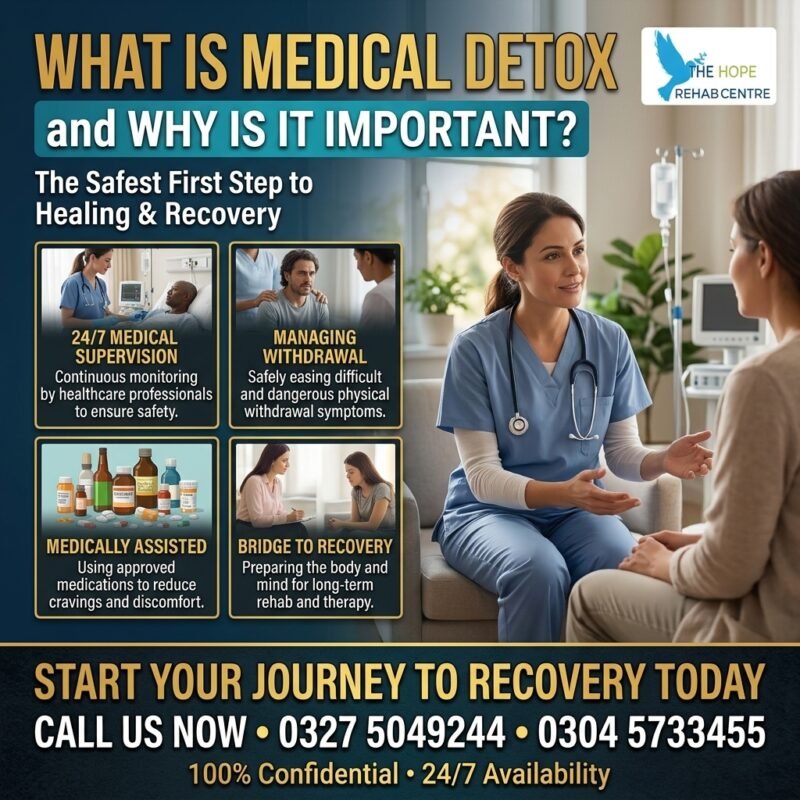
Withdrawal may begin after the effects of heroin wear off. Common symptoms can include muscle aches, sweating, restlessness, anxiety, runny nose, stomach problems, nausea, vomiting, diarrhea, and sleep difficulties.
Although opioid withdrawal is often not medically dangerous in the same way as severe alcohol or benzodiazepine withdrawal, it can be intense and may increase the risk of returning to opioid use. Reduced tolerance after a period without heroin can also increase overdose risk if a person returns to a previous amount.
For these reasons, professional assessment and medically informed treatment can make the recovery process safer and more manageable.
Assessment Before Treatment
A comprehensive assessment can help determine the appropriate level of care. Professionals may consider:
- Heroin and other substance use history
- Physical health and medical conditions
- Mental health symptoms
- Previous treatment or relapse history
- Family and social circumstances
- Current safety concerns
Treatment should be individualized rather than based on a one-size-fits-all plan.
Heroin Addiction Treatment Approaches
Effective care can involve several components. Depending on the individual’s needs, treatment may include medical care, behavioral therapy, counseling, family involvement, and continuing recovery support.
Behavioral Therapy and Counseling
Counseling can help people understand triggers, recognize unhealthy patterns, manage cravings, and develop healthier coping skills. Behavioral approaches can also address thoughts and behaviors associated with continued substance use.
Individual and group counseling may provide opportunities to work on communication, emotional regulation, decision-making, and relapse prevention.
Medical Treatment and Recovery Support
For opioid use disorder, evidence-based medications may be considered by qualified healthcare professionals. Medication-assisted treatment can reduce cravings and withdrawal and may support long-term recovery for appropriate patients.
The specific treatment plan should be determined by a licensed medical professional after considering the person’s health, substance use history, and individual circumstances.
The Importance of Family Support
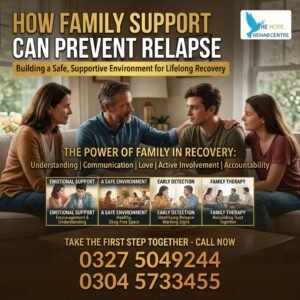
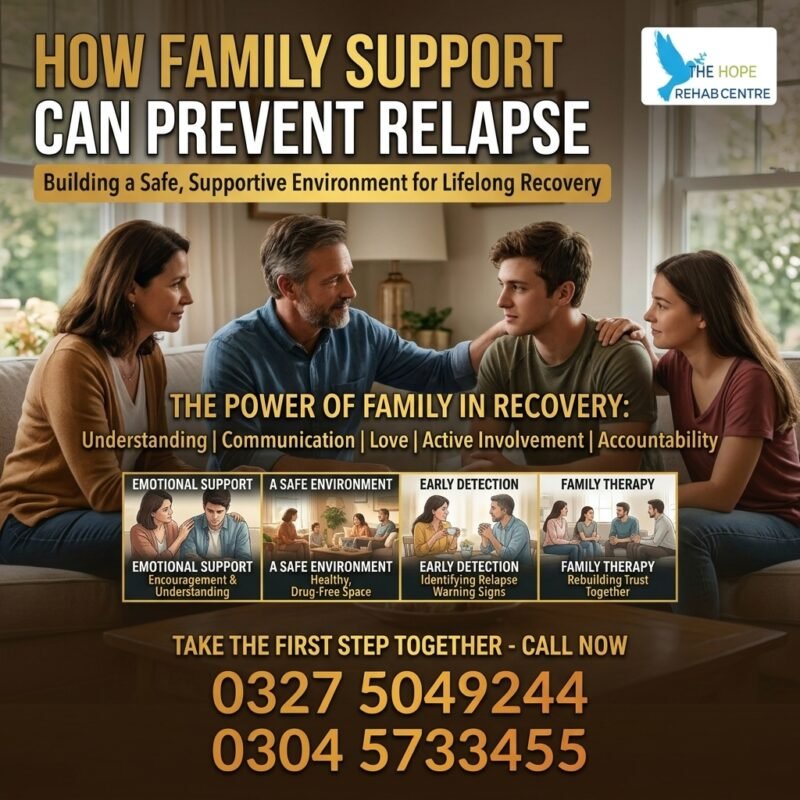
Addiction affects families as well as individuals. Family members can support recovery by learning about substance use disorder, encouraging professional care, communicating without unnecessary blame, and maintaining healthy boundaries.
Families also need support for themselves. Counseling and education can help relatives respond to difficult situations in a constructive way while protecting their own well-being.
Relapse Prevention and Aftercare
Recovery doesn’t end when a person completes an initial treatment program. Aftercare can help maintain progress and identify warning signs early.
A continuing plan may include counseling appointments, peer support, healthy routines, family involvement, and strategies for handling cravings or high-risk situations.
Relapse can happen, but it doesn’t mean treatment has failed. It can be a signal that the recovery plan needs reassessment and additional support.
The Hope Rehabilitation Center Islamabad, Pakistan
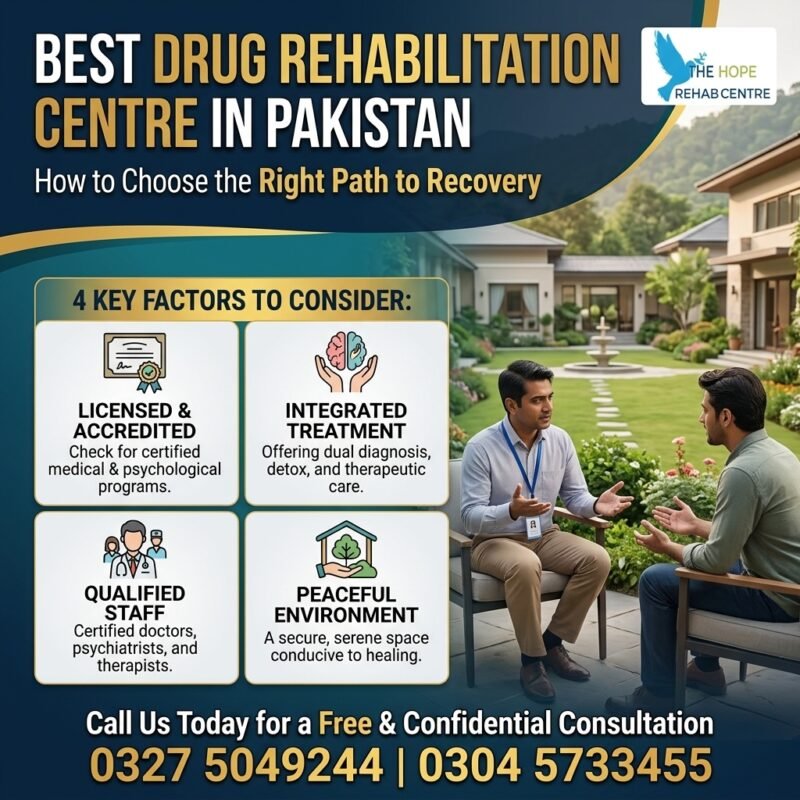
At The Hope Rehabilitation Center Islamabad, Pakistan, addiction recovery can be approached through structured support that considers the individual’s physical, emotional, and social needs. A responsible rehabilitation plan should focus on assessment, counseling, recovery skills, family education, and continuing support when appropriate.
The goal of addiction care is not simply to stop substance use for a short period. Sustainable recovery also involves rebuilding healthy routines, improving relationships, developing coping skills, and addressing underlying concerns that may contribute to substance use.
Frequently Asked Questions
1. What are the signs of heroin addiction?
Common signs include strong cravings, difficulty controlling use, withdrawal symptoms, neglect of responsibilities, and continued heroin use despite harmful consequences.
2. Can heroin addiction be treated?
Yes. Heroin addiction is treatable. Treatment may involve counseling, behavioral therapy, medical care, medications for opioid use disorder, family support, and aftercare, depending on individual needs.
3. Is heroin withdrawal dangerous?
Opioid withdrawal can be very uncomfortable and may create significant challenges during recovery. Medical assessment is recommended, particularly when there are other health conditions or substances involved.
4. Can someone recover from heroin addiction without family support?
Recovery can happen with different forms of support. Family involvement can be helpful, but professional counseling, peer support, and appropriate medical care can also play important roles.
5. What should I do if someone overdoses on heroin?
Treat a suspected overdose as an emergency. Contact emergency medical services immediately. If naloxone is available and you are trained to use it, administer it according to its instructions while waiting for emergency help.
Conclusion
Heroin addiction is a complex health condition that can affect nearly every part of a person’s life. Recognizing the warning signs and seeking appropriate professional help can be an important step toward recovery.
With individualized treatment, counseling, medical support when appropriate, family education, and ongoing aftercare, people affected by opioid dependence can work toward healthier and more stable lives. Most importantly, addiction should be met with compassion, informed care, and practical support rather than shame.