Anxiety and addiction are closely connected mental health concerns that can affect a person’s emotions, relationships, physical health, and daily life. People experiencing anxiety may turn to alcohol, prescription medications, or other substances to cope with persistent worry, fear, panic, or emotional distress. Although substance use may provide temporary relief, it can worsen anxiety over time and increase the risk of dependence.
Understanding the relationship between anxiety and addiction is an important step toward recovery. With appropriate assessment, professional treatment, and ongoing support, individuals can learn healthier coping strategies and work toward improved mental well-being.
What Is Anxiety?
Anxiety is the body’s natural response to stress or perceived danger. Occasional anxiety is normal, but persistent or overwhelming anxiety may indicate an anxiety disorder that requires professional attention.
Common symptoms of anxiety include:
- Excessive worry or fear
- Restlessness, irritability, or difficulty relaxing
- Rapid heartbeat, sweating, or trembling
- Difficulty concentrating
- Sleep disturbances
- Muscle tension and fatigue
- Panic attacks or a feeling of losing control
Anxiety disorders can affect people of different ages and backgrounds. Their causes may include genetics, stressful experiences, medical conditions, environmental factors, and changes in brain function.
What Is Addiction?
Addiction, often described clinically as a substance use disorder when substances are involved, is a condition in which a person experiences difficulty controlling substance use despite harmful consequences.
Substances such as alcohol, opioids, nicotine, and certain sedative medications can affect the brain’s reward, motivation, and stress systems. Over time, some individuals develop tolerance, cravings, withdrawal symptoms, or continued use despite problems at home, work, school, or in their health.
Addiction is not simply a lack of willpower. It is a complex health condition that can benefit from evidence-based treatment, compassionate care, and long-term support.
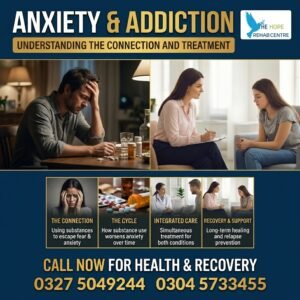
How Are Anxiety and Addiction Connected?
Anxiety and addiction can influence each other in several ways.
1. Self-Medication and Temporary Relief
Some people use substances in an attempt to manage anxiety symptoms. Alcohol or sedatives may initially create a sense of relaxation, while other substances may temporarily change mood or energy levels.
However, this relief is often short-lived. As the effects wear off, anxiety may return or become more intense. Repeated substance use can establish a cycle in which a person relies increasingly on a substance to manage uncomfortable emotions.
2. Substance Use Can Worsen Anxiety
Certain substances can trigger or intensify anxiety. Stimulants may increase heart rate, restlessness, and panic-like symptoms. Alcohol can disrupt sleep and contribute to anxiety as its effects wear off. Withdrawal from some substances can also cause significant anxiety.
When symptoms appear after substance use, during intoxication, or during withdrawal, a healthcare professional can help determine their likely cause.
3. Shared Risk Factors
Anxiety and addiction may develop alongside common risk factors, including trauma, chronic stress, family history, social isolation, and other mental health conditions. These factors do not guarantee that someone will develop either condition, but they may increase vulnerability.
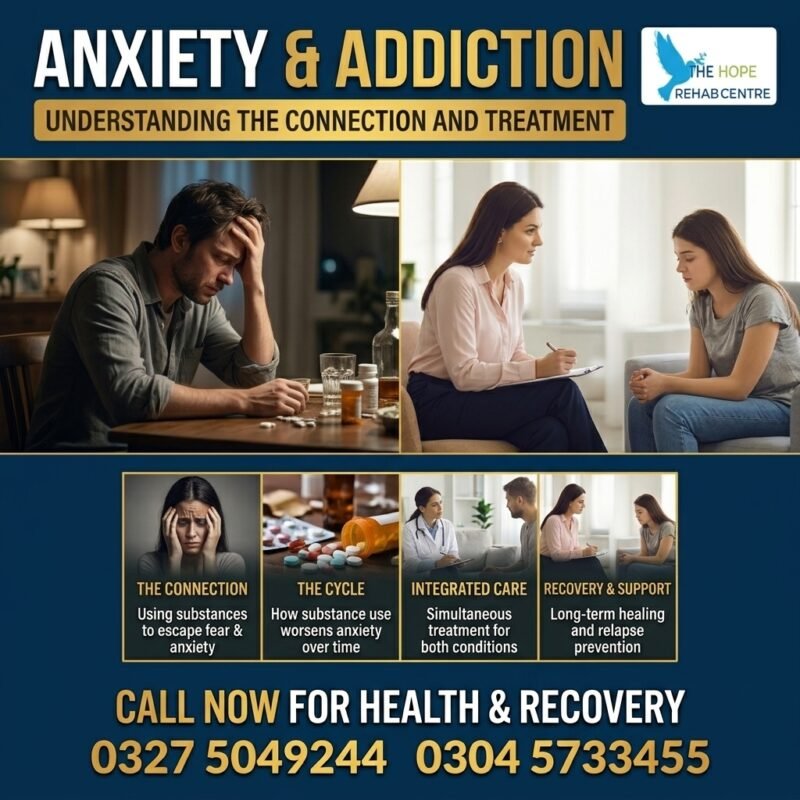
4. A Cycle of Fear and Dependence
A person may use substances to escape anxious feelings, experience worse anxiety afterward, and then use more substances to cope. Over time, this pattern can affect relationships, finances, physical health, and confidence.
Breaking this cycle often requires treatment that addresses both anxiety and substance use rather than focusing on only one concern.
Signs That Anxiety and Addiction May Occur Together
Recognizing the warning signs can help individuals and families seek support earlier. Possible signs include:
- Using alcohol or drugs to feel calm, sleep, or manage stress
- Feeling anxious when a substance is unavailable
- Experiencing increased panic, irritability, or restlessness after use
- Needing more of a substance to achieve a similar effect
- Repeatedly trying to reduce substance use without success
- Continuing substance use despite health or relationship problems
- Avoiding social activities or responsibilities because of anxiety or substance use
These signs do not establish a diagnosis on their own. A qualified healthcare professional can assess the symptoms, substance use history, and other possible causes.
Treatment for Anxiety and Addiction
Effective care should be individualized according to a person’s symptoms, medical history, substance use patterns, and recovery goals.
1. Professional Assessment
A comprehensive assessment can help identify whether anxiety began before substance use, developed afterward, or is related to intoxication or withdrawal. Clinicians may also screen for depression, trauma-related conditions, sleep problems, and other concerns.
2. Psychological Therapy
Cognitive behavioural therapy (CBT) can help individuals recognize unhelpful thought patterns, manage anxiety triggers, and develop healthier responses to stress. Other therapeutic approaches may be appropriate depending on the person’s needs.
Therapy can also address the emotional and behavioural patterns associated with substance use.
3. Medication When Appropriate
Healthcare professionals may recommend medication for certain anxiety disorders or substance use disorders. The choice depends on the diagnosis, medical history, and potential risks.
Medication should be prescribed and monitored by a qualified clinician. Some sedative medications can cause dependence and require particular caution when substance use is also present.
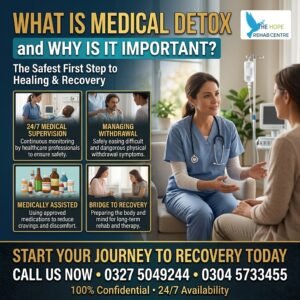
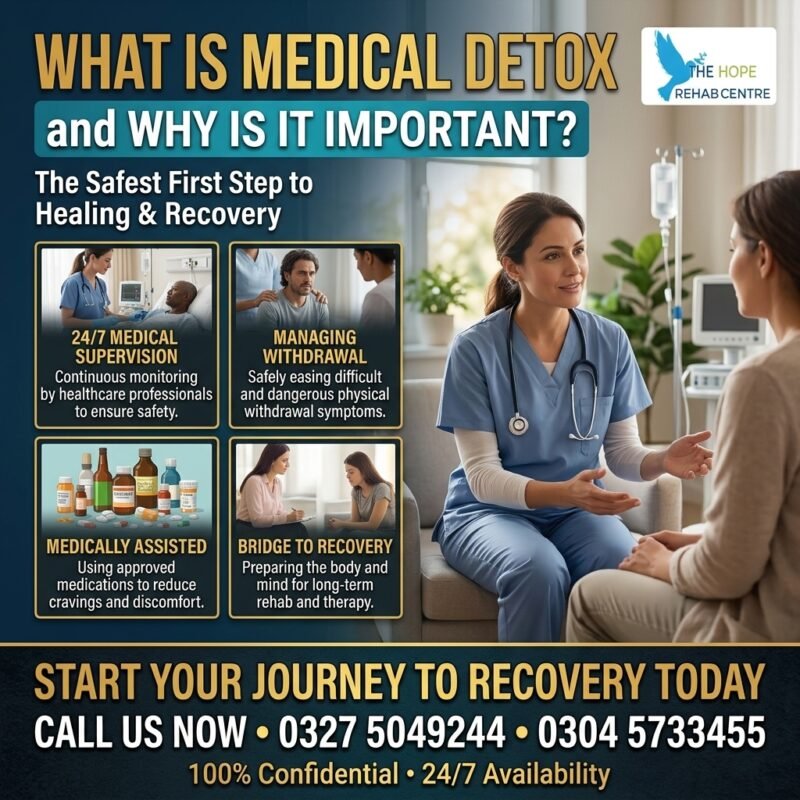
4. Medically Supervised Withdrawal Support
Some individuals need medical support when reducing or stopping substance use. Alcohol and benzodiazepine withdrawal can be dangerous, so people who use these substances heavily or regularly should seek medical advice before stopping abruptly.
Withdrawal management is only one part of treatment. Continued psychological, medical, and recovery support may be needed to reduce the risk of returning to substance use.
5. Healthy Coping Strategies
Recovery can be supported by practical habits such as maintaining a consistent sleep routine, engaging in appropriate physical activity, practising relaxation techniques, building supportive relationships, and identifying situations that trigger anxiety or cravings.
These strategies complement professional care rather than replacing it.
Support for Anxiety and Addiction at The Hope Rehabilitation Center Islamabad, Pakistan
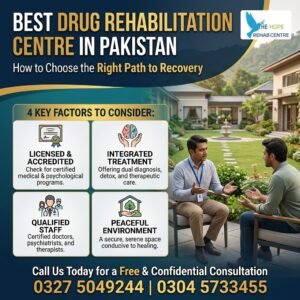
The Hope Rehabilitation Center Islamabad, Pakistan, is a relevant starting point for individuals and families exploring rehabilitation and recovery support. Anyone considering care for anxiety alongside substance use should seek an appropriate assessment to understand their needs and available treatment options.
A compassionate, non-judgmental approach can help individuals discuss their concerns openly, understand the relationship between mental health and substance use, and consider a suitable path forward. Family education and ongoing support may also help strengthen recovery.
Treatment decisions should be based on individual clinical needs, with qualified professionals guiding mental health care, substance use treatment, and any necessary withdrawal management.
Frequently Asked Questions
1. Can anxiety lead to addiction?
Anxiety does not inevitably lead to addiction. However, some people use substances to cope with distress, which can increase the risk of developing problematic substance use over time.
2. Can addiction cause anxiety?
Yes. Some substances can trigger anxiety, disrupt sleep, or intensify existing symptoms. Anxiety may also occur during withdrawal. A professional assessment can help identify the underlying factors.
3. Can anxiety and addiction be treated at the same time?
Yes. When both conditions are present, an integrated treatment plan can address anxiety and substance use together. The specific approach depends on the person’s symptoms, medical history, and recovery needs.
4. What treatment is most effective for anxiety and addiction?
There is no single treatment that works for everyone. Therapy, appropriate medication, medically supervised withdrawal when necessary, and ongoing recovery support may all play a role.
5. When should someone seek professional help?
Professional help is recommended when anxiety interferes with daily life, substance use becomes difficult to control, or attempts to stop lead to withdrawal symptoms. Seek emergency medical care for a suspected overdose, severe withdrawal symptoms, or an immediate risk of self-harm.
Conclusion
Anxiety and addiction can reinforce each other, making it difficult for individuals to feel in control of their thoughts, emotions, and behaviours. However, both conditions are treatable, and recovery is possible with appropriate support. Understanding the underlying causes, seeking professional assessment, and addressing mental health and substance use together can help individuals build healthier coping skills and improve their quality of life.
For individuals and families exploring recovery options, The Hope Rehabilitation Center Islamabad, Pakistan, can be a starting point for learning about support and assessment. Taking the first step toward professional guidance can open the door to a healthier and more sustainable recovery journey.