The Hope Rehab Center

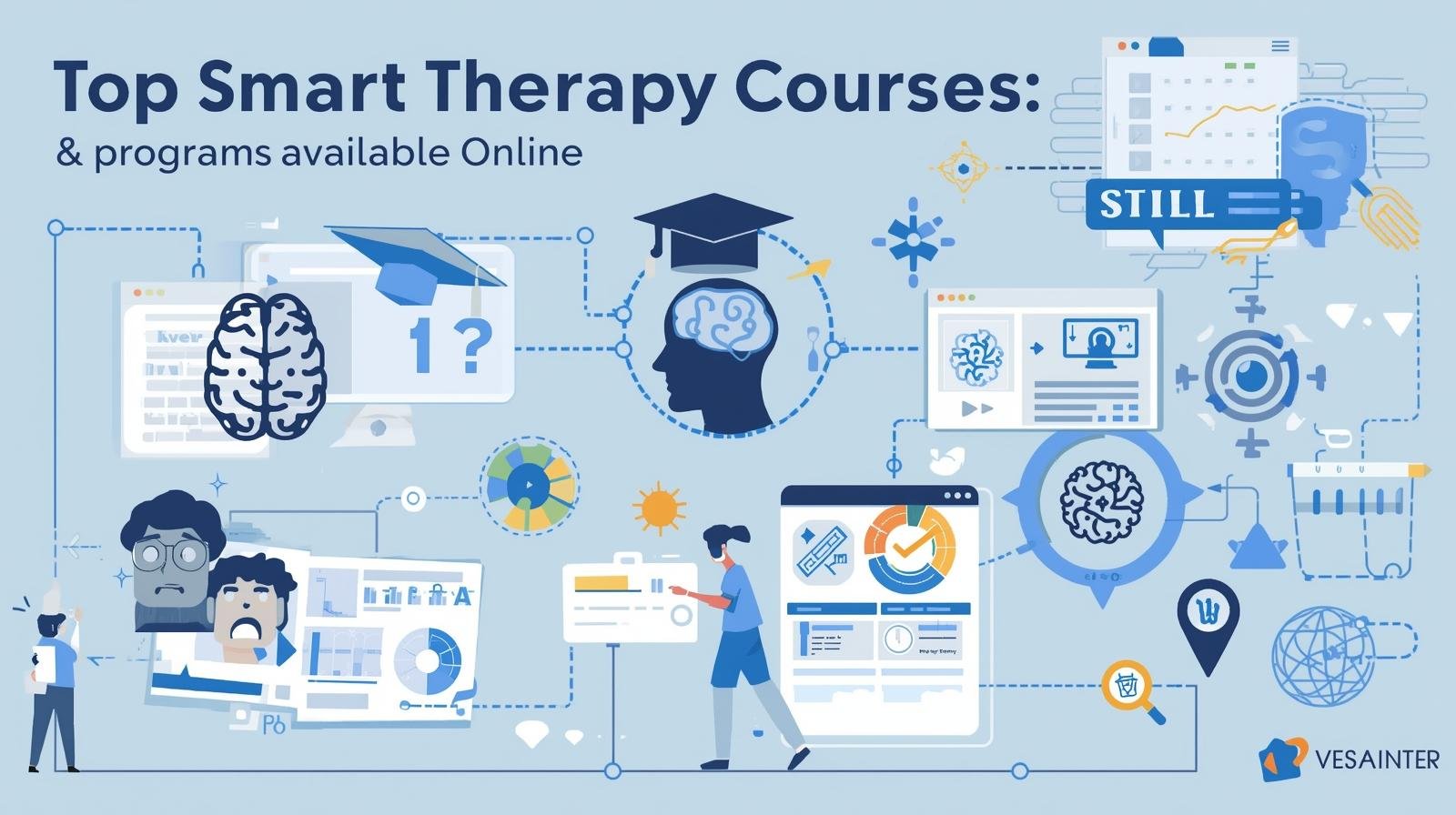
Top Smart Therapy Courses and Programs Online: Best Psychiatric in Islamabad

MoDY is one of the medical, health-related quality of life conditions in a stressful time In today’s life and fast with mental health functioning have become a necessity for general well-being. Online therapy training courses provide a convenient and powerful way to acquire practical skills, for professionals, caregivers or those wishing to increase their therapy understanding. Here at The Hope Rehab Center, we appreciate the value of good mental health support education and looking into top smart therapy courses and programs online is something that can help us all to improve out therapeutic best practices or become more generally informed about our own mental health. This guide focuses on the top choices, their advantages and how they can enable you to make a difference.

The Significance of Online Therapy Courses

Online therapy training gives easy access to courses in evidence-based therapeutic skills. The programmes aim at increasing insight into mental health issues, practising interventions and improving communication skills in professional as well as private life.

Some key advantages include:

  • Flexibility: Study at your own pace in the comfort of your home or office, especially convenient for busy professionals.
  • Diverse Specialization: Ranges from cognitie-behavioral therapy (CBT) to mindfulness, trauma-informed care, and more.
  • Instructional sessions with experts: Online programs feature psychiatrists, psychologists, and licensed psychotherapists training students.
  • Real-world application: Modules often provide real-world case studies and exercises for practical learning.

For people who seek direction in mental health treatment or academic growth, it’s a great place to start if you want to learn how to provide compassionate and effective care. This is especially important for those individuals who are looking to get help from the Best Psychiatric in Islamabad, that not only gives clinical treatment but also incorporates advanced therapeutic procedures.

Top Smart Therapy Courses to Consider

1. Cognitive Behavioral Therapy (CBT) Programs

CBT is used most commonly to treat depression, anxiety and other mental health conditions. Online CBT courses offer:

  • Comprehensive understanding of cognitive restructuring
  • Practical methods to confront negative thinking
  • Practical exercises for real-life scenarios

These are for therapists and anyoneo wanting to use self help. Doing a CBT program can improve ones ability to provide and care in a structured, empathetic manner which is the level of standard The Hope rehab center– As being considered an hub for Best Psychiatric in Islamabad.

2. Mindfulness-Based Stress Reduction (MBSR) Courses

Peripheral practices for mindfulness offer lots of tips for managing stress, focusing clearly, and developing emotional robustness. Some of the key features of MBSR are:

  • Guided meditation sessions
  • Mindfulness-based stress reduction techniques
  • Incorporating mindfulness into everyday life and psychotherapy

These classes are perfect for therapists, caregivers, or anyone interested in elevating your mental fitness. They are also adjunct to psychiatric therapies and make a great addition to the existing services at Best Psychiatric in Islamabad.

3. Trauma-Informed Therapy Programs

Trauma is important to know for good mental health care. Trauma-informed therapy courses teach participants:

  • The psychological and psychophysiological effects of trauma
  • Approaches to Creating Safe Environments for Therapy
  • Acts of healing and resiliency

This type of course is especially valuable for those working in clinics, hospitals and rehabilitation facilities. They ensure that the therapeutic methods used are compassionate and proven, in line with those of The Hope Rehab Center.

4. Dialectical Behavior Therapy (DBT) Training

Borderline personality disorder, emotional regulation and self-harm can be especially well-treated with dbt. Online DBT programs cover:

  • Basic practices of mindfulness and the ability to be in relationships
  • Emotional regulation techniques
  • Crisis intervention strategies

Now, after completing a DBT course, therapists or caregivers are to fully control the practical tools they need to support clients suffering from challenging mental health issues related with the best Psychiatric in Islamabad expertise.

5. Family Therapy and Counseling Courses

Family psychological atmosphere may affect individual mental health. Online Family Therapy Classes Online family therapy programs cover the following topics:

  • Communication strategies for resolving conflicts
  • Strengthening bonds between families through therapeutic work
  • Effective counseling methods for different types of families

therapists, social workers and counselors working to better provide complete mental health care. Integrating these techniques strengthen the holistic approach practiced at Hope.

How to Select the Best Online Therapy Course

Here are some of the considerations to make when choosing smart therapy courses online:

1. Accreditation and certification: Look for a program that is accredited by established institutions or professional organizations.

2. Course Content: Search for evidence-based course content that deals with theory and its application.

3. Instructor Background: It’s great to take a course from licensed psychiatrists, psychologists or therapists.

4. Flexibility: Look for programs that have the flexibility of finding there way in self paced world -without compromising quality.

5. Support and Resources: Are online discussion forums, mentors, other resources etc. available to complement the experience?

By taking those into account, you can choose programs that really expand your understanding and serve to support your career development in mental health at the same time as supplementing the care given by Best Psychiatric in Islamabad.

Benefits of Online Therapy Education

There are several reasons to attend online therapy courses:

  • Enhanced Clinical Skills: Gain advanced treatment skills to use in everyday situations.
  • Improved Personal Development: Increase self-understanding and tools for dealing with mental health.
  • Progress in your Career: Get certifications to enhance your career profile and open way for mental health services.
  • Accessibility: High-value education while keeping into account no geographical boundary.

These advantages can help to form a holistic mental health practitioner who can provide the care needed in order for The Hope Rehab Center, Which is Considered as the Best Psychiatric in Islamabad.

FAQs: Smart Therapy Below are some smart therapy courses and programs online related

1. Do online therapy courses work for someone who is just starting out?

Yes, there are a lot of online courses available and most are for beginners so you will learn the basics with practical exercises as well.

2. Will these courses lead to professional certification?

Some programs provide the opportunity for accredited certificates that could improve mental health and counseling career prospects.

3. How long do these classes usually last?

It can be anything from a few weeks up to a couple of months, depending on the layers and steps involved.

4. Are online therapy programs interactive?

The majority of current courses also offer video lectures, live sessions, quizzes and discussion forums to facilitate active learning.

5. will these courses are examples be useful to me personally?

Absolutely. The skills acquired, such as mindfulness practices and stress management, may be directly applied to individual mental health and professional practice.

Conclusion

Time invested into the best smart therapy courses and programs online can greatly improve knowledge, practical skills & overall mental health awareness. These programmes are a flexible and cost-effective way to gain the knowledge of evidence-based therapeutic techniques for psychotherapists or those interested in psychotherapy.

At The Hope Rehab Center, we also stress upon the combination of advanced therapy education and sympathetic patient care making us the Best Psychiatric in Islamabad. For personal fulfilment, or to enhance your professional prospects, online therapy courses can equip you with the knowledge and skills needed to contribute effectively to mental health care, and provide informed, ethical and compassionate support.
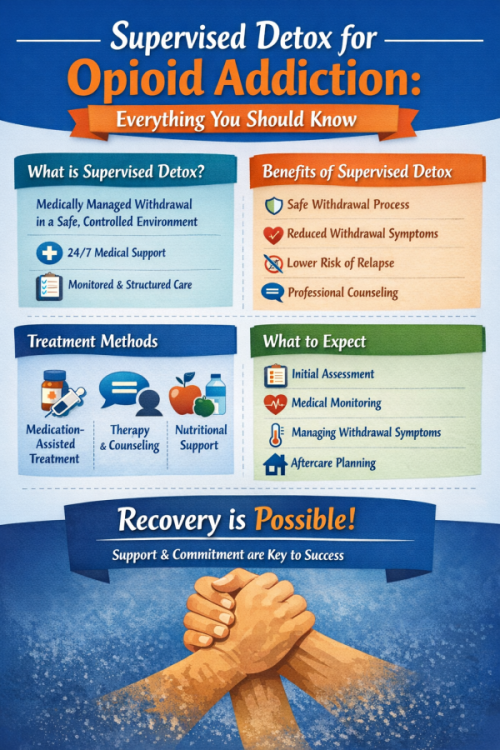
Supervised Detox for Opioid Addiction: Everything You Should Know – drug and alcohol addiction treatment

Supervised Detox for Opioid Addiction Everything You Should Know - drug and alcohol addiction treatment

Opioid use disorder continues to be one of the most devastating public health crises, impacting millions of patients and families across the globe. For individuals addicted to opioids, the first step on the path to treatment and recovery is typically detoxification under supervision—the medically managed process of safely addressing withdrawal symptoms while getting patients ready for further care. At The Hope Rehab Center we believe in safe, caring, non-judgemental and evidence based therapy for drug and alcohol (and behavioural) addictions to help people get their lives back.

Therefore, it’s important to know about supervised detox — its benefits, and how it fits in on the road to recovery for you or a loved one suffering from opioid addiction.

What is Supervised Detox?

Medically supervised detoxification, or supervised withdrawal, is a formal process in which trained medical staff assist with the removal of opioids from the body. Rather than enduring detox at home, patients will always have access to medical care for withdrawal symptoms from the uncomfortable to emergency situations.

While detoxing, staff members at The Hope Rehab Center watch the overall physical and mental health of each patient, create a personalized plan for detox, and offer medications and care to help them overcome withdrawal safely.

Key Features of Supervised Detox

1. Supervised Detoxification – 24/7 oversight protects patients as they withdraw from the drug.

2. Treatment for Symptoms – A baby might be given buprenorphine, clonidine or methadone to prevent withdrawal symptoms.

3. Psychological Help – Counseling and psychotherapy treats the many psychological issues diagnosed during withdrawal.

4. Customized Detox Treatment Plans – No two patients are the same when it comes to detox, we consider severity of substance abuse, mental health history and family drug/ alcohol issues.

Why Supervised Detox is Essential in Opioid Addiction.pub

Opioid withdrawal is physically and emotionally draining. Unwatched detox offers no relief from symptoms that can include nausea, vomiting, muscle aches, insomnia, anxiety and intense craving — which can make it dangerous and sometimes unbearable. With a supervised detox, individuals are rewarded with:

  • Greater Safety: Complications can be monitored by a healthcare professional.
  • It’s More Comfortable: Symptom control makes the withdrawal process not as severe.
  • Higher Success Rates: Patients have more chances to successfully move on into long-term drug and alcohol addiction treatment facilities.

Here at The Hope Rehab Center our medically-guided detox program works to provide a space of safety and support so that individuals can take the first steps on the road of recovery without a possibility of a relapse or health concerns.

The Stages of Opioid Detox

Know the common phases of opioid detox so that patients and families will be prepared for the mental and emotional journey ahead. Detox generally moves through three primary stages:

1. Assessment and Evaluation

Prior to detox, use a comprehensive evaluation approach to ascertain the nature and severity of opioid dependence as well as co-occurring mental or physical health concerns, and past attempts at detoxification. This stage is a guarantee of the individual and effective approach to the treatment.

2. Medically Supervised Withdrawal

In this phase, the body naturally removes opioids with medical management. Patients can also be given various medications to help ease withdrawal symptoms and avoid potentially dangerous complications. Routine checks for signs of life, hydration and mental health must also be carried out.

3. Transition to Rehabilitation

Once through the withdrawal phase, patients are placed into formal drug and alcohol addiction treatment programs that can include behavioral therapy, counseling and support groups. Treatment simply for detox is seldom adequate for long-term recovery so this shift is vital.

Drugs and the Supervised Regime For Opiate Detoxification

The drugs used in this case also contribute toward minimizing the severity of withdrawal and thus ensuring patient safety. Commonly used medications include:

  • Methadone – Cuts cravings, prevents withdrawal.
  • Buprenorphine – Reduces the severity of withdrawal and reduces the likelihood of relapse.
  • Clonidine – Targets anxiety, agitation and muscle aches.
  • Naltrexone – Blunts opiate effects and promoting relapse prevention following detox.

At The Hope Rehab Center, we believe that medically-assisted treatment should be decided on a case by case basis, reaching the optimal level appropriate for your needs, not what is most effective but rather what gives you sufficient comfort.

Advantages of Detox with Supervision at The Hope Rehab Center

1. Professional Monitoring – Medical professionals work round-the-clock during detox.

2. Customized Treatment Plans – Each patient is provided with a specialized care plan depending on their individual needs.

3. Psychological Support – Each therapy session begins to address mental health issues that are so frequently linked with addiction.

4. Security Comfort – Privacy during Withdrawal The center provides privacy, comfort and safety that are not possible when attempting to detox on your own.

5. Better Recovery Results – People who leave managed detox are better armed against drug and alcohol addiction treatment in the long run.

Challenges and Considerations

And while supervised detox is a superior method, patients should understand:

  • Physical Pain – Feeling of discomfort from the withdrawal even though you are handling them.
  • Emotional Strain – Detox can cause anxiety, irritability or depression and this might need some mental back-up.
  • Financial – While supervised detox may be a costly, and insurance dependent ”facility” or “service”, it is often life-saving.

However, the rewards are worth the risks when detox is a part of professional treatment at somewhere such as The Hope Rehab Center.

Supporting Recovery Beyond Detox

Detox is only the first step in a comprehensive recovery journey. Sustainable recovery requires continued engagement with drug and alcohol addiction treatment programs. These may include:

  • Inpatient Rehabilitation – this is a residential setting where you get therapy, support and life skills training.
  • Sobriety Programs – Customized therapy with half-day, day and evening treatment times available.
  • Behavioral Therapy – This would include addressing triggers, coping mechanisms and relapse prevention through cognitive behavioral therapy (CBT) and other evidenced based therapies.
  • Support Groups – Besides peer programs, emotional support and community connections are included in the services.

Detox (Medically and Structured Program Place) With additional structured treatment, detox appears to be far more likely for success in the long term.

Supervised Detox Summary of What You Need to Know FAQs On Supervised Detox For Opioid Addiction

1. What is the duration of supervised opioid detox?

Detoxification ranges from 5 to 14 days on average, depending on the specific opioid involved, degree of dependence and general health status. Under medical supervision, each phase is safe and efficient.

2. Is detox painful?

Detox may include discomfort, but being medicated and with professional care at Centre The Hope Rehab Center lessens the pain and assists patients in containing their withdrawal pangs.

3. Can I detox at home instead?

Home detox is dangerous because of risk of complications and relapse. Sober through detox means you have medical supervision and emotional support, so I think it’s probably the safer choice.

4. Will I have to take prescription drugs after detox?

With this option, many patients still use medication-assisted treatment or therapy to lower their risk of relapse. You’re recovery plan is based on your rehab goals.

5. Does insurance cover supervised detox?

Coverage varies by plan. The Hope Rehab Center can help patients navigate insurance coverage and financial aid.

Conclusion

Supervised detox is an essential, life-saving initial step for those who’ve developed a physical dependence on opioids. Opting for medically supervised care at The Hope Rehab Center provides patients with safety, comfort and support as they get ready for ongoing drug and alcohol addiction treatment. Detox is not a solution, but rather a path to healing — a controlled and nurturing environment for individuals to regain steadiness and hope.

For people struggling under the weight of opioid addiction, the leap into supervised detox — a space that, for many, means opening up to months or years of actual recovery and a new life free from drugs — can be life-changing.

Motivational Interviewing vs Traditional Counseling: Key Differences | Best Rehabilitation Center in Islamabad, Pakistan

When it comes to mental health and addiction healing, the therapeutic option makes a significant impact on successful treatment. At The Hope Rehab Center we specialse in customised, evidence-based approaches. Two popular models presented in counseling literature are MI and Traditional Counseling. Knowing the key distinctions between these approaches can assist individuals and families in making informed choices when seeking help at the Best rehab center Islamabad Pakistan.

What is Motivational Interviewing?

Motivational Interviewing is a directive, client-centered counseling style for resolving ambivalence about change. Unlike prescriptive approaches, MI seeks to help clients explore their ambivalence about behavior change thus stimulating desire for behavioral change autonomously.

Key characteristics of MI include:

  • Collaborative Conversation: A facilitative guide vs. an expert.
  • Non-Struggling Method: This is about empathy not struggle.
  • Target Driven Process: Promotes the setting of realistic and meaningful goals by clients.
  • Strength-Based Focus: This approach focuses on individual’s abilities and strengths instead of their weaknesses.

In a rehabilitation context, Ml can be especially beneficial for those with addiction difficulties as it helps these patients to connect with their reasons for change and become engaged in the recovery process of their own free will.

What is Traditional Counseling?

Traditional counseling (also known as talk therapy) is usually more structured. This may include problem solution, advice giving, and some psycho-education. The therapist will usually lead the session, offering advice and techniques for addressing emotional or behavioral issues.

Some of the most common elements of traditional counseling are:

  • Direct Approach: Counselors are directive with comments and solutions.
  • Facilitated Structure: Sessions are typically guided with a particular clinical objective in mind.
  • Looking, Looking and More Looking: Frequently delves into previous events to make sense of present behaviors.
  • Skilling Up: This focuses on coping mechanisms, stress busters and a quick happy-pill doing.

Although traditional counseling is successful for many issues, it also may be less directive toward client self-motivation as MI when a client is ambivalent about change.

Distinguishing Features of MI Versus Traditional Counseling

By learning the differences between MI and other tradtional counseling, patients and families can make better informed decisions regarding effective interventions at the Best rehab center in Islamabad, Pakistan.

Feature Motivational Interviewing (MI) Traditional Counseling
Approach Collaborative, client-centered Directive, therapist-led
Focus Enhancing intrinsic motivation Problem-solve and provide guidance
Role of Therapist Guide and facilitator Expert or advisor
Client Participation Encourages active reflection May be more passive, eliciting guidance
Techniques  Open-ended questions, affirmations, reflective listening CBT techniques: advice, structured exercises
Goal Setting Client-driven & individual Therapist-instructed & structural
Application Particularly effective with ambivalence/ addiction Effective for a variety psychological issues

This comparison suggests that both approaches are important, however when the client’s motivation and confidence is central to change (as in a rehabilitation environment) MI may be preferred for this reason.

The reason why Hope Rehab Centre employ a hybrid approach

At The Hope Rehab Centre, Best rehab center in Islamabad, Pakistan we know that there isn’t a one size fits all approach for everybody. Our programs draw on the best of both Motivational Interviewing and standard counseling methods to create a comprehensive package of care.

  • Individualized Treatment: Each client is afforded a tailored treatment program that takes into account their own unique issues, background, and willingness to change.
  • Compassion and Partnership: Our therapists use empathic, active listening so that clients feel heard and capable.
  • Skills Training: As well as immediate strategies for motivation, we will teach tools for coping with urges, preventing relapse and regulating emotions.
  • Progress Checkpoints: Frequent measurements allow us to modify treatment methods as the client works through rehab.

We integrate these techniques to optimize engagement, promote durable behavior change, and encourage emotional health.

Applications of Motivational Interviewing in Rehabilitation

Motivational Interviewing has its clear benefits, therefore is a crucial element in addiction treatment and behavioral therapy:

1. Decreases Resistance: Without pressure, clients have fewer reasons to dig in their heels.

2. Increased Adherence: Motivates autonomous decisions, promoting better adherence to their treatment plans.

3. Fosters self-reflection: Assists in finding personal motivation for change and recognizing barriers.

4. Versatile in all Settings: Effective during therapy sessions and group activities.

5. Based on Evidence: Research has consistently demonstrated that MI is effective for substance use disorders and other problem behaviours.

These advantages make MI a vital part of the treatment programs offered at The Hope Rehab Centre, the Best Rehabs in Islamabad, Pakistan.

When Traditional Therapy Is Ideal

What Are Some Situations in Which Traditional Counseling Is a Good Idea? Let’s face it: traditional counseling is an age-old part of mental health care – and sometimes, even in tough times like these, it can offer some value.

  • Chronic Mental Health Issues: Offers cognitive-behavioral plans that may help minimize stress, depression and trauma spirit.
  • Skill Acquisition Requirements: Provides skill for stress management, communication and emotion regulation.
  • Structured Therapy Goals: Â Helpful when trying to guide a client toward specific changes in their behavior.
  • Unpacking trauma: Helping people understand the source of what they do now.

At The Hope Rehab Centre, the two methods are combined to provide powerful motivational and skill based support.

Picking the Recovery Right Path

The various factors, which include the choice of therapy approach:

  • Client Readiness: MI may be more suitable for those ambivalent about change.
  • Type of Issue: Chronic psychological issues or trauma calls for traditional therapy.
  • Therapist Experience: The better the therapist, the more they can blend MI and their usual methods.
  • Desired Results of Therapy: Identification of immediate and long-range goals directs therapeutic choices.

At The Hope Rehab Centre, each individualized treatment plan takes these dynamics into account to provide clients with the best combination of care.

Frequently Asked Questions About Motivational Interviewing And Traditional Counseling

1. What is the fundamental distinction between motivational interviewing and informative counseling?

The MI approach seeks to increase the client’s one’s intrinsic motivation to change, whereas traditional styles of counselling tend to be structured with a more therapist-driven style.

2. Can you do someone motivational interviewing and then some counseling?

Yes. Here at The Hope Rehab Centre, therapists combine the two approaches to design individualised recovery plans.

3. Who are most likely to benefit from motivational interviewing?

Those who are torn between the pros and cons of change, as is often the case in recovering from substance abuse, find MI to be especially helpful.

4. Does traditional therapy work for addiction?

Yes, of course, that sort of traditional counseling would indeed provide important skills, coping strategies, and coaching to supplement motivational techniques.

5. How does The Hope Rehab Centre make therapy successful?

We will also offer evidence-based, client-centered therapy, frequent outcome evaluations and individualized support.

Conclusion

Selecting the correct therapeutic solution is great beginning point in order to recovery. Motivational Interviewing is a great tool for encouraging self motivation and readiness to change, while Traditional Counseling provides a foundation with structure, guidance and skill development. At The Hope Rehab Center, the that offers the best rehabilitation center in Islamabad Pakistan offer both to ensure you’re get thoughtful and customized care. There is a lot to learn about the pros and cons of these approach so that people can be informed as they make decisions that best support their long-term recovery and emotional health.

Trends in Meth Use Among Different Age Groups | Drug Rehabilitation Center in Islamabad Pakistan

Surveying on methamphetamine is going on in whole over the world and Pakistan is not an exception of it. Trending of meth use in different age groups is important for prioritizing prevention and rehabilitation agenda. The Hope Rehab Centre, one of the top drug rehabilitation centres in Islamabad Pakistan, is advocating and supporting to create awareness for people addicted to meth.

Understanding Methamphetamine and Its Effects

This is what a meth addict looks likeMethamphetamine (meth) is a powerfully addictive drug that affects the central nervous system. It’s use can have dramatic physical, psychological, and social impacts such as:

  • What happens if I overdosed?
  • Anxiety, paranoia, and hallucinations
  • Extreme dental problems – also know as “meth mouth”
  • Ulcers on the skin and unexplained weight loss
  • Cognitive decline and memory problems

Meth’s effects differ according to the user’s age, health status and how long it has been used. By identifying patterns across various demographics, families, communities and medical personnel might respond more effectively.

Meth Use Trends Among Adolescents

Teens are at a risk of using meth for its susceptibility to peer pressure, curiosity, and exposure to unsafe places. Recent trends in Pakistan indicate:

  • Early experimentation: Adolescents ages 13-18 are becoming exposed to meth from friends and the internet.
  • Mental health connection: Stimulants can be more tempting if an adolescent is dealing with depression, anxiety or trauma.
  • Short-term patterns: The use of methamphetamine by teenagers is not generally continuous but sporadic; even sporadic use may also develop dependency.

At The Hope Rehab Center, we offer a dedicated teenager programme that saves missing school and steers them from potential addiction problems.

Meth Use Among Young Adults

More young adults between the ages of 19-30 use meth in a regular manner compared to adolescents. Factors influencing this trend include:

  • Stress and academic stress: College or early career pressure can lead some individuals into substance use as a way of managing that stress.
  • Societal approval: In some peer groups or social gatherings, meth use may seem acceptable and experimentation normal.
  • Risk of escalation: Young adults are more likely to move from recreational use to chronic use, potentially leading to an increase in physical and mental health problems.

The Hope Rehab Center The population at The Hope Rehab Center is this age group with an medical detox, therapy and skill-sharing workshops to reduce relapse.

Meth Use Among Middle-Aged Adults

Individuals who are middle-aged (31–50 years) are likely to have different patterns of meth use:

  • Chronic use: Many in this age group are long-term users, typically using meth to increase energy levels or cope with stress.
  • Co-occurring health problems: Heart disease, diabetes and mental illness can be made worse by long-term meth use.
  • Family consequences: An addiction at this age can disrupt family dynamics, employment and social relationships.

The Hope Rehab Center provides specialized Program for middle aged adults which focuses on medical treatment, individual therapy and family counseling that this group often requires.

Meth Use Among Older Adults

Less common is meth use by people over 50. Key observations include:

  • Late-onset addiction: Perhaps even more surprising is that some seniors may begin using meth as they get older to address issues related to chronic pain, loneliness or ‘social isolation’.
  • Serious health risk: As people age, the drug’s effects become more severe; they include the weight of cardiovascular damage, cognitive decline and heightened chance of stroke.
  • Integration of care needed: Older people benefit from integrated care between substance use and ageing-care services.

Hope Rehab Center offers holistic treatment for seniors with medical management and tailor made therapy to promote safe recovery.

Gender Differences in Meth Use

Studies have found significant differences between male and female meth users for various age-groups:

  • Men are more likely to be meth recreational users and use meth in larger quantity.
  • Dependency in women may be faster – often associated with hormonal flux, stress, or trauma.

At The Hope Rehab Center, gender-diverse programs acknowledge these distinctions and create nurturing surroundings conducive to recovery.

Emerging Patterns in Meth Consumption

A number of fresh trends are emerging in the use of meth in Pakistan:

  • Polydrug use: Besides meth, many uses also drink alcohol, smoke pot or take prescription drugs, complicating treatment.
  • Urban concentration: Meth is more common in larger cities such as Islamabad, Lahore and Karachi due to clearer access.
  • Availability On the Internet:Social media and messaging apps facilitate covert sales and distribution of meth.

Understanding these trends enables drug treatment centers in Islamabad Pakistan to form tailored strategies to address issues of substance abuse.

Prevention Strategies Across Age Groups

Age-Appropriate Approaches to Preventing Meth Addiction:

  • Adolescent: Education, parental guidance and extracurricular involvement.
  • Young adults: Counselling, Stress management and peer support programmes.
  • Adult women: Prospects for workplace recognition, family therapy and early medical intervention.
  • Seniors/older adults: Prevention interventions, health service integration and mental health support in the community.

The Hope Rehab Centre works on the most comprehensive and evidence-based curriculums of prevention.

Family and Community Support Role

Family and community engagement greatly enhance recovery:

  • Parental involvement: Promoting communication and supervising the behaviour of adolescents.
  • Peer networks: International networking event petrol-free life for young people.
  • Community-based programmes: Grassroots programs, awareness efforts and self-help groups minimise the stigma and hasten rehabilitation.

Families can contact the experts at The Hope Rehab Center for assistance on how to deal with their family members who are meth users.

Recovery Methods at The Hope Rehab Center

At the Hope Rehab Center – 6654130, one of the best addiction treatment center in Islamabad Pakistan, we employ evidence-based drug rehabilitation in therapies such as:

1. Medical detox: The safe way to manage withdrawal under medical supervision.

2. Behavioural therapy: Cognitive-behavioural therapy (CBT) and contingency management to develop coping strategies.

3. Emotional/psychosocial support: Therapy, family therapy and peer support to promote healing.

4. Preparation for continued sobriety: Coping with life’s problems without using drugs or alcohol.

The holistic nature of these programs is designed to match each stage of development, since meth affects each person a little differently.

Common Challenges in Meth Rehabilitation

Negatives of recovering from meth addiction do include.

  • Intense cravings and withdrawal symptoms
  • Co-occurring mental health disorders
  • Social stigma and discrimination
  • Relapse risk in Unsustainable environments

Support from the trained staff of The Hope Rehab Center guarantees there is a tool to address these issues with success.

FAQs

1. What age is most vulnerable to meth?

The risk is highest for our teenagers and young adults, as peer pressure; social forces and trying out happen at a younger age.

2. Is meth addiction treatable at all?

Yes, with medical detox and behavioral plus psychosocial support recovery is possible with ongoing effortOpenHelper to reality 7 Nov 2018 14:45Uriah1.25jearlybulent I might suggest you didn’t even know you had an opiate problem.

3. Heterogeneous methamphetamine use among men and women What is the difference?

It is also more common for men to use casually, whereas women may become addicted sooner and have a different experience psychologically.

4. How do you reconcile family in meth recovery?

A supportive family is essential for motivation and to prevent relapse and for emotional stability during recovery.

5. Why opt for a specialized drug rehab centre in Islamabad Pakistan?

Quality centres such as The Hope Rehab Centre offer age-appropriate, evidence-based medically supervised programs which are customised to the individual.

Conclusion

Trends in the age-specific proportions of meth use underscore a need for age-differentiated preventive and intervention efforts. From young people encountering drugs for the first time to older adults confronting late-in-life addiction, every demographic needs some variation of help. Hope Rehab Centers is one of the most trusted rehabilitation centers in Islamabad Pakistan offering medical and non-medical therapy that focus on treating not just the physical but also psychological and social aspects of meth addiction. Through a mix of medical care, behavior therapy and community support, people with addiction to meth can go on the long road to recovery, health and new hope.

How Individual Counseling Helps Navigate Life Transitions | Psychiatrics Treatment Center in Islamabad

Life is all abaut change, it’s a something changing. Whether one changes career or family, experiences the loss of a loved one, or moves house, we all go through transitions of some sort. Change can be a fantastic way to move forward, and bring new opportunities and growth; but it can also lead to stress, worry or fear. At hope rehab center we know one to one counseling can be of great assistance when dealing with them changing aspects in your life.

During a therapy session, our clients can work 1-on-1 in the comfort of therapeutic space to examine their own thoughts and feelings. With customized support, counselors assist people in learning new ways to cope, strengthen resiliency, and make healthy choices that positively influence mental health and well-being.

Understanding Life Transitions

Life transitions are events, or changes in one’s life that disrupt a person’s normal lifestyle and can affect their responsibilities and relationships. These changes can be positive, by taking a new job or having a baby, but they can also be difficult, such as facing divorce or losing someone close. These changes are part of life, but can be very emotional and seem overwhelming if not properly attended to.

Common life transitions include:

  • Career changes or job loss
  • Migration or shift from one city to another
  • Changes in household structure (marriage, divorce or children)
  • Health setbacks or healing from a period of sickness
  • Personal growth milestones

For most, negotiating these transitions takes more than just some hunkering down or serious reflection.

The Role of Individual Counseling

One-on-One Counselling Individual therapy, also commonly called one-to-one therapy or counselling, is a process through which clients work with trained mental heal professionals (counsellor) in a safe, caring, and confidential environment. Hope Rehab counselors customize sessions based on the individual client’s experience and offer practical techniques for coping with emotional confusions or changes.

Benefits of Individual Therapy Some benefits of in a one-to-one setting include:

1. Emotional Support and Validation

Life changes can bring up a cocktail of feelings, including excitement and hope but also anxiety and grief. Inividual counselling allows you to express these feelings without fear of judgment. Validation and normalisation of feelings for clients is important in helping them feel less burdened by their emotional responses to trauma, making sense of these reactions.

2. Developing Coping Strategies

A crucial part of therapy is assisting the client in learning healthier ways to cope. Trained counselors at The Hope Rehab Center – a reliable Psychiatrics Treatment Center in Islamabad help the clients to recognize triggers and stressors as they also demonstrate exercises on mindfulness, cognitive restructuring and relaxation which can also be used to cope with anxiety and uncertainty.

3. Improving Decision-Making

Transitions can be painful for one must not always choose between a rock and a hard place. With individual counseling comes clarity, allowing clients to examine alternatives and what the potential consequences would be if they select them, he said. This helps increase confidence and decrease the anxiety of large life event transitions.

4. Building Resilience

Resilience is the process of successfully adapting to adversity and change. You trigger resilience by promoting self-reflection, emotional stability, and the ability to resolve conflicts in counselling. Clients become more secure in their ability to face future challenges over time.

5. Enhancing Personal Growth

Littleton life coaching goes beyond adapting to change and encouraging personal growth. Clients increase self-awareness regarding their behavior, thoughts, and aspirations so that they can not only face passages in life as less of a threat and more like the opportunity for personal growth.

How Counseling Can Help Through Particular Life Changes

Career and Professional Changes

It can be stressful and disorienting to lose your job or make a career change. Counseling assists in coping with doubt, re-establishing career objectives and regaining confidence. Strategies like setting goals, self-assessment and stress management help clients make the leap from one job to another effectively.

Relationship and Family Adjustments

Emotional well-being can be affected by marriage, divorce, parenting or caregiving obligations. Counseling addresses difficulties in communication, emotional discord, and adjustment issues so that resources can be kept pleasantly in balance as clients deal with personal stress.

Health-Related Transitions

Coping with illness and recovery from disease often bring physical, emotional and psychological issues. Counseling offers emotional support, coping skills, and lifestyle change integrations when transitioning to better health.

Relocation and Environmental Changes

New city or culture or social context can be so overwhelming. Personal counseling assists with loneliness, anxiety, and homesickness as students work on making new friends and adjusting to their new environment.

Why The Hope Rehab Center

Being one of the leading Psychiatrics Treatment Center in Islamabad, The Hope Rehab Center is committed to serving with understanding and the best available counseling. Clinical Professional Counselors The breadth of our personal experiences gives RCS Counseling Services professionals the unique ability to assist people at any stage in the life transition process.

Clients benefit from:

  • Confidential and judgment-free sessions
  • Specific plans designed to meet personal needs
  • Acceptance around their emotional and behavioral issues
  • A comprehensive approach to their mental and emotional health

Emphasizing empathy, trust and ethical treatment/education, we help clients overcome change with resiliency and optimism.

Top-Climbing Approaches in One on One Counselling

  • Cognitive Behavioral Therapy (CBT): Assists individuals in pointing out negative ways of thinking and exchange them with productive thoughts.
  • Mindfulness and Relaxation Strategies: Lower anxiety levels and increase attention during transitions.
  • Purpose Driven Counseling: Helps clients develop strategies for personal and professional growth/action.
  • Solution-Focused Brief Therapy: Promotes relevant problem-solving skills and provides long-term growth.

When used as part of face-to-face counseling, these techniques increase flexibility, emotional balance and satisfaction in general.

Frequently Asked Questions (FAQs)

1. What is the duration of an individual therapy?

Counseling is short- or long term and depends on the intricacy of the life transition/your needs. Some are fine with in and out, other’s stay a while.

2. Can counseling assist with transitions, both personal and professional?

Yes. Individual therapy focuses on diverse life transition, relationship changing, career transitioning, moving and self-development to name a few.

3. Is what we say kept secret (confidential) during counseling?

Absolutely. The Hope Rehab Center Confidentiality is maintained in all ways that is for privacy and making sure all clients can have a safe environment.

4. What if I’m not ready to get started in counseling?

A counselor will offer you an initial consultation to get a sense of who you are and the concerns that brought you to counseling, share about our process, and how counseling can assist with how to effectively go through life transitions.

5. Do I need a referral to make an appoint for counseling at the Hope Rehab Center?

No referral is necessary. As a prospective guest you may engage with our trained counselors directly to plan your visit.

Conclusion

Life Transitions Managing life transitions is not always easy, yet individual counseling can help turn these into opportunities for progress, strength and insight. At The Hope Rehab Center Islamabad’s premier Rehabs in Islamabad, It helps individuals through this difficult period with clarity, confidence and mental stability. Clients develop the tools and confidence they need to make smooth transitions and succeed in all areas of life through individualized coaching sessions.

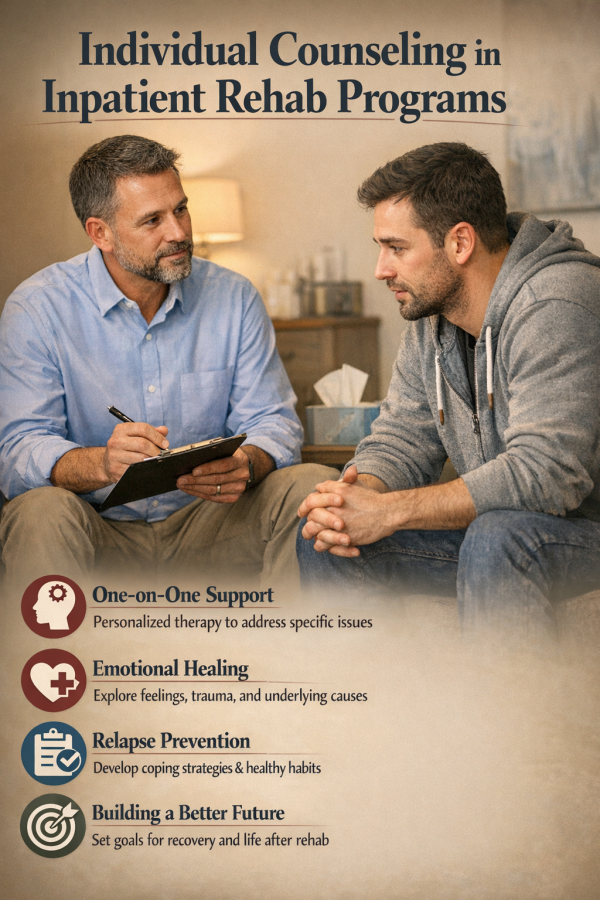
Individual Counseling in Inpatient Rehab Programs: Luxury Rehabilitation Center in Islamabad Pakistan

For those who suffer from poor mental health, substance use disorders or behavioral complexities, inpatient rehabilitation programs offer a supportive and organized atmosphere to conquer these struggles. CenterPoint Wellness provides vital services that are part of a complete treatment program: Individual counseling; offering patients an empathetic ear and personalized tools and strategies for overcoming addiction or mental health challenges. The high end rehab center in Islamabad Pakistan, Hope rehabs and treatment network emphasizes on the need of personalized therapy within a full time inpatient process.

Understanding Individual Counseling in Rehab

One-on-one counseling One-on-one therapy conducted with trained professionals who work with patients to discover the underlying causes of their addiction, as well as helping them develop coping skills and a plan for recovery that is specific to each patient. In contrast to group sessions, individual counseling provides the opportunity for a more in-depth and personalized comprehension of the patient’s struggles, current mental health status, as well as his behavioral routines.

For those in an inpatient environment, wherein patients actually live within the facility for a period of time, individual therapy can be especially effective. By making professional support available at all times and in a nurturing environment, clients are given space to concentrate on recovery without the distractions of the outside world.

The Role of Individual Therapy in an Inpatient Program

One to one counselling fulfills many roles in the inpatient rehab:

1. Personalized Assessment and Treatment Planning

The path to treatment is personal to each and every patient. Individual therapy begins with an in-depth assessment of the patient’s history, patterns of substance use, mental health concerns and goals for treatment. The assessment informs the design of a customized recovery plan, based on your specific needs and obstacles.

2. Emotional Support and Coping with Stress

Healing the body is a matter not just of physical but also of emotional and psychological recuperation. Patients frequently experience, guilt, shame, anxiety or depression. During individual therapy, patients have a safe environment to discuss these feelings without judgment as therapists teach them healthy ways to cope with stressors and triggers as well as challenge negative thoughts.

3. Skill Development and Coping Strategies

They teach practical skills to patients, including stress management, problem-solving, and emotion regulation. These are the tools that help one stay sober and face life after rehab.

4. Encouraging Accountability

This caused accountability and the continuance of individual counseling sessions. This way patients can talk about struggles, share victories and get encouragement, and in the end feel encouraged to stick with their long-term recovery.

Benefits of Personal Therapy at a Luxury Rehab Facility

Choosing one of the best luxury rehab facilities in Islamabad Pakistan such as The Hope Rehab Center brings added benefits apart from those mentioned above.

  • Enhanced Privacy and Comfort: Lavish amenities offer a relaxing, distraction-free environment to reflect on your personal journey to wellness.
  • Expert Therapists: Qualified therapists offer the best care possible.
  • Overall Health Support: Many luxury centers incorporate wellness programs such as yoga, meditation and holistic treatments in addition to individual counseling to improve recovery results.
  • Emphasis on Privacy and Confidentiality: Many patients find it productive to know that their sessions are 100% confidential, thus able for them to freely interact with the therapists.

Incorporating Individual Therapy into Other Inpatient Treatments

Inpatient programs are, by definition, multidisciplinary in nature. One-on-one sessions are most successful when supplemented with other forms of therapy including:

  • Group Therapy: Similar to individual counseling, group therapy involves discussing personal struggles and connecting with patients who have the same experiences, thus creating a supportive network.
  • Family Therapy: Establishing new connections with family members is crucial to long lasting recovery. One-on-one therapy gives patients a chance to address family dynamics and then take part in family sessions.
  • Medical and Psychiatric Assistance: For clients with dual diagnosis, counseling complements pharmacological treatments to support overall wellness.
  • Behavioral Therapies: CBT, DBT, and other techniques are used in one-on-one sessions to address problematic behaviors and thought processes.

Components of Successful One-On-One Counseling

A good individual counseling program is composed of many parts, including:

1. Empathy and Active Listening: Therapists should establish a no-judgment zone in which patients are heard and understood.

2. Goal-Directed Planning: Tangible, attainable goals help to keep patients motivated and to stay focused on their recovery targets.

3. Evidence-based Methods: Good counseling uses proven techniques that play to the patient’s particular issue.

4. Continuing Assessment: Periodic checks are made to verify that the treatment plan is still serving its purpose and can be modified.

Why You Should Choose The Hope Rehab Center

The Hope Rehab Centre, as an Islamabad Pakistan Leading Luxury Rehabilitation Facility is unique in their patient focused approach. Centered on personalized care, each patient will receive the most customized recovery program possible. With their team of professional counselors, who specialize in addiction treatment as well as mental health and holistic wellness counseling, patients receive support on multiple levels throughout rehabilitation.

The peaceful and encouraging atmosphere of the center additionally encourages healing. Private counseling rooms, recreational facilities, wellness-based activities in addition to more traditional types of therapy allow patients to physically and mentally heal.

Challenges Addressed Through Individual Counseling

Outpatient individual counseling has a specific role in addressing issues often encountered during rehab:

  • Withdrawal Symptoms Management: Patients can share what it’s like to have withdrawal symptoms and find emotional support as they manage physical sensations.
  • Coping with Derailers: Triggers Counselors work with you to recognize triggers and address them in a way that prevents relapse.
  • Developing Recovery Skills for the Long Run: In these sessions, patients are taught life skills that they can use and rely on long after they have completed an inpatient program, such as resilience, self-awareness and how to manage stress.
  • Building Up Self-Esteem: Therapy enhances self-confidence, and a sense of value, all the things they’ll need to get back into an everyday routine.

Secondary Benefits of Individual Counseling

There are also other benefits of individual counseling, over and above the main goals:

  • Improved decision-making and problem-solving skills.
  • Improved effectiveness of human communication and relations.
  • Greater self-reflection and emotional intelligence.
  • Mitigation of relapse risk with customized relapse prevention techniques.

Integrating Family and Community Support

While one on one therapy is client-centred and person focused, Hope Rehab Center also understands the need for networks beyond the individual. Therapists frequently include family members through strategically placed interventions directing them on how to best support their loved ones without sacrificing themselves.

Common Misconceptions About Individual Counseling

  • “It’s only talk therapy.” Communication is key but individual counseling includes practical exercises, behavioral strategies and personalized action plans as well.
  • “It’s only for severe cases.” Despite where you are in the healing process, one-on-one counseling Aylesbury makes for an incredible option. Intervention in the earlier stages can often result in more positive long-term outcomes.
  • “Group therapy is enough.” Community support is important, but it does not entirely meet one’s personal and emotional psychological needs in a setting that individual therapy looks to fulfill.

Frequently Asked Questions (FAQs)

1. How frequently should inpatient rehab patients have one-on-one therapy?

Frequency differs from patient to patient, but in most cases inpatient programs have one or more sessions every day or a few times each week — usually enough for regular support.

2. Is there any help through private individual therapy for co-occurring mental health disorders?

Yes. Mental Health Therapy at The Hope Rehab Center is Combined with Addiction Treatment by Skilled Counselors for Holistic Services.

3. How long is inpatient rehab for individual counseling?

Sessions are usually 45-60 minutes with the entire program taking place over a few weeks, which may depend on the patient’s treatment plan.

4. So what about confidentiality in one-on-one counseling?

Absolutely. Privacy is key in all sessions so patients don’t have to worry about self-disclosing.

5. Will outpatient treatment be required after being released from inpatient rehab?

Most also provide outpatient or follow-up counseling, to help sustain recovery and prevent relapse.

Conclusion

One on one counseling is a key part of inpatient recovery programs, providing one-on-one advice, emotional support and practical tools for the long haul. Opting for a luxury rehab facility in Islamabad Pakistan such as The Hope Rehab, patients can expect a personalized and holistic approach that combines expert therapy, peaceful accommodations, and overall well-being coverage. It’s this form of personalized one-on-one therapy that allows patients to not only beat their addictions, but also rebuild their lives in a way that promotes good health and well-being.

Short-Term and Long-Term Risks of Opioid Use | Addiction rehabilitation center in Islamabad, Pakistan

Opioid drug abuse is a major public heath problem that affects millions of people and their families. Although prescription opioids are sometimes needed to treat severe pain, misuse of them can result in serious health problems. The risks associated to the use of opioids in both short- and long-term are crucial for prevention, early detection or successful therapy. People sometimes struggle with dependency, and specialized care from a professional institution like an addiction rehab in Islamabad Pakistan may be able to help lead them towards a brighter future.

At The Hope Rehab Center we believe people should be able to recover without harm and that involves supportive evidence-based care. In the following commentary, the associated risks associated with opioid use are discussed and the reasons to be alerted early on highlighted.

What Are Opioids?

Opioids are a group of drugs that include prescription medications like morphine, oxycodone and hydrocodone as well as illicit drugs like heroin. They are intended for pain relief and have a high potential for abuse. Opioids bind to receptors in the brain, dulling perception of pain and producing a sense of euphoria — which also creates addiction.

Though they have medical uses, if opioids are misused — such as taking more than the labeled dosage or a prescribed dose for another person; combining an opioid with alcohol or other drugs; and using someone else’s prescription — it doesn’t take long until the increased need to seek a high becomes deadly health issues.

Short-Term Risks of Opioid Use

Immediate risks include the health outcomes after using opioid (whether legally or illegally) for a short amount of time. Recognizing the risk factors can help people identify signs and seek appropriate assistance.

1. Physical Effects

Even the use of opioids for just a short time can have an impact on bodily systems. Common physical effects include:

  • Drowsiness or sedation
  • Nausea and vomiting
  • Constipation and gastrointestinal discomfort
  • Life-threatening respiratory depression with high doses

At The Hope Rehab Centre, these symptoms are managed closely during treatment by our medical staff to avoid any severe complications.

2. Cognitive and Emotional Changes

What Opioids Do To The Brain Opioids act in the central nervous system, or brain, to produce their effects, including changes in pain perception:

  • Impaired decision-making and judgment
  • Reduced focus and attention
  • Anxiety, irritability, or mood swings

These effects can disrupt the daily life of individuals and their relationships, which underscores the need for an early intervention.

3. Risk of Overdose

Overdosing is a danger faced even by those who only take the drugs for a short time, especially if they mix opioids with alcohol or other drugs. Signs of an opioid overdose:

  • Slow or irregular breathing
  • Extreme drowsiness or unconsciousness
  • Pinpoint pupils and pale skin

Emergency medical treatment is necessary, since overdoses can be deadly.

Long-Term Risks of Opioid Use

The chronic use of opioids may lead to profound and persistent effects on physical, social and mental health. The risks build over time, and are generally more irrevocable.

1. Physical Health Complications

Opioid use for an extended period can cause chronic health conditions, including:

  • Sensitization and desensitization to due to Reverse tolerance and Negative symptoms opposites of the same signalling system have not yet been tested for.
  • Liver injury, particularly when opioids are mixed with other drugs
  • Endocrine disease and disorders that disrupt the reproductive and metabolic processes
  • Lowered resistance to infections from immune system suppression

This polytrauma nature of injury makes professional observation and rehabilitation necessary.

2. Mental Health Implications

Long-term opioid use is associated with mental illness. Common long-term psychological effects include:

  • Depression and persistent anxiety
  • Cognitive deficits and memory loss
  • Greater likelihood of suicidal ideation and behavior

Mental health support is a cornerstone of treatment at every Islamabad, Pakistan rehab center (including The Hope Rehab Centre).

3. Social and Lifestyle Consequences

Opioid dependence can interfere with your work and home life. Individuals may experience:

  • Relationship conflicts and social isolation
  • Employment difficulties and financial strain
  • “Drug charges”, A summary Possession of or use of controlled substances.

Rehabilitation efforts target these areas and aid to restore stability as people rebuild their lives.

4. Risk of Addiction

The most important long-term risk is probably opioid addiction. Tolerance develops when the brain adjusts to opioids being constantly present, which leads to cravings and tendencies toward compulsive use. The addiction disease can last after detox is completed, so good treatment is important.

Recognizing Signs of Opioid Misuse

Identification of opioid abuse in the beginning increases the probability for successful intervention. Signs may include:

  • Frequent mood swings or irritability
  • Failure to fulfill duties at work or at home
  • Secretive behavior or social withdrawal
  • Physical signs of intoxication, like slurred speech, being drowsy or having pinprick pupils

These warning signs are often recognized by friends and family that can help you receive professional treatment.

Why Professional Rehabilitation Is Crucial

Trying to quit opioid use on your own can be perilous, both because of withdrawal symptoms and the likelihood of relapse. What is included in this addiction treatment program?

  • There needs to be medically monitored detox to safely handle withdrawals
  • Individualized treatment and counseling for behavior and emotions
  • Counseling on prevention of relapse and coping mechanisms
  • Comprehensive methods such as mobile care, psycho-education and skill to lifeportunaty programs

At The Hope Rehab Thailand, rehab will never be the same again thanks to our personalized treatment programs designed with you in mind that reflect safety and respect from day one.

FAQs About Opioid Use and Rehabilitation

1. What are some early symptoms of opioid addiction?

Early symptoms may include increased tolerance, cravings, changes in mood or behavior and physical signs of drowsiness or nausea.

2. Can short-term use of opioids lead to addiction?

Opioids Can yes and even short term use can build dependency especially if so in vulnerable people also opiodes are abused or taken not under a doctors care can be taking for pain.

3. How does a rehab center treat opioid withdrawal?

At a rehab center, medical detox, therapy and supportive community are available to help you get through withdrawal safely and to decrease the likelihood of relapse.

4. Do you offer mental health treatment in addition to addiction rehab?

“Yes, there are trauma programs that also treat co-occurring mental health disorders like depression, anxiety, and PTSD to aid in recovery.

5. What can we do to help family members who have trouble using opioids?

Family support requires being able to identify warning signs, facilitating the seeking of professional assistance, engaging in counseling as necessary and offering a non-judgmental space.

Conclusion

Opioids have serious short and long-term health, cognitive and social consequences. Such knowledge is important for prevention, early intervention and rehabilitation. In order to overcome addiction, people in need of help need to get the support of professional caregivers from an addiction treatment center in Islamabad and other cities like The Hope Rehab Centre that helps with detoxification under medical care, proper counseling, and rehab plans can be beneficial for a healthier lifestyle.

Opioid addiction can be overcome safely and successfully with awareness, support and treatment.

Mindfulness Therapy for Pain and Illness Management | Mental rehabilitation center in Islamabad Pakistan

The pain and disability of chronic disease can interfere with the quality of life, including physical and emotional or behavioral health. The role of Mindfulness therapy in addressing the psychosocial aspects of stress, and consequently improving health outcomes beyond traditional medical management of pathology, is being increasingly acknowledged. At The Hope Rehab Centre -one of the best mental rehabilitation center in Islamabad Pakistan -, mindfulness therapy is incorporated into patient care regimens to help them cope up with pain, illness and related emotional challenges.

What is Mindfulness Therapy?

Mindfulness-based therapy is a type of psychological intervention that focuses on being present in the moment without judgment. Mindfulness derives from early meditation, and has been used in contemporary therapy to treat various psychiatric and health problems.

Mindfulness therapy, using methods such as guided meditation, body scanning and breathing exercises, can assist people to:

  • Increase awareness of bodily sensations
  • Reduce emotional reactivity to pain
  • Accept ongoing health challenges GOOP Be OK with it happening.
  • Provide means of coping with chronic illness

Through concentrating attention on current experience attentiveness to thoughts related to the pain, and sensations associated with a predisposition toward reactance against the perception of individual sensations.

Mindfulness in Pain Management

Chronic pain is a multi-dimensional process involving physical as well as emotional variables. Studies indicate that mindfulness therapy may get patients to stop fighting their pain so much and accept it instead, which can have a profound effect on the way they perceive pain.

Key mechanisms include:

  • Decreased Pain Catastrophizing – Meditation helps patients become a objective observer of pain, and not attach or allow negative thoughts to escalate.
  • Better Emotional Regulation – Mindfulness fosters a sense of peace and prevents anxiety or depression from making pain worse.
  • Facilitating Neuroplasticity – Patients can use mindfulness to impact brain pathways in such a way they have better pain responding behaviors.

More about our Programme At The Hope Rehab Centre, clients are supported to practice structured mindfulness programs to suit their specific level of pain in order to use them safely and effectively alongside other rehab approaches.

Mindfulness Therapy for Chronic Illness

In addition to pain, mindfulness-based therapy has been found to be helpful for a number of chronic conditions like diabetes, heart disease and autoimmune disorders. Chronic disease can exacerbate emotional stress, fatigue, and sleep disturbance—all of which can exacerbate physical symptoms.

Mindfulness helps patients:

  • Lower stress hormone levels
  • Improve sleep quality
  • Increase adherence to medical regimens
  • Foster resilience to cope with chronic health issues

Introducing exercise science with mindfulness in the treatment at The Hope Rehab Centre, one of the leading mental rehabilitation centre in Islamabad Pakistan is helpful for patients to recover actively and improve well-being.

Techniques Used in Mindfulness Therapy

Mindfulness-based therapy is an umbrella term for a number of techniques that aim to enhance mental focus, emotional resilience and physical awareness. Common techniques include:

  • Guided meditation: Patients follow auditory instructions to concentrate on breathing or visualisation.
  • Body Scan: Focus is progressively shifted to specific regions of the body, with attention focused on bodily experiences without judgment.
  • Conscious Breathing: Deep, slow breathing creates a feeling of calm that counters stress and tightness.
  • Mindful Movement: Delicate exercises like yoga or stretching increase awareness of the body and relax muscles.
  • Cognitive awareness exercises: Noticing thoughts and feelings without identification to decrease harmful mental process.

These methods are tailored to the patient, so that mindfulness therapy is a flexible and individually focussed treatment.

Advantages of Mindfulness Therapy for Recovery

Mindfulness therapy is an important part of any recovery, more so for long-term illness or chronic pain. Key advantages include:

  • Reduced anxiety and depression
  • Improved pain tolerance and comfort
  • Improved ability to deal with emotions and stress
  • Better sleep and energy regulation
  • Increased participation in physical therapy and recovery exercises

Mindfulness therapy offers an alternate solution to traditional medical intervention that allows patients accessible, hands-on ways of managing stress and pain through a focus on body awareness, thought, and emotion – thus aiding in bringing forward holistic practices in health.

How Mindfulness Therapy Is Done At Hope Rehab Centre

Mindfulness treatment is fully integrated with all other components of the patient’s care plan at The Hope Rehab Centre, so a range of medical and psychological support can be offered. The process typically involves:

1. Differential Diagnosis: Review the patient’s past and present medical history, pain severity and emotional status.

2. Personalized Mindfulness Plan: Having access to a variety of practices depending on what user wants and when the user needs it.

3. Guided Practices: A trained therapist directs patients in formal mindfulness practices.

4. Quantitative Measurement: (Assessment of) changes in pain perception, stress and well being.

5. Mind and Body Approach: Mindfulness can be integrated with physical therapy, counseling and lifestyle instruction to provide the whole body rehabilitation.

This regimented method has guaranteed that mindfulness therapy is a safe and powerful tool in helping sufferers to reclaim their physical and emotional wellbeing.

Common Misconceptions About Mindfulness Therapy

Mindfulness therapy is increasingly popular, but when it comes to treating depression, there’s still a lot of confusion about what it actually involves. Common myths include:

  • “Mindfulness eliminates pain.” Mindfulness does not eliminate pain, but changes the way patients experience and react to it.
  • It requires long meditation sessions.” Yes, even short, daily practices can provide measurable results.
  • “Mindfulness is just for mental health.” It is beneficial for the mind and body.
  • “It’s a substitute for medical care”. They do not replace conventional treatments, but complement them.

Hitting on these misapprehensions allows patients to come into mindfulness therapy with clear eyes and thus achieve the greatest benefits.

FAQs About Mindfulness Therapy at The Hope Rehab Centre

1. How long does it take to notice MBSR/Mindfulness therapy effects?

Outcomes differ depending on the client and presenting issue, but most people experience some degree of reduction in stress levels and emotional regulation in a matter of weeks with consistent practice.

2. Can mindfulness therapy help people with severe chronic pain?

Yes, it can help with coping strategies, lower emotional distress and improve quality of life, but it works best as an adjunct to medical pain management.

3. Is mindfulness for all ages?

Yes to all as techniques are applied for pediatric, adult and Geriatric population so it is a useful tool in rehabilitation.

4. Do I need to know meditation before doing mindfulness therapy?

No, treatment is provided under the guidance of trained professionals and accommodates the patient’s level of familiarity and comfort.

5. How frequently should mindfulness be practised?

Sessions are generally held several times a week, and practice on daily basis is recommended for achievement of optimal results.

Conclusion

Mindfulness therapy is an evidence-based holistic approach to pain and chronic illness. As an adjunct to medical care, it helps patients shift their focus away from the past and future and toward the present moment—providing ways to mitigate high stress levels, strengthen emotion regulation, develop resilience against common chronic diseases and other life challenges. At The Hope Rehab Centre Islamabad Pakistan one of the leading mental rehabilitation centers, mindfulness therapy is an integral part of customized rehabilitation plans, helping patients to manage health issues with more confidence and control.

When practiced on a daily basis, mindfulness can change the experience of illness while aiding physical recovery and emotional balance—a leap forward in holistic patient care that places the patient’s whole being at its center who practice it on a daily basis.

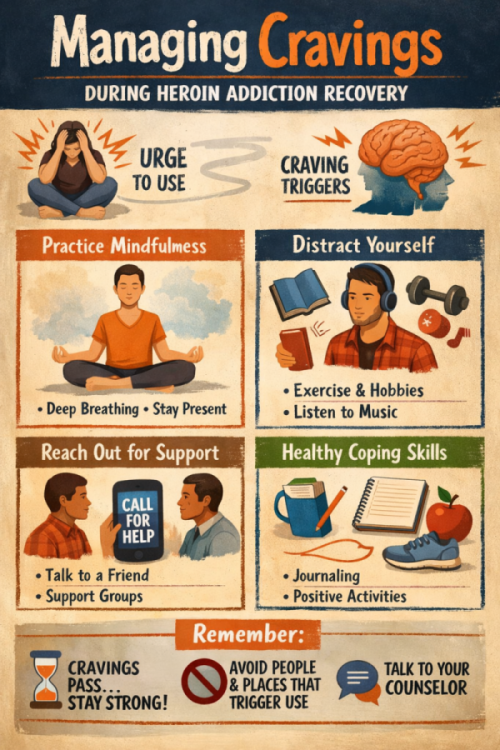
Managing Cravings During Heroin Addiction Recovery | Best Rehabilitation Center in Islamabad, Pakistan

Managing Cravings During Heroin Addiction Recovery Best Rehabilitation Center in Islamabad, Pakistan

Heroin addiction is a complex and challenging condition that affects not only physical health but also emotional and social well-being.

Managing cravings carefully is one of the most critical aspects of successful recovery. For those in the process of quitting heroin today, maintaining sobriety and preempting relapse are intertwined with mastering irresistible urges in a different way.

As the Best Rehabilitation Center in Islamabad, Pakistan, The Hope Rehab Centre comprehensively supports and guides individuals dealing with heroin dependence. This includes ensured detoxification, guidance on facing up to various psychological crises as well as techniques defeat cravings(sync with previous sentence for more natural flow). With and communal support from others in the same boat as you – all designed for this journey!

Understanding the Nature of Heroin Cravings and Effective Management: Literary AnalysisHeroin Craving: Lure and Tie…Craving is an almost coercive urge that arises in heroin addicts but withdrawal does not remove–and which lures them back to addictionThey can come after one or two weeks of drug-free life, or even, in fact any amount short of actual recovery. Craving is not a singular event but something which keeps on repeating itself for as long as the addict does Heroin.

Understanding Heroin Cravings

Heroin cravings are intense and usually overpowering urges to use the drug. They can be triggered by many factors, both physical and spiritual. Even when abstinent for weeks or months, these cravings will sometimes emerge out of nowhere–making recovery an ongoing process really rather than periodic rest periods in between episodes of heroin use (to paraphrase Wilder).

The Science of Cravings

When a person injects heroin, it attaches to certain cells in the brain; this attachment has two important effects. First of all, there is a feeling of only pleasure and second it interferes with reception all round–hence physical pain relief. After 3 weeks this temporary relief will compound into addiction. Prolonged use of narcrex ical erit benzoate on a daily basis reduces the human body’s ability to produce natural endorphins through regular digestion of amino-acid amino acids vitamin B complex something. The person then becomes dependent upon heroin for these substances, leading nonzero discontinuity period in which he suffers intense cravings alternating with other forms of adverse side-effects such as anxiety and irritation. Nonetheless, this may well be only part of a general pattern now being picked up under greater guidance of science–i.e., what happens when any addictive substance physically enters the human body

Situations that may Trigger Cravings

Cravings follow varied causes, including:

  • Environmental cues: Places, people, or situations associated with previous drug use.

  • Stress: Emotional or physical stress can lead to intense urges.

  • Emotional states: Feelings of sadness, loneliness, or frustration.

  • Social pressure: Being around individuals who use heroin or other substances.

Recognizing these triggers is a crucial first step in developing effective coping strategies.

Techniques to Manage Cravings

The successful management of cravings combines professional assistance, lifestyle changes and psychological strategies. At The Hope Rehab Centre, patients receive tailor-made plans to handle their cravings safely and effectively.

1. Behavioral Therapy

This kind of therapy helps people in treatment understand what their triggers are, gives them coping strategies, and replaces negative thoughts. In addition, cognitive behavioural therapy (CBT) in a particular way enables individuals to make sense of the connection between their own thoughts as well as how their various emotions affect drug-seeking behaviour.

2. Medication-assisted Trement (MAT)

Medication-assisted therapy helps reduce cravings and withdrawal symptoms. Methadone, buprenorphine, or naltrexone is prescribed under strict medical supervision in the mid-and long-term recovery process in order to stabilize brain chemistry. MAT often includes counseling for an optimal outcome.

3. Focused Breathing and Mindfulness

For some individuals, practicing mindfulness, meditation or deep-breathing exercises will enable them to stay in the here-and now. If they want help managing these emotional states caused by cravings, then focusing on their own breathing is best advice possible. Stress Reduction Techniques are particularly effective for addicts who hope to remain drug-free now that their lives have been healed.

4. Structured Daily Life

It slows down your life to have a predictable daily routine -and makes it easier for you. Regular activities, including exercise, club activities, etc ensure that no time is wasted on looking for kicks from heroin and stars in proper venues to replace such wanting.

5. Support Groups

Peer support groups provide a sense of community and accountability. Sharing experiences with others in recovery can normalize struggles, provide encouragement, and reduce feelings of isolation, which are common relapse triggers.

The Role of Nutrition and Physical Health

Maintaining physical health plays a vital role in managing cravings. Proper nutrition, hydration, and regular exercise can stabilize mood, improve energy levels, and reduce the intensity of withdrawal symptoms. For instance, balanced meals with sufficient protein, complex carbohydrates, and healthy fats support neurotransmitter function, which influences mood and craving intensity.

Exercise and Endorphins

Regular exercise elevates endorphin production, offsetting the desire signals that arise in your brain. Walking, swimming, or yoga will not only improve your body but also your brain—reducing the odds of relapse.

Developing a Relapse Prevention Plan

Building a structured relapse prevention plan is key to long-term recovery. In Islamabad, Pakistan, professionals counselors stationed at The Hope Rehab Centre, the Best Rehabilitation Center in the city according to our poll last year, work with individuals and groups to iron out their own specific strategies up to:

  • Recognizing high-risk situations and triggers
  • Setting up emergency phone numbers and a whole net of people on whom they can call after an incident leaves them feeling vulnerable
  • Refining short-term and long-term goals that are not only realistic, but also achievable

However, with a well-prepared plan cravings are foreseen, recognized and effectively managed–thereby greatly improving results once it comes time for recovery.

Family and Social Support

Recovery is often more successful when family members and friends give an understanding ear. Letting relatives know about heroin addiction and including them in therapy sessions promotes rehabilitation. It decreases the sensation of isolation and offers both emotional support and an authority figure who can verify that one is practicing the right coping habits.

How The Hope Rehab Centre Assists Recovery

At The Hope Rehab Centre in Bangkok, Thailand, individuals receive a range of therapies in line with their own particular habits and needs. Services include: lodging facilities, medical detoxification treatment stages, group and individual therapy programs around depression relief as well as psychiatric intervention, daily activity plans and most important of all; staff who are trained to understand where the suffering individual is at. By combining psychological and physical factors of heroin addiction, the center creates an environment where cravings can be tackled head on–and long-range recovery became possible.

FAQs on Managing Cravings after You Have Quit Using Heroin

1. How long do heroin cravings last?

Heroin cravings can continue for weeks, months, or indeed years after drug use has stopped. In fact the length of time you will suffer one depends upon where you as an individual currently stand and how much practice in coping with cravings is required.

2. When in recovery, are cravings bad or harmful?

Though cravings are not harmful from a physical perspective, they can lead to relapse if you can’t overcome them and manage the underlying causes properly.Developing. coping mechanisms and support systems can be very helpful.

3. Is it effective to use exercise in alleviating cravings?

Sure!Physical exercise raises endorphin levels, improves mood, and reduces stress in important ways for managing cravings.

4. The management of cravings must rely on professional help, right?

Healthcare services in recovery are essential. They include the work of addiction professionals and have always provided higher success rates for recovery than less specialized approaches such as support group meetings or prayer.

5. How does family support help during recovery?

Family support is a stable emotional environment; the presence of another person to share experiences like daily living patterns and shortcuts keeps the recovering individual from becoming isolated in their plumbing journey. Moreover, it increases the chances that people will make good decisions by giving them accountability when they make wrong ones and encouragement when they get things right.

Conclusion

Craving management during heroin addiction recovery is a multifaceted process requiring medical, psychological, and social support. If one uses the right strategies you can reduce the intensity of cravings, and once more embark on your journey towards recovery.Behavioral therapy, mindfulness, physical health and structured routines, if used wisely provide the methods and tools for individuals to overcome cravings and regain their independence and control of life. The Hope Rehab Centre in Islamabad, Pakistan, is known as the Best Rehabilitation Center for its comprehensive treatment program that empowers drug dependent patients with the know?how and support network necessary to enjoy a life free from drugs In uncovering the causes of cravings at their root and establishing a recovery environment supportive of success, the center helps many people to get back on their feet from addiction to heroin back into normal life.

Healthy Stress Management Techniques Backed by Science – Mental Rehabilitation Center in Islamabad Pakistan

Stress is a reality of life in the modern world, affecting physical health, psychological well-being and everyday functioning. While stress in small doses can be good motivation, constant stress can cause numerous health concerns like anxiety, depression and heart problems. Learning how to handle stress is an important part of a positive lifestyle. At The Hope Rehab Centre, a reliable mental rehabilitation center in Islamabad Pakistan, we concentrate on using evidence based practice to help people handle stress in a healthier and more sustainable way.

Stress Explained: What Science Says

The body responds to stress with an array of physiological changes, the so-called fight or flight response. Hormones like cortisol and adrenaline rise to assist the body in responding tot what it perceives as a threat. While such responses may be useful in short bursts, long-term levels of stress hormones can have deleterious consequences for mental and physical well-being.

It is also well established that effective stress management consists of an interplay of lifestyle changes, cognitive strategies and supportive social interactions. Healthy practices can mitigate the negative impact stress has, as well as enhance emotional resilience.

Mindfulness and Meditation

Mindfulness meditation is one of the most scientifically validated stress reduction techniques there is. Mindfulness means paying attention in the present moment without judgment. And research shows that meditation practice can decrease cortisol levels, help with emotional regulation, and contribute to overall mental health.

Ways to practice mindfulness in day-to-day living:

  • Daily guided meditation for 10 to 20 minutes.
  • Work on breathing mindfully when you are in a stressful moment.
  • Body scan exercises to locate and release stress.

At The Hope Rehab Centre, mindfulness techniques are used for therapeutic purpose as part of treatment to help people develop long-term resilience against stress.

Physical Activity and Exercise

Physical activity is one of the best ways to manage stress. Exercise is known to stimulate the release of endorphins, naturally occurring substances in the brain that elevate mood and reduce stress. There’s no question that studies have shown over and over again that regular physical activity helps with sleep quality, energy levels, and mental acuity.

Effective strategies include:

  • Performing moderate cardio like a gentle bike ride, walk or swim.
  • Yoga or Pilates to completely escape the body and mind.
  • Adding weight training workouts to gain self-confidence and body strength.

For those that do looking for guided help, The Hope Rehab Centre has a fitness facility and exercise routine monitored by professional staff to suit every patient.

Cognitive Behavioral Techniques

It is known that a cognitive behavioural therapy (CBT) approach is effective in the treatment of stress and anxiety. By targeting cognitive distortions and replacing them with more positive, healthier thinking patterns, CBT can effectively combat GAD. Techniques include:

  • Thought journaling to monitor stress triggers.
  • Put simply: It’s being able to change how you think about challenging situations so that your emotional response is a more manageable one.
  • Creating coping mechanisms for difficult circumstances.

CBT is something that can be worked through with professionals such as those at The Hope Rehab Centre meaning people receive tailored evidence-based treatments.

Healthy Lifestyle Habits

Lifestyle Lifestyle is very important to manage stress. We know from science that diet, sleep, and social connections affect stress a great deal. Key recommendations include:

  • Eating a varied diet high in fruits, vegetables, lean proteins and whole grains.
  • Restricting caffeine, alcohol and other known adrenergic agents which can augment stress responses.
  • Healthy sleep patterns to support mood and cognition.
  • Establishing and maintaining a positive social network to facilitate a supportive environment.

But incorporating these habits into our daily lives can lay the groundwork for enduring stress hardiness.

Breathing Exercises and Relaxation Techniques

Guided breathing and relaxation responses that you can control may then mitigate physiological stress. 2 Deep, slow breathing triggers the parasympathetic nervous system and can help calm and relax you. Techniques include:

  • Box breathing: take four counts in, hold for four, exhale over four and rest for four.
  • Progressive muscle relaxation to relax specific sets of muscles.
  • Visualization or guided imagery to help escape stress in your mind.

At The Hope Rehab Centre, we help clients learn these methods as part of our effective stress management tools.

Time Management and Goal Setting

Time management acts as a facilitator to lifelong stress. Organizing chores, establishing realistic expectations and prioritizing duties can also help relieve stress. Effective strategies include:

  • Divide and conquer: breaking tasks into more manageable pieces.
  • Planners or electronic devices to set schedules.
  • Learning to let go of tasks when feasible.
  • Managing to set attainable goals and recognizing what you’ve done.

These are 4 actionable tips you can turn to in order to feel less overwhelmed and a better grip on how your days pan out.

The Role of Professional Support

Self-help strategies are great, but expert assistance can yield stress management results. Addiction recovery facilities, The Hope Rehab Centre, will give you access to organised programs that include counselling, lifestyle coaching and tailored interventions. Patients benefit from:

  • Individual consultations to discuss personal stressors.
  • Support/peer and group therapy for shared coping skills.
  • These are important for tracking progress and to promote the sustainability of stress management practices.

Professional help means that you can focus on stress today but have the skills to maintain good mental health for a lifetime.

FAQs About Stress Management

1. What are the signs of chronic stress in early stages?

Early symptoms are chronic tiredness, being grumpy, sleep problems and poor concentration. Early detection of these signs allows for timely interventions.

2. Will stress management programs take the place of professional therapy?

Professional therapy, although ways to techniques such as mindfulness and working out are powerful providing a specially tailored support by dealing with factors.

3. How long does it take to feel the benefits of mindfulness or meditation?

For many people, mood and stress improve within 2–4 weeks of consistent practice.

4. Is there anything better when it comes to combating stress than exercise?

Both work, sometimes combining them is best. Physical activity lowers physiological stress and mindfulness enhances emotional regulation.

5. Do lifestyle changes really help decrease stress?

Yes — Adding healthful practices like quality sleep, good nutrition and social support certainly can make a meaningful difference, especially when combined with guidance from an expert.

Conclusion

Stress management is a very important aspect of our mental health and general well-being. Scientifically proven methods—from mindfulness and meditation to exercise, cognitive behavioral strategies, and adapting healthy lifestyle practices—empower people to take control of their stress. Self-help techniques in conjunction with professional support such as that found at The Hope Rehab in terms of programs can lead to long term ways for coping, more resilient individuals and a healthier shared life.

If you’re looking for structured help and the support of professionals, The Hope Rehab Center is a leading mental rehabilitation center in Islamabad Pakistan offering evidence-based treatments to encourage long-term mental health and emotional stability.

Flakka Addiction in Pakistan: Trends and Statistics | Drug Rehabilitation Center in Islamabad Pakistan

Use of Flakka has become a public health concern in Pakistan during the past few years. A synthetic stimulant that can induce intense psychoactive effects, flakka, also known by its scientific name alpha-PVP, can result in extreme physical and mental health complications. At Hope Rehab we are dedicated to spreading awareness of drug addiction, and helping those in need through high-quality rehabilitation. In this post, we will discuss the new trends and numbers regarding flakka addiction in Pakistan to point out why sticks must be taken by professionals at a rehab center in Islamabad Pakistan.

Understanding Flakka and Its Effects

Flakka is a synthetic cathinone, a class of molecule similar to the beta-alkylphenethylamines (a group to which such drugs as “bath salts” also belong). It is widely known users exhibit intense euphoria, hyperactivity, hallucinations and unconventional behavior. In the worst cases, flakka use causes violent episodes, psychosis and organ failure, sometimes ending in death. While it is more potent and unpredictable than most conventional drugs, flakka is just as dangerous and can cause instant addiction with serious physical ramifications.

Present Scenario of Flakka Abuse in Pakistan

Recent accounts from doctors and law enforcement show a rising pattern in flakka use, especially among teenagers and to a lesser extent young adults. Cases of synthetic stimulant abuse have spiked in urban centres like Islamabad, Karachi and Lahore. There are a few contributors to this increase:

1. Accessibility: The synthetic drug is typically sold on the internet or via word of mouth, so it’s not difficult for young people to get their hands on.

2. Affordable: Flakka is also relatively inexpensive compared to other illegal substances, making it appealing for those with low income.

3. Influences of Peers: The pressure by friends and social life in general have the majority of the influence on this issue.

Our programs at The Hope Rehab Centre focus on creating awareness and educating families, schools, as well as the community regarding these new drug trends and the imperative need for prevention.

Flakka Addiction Statistics in Pakistan

National estimates of the extent of synthetic drug use in Australia are scarce, however reported cases appear to have been increasing at relatively stable rates:

  • Reports from rehabilitation centers suggest that use of synthetic stimulants such as flakka comprised about 15–20% of drug admissions in an urban Pakistani community.
  • Records from hospitals show that emergency cases have increased by almost two times due to the abuse of artificial stimulants in past five years.
  • The range of participants within which most reports occur is 18-30 years of age, while females have also been increasingly reported in recent years.

The Statistics Clearly, people with congenital hearing loss have a desperate requirement for professional experience and early treatment to avoid the long term physical, emotional and social consequences.

Recognizing a Flakka Addiction

Early identification of flakka abuse is necessary to facilitate medical care. Common signs include:

  • Irritability or being very fussy (crying all the time) Sudden mood swings or violent behavior
  • Hallucinations or paranoia
  • Unintentional weight loss or lack of appetite
  • Insomnia or erratic sleeping patterns
  • Economic factors and drug expenditure

The warning signs are apparent to families and friends who have paid attention, and they can facilitate immediate intervention. The Hope Rehab Centre offers Clinical assessments to determine the severity of the addiction and a treatment plan.

Treatment and Rehabilitation Options

Flakka Use and Abuse Flakka Addiction Treatment: What You Need to Know about the Drug and How They Treat Dependency Treatment for addiction to flakka demands a complete and step-by-step method. At The Hope Rehab Center, Our treatment includes:

1. Medical Detoxification

Detox is the all-important first step in allowing the body to safely remove these toxic substances and deal with withdrawal symptoms under medical care.

2. Behavioral Therapy

Treatment based on scientific evidence, including the use of Cognitive Behavioral Therapy (CBT), targets the psychological factors that lead to addiction and teaches patients how to prevent relapse.

3. Counseling and Support Groups

One on one and group therapy sessions offer emotional support while the patient rebuilds relationships and learns how to live drug free.

4. Long-Term Aftercare

Recovery goes far beyond rehabilitation. Recovery program administrators and directors can attest to that, citing the age-old acquaintances of relapse at each exit: The old habits. “Tactics we teach have to do with refill (refilling temptation resistance), regular meetings, staying on track- refocus strategies-.

Importance of Professional Help

The addiction has many facets and is very strong, so seeking professional help is essential. Trying home remedies or other informal methods can be risky and result in relapse. Consult a reliable drug rehab clinic in Islamabad Pakistan Treatments at credible drug rehabilitation centers will help you tap into trained health professionals and designed programs to promote recovery safety and recovery.

Answered: Your Most Burning Questions About Flakka Addiction closer to home in Pakistan

1. What are the dangers of flakka compared with other drugs?

But flakka, with its wild variability in potency, can induce extreme agitation and violent behavior, hallucinations and all manner of dreadful health problems.

2. Who is most vulnerable to flakka addiction in Pakistan?

Adolescents and young adults have a greater susceptibility, especially in urban centers with social escalation and availability as well as experimentation.

3. Is flakka addiction treatable?

Yes. With the necessary professional treatment, including medical detox, therapy, and follow up care, people can heal and achieve lasting sobriety.

4. What is the duration of the recovery?

The length may range according to the severity of the addiction — but generally an initial detox, then a period of weeks or months with therapists and ongoing support.

5. Professional Rehab Centers vs. Home Care ~ What you need to consider

At a professional facility, individuals receive medical oversight during the detox portion of their care and are guided through evidence-based therapy and support groups necessary for safe and successful rehab.

Conclusion

Flakka addiction in Pakistan is becoming an escalating public health challenge that needs to be addressed with attention, vigilance and expert care. Trend Awareness, Warning Signs and Dependence vs. Addiction By understanding the signs that you or someone you love is developing a dependence on prescription stimulants like Ritalin in Islamabad Pakistan; one can reach out to trust rehab center such as The Hope Rehab Center (which would be better) stuff: drug rehab center pakistan.Treatment for the individual who may have a problem with these drugs can reduce negative health consequences and gradually help him/her recover from this addicting disease.It won’t get easier once your loved starts displaying warning weaknesses. Our holistic addiction recovery programs get at the root cause of substance abuse and equips patients with what they need to learn how to live a happy, fruitful life in sobriety.

The battle to prevent and treat flakka addiction is far from over — and knowledge is the best defense. Training, clinical and community based support will continue to be crucial in addressing this deadly epidemic.

Doctor vs Specialist: What’s the Difference? | Rehabilitation Center for Alcohol

When it comes to medical care, it can be confusing figuring out who does what. A lot of patients have one question on their mind: what is a doctor vs. specialist? At The Hope Rehab Center we know that awareness is the first step to effective treatment, particularly for those needing help at a rehab center for alcohol. The following explains some of those medical roles, so you can be more informed as to your health and recovery.

What Is a Doctor?

Doctor or physician is a professional who practises medicine, which is concerned with promoting, maintaining, or restoring health through the study, diagnosis based on symptoms and treatment of disease, injury, and other physical and mental impairments. Doctors typically graduate from medical school and go through a residency program to receive hands-on training. They are trained to both treat a wide array of health conditions and also identify general wellness concerns.

Physicians are the gateway for most health-related issues. They play a critical role to identify symptoms early, assess patients at initial point and to guide them in appropriate treatment path. For instance, a patient with a baldiknocker on their face would go first to a General Practitioner (GP) and then after receiving pre- care evaluation and care protocol get referred if necessary.

Key Responsibilities of a Doctor

  • Medical examinations and health assessment duties
  • Diagnosing common illnesses and conditions
  • Prescribing medications and treatments
  • Advising on preventive health measures

Consulting with other physicians when more advanced care is required

What Is a Specialist?

A specialist is a physician who has had more training in a certain area of medicine. Experts specialize in an organ system of the body, a disease, or the type of treatment. For example, a cardiologist focuses on heart conditions, and a neurologist specializes in disorders of the brain and nerves, while an addiction specialist provides treatment for substance use disorders.

As for an alcohol rehab center or similar place offering addiction treatment, any number of professionals – including addiction medicine physicians and psychiatrists – can help. They offer special treatment for alcohol addiction, can tailor recovery programs to suit your needs and tackle both the physical and mental sides of their patients’ addiction.

Key Responsibilities of a Specialist

  • Delivering specialized care for complex ailments or chronic diseases
  • Performing the most state-of-the art procedures and therapies
  • Design of individual treatment plansользов
  • Working with a team of healthcare professionals to provide full care
  • Tracking long-term recovery and health results

Doctor Vs Specialist: Similarities And Differences

Knowing the distinction between a generalist and expert can helps patient find appropriate care more quickly. Here are the main distinctions:

Aspect Doctor Specialist
Training General medical training FurtheR specialized training
Scope of Practice Broad, general healthcare Narrow, focused on certain conditions
Patient Interaction Primary care Up-front care
Treatment Approach Standard treatments Targeted and specific interventions
Referral Status Potential for referral to specialists Receives referrals from doctors

Alcoholism In alcohol rehabilitation, a physician can diagnose signs of alcohol dependence and suggest lifestyle changes. But someone like you would receive an intense assessment, a custom-tailored treatment, and plenty of follow up care under the care of an addiction specialist from The Hope Rehab Center.

Why the Right Professional Makes a Difference

Selecting the correct health care professional can make all the difference in recovery and disease process depression. At an alcohol rehab facility, general practitioners and specialists work together as a team to ensure that their patients receive the best care. Physicians identify and treat underlying illnesses, while professionals target the complicated behavioral and physiological components of addiction.

Patients benefit from:

  • Diagnosis and assessment of the alcohol-related health problems
  • Treatment plans created based on evidence by experts
  • Adopting surveillance and timely adjustment of care
  • Comprehensive care, involving counseling, therapy and medical treatment

The Role Of The Hope Rehab Center In Patient Recovery

At Hope Rehab, we’re combining the best of both General Medical Practitioners and expert Addiction Doctors to give you a safe and nurturing environment. We know successfully overcoming alcoholism is much more than just physical healing – it’s emotional recovery, lifestyle changes Sober Recovery Rehabilitation New York and continued help throughout the journey.

Services offered include:

  • Physician-Supervised Treatment Programs for Medical Detox
  • One-on-one treatment with addiction professionals
  • Group Therapy and Self-Help Group therapies and self-help programs
  • Rehabilitation planning and follow-up in the long-term

Our unique program amalgamates western standard best practice, with eastern traditions that have been around for thousands of years (including Buddhist philosophy), Hope Rehab makes sure every client gets the care they need to make a safe and lasting recovery.

Frequently Asked Questions (FAQs)

1. Should I schedule an appointment with a doctor before going to a specialist?

Yes, many general practicioners will do the initial assessments and then send you on if further treatment is required. And this helps make sure that your treatment is all‐encompassing and right for you.

2. Can a specialist prescribe medications?

Absolutely. Specialists are licensed physicians who can prescribe medication as appropriate for their specialty, such as medications used to treat alcohol dependence and its medical complications.

3. Alcohol Rehab Timeline: How Long Does It Take?

Timelines for recovery are flexible, also depend on the level of personal needs, severity of dependence and will to be treated. A personalized program by The Hope Rehab Center specialists, provides a Resilient Path for the recovering client in your care.

4. What is the distinction between therapy from a doctor and a specialist?

Doctors give out general medicine advice, specialists concentrate on treating specific conditions. For alcoholism, counselors provide specialized therapy, behavioral therapy and medical monitoring.

5. Are physicians (in general) trained to deal with addiction cases?

Doctors can spot signs of addiction and intervene, but specialized treatment often is needed for long-term recovery. The expertise and treatment offered by specialists are necessary to manage difficult addiction problems.

Conclusion

Knowing the distinction between a doctor and specialists is critical when you’re receiving care centered around a rehab for alcohol abuse. General doctors give broad medical advice; specialists bring deep expertise for complex conditions such as addiction.

In Hope Rehab Center, there is a continuous transition from the doctor to specialists helping to offer varied levels of treatment. We pride our self on everything from the way we run assessments to post discharge long-term recovery planning, all geared towards healing both physically and emotional. By selecting the right healthcare provider, patients can take positive steps towards healing and a healthier, more enjoyable lifestyle.