The Hope Rehab Center

Alcohol Addiction: Understanding Causes, Treatment, Recovery, and Support
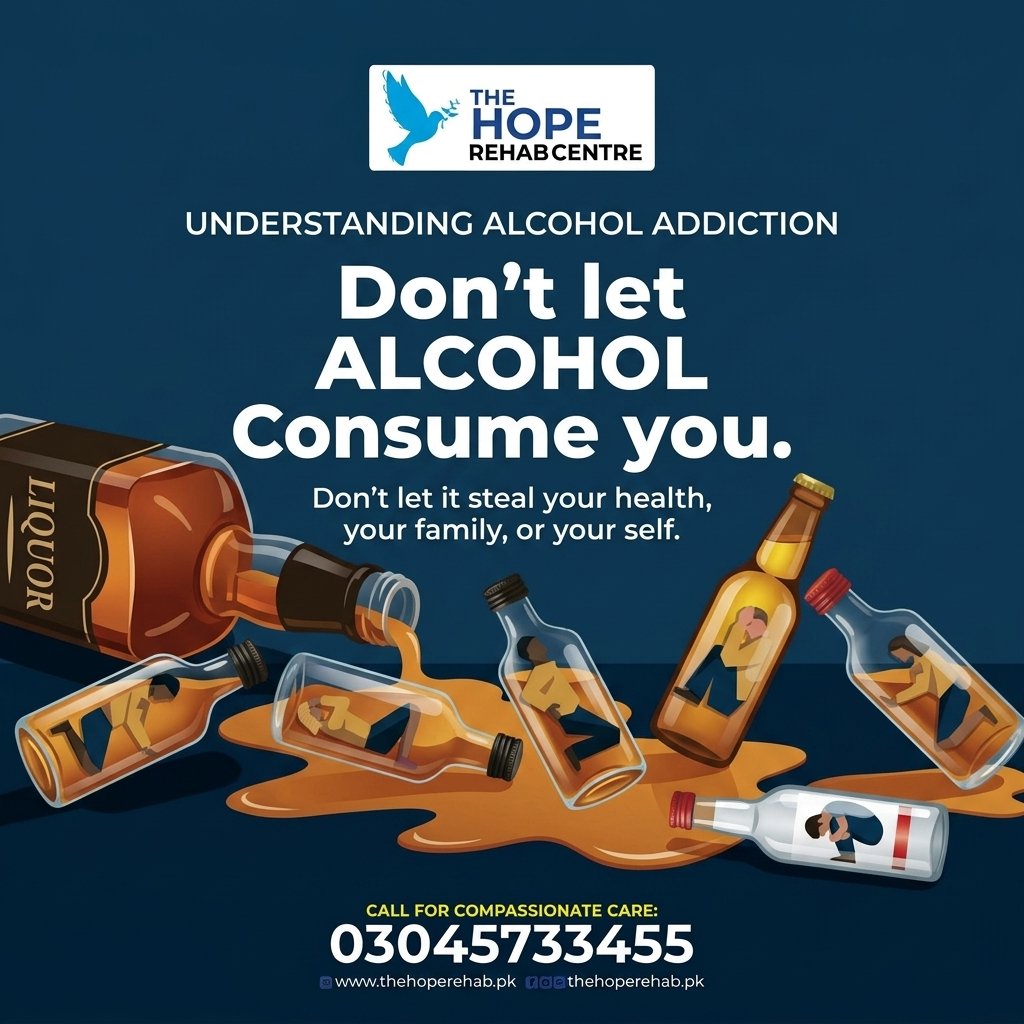
Alcohol Addiction: Understanding Causes, Treatment, Recovery, and Support

Alcohol addiction is a serious health condition that can affect a person’s physical health, emotional well-being, relationships, work, and daily life. What may begin as occasional drinking can become difficult to control for some people. Over time, repeated alcohol use may lead to dependence, cravings, and continued drinking despite negative consequences.

Understanding alcohol addiction is an important first step toward seeking appropriate help. Recovery is possible, but treatment needs to be based on the person’s health, drinking history, mental health, and individual circumstances.

At The Hope Rehabilitation Center Islamabad, Pakistan, people and families can explore appropriate rehabilitation and recovery support based on professional assessment and individual needs.

What Is Alcohol Addiction?

Alcohol addiction, commonly referred to clinically as alcohol use disorder, involves difficulty controlling alcohol use despite harmful consequences. It can range from mild to severe, and symptoms can vary between individuals.

Some possible signs include:

  • Strong urges to drink
  • Drinking more or for longer than intended
  • Repeated attempts to reduce or stop drinking without success
  • Spending significant time obtaining, drinking, or recovering from alcohol
  • Neglecting work, education, family, or social responsibilities
  • Continuing to drink despite physical or emotional problems
  • Developing tolerance to alcohol
  • Experiencing withdrawal symptoms when alcohol use is reduced or stopped

Having one or more signs doesn’t automatically establish a diagnosis. A qualified healthcare professional can conduct an appropriate assessment.

Why Alcohol Addiction Develops

There is no single cause of alcohol addiction. Several factors can contribute to problematic alcohol use.

Biological Factors

Genetics, brain chemistry, and individual differences in how the body responds to alcohol may influence vulnerability to dependence.

Mental Health

Depression, anxiety, trauma, chronic stress, and other mental health difficulties may occur alongside problematic drinking. Some individuals may use alcohol in an attempt to cope with difficult emotions, although alcohol can ultimately make these problems harder to manage.

Social and Environmental Factors

Family circumstances, peer influence, social norms, stressful environments, and easy access to alcohol can also affect drinking patterns.

Understanding these factors can help treatment professionals develop a more complete recovery plan.

Health Effects of Long-Term Alcohol Misuse

Heavy or prolonged alcohol consumption can affect many parts of the body.

Potential health concerns include:

  • Liver disease
  • High blood pressure
  • Cardiovascular problems
  • Digestive difficulties
  • Sleep disruption
  • Weakened immune function
  • Memory and concentration problems
  • Nutritional deficiencies
  • Increased risk of certain cancers

Alcohol can also affect mental health and may contribute to depression, anxiety, relationship difficulties, and problems with decision-making.

The effects vary depending on drinking patterns, individual health, and other factors.

Alcohol Withdrawal Can Require Medical Attention

Alcohol Addiction: Understanding Causes, Treatment, Recovery, and Support

One of the most important considerations in alcohol addiction treatment is withdrawal.

A person who has developed physical dependence may experience symptoms after reducing or stopping alcohol. These can include shaking, sweating, anxiety, nausea, insomnia, and an elevated heart rate.

In severe cases, alcohol withdrawal can cause seizures, hallucinations, severe confusion, or delirium tremens. These complications can be life-threatening.

For this reason, someone who drinks heavily or regularly should not assume that suddenly stopping alcohol is always safe. Medical assessment can help determine the appropriate approach.

Emergency medical care should be sought for severe confusion, seizures, hallucinations, difficulty breathing, loss of consciousness, or other serious symptoms.

Alcohol Addiction Treatment

Treatment should be individualized rather than based on a single method. Depending on a person’s needs, treatment may involve several stages.

Assessment

A healthcare professional may review alcohol use, physical health, mental health, medications, previous treatment, and withdrawal history.

Detoxification

For individuals who require it, medically supervised withdrawal management can help address alcohol withdrawal safely. Detox is not the same as complete addiction treatment.

Counseling and Behavioral Therapy

Therapy can help individuals understand patterns of drinking, identify triggers, develop coping skills, and work toward healthier behaviors.

Mental Health Treatment

When depression, anxiety, trauma, or another psychiatric condition occurs alongside alcohol addiction, both concerns may need attention.

Aftercare and Relapse Prevention

Continuing care can help individuals manage cravings, recognize warning signs, maintain healthy routines, and seek assistance when difficulties arise.

The Role of Family Support

Alcohol addiction can place considerable strain on families. Relatives may experience worry, frustration, anger, or uncertainty about how to respond.

Family support can include education about addiction, counseling, improved communication, and healthy boundaries.

Being supportive doesn’t mean ignoring harmful behavior. Families can encourage treatment while protecting their own emotional and physical well-being.

Recovery Is More Than Stopping Alcohol

Stopping alcohol use is an important milestone, but long-term recovery often involves broader changes.

These may include:

  • Developing healthier coping strategies
  • Improving sleep and daily routines
  • Building supportive relationships
  • Addressing mental health concerns
  • Avoiding high-risk situations
  • Participating in counseling
  • Developing a relapse-prevention plan
  • Maintaining appropriate follow-up care

Recovery looks different for each person. Some people need intensive treatment, while others may benefit from less intensive outpatient support.

How The Hope Rehabilitation Center Can Help

The Hope Rehabilitation Center Islamabad, Pakistan takes a rehabilitation-focused perspective in which treatment needs should be considered individually. Appropriate care may involve assessment, counseling, family involvement, relapse-prevention planning, and continuing support.

No responsible healthcare provider can guarantee a particular outcome. Recovery can involve progress, challenges, and changes to the treatment plan over time.

The most appropriate level of care depends on the individual’s medical condition, alcohol use pattern, mental health, support system, and professional assessment.

Frequently Asked Questions

1. What are the common signs of alcohol addiction?

Signs may include difficulty controlling drinking, strong cravings, increased tolerance, neglect of responsibilities, repeated unsuccessful attempts to stop, and continued drinking despite harmful consequences.

2. Is alcohol withdrawal dangerous?

It can be. Severe alcohol withdrawal may involve seizures, hallucinations, severe confusion, or delirium tremens. People with significant alcohol dependence should seek medical advice before stopping suddenly.

3. Is detox enough to treat alcohol addiction?

No. Detox primarily addresses the physical effects of withdrawal. Long-term recovery may also require counseling, behavioral therapy, mental health care, family support, and relapse-prevention strategies.

4. Can alcohol addiction occur alongside depression or anxiety?

Yes. Alcohol use disorder and mental health conditions can occur together. Professional assessment can help determine whether both require treatment.

5. How can family members support someone with alcohol addiction?

Families can encourage professional treatment, learn about addiction, communicate respectfully, maintain appropriate boundaries, and support healthy recovery routines without enabling harmful drinking.

Conclusion

Alcohol addiction is a complex health condition that can affect nearly every area of life. Recognizing the signs and seeking appropriate professional assessment can help individuals understand their treatment options.

Recovery may involve medically appropriate withdrawal management, counseling, behavioral therapy, mental health care, family support, and continuing aftercare. At The Hope Rehabilitation Center Islamabad, Pakistan, treatment can be approached with dignity, compassion, realistic expectations, and attention to each individual’s circumstances.

Detoxification: A Safe and Structured First Step Toward Addiction Recovery
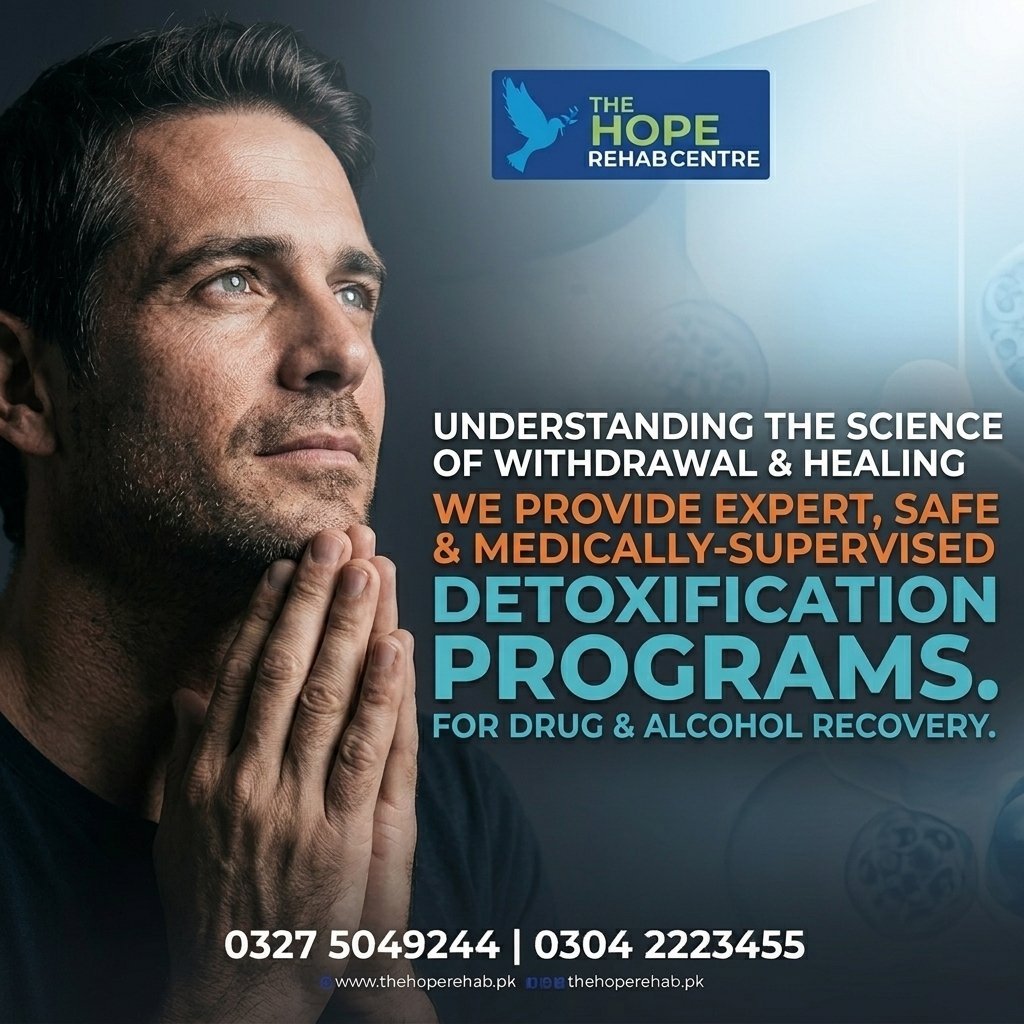
Detoxification: A Safe and Structured First Step Toward Addiction Recovery

Detoxification is often one of the first stages of treatment for people experiencing substance dependence. It refers to the process through which the body adjusts after reducing or stopping alcohol or drugs. Depending on the substance and the person’s health, this process may involve withdrawal symptoms that range from uncomfortable to medically serious.

Although detox is an important part of recovery for some individuals, it is not the same as addiction treatment. Detox primarily addresses the physical effects of stopping substance use. Long-term recovery may also require counseling, behavioral therapy, mental health care, family support, and relapse-prevention planning.

At The Hope Rehabilitation Center Islamabad, Pakistan, detoxification should be approached with careful assessment, appropriate supervision, and respect for each person’s individual needs.

What Is Detoxification?

Detoxification is the process of allowing the body to clear a substance while managing the physical and psychological effects of withdrawal.

Withdrawal can differ significantly depending on:

  • The substance being used
  • How frequently it is used
  • The amount consumed
  • Duration of substance use
  • Physical health
  • Mental health
  • Previous withdrawal experiences
  • Use of multiple substances

For this reason, there is no single detox method that is appropriate for everyone.

Why Medical Supervision Can Be Important

Some forms of withdrawal can become dangerous. Alcohol and certain sedative medications, for example, may cause serious withdrawal complications in people who are physically dependent.

Depending on the circumstances, withdrawal can involve:

  • Anxiety
  • Sweating
  • Tremors
  • Nausea
  • Insomnia
  • Changes in mood
  • Increased heart rate
  • Confusion
  • Seizures in severe cases

A healthcare professional can assess withdrawal risk and determine whether medical monitoring or a higher level of care is necessary.

People should not attempt to manage potentially severe withdrawal independently simply because they want to stop using quickly.

The Difference Between Detox and Rehabilitation

Detoxification and rehabilitation serve different purposes.

Detoxification focuses primarily on managing withdrawal and helping the body adjust to reduced or discontinued substance use.

Rehabilitation addresses the broader factors involved in addiction. It may include:

  • Individual counseling
  • Behavioral therapy
  • Group support
  • Family counseling
  • Mental health treatment
  • Life-skills development
  • Relapse prevention
  • Aftercare planning

Completing detox does not automatically resolve cravings, psychological dependence, or the behaviors associated with substance use. Continuing care can therefore be an important part of recovery.

Assessment Before Detoxification

Detoxification: A Safe and Structured First Step Toward Addiction Recovery

A thorough assessment can help healthcare professionals determine the safest treatment approach.

An assessment may consider:

Substance Use History

Clinicians may ask about the type of substance, amount, frequency, duration, and method of use.

Medical History

Existing conditions, medications, allergies, and previous withdrawal complications can affect detox planning.

Mental Health

Depression, anxiety, trauma, psychosis, or other mental health concerns may influence treatment and should be identified.

Previous Detox Attempts

A history of severe withdrawal or previous unsuccessful attempts can provide important information when planning care.

Different Substances Require Different Approaches

Detoxification isn’t the same for every substance.

Alcohol

Alcohol withdrawal can become medically serious, particularly in people with significant physical dependence. Medical assessment is important before stopping heavy or prolonged alcohol use.

Opioids

Opioid withdrawal can involve muscle aches, sweating, nausea, diarrhea, restlessness, anxiety, and strong cravings. Although withdrawal is generally not life-threatening by itself, medical and psychosocial support can make treatment safer and more manageable.

Benzodiazepines

Suddenly stopping certain benzodiazepines after prolonged use can cause serious withdrawal, including seizures. Tapering under qualified medical supervision may be appropriate in some circumstances.

Stimulants

Withdrawal from stimulants such as methamphetamine may involve fatigue, low mood, sleep changes, increased appetite, and cravings. Mental health monitoring can be particularly important when severe depression or suicidal thoughts occur.

The Role of Nutrition, Sleep, and Hydration

During recovery, basic physical care matters. Withdrawal can disrupt appetite, sleep, hydration, and daily routines.

Healthcare professionals may provide guidance regarding:

  • Adequate fluids
  • Balanced nutrition
  • Rest and sleep
  • Physical activity when appropriate
  • Management of withdrawal symptoms

These measures support general health but should not be presented as substitutes for medical treatment when withdrawal is severe.

Emotional Support During Detox

Detox can be physically and emotionally challenging. Individuals may experience fear, irritability, anxiety, low mood, or uncertainty about the future.

A respectful treatment environment can help reduce shame and encourage individuals to communicate openly about symptoms and concerns.

At The Hope Rehabilitation Center Islamabad, Pakistan, compassionate communication and individualized planning can help people understand what to expect and identify appropriate next steps in their recovery journey.

Family Support During Detox and Recovery

Family members may have an important supportive role, but they should not be expected to manage serious withdrawal symptoms without professional assistance.

Families can help by:

  • Providing encouragement
  • Maintaining a calm environment
  • Supporting treatment recommendations
  • Avoiding judgment
  • Learning about addiction and withdrawal
  • Encouraging continued care after detox

Family counseling may also help relatives understand their own boundaries and emotional needs.

What Comes After Detoxification?

Once the immediate withdrawal phase has been addressed, continuing treatment can help individuals work on the causes and consequences of addiction.

A continuing recovery plan may include:

  1. Individual therapy
  2. Behavioral interventions
  3. Mental health support
  4. Family involvement
  5. Relapse-prevention strategies
  6. Healthy routine development
  7. Aftercare and follow-up

The appropriate plan depends on the individual’s condition and recovery goals.

Frequently Asked Questions

1. What is detoxification?

Detoxification is the process of allowing the body to adjust after reducing or stopping alcohol or drug use while managing withdrawal symptoms when necessary.

2. Is detoxification the same as addiction treatment?

No. Detox primarily addresses withdrawal. Rehabilitation and continuing care address behavioral, psychological, social, and other factors related to addiction.

3. Can detoxification be dangerous?

Yes, depending on the substance and the person’s level of dependence. Alcohol and certain sedative withdrawals can become particularly serious and may require medical supervision.

4. How long does detoxification take?

There is no universal timeframe. Duration varies according to the substance, pattern of use, physical health, withdrawal symptoms, and treatment approach.

5. What happens after detox?

Many people benefit from continued treatment such as counseling, behavioral therapy, family support, mental health care, relapse prevention, and aftercare.

Conclusion

Detoxification can be an important first stage for people recovering from substance dependence, but it should not be viewed as a complete solution to addiction. The safest approach depends on the substance involved, the person’s health, and the potential severity of withdrawal.

At The Hope Rehabilitation Center Islamabad, Pakistan, detoxification can be considered within a broader, individualized recovery plan that emphasizes appropriate assessment, safety, compassionate care, and continued treatment.

Anyone experiencing severe withdrawal symptoms—including seizures, severe confusion, hallucinations, difficulty breathing, or thoughts of self-harm—should receive urgent medical attention. Professional assessment is an important starting point for determining the appropriate level of care.

Rapid Detox Treatment: Understanding the Process, Safety, and Recovery Support
Rapid Detox Treatment: Understanding the Process, Safety, and Recovery Support

Rapid Detox Treatment is a term sometimes used to describe approaches intended to shorten or accelerate the withdrawal phase associated with substance dependence. The idea can sound appealing, especially to someone who wants to move quickly beyond withdrawal and begin rehabilitation. However, detoxification is a medical process, and faster does not necessarily mean safer or more effective.

Withdrawal can vary significantly depending on the substance involved, the amount and duration of use, physical health, mental health, and whether multiple substances are being used. For this reason, detox should be planned and monitored by qualified healthcare professionals.

At The Hope Rehabilitation Center Islamabad, Pakistan, detoxification should be viewed as one part of a broader recovery plan rather than a complete treatment for addiction. The priority is appropriate assessment, safety, dignity, and continuity of care.

What Is Rapid Detox Treatment?

Rapid detox generally refers to methods designed to reduce the apparent duration of withdrawal or move an individual through detoxification more quickly than conventional approaches.

The term can refer to different techniques, so it is important to understand exactly what a provider means by “rapid detox.” Some approaches may involve medications or anesthesia, while others may simply involve a closely supervised withdrawal plan.

These approaches are not suitable for everyone. A healthcare professional should assess the person’s substance use, medical history, current medications, and withdrawal risk before recommending a detox method.

Why Medical Assessment Is Important

Before detox begins, clinicians may evaluate several factors, including:

  • Substance or substances being used
  • Frequency and quantity of use
  • Duration of dependence
  • Previous withdrawal experiences
  • Existing medical conditions
  • Mental health history
  • Current medications
  • Risk of complications
  • Availability of family or social support

This information helps determine the appropriate level of care.

For some people, outpatient support may be appropriate. Others may require residential or medically supervised treatment, particularly when withdrawal can cause serious complications.

Rapid Detox Does Not Treat Addiction by Itself

One of the most important points about detox is that detoxification and addiction treatment are not the same thing.

Detox focuses primarily on helping the body manage withdrawal. Addiction recovery also requires attention to the reasons substance use developed and the factors that can maintain it.

Following detox, treatment may include:

  • Individual counseling
  • Behavioral therapy
  • Group therapy
  • Mental health care
  • Family counseling
  • Relapse-prevention planning
  • Recovery education
  • Aftercare support

Without continued treatment, the underlying patterns associated with substance use may remain.

Potential Risks of Rapid Withdrawal

Rapid Detox Treatment: Understanding the Process, Safety, and Recovery Support

Trying to accelerate withdrawal can carry risks, particularly when medical supervision is inadequate. Withdrawal from some substances can cause serious complications.

For example, alcohol or certain sedative medications can produce potentially dangerous withdrawal symptoms. Opioid withdrawal is generally not life-threatening for most people, but it can be extremely uncomfortable and can create additional risks, particularly when relapse occurs after tolerance has decreased.

A person’s individual medical circumstances matter. Therefore, detox methods should never be selected solely because they promise a faster process.

Medically Supervised Detoxification

When withdrawal requires medical attention, healthcare professionals can monitor symptoms and provide appropriate supportive treatment.

Depending on the substance involved, medical care may include:

  • Monitoring vital signs
  • Assessing withdrawal severity
  • Managing symptoms
  • Providing appropriate medications
  • Maintaining hydration and nutrition
  • Monitoring mental health
  • Responding to complications

The exact approach varies according to the substance and the individual’s condition.

Who May Need a Higher Level of Care?

A residential or medically supervised setting may be considered when a person has a history of severe withdrawal, significant medical conditions, serious psychiatric symptoms, or an unstable home environment.

Extra caution may be needed when someone:

  • Has previously experienced withdrawal seizures
  • Has a history of severe alcohol withdrawal
  • Uses multiple substances
  • Has significant cardiovascular or other medical conditions
  • Experiences severe psychiatric symptoms
  • Has limited support at home

A professional assessment is the safest way to determine the appropriate treatment setting.

The Importance of Rehabilitation After Detox

Completing detox can be an important milestone, but recovery usually requires continued work. Rehabilitation helps individuals develop practical skills for living without depending on substances.

Treatment can focus on:

Identifying Triggers

Counseling can help individuals understand situations, emotions, people, or environments that increase the risk of substance use.

Developing Coping Skills

People can learn healthier ways to manage stress, cravings, anger, anxiety, and difficult emotions.

Addressing Mental Health

Depression, anxiety, trauma, and other mental health concerns may coexist with substance use. Addressing these concerns can be an important part of comprehensive recovery.

Building a Support Network

Positive relationships and appropriate family involvement can provide encouragement during difficult stages of recovery.

Family Support During Detox and Recovery

Addiction affects families as well as individuals. Relatives may be uncertain about what to expect during detox or how to provide useful support.

Family education can help loved ones understand:

  • Withdrawal and recovery
  • Warning signs requiring professional attention
  • Healthy boundaries
  • Relapse risks
  • Communication strategies
  • The importance of caregiver well-being

Family members should not attempt to manage serious withdrawal symptoms themselves when professional medical care is needed.

Frequently Asked Questions

1. Is Rapid Detox Treatment safe for everyone?

No. Suitability depends on the substance involved, medical history, withdrawal risk, and other individual factors. A qualified healthcare professional should assess the person before detox begins.

2. Is rapid detox better than standard detox?

Not necessarily. A faster detox process isn’t automatically safer or more effective. The appropriate approach depends on individual clinical needs.

3. Does rapid detox cure addiction?

No. Detox addresses withdrawal and physical dependence but does not by itself treat the behavioral, psychological, and social factors associated with addiction.

4. Can detox be dangerous?

Certain types of withdrawal can become medically serious, particularly withdrawal from alcohol or some sedative medications. Medical assessment is important when dependence is significant.

5. What happens after detox?

After detox, individuals may benefit from counseling, behavioral therapy, mental health care, family support, relapse-prevention planning, and aftercare. The appropriate plan depends on individual needs.

Conclusion

Rapid Detox Treatment may be discussed as an option for shortening or managing the withdrawal process, but speed should never be the only consideration when choosing addiction care. Detoxification needs to be approached carefully because withdrawal risks vary widely between substances and individuals.

At The Hope Rehabilitation Center Islamabad, Pakistan, detox can be considered within a broader rehabilitation plan that emphasizes professional assessment, appropriate medical supervision, psychological support, and continuing recovery care. The most suitable treatment approach depends on the individual’s health, substance use history, and level of withdrawal risk.

ICE | METH Addiction – ICE | METH Treatment in Islamabad, Pakistan
ICE | METH Addiction – ICE | METH Treatment in Islamabad, Pakistan

ICE (crystal methamphetamine / meth) is a potent and extremely addictive central nervous system stimulant that alters the way the brain functions. Although, at first, it creates a sensation of energy, self-assurance and vigilance that allures one to consume more frequently but this leads towards habituation in no time which has major physiological, mental and social repercussions. If treatment is not started quickly, addiction to ICE can affect many aspects of a personal life such as health, relationships with loved ones and career prospects before reducing quality of life.

The first step in recovery for those looking for ICE | METH Addiction Treatment in Islamabad, Pakistan is to learn about addiction and treatment options available. The Hope Rehabilitation Center Islamabad, Pakistan offer a full range of programmed delivered with compassion, responsibility, and care according to proven scientific principles to assist recovery and fulfil wellness.

What Is ICE | METH Addiction?

ICE, better known as crystal meth, is a manmade stimulant that releases more dopamine in the brain. This leads to heightened sensations of euphoria and vitality, but chronic use rewires the brain’s reward pathways for simple survival without the ganja itself.

Individuals can quickly become psychologically and physically dependent on drugs, requiring more of the substance to achieve previously experienced effects.

ICE | METH Signs and Symptoms

Identifying the signs and symptoms early can lead to treatment initiation which could improve recovery.

Common symptoms include:

  • Intense cravings for methamphetamine
  • More power; more power but more fatigue
  • Rapid weight loss
  • Loss of appetite
  • Anxiety and irritability
  • Mood swings
  • Aggressive behavior
  • Difficulty sleeping
  • Poor concentration and memory
  • Neglect of personal hygiene
  • Isolation from family and social events

Depending on the length and severity of your substance use, symptoms will vary.

Common Causes and Risk Factors

The combination of factors that can result in methamphetamine addiction is numerous.

Mental Health Conditions

People with anxiety, depression, trauma, or chronic stress may use stimulants to relieve emotional pain.

Peer Influence

Social exposure to drug use or examples in high-risk settings will also lead to an increased chance that people will try these features and continue the behavior.

Emotional Challenges

Substance less might also be related to savage lifestyles questioning, loneliness, bereavement, or dating problems.

Previous Substance Use

A person who has been treatment or medication on any substance based for example alcohol or other drug addiction is more likely to develop methamphetamine dependency and also there are many risks.

ICE | METH Addiction Health Effect

ICE | METH Addiction – ICE | METH Treatment in Islamabad, Pakistan

Methamphetamine impacts nearly every organ system after chronic use.

Physical Health Risks

Possible complications include:

  • Heart problems
  • High blood pressure
  • Severe dental damage
  • Malnutrition
  • Skin sores
  • Weakened immune system
  • Increased risk of stroke
  • Risk of overdose

Mental Health Effects

Methamphetamine addiction might also be responsible for:

  • Anxiety
  • Depression
  • Paranoia
  • Hallucinations
  • Emotional instability
  • Memory impairment
  • Difficulty concentrating

An integrated treatment approach for addiction alongside mental health problems is often the best option for long-term outcomes.

Why Professional Treatment Is Important

When someone is addicted to meth, recovery can be problematic due to extreme cravings and a type of psychological dependence. With support and medical management as necessary, these programs can help binge drinkers initiate a recovery process in a relatively safe manner.

ICE | METH Addiction Treatment in Islamabad, Pakistan can help people:

  • Manage withdrawal symptoms safely
  • Reduce cravings
  • Improve emotional well-being
  • Treat the root causes of addiction
  • Develop healthier coping strategies
  • Lower the risk of relapse

Treatment plans at The Hope Rehabilitation Center Islamabad, Pakistan are tailored to a patient’s medical history, mental health background, and goals for recovery.

ICE | METH Addiction Treatment Approaches

Comprehensive Assessment

The first step in recovery involves conducting a thorough assessment of both physical and psychiatric health as well as substance use history to tailor an individualized treatment plan.

Medical Detoxification

Supervised detoxification allows the body to adjust safely for those who need it, with health professionals closely monitoring withdrawal symptoms and providing supportive care.

Individual Counseling

Personal counseling is where individuals learn about the emotional, behavioral and environmental factors that led to their addiction while learning how to successfully cope with them.

Cognitive Behavioral Therapy (CBT)

CBT (Cognitive Behavioral Therapy) – CBT is a science-based therapy that helps people recognize unhealthy thought processes, gain control over cravings and develop new behaviors that lead to long-term recovery.

Group Therapy

Group therapy provides peer support, confidence, and shared experiences that reinforce motivation along the way.

Family Support Programs

Family Counseling aids in improving communication, rebuilding trust, and establishing a supportive home environment conducive to long-term recovery.

Relapse Prevention and Aftercare

Recovery continues beyond rehabilitation. Are trained in issues specific to the young adult age group; are provided ongoing support and relapse prevention planning for long-term effectiveness.

Helpful strategies include:

  • Identifying personal triggers
  • Practicing healthy stress management
  • Continuing counseling sessions
  • Maintaining structured daily routines
  • Building supportive relationships
  • Participating in aftercare programs

At The Hope Rehabilitation Center Islamabad, Pakistan, relapse prevention is a part of every stage of the recovery process.

Frequently Asked Questions (FAQs)

1.     What is ICE or meth dependence?

ICE or meth addiction is actually classified as a substance use disorder in which the addict becomes so dependent on the methamphetamines, he/she will continue using them despite potentially damaging physical, emotional or social consequences.

2.     Is there treatment for meth addiction?

Yes. Long-term recovery from OCD CAN be achieved with professional treatment that consists of assessment, detox (if applicable), counseling, behavior health therapies and ongoing support.

3.     What Are Common Methamphetamine Withdrawal Symptoms?

Withdrawal Symptoms – When a person gives up the drug, they might experience fatigue, depression, anxiety, increased appetite and sleep disturbances as well as cravings for the drug.

4.     What are the explanations for using Cognitive Behavioral Therapy (CBT) as part of treatment?

CBT works by allowing people to identify harmful thoughts, cope with triggers, improve their coping mechanisms, and reduce the chance of relapse.

5.     Supporting a Person Recovering from Meth Addiction

They can offer emotional support, attend counseling sessions together, encourage healthy routines, and establish a stable environment conducive to recovery.

Conclusion

Addiction to ICE and meth are clinical leftist conditions with ramifications for both physical and mental well-being but can be treated. With early intervention, treatment, and support over the long term many people Have that addiction and find themselves fulfilling happy lives again. Finding ICE | METH Addiction Treatment in Islamabad, Pakistan means finding comprehensive care that specializes in treating substance use disorder as well as any additional mental health disorders being faced.

The Hope Rehabilitation Center Islamabad, Pakistan create treatment tailored to the specific needs of each patient that includes proper assessment, detoxification, when necessary, research-led treatments such as counselling for the individual, family with relapse prevention planning. With the assistance of effective, professional care, it is possible to have people guided through treatment and towards a successful recovery that can last throughout life and increased holistic wellbeing.

Drug Addictions – Drug Treatment for Addiction in Islamabad, Pakistan
Drug Addictions – Drug Treatment for Addiction in Islamabad, Pakistan

Drug addiction is a complex health issue that impacts millions of individuals across the world, irrespective of age, gender or background. It may use significant affect physical health, mental constipation of recalcitrant duty to his/her family and education and employment etc. While addiction may appear to be inescapable, treatment is also available when substance abuse intervention, clinical remedy and continuous assistance are examined into account.

Drug Addiction Treatment in Islamabad aspects of Help is awareness about the causes, symptoms & treatments. The Hope Rehabilitation Center Islamabad, Pakistan have intensive treatment programs which are based on compassionate, ethical and evidence-based care that is tailored according to the needs of the individual.

What Is Drug Addiction?

A drug addiction, also known as a substance use disorder is a condition which humans are unable to control the excessive or harmful (or social) consequence of using drugs. This addiction hijacks the reward system in your brain and makes it increasingly hard to break that cycle without intervention.

This could be illegal bits of drugs or abuse of authorized prescription capsules.

Common Types of Drug Addiction

Addiction may shine the light on many substances, and they include:

  • Heroin
  • Cocaine
  • Crystal Meth (ICE)
  • Cannabis (Marijuana)
  • Opioids
  • Prescription painkillers
  • Sedatives and sleeping medications
  • Ecstasy (MDMA)

There are many different substances that have differing effects in a person so each situation needs to be addressed specially.

Symptoms of Drug Addiction

The earlier an addiction is identified, the sooner treatment can begin which ultimately helps with recovery.

Common symptoms include:

  • Strong cravings for drugs
  • Loss of control over drug use
  • Increased tolerance
  • Withdrawal symptoms when not using
  • Mood swings
  • Anxiety or depression
  • Poor concentration
  • Sleep disturbances
  • Neglecting family, work, or education
  • Substance use-related financial or legal problems

The severity of the symptoms tends to worsen throughout the course of addiction.

Causes of Drug Addiction

Drug addiction typically becomes a result of both physiological, psychological and environmental influences.

Mental Health Conditions

Substance misuse behavior: those who live within anxiety, depression, trauma or chronic stress are more susceptible to becoming involved with substance use.

Emotional Challenges

Drug Addictions – Drug Treatment for Addiction in Islamabad, Pakistan

Some people use these if they are sad, lonely, emotionally hurt or facing a tough life situation.

Peer Influence

This may include social pressure or sights of drug use which can lead to experimentation and further use affectively forming a cycle.

Family History

Addiction can be influenced by genetics and family history.

A thorough understanding of all of these factors will allow professionals to create effective, individualized treatment plans.

Health Risks of Drug Addiction

Depending on the drug, addiction may see almost all systems of the body affected.

Physical Health Risks

Possible complications include:

  • Heart disease
  • Liver damage
  • Kidney problems
  • Respiratory disorders
  • Malnutrition
  • Increased risk of infections
  • Weakened immune system
  • Overdose

Mental Health Effects

Drug addiction can also lead to:

  • Anxiety
  • Depression
  • Memory impairment
  • Panic attacks
  • Emotional instability
  • Hallucinations
  • Difficulty concentrating

Often, those with a mental health condition and alcohol or drug addiction battle each disorder at the same time; addressing both problems often increases your chances for recovery.

The Importance of Professional Drug Addiction Treatment

Battling addiction on your own can be quite an uphill battle. Untreated, professional treatment provides with medical supervision and counseling in an environment or structure.

If you notice something in your BELOVED family members or you yourself possibly have the following a few issues, Seeking Drug Addiction Treatment in Islamabad, Pakistan helps.

  • Manage withdrawal symptoms safely
  • Tackle the underlying factors behind addiction
  • Improve emotional well-being
  • Develop healthier coping strategies
  • Reduce the risk of relapse
  • Rebuild healthy daily routines

The Hope Rehabilitation Center Islamabad, Pakistan provide treatment plans based on the physical, emotional and psychological health condition of the patient itself.

Treatment Approaches for Drug Addiction

Medical Detoxification

Detoxification allows the body to rid itself of an addictive substance while trained healthcare professionals take care to keep the individual safe and comfortable, closely monitoring withdrawal symptoms.

Individual Counseling

With personal counseling, one can talk about their emotional issues, help recognize triggers and learn better coping skills.

Cognitive Behavioral Therapy (CBT)

By identifying negative ways of thinking, CBT encourages patients to introduce healthier actions that will ensure long-lasting recovery.

Group Therapy

Group therapy provides support, accountability and common experiences that support feelings of not being alone.

Family Support Programs

Family counseling improves communication, helps restore trust, and creates a home environment that encourages lasting recovery.

Relapse Prevention and Aftercare

Life after treatment is not a speedy finale! Relapse prevention follows that, to help people avoid relapse and deal with future issues.

Effective relapse prevention strategies include:

  • Identifying personal triggers
  • Managing stress in healthy ways
  • Attending follow-up counseling
  • Maintaining structured daily routines
  • Building supportive relationships
  • Participating in ongoing recovery programs

The Hope Rehabilitation Center Islamabad, Pakistan consider aftercare planning an integral component of every recovery program.

Frequently Asked Questions (FAQs)

1.     What is drug addiction?

Addiction is a chronic disease characterized by compulsive drug seeking, continued use despite harmful consequences, and long-lasting changes in the brain.

2.     Can drug addiction be treated?

Yes. Even professional treatment helps those struggling with detoxification, counselling, therapy, and relapse prevention successfully recover.

3.     How long does drug addiction therapy take?

Treatment can run from a few days up were depending on the substance involved, the seriousness of addiction and how well they respond to treatment in days or weeks.

4.     Importance of Therapy During Addiction Treatment

Through therapy, person can learn and understand why the addiction occurred in the first place, better manage triggers that return them to drug abuse, heal any mental health problems caused by their addiction or worsened due to it, acquire skills to cope with things that led up this situation so as not fall again into a spiral of drugs.

5.     Does family involvement improve recovery?

Yes. Support from family can encourage motivation, foster communication and create a healthy environment when it comes to long-term recovery.

Conclusion

Drug abuse is an illness that can be treated like any other physical or mental health problem. With timely treatment, expert care and continuous support individuals can beat addiction and lead renew a more fulfilling and healthy life. Drugs are one of the most widespread problems in Pakistan, as well as all over the world so Drug Addiction Treatment Islamabad Pakistan is really important to take initiative to make drug free and healthy people.

The Hope Rehabilitation Center Islamabad, Pakistan integrate medical detoxification, evidence-based therapies, mental health treatment, family counseling, and relapse prevention in their comprehensive approach to addiction management. With compassionate and personalized treatment, patients are given the skills and support they need to step off to a permanent recovery and enhancing overall well-being.

Detoxification | The First Step Toward Safe Addiction Recovery
Detoxification | The First Step Toward Safe Addiction Recovery

Detoxification is often the first stage in the treatment of substance use disorders. It is the process of allowing the body to eliminate alcohol, drugs, or other addictive substances while managing withdrawal symptoms under professional supervision. Although detoxification alone does not treat addiction, it creates a safer foundation for ongoing therapy, counseling, and long-term recovery.

Many individuals attempting to stop substance use experience withdrawal symptoms that range from mild discomfort to serious medical complications. For this reason, professional detoxification can play an important role in supporting safety and comfort during the early stages of recovery.

At The Hope Rehabilitation Center Islamabad, Pakistan, detoxification is provided as part of a comprehensive treatment approach that focuses on compassionate care, individualized treatment planning, and long-term recovery support.

What Is Detoxification?

Detoxification is the natural and medically supervised process through which the body clears addictive substances from its system. During this period, healthcare professionals monitor physical and emotional health while helping individuals manage withdrawal symptoms.

Detoxification may be recommended for people recovering from dependence on substances such as:

  • Alcohol
  • Heroin
  • Methamphetamine (Ice)
  • Cocaine
  • Prescription opioids
  • Benzodiazepines
  • Cannabis (Marijuana)

The need for detox and the treatment approach depend on the type of substance used, the duration of use, and the individual’s overall health.

Why Detoxification Is Important

When a person becomes physically dependent on alcohol or drugs, suddenly stopping their use can cause withdrawal symptoms. Professional detoxification provides medical supervision to reduce risks and improve comfort.

Potential benefits of supervised detoxification include:

  • Safe management of withdrawal symptoms
  • Continuous medical observation
  • Emotional support during early recovery
  • Preparation for ongoing addiction treatment
  • Reduced risk of complications related to withdrawal

Detoxification is considered the beginning of recovery rather than the complete treatment.

Common Withdrawal Symptoms

Withdrawal symptoms vary depending on the substance and the individual’s health.

Common symptoms may include:

  • Anxiety
  • Restlessness
  • Sweating
  • Nausea
  • Muscle aches
  • Sleep disturbances
  • Mood changes
  • Fatigue
  • Cravings

Some substances, particularly alcohol and certain prescription medications, may produce more serious withdrawal symptoms that require close medical supervision.

The Detoxification Process

Detoxification | The First Step Toward Safe Addiction Recovery

Initial Assessment

Treatment begins with a comprehensive medical evaluation. Healthcare professionals review the individual’s medical history, substance use patterns, current health, and any co-existing mental health conditions.

Individualized Detox Plan

Based on the assessment, a personalized detoxification plan is developed to meet the individual’s specific needs.

Medical Monitoring

Throughout detoxification, trained healthcare professionals monitor vital signs, withdrawal symptoms, hydration, nutrition, and overall well-being.

Emotional Support

The early stages of recovery can be emotionally challenging. Counseling and supportive care help individuals cope with anxiety, uncertainty, and cravings while preparing for the next phase of treatment.

At The Hope Rehabilitation Center Islamabad, Pakistan, detoxification is integrated into a broader recovery program that emphasizes both physical and emotional healing.

Detoxification Is Only the Beginning

While detoxification removes substances from the body, it does not address the psychological, behavioral, or emotional factors associated with addiction.

Long-term recovery often includes:

  • Individual counseling
  • Cognitive Behavioral Therapy (CBT)
  • Group therapy
  • Family counseling
  • Mental health support
  • Relapse prevention planning

Continuing treatment after detoxification can help individuals develop healthier coping skills and reduce the likelihood of returning to substance use.

The Role of Family During Detoxification

Family members often experience emotional stress while supporting a loved one through addiction recovery. Education and counseling can help families better understand the detoxification process and provide healthy encouragement during treatment.

Family involvement may contribute to:

  • Improved communication
  • Emotional reassurance
  • Stronger support systems
  • Better long-term recovery outcomes

At The Hope Rehabilitation Center Islamabad, Pakistan, family participation may be included when appropriate as part of individualized care.

Recovery After Detoxification

Following detoxification, individuals are encouraged to continue treatment through structured rehabilitation and aftercare services.

Recovery planning may include:

  • Ongoing therapy sessions
  • Lifestyle modification
  • Stress management techniques
  • Healthy daily routines
  • Relapse prevention strategies
  • Continued emotional support

Building healthy habits and maintaining professional follow-up can strengthen long-term recovery.

Frequently Asked Questions (FAQs)

1. What is detoxification?

Detoxification is the medically supervised process of clearing alcohol, drugs, or other addictive substances from the body while managing withdrawal symptoms.

2. Is detoxification enough to treat addiction?

No. Detoxification is the first step in recovery. Ongoing therapy, counseling, and rehabilitation are important for addressing the underlying causes of addiction.

3. How long does detoxification take?

The duration varies depending on the substance used, the level of dependence, and the individual’s overall health.

4. Can withdrawal symptoms be managed during detox?

Yes. Healthcare professionals monitor withdrawal symptoms and provide supportive care to improve safety and comfort throughout the detoxification process.

5. Why is professional detoxification recommended?

Professional supervision helps reduce the risks associated with withdrawal while preparing individuals for continued addiction treatment and long-term recovery.

Conclusion

Detoxification is an important first step for individuals seeking recovery from substance dependence. By safely managing withdrawal symptoms and preparing the body for continued treatment, detoxification creates the foundation for long-term healing.

At The Hope Rehabilitation Center Islamabad, Pakistan, detoxification is delivered with compassionate care, individualized planning, and professional medical supervision. Combined with counseling, behavioral therapies, family support, and aftercare planning, detoxification can help individuals begin a safer and more sustainable recovery journey toward improved physical health and emotional well-being.

Smoking Addiction | Effective Treatment and Support for a Smoke-Free Life
Smoking Addiction | Effective Treatment and Support for a Smoke-Free Life

The most frequent type of nicotine addiction is smoking and it has been a global public health challenge for many years. And, while lots of people rush to smoke from curiosity, social influence or stress, nicotine use is so addictive that quitting can be hard. With time, its effects can impact the physical body and sounds good.

Quitting is difficult, and with the right mix of medical care, behavioral support, and personal resolve you can achieve recovery. Nicotine Dependency Program with Holistic care: The Hope Rehabilitation Centre Islamabad, Pakistan offers holistic healing approach for smoking addiction treatment that address all aspects of life to cope with nicotine dependency.

What Is Smoking Addiction?

Nicotine dependence, or smoking addiction, happens when your body and brain get addicted to nicotine in cigarettes and other tobacco products. Nicotine use that is repeated affects the brains reward system and results in cravings or withdrawal symptoms when a person attempts to stop.

Since smoking addiction is both physiological and behavioral, many people smoke even when they know it’s harmful.

Typical Symptoms of a Smoking Addiction

Acknowledging nicotine addiction is an essential first step in accessing care.

Physical Symptoms

  • Strong nicotine cravings
  • Struggling to go hours at a time without smoking
  • Restlessness when unable to smoke
  • Increased tolerance over time
  • Withdrawal symptoms after quitting

Behavioral Symptoms

  • Smoking immediately after waking up
  • Smoking during stressful situations
  • Repeated unsuccessful attempts to quit
  • More than half of smokers falling back into smoking despite health concerns
  • Prioritizing smoking over daily activities

Withdrawal Symptoms

People may see these things when they stop using nicotine:

  • Irritability
  • Anxiety
  • Difficulty concentrating
  • Increased appetite
  • Sleep disturbances
  • Mood changes
  • Strong cravings

These symptoms can be extremely distressing but, if supported appropriately, are usually only temporary.

Health Risks of Smoking

Smoking Addiction | Effective Treatment and Support for a Smoke-Free Life

When it comes to smoking, almost every organ in the body suffers and has an increased risk of multiple diseases.

Some potential health risks include:

  • Heart disease
  • Stroke
  • Chronic lung disease
  • Reduced lung function
  • Various forms of cancer
  • High blood pressure
  • Weakened immune system

But cigarettes also directly affect energy levels, fitness and general well-being.

Causes and Risk Factors

The addiction to smoking is a complex interaction between physical, emotional and environmental factors.

Common risk factors include:

  • Early exposure to tobacco
  • Family history of nicotine dependence
  • Stress and anxiety
  • Social influence
  • Mental health conditions
  • Habitual smoking behaviors

An understanding of such factors contributes to the design of personalized interventions focused on managing nicotine dependence and its key underlying drivers.

Treatment Options for Smoking Addiction

The best smoking cessation programs teach you how to deal with cravings and find alternatives for coping that are healthier.

Comprehensive Assessment

Treatment is initiated by assessing social and clinical history, health status, nicotine dependence and patient goals.

Individual Counseling

The counselling assist you perceive smoke behaviour and why it occurs, how one can establish the triggers, after which develops sensible options to assist quit smoking for good.

Behavioral Therapy

Evidence-based therapies like Cognitive Behavioral Therapy (CBT), enable people to alter maladaptive patterns of thinking, manage cravings and develop coping techniques that last a lifetime.

Group Support

They allow for accountability, encouragement and shared experience that can so often bolster one’s motivation to stay on a path of recovery.

The Hope Rehabilitation Center Islamabad, Pakistan devises an individualized treatment plan that caters to the distinctive needs of each patient within a framework designed to facilitate continued success even after rehab has ended.

Benefits of Quitting Smoking

There are many health advantages in every phase of life from quitting smoking.

Potential benefits include:

  • Improved breathing
  • Better heart health
  • Increased energy
  • Optimized taste and smell
  • Reduced risk of smoking-related diseases
  • Better overall physical fitness
  • Improved quality of life

While it can take weeks and sometimes months to fully recover, many find that positive changes begin within days or even hours of quitting.

Preventing Relapse

Quitting nicotine is not the end of smoking recovery. It is imperative to learn how to deal with triggers and develop habits that can help you sustain over time.

Helpful relapse prevention strategies include:

  • Identifying smoking triggers
  • Practicing stress management
  • Developing healthy daily routines
  • Staying physically active
  • Seeking ongoing counseling when needed
  • Building supportive relationships

Building on confidence and giving long-term aftercare when possible, can improve the delivery of results.

The Role of Family Support

In centrist countries, support from family can make is easy to stop smoking. Mentors who support efforts, hold you accountable to your desires and understand nicotine use disabilities are loved ones who know how addictive smoking can be.

Individualized Treatment Plans—Family Education is sometimes incorporated into the treatment plan as needed at The Hope Rehabilitation Center Islamabad, Pakistan.

Frequently Asked Questions (FAQs)

1.     What is smoking addiction?

Chronic smoking is where the user has a physiological tolerating to nicotine and finds it difficult to quit using tobacco products.

2.     Why is It So Hard to Quit Smoking?

Nicotine alters how the brain works in ways that lead to strong cravings and reflecting on withdrawal symptoms that make quitting difficult unless you get help.

3.     Now based off of what is already known, can behavioral therapy get people to quit smoking?

Yes. Behavioral therapies like Cognitive Behavioral Therapy (CBT) focus on helping individuals identify the triggers for their addiction and teach coping mechanisms to deal with cravings along with developing healthy habits.

4.     How long does a smoking addiction treatment take?

Depending on the amount of nicotine dependence, one may need treatment to stop using tobacco products successfully, and recovery progress is also a contributing factor in what treatment looks like.

5.     Emotional Connection These questions reveal an underlying emotional connection to the habit of smoking that may help someone struggling with it better understand their behavior and choices.

Yes. Informing patients about how the chances of successful smoking cessation can be increased, personalized treatment, behavioral counseling, ongoing support and lifestyle changes all favorably impact on tobacco use in an add-on fashion: millions succeed.

Conclusion

The problem with smoking addiction is that this can actually be treated as it is mostly a physical and emotional health problem. When professionally guided, assisted with behavioral therapy and surrounded by continuous support, smoking cessation is a reachable goal allowing nicotine dependence to be conquered plus Long-Term Benefits of Having Smoke-Free Life.

The Hope Rehabilitation Center Islamabad, Pakistan specializes in treating smoking addiction with a focus on personalized treatment plans, evidence-based therapies, relapse prevention strategies and compassionate support. No two recovery paths are identical, yet it is possible to conquer your nicotine addiction forever with the appropriate treatment program.

Rapid Detox Treatment | A Medically Supervised Approach to Addiction Recovery

Rapid Detox Treatment | A Medically Supervised Approach to Addiction Recovery

Rapid detox treatment is a specialized medical procedure that aims to accelerate the body’s detoxification process for individuals with opioid dependence. It is performed under strict medical supervision and may be considered only for carefully selected patients after a thorough clinical evaluation. Because rapid detox carries potential risks and is not suitable for everyone, it should only be discussed with qualified healthcare professionals.

While detoxification can help manage physical dependence, it is only the first step in recovery. Long-term success generally requires counseling, behavioral therapies, relapse prevention planning, and continued support. At The Hope Rehabilitation Center Islamabad, Pakistan, treatment plans are individualized to each person’s medical condition, substance use history, and recovery goals, with patient safety remaining the highest priority.

What Is Rapid Detox Treatment?

Rapid detox treatment is a medically supervised procedure that is designed to shorten the duration of opioid withdrawal. During the procedure, specially trained healthcare professionals closely monitor the patient’s condition while managing withdrawal symptoms.

Rapid detox is primarily associated with opioid dependence and is not considered an appropriate treatment for every type of addiction. A comprehensive medical assessment is necessary to determine whether an individual may be a suitable candidate.

It is important to understand that rapid detox does not cure addiction. Instead, it addresses physical dependence and should be followed by comprehensive rehabilitation services.

Who May Be Considered for Rapid Detox?

Healthcare professionals evaluate several factors before considering rapid detox treatment, including:

  • Type of opioid used
  • Duration of opioid dependence
  • Overall physical health
  • Mental health status
  • Medical history
  • Previous treatment experiences

Not every individual with opioid addiction is an appropriate candidate. In many cases, standard medically supervised detoxification may be safer and more suitable.

At The Hope Rehabilitation Center Islamabad, Pakistan, every patient receives a detailed assessment before treatment recommendations are made.

Benefits of Professional Detoxification

When clinically appropriate, medically supervised detoxification offers several advantages:

  • Continuous medical monitoring
  • Professional management of withdrawal symptoms
  • Individualized treatment planning
  • Safe transition into rehabilitation
  • Preparation for long-term recovery

The primary goal is to support patient safety while helping individuals begin their recovery journey.

Why Detoxification Alone Is Not Enough

Although detoxification removes opioids from the body, addiction also involves emotional, behavioral, and psychological factors. Without addressing these underlying issues, the risk of returning to substance use may remain higher.

Comprehensive recovery often includes:

Individual Counseling

Counseling helps individuals explore emotional triggers, develop healthier coping strategies, and strengthen motivation for recovery.

Rapid Detox Treatment | A Medically Supervised Approach to Addiction Recovery

Behavioral Therapy

Evidence-based approaches such as Cognitive Behavioral Therapy (CBT) can help patients identify harmful thought patterns and replace them with healthier behaviors.

Group Therapy

Group sessions provide peer support, encouragement, and opportunities to learn from others with similar experiences.

Family Counseling

Family education and counseling can strengthen communication, rebuild trust, and create a more supportive home environment.

At The Hope Rehabilitation Center Islamabad, Pakistan, detoxification is integrated into a broader treatment program that supports long-term recovery.

The Importance of Relapse Prevention

Recovery continues well after detoxification is completed. Relapse prevention focuses on helping individuals maintain healthy habits and manage future challenges.

Common relapse prevention strategies include:

  • Recognizing personal triggers
  • Stress management techniques
  • Building healthy daily routines
  • Continuing professional counseling
  • Participating in recovery support programs
  • Strengthening family support systems

Ongoing care is an important component of sustainable recovery.

Safety Considerations

Rapid detox treatment should always be performed in a properly equipped medical setting under the supervision of experienced healthcare professionals.

Patients should never attempt detoxification without professional guidance, particularly when opioid dependence is severe. Healthcare providers carefully monitor vital signs, withdrawal symptoms, and overall health throughout the detoxification process.

Recovery After Detox

Successful recovery involves much more than completing detoxification. Long-term improvement often depends on continued treatment and healthy lifestyle changes.

Recovery plans may include:

  • Individual therapy
  • Mental health support
  • Lifestyle counseling
  • Aftercare planning
  • Relapse prevention education
  • Ongoing follow-up care

These services help individuals maintain progress while adapting to everyday life without substance dependence.

Frequently Asked Questions (FAQs)

1. What is rapid detox treatment?

Rapid detox treatment is a medically supervised procedure that may shorten opioid withdrawal for carefully selected patients. It requires comprehensive medical evaluation and close clinical monitoring.

2. Is rapid detox suitable for everyone?

No. Rapid detox is not appropriate for every individual or every type of addiction. Healthcare professionals determine eligibility after a detailed medical assessment.

3. Does rapid detox cure addiction?

No. Rapid detox addresses physical dependence but does not treat the psychological and behavioral aspects of addiction. Continued rehabilitation and counseling remain essential.

4. What treatments are recommended after detoxification?

Most individuals benefit from counseling, behavioral therapy, family support, relapse prevention planning, and ongoing aftercare following detoxification.

5. Why is medical supervision important during detox?

Professional supervision helps monitor withdrawal symptoms, manage potential complications, and support patient safety throughout the detoxification process.

Conclusion

Rapid detox treatment may be considered for carefully selected individuals with opioid dependence, but it is only one part of a comprehensive recovery plan. Because addiction affects both the body and the mind, long-term recovery usually requires counseling, behavioral therapies, family involvement, and ongoing support.

At The Hope Rehabilitation Center Islamabad, Pakistan, patient safety, individualized care, and evidence-based treatment remain the foundation of every recovery program. Through comprehensive assessment, medically supervised detoxification when appropriate, and continued rehabilitation services, individuals are supported in building healthier lives and achieving sustainable recovery.

Heroin Addiction | Understanding Recovery from Heroin Addiction

Heroin Addiction | Understanding Recovery from Heroin Addiction

Heroin addiction is one of the most serious forms of substance use disorder, affecting physical health, mental well-being, relationships, and overall quality of life. Heroin is an illegal opioid that produces intense feelings of relaxation and euphoria, but repeated use can quickly lead to physical dependence and psychological addiction. As tolerance develops, individuals often require increasing amounts of the drug, raising the risk of severe health complications and overdose.

Although heroin addiction can feel overwhelming, recovery is possible with timely intervention, professional treatment, and ongoing support. At The Hope Rehabilitation Center Islamabad, Pakistan, comprehensive recovery programs provide compassionate, individualized care to help people overcome heroin addiction and rebuild healthier lives.

What Is Heroin Addiction?

Heroin addiction, also known as heroin use disorder, occurs when a person becomes physically and psychologically dependent on heroin and continues using it despite experiencing harmful consequences. Over time, heroin changes the brain’s reward system, making it increasingly difficult to stop using without professional assistance.

People may use heroin by:

  • Injecting
  • Smoking
  • Snorting

Regardless of the method, heroin use carries significant health risks and can lead to dependence within a relatively short period.

Signs and Symptoms of Heroin Addiction

Recognizing the warning signs of heroin addiction can help individuals and families seek professional support early.

Physical Symptoms

  • Extreme drowsiness
  • Constricted pupils
  • Slow or shallow breathing
  • Sudden weight loss
  • Frequent itching
  • Poor personal hygiene
  • Fatigue and low energy

Behavioral Symptoms

  • Withdrawing from family and friends
  • Neglecting work, school, or daily responsibilities
  • Financial difficulties
  • Secretive behavior
  • Loss of interest in previously enjoyed activities
  • Repeated unsuccessful attempts to stop using heroin

Emotional Symptoms

  • Anxiety
  • Depression
  • Mood swings
  • Irritability
  • Lack of motivation
  • Difficulty concentrating

At The Hope Rehabilitation Center Islamabad, Pakistan, healthcare professionals perform comprehensive assessments to understand each person’s unique medical, emotional, and recovery needs before developing an individualized treatment plan.

Causes and Risk Factors

Heroin Addiction | Understanding Recovery from Heroin Addiction

Heroin addiction often develops through a combination of biological, psychological, and environmental influences.

Common risk factors include:

  • Previous misuse of prescription opioids
  • Family history of substance use disorders
  • Emotional trauma
  • Anxiety or depression
  • Chronic stress
  • Peer influence
  • Limited access to mental health support

Understanding these underlying factors helps healthcare providers address the root causes of addiction rather than focusing solely on substance use.

Health Effects of Long-Term Heroin Use

Long-term heroin use can affect nearly every organ system and significantly reduce overall health.

Physical Health Risks

  • Respiratory problems
  • Collapsed veins from injection use
  • Heart infections
  • Liver and kidney complications
  • Digestive disorders
  • Increased risk of infectious diseases
  • Accidental overdose

Mental Health Effects

Heroin addiction is frequently associated with:

  • Depression
  • Anxiety disorders
  • Emotional instability
  • Sleep disturbances
  • Cognitive impairment
  • Reduced decision-making ability

Integrated treatment that addresses both addiction and mental health often leads to more effective recovery outcomes.

Treatment Options for Heroin Addiction

Recovery from heroin addiction usually requires a structured treatment plan that addresses both physical dependence and emotional health.

Medical Assessment and Detoxification

Treatment typically begins with a detailed medical evaluation. Medically supervised detoxification may be recommended to help individuals safely manage withdrawal symptoms while healthcare professionals monitor their progress.

Individual Counseling

Counseling provides a confidential setting where individuals can explore the emotional factors contributing to addiction while learning healthier coping strategies.

Cognitive Behavioral Therapy (CBT)

CBT helps individuals identify unhealthy thought patterns, manage cravings, recognize triggers, and replace harmful behaviors with healthier alternatives.

Group Therapy

Group sessions allow participants to share experiences, receive encouragement, and develop practical recovery skills through peer support.

At The Hope Rehabilitation Center Islamabad, Pakistan, every treatment plan is tailored to the individual’s health condition, recovery goals, and personal circumstances.

Relapse Prevention and Long-Term Recovery

Recovery continues well beyond detoxification and rehabilitation. Long-term success often depends on maintaining healthy habits and ongoing professional support.

Relapse prevention strategies may include:

  • Identifying personal triggers
  • Practicing stress management techniques
  • Continuing counseling sessions
  • Developing structured daily routines
  • Building healthy social support networks
  • Participating in follow-up care

These strategies help strengthen resilience and support sustainable recovery.

The Role of Family Support

Family involvement can significantly enhance the recovery process. Educating loved ones about heroin addiction helps improve communication, reduce misunderstandings, and create a healthier home environment.

Family counseling may focus on:

  • Rebuilding trust
  • Improving communication
  • Establishing healthy boundaries
  • Providing emotional encouragement
  • Supporting long-term recovery goals

At The Hope Rehabilitation Center Islamabad, Pakistan, family participation may be included whenever it contributes positively to the individual’s recovery journey.

Frequently Asked Questions (FAQs)

1. What is heroin addiction?

Heroin addiction is a chronic condition in which an individual becomes physically and psychologically dependent on heroin despite experiencing harmful effects.

2. What are common symptoms of heroin withdrawal?

Withdrawal symptoms may include anxiety, muscle aches, sweating, nausea, restlessness, insomnia, and intense cravings. The severity varies from person to person.

3. Can heroin addiction be treated successfully?

Yes. Comprehensive treatment involving medical care, counseling, behavioral therapy, and long-term support can help many individuals achieve lasting recovery.

4. How long does heroin addiction treatment take?

Treatment duration depends on the individual’s medical condition, history of substance use, and recovery progress. Each treatment plan is personalized.

5. Why is professional treatment important for heroin addiction?

Professional treatment provides medical supervision, emotional support, evidence-based therapies, and relapse prevention strategies that help individuals recover more safely and effectively.

Conclusion

Heroin addiction is a serious health condition that can affect every aspect of a person’s life, but recovery is achievable with appropriate care and ongoing support. Early intervention, individualized treatment, and compassionate guidance can help individuals regain control of their health and build a healthier future.

At The Hope Rehabilitation Center Islamabad, Pakistan, comprehensive heroin addiction treatment combines medical assessment, supervised detoxification, counseling, behavioral therapies, family support, and relapse prevention planning. Through personalized care and a commitment to long-term recovery, individuals are supported in taking meaningful steps toward lasting health and well-being.

Opioid Addiction | What Is Opioid Use Disorder and How Do You Recover?

Opioid Addiction | What Is Opioid Use Disorder and How Do You Recover?

Opioid addiction is an important global health issue facing individuals, families and communities. Opioids include prescription pain medications as well as illegal drugs that work on the brain to relieve pain while also blocking out signals with sensations of relaxation or pleasure. While they can be effective medications with medical supervision, chronic or inappropriate use has the potential for physical dependence and addiction.

Opioid addiction has damaging effects on our physical health, emotional well-being, relationships and also obligations to be met in daily society. With treatment, time and support recovery is achievable. Contact Addiction Treatment centers at The Hope Rehabilitation Center Islamabad, Pakistan offering personalized treatment programs to help people with Opioid addiction through compassionate care, professional guidance and evidence-based therapies.

What Is Opioid Addiction?

Opioid use disorder (OUD) is a chronic illness defined as continued opioid use despite repeated, clinically relevant adverse consequences related to the substance. The brain grows accustomed to the opioids, then it becomes harder and harder to quit without assistance.

Common opioids include:

  • Morphine
  • Codeine
  • Oxycodone
  • Hydrocodone
  • Fentanyl
  • Heroin
  • Methadone (when misused)
  • Tramadol (when misused)

Dependence grows over time, even when there are valid medical reasons for a prescription opioid.

Signs & Symptoms of Opioid Use Disorder

Knowing the warning signs of opioid addiction allows those afflicted and their families to get more professional help before it gets too serious.

Physical Symptoms

  • Persistent drowsiness
  • Constricted pupils
  • Slowed breathing
  • Frequent constipation
  • Weight loss
  • Poor personal hygiene
  • Low energy levels

Behavioral Symptoms

  • Taking opioid more than the prescribed amount
  • Visiting multiple doctors for prescriptions
  • Letting your work, school or family responsibilities slip
  • Social withdrawal
  • Substance use-related financial problems
  • Persistent desire or unsuccessful efforts to cut down or control opioid use

Emotional Symptoms

  • Anxiety
  • Depression
  • Mood swings
  • Irritability
  • Poor concentration
  • Loss of motivation

Our healthcare professionals in the assessment process give comprehensive assessments to examine the level of addiction and formulate tailor-made treatment practices accordingly at The Hope Rehabilitation Centre Islamabad Pakistan.

Causes and Risk Factors

Opioid Addiction | What Is Opioid Use Disorder and How Do You Recover?

There are a number of reasons that can result in addictions to opioids, such as:

  • Long-term prescription opioid use
  • Remember: has PTSD changed what you know about drug use?
  • Family history of addiction
  • Chronic pain conditions
  • Mental health conditions including anxiety or depression;
  • Emotional trauma
  • High levels of stress

Having this insight into these contributing factors allows healthcare providers to focus on the underlying causes of addiction rather than simply substance use.

Health risks of opioid use over an extended period

Opioid use on the long term can have influence positive or negative in nearly everything of health.

Physical Health Risks

  • Respiratory problems
  • Digestive complications
  • Hormonal imbalances
  • Increased risk of infections
  • Reduced immune function
  • Accidental overdose

Mental Health Effects

Opioid dependence can also lead to:

  • Depression
  • Anxiety disorders
  • Emotional instability
  • Sleep disturbances
  • Cognitive difficulties

Is able to be in a facility which offers more holistic treatment that treat both the addiction and any underlying mental health conditions.

Treatment Options for Opioid Addiction

Opioid use disorder treatment is typically a combination of medical treatment, psychological and emotional support, and long-term care for sobriety.

Medical Assessment and Detoxification

Management starts with careful clinical assessment. When someone has developed a physical dependence, medically managed detox may be appropriate to help with the safe management of withdrawal symptoms.

Individual Counseling

The process of counselling is to identify the triggers for an emotional reaction, establish new healthier ways to cope with your feelings, and inspiration and motivation for long term recovery.

Cognitive Behavioral Therapy (CBT)

CBT is prefaced in recognizing unhealthy thoughts and behaviors while learning practical steps to help cope with urges and reducing the chance of a relapse.

Group Therapy

The approach supports peer interactions, connection and accountability while learning from each other during the journey of recovery.

The Hope Rehabilitation Center Islamabad, Pakistan creates personalized treatment plans based on each client´s medical history, personal goals, and needs for recovery.

Relapse Prevention and Long-Term Recovery

The end of treatment does not necessarily end in recovery. Continued support is necessary to sustain lasting progress.

Relapse prevention strategies may include:

  • Recognizing personal triggers
  • Developing healthy daily routines
  • Continuing therapy and counseling
  • Participating in recovery support groups
  • Learning stress management techniques
  • Building positive social connections

These strategies contribute to the development of resilience and ongoing recovery.

The Importance of Family Support

Family can help during recovery. With an understanding of what addiction is and healthy communication skills, families can encourage without enabling destructive behaviors.

Family counseling may help:

  • Improve communication
  • Rebuild trust
  • Reduce conflict
  • Strengthen emotional support
  • Encourage long-term recovery

At The Hope Rehabilitation Center Islamabad, Pakistan, family involvement may be part of the individual treatment plan whenever it will assist in their recovery.

Frequently Asked Questions (FAQs)

1.     What is opioid addiction?

Opioid addiction is a chronic, relapsing disorder characterized by compulsive, at times uncontrollable use of opioids despite harmful consequences.

2.     Prescription pain medications: Are they addictive?

Yes. Some prescription opioids are known to cause physical dependence or addiction, especially when taken over a period of time, in greater amounts than prescribed, or for reasons other than pain relief.

3.     Is opioid withdrawal treatable?

Yes. Withdrawal symptoms are frequently less dangerous when done under the care of a medical doctor as part of an overall treatment plan.

4.     Therapies used in the treatment of opioid addiction.

Treatment involves counseling, Cognitive Behavioral Therapy (CBT), group therapy, family support, relapse prevention planning and medical detoxification if necessary.

5.     How to Opioid Addiction In People Recover?

Yes. However, many people find long-term recovery by following an individualized treatment plan, maintaining counseling or family support, and continuing healthy lifestyle changes.

Conclusion

Opioid addiction is a chronic, relapsing health disorder that can impact every facet of life, but it is treatable. However, with early intervention, compassionate care and an evidence-based treatment plan, anyone can be empowered to regain their health and head toward lifelong recovery.

The Hope Rehabilitation Center Islamabad, Pakistan is designed and continues to work at providing treatment in a holistic approach for opioid addiction including comprehensive medical evaluation, psychiatric assessment, personalized medication regimens, individual and family therapy along with educational workshops and physical activities. This holistic approach focuses on healing the patient physically and emotionally, giving people the tools they need to live a healthier life while getting lasting recovery from addiction.

Family Support Program | Building Stronger Families for Lasting Recovery

Family Support Program | Building Stronger Families for Lasting Recovery

Recovery from addiction and mental health challenges is often more successful when families are actively involved in the healing process. A Family Support Program provides education, counseling, and practical guidance to help loved ones better understand addiction, mental health conditions, and the recovery journey. By strengthening communication and rebuilding trust, families can become an important source of encouragement and stability.

Addiction and mental health disorders affect more than just the individual—they can influence relationships, emotional well-being, finances, and daily family life. A structured family support program helps everyone move forward together with greater understanding and resilience.

At The Hope Rehabilitation Center Islamabad, Pakistan, the Family Support Program is designed to complement individualized treatment by promoting healthy family involvement, emotional healing, and long-term recovery.

What Is a Family Support Program?

A Family Support Program is a structured service that educates and supports family members throughout the recovery process. It helps loved ones understand the nature of addiction and mental health conditions while providing tools to improve communication, manage stress, and support recovery in healthy ways.

A typical program may include:

  • Family counseling sessions
  • Educational workshops
  • Emotional support meetings
  • Communication skills training
  • Relapse prevention education

The aim is to strengthen family relationships while supporting the individual receiving treatment.

Why Family Support Is Important

Recovery does not happen in isolation. A supportive family environment can encourage motivation, reduce stress, and improve treatment engagement.

Family involvement may help by:

  • Improving understanding of addiction and recovery
  • Reducing misunderstandings and conflict
  • Encouraging healthy communication
  • Providing emotional support
  • Helping maintain long-term recovery goals

At The Hope Rehabilitation Center Islamabad, Pakistan, family participation is encouraged whenever it is appropriate and beneficial for the individual’s treatment plan.

How Addiction Affects Families

Substance use disorders and mental health conditions often have a significant impact on loved ones.

Emotional Challenges

Family members may experience anxiety, sadness, frustration, or feelings of helplessness while supporting someone with addiction.

Communication Difficulties

Misunderstandings, arguments, and emotional distance can develop over time if problems remain unresolved.

Financial and Social Stress

Addiction may create financial strain, workplace difficulties, and changes in family responsibilities.

Loss of Trust

Repeated substance use or unhealthy behaviors can affect trust within relationships. Family counseling can help rebuild healthy communication over time.

Key Components of a Family Support Program

Family Support Program | Building Stronger Families for Lasting Recovery

Family Counseling

Counseling provides a safe and respectful environment where family members can discuss concerns, improve communication, and work toward healthier relationships.

Education About Addiction

Learning about addiction as a health condition helps reduce stigma and improves understanding of the recovery process.

Topics may include:

  • Causes of addiction
  • Recovery expectations
  • Relapse prevention
  • Healthy family roles
  • Emotional support strategies

Communication Skills

Families learn practical techniques to:

  • Listen actively
  • Express concerns respectfully
  • Set healthy boundaries
  • Resolve conflicts constructively

These skills support healthier interactions during and after treatment.

Emotional Wellness

Family members also benefit from learning stress management and self-care strategies, recognizing that their own well-being is an important part of the recovery process.

Benefits of Family Involvement

A strong Family Support Program can contribute to:

  • Better communication
  • Increased emotional stability
  • Improved treatment participation
  • Stronger family relationships
  • Greater understanding of addiction
  • Healthier recovery environments

When families receive education and guidance, they are often better prepared to provide meaningful support without becoming overwhelmed.

Supporting Long-Term Recovery

Recovery continues long after formal treatment ends. Family support remains valuable during this stage by encouraging healthy routines, celebrating progress, and recognizing early signs of emotional difficulty.

Long-term recovery strategies may include:

  • Regular family meetings
  • Continued counseling when needed
  • Encouraging healthy daily routines
  • Supporting treatment recommendations
  • Maintaining open communication

At The Hope Rehabilitation Center Islamabad, Pakistan, aftercare planning may include family education to help sustain recovery beyond residential or outpatient treatment.

Frequently Asked Questions (FAQs)

1. What is a Family Support Program?

A Family Support Program provides education, counseling, and guidance to help families support loved ones recovering from addiction or mental health conditions.

2. Why is family involvement important during recovery?

Family support can improve communication, strengthen motivation, and create a healthier environment that supports long-term recovery.

3. Can family counseling help rebuild trust?

Yes. Counseling encourages honest communication, healthy boundaries, and gradual rebuilding of trust within relationships.

4. Do family members receive support too?

Yes. Family programs recognize that loved ones may also experience emotional stress and provide guidance to help them cope effectively.

5. Can family support reduce the risk of relapse?

While no program can guarantee outcomes, a supportive and informed family environment may help individuals stay engaged in recovery and recognize challenges early.

Conclusion

A Family Support Program recognizes that recovery is often strongest when families heal together. Education, counseling, and open communication help loved ones better understand addiction, strengthen relationships, and provide meaningful support throughout the recovery journey.

At The Hope Rehabilitation Center Islamabad, Pakistan, family support is an important part of comprehensive care. By helping individuals and their families build trust, improve communication, and develop healthier coping strategies, the program supports lasting recovery and improved emotional well-being for everyone involved.

Detoxification | The First Step Toward Safe Addiction Recovery

Detoxification | The First Step Toward Safe Addiction Recovery

The first step before treating substance use disorders is Detoxification. But professional drug detox involves the supervised process of allowing your body to remove alcohol, drugs, or other addictive substances from it while you also manage the often-uncomfortable drug withdrawal effects. While detox on its own is not a cure for addiction, it provides a stable platform on which ongoing treatment, therapy, and long-term recovery can be built.

For many people trying to quit drugs or alcohol, the withdrawal symptoms can be mild (but uncomfortable) to more severe medical complications. This makes professional detox an important part of staying safe and comfortable in early recovery.

Detoxification at The Hope Rehabilitation Centre Islamabad, Pakistan is an essential part of a holistic rehabilitation process that combines respectful care with unique goals and the collaboration of patients in planning for long-term recovery.

What Is Detoxification?

Detoxification is the process through which the body removes itself of an addictive substance naturally and with medical supervision. When this happens a period of detox occurs where medics keep you in good physical shape both physically and mentally whilst also helping your recovery from the withdrawal symptoms.

You may be advised detoxification and rehabilitation for the following:

  • Alcohol
  • Heroin
  • Methamphetamine (Ice)
  • Cocaine
  • Prescription opioids
  • Benzodiazepines
  • Cannabis (Marijuana)

Now the need for detox and the treatment approach will depend on what substance has been used, how long the drug has been taken, and general health of a person.

Why Detoxification Is Important

If someone is physically dependent on alcohol or drugs, stopping them can lead to withdrawal. Profession detoxification gives clinical supervision to decrease the risk factors and ease of use.

The possible advantages of supervised detoxification include:

  • Safe management of withdrawal symptoms
  • Continuous medical observation
  • Emotional support during early recovery
  • Preparation for ongoing addiction treatment
  • Lowered probability of withdrawal complications

Detoxification should not be seen as the treatment, but rather the first step in recovery.

Common Withdrawal Symptoms

Withdrawal symptoms depend upon the substance abused and the health of the person.

Common symptoms may include:

  • Anxiety
  • Restlessness
  • Sweating
  • Nausea
  • Muscle aches
  • Sleep disturbances
  • Mood changes
  • Fatigue
  • Cravings

Others — especially alcohol and certain prescription drugs — have more severe withdrawal symptoms that can be dangerous without the help of a doctor.

The Detoxification Process

Detoxification | The First Step Toward Safe Addiction Recovery

Initial Assessment

The first step in the treatment process is a thorough medical assessment. Medical records, history of use, current health and/or co-morbid psychiatric problems is reviewed by the healthcare workers.

Individualized Detox Plan

A detoxification plan tailored to the person’s needs is available, based on this evaluation.

Medical Monitoring

During detox, trained medical professionals track vital signs, withdrawal symptoms, hydration and nutrition status as well as general health and safety.

Emotional Support

The initial threshold of recovery is often an emotional struggle. Counselling and supportive care assist individuals to manage anxiety, uncertainty and demand while preparing them for the next step, treatment.

Detoxification is incorporated into a more comprehensive recovery program, establishing emotional therapy and care as part of our holistic process at The Hope Rehabilitation Center Islamabad, Pakistan.

Detoxification Is Only the Beginning

Detoxification is the process of removing harmful substances from the body, but it does not deal with any psychological, behavioral or emotional issues regarding addiction.

Long-term recovery often includes:

  • Individual counseling
  • Cognitive Behavioral Therapy (CBT)
  • Group therapy
  • Family counseling
  • Mental health support
  • Relapse prevention planning

Post-detox, continuing treatment will replenish the time required to learn all relevant coping skills so that people are less likely to resume using substances.

Family Influencing You While Detoxing

Drug addiction recovery not only takes a toll on you, but your family members also endure emotional stress as they help their loved one through the journey of recovering from drug abuse and alcoholism. For many families, education on this process is important to promote healthy types of encouragement during treatment.

Family involvement may contribute to:

  • Improved communication
  • Emotional reassurance
  • Stronger support systems
  • Better long-term recovery outcomes

Family involvement when indicated is incorporated into individualized treatment at The Hope Rehabilitation Center Islamabad, Pakistan.

Recovery After Detoxification

After completing detoxification, clients are advised to continue with treatment in structured rehabilitation and aftercare programs.

Recovery planning may include:

  • Ongoing therapy sessions
  • Lifestyle modification
  • Stress management techniques
  • Healthy daily routines
  • Relapse prevention strategies
  • Continued emotional support

Creating healthy habits and following through helps in your recovery long-term.

Frequently Asked Questions (FAQs)

1.     What is detoxification?

This process is called detoxification, and it is the medically supervised process of removing alcohol, drugs or other addictive substances while also managing withdrawal symptoms.

2.     What Is Detoxification and is it Sufficient For Treating Addiction.

No, detox is the beginning of your recovery. You know that the underlying causes of addiction are addressed through therapy, counseling and rehabilitation.

3.     How long does detoxification take?

The length of stay varies widely depending on the substance, the severity of dependence and health status.

4.     How to Manage Withdrawal Symptoms During Detox

Yes. During this process, healthcare providers observe withdrawal symptoms and offer supportive care to maximize safety and comfort.

5.     Why is professional detoxification recommended?

By being properly supervised during withdrawal, the risks can be mitigated while individuals are getting readied for continuing addiction treatment and long-term recovery.

Conclusion

Detoxification is the first step for someone in recovery from substance dependence. Detox prepares the body for ongoing treatment, managing withdrawal symptoms safely.

Detoxification at The Hope Rehabilitation Center Islamabad, Pakistan is carried out with love and compassion, customized planning και with qualified medical supervision. Detoxification may be used as a first step to help people start on the road to safer and longer-lasting recovery along with counseling, behavioral therapies, support from family and peers and aftercare planning for clinicians to address their patients’ needs through more sustainable pathways that overlap and lead toward lasting progress in physical health or emotional wellness.