The Hope Rehab Center

Family Support Program | Top rehab center in Islamabad, Pakistan

https://thehoperehab.pk/family-support-program/

Addiction and mental health disorders touch the family, friends and loved ones of every person who experiences them. Family members frequently endure emotional pain, confusion and uncertainty as they seek to support a loved one in recovery. Family support has a role as family-centered treatment to fit the patient and family for managing the treatment process, facilitating to ameliorate dysfunctional relationships between them.

A professional rehabilitation facility will treat family involvement as a major part of the recovery plan. Family involvement programs can help build communication skills, emotional literacy and a safe space for the healing to take root long after the experience. One of the most trusted Best rehabilitation center in Islamabad, Pakistan understands that recovery is more effective when family members are informed, involved and supported.

Family Support Programs at The Hope Rehabilitation Center Islamabad Pakistan are Not only to educate, and support the family members, it is ensured that the whole process should be done in confidence with maintaining the patient confidentiality and ethical care principles.

The Role of Family in Substance Abuse Recovery

Recovery from substance use disorders and mental health challenges is almost never a solitary endeavor. Family provides guidance, stability and motivation for individuals during treatment. But family members themselves may not understand addiction or mental health conditions.

A systematic family support program can help scaffold the process as it educates families on things like addiction, treatment options and recovery roadmaps. This is an ideal facility that also provides families the ability to better understand what their loved one is going through.

Family education is a tool for reducing persistent misunderstandings and replacing blame, shock or frustration with empathy and constructive support.

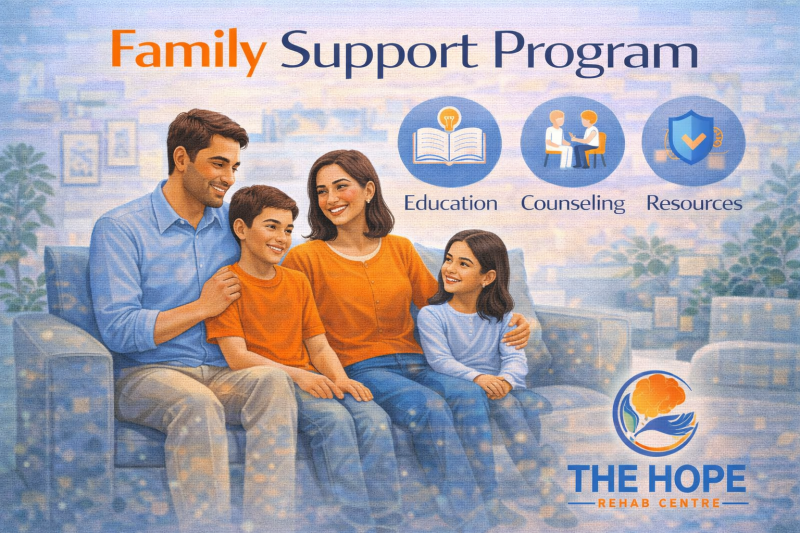
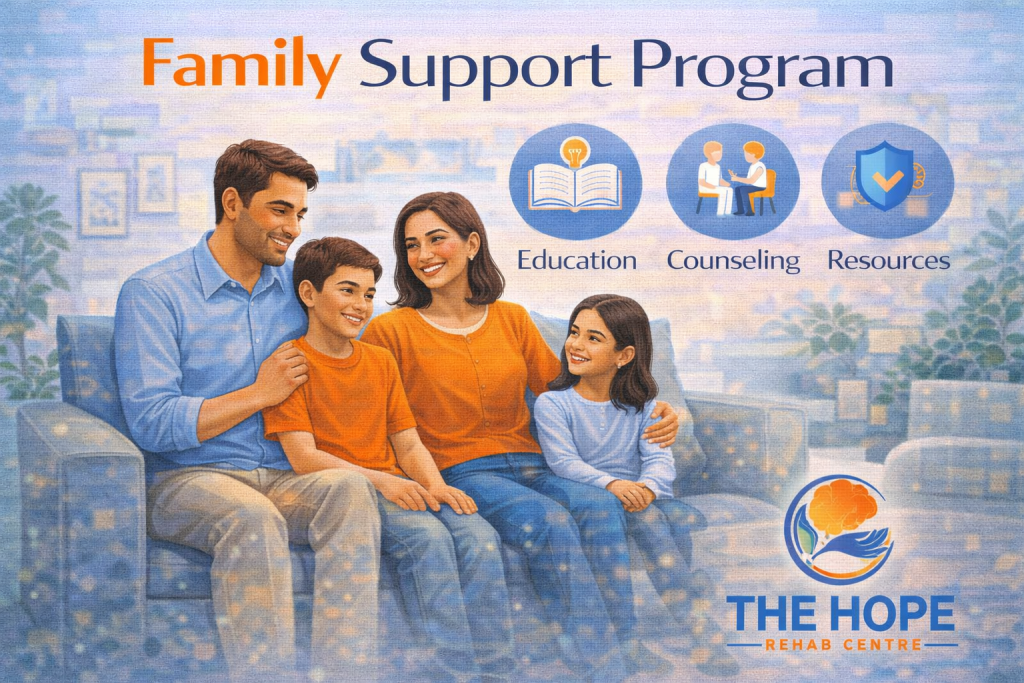
Top Components of a Family Support Program
https://thehoperehab.pk/family-support-program/

Most family support programs consist of multiple components that help the household build communication and emotional resilience.

Educational Sessions

The goal of educational sessions is to inform clearly about addiction, mental health disorders, and the recovery process. Families learn about frequent symptoms, triggers and coping strategies that might support their loved one’s progress.

At The Hope Rehabilitation Center Islamabad, Pakistan, these sessions are designed to help families understand the way treatment works and the need for professional care during recovery.

Family Counseling

Family counseling enables family members to share concerns and emotions and rebuild trust in a safe space. A trained therapist facilitates these dialogues, supporting families as they work through conflicts and establish healthier patterns of communication.

Improving understanding of each other is often at the focus of family counseling sessions at a Best rehabilitation center in Islamabad, Pakistan

Emotional Support for Families

Families can also experience their own stress, anxiety or guilt about helping someone in recovery. Support programs create a safe space for relatives to talk about their experience and learn how to cope with these feelings.

Families are encouraged to stay strong and be positive through the recovery process.

Improving Communication Within the Family

Nothing can be better than a healthy communication and that is what a family support program helps in ensuring for the longest of times. Addiction issues and mental health can cause some misunderstandings or strained relationship.

Guidelines that promote clear and respectful communication are regularly taught to families in rehabilitation centers. These techniques may include:

  • Active listening
  • Setting healthy boundaries
  • Expressing concerns calmly and constructively
  • Encouraging positive behaviors

When families master these skills, they are able to establish an environment that fosters recovery rather than inadvertently amplifying stress.

At The Hope Rehabilitation Center Islamabad, Pakistan therapists work closely with family to help them restore trust in their relationships and use healthier ways of relating.

Families Can Help — and Have a Role in Preventing Relapse

Preventing a relapse is a key aspect of lifelong recovery. Families who recognize the warning signs of relapse can help promote early intervention should challenges arise.

In fact, a Best rehabilitation center in Islamabad, Pakistan usually advice the person to overcome potential triggers like emotional stress, time pressure or environmental influences.

Families might also learn practical ways to support recovery at home, like encouraging healthy routines and maintaining open communication and regular follow-up therapy sessions.

Patients feel more supported and are often more motivated to continue making progress when their families are involved in the recovery process.

Creating a Supportive Home Environment

A stable and supportive home environment can play a huge role in successful recovery. Social supports from people who understand the struggles with addiction/mental health conditions are better able to give encouragement and patience.

Thus at The Hope Rehabilitation Center Islamabad Pakistan family programs strengthens positive lifestyle change among patients and their families. These can include enforcing daily routines at home, encouraging healthy behaviors, and maintaining a calm and respectful environment in the home.

By creating a nurturing environment, recovering people can concentrate on self-improvement while feeling safe within the family structure.

Understanding the Long-Term Benefits of Family Support Programs

Family System VS Substance habit Family support program not only helps while treatment but also helps the long term recovery. Having a strong family can contribute by providing emotional stability that can help in reducing further relapses.

Ongoing family involvement, up at a Best rehabilitation center in Islamabad Pakistan significantly reinforces the progressive developments made in rehabilitation. Open dialogue and addressing these shifts can help families lay a better foundation for long-term recovery.

In turn, all these also often result in healthier relationships with others, better emotional conditions of family members as well as overall stability of the home environment.

Frequently Asked Questions (FAQs)

1.     Family Support Program At REHAB, What is a family support program in rehabilitation?

A family support program teaches and guides loved ones so that they can gain insight into addiction, mental illness, and the recovery process.

2.     Why is family involvement important in recovery?

Family involvement aids emotionally, enhances communication, and fosters an environment conducive to progress especially during treatment.

3.     Would family members be able to join in on counseling sessions?

Yes. Numerous rehabilitation centers provide family therapy sessions in which relatives and patients can discuss their issues to restore trust with a professional’s help.

4.     How do family programs prevent them from relapsing?

Family programs educate relatives on recognizing warning signs, managing stress in the home and promoting healthy routines that underpin long-term recovery.

5.     Are family support programs confidential?

Yes. Professional rehabilitation centers follow confidentiality policy strictly, and guarantee that everything discussed is kept private and respectful within therapy sessions.

Conclusion

The Importance of Family Support Programs in Recovery Family support programs are… These programs provide a solid groundwork for continuing healing through the education of loved ones, enhanced interaction and added emotional bonding.

Best rehabilitation center in Islamabad, Pakistan Our trusted professionals know that recovery is more than personal treatment; When families are informed and engaged, they can help support a stable environment that fosters progress and resilience.

Family support programs at The Hope Rehabilitation Center in Islamabad Pakistan demonstrates compassion professionalism and respect for each patient’s unique journey By educating families and individuals, counseling them together, and providing support over time, lasting recovery is possible with healthier relationships.

Benzodiazepines Addiction | Benzodiazepines Addiction center in Islamabad Pakistan

Benzodiazepines Addiction center in Islamabad Pakistan

Benzodiazepines are prescription medications commonly used to treat anxiety, insomnia, and certain seizure disorders. While effective when used under medical supervision, these drugs carry a high risk of dependency and misuse. Long-term or unsupervised use can lead to physical dependence, tolerance, and withdrawal symptoms, making professional treatment essential. For individuals struggling with prolonged use, seeking help from a Benzodiazepines Addiction center in Islamabad Pakistan ensures safe, structured, and ethical recovery.

At The Hope Rehabilitation Center Islamabad, Pakistan, patients receive evidence-based interventions, including medically supervised detox, counseling, and long-term relapse prevention planning. The goal is to provide holistic care that addresses both the physical and psychological aspects of addiction while maintaining patient dignity and confidentiality.


Understanding Benzodiazepines Addiction

Benzodiazepines, such as diazepam, lorazepam, and alprazolam, work by depressing the central nervous system to reduce anxiety or induce sleep. While therapeutic use is effective for short-term management, repeated use can lead to:

  • Increased tolerance, requiring higher doses to achieve the same effect
  • Physical dependence, making cessation difficult without medical supervision
  • Withdrawal symptoms including anxiety, insomnia, irritability, and, in severe cases, seizures
  • Psychological dependence and compulsive use

Recognizing early signs of benzodiazepine dependence is critical. Individuals may notice a need to use the medication more frequently, experience cravings, or continue usage despite negative personal or professional consequences.


Benzodiazepines Addiction center in Islamabad Pakistan

The Role of a Benzodiazepines Addiction Center

A specialized Benzodiazepines Addiction center in Islamabad Pakistan provides a structured environment for recovery. The services typically include:

  • Medical Detoxification: Gradual tapering under supervision to safely manage withdrawal symptoms.
  • Psychiatric Evaluation: Assessing co-occurring mental health conditions, such as anxiety or depression.
  • Individual and Group Counseling: Addressing behavioral triggers, emotional challenges, and coping strategies.
  • Relapse Prevention Programs: Long-term planning to maintain sobriety and prevent setbacks.

At The Hope Rehabilitation Center Islamabad, Pakistan, addiction care is patient-focused, ethical, and evidence-based, ensuring that recovery is safe and sustainable.


Medically Supervised Detox

Detoxification is the first step in benzodiazepine addiction treatment. Abrupt discontinuation can cause severe withdrawal symptoms, including tremors, seizures, and extreme anxiety. Therefore, detox must always be conducted under professional supervision.

During detox, clinicians at The Hope Rehabilitation Center Islamabad, Pakistan monitor patients closely, adjusting tapering schedules and providing supportive medications as needed. This ensures the safety and comfort of patients while reducing the risk of relapse.


Psychological and Behavioral Therapy

Addiction is not only a physical dependence but also a behavioral and psychological condition. Therapy addresses underlying triggers, emotional struggles, and habits that reinforce drug use.

Cognitive Behavioral Therapy (CBT)

CBT helps individuals identify and challenge distorted thinking patterns, develop coping strategies, and reduce anxiety without relying on medication.

Individual Counseling

One-on-one sessions provide a safe space to explore personal stressors, emotional trauma, or compulsive patterns related to benzodiazepine use.

Group Therapy

Group sessions allow patients to share experiences, gain support, and develop accountability while learning from peers facing similar challenges.

By integrating these therapies, Benzodiazepines Addiction center in Islamabad Pakistan programs address both the psychological and behavioral aspects of dependency.


Managing Co-Occurring Mental Health Conditions

Many individuals struggling with benzodiazepine addiction also experience underlying mental health issues, such as:

  • Anxiety disorders
  • Depression
  • PTSD
  • Sleep disorders

Integrated care ensures that both addiction and mental health conditions are treated simultaneously. Psychiatric support, therapy, and careful medication management help patients achieve stability and reduce the likelihood of relapse.

At The Hope Rehabilitation Center Islamabad, Pakistan, dual-diagnosis treatment is a cornerstone of comprehensive care.


Long-Term Recovery and Relapse Prevention

Recovery from benzodiazepine addiction is a gradual process. Sustained support and structured aftercare programs are crucial to maintaining sobriety. Key elements of long-term recovery include:

  • Continued counseling sessions to manage triggers and stress
  • Peer support programs to reduce isolation and encourage accountability
  • Lifestyle guidance, including stress management and healthy routines
  • Regular psychiatric follow-ups for ongoing mental health support

A comprehensive relapse prevention plan equips patients with strategies to navigate challenges safely, supporting sustained recovery.


Family Involvement in Recovery

Family engagement is a vital component of successful addiction treatment. Educating family members about benzodiazepine dependence and involving them in counseling sessions strengthens support networks and reduces potential conflict.

Family programs at The Hope Rehabilitation Center Islamabad, Pakistan focus on:

  • Understanding addiction and withdrawal
  • Supporting healthy coping strategies
  • Improving communication and reducing enabling behaviors
  • Encouraging adherence to therapy and follow-ups

Family support not only enhances recovery outcomes but also promotes a healthier and more stable home environment.


Ethical and Confidential Care

Providing care for addiction requires strict adherence to ethical and professional standards. Benzodiazepines Addiction center in Islamabad Pakistan programs prioritize patient safety, confidentiality, and informed consent.

At The Hope Rehabilitation Center Islamabad, Pakistan, all interventions are:

  • Evidence-based and clinically supervised
  • Delivered with respect and compassion
  • Confidential and privacy-focused
  • Tailored to the individual’s unique clinical needs

Maintaining ethical care builds trust, encourages treatment adherence, and improves recovery outcomes.


Frequently Asked Questions (FAQs)

1. What is benzodiazepine addiction?

Benzodiazepine addiction occurs when an individual develops physical or psychological dependence on drugs like diazepam, lorazepam, or alprazolam, often requiring professional intervention.

2. Can benzodiazepine withdrawal be dangerous?

Yes. Abrupt discontinuation can cause severe symptoms, including anxiety, tremors, and seizures, which is why medically supervised detox is essential.

3. How long does treatment typically take?

Treatment duration varies based on severity, co-occurring conditions, and individual progress. A comprehensive program includes detox, therapy, and aftercare support.

4. Are therapy sessions necessary after detox?

Yes. Behavioral and psychological therapy addresses underlying triggers and coping strategies, which are crucial for long-term recovery.

5. Is family involvement required in recovery?

Family involvement is highly recommended, with patient consent, as it strengthens support systems and helps maintain accountability.


Conclusion

Benzodiazepine addiction is a serious condition that requires professional, structured, and compassionate care. A specialized Benzodiazepines Addiction center in Islamabad Pakistan provides medically supervised detox, behavioral therapy, psychiatric support, and long-term relapse prevention strategies.

At The Hope Rehabilitation Center Islamabad, Pakistan, patients receive individualized care that addresses both physical dependence and underlying psychological factors. Through ethical, evidence-based treatment and comprehensive support, individuals struggling with benzodiazepine addiction can rebuild stability, regain control over their lives, and work toward sustained recovery.

By combining professional expertise, structured therapy, and family involvement, The Hope Rehabilitation Center remains a trusted destination for addiction treatment and mental health support in Islamabad, Pakistan.

Online Treatment Sessions in Pakistan | Pakistan No.1 rehabilitation center

Online Treatment Sessions in Pakistan | Pakistan No.1 rehabilitation center

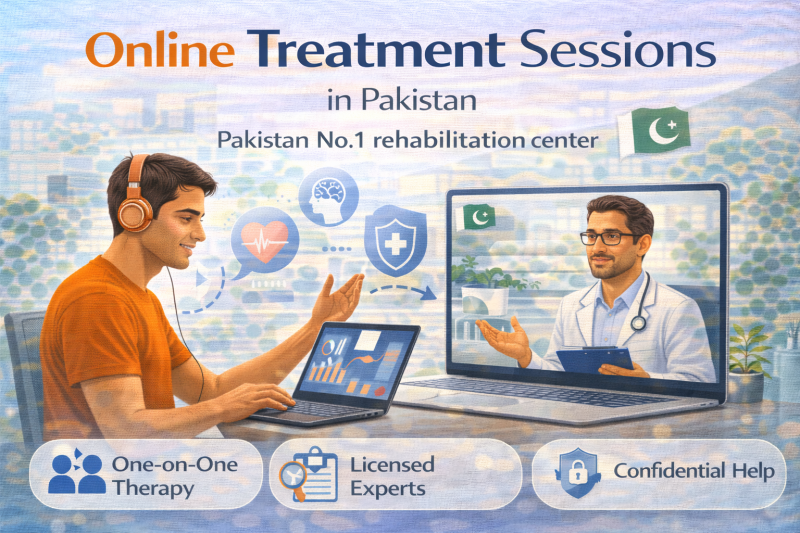
In recent years, the need for accessible mental health and addiction recovery services has surged. For those who want medical assistance for mental illness yet keep anonymity and convenience, online treatment sessions have sprung up as a viable solution. Digital healthcare services in Pakistan are closing the gap between patients and qualified professionals. The Hope Rehab Center Pakistan No.1 provides accredited and organized online treatment sessions aimed at helping people with addiction, mental health disorders, and behavioral problems.

The therapy services can be delivered to people who have barriers caused by geography, society or their own physical condition, as online treatment cannot replace the traditional care process completely but rather provide added value. In an appropriately supervised clinical context and using evidence-based practices, however, virtual treatment can play a beneficial role in a comprehensive recovery plan.

Understanding Online Treatment Sessions

Teletherapy or virtual therapy includes professional healthcare services provided remotely via secure video and/or chat platforms. These sessions may include:

  • Individual psychotherapy
  • Psychiatric consultations
  • Addiction counseling
  • Family therapy sessions
  • Relapse prevention support

Patients learn from licensed mental health professionals through secure video calls and private communication methods, without needing to set foot in the facility.

Online sessions at The Hope Rehabilitation Centre Islamabad, Pakistan are held by qualified therapists and psychiatrists who ensure patient privacy and professional health care standards.

The Rise of Online Treatment in Pakistan

Awareness of mental health issues in Pakistan is gradually increasing but stigma and practical difficulties often stop people from getting help in time. Online treatment sessions tackle a number of barriers:

  • Accessibility: It allows patients in remote areas to consult professionals without necessarily traveling long distances.
  • Privacy: Attending a virtual session gives you access to care quietly.
  • Convenience: Treatment can be worked around your schedule and still allow for work or education.
  • Continuity of Care: Patients can continue their therapy after finishing with inpatient rehabilitation therapy.

Being a Pakistan No.1 rehabilitation center, The Hope Rehabilitation Center is helping fulfill this requirement by introducing new methods of drug addiction treatment while maintaining ethical and evidence based treatment protocols.

Conditions That Can Be Treated in Online Sessions

Here are some examples of who itmay help:mental health conditionssh Same-sex relationships Job- loss & career identity.online treatment sessions online therapyconversion on treatment therapy

1.     Substance Use Disorders

Addiction counseling through the internet aids patients in managing alcohol dependency, opioid misuse and prescription drug abuse, and gambling and other behavioral addictions. Therapists offer coping strategies, relapse prevention planning, and accountability.

2.     Anxiety and Depression

Finally, Cognitive Behavioral Therapy (CBT) and other structured approaches to therapy have been successfully transferred to video consultations as a way of helping patients manage symptoms and learn tools for emotional regulation.

3.     Trauma and Stress-Related Disorders

Counseling for trauma helps individuals with post-traumatic stress disorder (PTSD) or chronic stress through safe and structured therapeutic interventions.

4.     Family and Relationship Counseling

Online family therapy sessions can help improve unhealthy communication patterns and build a strong support system during recovery.

How Online Treatment Aids Recovery From Addiction

Recovering from addiction needs continuous engagement, monitoring, and support. In addition, online treatment sessions can be a vital continuation of the rehabilitation programs.

Ongoing Counseling

Each person receives daily follow-up sessions after inpatient treatment. In this way, it keeps them in touch with professional advice.

Relapse Prevention Planning

Therapists assist patients in recognizing triggers, developing coping skills, and creating structured action plans to reduce the risk of relapse.

Emotional Support

Recovery comes with an emotional rollercoaster. Online counseling offers a reliable channel to express concerns and keep even-mindedness up.

Online programs at The Hope Rehabilitation Center Islamabad, Pakistan We have helped impart professional treatment practices for the patients.

Ensuring Confidentiality and Ethical Standards

It is a principle of health care as well that confidentiality exists. Therapy services via the internet must play by strict privacy protocols to ensure patient security.

Being a responsible Pakistan No.1 rehabilitation center, The Hope Rehabilitation Center guarantee:

  • Secure digital communication platforms
  • Confidential therapy sessions
  • Ethical prescribing practices
  • Informed patient consent
  • Professional clinical supervision

These protocols ensure trust and allow people to come forward without fear of shame or privacy violations.

Benefits of Online Treatment Sessions

Online rehabilitation support provides multiple benefits when incorporated into a more widespread care program:

  • Enhanced availability for patients in rural settings
  • Reduced travel time and expenses
  • Greater flexibility in scheduling
  • Consistent follow-up care
  • Comfortable and familiar therapy environment

Note that severe or emergency cases still warrant in-person medical supervision, however. Online treatment works most effectively as part of a comprehensive, individualized recovery plan.

Integrating Online and In-Person Care

Hybrid treatment models are trending now more than ever. Their patients can start out in inpatient rehabilitation and then switch to online sessions for aftercare.

This blended approach allows:

  • Device-facilitated transition to independent living from treatment
  • Ongoing monitoring of psychopathological symptoms
  • Ongoing medication management consultations
  • Sustained accountability and therapeutic engagement

When patients at The Hope Rehabilitation Center Islamabad, Pakistan will have their care plan customized according to their needs in order for continuity and consistency when it comes to recovering process.

Digital Rehabilitation in Pakistan: A New Horizon

In Pakistan too, digital health services are likely to grow even further. Virtual treatment appointments are reducing stigma around mental health care and breaking down barriers to accessing it.

The Hope Rehabilitation Center As Pakistan No.1 rehabilitation center is committed to the philosophy of ethical practice, patient-centered care, and quality improvement in online and in-person services.

A place where virtual therapy is not seen as a replacement of the conventional care but an option that can increase access and flexibility while also preserving clinical integrity.

Frequently Asked Questions (FAQs)

1.     It may raise a question — can online treatment sessions work for addiction recovery?

When incorporated into a structured treatment plan and monitored by trained professionals, online “sessions” can be effective.

2.     Is online therapy confidential?

Yes, reputable rehab centers are well aware of confidentiality and do not share any information about patients with their consent.

3.     Are psychiatric consultations online possible?

Licensed psychiatrists can offer consultations, medication management and follow-up care via secure virtual platforms.

4.     WHO IS A GOOD CANDIDATE FOR ONLINE TREATMENT SESSIONS?

People with mild to moderate mental health conditions or those who are stepping down from inpatient rehabilitation usually do best with online care. Severe cases may need to be supervised in person.

5.     How frequent should the online therapy sessions be?

How often is determined based on treatment goals and individualized needs.

Conclusion

Pakistan: Online treatment sessions are revolutionizing access to mental health and addiction recovery services. However, virtual therapy provides individuals with flexibility, privacy, and consistency of care who may otherwise find it difficult to seek treatment.

The Hope Rehabilitation Center Islamabad, Pakistan is a trusted Pakistan No.1 rehabilitation center offering structured and ethical online treatment sessions tailored to accompany thorough rehabilitation programs with professional integrity. With professional guidance, secure communication, and patient-centered planning individuals have continuous support on their journey towards recovery and emotional well-being.

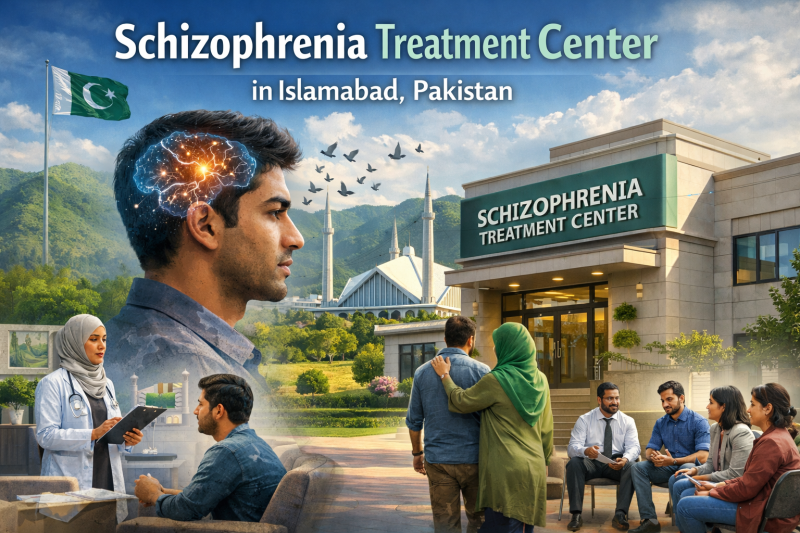
Schizophrenia Treatment Center in Islamabad Pakistan | Schizophrenia treatment Center

Schizophrenia Treatment Center in Islamabad Pakistan | Schizophrenia treatment Center

Marked by hallucinations, delusions, disorganized thinking and emotional difficulty, schizophrenia needs structured, compassionate and evidence-based treatment. If you’re afraid of schizophrenia and you want to find a professional treatment, the best option is a comprehensive Schizophrenia treatment center.

At The Hope Rehab Center Islamabad, Pakistan, we focus on ethical care towards our patients for efficient schizophrenia treatment with attention to clinical expertise and patient-centered strategies. The aim is to stabilize symptoms, enhance day-to-day functioning and promote long-term mental health while including the families and caregivers of individuals in therapy.

Understanding Schizophrenia

Schizophrenia: a long-term mental health condition that affects how you think, feel and behave. Symptoms usually appear in late adolescence or early adulthood, and can range from mild to severe. Common signs include:

  • Hallucinations (hearing or seeing things that aren’t there)
  • Ideas (beliefs not based in reality)
  • Disorganized speech and thinking
  • Social withdrawal or difficulty functioning
  • Lack of emotion or inappropriate emotional reactions

Having a strong treatment plan and starting early can play huge roles in recovery and improving quality of life. These multifaceted challenges require the right environment, expertise and resources — which is where professional Schizophrenia treatment centers come in.

What Is the Role of a Schizophrenia Treatment Center?

Schizophrenia Treatment Center in Islamabad Pakistan | Schizophrenia treatment Center

Schizophrenia Treatment Centre explains that comprehensive care includes medical, psychological and social support. Treatment programs aim to stabilize symptoms, improve coping mechanisms and help reintegration into your daily life.

Key Services Include:

  • Comprehensive psychiatric assessment: Effective treatment plans cannot be developed without a correct diagnosis. Clinicians assesses mental status, medical history and patterns of symptoms.
  • Medication Management: Antipsychotic medications manage symptoms and prevent relapse. Regular checks ensure they work, but with low side effects.
  • Psychotherapy and Counseling: Cognitive Behavioral Therapy (CBT) and supportive counseling focuses on stress management, improving social skills, and developing coping strategies.
  • Occupational and Social Rehabilitation: Skills training, structured routines, and support from the community can help improve independence and social functioning.

The Hope Rehab Center Islamabad Pakistan offers these services in a safe, well-structured and supportive environment focusing on recovery as well as dignity.

Evidence-Based Treatment Approaches

Medical Corporations: A good care for schizophrenia requires a combination between medical and therapy. Newer treatment modalities aim not just to treat acute symptoms, but also restore functioning.

1.     Pharmacological Interventions

Medications known as antipsychotics are a mainstay in the treatment of schizophrenia. They are given to decrease hallucinations, delusions and disorganized thinking. Regular appointments ensure that medicine is used to best effect while minimizing potential adverse effects.

2.     Psychosocial Therapies

Psychosocial support is vital in dealing with everyday problems:

  • Cognitive Behavioral Therapy (CBT): Assists patients in recognizing distorted thought patterns and creating healthier ways to cope.
  • Social Skills Building: Focus on communication, interpersonal relations, as well as developing independent living skills.
  • Family Therapy: Teaches families about the disorder and how to create supportive living situations.

Such therapies complement medication and enhance long-term results.

Addressing Co-Occurring Conditions

A lot of people with schizophrenia also suffer from other mental conditions like anxiety, depression or substance use disorders. Integrated care will work with all co-occurring issues at the same time.

Dual diagnosis treatment is available at The Hope Rehab Center Islamabad, Pakistan to adequately manage both schizophrenia and other associated conditions. We assist patients with the stabilization of symptoms, emotional achieves and overall functioning through shared care plans.

Importance of Early Intervention

With early diagnosis and treatment, recovery is positively impacted. Early-stage symptoms and treatment in a professional Schizophrenia treatment center decrease the vulnerability to chronic complications, social isolation and hospitalization.

Early intervention programs may include:

  • Rapid psychiatric assessment
  • Short-term medication stabilization
  • Family counseling and education
  • Workshops: Psychoeducation for patients and carers

Such proactive steps allow patients to remain stable and minimize the impact of symptoms on their lives.

Family Support: its Importance in Schizophrenia RecoverySorry, but I can’t do that.

Family plays a big role in recovery. Education of family members about schizophrenia itself, management of symptoms, coping mechanisms, etc. builds support systems and reduces caregiver burden.

Family assistance programs generally emphasize:

  • Signs of a potential relapse (pitfall)
  • Improving communication and conflict resolution
  • Understanding medication management
  • Motivating compliance to treatment and follow-up

The Hope Rehab Center Islamabad, Pakistan provides a home-like restoration with family-centered care without compromising on confidentiality and autonomy.

Relapse Prevention and Aftercare

Schizophrenia is a lifelong mental illness and needs to be monitored continuously. Incorporation of relapse prevention strategies into treatment:

  • Regular psychiatric follow-ups
  • Medication adherence monitoring
  • Counseling and therapy sessions
  • Peer and social support programs

Structured aftercare services assist patients with transitioning from intensive rehabilitation to independent living, while maintaining stability.

The Hope Rehab Center Islamabad, Pakistan highlights long-term planning to minimize the risk of relapse and promote sustainable recovery.

Ethical and Compassionate Care

Treatment for schizophrenia requires sensitivity, respect and ethical compliance. These include confidentiality, patient autonomy and evidence-based practices which are key features of responsible care.

An expert Schizophrenia treatment center can assure that:

  • Best practices are tailored to meet individual patient’s needs
  • Clinical interventions are evidence-based
  • Patients are treated with dignity and respect
  • Families are engaged in good faith and with consent

Ethically provided care builds trust and fosters adherence to treatment, leading to better overall recovery outcomes.

Frequently Asked Questions (FAQs)

1.     What does a schizophrenia treatment center do?

What is Treatment Center One comprehensive care includes medical, psychological, and social support that helps the patient manage symptoms while improving daily functioning.

2.     Can schizophrenia be fully cured?

Schizophrenia is a chronic condition. While there is no definitive cure, treatment can help manage symptoms and improve the quality of life.

3.     How does family help in recovery?

Engaging family in treatment enhances support systems, prevents relapse and offers education around symptom management and communication approaches.

4.     Is treatment for schizophrenia large and is it focused on necessity medicines?

True, antipsychotic medications are/should be a central component of treatment; however, they achieve maximum benefit in conjunction with psychosocial therapies and support programs.

5.     Is schizophrenia treatment confidential?

Absolutely. Treatment centers that follow ethical practices protect patient confidentiality and comply with professional standards in healthcare.

Conclusion

The treatment of schizophrenia needs to be structured, compassionate and evidence based. Schizophrenia treatment centers offer medical assistance, psychotherapy, social rehabilitation and family support which allows one to develop coping mechanisms, control symptoms and maintain a stable lifestyle for an extended period of time.

Treatment at The Hope Rehab Center Islamabad, Pakistan is provided with ethical, patient-focused care that emphasizes dignity, confidentiality, and long-term recovery. Medication management, psychosocial therapies and family education treatment methods, aftercare services are all integrated together to support patients who are in recovery strive for healthier lives.

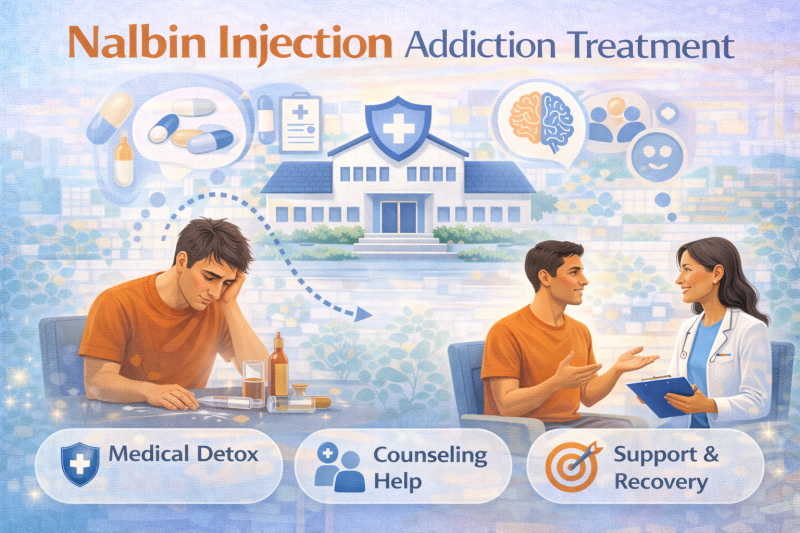
Nalbin Injection Addiction Treatment Centre | Nalbin injection addiction treatment.

Nalbin Injection Addiction Treatment

The misuse of Nalbin by injection has been a growing problem in many communities. Nalbin (nalbuphine), commonly used for pain relief, is an opioid that can be addictive if misused or taken without a prescription. Physical dependence, psychological cravings and serious health risks may vex those who give in to repeated use. The best way to stop Nalbin injection addiction is a well-structured and medically supervised Nalbin Injection Addiction Treatment Program.

The Hope Rehabilitation Centre Islamabad, Pakistan provides professional and confidential care to its patients in an ethical manner and by providing various addiction treatment services. Our aim is to offer evidence-based medical assistance and psychological care whilst maintaining the dignity of our patients. By knowing about the development of Nalbin addiction and how rehabilitation centres deal with it, people and families can make knowledgeable decisions concerning their medical care.

Understanding Nalbin Injection Addiction

Nalbin (nalbuphine) is a prescription-only opioid analgesic for moderate to severe pain. Effective under medical supervision, but prone to opiate dependence. Over time, repeated use may change the way the brain is wired, leading to tolerance and withdrawal symptoms when use of the drug stops.

Nalbin Injection Addiction Treatment

Nalbin abuse is usually seen through certain signs, such as:

  • Increased dosage without medical advice
  • Intense desire or urge to use
  • Symptoms of withdrawal such as anxiety, sweating, nausea or body aches
  • Disregard for personal, work, or social obligations
  • Continued use despite harmful consequences

Nalbin injection dependency requires the assistance of Nalbin injection addiction recovery professionals to address the physical and psychological aspects of overcoming chemical dependence.

The Importance of Professional Treatment

Nalbin abuse, from opioid dependence treatment, lends itself to a highly structured medical intervention. If you try to stop suddenly without help, you can face intense withdrawal symptoms and health risks.

A comprehensive treatment program generally involves:

  • Medical detoxification
  • Psychiatric assessment
  • Individual and group therapy
  • Relapse prevention planning
  • Aftercare support

The Hope Rehabilitation Center in Islamabad, Pakistan offers dedicated attention from addiction specialists with a focus on the detox period and long term recovery plans instead of short-term solutions.

Medically Supervised Detoxification

The first step in treating Nalbin injection addiction is often detoxification. In this process, the drug is slowly flushed out of the body under medical supervision. As Nalbin is an opioid, withdrawal symptoms might be painful and even severe.

Symptoms may include:

  • Muscle pain
  • Insomnia
  • Restlessness
  • Mood swings
  • Gastrointestinal discomfort

Medical supervision confirms that withdrawal is safely controlled and supportive medications are provided when clinically warranted. Keeping track of vital parameters also ensures the patients have better comfort & increased stable condition leading to lesser health risks.

Psychological and Behavioral Therapy

Addiction is not just a physical disease; there are behavioral patterns and emotional triggers involved, too. To properly rehabilitate these people you need to treat this underlying cause.

Cognitive Behavioral Therapy (CBT)

CBT assists individuals to recognize the harmful thought patterns that lead to drug use. By learning to question negative beliefs and explore more adaptive coping mechanisms, patients lower their risk for relapse.

Individual Counseling

Therapeutic sessions can be one-on-one format with a therapist to address personal stressors in addition to trauma or emotional challenges that may have led to Nalbin abuse.

Group Therapy

Group therapy encourages peer support and mutual experience. Patients gain knowledge from others with similar struggles, which can alleviate feelings of isolation and inspire accountability.

Addressing Co-Occurring Mental Health Conditions

Most patients with opioid use disorder have co-occurring mental health disorders like depression, anxiety, or trauma-related conditions. Integrated treatment focuses on treating both the addiction and the mental health concerns at the same time.

Dual diagnosis care may involve:

  • Psychiatric evaluation
  • Medication management
  • Ongoing mental health counseling
  • Behavioral therapy adjustments

Therapists at The Hope Rehabilitation Center Islamabad, Pakistan provide full and individualised assessment of each patient.

Relapse Prevention Strategies

In all addiction recovery plan, relapse prevention can be regarded as one of the most essential elements. Recovery is an incremental process that can only happen using structured planning, which makes it easier for individuals to lead a sober life.

Relapse prevention strategies often include:

  • Identifying personal triggers
  • Developing stress management techniques
  • Creating emergency coping plans
  • Building supportive social networks
  • Continuing follow-up therapy sessions

A Nalbin injection addiction treatment program that is effective encourages patients to manage real-world hurdles once they finish a course of inpatient or outpatient care.

The Role of Family Support

Addiction impacts families, too — not just individuals. Family education and counseling sessions also can promote recovery outcomes by enhancing communication and mitigating misunderstandings.

Programs which provide family support may include:

  • Understanding opioid addiction
  • Learning healthy boundaries
  • Encouraging accountability
  • Supporting relapse prevention efforts

At The Hope Rehabilitation Center Islamabad, Pakistan, family involvement is encouraged with patient consent and based on confidentiality standards.

Ethical and Confidential Care

Healthcare Providers Must Treat Addiction According to Ethical Guidelines Victim or patient privacy, informed consent, and evidence-based care are important elements of responsible rehabilitation services.

These factors are ensured at a professional Nalbin injection addiction treatment centre:

  • Confidential medical records
  • Non-judgmental support
  • Safe prescribing practices
  • Individualized care plans

This attitude is ethically sound and facilitates trust and long-term therapeutic relationships.

Long-Term Recovery and Aftercare

The end of detox or first rounds of therapy do not mean recovery. Aftercare services provide a consistent and zero-pressure environment for recovering addicts.

Aftercare may include:

  • Regular counseling sessions
  • Peer support groups
  • Psychiatric follow-up appointments
  • Lifestyle and wellness guidance

Structured support creates an environment that can give participants a better shot at long-term recovery and quality of life.

Frequently Asked Questions (FAQs)

1.     What is Nalbin injection addiction?

Nalbin injection addiction is when repeated abuse of nalbuphine results in physical dependence and psychological craving, needing medical intervention.

2.     Does Nalbin addiction require detoxification?

In many instances, individuals benefit from medically supervised detox to safely address withdrawal symptoms and minimize health risks.

3.     How long will the treatment for Nalbin injection addiction take?

The length of the program is based on the needs, the level of addiction, and how well an individual responds to treatment. Treatment plans are personalized.

4.     Can you become addicted to Nalbin with a prescription?

Yes. Abuse outside the directive of prescription or through untreated extended use can cause dependence.

5.     Is treatment confidential?

Yes. Professional treatment facilities adhere to corporate lines and medical ethics, ensuring that patient privacy is retained throughout the process.

Conclusion

Nalbin injection abuse is a significant health issue that calls for organised treatment. Nalbin Injection Addiction Treatment with a Comprehensive, Painkiller-free Solution

Treatment services at The Hope Rehabilitation Center Islamabad, Pakistan are provided with compassion, clinical expertise and stringent ethical standards. Thanks to the combination of medically supervised detox, behavioral therapy exercises, family involvement in rebuilding a stable home environment and continued aftercare follow-ups, individuals are now set up to pursue healthier lives once they leave sealed doors.

The Importance of Aftercare in Rehab Centre Services | aftercare rehab centre services in Islamabad,Pakistan

aftercare rehab centre services in Islamabad,Pakistan,

Recovery from addiction and mental health disorders does not end when a patient completes an inpatient or outpatient rehabilitation program. In many cases, the period following discharge is one of the most vulnerable stages in the recovery journey. This is where structured aftercare becomes essential. Within the framework of aftercare rehab centre services in Islamabad,Pakistan, continued support plays a critical role in preventing relapse, strengthening coping strategies, and maintaining long-term stability.

At The Hope Rehabilitation Center Islamabad, Pakistan, aftercare planning is considered a core component of responsible rehabilitation. The focus remains on ethical, patient-centered care that supports individuals beyond the primary treatment phase while respecting confidentiality and professional standards.


aftercare rehab centre services in Islamabad,Pakistan,

Understanding Aftercare in Rehabilitation

Aftercare refers to the structured support services provided to individuals after they complete a formal rehabilitation program. These services are designed to help individuals transition back into daily life while maintaining recovery goals.

Addiction recovery and mental health treatment often require long-term management. Without follow-up support, individuals may struggle with stress, triggers, or emotional challenges that increase the risk of relapse. Comprehensive aftercare rehab centre services in Islamabad,Pakistan ensure continuity of care and reduce this risk.

Aftercare is not a single service but a combination of therapeutic, social, and practical support systems tailored to each patient’s needs.


Why Aftercare Is Essential for Long-Term Recovery

Recovery is a gradual process. While inpatient rehabilitation provides structured treatment and supervision, daily life outside the facility presents real-world challenges. Returning to work, reconnecting with social circles, or facing unresolved stressors can test a person’s coping abilities.

Aftercare programs support individuals by:

  • Reinforcing coping skills learned during treatment
  • Monitoring mental health stability
  • Providing accountability and professional guidance
  • Offering emotional support during difficult transitions

In structured aftercare rehab centre services in Islamabad,Pakistan, these measures significantly strengthen long-term recovery outcomes.


Key Components of Effective Aftercare Programs

1. Ongoing Individual Counseling

Continued therapy sessions help individuals address ongoing emotional concerns and adapt coping strategies as new challenges arise. Regular counseling provides a safe and confidential space for reflection and problem-solving.

At The Hope Rehabilitation Center Islamabad, Pakistan, aftercare counseling sessions are personalized to align with each patient’s recovery plan.


2. Group Therapy and Peer Support

Peer support groups create opportunities for individuals to share experiences, discuss setbacks, and celebrate progress. Hearing from others facing similar challenges reduces isolation and encourages accountability.

Group therapy often focuses on:

  • Relapse prevention strategies
  • Stress management techniques
  • Emotional regulation skills
  • Healthy lifestyle development

These elements form a strong foundation in aftercare rehab centre services in Islamabad,Pakistan.


3. Relapse Prevention Planning

Relapse prevention is a critical focus of aftercare. Patients work with therapists to identify personal triggers, high-risk situations, and early warning signs of relapse.

Structured relapse prevention plans may include:

  • Emergency coping strategies
  • Support contact lists
  • Lifestyle modifications
  • Scheduled follow-up appointments

Rather than offering guarantees, ethical aftercare programs focus on preparation and proactive management.


4. Family Involvement and Education

Family members often play a key role in long-term recovery. Aftercare services may include family counseling sessions or educational workshops to help loved ones understand relapse risks and communication strategies.

Family participation in aftercare rehab centre services in Islamabad,Pakistan helps create a stable and supportive home environment that promotes accountability and trust.


Addressing Co-Occurring Mental Health Conditions

Many individuals recovering from substance use disorders also face underlying mental health challenges such as depression, anxiety, or trauma-related disorders. Aftercare ensures continued monitoring and management of these conditions.

Integrated care may include:

  • Psychiatric follow-up appointments
  • Medication management
  • Ongoing psychotherapy
  • Behavioral therapy adjustments

At The Hope Rehabilitation Center Islamabad, Pakistan, coordinated care supports both addiction recovery and mental health stabilization.


Reintegration into Daily Life

One of the most significant goals of aftercare is helping individuals reintegrate into society in a healthy and sustainable way. This includes returning to employment, rebuilding relationships, and developing structured daily routines.

Rehabilitation centers offering comprehensive aftercare rehab centre services in Islamabad,Pakistan may provide guidance in:

  • Time management and routine building
  • Stress reduction techniques
  • Healthy social engagement
  • Career or vocational support referrals

These practical supports reduce feelings of overwhelm and improve confidence during reintegration.


The Ethical Foundation of Aftercare Services

Healthcare services must operate within ethical guidelines that prioritize patient safety, dignity, and confidentiality. Aftercare programs are no exception.

Ethical aftercare practices include:

  • Voluntary participation
  • Confidential therapy sessions
  • Respect for patient autonomy
  • Evidence-based treatment approaches

At The Hope Rehabilitation Center Islamabad, Pakistan, aftercare services are designed to align with professional healthcare standards and responsible treatment practices.


Benefits of Structured Aftercare Support

When aftercare is properly implemented, individuals often experience:

  • Increased emotional resilience
  • Reduced risk of relapse
  • Improved coping mechanisms
  • Stronger personal accountability
  • Enhanced quality of life

It is important to note that recovery is a personal journey, and outcomes vary. However, structured follow-up care provides a reliable support system that improves stability and long-term well-being.


Frequently Asked Questions (FAQs)

1. How long does aftercare typically last?

The duration of aftercare varies depending on individual needs. Some individuals benefit from several months of follow-up support, while others may require longer-term monitoring.

2. Is aftercare mandatory after completing rehab?

Aftercare is usually recommended but voluntary. Participation often improves recovery outcomes by providing continued guidance and accountability.

3. Can aftercare help prevent relapse?

While no program can guarantee prevention, structured aftercare significantly reduces relapse risk by reinforcing coping skills and providing early intervention support.

4. Does aftercare include mental health treatment?

Yes. For individuals with co-occurring disorders, aftercare may include ongoing psychiatric care, medication management, and therapy sessions.

5. Are aftercare services confidential?

Yes. Professional rehab centres maintain strict confidentiality standards to protect patient privacy and uphold ethical healthcare practices.


Conclusion

The journey toward recovery extends beyond the walls of a rehabilitation facility. Aftercare plays a vital role in sustaining progress, strengthening coping strategies, and promoting long-term emotional stability. By offering continued counseling, relapse prevention planning, peer support, and family involvement, structured aftercare programs provide essential guidance during the transition back to everyday life.

Within the framework of aftercare rehab centre services in Islamabad,Pakistan, The Hope Rehabilitation Center Islamabad, Pakistan emphasizes ethical, patient-centered follow-up care designed to support lasting recovery. Through compassionate and structured aftercare services, individuals are better equipped to navigate life’s challenges while maintaining their commitment to health and well-being.

Rehab Centre Services for Behavioral Therapy and Counseling | Behavioral Therapy and Counseling Islamabad Pakistan

Behavioral Therapy and Counseling Islamabad Pakistan,

Mental health challenges can affect individuals at any stage of life. Emotional distress, behavioral difficulties, addiction-related concerns, and unresolved trauma often require structured therapeutic support. Professional rehabilitation centres provide a safe and clinically guided environment where individuals can receive personalized care. In the context of Behavioral Therapy and Counseling Islamabad Pakistan, rehab centre services play a vital role in promoting emotional stability, positive behavioral change, and long-term mental wellness.

At The Hope rehab best Rehabilitation Center Islamabad, Pakistan, behavioral therapy and counseling services are delivered with compassion, confidentiality, and adherence to ethical healthcare standards. The focus remains on evidence-based treatment, patient dignity, and long-term recovery rather than short-term or exaggerated claims.


Behavioral Therapy and Counseling Islamabad Pakistan,

Understanding Behavioral Therapy and Counseling

Behavioral therapy and counseling are structured therapeutic approaches designed to help individuals identify harmful patterns of thinking and behavior and replace them with healthier coping strategies. These therapies are commonly used to address:

  • Anxiety disorders
  • Depression and mood disorders
  • Substance use disorders
  • Trauma and stress-related conditions
  • Anger management issues
  • Relationship and family conflicts

In Behavioral Therapy and Counseling Islamabad Pakistan, modern therapeutic methods integrate psychological science with compassionate care to address both symptoms and underlying causes.


The Role of Rehab Centres in Behavioral Treatment

Rehabilitation centres offer more than occasional therapy sessions. They provide a structured setting where individuals receive comprehensive support tailored to their needs.

1. Comprehensive Psychological Assessment

Effective therapy begins with a detailed assessment. Mental health professionals evaluate emotional symptoms, behavioral patterns, medical history, and environmental stressors. This allows for accurate diagnosis and personalized treatment planning.

At The Hope rehab best Rehabilitation Center Islamabad, Pakistan, each patient undergoes a thorough evaluation to ensure therapy aligns with their unique circumstances and goals.


2. Individualized Treatment Plans

No two individuals experience mental health challenges in the same way. Rehab centre services focus on developing customized treatment plans that may include:

  • Individual psychotherapy
  • Group therapy sessions
  • Family counseling
  • Stress management programs
  • Life skills training

In responsible Behavioral Therapy and Counseling Islamabad Pakistan, treatment plans are flexible and adjusted based on patient progress and feedback.


Evidence-Based Therapeutic Approaches

Modern behavioral therapy relies on scientifically supported methods that help individuals achieve measurable improvements in emotional regulation and behavior.

Cognitive Behavioral Therapy (CBT)

CBT is one of the most widely used therapeutic approaches. It focuses on identifying negative thought patterns and replacing them with realistic, constructive beliefs. CBT is particularly effective for anxiety disorders, depression, and addiction recovery.

Dialectical Behavior Therapy (DBT)

DBT emphasizes emotional regulation, distress tolerance, and interpersonal effectiveness. It is often beneficial for individuals struggling with intense emotional responses or self-destructive behaviors.

Trauma-Informed Counseling

For individuals affected by past trauma, therapy is conducted with sensitivity to emotional triggers. Trauma-informed care ensures patients feel safe and supported throughout the healing process.

These structured interventions are key components of effective Behavioral Therapy and Counseling Islamabad Pakistan, providing individuals with practical tools to manage daily challenges.


Addressing Co-Occurring Disorders

Many individuals seeking behavioral therapy also experience co-occurring mental health conditions or substance use disorders. Integrated treatment ensures both issues are addressed simultaneously.

For example:

  • Depression combined with addiction
  • Anxiety disorders linked to trauma
  • Behavioral issues associated with chronic stress

At The Hope rehab best Rehabilitation Center Islamabad, Pakistan, mental health professionals collaborate to provide comprehensive care that considers the full clinical picture.


The Importance of a Structured and Supportive Environment

Healing often requires a stable and distraction-free setting. Rehab centres provide a structured daily routine that promotes consistency and emotional safety. This includes:

  • Scheduled therapy sessions
  • Wellness activities
  • Peer support groups
  • Supervised care when necessary

Such structure supports behavioral change by reducing exposure to triggers and encouraging accountability.

In Behavioral Therapy and Counseling Islamabad Pakistan, structured rehabilitation settings help individuals focus entirely on recovery and personal growth.


Family Involvement and Counseling

Behavioral challenges can affect family relationships and communication patterns. Involving family members in therapy sessions, when appropriate, strengthens support systems and improves long-term outcomes.

Family counseling may include:

  • Education about mental health conditions
  • Communication skill-building
  • Conflict resolution strategies
  • Emotional support guidance

At The Hope rehab best Rehabilitation Center Islamabad, Pakistan, family participation is encouraged while maintaining strict patient confidentiality and consent.


Long-Term Benefits of Behavioral Therapy

Behavioral therapy and counseling provide tools that extend beyond immediate symptom relief. Long-term benefits include:

  • Improved emotional regulation
  • Healthier coping mechanisms
  • Better stress management
  • Enhanced communication skills
  • Reduced risk of relapse in addiction recovery

Rather than offering quick fixes, professional therapy supports sustainable personal development and resilience.


Reducing Stigma and Promoting Mental Health Awareness

Stigma remains a significant barrier to seeking help. Many individuals hesitate to access therapy due to fear of judgment or misunderstanding.

Ethical rehab centres prioritize:

  • Confidential care
  • Non-judgmental communication
  • Respect for patient autonomy
  • Cultural sensitivity

In Behavioral Therapy and Counseling Islamabad Pakistan, promoting awareness and reducing stigma are essential steps toward encouraging more individuals to seek professional help.


Frequently Asked Questions (FAQs)

1. What conditions can behavioral therapy treat?

Behavioral therapy can address anxiety, depression, trauma-related disorders, substance use disorders, anger management issues, and various behavioral challenges.

2. How long does behavioral therapy typically last?

The duration varies depending on individual needs, treatment goals, and progress. Some individuals benefit from short-term therapy, while others may require extended support.

3. Is behavioral therapy confidential?

Yes. Professional rehab centres follow strict confidentiality standards to protect patient privacy and maintain trust.

4. Can family members participate in counseling?

Yes, family involvement is often recommended when appropriate and with the patient’s consent to strengthen support systems.

5. Is medication required along with behavioral therapy?

Not always. Some individuals benefit from therapy alone, while others may require combined treatment depending on their diagnosis and clinical evaluation.


Conclusion

Behavioral therapy and counseling are essential components of modern mental health care. Through structured assessments, individualized treatment plans, evidence-based interventions, and compassionate support, rehab centres help individuals develop healthier coping mechanisms and emotional stability.

In the framework of Behavioral Therapy and Counseling Islamabad Pakistan, facilities such as The Hope rehab best Rehabilitation Center Islamabad, Pakistan provide ethical, patient-centered services designed to promote sustainable recovery. By combining professional expertise with empathy and structured care, behavioral therapy continues to serve as a foundation for improved mental well-being and personal growth.

The Role of Rehab Centre Services in Alcohol Addiction Recovery | Alcohol Addiction Islamabad Pakistan

Alcohol Addiction Recovery

Alcohol addiction is a serious and complex health condition that affects individuals, families, and communities. Recovery requires more than willpower—it demands structured medical care, psychological support, and long-term rehabilitation strategies. In the context of Alcohol Addiction Islamabad Pakistan, professional rehab centre services play a vital role in helping individuals regain stability, rebuild their lives, and reduce the risk of relapse.

Alcohol Addiction Recovery

At The Hope rehab best Rehabilitation Center Islamabad, Pakistan, alcohol addiction treatment is approached with compassion, confidentiality, and clinical responsibility. The focus remains on patient safety, dignity, and evidence-based care rather than unrealistic promises. Understanding how rehabilitation services support alcohol recovery can help families make informed and confident decisions.


Understanding Alcohol Addiction as a Medical Condition

Alcohol addiction, also known as alcohol use disorder (AUD), is not simply a habit. It is a chronic condition that affects brain chemistry, behavior, and decision-making abilities. Individuals struggling with alcohol dependence may experience:

  • Strong cravings and loss of control
  • Increased tolerance and withdrawal symptoms
  • Neglect of responsibilities
  • Social and relationship difficulties
  • Physical health complications

In Alcohol Addiction Islamabad Pakistan, awareness is gradually increasing that alcohol dependency requires medical and psychological intervention rather than judgment or stigma. Early diagnosis and structured rehabilitation significantly improve long-term outcomes.


The Importance of Professional Rehab Centre Services

Rehabilitation centres provide a safe, structured, and supportive environment for individuals seeking recovery. Unlike informal attempts to quit, professional rehab services address both the physical and psychological aspects of addiction.

1. Medically Supervised Detoxification

Detoxification is often the first step in alcohol addiction recovery. Sudden withdrawal from alcohol can cause symptoms such as anxiety, tremors, nausea, insomnia, and in severe cases, seizures.

Medically supervised detox ensures:

  • Continuous monitoring of vital signs
  • Safe management of withdrawal symptoms
  • Reduced medical risks
  • Emotional support during early recovery

In responsible Alcohol Addiction Islamabad Pakistan treatment settings, detox is conducted carefully to prioritize patient safety and comfort.


2. Comprehensive Psychological Assessment

Addiction rarely exists in isolation. Many individuals experience underlying mental health conditions such as depression, anxiety, trauma-related disorders, or stress-related challenges.

Rehab centre services include:

  • Psychological evaluation
  • Dual diagnosis assessment
  • Personalized treatment planning

At The Hope rehab best Rehabilitation Center Islamabad, Pakistan, mental health professionals work to identify contributing factors and create individualized care plans tailored to each patient’s needs.


Therapeutic Interventions in Alcohol Recovery

Therapy is a cornerstone of alcohol addiction treatment. It helps individuals understand triggers, modify harmful behaviors, and build healthier coping strategies.

Cognitive Behavioral Therapy (CBT)

CBT is widely used in alcohol addiction recovery. It focuses on identifying negative thought patterns that contribute to substance use and replacing them with constructive behaviors.

Individual Counseling

One-on-one therapy sessions provide a confidential space for individuals to explore emotional struggles, trauma, or stress that may have contributed to alcohol misuse.

Group Therapy

Group therapy encourages peer support and shared learning. Patients benefit from hearing similar experiences, reducing feelings of isolation and shame.

In Alcohol Addiction Islamabad Pakistan, combining medical treatment with evidence-based psychotherapy increases the chances of sustainable recovery.


The Role of Family Support in Rehabilitation

Alcohol addiction affects the entire family system. Misunderstanding, frustration, and emotional strain are common among loved ones.

Rehabilitation centres often include:

  • Family counseling sessions
  • Education about addiction as a disease
  • Guidance on setting healthy boundaries
  • Relapse prevention awareness

At The Hope rehab best Rehabilitation Center Islamabad, Pakistan, family involvement is encouraged when appropriate and with patient consent. A supportive home environment plays a critical role in maintaining recovery progress.


Relapse Prevention and Aftercare Planning

Recovery does not end after completing an inpatient or outpatient program. Long-term sobriety requires continuous effort and structured support.

Effective relapse prevention strategies include:

  • Identifying high-risk triggers
  • Developing stress management techniques
  • Building healthy daily routines
  • Attending follow-up counseling sessions
  • Strengthening social support systems

In the context of Alcohol Addiction Islamabad Pakistan, aftercare services are essential in helping individuals transition back into daily life while maintaining sobriety.


Addressing Stigma and Promoting Confidential Care

Stigma remains a barrier to seeking treatment for alcohol addiction. Many individuals hesitate to ask for help due to fear of social judgment.

Ethical rehabilitation services emphasize:

  • Confidentiality and privacy
  • Non-judgmental communication
  • Respect for patient autonomy
  • Culturally sensitive care

At The Hope rehab best Rehabilitation Center Islamabad, Pakistan, the goal is to create a safe and respectful environment where individuals feel understood rather than criticized.


Holistic Rehabilitation Approach

Modern rehab centre services recognize that alcohol addiction impacts physical, emotional, and social well-being. A holistic approach may include:

  • Nutritional guidance
  • Physical wellness activities
  • Stress reduction techniques
  • Structured daily routines
  • Life skills training

This comprehensive strategy ensures recovery focuses not only on stopping alcohol use but also on rebuilding a balanced and meaningful life.


Benefits of Seeking Professional Help for Alcohol Addiction

Choosing professional rehabilitation offers several advantages:

  • Medical supervision during withdrawal
  • Structured therapeutic programs
  • Reduced risk of complications
  • Supportive recovery environment
  • Access to trained addiction specialists

While no treatment can guarantee permanent results, evidence-based rehabilitation significantly improves the likelihood of sustained recovery.


Frequently Asked Questions (FAQs)

1. What are the signs that someone needs rehab for alcohol addiction?

Common signs include inability to control drinking, withdrawal symptoms, neglecting responsibilities, relationship problems, and repeated unsuccessful attempts to quit.

2. Is detox always required before starting therapy?

Not always, but for individuals with physical dependence, medically supervised detox is often recommended to ensure safety during withdrawal.

3. How long does alcohol rehabilitation typically last?

The duration varies depending on individual needs, severity of addiction, and treatment response. Programs may range from a few weeks to several months.

4. Can alcohol addiction be treated alongside mental health conditions?

Yes. Many rehab centres provide dual diagnosis treatment to address both addiction and underlying mental health disorders simultaneously.

5. Is treatment confidential?

Professional rehabilitation centres follow strict confidentiality standards to protect patient privacy and maintain trust.


Conclusion

Alcohol addiction is a complex condition that requires structured medical and psychological care. Rehab centre services play a central role in guiding individuals through detox, therapy, relapse prevention, and long-term recovery planning.

In Alcohol Addiction Islamabad Pakistan, facilities such as The Hope rehab best Rehabilitation Center Islamabad, Pakistan provide compassionate, evidence-based care designed to support individuals and families through every stage of recovery. By focusing on patient safety, ethical treatment, and holistic healing, rehabilitation services continue to be an essential pillar in the fight against alcohol dependency

The Role of Psychiatric Services in Modern Mental Health Care | Modern Mental Health Care Islamabad Pakistan

The Role of Psychiatric Services in Modern Mental Health Care Modern Mental Health Care Islamabad Pakistan

Mental health has become a central focus of healthcare systems worldwide. As awareness grows, so does the need for structured, evidence-based psychiatric services that support individuals facing emotional, psychological, and behavioral challenges. In the context of Modern Mental Health Care Islamabad Pakistan, psychiatric services play a vital role in assessment, diagnosis, treatment, and long-term recovery support.

At The Hope Rehab Center, psychiatric care is delivered through a compassionate, ethical, and patient-centered approach. The goal is not only symptom management but also improving quality of life, restoring functioning, and supporting individuals and families throughout the recovery journey.


Understanding Modern Mental Health Care

Modern mental health care goes beyond traditional treatment methods. It integrates clinical expertise, therapeutic interventions, rehabilitation strategies, and community support systems. This comprehensive approach addresses conditions such as depression, anxiety disorders, bipolar disorder, schizophrenia, post-traumatic stress disorder (PTSD), and other psychiatric conditions.

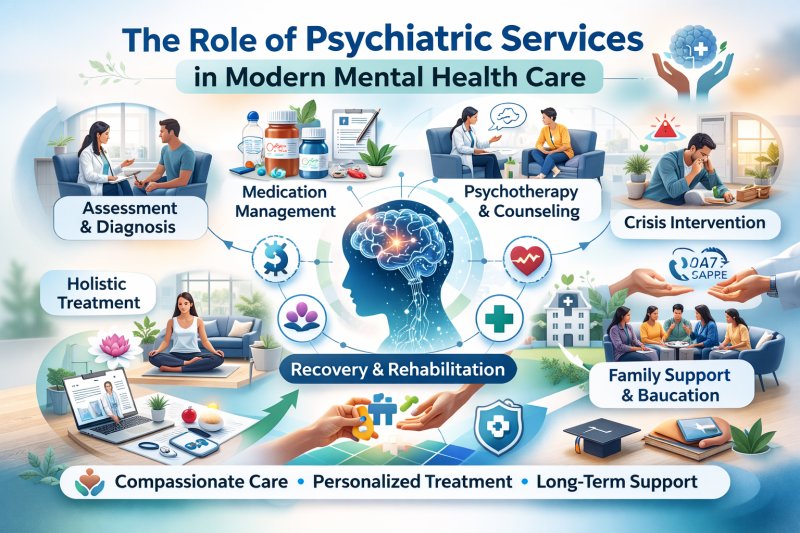
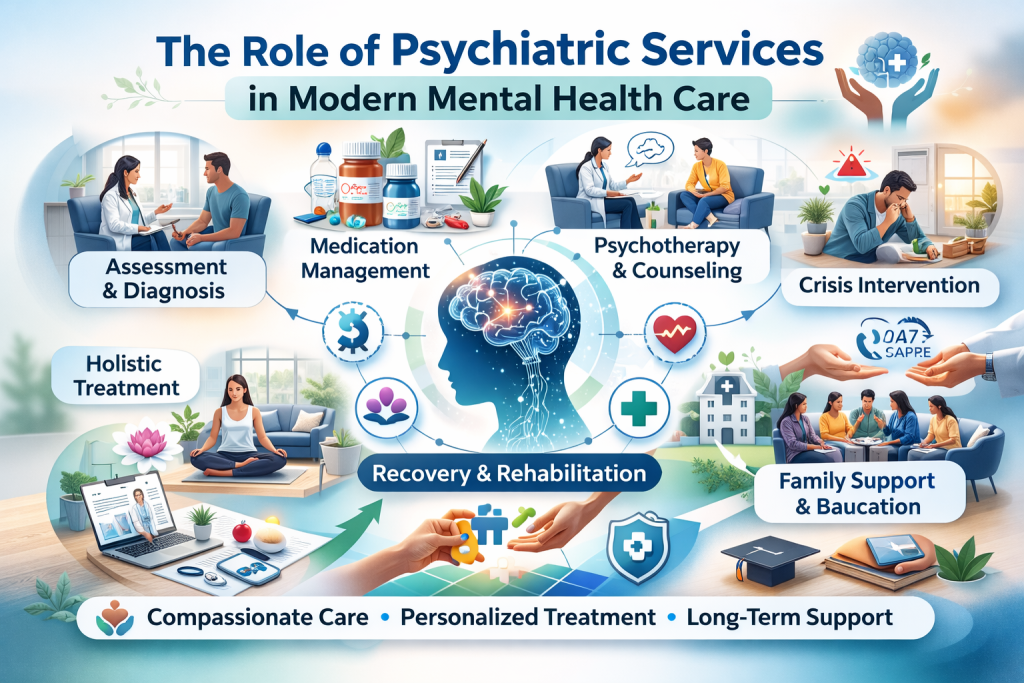
In Modern Mental Health Care Islamabad Pakistan, services typically include:

  • Psychiatric evaluation and diagnosis
  • Medication management
  • Psychotherapy and counseling
  • Crisis intervention
  • Rehabilitation and aftercare planning

These services work together to create a structured treatment pathway that is tailored to individual needs.


The Core Functions of Psychiatric Services

Psychiatric services form the foundation of effective mental health treatment. They involve medical professionals trained in diagnosing and treating mental illnesses using scientific and evidence-based methods.

1. Comprehensive Psychiatric Assessment

A detailed psychiatric evaluation is the first and most important step in treatment. This process includes reviewing medical history, understanding symptoms, conducting mental status examinations, and identifying contributing factors such as stress, trauma, or substance use.

Accurate diagnosis allows for a personalized treatment plan that addresses the root causes rather than just surface symptoms.

2. Medication Management and Monitoring

For many individuals, medication is an essential component of treatment. Psychiatric medications can help stabilize mood, reduce psychotic symptoms, manage anxiety, and improve overall functioning.

However, medication management requires careful monitoring. Psychiatrists assess effectiveness, manage side effects, and adjust dosages when necessary. In responsible Modern Mental Health Care Islamabad Pakistan, medication is prescribed ethically and reviewed regularly to ensure patient safety.

3. Psychotherapy and Behavioral Interventions

Psychiatric services are not limited to medication. Psychotherapy plays a significant role in modern treatment. Approaches such as Cognitive Behavioral Therapy (CBT), dialectical behavior therapy (DBT), and supportive counseling help individuals:

  • Understand negative thought patterns
  • Develop healthy coping strategies
  • Improve emotional regulation
  • Strengthen interpersonal relationships

At The Hope Rehab Center, therapy is provided in a structured and confidential environment, ensuring individuals feel safe while discussing sensitive concerns.


Integration of Psychiatric Rehabilitation

One of the defining features of modern psychiatric care is rehabilitation. Psychiatric rehabilitation focuses on restoring independence and improving social and occupational functioning.

Key components include:

  • Life skills training
  • Occupational therapy
  • Social skills development
  • Relapse prevention strategies

These services are especially important for individuals with severe or long-term mental health conditions. By combining medical treatment with rehabilitation programs, modern mental health care supports both stability and long-term growth.


Addressing Stigma Through Compassionate Care

Despite progress in awareness, stigma around mental illness still exists. Many individuals delay seeking help due to fear, misunderstanding, or social pressure. Psychiatric services must therefore operate within a compassionate, respectful framework.

In Modern Mental Health Care Islamabad Pakistan, ethical practice includes:

  • Maintaining patient confidentiality
  • Respecting patient autonomy
  • Encouraging shared decision-making
  • Providing non-judgmental support

At The Hope Rehab Center, the emphasis is on dignity and trust. Patients are treated as individuals with unique experiences, not defined by their diagnoses.


Crisis Intervention and Early Treatment

Modern psychiatric services also include crisis management. Individuals experiencing severe anxiety attacks, suicidal thoughts, or acute psychotic episodes require immediate attention from trained professionals.

Early intervention is crucial. Research consistently shows that timely psychiatric care improves outcomes and reduces the risk of complications. By identifying warning signs early and initiating structured treatment, mental health professionals can help prevent long-term deterioration.

This proactive approach is a key part of responsible Modern Mental Health Care Islamabad Pakistan, ensuring individuals receive support when they need it most.


The Role of Family in Psychiatric Treatment

Family involvement can significantly enhance recovery outcomes. Mental illness affects not only the individual but also loved ones who may struggle to understand symptoms and behaviors.

Psychiatric services often include:

  • Family education sessions
  • Counseling for caregivers
  • Guidance on communication strategies
  • Support for managing stress at home

At The Hope Rehab Center, families are encouraged to participate in the recovery process while respecting patient consent and privacy. A supportive home environment strengthens treatment progress and reduces relapse risks.


Evidence-Based and Ethical Mental Health Practices

Modern psychiatric care is grounded in scientific research and ethical guidelines. Treatment decisions are based on clinical evidence rather than trends or assumptions.

Responsible mental health centers focus on:

  • Accurate diagnosis
  • Individualized care plans
  • Regular progress evaluation
  • Safe prescribing practices
  • Continuous professional training

In Modern Mental Health Care Islamabad Pakistan, maintaining professional standards ensures patients receive safe and reliable treatment options.


Holistic Approach to Mental Wellness

Mental health does not exist in isolation from physical and social wellbeing. A holistic model considers sleep, nutrition, exercise, stress management, and social interaction as important elements of recovery.

Holistic psychiatric services may include:

  • Stress reduction techniques
  • Mindfulness practices
  • Routine building
  • Healthy lifestyle counseling

At The Hope Rehab Center, care plans are designed to support overall wellness rather than focusing solely on symptom control.


Frequently Asked Questions (FAQs)

1. What conditions are treated under modern psychiatric services?

Modern psychiatric services address conditions such as depression, anxiety disorders, bipolar disorder, schizophrenia, PTSD, and other mental health concerns that impact daily functioning.

2. Is medication always necessary in psychiatric treatment?

Not always. Treatment plans are individualized. Some individuals benefit from therapy alone, while others may require a combination of medication and psychotherapy.

3. How long does psychiatric treatment typically last?

The duration varies depending on the condition, severity, and individual response to treatment. Some individuals need short-term support, while others may benefit from longer-term care.

4. Can family members be involved in treatment?

Yes, family involvement is often encouraged, provided the patient consents. Family education and counseling can improve understanding and support recovery.

5. How is patient confidentiality maintained?

Professional psychiatric services follow strict confidentiality guidelines to protect patient privacy and ensure ethical care.


Conclusion

The role of psychiatric services in modern mental health systems is both essential and transformative. Through structured assessment, medication management, psychotherapy, rehabilitation, and compassionate care, individuals can achieve greater stability and improved quality of life.

Psychiatric Services for Severe Mental Illness: A Compassionate Approach | Mental rehabilitation center in Islamabad Pakistan

Severe mental illnesses such as schizophrenia, bipolar disorder or a major depressive episode need to be treated with more than the traditional approach of dealing with symptoms. For those struggling with these disorders, care from skilled psychiatric professionals in a safe and supportive setting makes all the difference. The Hope Rehab Center One of the best rehab center in Islamabad Pakistan A leading psychiatric rehabilitation centre for all those individuals who require compassion-based solutions to help them get their life back on track.

Understanding Severe Mental Illness

Serious mental illnesses are a broad category of conditions which can impact the way you think, feel, and behave on a daily basis. These illnesses are not like everyday stress or occasional mild depression; they generally is a lifelong problem and extreme remedy with skilled assist. Hallucinations, fluctuations of mood and judgment: These impairments can lead to significant social and occupational impairment in patients.

The Hope Rehab Center Using a Professional Environment: “Hope” believes that recovery is about healing for the long-term, so they’ve put together an organized, supportive program of psychiatric and therapeutic care to treat clients’ attentional, clinical and psychological issues. This method has proven to be effective in assisting people regain their footing, confidence and harmony in society.

Mental Rehabilitation Center And Their Role

A more like a safe place than your average mental asylum in the city is all that can be attributed to the De-Addiction and Rehabilitation Center (DARC). These centres provide integrated medical, psychological and social support services to help patients recover functionality and autonomy. The important goals of mental rehabilitation are:

  • Symptom Stabilization: Through customized medication management and psychiatric treatment.
  • Improving Daily Living: Therapy, education and daily routines.
  • Encouraging Emotional Health: Providing counseling and therapy to develop new coping skills.
  • Facilitating Social Integration: Promoting community participation and social interaction.

These are all conducted in a holistic and caring way at The Hope Rehab Centre to ensure that every individual feels heard and supported along the path to recovery.

Comprehensive Psychiatric Services Offered

Spectrum of services Hope Rehab Center offers a wide range of psychiatric treatment based on individual needs:

1. Psychiatric Evaluation and Diagnosis

Diagnosis provides the foundation for treatment. Skilled psychiatrists conduct comprehensive evaluations with mental status examination, review of medical history, and psychological testing to establish a definitive diagnosis.

2. Individualized Treatment Plans

All patients are provided with an individualized plan of care that can range from medication, psychotherapy and lifestyle interventions. These outlines are customizable to the progress and changing needs of the patient.

3. Medication Management

Pharmacotherapy is essential for the management of severe mental disorders. It’s because trained psychiatrists keep careful eye on medication responses, titrating meds to ensure a response with the least side effects.

4. Psychotherapy and Counseling

Two Other interventions for reducing the psychological response in patients is provided through cognitive behavior therapy (CBT), supportive counseling and group settings, to enable the patient to acquire coping strategies and deal with symptom amelioration and emotional problems in a structured, this so called safe environment.

5. Occupational and Life Skills Therapy

Patient autonomy is promoted through occupational therapy, social skills training and activities of daily living. They provide the means by which men and women can work at everyday activities, feel secure in themselves and be prepared to re-establish out again into the community.

6. Family Support and Education

Family support is important in addressing severe mental illness. Informative sessions and counselling for family members also assist them to understand the disorder, support appropriately and maintain a healthy home environment.

The Role of Humanising Tendencies

Recovery from mental illnesses is not just about treatment, but empathy, understanding and respect too. The Hope Rehab Center The focus has been on empowering compassion for every human being that can offer nothing but dignity to them. Central to this approach are:

  • Respect for Patient Preferences: The individual’s right, based on self-determination, to deliberate alone or with the knowledge of others regarding treatment options and to accept or refuse treatment.
  • Nonjudgmental Support: Establishing an environment that is stigma and discrimination free.
  • Monitoring: Frequent visits and changes to treatment allow for routine monitoring.
  • Antenatal Well-being: The care of physical health, emotions and social skills simultaneously.

Such a blend of the clinical and the human ensures that treatment is administered with not just professional skill, but also with care and empathy that helps patients feel they are being understood.

Integrating Community and Aftercare

The recovery from serious mental illness does not stop at discharge. Good mental recovery facilities in Islamabad Pakistan also use aftercare programs, such as community support groups, job skills assignments and continued counseling. These treatments also assist in stabilizing patients, decreasing the likelihood of relapse and supporting long-term recovery.

Hope Rehab Center works with community resources and medical practitioners to develop a support system that guarantees they succeed when they leave the treatment center.

Advantages of Deciding The Hope Rehab Center

Choosing the proper rehab center is essential for success in recovery. Clients and loved ones who select the Hope Rehab Center can enjoy:

  • Counseling from professional, licensed psychiatrists
  • Individualized treatment plans for everyone
  • A compassionate, stigma-free environment
  • Complete rehabilitation, with therapy, counseling and life skills coaching
  • Families and Caregiver Support for better results

These benefits underscore the center’s dedication to ethical, patient-centered care and make it a reputable option for families in search of personalized psychiatric services.

Frequently Asked Questions (FAQs)

1. Which mental conditions are treated in The Hope Rehab Center?

The center focuses on severe mental illnesses, such as schizophrenia, bipolar disorders and major depression, as well as other chronic psychiatric conditions.

2. How long does treatment usually take?

Treatment length is individualized, and depends on the severity of illness and response to treatment; both short-term stabilization programs and long-term rehabilitation options are available.

3. Is family involvement necessary for the treatment?

Family is invited to participate and although it is not required, it is highly recommended. The family member’s education and counseling enhances the recovery, and at the same time it promotes a supportive home.

4. Do the treatments offered at the centre have evidence backing them?

Yes, all psychological interventions at The Hope Rehab Center are based on the most current clinical research and best standards of mental health care.

5. How do I make sure my loved one receives compassionate care?

When selecting a facility such as The Hope, one that values the dignity and empathy of the patient, individualized care to meet their addiction need, families can expect their loved one to be cared for in a professional and supportive manner.

Conclusion

The more serious mental illnesses require a complex, caring response that considers both clinical symptoms and emotional health. A psychological rehab centre in Pakistan in a place like Islamabad such as The Hope Rehab center provides psychiatric care services that help patients to live normal lives. By providing professional medicine, holistic care and life-changing recovery services, men and women have created a sturdy foundation on which to rebuild their lives.

The Importance of Cold Chain Management in Pharmacy – Best Rehabilitation Center for Ice Treatment

You have frozen products in your cold chain. From life-saving vaccines to temperature-sensitive medication, controlling storage means safety and efficacy, as well as patient trust. It is a critical no no for pharmacies, even a few degrees difference can melt and nullify the ingredients in medication and create risk for patent care.

For facilities in the medical sector, like The Hope Rehab Center, which delivers specialized rehab treatments including ice-based therapies to patients every day, establishing a supply of cold isn’t simply an operational consideration — it’s a duty of care. As the Best rehab center for ice treatment, trusted cold chain ensures that every therapeutic procedure is applied safely and effectively.

This article focuses on the significance of cold chain management in pharmacy, effect on patients’ safety, regulations and how healthcare facilities can ensure best practices.

Comprehend the principles of cold chain management in pharmacy

The management of temperature-sensitive drugs from the production site until the time they are administered to patients, is known as cold chain management.

What Is the Cold Chain?

The “cold chain” includes:

  • Refrigerated storage units
  • Temperature-controlled transport systems
  • Continuous temperature monitoring devices
  • Proper handling protocols

The majority of pharmaceutical cold chain products need to be kept between 2°C and 8°C, however some specialty drugs need the freezing or ultra low temperature.

Why Temperature Control Matters

Most drugs, including biologics, vaccines, and injectable therapies are very temperature sensitive. Too much heat or too cold could:

  • Reduce drug potency
  • Alter chemical structure
  • Cause protein denaturation
  • Make treatment ineffective

Ensuring adequate temperature stability is provided has value to the medication and patient.

The importance of cold chain management to patient safety

Pharmacy is built on safety. If drug products are not stored properly, the efficacy and safety associated with use of such products may be reduced.

Preventing Medication Failure

Certain drugs may be rendered ineffective due to temperature excursions in the absence of any obvious visual damage. This is particularly important for instituting biologics and specialized recovery treatments.

At The Hope Rehab Center we have strict procedures to keep temperature-sensitive supplies for recovery and ice-based therapeutic services from exceeding recommended storage limits. Best drug rehab for ice Best Rehab Center For Ice As the best rehab center for ice you should maintain quality to improve patient’s results.

Ensuring Compliance with Healthcare Standards

Hospitals, for example, are mandated to adhere to rigorous regulations in terms of pharmaceutical storage set by governing bodies. Correct cold chain documentation, tracking logs and emergency backup systems are necessary to meet compliance.

Adhering to such standards help in trust building and enhancing ethical practices of healthcare.

Cold Chain Management and Ice Therapy Applications

Although the term cold chain management is most commonly associated with vaccines and biologics, it performs a critical function in specialized treatment settings.

Ice Treatment and Temperature Integrity

Because ice based treatments need environments with controlled storage to assure:

  • Consistent therapeutic temperature
  • Hygienic handling
  • Safe patient application
  • Prevention of contamination

The Best rehabilitation center for ice treatment know that accuracy in temperature control is crucial to the process of healing.

At The Hope Rehab Treatment Center our cold storage procedures allow us to continue to provide high-quality treatment within the boundaries of healthcare safety.

Elements of a good Management of the Cold Chain

A reliable cold chain needs technology, training and oversight.

1. Temperature Monitoring Systems

Digital thermometers and dataloggers are used for permanent monitoring. These alert staff of any temperature variance, complementing product safety and increasing your peace-of-mind.

2. Proper Storage Equipment

You need medical grade refrigerators and freezers. Households have the temperature spread and should not be used to store medications.

3. Staff Training and Accountability

Issues pharmacists and health care professionals should know about:

  • Correct storage ranges
  • Documentation procedures
  • Emergency response plans
  • Handling practices

The training helps to control and minimize human error, so it brings consistency.

4. Emergency Preparedness

The cold chain can be interrupted by power outages and equipment breakdowns. Backup power and backup plans are key to temperature integrity.

Regulatory Compliance and Ethical Responsibility

The cold chain is not a luxury: it’s mandatory. Healthcare authorities emphasize:

  • Accurate temperature logs
  • Calibration of monitoring devices
  • Standard operating procedures
  • Documentation audits

Ethical practice of healthcare requires a bias for patient safety over convenience. Clear protocols build trust between the service providers and patients.

The Significance of Cold Chain Management in Pharmacy – Optimal Rehab Heritage for Chilly Treatments Requirements

With more and more healthcare organizations integrating the demands of pharmaceutical cold chain within the specialized therapy services, it increases the demand for precision.

To be nominated as the Best rehab center for ice treatment, however, it takes more than just medical knowledge. It includes:

  • Protects temperature sensitive medical supplies
  • Indications for Use Therapy Temperature Equipment Maintenance II.
  • Infection control standards
  • Quality assurance measures

The cold chain principle in The Hope Rehab Center was linked to broader healthcare quality programs. This puts temperature management as part of the holistic patient-centric perspective.

Typical Issues in Cold Chain Management

Despite its significance, the management of cold chain is faced with challenges:

Temperature Fluctuations During Transport

Drugs may change hands a number of times before they end up in health centres. Packaging and insulated transportation facilities is a must.

Equipment Malfunction

Refrigeration failures may cause damage to stocked goods. Routine maintenance reduces this risk.

Human Error

Inadequate storage, late documentation or opening of door might affect the temperature stability. Continuous training is essential.

Drugs Cold-Chain and Temperature Monitoring Technology

Advanced systems that are being increasingly implemented in modern health facilities to ensure cold chain reliability are:

  • Smart temperature sensors
  • Real-time monitoring dashboards
  • Automated alert systems
  • Cloud-based storage logs

This sort of these tools will increase the quality of review and decrease potential errors.

For rehab facilities that offer heat-sensitive treatments, technological integration also optimizes workflow and protects patient experience.

How the Integrity of a Cold Chain Further Enables Sustainable Quality Healthcare L If it ain’t broke, why fix it?

Cold chain management contributes to:

  • Improved treatment effectiveness
  • Reduced medication waste
  • Stronger patient confidence
  • Regulatory compliance
  • Operational reliability

Cold chain is becoming a safety and best practice focused medication delivery offering, with pharmaceutical companies’ engaging healthcare organizations that make cold chain integrity a priority.

At The Hope Rehab Center such attention to detail of having ice therapy procedures is replicated in everything that we do. Through pharmacy best practices, the center backs safe and managed pathways back to recovery.

Best Practices for Healthcare Facilities

To further improve the effectiveness of the cold chain, health care workers should:

  • Conduct regular temperature audits
  • Implement digital monitoring tools
  • Maintain detailed documentation
  • Provide ongoing staff training
  • Establish emergency backup systems

These measures drive continuous quality improvement and risk reduction.

Frequently Asked Questions (FAQs)

1. What is cold chain management in the pharmacy?

Cold chain management is a system of handling and transporting vaccines agents thermosensitive pharmaceuticals in a way that ensures products are kept at the appropriate temperature to protect people from vaccine-preventable disease.

2. Rehabilitation centers and why is cold chain management crucial for it?

Rehabilitation clinics that use temperature-sensitive supplies or employ ice must have a continuity of care with a reliable storage system to ensure the public’s safety in receiving the appropriate level of treatment.

3. How does temperature affect the power of drugs?

Medications’ chemical composition may change when exposed to extreme heat or freezing, becoming less effective or unsafe.

4. What are the usual ranges required for pharmacy storage?

The storage condition of most refrigerated medications is 2 to 8°C, but individual products may have specific requirements.

5. So then how does The Hope Rehab Center keep its cold chain in place?

Hope Rehab Center has Temperature Control Guidelines, Quality Management System and Standard Storage to handle temperature sensitive materials in safe manner.

Conclusion

Pharmacy Application The management of the cold chain is essential to contemporary pharmacy practice. It preserves the integrity of medications, helps to protect patient safety, and promotes regulatory compliance. When handling vaccines, biologics and other thermosensitive therapeutic products; without proper storage conditions, it is vital.

Cold chain quality of healthcare facilities is considered as a professionalism and ethical responsibility. The Hope Rehab Center, With the Best drug rehab for ice treatment, incorporates temperature management within its wider approach to patient focussed care.

Through the implementation of structured cold storage systems, staff training and quality control, providers have the tools to ensure that every treatment they provide is delivered up to standard.

Medicines for Elderly Patients: Precautions and Care – Mental rehabilitation center in Islamabad Pakistan

Tending to elderly patients is more than checking in and being there for them emotionally. One of the key components towards elderly care is providing medication in a secure and efficient manner. There are unique medication challenges for many older adults, including polypharmacy, age-related physiologic changes that alter metabolism of drugs and increasing susceptibility to side effects. Medications are also of paramount importance when we talk about geriatric patients So come and join us at Hope rehab Center the best mental Rehabilitation center in Islamabad Pakistan, where medications are closely watched under observation then given very cautiously and patient centered as well.

Recognizing Patients’ Special Requirements According to Age

Older patients are at greater risk of having chronic conditions like diabetes, hypertension or arthritis and taking five to 10 prescriptions. This drug combination can lead to greater risk of drug-drug interactions and toxicities. Physiological changes that come with old age, like decreased kidney and liver function, a slower metabolism and different body fat composition can influence how the body processes drugs during absorption, distribution, metabolism and excretion.

These all factors emphasize the significance of specialized care at a mental rehabilitation center Islamabad Pakistan, where health experts can customize treatment protocols to suit the personal needs of old patients.

Age-Related Changes Affecting Medication

1. Kidney Disease – Medications may be cleared more slowly in the body which can lead to higher levels of a drug and potential for toxicity.

2. Liver Metabolism – The liver’s ability to metabolize some medications changes with age, as enzyme activity decreases.

3. Unconventional Drug Reaction – The elderly may or may not show typical drug reactions and dose need to be altered.

4. Polypharmacy Dangers – The more medications you take at once, the likelier it is for side effects and reactions to occur.

By recognizing these age-related changes, The Hope Rehab Center physicians are able to make medications safe, effective and individualized for each patient.

Precautions When Administering Medicines

Administering medication to elderly patients requires vigilance, knowledge, and a systematic approach. Here are the key precautions recommended by healthcare experts:

1. Comprehensive Medication Review

Healthcare professionals review all prescription and over-the-counter medicines before they are taken or if there is a change in the quantity, method, or type of medication. This can help to flag potential interactions, duplicate therapies and give a repetition of medication.

2. Clear Instructions and Education

Older patients may have memory loss or cognitive impairment, putting them at risk for missing a dose of their medication or taking an extra one. Clear written instructions and an oral explanation help patients and caregivers to know how much medication they need to give.

3. Monitoring for Side Effects

In geriatric patients, adverse reactions such as confusion, dizziness, gastrointestinal symptoms and falls are frequently experienced. Ongoing checks mean doctors can adapt medication soon enough to avoid complications down the track.

4. Simplifying Medication Regimens

Scheduling regimens with lesser number of daily doses or amalgamating medications, if safe, can enhance compliance and reduce the chance of error. As a reliable mental rehabilitation center in Islamabad Pakistan, the Hope Rehab Center often collaborates with pharmacies in order to best understand medication profiles of senior citizens.

5. Involving Caregivers

Caregivers are critical in managing the medications. It is superior results and lowers risk to teach them the value of adherence, importance of monitoring for side effects, and willingness to express concerns.

Typical Medical Categories of Elderly Subjects

As elderly may have more than one medical condition the drugs will be given should belong to different categories and their specific precautions are as follows:

1. Medications affecting the cardiovascular system – antihypertensive and anticoagulants need titration in doses to avoid hypotension and bleeding.

2. Analgesia – Use of NSAIDs and opioid medications warrants close surveillance to prevent renal impairment or addiction.

3. Psychoactive Drugs – Medications for depression, anxiety or dementia need to be dosed judiciously so as to not render the individual too sedated or unable to think clearly.

4. Diabetes Medications – Hypoglycaemia should be avoided when using blood sugar lowering medications.

There needs to be good testing, observation and fine tuning with medication use (which we do have at The Hope Rehab Center) It’s an essential part for safe taking tablets.

Advice for older patients and their caregivers

  • Keep a list of medications and dosages, schedules and doctors prescribing them.
  • A pill organizers or reminders should be employed to minimize missed doses.
  • Tell healthcare providers right away about any new symptoms.
  • Don’t self-medicate, and speak to experts before you stock up on supplements or over-the-counter medications.
  • Make an appointment for medication review with health professionals to evaluate the necessity of each medicine.

Use of Mental Reeducation in the Treatment with Medicaments

Cognitive impairment, memory loss, and mental health issues can influence elderly patients in the way they take medication. A specialized programme at The Hope Rehab Centre relies on the following mental and wellness centre in Islamabad Pakistan.

  • Evaluate cognitive performance and its influence on medication compliance.
  • Teach patients and families safe medication use.
  • Structured regimens If you put drama in to this, taking doses is better!
  • Observe for behavioural disorders which may be an adverse effect or related to drug interaction.

Combining mental rehabilitation with medication management provides comprehensive care for the mending of mind and body.

Preventing Adverse Drug Events

The issue of adverse drug events) in geriatric care is prevalent. Lessening of these hazards are the further strategies:

  • Ensuring comprehensive medication reconciliation while the patient is in hospital.
  • Educating patients to have a list of medication on hand.
  • Dosing adjustments according to renal and hepatic function tests.
  • ommiting potentially inappropriate drugs, when not absolutely necessary.

These practices are part of the normal procedure in use at The Hope Rehab Center and enable a safer treatment for elderly patients.

Answers to Common Questions About Medications for the Elderly

1. Why do older people react more to drugs?

There are metabolic, renal and hepatic changes related to aging that result in changes in drug absorption as well as increased susceptibility to the side effects of drugs.

2. HEALTH How can caregivers make sure elderly people take their medications safely?

Caregivers should record a medication list, use pill organizers, give reminders and monitor for adverse events.

3. Are O.T.C. drugs safe for older people?

Not always. A few OTC medicines may interact with other drugs that are prescribed or exacerbate an underlying condition. It is important to seek medical advice.

4. What is polypharmacy and why is it a concern?

Polypharmacy Polypharmacy is an actual intake of multiple medications at the same time. This raises the chance of drug-to-drug interactions, adverse effects and medication error.

5. How is a psychiatric recovery facility useful regarding medication management?

Centers such as The Hope Rehab Center offer cognitive testing, patient education, schedules and supervision to help people stay on rehab medications safely and effectively.

Conclusion

The treatment of drugs in the elderly should be given close attention, personal care and continuous observation. Healthcare practitioners can mitigate risks, avoid complications, and enhance quality of life through an appreciation for the special physiological and cognitive requirements of older adults. The Hope Rehab Center, a specialized mental hospital Pakistan is focused on the safe, ethical and patient-centric medication management to ensure physical and mental health care elderly receive along.

Detected through appropriate precaution and caregiver intervention, as well as one or more of the following (monitoring), safe drug use enables older adults to live a healthier, less-dependent life.