
The Hope Rehab Center

How Yoga Helps Manage Anxiety and Emotional Wellness – Mental Health Rehabilitation Center in Islamabad

The demands of modern living are amongst the most trying sources of anxiety and tension:REMOVE Here in our high-speed world, stress and emotional battles have become a fact of life. It is important to find ways of effectively dealing with mental health issues in order to lead a balanced and happy life. At The Hope Rehab Centre, being one of the best Mental Rehabilitation Centre / Facility in Islamabad, we understand the significance of an integrated mental health care. Yoga is something that has been shown to be a particularly useful adjunctive practice in treating anxiety and supporting emotional health.

Understanding Anxiety and Emotional Wellness

Anxiety Its normal to anxietise in the face of a stressor but when becomes chronic it take its toll on the overall well-being. Emotional health, by contrast, refers to the ability to deal with and manage emotions in an effective way, as well as include such characters traits like resilience and an optimistic outlook on life. Anyone with a mental health problem will tell you they’ve got struggles to stay emotionally stable. Utilizing tools such as yoga in the day to day can be a game changer for mental health.

The Neuroscience of Yoga and the Psychophysiology of Stress-Based Psychological Disorders

Yoga is a historical practice of integrating the physical body posture, breathing techniques to balance the brain structure and putting it into a meditative condition. The practice of yoga on a regular basis also lowers the levels of cortisol, which is a stress hormone and activates the parasympathetic nervous system that induces relaxation and emotional balance. This fact makes yoga one of the best therapies for those suffering from anxiety and other emotional illness.

At The Hope Rehab Center we also offer personalized treatment programs that include Yoga Therapy as a part of the process in our collaborative mental health support. One of the symptoms of major depressive disorders is a stark reduction in physical and mental activity, as any good Mental Health Rehabilitation Center in Lahore would know.

Yoga For Anxiety: What Are The Pros?

1. Reduces Stress and Cortisol Levels

Yoga includes breathing and meditation which helps to reduce stress markedly. This form of breathing stimulates our parasympathetic nervous system calming the mind and other common symptoms of anxiety.

2. Enhances Mindfulness and Self-Awareness

Practicing mindfulness is a key part of emotional well-being. Yoga promotes living in the moment, and thus enhances self-awareness and decreases rumination—a key component of anxiety. Regular training will allow patients to notice negative thoughts and act with greater equanimity.

3. Improves Sleep Quality

Sleep disturbances cause increased emotional vulnerability by often being disrupted with anxiety. Yoga helps relax and modulate circadian rhythm ! Restorative yoga or gentle stretching before bed can greatly enhance sleep quality and increase mental well-being.

4. Boosts Emotional Resilience

Yoga strengthens and establishes the mind-body relationship, contributing to emotional resilience. Engaging in purposeful, slow breathing exercises and mindful movements imbue practitioners with resilience to kindle stressors before they ignite into full-blown anxiety.

5. Encourages Social Connection and Support

CommunityBased yoga classes at The Hope Rehab Centre help create an atmosphere of unity. Emotionally connecting with others in the same situation for emotional support, to avoid feeling alone and foster a positive attitude are some ingredients of emotional wellness.

Important Yoga Practices for Overcoming Anxiety

1. Pranayama (Breathing Exercises)

Pranayama, also known as controlled breathing, helps to balance the autonomic nervous system. Practices like Nadi Shodhana (alternate nostril breath) and Bhramari (humming bee breath) are particularly beneficial for alleviating panic and anxiety.

2. Asanas (Physical Postures)

Some yoga poses, such as Child’s Pose (Balasana), Cat-Cow Pose (Marjaryasana-Bitilasana) and Forward Fold (Uttanasana) help release tension in the body and promote relaxation. The asanas will help the blood to circulate, relieve tight muscles and help you feel mentally relaxed.

3. Meditation and Mindfulness Practices

Meditation promotes mental clarity and emotional stability. Mindfulness meditations performed at our Mental Health Rehabilitation Center Islamabad have helped patients learn these techniques to practice mindfulness both in their lives and minds, meaning they can see their thoughts without attaching them to judgment – thus decreasing any level of anxiety.

4. Yoga Nidra (Deep Relaxation)

Yoga Nidra, the so-called yogic sleep is a guided meditation that leads through finding the mind&rsquo. This technique promotes relaxation, lifts mood and aids in emotional regulation, so it’s a vital anxiety-management tool.

Yoga and Mental Health Recovery

We incorporate yoga as part of our complete mental health rehab packages at The Hope Rehab Center. With a blend of conventional psychotherapy, counseling and holistic modalities which include yoga, we’re able to create the ideal treatment plan from person to person.

Our seasoned mental health practitioners create custom yoga sequences according to the individual’s level of anxiety, physical health and emotional objectives. This comprehensive strategy allows individuals to not only address anxiety efficiently, but also learn lifelong emotional health skills.

Success Stories and Patient Outcomes

The Hope Rehab Center has seen patients include yoga in their recovery regime and over the years they have expressed that it helps them feel emotionally grounded, less stressed and balanced. Yoga often works well as an adjunct to other treatments for mental health, helping the recovery process be more balanced and sustainable.

Another patient explained, “Doing yoga at The Hope Rehab Center assisted me in gaining control over my thoughts and emotions. It’s more than just exercise — it’s therapy for the mind and soul.”

Why Opt for The Hope Rehab Center Mental Health Programme

With a reputation of being a mental health rehabilitation center in Islamabad that can be relied upon, We implement the wholistic approach which addresses both physical and psychological dimensions of mental wellness. Our programs integrate modern, evidence-based therapies with holistic practices such as yoga, mindfulness and meditation to equip patients with a mental toolkit they’ll need for life.

We focus on:

  • Customized plans of care for the individual.
  • Qualified practitioners Work with trained Mwanthriian practitioners who are experienced in psychotherapeutic and natural healing methods
  • Safe and nurturing safe place for emotional recovery
  • Yoga and mindfulness to achieve overall wellbeing

FAQs: How does Yoga assist in the Management of Anxiety and Emotional Wellness – Mental Health Rehab Center Islamabad

1. How yoga can help ease anxiety

Yoga alleviates anxiety by engaging the body through physical postures and breathing exercises, while deepening focus of the mind on postures or breath which are proven to decrease cortisol levels (the stress hormone) and physically calm the nervous system. Non habitual practice increases emotional resiliency and mental clarity.

2. What are the best yoga practices for emotional health?

Rituals like Pranayama (breath work), prop-supported asanas (ie Child’s Pose, Forward Fold), meditation, and Yoga Nidra are most effective for calming our emotions and reducing stress.

3. Can yoga be a good adjunct for traditional mental health treatments?

Indeed, at facilities such as mental health rehabilitation centers, yoga is commonly combined with psychotherapy and counseling. It complements traditional interventions by enhancing mindfulness, emotional regulation, and mental well-being at large.

4. How much yoga to reduce anxiety?

Even these short daily sessions of 15–30 minutes can be helpful. Regular practice along with professional instructions given by mental health rehabilitation center in Islamabad yields excellent results in controling the anxiety and boosting emotional wellness.

5. Is yoga appropriate for anyone who has mental health problems?

Almost everyone can gain from yoga, including people with anxiety or emotional issues. Personalised yoga sessions At The Hope Rehab Center we tailor our yoga to accommodate varying levels of ability, so that everyone can practice safely and effectively.

Conclusion

Yoga is a lot more than simply physical — it’s also one of the most effective tools for coping with anxiety and nurturing emotional wellbeing. Through the practice of mindfulness and breath, combined with movement practices, participants develop resilience, learn to reduce stress and enhance their mental wellbeing.

The Hope Rehab Center, the best Mental Health Rehabilitation Center in Islamabad uses yoga alongside individualized treatment plans to expand on mental health care. Whether you’re dealing with anxiety, emotional problems or simply looking to improve your mental health, yoga under the guidance of a professional can be life changing.

Spending time taking care of your emotional health is just as important when it comes to leading a much healthier and more balanced life. Yoga and professional mental health intervention help people take charge of their mind, emotions and ensure long-term recovery and happiness in life.
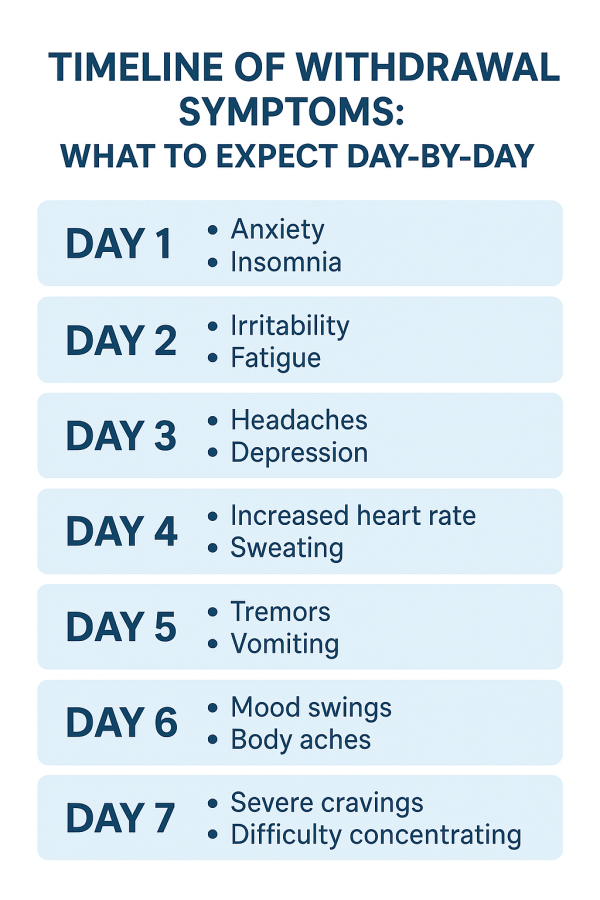
Timeline of Withdrawal Symptoms: What to Expect Day-by-Day – Rehabilitation Center in Islamabad

With the Rehabilitation Center in Islamabad a preferred search term, as well as a place where The Hope Rehab Center is committed to helping people recover from addiction and live hope-filled lives, knowing about a person ‘s withdrawal symptoms is absolutely crucial. Whether a drug user or someone who goes through withdrawal from drugs gets any relief at all depends on what physical and mental stage they are in on any given day.

The Day-By-Day Withdrawal Guide article explains in detail what happens at every stage of withdrawal, what kinds of symptoms may show up, and where recovery professionals will go to make yours easier and safer.

Understanding Withdrawal & Its Importance

When a person quits using airtake drugs their body has become adapted to, withdrawal occurs. If someone has become dependent on alcohol, drugs or other substances—however slowly or over what length of time it may be accomplished—his brain will have accepted their effect. Removing the substance then forces the body to re-adjust itself; this is a process that is neither pleasant nor entirely safe.

Why Withdrawal Happens

The central problem of withdrawal is chemical imbalance. Substances wittingly belt the brain with stimulation or relaxation: the result is brought about artificially. Over time, the body comes to depend on these chemicals in order to function normally. When they are suddenly removed, it struggles to balance itself again—and both physical and mental symptoms result.

Role of A Rehabilitation Center in Islamabad

A professional Rehabilitatio n Center in Islamabad, such as The Hope Rehab Center, provides the key link in this chain. By offering medically supervised detoxification and professional emotional support, it helps to restore to a physical state patients who feel hopelessly out of control. Not only can anyone undergoing withdrawal on their own face serious health complications, but when incorporated into a clinical setting safety becomes paramount, and long-term success all more likely.

Symptoms of Withdrawal-By Day

Withdrawal is different for everyone. But with these facts as a guide, the following will be a clearer picture of what you can expect.It’s a quick sermon to help families and individuals understand more about withdrawal.

Day 1: Signs of Withdrawal Cure Begin to surface

The first 24 hours after a substance has been discontinued are often discomforting. Symptoms may appear in a few hours depending on the substance.

Common Day 1 Symptoms:

  • The tension and restlessness
  • Nausea
  • headaches
  • Sweating
  • Being irritable
  • Cravings

This is also the period when the individual feels the urge to relapse. At The Hope Rehab Center, there will be a proper supervision ensuring one’s safety and emotional stability during this crucial time.

Days 2 ﹣ 3: Symptoms Worsen

This is when the body realizes that the substance is gone. The symptoms tend to become more pronounced. People may have:

  • The fast heart rate
  • Nervousness Increased
  • Discomfort in the digestion system
  • mood swings
  • Can’t get to sleep
  • Tremors

This can be a dangerous time requiring close medical supervision for substances like alcohol or opioids.

Days 4 ﹣ 7: Time to Withdrawal Peak

This is usually the most difficult stage. Physical symptoms rise to their peak, and then, joy of joys, the patient may begin to recover.

Peak Symptoms May Include:

  • A serious case of
  • muscle aches
  • Thirst
  • Fatigue
  • General instability
  • Difficulties in concentration

The length of this stage varies greatly according to the sort of substance. It may be necessary to prescribe additional medication to safely ease their body for some people.

Weeks 2 ﹣ 4: Psychological Symptoms Hang Around

After the first week, the physical symptoms will be greatly diminished. But mental symptoms might linger on.

Common Symptoms At This Stage:

  • Depression
  • Anxiety
  • Low motivation
  • Deviation of sleep pattern
  • Emotional instability

This is why continued therapy at The Hope Rehab Center and ongoing support is so important.

Beyond One Month: The PAWS Period

PAWS, or Post-Acute Withdrawal Syndrome, which is a longer-term phase involving emotional and mental symptoms. This stage can last for months, depending on the individual.

PAWS May Include:

  • Changes in mood
  • Sensitivity to stress
  • Cognitive fog
  • Periodic cravings

With appropriate treatment and coping strategies, sufferers can make a full recovery and restore their emotional equilibrium.

The Influence of How Quickly Withdrawal Will Take Place

Not everyone will go through withdrawal in exactly the same way. There are many factors that affect both how long symptoms last and how severe they are.

Substance Type

Different substances bring on different withdrawal patterns. For example, alcohol and opioids usually require medical detoxification.

Duration & Level of Use

Long-term or heavy use leads to longer withdrawal periods, usually.

Mental & Physical Health

People with health problems that have not been treated may have different symptoms during withdrawal.

How The Hope Rehab Center Supports a Safe Detox

Hope Rehab Center Provides a clean environment in which the patient can rest and relax while being treated with compassion and care.

Medical Monitoring & Safety

Doctors and nurses monitor vital signs, dispense medicine, and manage any other problems that may occur.

Emotional & Psychological Support

Therapists are available to help you cope with the anxieties of withdrawal as well as depression and cravings.

Long-Term Treatment Planning

As soon as the withdrawal is stabilized, the patient will have a new type of treatment. Here he will learn to computer his escape system to fit the outdoors in all severities and long-term rehabilitation programs.

FAQs

1. How long do most withdrawals last?

For most people, withdrawals last anywhere between a few days and week. However, both the substance being used regular habit frequency matter.

2. Is withdrawal dangerous?

Yes. There are certain substances with life-threatening withdrawal symptoms—and that is why it’s so important to get the supervision of a doctor.

3. Can I detox at home?

It’s too risky to do it on your own in most cases. At a professional rehab center they’ll make sure you are safe and comfortable.

4. What’s the hardest part of withdrawal?

The “high” or “peak experience” period (Day 3–7) as a rule is the hardest one.

5. What should I do during withdrawals?

Hydration, medical monitoring, emotional control and 14 days of habilitation can help to increase success rates greatly.

6. Does The Hope Rehab Center treat every sort of addiction there is?

Absolutely! Not only that, but The Hope Rehab Center will provide treatment for alcoholism as well as drug addictions.

Conclusion

Withdrawal is a difficult but necessary step to recovery. Understanding the day-to-day time scale can help individuals prepare themselves mentally and physically. With the Oras (Equador Rehab Clinic’ s support and medical expertise, people can start healing safely, confidently and with renewed hope. In Islamabad since 1983, they have been consistently ranked as the top Rehabilitation Center amongst all sorted scores across all groups.88%estimate an average return time of 3-5 months. The long tradition of success does NOT come without a price or sacrifice, one way to recover your own funds is by serving other people — this most clearly reflects The Hope Rehabilitation Centre’Th Ream of.None else can offer yousuch luxury as one bed per person in a fully furnishedtherapysuite.

How Rehab Centers Create Personalized Tapering Treatment Plans – best rehab center in pakistan

Introduction to Personalized Tapering

The world of rehab has changed from one-size-fits-all approaches to a variety of treatment systems that focus on what is best for the body and mind, giving us a voice where there once was none. At The Hope Rehab Center – the best rehab center in pakistan, individually-tailored tapering treatment schedule is now our solid base for a safe and effective recovery. These programs are conveniently designed to allow clients to lower their reliance on substances slowly and safely.

Tapering is the gradual reduction in content of a medicinal preparation, to minimize adverse effects or other problems, and ultimately to reduce addiction. This strategy eliminates the possibility of sudden cessation jolts, lowers danger levels and enhances a patient’s detox experience. When it’s done well, this process eases the way to restored healthy bodily functioning.

Why is Custom Tapering Necessary?

Why One-Size-Fits-All Treatment Never Works

Everyone has a unique relationship with drugs, including how often they’ve been used, tops up taken and strength consumed. Their body uniquely reacts to detox hence applying a one-size-fits-all principle often causes complications. A tailored taper regards a patient’s medical history, state of mind and withdrawal preparedness to offer the most comfortable detox possible.

The Role of Medical Assessment

Specialists carry out a detailed evaluation before they develop a tapering plan. This involves examining medical history, psychological health, levels of substance use, and physical condition. Rehabs work with this information to create a plan that is in sync with what your body can handle, minimizing the severity of withdrawals and keeping you safe.

How Rehab Centers Develop a Customized Tapering Plan

Step 1: Comprehensive Patient Evaluation

The start is correct data. Medical teams monitor patients’ vital signs, perform lab tests, assess mental health status and screen for conditions such as liver problems, heart disease or chronic stress-related disorders. This is once-a-day planning, setting the groundwork for tapering on terms that are synergistic—with rather than depressive to—your health.

Step 2: Identifying Substance Use History

Every drug would not need it tapered in the same way. Opiates, benzodiazepines and alcohol each have distinct time courses and dangers of withdrawal. Rehab experts evaluate:

  • Duration of substance use
  • Frequency of use
  • Dosage levels
  • Co-occurring addictions
  • Previous detox attempts

Professionals can predict withdrawal patterns with the information [from these], and taper as necessary based on that knowledge.”

Stage 3: Determining a Gradual Tapering Schedule

A taper schedule is an example of a timeline in which the substance dose is decreased over time. It can be a couple of weeks to several months, depending on the level of addiction. Ideally, patients should taper off low enough to avoid a severe withdrawal, and rapidly enough so that dependence isn’t extended indefinitely.

Teams of doctors adjust the schedule each day according to how the patient is responding.

Best Rehab Center in Pakistan – The Hope Rehab Center’s Philosophy

Customized Detox Protocols

As for The Hope Rehab Center, tapering is not rigidly defined ­— it’s adapted according to the client update, that is whenever one changes. The best rehab center in pakistan utilizes evidence-based medical protocols, state-of-the-art monitoring technologies and compassionate care models to support safe detox. Each patient is provided with a customized plan, perfected by addiction professionals.

Continuous Medical Monitoring

Tapering requires consistent supervision. Doctors and nurses at The Hope Rehab Center keep patients under watch 24/7, to make certain that withdrawal remains managed. Changes are done immediately and the patient is supported if he feels discomfort, stress or strain. This is gonna make sure that this detox road isn\’t effective, but it\’s also emotional friendly.

Benefits of Personalized Tapering Treatment

Reduced Withdrawal Discomfort

Withdrawal symptoms are dramatically lowered with tailor-made tapering strategies. Because the taper is gradual, your body has time to adapt to the change and won’t be hit with big shocks. This is important in building confidence and in encouraging recovery compliance on the part of the patients.

Improved Long-Term Recovery Outcomes

All studies demonstrate in the long term those who taper customised are more successful. The method sensitizes the mind and body to treatment, making it easier for patients to concentrate on getting better instead of struggling through severe withdrawal.

What Patients Are Faced With When Tapering and At What Point Does The Professional Intervene

Cravings for the drug, mood changes, sleep problems and feelings of tiredness are typical during reduction. Rehab professionals address these with:

  • Medical interventions
  • Counseling sessions
  • Nutritional support
  • Stress-management techniques

Patients get a sense of warmth and tools to deal and cope better as they journey through their healing process.

FAQs

1. What is tapering in rehab?

Tapering is the process of slowly reducing addictive drugs to reduce withdrawal and for safe detox.

2. How long does it take to taper?

It depends on the type of substance and the patient’s condition. It may persist anywhere from a couple of weeks to several months.

3. Why is personalized tapering important?

It minimizes risks, enhances comfort and improves odds of long-term recovery.

4. Does tapering work for all drugs?

For most substances — alcohol, opioids and benzos, for example — tapering is good but methods are different.

5. Why choose The Hope Rehab Centre?

Being the best rehab center in pakistan, GCC offers expert monitoring, individualized program and supportive care.

6. Can tapering be done at home?

It is not recommended. Medical monitoring provides a safe and appropriate schedule for tapering.

Conclusion

Individualized tapering protocols lead to a safer, easier, and more successful recovery. At The Hope Rehab Center, which is among the top 10 of Top rehab centers in india, patients are provided with personalized and appropriate care tailored to their mental-emotional-physical-drug-medical based condition. Clients are guided safely with experienced assessment, tapering techniques, and caring oversight to a healthier life free from addiction.

How Continuous Training Enhances Long-Term Nursing Commitment – best psychiatrist in islamabad

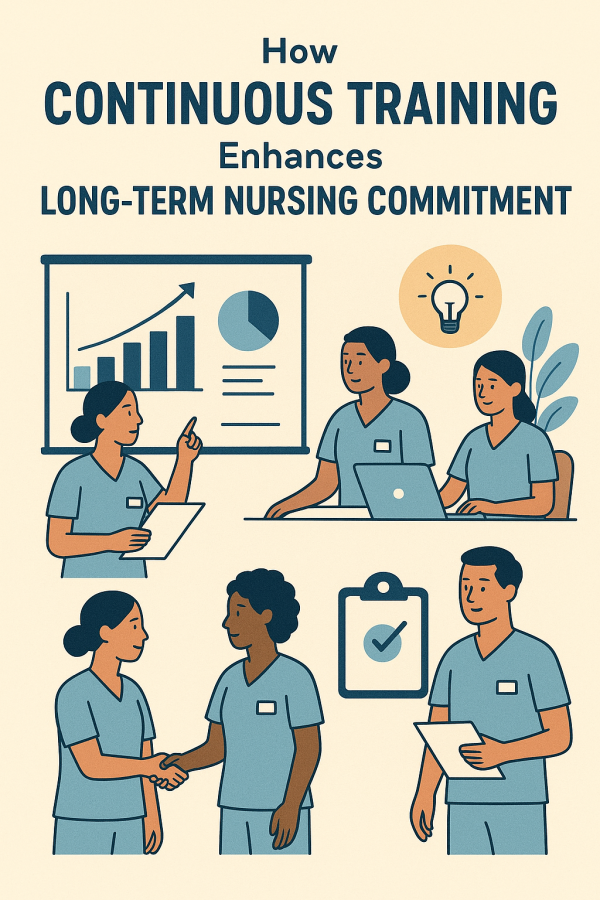
In the rapidly changing climate of healthcare in the twenty-first century, ongoing training has also emerged as one of the best solutions for ensuring long-term loyalty among nurses. At The Hope Rehab Center, we know from experience that continuing education greatly improves professional ability while also boosting employee satisfaction and loyalty. As the best psychiatrist in islamabad concur that well-trained and emotionally-supported nurses are more likely to stay dedicated to their jobs, provide better care for patients, and enjoy stable careers in the long-term.

Training continually not only strengthens the technical and medical skills of a nurse, but it also increases confidence, nice teamwork spirits, reduce stress and have a sense of belonging to a health care facility. So, how does continuous learning increase nursing commitment? And why should every healthcare organization aim to achieve it?

Understanding Continuous Training in Healthcare

Continuous training or continuous education means structured learning systems that are provided throughout the nurse’s career. This may also refer to workshops, professional certifications, simulation-based clinical training sessions, mental wellness initiatives for support programs and mentor/mentee relationships or track on leadership development.

The Changing Scape of Contemporary Nurses

Today’s nurses practice within increasingly complex systems. They do more than distribute medication or check vitals. They must:

  • Interpret complex patient data
  • Manage emotional and psychological situations
  • Communicate effectively with multidisciplinary teams
  • (NO) Become familiar with novel technologies and treatment approaches.

Without ongoing education, these duties can be a big challenge.

Why Professional Growth Matters

It makes nurses feel appreciated that there is scope for professional development. And when companies invest in their staff, nurses grow:

  • Higher motivation
  • Increased job satisfaction
  • A stronger sense of accomplishment

This helps to reaffirm a long-term connection.

The mental effects of a lifetime of learning

Nursing is emotionally demanding. A nurse’s psychological health, including the psychological strength and career choice are largely influenced by continuing education.

Improved Confidence and Job Satisfaction

Training boosts a nurse’s self-confidence. They’re more confident, secure in themselves and ready to face tough things—and that results in:

  • Better decision-making
  • Lower anxiety
  • Higher self-worth

Reducing Burnout Through Competence

Burnout is among the leading reasons for nursing turnover. The more competent a nurse feels, the less emotionally drained they become.

What the best psychiatrist in islamabad says

Mental health experts, and even with the best psychiatrist in islamabad, believe that a structured learning can help reduce emotional fatigue by giving them a sense of mastery over something. When they know what they’re doing and why, nurses feel empowered as opposed to overwhelmed.

Key Advantages of Ongoing Nurse Education

Enhanced Patient Care Quality

Nurses that are well trained make fewer mistakes and provide safer care. They can better navigate emergencies and relaying information to patients and families.

Higher Retention and Job Commitment

Training is one of the big retention implements. It doesn’t take much for them to stay with the companies who invest in their future.

Stronger Communication and Team Dynamics

Ongoing training supports team work among nurses – this can help them better understand each other’s roles and serve to strengthen teamwork.

Types of Continuous Training Programs

Different educational devices are provided by medical centers and they meet different requirements.

Clinical Skill Development

“Workshops on practical aspects improve the technical know-how:

  • IV insertion
  • Wound care
  • Monitoring equipment usage
  • Emergency response

Leadership and Management Workshops

They have charge nurse programs that help groom nurses for management positions, which gives them a sense of ownership when it comes to the growth of the organization.

Mental Health and Stress-Management Programs

These programs foster emotional robustness and help prevent burnout.

Creating a Culture of Commitment in Nursing

Supportive Work Environment

Where there’s a culture of learning, collaboration and open communication, you develop employees who are vested.

Recognition and Growth Opportunities

Acknowledging accomplishments and providing career advancement potential build on the importance of ongoing training.

Barriers to Continuous Training

As wonderful as it is, constant training can be hard.

Time Constraints and High Workload

Nurses frequently find it difficult to manage their daily responsibilities and necessary education.

Limited Resources or Access

Some do not have access to appropriate training materials, the funds or even access to specialist educators.

Resistance to Change

Nursing adoption is not universal, and many nurses do not adapt to new technologies or systems easily.

Overcoming Training Barriers

Implementing Modern Learning Systems

Training is convenient and fun with digital platforms, e-learning courses,and simulation labs.

Flexible Schedules and Hybrid Modules

Combining online and face-to-face training decreases workload stress and increases attendance.

Real Life Example: The Hope Rehab Center House Rules

Here at The Hope Rehab Center, we believe in ongoing learning as a fundamental part of our core philosophy.

Staff Training Framework

Our program includes:

  • Weekly skill enhancement sessions
  • Monthly psychological support workshops
  • Leadership and communication seminars
  • Real-time mentorship for new nurses

Positive Outcomes on Nursing Commitment

We’ve observed:

  • Lower turnover rates
  • Higher patient satisfaction
  • Stronger teamwork
  • Increased professional confidence

Frequently Asked Questions

1. Why is continuous training important for nurses?

It makes them better at their craft, raises self-assurance and benefits patients.

2. How to train towards long-term commitment?

Nurses feel that they are respected and supported, which may motivate them to remain with the organization.

3. How are mental well-being involved in the retention of nursing?

Mental well-being lowers burnout, stress and emotional exhaustion.

4. Can continued learning help patients?

Yes. More skilled nurses make better, more knowledgeable decisions.

5. What types of training are most effective for nurses?

Communication workshops, stress management sessions, clinical skills and leadership training.

6. How does The Hope support its nurses?

By means of on-going training, supervision and counseling.

Conclusion

Ongoing training is key to recruiting, and retaining lifelong service in nursing.” It build skills, cuts burnout, increases team work and most importantly creates a supportive environment in which nurses feel valued. And at The Hope Rehab Center, in conjunction with the expertise of professionals such as the best psychiatrist in islamabad, we’ve seen how continuous learning has the power to reshape not just nurses, but the entire medical ecosystem. When nurses develop, the entire hospital benefits.

Why Medical Monitoring Is Essential During Detoxification – Best Rehabilitation Center in Pakistan

First Key Step Detox is the first essential step in the recovery process from drug and alcohol addiction. The process can be physically and emotionally hard for many people fighting addiction. Though some may opt to detoxify at home, medical experts stress the need for professional supervision to ensure that it is safe — and effective. At The Hope Rehab Center, which is considered the top rehab center in Pakistan, medical supervision takes precedence during detox so that our patients receive safe and effective care that suits their individual needs.

Understanding Detoxification

Detoxification, also known as detox is the removal of potentially toxic substances from the body. This may pertain to drugs, alcohol and prescription medication which has created a dependency. Your body is in the process of withdrawal during detox, and you may experience symptoms like being sick to your stomach, heavy sweating, nervousness or feeling anxious and trembling or shaking with more severe cases involving seizures and hallucinations. For those struggling with substance addiction, the intensity of withdrawal will vary depending on what drug they were using (and how long), as well as their individual medical condition.

Detox is not just physical, it’s psychological. A lot of patients deal with serious cravings as well as mood swings and anxiety, which again can make unsupervised detox quite dangerous. Professional supervision in a controlled situation is therefore needed to manage these symptoms safely.

What Is the Role of Medical Monitoring in Detox?

Medical Detox is a 24-hour monitoring by healthcare personnel throughout detoxification. Members include doctors, nurses and addiction specialists who collaborate to treat withdrawal symptoms, offer emotional support or intervene in a crisis.

1. Ensuring Safety

Sudden cessation of some substances, particularly alcohol, benzodiazepines and opioids, can be fatal if not properly managed. Complications of seizure, arrhythmia and severe dehydration that can occur while detoxing. At The Hope Rehab Center, our staff diligently follow and monitor people’s vital signs: blood pressures, heart rates, oxygen levels and body temperatures to notice any early indications of medical complications. The constant supervision also ensures any medical emergencies can be taken care of promptly, reducing potential dangers and, therefore, a safer recovery process.

2. Personalized Detox Plans

People are unique in how they respond to detox, which is why a one-size-fits-all can be ineffective and even hazardous. Addiction professionals are then able to create a custom detoxification plan based upon the individual’s requirements, medical history, and drugs used. This individualized tapering makes it more likely a patient will successfully wean off Xanax and less likely they will relapse.

3. Medication-Assisted Treatment (MAT)

Detoxification is sometimes helped with medication to ease the withdrawal process. Such medications are provided with medical monitoring so that users take them in a safe and effective manner. For instance, opioids may necessitate the use of methadone or buprenorphine to ease cravings, and benzodiazepine withdrawal calls for a tapering off of dosages to avoid dangerous side-effects. It is necessary to have these treatments professionally-sourced as you need to be under professional monitoring.

4. Emotional and Psychological Support

Detox is hard to do both on a physical and mental level. Anxiety, depression, irritability and insomnia may occur as the individual tapers off. Medical attention at The Hope Rehab Center is softened with psychological assistance and guidance to overcome these emotional struggles. Creating an environment that is supportive of the individual lowers stress and encourages treatment compliance, while preparing ground for long-term recovery.

5. Preventing Relapse

Relapse is one of the biggest dangers in detox. If not managed, withdrawal symptoms can drive patients back to the very substances they wish to rid themselves of. Medical monitoring is provided 24 hours a day so drug desires can be addressed and recovery plans… followed. Medical monitoring prevents relapse by treating both physical and emotional symptoms.

Why a Professional Rehab Facility for Detox is Better

Home detox programs may offer convenience, but they do not have the same quality of care and safeguards as a professional rehab program. Here’s why opting for a center like The Hope Rehab Center even if it’s considered the best rehab in Pakistan, is crucial:

  • 24/7 Medical Care: Round the clock qualified staff make certain that complications can be addressed right away.
  • Secure and Supervised Setting: We can manage medical crisis situations, providing a safe environment for detox.
  • Expert Staff: A credential team of doctors, nurse and therapists offer comprehensive treatment customized to the individual patient.
  • Holistic Medicine: Detox is only the beginning; holistic treatment at our facility includes therapy, counseling and relapse prevention planning.
  • Mental Support: Besides physical treatment, we provide advisory support to enable patients to mentally adjust with detox process.

When medical monitoring is necessary for detox

Some red flags that suggest professional monitoring is necessary during detox:

  • Signs of severe dehydration or failure to drink fluids
  • Persistent vomiting or diarrhea
  • Fever has been orthodox or their heart was racing
  • Seizures or tremors
  • Severe cravings that result in risky actions
  • Severe anxiety, agitation, or depression

In the presence of any of these symptoms, patients should immediately consult a doctor. This means that a person will be able to relax in the knowledge they are working with someone who knows what detoxing method is best and also understands their addiction.

Long-Term Benefits of Medically Monitored Detox

1. Improved Recovery Outcomes

Patients that receive detox with medical oversight are more likely to finish treatment and progress through to rehab.

2. Reduced Risk of Relapse

Medical supervision helps limit the chances of relapse during such a tenuous stage by closely overseeing the symptoms of withdrawal.

3. Holistic Wellbeing

The physical and psychological aspects of addiction are managed with monitoring, paving the way for a sustained recovery and better life.

Foundation for Therapy

A patient that is medically stable can participate fully in counselling, therapy and rehabilitation to maximise the effectiveness of continued treatment.

FAQs

1. Why does biophysical medical detox need to be monitored by a doctor?

Medical monitoring guarantees that withdrawal symptoms are supervised in a safe manner, complications such as seizures and dehydration can be avoided, support for physical and emotional wellness throughout detox remains consistent.

2. Is Detoxification At Home Safe Without Medicine?

Detoxing at home can be dangerous, particularly with drugs such as alcohol, opioids or benzodiazepines. Without professional supervision, it can lead to life threatening health problems. Physician-controlled detox at a treatment center allows for the care and safety of the patient.

3. Why is a medical monitoring so important for relapse prevention during detoxattic?

Constant medical monitoring can ease severe cravings and withdrawal, which would otherwise increase patients’ risk of relapse back to drugs or alcohol. Aside from that, emotional and mental support also encourages recovery and decreasing relapse tendencies.

4. What substances will I be monitored for during my medical detox?

Alcohol, opioids, tranquilizers, and prescription drugs that can be addictive are not safe for independent use. Withdrawal from this substances without medical supervision can be risky, or potentially fatal.

5. Why The Hope Rehab Center? for medically monitored detox in Pakistan?

Hope Rehab Center, the best rehab center in Pakistan, offers 24/7 medical care , individualized detox plans and emotional support so you can experience a safe setting on their path to recovery.

Conclusion

Detox is the first step in achieving recovery and professional supervision during this time is necessary to keep a person safe, treat withdrawal, and offer emotional support. Through the Hope Rehab Center, we provide that same level of world-class care-care to each patients individual detox program and psychological needs too. Being the top rehabilitation center in Pakistan, our aim is not only that patients detoxify themselves from open abuse but towards building a strong base for long term recovery.

The decision to seek professional medical detox is not an opinion—it is a requirement. Given proper help, direction and caring, addiction recovery is achievable — and it’s sustainable. Believe in a center that believes in your safety, your health and you future, take the first step toward a healthier life without addiction today.

Music Therapy for Children: Boosting Cognitive and Emotional Development – The Hope Rehab Center, Mental Health Rehabilitation Center Islamabad

At the tender age of children, mental health is a very fragile but important part of his growth. In an increasingly busy world, children are constantly dealing with a variety of emotional and cognitive challenges, including but not limited to anxiety, depression, ADHD and behavior. It’s important to identify and tackle these issues at an early stage in order to promote healthy development. Now gaining popularity across the globe is an alternative method of tension relief and health promotion for children – music therapy. At Hope Rehab Center, the leading Mental Health Rehabilitation Center in Islamabad, we use music therapy as a part of our holistic treatment modalities to facilitate cognitive and emotional growth among children.

Understanding Music Therapy for Children

Music therapy is an established and evidence-based modality that utilizes music to meet physical, emotional, cognitive and social needs. According to the Symphony, for youth it’s especially valuable, offering a non-verbal expressive way to work through feelings and improve communication as well as positively affecting young brains. The intervention includes playing instruments, singing, songwriting and directed listening with trained music therapists.

Studies have demonstrated that music engages a number of different parts in one’s brain, including areas linked to memory, attention and language processing as well as emotional regulation. That’s what makes it such a valuable tool for children with cognitive delays, learning disabilities or emotional problems.

Cognitive Benefits of Music Therapy

1. Improved Memory and Learning: Music facilitates neural connections which help in improved memory. Children subjected to music therapy frequently perform better in school-related activities including reading and maths.

2. Increased Attention and Focus: When structured, your child has to focus on multiple things at the same time to make music happen. This is especially useful for kids who have ADHD, or attention issues.

3. Development of language: Song based interaction with lyrics, rhythm and melody improve linguistic processing. Music therapy may also help children grow their vocabulary, language skills (including pronunciation), and ability to communicate.

4. Solving Problems: Improvisation and composing music can promote creativity, critical thinking, and reasoning. Let kids solve problems, take risks and express their creativity through open-ended play!

Emotional and Social Benefits

All over the world, music is a language that echoes in our heart of hearts. Music often makes it easier for children to communicate feelings compared with words alone. Some of the most emotional and social benefits are:

1. Emotional Expression and Regulation: Children can express their feelings of happiness, sadness, anger or fear without being censored. Frequent exposure to music therapy allows children distinguished and also regulating emotions appropriately.

2. Stress relief: Soothing music, rhythm exercises can help dissolve stress and anxiety by drawing your attention to some interesting activities.

3. Better Social Skills: Participatory music-making sessions like group music classes promote cooperation, spacial awareness, and attentive listening so your child can make stronger friendships and show empathy.

4. Enhanced Self Esteem and Confidence: Being able to do well when performing, whether through playback or self creation, increases self worth.

Use of Music in Special Needs Children

In The Hope Rehab Center we are experts in individualized treatment for individuals with developmental disability, Autism Spectrum Disorder and other special needs. Music Therapy is especially well suited for those children with disabilities involved in these struggles:

1. ASD (Autism Spectrum Disorder): Music therapy is found to improve communication, decrease repetition in behavior, and assist in emotional regulation. Kids with ASD tend to benefit from repetitive groupings of notes and rhythms.

2. Learning Disorders: Music helps improve memory, sequencing, and attention making academics less challenging for children who are dyslexic or have other learning disorders.

3. Emotional Difficulty and Behavioral Drama: Music therapy aids in processing trauma, managing anxiety and building social skills that promote emotional-strength.

Why Choose The Hope Rehab Centre

As the most reputable Mental Health Rehabilitation Center in Islamabad, it is our mission to provide child-focused therapy that is evidence-based and elevates mental, emotional and cognitive well-being. This is why our approach is unique:

1. Professional Music Therapists: Our board-certified music therapist have specific training in working with children at various stages of their development. They customize individualized programs for the unique needs of every child.

2. Comprehensive Treatment Program: Music therapy is combined with CBT, occupational therapies and family work ensuring a holistic approach to mental health recovery.

3. Safe and Supportive Environment: We offer a safe and nurturing environment where children are encouraged to learn, explore, develop thinking skills, enjoy creative expression.

4. Proven Results: Our programs have demonstrated results, as children who participated in our acceptances are stronger with enhanced motor and cognitive abilities, communication and social skills.

Incorporating Music Therapy at Home

Parents are important in the advocacy for music therapy. Here are a few concrete ways to help kids at home:

  • Everyday Listening: Make a point to play different styles of music for the children and ask them how it makes them feel.
  • Sing Along: Language, rhythm and memory skills are developed by singing known songs.
  • Playing Instruments: Sharing some basic types of instruments such as drums, tambourines or keyboards can inspire creative expression.
  • Physical Activities: Use physical activity with music such as dance to promote motor skills and coordination.

Evidence-Based Success

There are several research studies that have shown the effects of music therapy in child cognitive and emotional development. For example, a study published in the Journal of Music Therapy found that children who received structured music therapy experienced significant improvements in attentiveness, verbal skills, and coping skills in comparison to those who did not receive any therapy at all.

Music therapy has also been proved to reduce anxiety, depression symptoms in children and increase the ability to participate socially and improved the quality of life. The above-mentioned results support its relevance in the context of child and adolescent mental health rehabilitation.

Future Outlook for Music Therapy in Child Development

Increasing awareness of mental health disorders in children has made music therapy an invaluable tool in rehabilitation and development. Here at Hope we are always looking for ways to be creative and forward-looking, so we work with new approaches such as digital music platforms, musical games that interact with you physically,and collaborative composition. By abilities and interests, these approaches promote engagement, motivation, and therapeutic success.

Music therapy now is an investment in a child’s future. We enable resilient, confident and integrated individuals through a balanced approach of mental development, emotional expression and social growth.

FAQs

1. What’s music therapy for kids and how does it help?

Music therapy for children is a method of benefiting kids with the power of music in cognitive, emotional, and social development. It is beneficial to children for memory, language ability, attention, emotional regulation and social interaction.

2. Whick children will benefit from music therapy?

All children with developmental delays, those on the spectrum, ADHD, learning disabilities or emotional and behavioral issues can gain from music therapy. It’s individualized to each child.

3. How does music play in supporting cognitive growth for children?

Music therapy activates several regions of the brain that can also promote better memory, attention, problem solving and language. Organized musical experiences, however, engage neural networks and enhance learning capacity in general.

4. Do children benefit from music therapy in terms of emotional well‐being?

Yes. Music therapy offers a healing environment for kids to work through feelings, relax their bodies, strengthen confidence and discover empathy. Participating helps your little one with emotional regulation and promotes social skills.

5. Why The Hope Rehabilitation Center for Children’s Music Therapy in Islamabad?

Hope this Rehab Center – In Islamabad This mental health rehabilitation center in Islamabad with certified music therapists and customised programs has managed to establish a child-friendly environment. We incorporate music therapy into holistic healing so children have the best opportunity for cognitive and emotional growth.

Conclusion

Music therapy provides fun, dynamic, and meaningful activities to help support children’s cognitive and emotional growth. It is a wonderful tool for improving memory, attention, language, logic and reasoning skills, problem-solving and emotional regulation as it involves so many parts of the brain all at once. The Hope Rehab Center offers the most comprehensive program available for Children in Islamabad, and is one of the top Mental Health Rehabilitation Centers anywhere, providing specialized curriculums based on evidence-based programs which focus on individual growth.

By adopting music therapy, families give their children not just a mechanism that taps joy and creativity but also tools they can carry through life to alleviate stress and pursue emotional health. By providing professional expertise, specialized programs, and a loving and safe environment, families are able to support their child’s growth needDIRECTION READ more.. And work towards a brighter future.

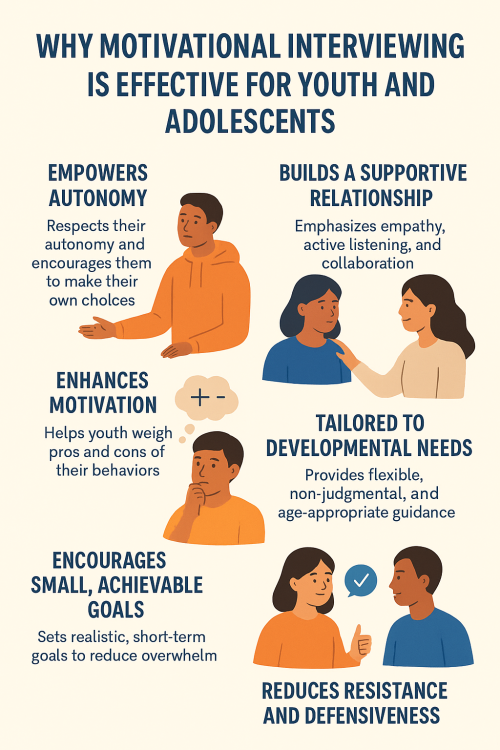
Why Motivational Interviewing Is Effective for Youth and Adolescents — Insights from The Hope Rehab Center, the Best Rehabilitation Center in Pakistan

Here at The Hope Rehab Center ‑ known as the top and best rehabilitation center in Pakistan- What drives us to burn the midnight oil is our compassion for young adults who are faced with addiction, self harm or emotional instability. One of our most potent allies in working with youth and adolescents is motivational interviewing (MI) — a counseling method that appeals to young people because it meets them where they are, respects their autonomy, and supports them in discovering their own motivations for change. In this post, we delve deeper into why motivational interviewing is so well suited for youth and adolescents — and how The Hope uses it in combination with compassion, evidence, and expert understanding.

Understanding Motivational Interviewing

Motivational interview was designed by William Miller and Stephen Rollnick as a non-confrontative, client-centered approach to counseling. MI does not promote change, it instead allows ambivalence to be explored and intrinsic motivation and commitment to be developed.

At The Hope Rehab Center, we have embraced this ‘people development’ approach as we recognise many younger individuals are heavily criticised, judged or not listened to by adults. MI provides a place where candid conversation can take place.

Why ‘MI’ is so effective for youth & adolescents

1. Developmentally Sensitive to Adolescents’ Needs

It the teenagers and young adults that is at least different than with other age groups as they forge identities, negotiate peer pressure and, in many cases.\ paddle-to-the-metal liminal period during which they test limits. There is an inherent congruence between motivational interviewing and these developmental tasks. Studies indicate that the relational (empathic) and technical (reflective) signature skills in MI are applicable for adolescents.

So instead of preaching or telling, MI helps young people express what is important to them — values, dreams, goals — and then becomes a bridge for them between their current behavior and their hope.

2. Efficacy in Reducing Substance Use

There is a rich literature that demonstrates the utility of MI for behavior change in adolescents using substances. A meta-analytic review of 21 studies, covering over 5,400 young people, concluded that MI interventions led to small but statistically significant reductions in substance use immediately after and at follow-up.

A further systematic review found that approximately 67% of MI interventions with adolescents produced statistically significant substance-use effects.

MI has been beneficial even in adolescents with concurrent psychiatric disorders. For instance, one research with hospitalised young folks (13-17 years) discovered that MI in conjunction with typical treatment delayed relapse and decreased total substance use over 6 months and even lowered the frequency behaviour.

3. Enhances Engagement & Retention

Among the greatest challenges in child and adolescent care is to get them to stay engaged with treatment. Teenagers do not like to be lectured, judged or misunderstood and will often balk at traditional therapeutic strategies. MI addresses this by establishing relationship, trust and responsability.

For example, a previous study (provided an index of [25], from outpatient substance abuse) that APPAd participants who received feedback using MI had better engagement and greater reductions in substance use than those who did not.

Here at The Hope Rehab Center, we believe every MI session is really a dialogue – not an argument. To help prompt and guide teenagers to their own realizations, counselors employ open ended questions, affirmations, reflective listening and summaries.

4. Works in All Settings – One to One and Groups

MI is versatile. It can be provided in one-on-one or group settings, based on the appropriateness for and preferences of teenagers. This versatility is particularly beneficial in a rehab center environment, as young people can benefit from individual support and peer activation.

In Pakistan for instance, a study has recently assessed Group Motivational Interviewing (GMI) among university going students and it proved to reduce the use of drugs effectively as well as enhancing self-efficacy and well‑being.

Why Motivational Interviewing is Used At Hope Rehab Centre

With such a strong evidence base it is no surprise that the Hope Rehab Center, trying to be known as the top rehab centre in Pakistan, makes motivational interviewing a fundamental skill on our youth focused courses. Here’s where MI is a product of our philosophy:

  • Client-Focused Culture: Our therapists are trained to establish a caring, empathic and non-judgmental rapport. We respect the adolescent’s view, guiding them in looking at their own change desires.
  • Individualized: We customize MI to each young person’s developmental level, cultural context and personal goals. MI is flexible, whether in group settings, individual guidance or family meetings.
  • Evidence-Based Practice: When we use evidence-based practices (like MI), we guarantee our programs are producing real, measurable change.
  • Integration with Other Treatments: MI is commonly combined with other treatments (CBT, family therapy or aftercare planning) to up the ante on treatment effectiveness.
  • Emphasizes on engagement and retention: It’s known a fact that MI promotes engagement, so we make use of it to keep young participants in the process of their recovery, decrease dropout rates and enhance long-term motivation.

The Special Relevance of MI in Pakistani Context

Given that talking about mental health and substance use can be highly stigmatized in Pakistan, motivational interviewing provides a respectful, culturally sensitive approach to engage with young people. Rather than prescribe values, MI helps young people tell us what they value, fear and yearn for — as they understand it.

As Pakistan’s best rehabilitation center, The Hope Rehab Center is ready to integrate international best practices of MI into the local context — customizing them in culturally appropriate ways and training staff appropriately so that adolescents get a sense of being listened to, feeling understood and gaining empowerment in the process.

Constructing Lasting Change: MI After Rehab Specifically, what is MI?

One of the most important lessons of motivational interviewing is that it develops internal motivation — not short-term compliance. At The Hope Rehab Center, we utilize MI to facilitate young people in connecting with:

  • Setting sustainable goals: Youth use their own vocabulary to identify achievable goals in (e.g. remaining sober, returning to school, getting along with others)
  • Self-efficacy: Beginning to believe that change is possible and one can make and maintain changes using MI with adolescents.
  • Resolving ambivalence: MI helps support them to voice opposing feelings, evaluate the pros and cons of each position, and resolve their uncertainty.
  • Relapse prevention: In terms of relapse, MI can build on intrinsic motivation and so help long-term relapse prevention, particularly in addition with some form of booster sessions or post-discharge follow-up.

FAQs

1. What is Motivational Interviewing and how does it apply to youth?

Motivational Interviewing (MI) is a client-centered, empathic style of counseling used to help young people resolve ambivalence about change. MI for youth and adolescents functions by promoting self-expression, increasing motivation, and enabling them to make healthy decisions around issues of behavior and recovery.

2. For what reason(s) do you think MI is particularly suitable for teens?

Adolescents are the stage of identity achievement and are peer influenced as well as value-laden. MI works because it respects their autonomy, involves them in collaborative dialogue and encourages them to act in accordance with their innermost values and goals as opposed to being coerced by some outside force.

3. Will Motivational Interviewing work for young people with substance abuse?

Yes. Studies have found that MI results in significant decrease of substance use among children and adolescents. It enhances participation in treatment, reduces high-risk behaviors, and motivates long-term adherence to sobriety by building internal motivation.

4. How do we use Motivational Interviewing at the Hope Rehab Center?

At The Hope Rehab Center, the best rehab for Pakistan patients, MI is employed in only and group therapies. Our qualified staff establish a safe, non-judgmental space where young people are free to examine issues as they come up while identifying their own goals and creating concrete ideas for moving in a new direction.

5. Does the Motivational Interviewing delivers in Pakistan cultural setting?

Absolutely. MI is culturally sensitive and respects community values, and at the same time encourages young people to speak out. At The Hope Rehab Center, MI is addressed with a culturally-sensitive approach that enables young people in Pakistan feel heard, supported and motivated to make positive changes.

Conclusion: MI as a Core Skill in Using with Clients at The Hope Rehab Centre

At The Hope Rehab Center, we believe that our youth deserve more than just a plan for treatment — they deserve a partnership. Motivational interviewing, the client-centered approach founded on developmental sensitivity that is now well-supported in evidence for its impact, enables us to walk (forward or sideways) alongside the young people to reflect upon change, discover strengths and decide which road they want to stay on.

By making MI part of our programs, we fulfill our mission to be the best rehabilitation center in Pakistan — and not just in terms of facilities; for heart, for expertise, for actual change that lasts.

If you are a young person experiencing problems, or if someone you know is experiencing these challenges, you will be listened to, respected and empowered at The Hope Rehab Center. Motivational interviewing is only one option we use to find hope, meaning, and a future for youth.

Preventing Prescription Drug Misuse: Tips for Patients and Caregivers – Drug and Alcohol Addiction Treatment

Prescription drug misuse has become a growing public health concern in Pakistan and internationally. When properly prescribed by licensed healthcare officials, improper use can result in dire consequences such as dependence and overdose. When used incorrectly even under these conditions it may end with death. We at The Hope Rehab Center specialize in the treatment of drug and alcohol addictions. The programme helps individuals and their families understand substance abuse and gives them a chance to heal. This article provides some practical advice for patients and carers to try to prevent prescription drug abuse and maintain a safe and healthy lifestyle.

Understanding Prescription Drug Mis-use

Prescription drug mis-use occurs whenfthe  the medicines are taken in a manner not intended by prescribing doctor. This can include:

  • Taking higher doses than prescribed
  • Using medications for non-medical purposes, such as to enjoy euphoria
  • Sharing prescription drugs with others

Combining medications with alcohol or other drugs Common prescription drugs that are mis-used include opioids,benzodiazepines, stimulants and sedatives. Mis-use of these drugs can lead promptly to addiction, that is why prevention and intervention in a timely manner are very important.

Why Prevention Matters

Prevention is vital in all respects for patients and carers. Mis-use of prescription drugs can lead to severe consequences: they may cause liver or kidney damage, lead to heart trouble and produce mental health problems including anxiety or depression. Furthermore, without treatment a prescription drug addict may turn to illegal drug uses, putting themselves at even greater risk. Through taking proactive methods, patients can securely and effectively deal with their medicines. And by creating a supportive environment to reduce the risk of mis-use, carers can offer a solid role in acting as a 2nd support for those who need that help.

Tips for Patients to Prevent Prescription Drug Mis-use

1. Take Prescriptions Exactly as Directed

Always take medicines as prescribed. If symptoms persist, do not raise doses and take them more often.

2. Understand Your Medications

Know the purpose, dosage, and potential side effects of each medication. Ask your doctor or pharmacist if you have any questions or concerns.

3. Store Medications Safely

Keep medications in a secure location, out of reach of children or anyone who might misuse them. Consider using a locked cabinet or safe.

4. Avoid Mixing Medications with Alcohol or Other Drugs

Alcohol and other substances can amplify side effects or create dangerous interactions. Always discuss with your healthcare provider before combining medications.

5. Track Your Medication Usage

Maintain a medication log to ensure proper dosing and to notice any early signs of misuse.

6. Dispose of Unused Medications Properly

Unused or expired medications should be safely disposed of. Many pharmacies offer take-back programs to prevent diversion and misuse.

Tips for Caregivers to Support Patients

1. Monitor Medication Use
Keep track of prescribed medications and encourage adherence to prescribed dosages.

2. Educate About Risks
Ensure patients understand the dangers of misuse, including the potential for addiction and health complications.

3. Communicate Openly
Maintain a supportive and non-judgmental dialogue with patients. Encourage them to share any challenges they face in managing their medications.

4. Recognize Warning Signs
Be alert for signs of misuse, such as taking extra doses, changes in behavior, or unexplained health issues. Early intervention can prevent addiction from developing.

5. Provide Emotional Support
Patients struggling with chronic illness or pain may be at higher risk for misuse. Emotional support and active involvement can reduce stress and help them follow treatment plans.

The Role of Professional Addiction Treatment

Even with preventive measures, some patients may develop dependency or addiction. Early intervention is crucial. The Hope Rehab Center offers comprehensive drug and alcohol addiction treatment programs tailored to individual needs. Our services include:

  • Medical detoxification for prescription drug dependence

  • Behavioral therapy to address underlying causes of misuse

  • Individual and group counseling for emotional and social support

  • Family therapy to strengthen support systems

  • Relapse prevention strategies to maintain long-term recovery

Professional treatment ensures that patients receive safe, structured care while addressing both the physical and psychological aspects of addiction.

Promoting Community Awareness

If medicine misuse is to be prevented, it is not only a matter on the part of individuals. It is also necessary for the entire community to understand and learn about this issue. Healthcare providers, educators and families together play an important role in ensuring responsible practices, such as established attitudes that medication does not solve problems while hands-on insight on how drugs affect the body can be taught by ideally suited parents or people with special abilities. Communities that make use of these campaigns succeed in bringing down the level of addiction and therefore improving public health overall.

The Hope Rehab Center: You and Prevention in Partnership

At the Hope Detection Center, we are dedicated to supporting patients and their families through each stage of recovery. Here we provide expert medical care together with caring advice–offering a stable environment for individuals to overcome issues with drugs, alcohol. A team of experienced professionals closely collaborates with patients to design tailored treatment plans. They work with families on awareness campaigns, and counsel individuals for all-around health over a lifetime ahead.

If you or a loved one is struggling with prescription drugs, early intervention may save lives. Contact The Hope Rehab Center today for more information about our specialized programs and begin the journey of recovery!

FAQs – Preventing Prescription Drug Misuse: Tips for Patients and Caregivers

1. What exactly is prescription drug misuse?

Prescription drug misuse occurs when medications are taken in ways not intended by a doctor. For example, this could include taking higher doses than recommended; using someone else’s prescription; or both mixing drugs with alcohol and other substances at one time.

2. How can patients avoid prescription drug misuse?

Patients can avoid misuse by strictly following their prescriptions. They should understand their medicine, store it safely, monitor usage and properly dispose of those medicines that they don’t need.

3. What can caregivers do to help prevent misuse?

Caregivers can support patients by keeping an eye on medication use, educating them about dangers, maintaining an open channel of communication, becoming aware at first warning signs and providing emotional support.

4. What are the signs of misuse?

Common indications include taking extra doses, changes in behavior and mood, frequent demands for refills, physical symptoms such as drowsiness or dizziness and letting daily duties slide.

5. When should you seek professional drug and alcohol addiction treatment?

If misuse causes a need for drugs but recovery time comes before dependence is achieved, professional treatment for drug dependency and alcoholism is a must. For individuals who complete the induction phase successfully, recovery rates are very good.

Conclusion

Prescription drug misuse is an urgent and growing problem, but it is possible to prevent it through good management, education and support. Patients should take their medication responsibly, keep abreast of developments about drugs they are taking and, when they need help, seek help. Caregivers play an especia role in keeping watch, warning patients of trouble spots first and foremost, and providing emotional support.

For those who do develop a dependence, the healing and renewed hope experienced at The Hope Rehab Center make this professional drug and alcohol addiction treatment center the answer for them. In concert—patients, caregivers and health professionals all working together—we can stop prescription drug misuse, creating communities which are healthier, and less liable to incur injuries and their associated costs.

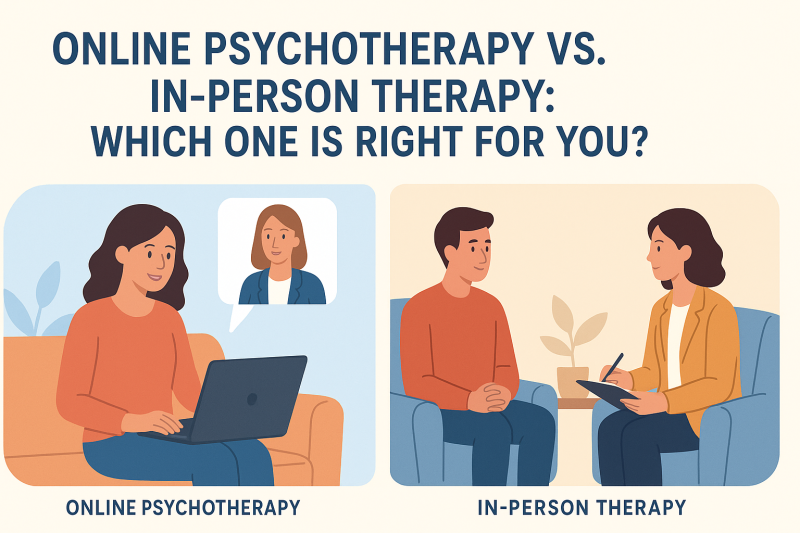
Online Psychotherapy vs. In‑Person Therapy: Which One Is Right for You? – Psychiatrist in rawalpindi

Online Psychotherapy vs. In‑Person Therapy Which One Is Right for You - Psychiatrist in rawalpindi

Should psychotherapy–such as the kind we provide under a leading psychiatrist with complete manner of compassionate mental healthcare at Rawalpindi’s The Hope Rehab Center–be done online or in person? That is a question that preoccupies many clients here. In this comprehensive guide, we will compare the two formats and their advantages and disadvantages so you can make your choice.

1. Why it’s Important to Ask This Quest ion: The Emerging Role of Online Psychotherapy

In recent years (sometimes referred to online psychological therapy, teletherapy or internet psychotherapy), therapy has become more widespread. With technology, there’s no longer a need for you to go to the clinic please. Today it is possible to connect with mental health professionals from your own location online. This shift is particularly significant in the case of Pakistan, where a major shortage of mental health professionals exists. According to recent research, Pakistan has very few paedeatric psychiatrists in relation to its population size and mental health services are a significant barrier for those living here.

2. What is Online Psychotherapy?

Online psychotherapy is not much different from traditional therapy. It is a way of making use, through video links or phone lines (in the case that one uses control over what occurs on one’s computer systems) and even sometimes text messaging or chat rooms; one can communicate with an approved mental health specialist. Such consultations essentially hope to achieve what might be achieved in a psychological consult: a set schedule involving supplementary contact and good advice.

3. What Is In‐Person Therapy?

In-person therapy is conducted in a physical place–usually an empty office with walls and a door to prevent anyone from hearing your problems being aired where the therapist looks up at you face-to face. This traditional form of therapy is still very effective, whether the problems that it addresses be complex or not.

4. Benefits of Online Psychotherapy

Here are the main advantages of trying online psychotherapy:

1. Convenience & Flexibility

  • You won’t have to travel to treatment. There’s no appropriate time of the day to bother packing your bag and clearing out to get there, or which days are better for going without a lunch hour without confusing everyone around with many take-away boxes from different places (yes, even 5 keep a list over next week).
  • Virtual sessions provide even greater scheduling freedom than physical sessions. For example, Tamil traders now have meetings back in Chennai for the first time since Windows 10…) They can be held in the evening or at weekends.

2. Equally Contact

Here are some key advantages of going for online psychotherapy:

  1. Convenience & Flexibility

    • You don’t need to travel to a clinic, which saves commuting time and cost.

    • Virtual sessions often offer more flexible scheduling, including evenings or weekends.

  2. Accessibility

    • Online therapy breaks down geographical barriers. Whether someone is in Rawalpindi, a remote town, or simply can’t leave home easily, they can still consult a qualified psychiatrist in Rawalpindi (or other mental health professionals).

    • For people with mobility issues or limited local options, teletherapy can be a game changer.

  3. Lower Costs

    • Without the overhead of a physical office, online therapy can sometimes be more affordable.

    • Reduced travel expenses also make it cheaper overall.

  4. Comfort & Privacy

    • Being in your own space (home, or any private environment) can help you feel safer, which may encourage openness.

    • For those who face stigma around mental health, online therapy provides a discreet way to get help.

  5. Effectiveness

    • Evidence suggests that for many common conditions—like anxiety and depression—online therapy (especially cognitive-behavioral therapy) can be just as effective as in-person therapy

3. Lower Overheads

  • The savings trickles down directly to you, the patient.
  • Travel To save on travel costs, you can be in your pajamas if you wish – at least for the initial visit.

4. Comfort & Privacy

  • Being in your own environment (familiar and private) may encourage you to speak freely.
  • For people who face stigma or a general reluctance to seek help for mental health problems, See a Therapist on the internet offers an anonymous way of seeking help.

5. Effectiveness

  • Evidence shows that for many common conditions — such as anxiety, depression, and bulimia — online therapy (particular cognitive behavioral therapy) can be just as effective as face-to-face treatment. It seems to work well too in many cases of chronic pain and irritable bowel syndrome.

5. Reasons to be Sceptical of Online Psychotherapy

However, online therapy isn’t a complete panacea. Here are some limitations:

1. Technical Challenges

  • You need a stable Internet connection, a reasonably current device, and the ability to use digital data.
  • Disruptions in sessions through the sheer inability to connect can interfere with therapy.

2. Vital Non-verbal Clues

  • Without seeing vital non-verbal cues a therapist might miss significant body language, posture or subtle facial expressions.
  • This impairs depth of understanding. With people are not really present in sessions, the therapeutic alliance itself can be at issue.

3. Risks of intrusion into privacy / breaking confidence

  • If you conduct a session from home or another nonprivate setting for whatever reason, all bets are off your privacy is as good as shredded.
  • You face a possibility of data being divulged if your provider is not secure.

4. Not for Intense Conditions or Emergency Situations

  • For people with severe mental illness (e.g., schizophrenia, manic depression) or in crisis, it may be more appropriate to obtain therapy face-to-face.
  • There may not exist the necessary infrastructure for crisis intervention sessions when on-line.

5. Distractions

  • Temptations to be distracted Home environments contain the inevitable interruptions from family members or pets.
  • It may require a greater force of will to approach an Internet appointment as seriously as one conducted face-to-face.

6. The pros of manual aid Here are some of the advantages

1. Deeper connection Also, with nonverbal communication

  • Being in the same room allows your therapist to pick up on nonverbal signals (body language, tone, posture) that are more difficult to perceive online.

  • A physical space creates a professional, neutral environment that helps set the tone for serious therapeutic work

2. Structured, Safe Environment

  • The therapy room is a controlled environment without much deflection.
  • It helps to break the therapy experience away from one’s daily life, thus aiding in concentration.

3. Better for Complex or Severe Cases

  • In-person observation and crisis management tend to be more effective for people who are acutely ill.
  • Clinics may also offer a wider range of services (e.g., group therapy, holistic interventions) that cannot be done online.

4. Privacy

  • In some cases, in-person sessions may offer better privacy than those online (especially if the home environment is noisy or shared).

7. Con: The Disadvantages

However, “manual assistance” can also have drawbacks:

1. Inconvenience

  • Travel time, restrictive hours and commuting costs.
  • For busy individuals or those with mobility challenges, attending regularly can be hard.

2. Limited Availability

  • In many areas including Rawalpindi or nearby locations, there are not enough qualified mental health specialists. Indeed, reports show that Pakistan has very few psychiatrists in relation to its large population.
  • The waiting lists for in-person appointments may be longer.

3. Higher Cost

  • A physical office has overhead (rent, utilities), which is passed on to the patient in session fees.
  • Travel and other indirect costs (parking, transportation) add up.

4. Stigma

  • Some people are anxious about being seen in a mental hospital on account of societal stigma.
  • First-time visitors may think it daunting to book an appointment at a prestigious clinic.

In such cases you can use the phone and go there instead (or, in a matchless evolution of technology).

Summary:

8. So, Which One Is Right for You?

Deciding between online psychotherapy and traditional physiotherapy, given the need to visit a psychiatrist in Rawalpindi, you might consider the two options based on your own needs, preferences, and present situation.

1. Assess Your Setup

  • Do you have a reliable internet connection and a quiet place?
  • If yes: online therapy advisors can offer pieces of information by mail. This method may benefit patients who are seeking convenience and flexibility; even today it ‘s often used across seas.
  • If no: in-person sessions may feel better because they will be more confidential and safer.

2. Consider Your Mental Health Needs

  • Are you dealing with mild to moderate anxiety, depression or life stress? Online therapy might work perfectly.
  • If you have a more serious mental health problem, or have experienced crisis episodes and crises, in-person therapy can offer the kind of depth and structure which is simply not possible online.

3. Think About Your Lifestyle

  • If your schedule is packed, or you have difficulties with physical mobility or transportation, online therapy is accommodating.
  • If you want a quiet, professional environment where you can “leave your troubles at the door,” in-person might suit you better.

4. Test the Relationship

  • Try several online sessions first. Many customers find that once they have built up a relationship with their therapists, virtual therapy becomes incredibly personal.
  • Conversely, you might start with person therapy and as your experience with the therapist grows, or convenience becomes more and more important, you will shift to online therapy.

9. Why The Hope Rehab Center?

Our primary aim at The Hope Rehab Center is to give Rawalpindi and beyond high quality mental health care that everyone can access. As a recognized psychiatrist in Rawalpindi, we provide both online psychotherapy and in-person therapy services

  • Online Psychotherapy: For those who like flexibility, privacy and continuity without the need to travel.
  • In-Person Therapy: It is ideal for deeper psychic work, helping support you in times of crisis or creating strong therapeutic alliances face- to-face.

Our team is committed to narrowing the treatment gap in Pakistan (which has just a few psychiatrists while serving millions). By providing virtual care, we can bridge that gap and make mental health accessible to everybody.

FAQs: Online Psychotherapy vs. In‑Person Therapy — Psychiatrist in Rawalpindi

1. How is online psychotherapy different from in-person therapy?

Online psychotherapy is conducted via video calls, phone or chat, which enables you to be in touch with a therapist wherever they happen to be. In-person therapy occurs face-to-face at a clinic, providing a controlled, professional environment and closer access to other members of staff for help or advice.

2. Can online therapy be as effective as in-person therapy?

Yes. For conditions such as anxiety, depression, and stress management, we know that online psychotherapy works as well or better than traditional face-to-face sessions. However, acute mental health problems are often better treated face-to-face.

3. How can I tell whether online therapy is suitable for me?

Online therapy works best when you have a private area, reliable internet access, and are looking for convenience. It is provided by any qualified providers of psychological care: not one particular brand. If your problem calls for hands-on treatment that cannot be offered through a real-time platform and you have complex needs that are met well in person, face-to-face therapy may prove better suited.

4. Are online therapy sessions with a psychiatrist in Rawalpindi safe and private?

Trusted online therapy platforms and licensed psychiatrists assure that all sessions are completely secure and confidential. Remember to use a private place and secure internet connection to protect your privacy.

5. Can I switch from online to in-person therapy and back again?

Absolutely. Many customers will begin with sessions online for convenience but then take the step up to physical therapy and thus a much more profound therapeutic working over time. of course depends on what suits you and your needs

Final Thoughts

Deciding between online psychotherapy and in-person therapy isn’t an issue of one-size-fits-all Instead, each has its own benefits and drawbacks. The right solution is determined by your situation, how much you can integrate into it with ease, and what your mental health aims are. Whether you prefer the convenience of online sessions or the depth of face-to-face therapy, The Hope Rehab Center will be your beacon. As your peer in Rawalpindi I will be the hand to guide, bend your care around what is (arguably) best for you, and help you on a journey towards healing and restoration.

Want to talk? Contact us right away, and we’ll help you find out if online psychotherapy or face-to-face therapy is right for you. At The Hope Rehab Center, it’s a matter of life or death and you’re never alone.

Why Smart Therapy Is the Future of Mental Health Treatment — Especially at The Hope Rehab Center, Your Leading Addiction Treatment Centre in Islamabad

In the last years or so, mental health care has undergone drastic change Traditional therapy models–while still irreplaceable–are being tweaked and sometimes overhauled by technology. At Hope Rehab Centre, which is recognised as a top-tier Islamabad Addiction Treatment Clinic (whether in terms of services locally provided or achieved on the world stage), it is our contention that smart therapy amounts to much more than mere next best thing. It represents the future of caring for such patients.

What Is Smart Therapy?

The term “smart therapy” is used to describe the integration of digital technologies and data-driven tools into psychological and lifestyle interventions. Instead of relying only on face-to-face counseling sessions, smart therapy can mean:

  •  AI-driven conversational agents and chatbots providing real-time attention for emotions
  • The Hope Rehab Mood, Stress, Sleep And Physiological Signals User Intuitive mobile applications and wearable devices
  • EMIs delivered over phones which prompt users to practice coping skill during their daily life
  • Personalized relapse-prevention messages based on individual therapy data

PubMed Using these tools in combination with traditional psychotherapies already validated by research–such as cognitive behavioral therapy (CBT)–smart therapy takes a more adaptive, response-oriented and interactive mode of treatment.

Why Smart Therapy Matters for Addiction Treatment in Islamabad

1.Accessible and Flexible

The Hope Rehab Center, an Islamabad Addiction Treatment clinic which caters to a widely diversified clientele is currently enjoying great prosperity and influence as an international level addiction treatment clinic. Smart therapy breaks down barriers to recovery through:

  • Teletherapy, Remote Counseling: Through secure video sessions the mentally sick patient need not leave the home. This is particularly convenient when travel or on-site consultations are impractical. newhoperehabcenter.com
  • 24/7 Digital Support: AI-driven chatbots and mood-tracking apps provide a continuous resource for emotional checks–day or night–to remove the “down” times above which help would seem out of reach.

The combination wheel specifications must fill in its numbers and a sense of ongoing care, rather than just treat once-a-which client waits for things to get bad enough on their own so that he or she is forced (against his/her own will) by life’s circumstances into yet another bout of gruesome therapy.

2. Personalized, Data‑Driven Recovery

Traditional therapy often relies on self-report and memory of what happened in the last session. Smart therapy pushes tactics to the next level:

  • Monitoring in Real Time: Wearable devices can transmit all change in stress level, sleepping habits, heart rhythms for diagnostics. Used as an early warning system, they can help therapists catch critical moments even before trouble happens and adjust their plans as needed.
  • Intelligent Intervention: Depending on the data, these smart therapy systems can tailor exercises; send a message that’s customized just for you; or in real time deliver parts of CBT aimed at your own particular problems.
  • Long-Term Relapse Prevention: After taking smart-relapse messaging for months post-CBT, studies show that a person’s chances of relapsing are significantly reduced.

This shows how for an addict, the traditional program differs from modern expectations.

3. Clinically Proven Effectiveness

Smart therapy is not an idle fling — it is backed up by a set of strong empirical proofs:

  • In the Self-Management and Recovery Technology (SMART-Therapy) program different online resources paired with face-to-face therapy were tested for people with psychosis. PubMed+2
  • A cross-type “SMART” CBT program for teenagers significantly reduced emotional symptoms and improved psychological health at six months afterwards. PubMed
  • SmartCAT is a mobile health platform that gives reminders on CBT skills via smartphone in real time, effectively connecting the gap between clinical sessions and everyday life. PubMed

That’s four reasons to trust that when put in with traditional therapy, smart therapy can really help.

4. Scalability and Cost-Effectiveness

As an addiction treatment center in Islamabad, resource optimization is key. Smart therapy allows for:

  • Low-Intensity Interventions: Digital tools cut down on costly clinicians. People can help themselves using online programs and then come in every now and again to talk to a real live therapist.
  • Preventive care: After therapy, quick relapse-prevention messaging on a smart phone is an inexpensive way both to keep what’s been gained and also reduce comeback costs. PubMed
  • Bigger Outreach: With mobile and online platforms, we can serve more people – an ideal way to extend mental health services across different communities and demographics.

Tackling Challenges: Safety, Ethics, and the Human Touch

But the smart therapy does not replace the human connection that’s central to healing. At The Hope Rehab Center, it always has been related to and enhanced by this traditional way of doing things.

  • Back Against the Ethical Wall: While AI tools provide support, our expert therapists deliver core interventions; they interpret data and clinical decisions.
  • How AI and Data Are Used Ethically: The Hope Rehab Center uses a data-centered method for AI to translate into real-world application. Examples include research-based universal language model systems that are developed in partnership with professional staff and designed with a premium on privacy as well as a focus on consent. arXiv
  • Regulation and Safety: Smart therapy at The Hope Rehab Center is carried out by licensed professionals. This reflects international concern over unregulated AI therapy and has had a positive impact on the regulatory environment in some countries. The Washington Post+2 The Times+2
  • Crisis Response: In the event of an emergency or high-risk situation, the patient is referred to in-patient treatment. While information technology can serve as an adjunct to the treatment method actually employed, human judgment and presence are still central.

Why The Hope Rehab Center Leads This Transformation

As Islamabad’s Number 1 Addiction Treatment Centre, Alishan Travel proudly boasts that The Hope Rehab Center offers experienced and professional help. Unlike other centers in the country or indeed region The need to move beyond traditional methods has been clear to us for some time now.

  1. A Bright Future: At the heart of our rehabilitation program The Hope Rehab Center has taken up smart therapy, blending wireless AI, wear facilities, mobile apps, and conventional counseling services.
  2. Scientific techniques: Our guides are based on worldwide studies and proven methods of treatment (e.g., SMART‑Therapy) and hand devices as large-scale paired comparisons.
  3. Patient-oriented: Each patient at The Hope Rehab Center receives a custom management plan—smart tools allow therapy to be individualized on-demand without reducing the humane compassion or warmth of face-to face staff.
  4. Long-Term Support: With digital aftercare and other means to ensure it, we provide continuity in forms of intensive therapy and relapse prevention to maintain sustainable recovery from addiction.
  5. Ethical Commitment: Patient privacy is paramount for us. We follow the highest standards of artificial intelligence. And it is we who have stood in your shoes to form an alliance together with our clients.Locallyfocused care that goes beyond extending treatment to providing post-treatment supportLong-Term Support: We offer continuity from intensive therapy to digital aftercare, preventing relapse and ensuring sustainable recovery.

Frequently-asked Questions (FAQ)

1. What is Smart Therapy And how does it work?

Smart therapy involves integrating traditional mental health treatment with digital tools. These include AI-powered apps, wearable monitors, and teletherapy sessions. It enables one to track one’s mood, behaviors and triggers in real time, gives personalized intervention so it is easier to recover from a range of ailments.

2. What is the significance of smart therapy for treating addiction in Islamabad?

Smart treatment and future hopes. Smart therapy can provide continuous support, personalized care and relapse prevention tools, making it ideally suited for addiction recovery. At The Hope Rehab Center it ensures that patients receive timely interventions even beyond counseling sessions.

3. In what way does smart therapy work with conventional counseling?

Smart therapy supplements face-to-face counseling by offering real-time monitoring, exercises on your mobile phone and support from AI (Artificial Intelligence). Therapists use this data to tailor treatment plans while they maintain the all-important human connection in recovery.

4. Is it safe and ethical to use smart therapy?

Yes! Under professional supervision, tools of smart therapy are merged into one at The Hope Rehab Center. Patient privacy, the security of data and responsible use of AI– all these urgent matters of safe mental health care are addressed.

5. Can Smart Therapy prevent relapse in addiction recovery?

Absolutely! With real-time monitoring, personalized messages and continuous support through apps, auto Therapy helps you catch triggers early. Thus, timely intervention makes it difficult for you to relapse and the risk of doing so is greatly reduced as well.

Smart Therapy: The Hope Rehab Center

The future of mental health treatment-Smart therapy, especially when it comes to people trying to kick addiction in Islamabad\’s Cedar or Dar-ul-Aman communities. At The Hope Rehab Center (the lead Addiction Treatment Centre in Islamabad), we aren\’t just looking ahead to this form of treatment — – we are building it.

Here are some of the elements that smart therapy clients would expect — and appreciate:

  • Maximum access and flexibility
  • Care planned for you specifically
  • Support continues after traditional therapy sessions end
  • Scalable, cost-effective routes to recovery Consolidated into one of their unique collections

If you or someone you love is struggling in Islamabad and needs treatment at The Hope Rehab Center for an addiction that combines high tech with a human touch, look no further. Smart therapy is no longer a dream far away — it’s here, effective, and changing lives.

Please Contact The Hope Rehab Center today to learn more about our smart therapy programs and embark on your way to lasting recovery.

Customized Meal Plans: Why One‑Size‑Fits‑All Diets Don’t Work at Your “best rehabilitation center in islamabad” — The Hope Rehab Center

Where is the best rehabilitation center in Islamabad? It is not only fashionable to say, but essential that the sick and injured receive their nutrition there too. Here at The Hope Rehab Center, we know that Paleo, vegan and other one‑size‑fits‑all diets simply doesn’t deliver results. All of our approaches are customized Healthy Eating Plans (HEPs)e specific to each client’s body and condition. Healthy Eating Plans (HEPs) have been shown to deliver better recovery and overall health than plans based on other people’s ideas of your body image.Healthy Eating Plans: Graph

We provide these by route of graphing. This shows you immediately what “Best Detoxification & Rehabilitation Foods” might look like in actual dietry terms and from your point of view.You know your own body best.

Why “generic diets” fail in rehabilitation settings

In many facilities, patients are given standard diet charts: the same breakfast, lunch and dinner for everyone. But here’s the problem each person has unique needs–age, metabolism, activity level. Dietitian nutritionists see that individualized nutrition plans result in better outcomes than “generic” ones.

For example, at The Hope Rehab Center we treat individuals undergoing withdrawal and detoxified persons in our “Aftercare Clinic.” Their nutrient needs vary considerably: someone who has just come off drugs may require nutrient replenishment and gentle digestion whereas someone further along may be building up muscle again or has to handle a condition that goes hand in hand with mental health. A “generic” diet views these nuances as irrelevant and often leads to poor appetite, poor recovery, nutrient deficiencies and “The Plateau Syndrome” where you stall or stop making progress altogether.

The advantages of a personalized meal plan at the best rehabilitation center in Islamabad

Choosing The Hope Rehab Center as the best rehabilitation center in Islamabad means you receive a nutrition strategy that realizes you are not average–and neither should your diet be. Here are some good points:

1. Accurate nutritional assessment

Upon admission we conduct a detailed review of the person’s health history, eating habits, metabolic rate, nutrient deficiencies, allergies, and impacts of addiction or medication. This accords with dietetics best practices: “Initial consultation and nutritional assessment” as step one for individually tailored plans.

2. Custom-Designed Eating

Form Whether it is to restore strength, pacify the mind, to recover mental health via a diet or meal plan in line with psychological treatment standards can offer very different experiences. Even someone with liver damage on account of substance abuse will require different macronutrient and micronutrient needs from another person in the early stages of withdrawal.

3. Integrated with Treatment and Rehab

Just as we are the best rehabilitation center in Islamabad, our diet plan is not just one thing at all. It interacts with the exercise, physiotherapy, and medical treatments of a full that is whole. When diet, body and mind are all singing from three defferent hymn sheets (to borrow an English boxing parlance), healing deepens. Custom plans usually result in the fact that energy levels are better, moods are more controlled, drug cravings lose power rather than gaining it; there is also a much less destructive line overall for new eating habits.

4. Continuous Control & Changes

You are in a constant state of change as you recover. A diet plan that was perfect for week one might be sub‑optimal for week four. At The Hope Rehab Center, we continuously check up on how you’re doing nutritionally speaking and accordingly adjust your meals — much like they do in successful dietetic programs.

The Incompatibility of One‑Size‑Fits‑All Diets with Rehab Recovery New From Hope Rehab

Why generic diet plans simply don’t work when used in rehab contexts like ours Variously.

  • Metabolic states. Substance abuse, withdrawal and medication all change metabolism in their own way. One patient might have a low metabolic rate, another could use nutrients badly.
  • Varied nutrient deficits. Addiction frequently leads to lack of vitamins, minerals and amino‑acids in varying amounts for their accustomed eaters IDD standard fare will not supply each defunct item (e.g. low B‑vitamins, magnesium or omega‑3s)
  • Eating behavior and psychological incentives. People are inherently emotional eaters, and when in a situation of fear or anxiety their natural cravings take over. Nor can this sort of thing be managed through any old diet.
  • Physical activity levels and body composition need to be taken into account. Some clients might have a sedentary lifestyle during their early recovery, while others might do therapeutic exercise or physical rehabilitation exercises for the related diseases. Macronutrient and caloric needs are different too.
  • Medical comorbidities. Detox may accompany liver, kidney, heart or mental‑health issues requiring specialised nutrition (low‑sodium, low‑fat, high‑protein, etc.). One‑size feeds no one.
  • Long‑term sustainability. Generic diets often lead to boredom, frustration or relapse into unhealthy eating patterns. Personalized plans encourage sustainable, enjoyable choices

Frequently Asked Questions (FAQs)

1. Why are one-size-fits-all diets ineffective in rehabilitation?

At its base, this type of diet fails because every individual has unique nutritional needs affected by metabolism, medical history, substance-related deficiencies and therapy requirements. These differences tend to be overlooked in such generic diets, usually leading the road to slower recovery or nutrition imbalance.

2. How does The Hope Rehab Center concoct customized meal plans?

At the Hope Rehab Center, each patient’s medical history, current condition and goals in recovery are evaluated by our nutrition experts. According to this, we devise individualized meal plans to assist detox, therapy, overall mental health and physical recovery in an enjoyable yet sustainable manner.

3. Can customized diets help prevent relapse when rehabilitating?

Yes. Designed to enhance overall energy levels, mood stability and rooting our cravings which are prime relapse triggers they tick all three boxes. Such plans, from the emotional and physical nutritional perspectives, support lasting recovery and encourage healthful eating habits.

4. How often are meal plans altered at The Hope Rehab Center?

Regular reviews and modifications are made to these plans according to lab results, body composition changes, losing body weight, energy levels or moving therapy forward. In this way the program serves each patient as his or her own evolving diet throughout recovery.

5. Is customized nutrition meant only for physical health, or does it have any bearing on mental well-being as well?

Personalized – Hope Rehab Centre style ‡ nutrition supports both physical and mental health. It’s proper nutrients that can bring about obedience of the brain, total regulatory power over mood, good sleep habits and targeted concentration par excellence. So the results of therapy will go up along with their overall well-being during rehabilitation.

Conclusion: Invest in nutrition and invest in happiness

If you go to Islamabad’s best rehabilitation facility, Hope Rehab, you will not merely receive detoxification and therapy. You’ll be given a diet tailored specifically for you, not some sort of standard regime then retro-engineered to fit everyone else. When you are recovering your body rebuilds, your mind calms and your habits change. From that perspective proper food tailored to your specific requirements historicall slow you down; it creates nutritional gaps and recurrent triggers to old habits or fatigue.

One‑size‑fits‑all programs may be the stuff of low cost and simplicity, but they cannot deliver the kind of health restructuring required for permanent change. It is by customized meal plans that recovery meets endurance.

If you are ready now to invest in genuine wellness, mind‑body nutrition and permanent recovery, then we are here for you. At Hope Rehab Center, we are finally dedicated to caring about your future –almost literally, one meal at a time.

How Modern Psychiatric Therapies Empower Patients Toward Long-Term Healing – Psychiatric Treatment Center in Islamabad

Why modern therapies matter when choosing a Psychiatric Treatment Center in Islamabad

In recent years the field of mental health care has shifted dramatically. Research shows that today’s effective interventions are evidence‑based, personalised, and harness technology and neuroscience in tandem with traditional therapeutic models. When you choose our Psychiatric Treatment Center in Islamabad, you’re selecting a facility aligned with the cutting‑edge of psychiatric care—offering far more than the standard “medication plus talk‑therapy” model.

Key factors that define modern care include:

  • A strong grounding in cognitive behavioural therapy (CBT), acceptance and commitment therapy (ACT) and other evidence‑based psychotherapies.

  • Integration of digital tools, tele‑psychiatry, virtual reality (VR) exposure and other new modalities.

  • Personalized treatment plans that consider each patient’s unique brain‑biology, life story and social context.

  • Focus on long‑term healing and relapse prevention, not just acute symptom‑management.

1. Personalised, Evidence‑Based Psychotherapy

At our centre, the foundation of care is built on rigorous, research‑backed therapeutic models. For example, CBT remains one of the most researched forms of psychotherapy for depression, anxiety and other disorders. We tailor each patient’s plan to their needs – whether that includes CBT, ACT, trauma‑informed therapy or family‑inclusive approaches.

This personalized approach is paramount for a Psychiatric Treatment Center in Islamabad, where cultural, social and familial dynamics play a strong role in healing. Our practitioners are trained to blend global best practices with local context, ensuring treatments are relevant and effective.

2. Integrating Technology and Innovation for Healing

Modern psychiatric care is no longer confined to therapy rooms or medication. At our Psychiatric Treatment Center in Islamabad, we incorporate the latest innovations:

  • Use of virtual reality (VR) interventions for anxiety, PTSD and phobias—research shows promising outcomes for stress reduction and symptom improvement.

  • Utilising digital health platforms, apps and remote monitoring to support patients between sessions—helping maintain momentum toward long‑term healing.

  • Evidence‑informed neuromodulation therapies such as Transcranial Magnetic Stimulation (TMS) for treatment‑resistant conditions.

These tools portend a shift in how psychiatric treatment is delivered—and our centre is committed to giving patients access to these advances in Islamabad.

3. Long‑Term Healing Through Holistic & Relational Care

Healing in a Psychiatric Treatment Center in Islamabad goes beyond symptom relief. We emphasise long‑term wellness, meaning:

  • Building resilience and coping skills so patients don’t just recover, but thrive.

  • Strengthening the therapeutic alliance—the relationship between patient and clinician—which is linked to improved outcomes.

  • Addressing social, familial and occupational dimensions of mental health—so that recovery is sustained within real‑life contexts.

  • Supporting continuity of care: the journey doesn’t end when you leave our walls. We provide follow‑up, relapse‑prevention strategies and after‑care.

4. Tailored to the Islamabad Context

As a dedicated Psychiatric Treatment Center in Islamabad, The Hope Rehab Center understands the unique needs of our community. Millennials and young professionals in Pakistan face stress from economic, social and cultural pressures; our therapies are adapted accordingly. We speak your language—both figuratively and literally. We accommodate family involvement in a culturally respectful way, which is essential for lasting healing.

5. Empowering Patients as Partners in Their Healing

The key to long‑term healing is not simply what we do to patients—but how we engage them in the process. At our Psychiatric Treatment Center in Islamabad:

  • Patients are educated about their condition and the therapies available, helping them make informed decisions.

  • They are encouraged to set realistic goals, not only “reduced symptoms” but also “improved relationships”, “better work functioning”, “renewed life purpose”.

  • We emphasise skills‑based work, such as mindfulness, emotional regulation, lifestyle adjustments (sleep, nutrition, exercise) and coping strategies.

  • We monitor progress not just medically, but functionally—and adjust treatment dynamically.

6. Why Choose The Hope Rehab Center as Your Psychiatric Treatment Center in Islamabad

  • Our team comprises licensed psychiatrists, clinical psychologists and dedicated therapists—all trained in modern therapeutic modalities.

  • We offer a safe, confidential and compassionate environment, tailored for private and discrete care in Islamabad.

  • Our commitment to long‑term results means you’re not just coming for short‑term relief—you’re heading toward sustained healing.

  • We integrate cutting‑edge therapies, while making sure they are accessible and relevant in our local context.

Frequently Asked Questions (FAQs)

1. What are modern psychiatric therapies, and how do they differ from traditional treatments?

Modern psychiatric therapies combine evidence-based psychotherapies such as Cognitive Behavioral Therapy (CBT), Acceptance and Commitment Therapy (ACT), and innovative approaches like virtual reality therapy and neuromodulation. Unlike traditional methods that may rely mainly on medication, these therapies focus on long-term healing, coping skills, and personalized treatment plans.

2. How can psychiatric therapies help in long-term healing?

Psychiatric therapies empower patients by addressing not just symptoms but underlying causes of mental health challenges. They help individuals develop resilience, emotional regulation, and coping strategies, reduce the risk of relapse, and promote sustainable mental wellness.

3. Why should I choose a Psychiatric Treatment Center in Islamabad for modern therapies?

A specialized Psychiatric Treatment Center in Islamabad like The Hope Rehab Center provides a culturally sensitive, safe, and confidential environment. Our experts integrate global best practices with local context, offering personalized treatment that ensures long-term recovery and overall well-being.

4. Are modern psychiatric therapies suitable for all types of mental health conditions?

Yes, modern psychiatric therapies are adaptable to a wide range of conditions, including depression, anxiety, PTSD, bipolar disorder, and addiction-related challenges. Our team evaluates each patient individually to create a tailored plan that best supports their recovery journey.

5. How do patients actively participate in their healing process?

At The Hope Rehab Center, patients are partners in their treatment. They are educated about their condition, encouraged to set recovery goals, and actively practice skills like mindfulness, stress management, and healthy lifestyle changes, fostering long-term empowerment and healing.

Conclusion

When looking for a top‑tier Psychiatric Treatment Center in Islamabad, the decision is more than about location—it’s about approach. At The Hope Rehab Center, you’ll find the fusion of modern psychiatric therapies, personalised care, innovative tools, and a long‑term healing mindset. We believe that true healing is not measured just by the absence of symptoms—but by the presence of hope, resilience and renewed meaning.

If you or a loved one are seeking a Psychiatric Treatment Center in Islamabad that goes beyond conventional care—where you are empowered as an active participant in your recovery journey—then The Hope Rehab Center is here for you. Contact us today and take your first step toward lasting healing and transformation.