The Hope Rehab Center

Category Drug and Alcohol Addiction

Men’s Addiction Treatment Center in Islamabad: Treatment, Support and Recovery

Men’s Addiction Treatment Center in Islamabad: Treatment, Support and Recovery

Finding an appropriate Men’s Addiction Treatment Center in Islamabad can be an important step for individuals struggling with drug or alcohol dependence. Addiction can affect physical health, mental well-being, relationships, employment, and family life. Although every person’s experience is different, structured treatment can provide professional guidance and a supportive environment for recovery.

Men may face particular social pressures around substance use, emotional expression, family responsibilities, and seeking help. A suitable treatment program should therefore consider the whole person rather than focusing only on stopping substance use.

The Hope Rehabilitation Center Islamabad, Pakistan supports an approach based on understanding addiction as a health condition that can require individualized professional care.

Understanding Addiction in Men

Addiction involves changes in behavior and brain function that can make it difficult to control substance use. A person may continue using alcohol or drugs despite health problems, relationship difficulties, financial consequences, or other negative effects.

Addiction isn’t simply a lack of discipline. Genetics, mental health, trauma, stress, social surroundings, and repeated exposure to substances can all contribute.

Recognizing addiction as a health concern can help reduce shame and encourage people to seek appropriate support.

Why Specialized Addiction Treatment Can Help

A men’s treatment environment may provide a setting where individuals feel more comfortable discussing challenges that affect their recovery.

Some men may find it difficult to talk openly about anxiety, depression, trauma, family conflict, or other emotional concerns. Professional counseling can create an opportunity to explore these issues in a structured and respectful setting.

The appropriate treatment approach should still be based on individual clinical needs rather than gender alone.

Common Types of Addiction

A men’s addiction treatment program may address different forms of substance use, including:

  • Alcohol dependence
  • Heroin and other opioid use
  • Methamphetamine or stimulant use
  • Cannabis or marijuana dependence
  • Prescription medication misuse
  • Multiple-substance use

Different substances can create different withdrawal symptoms and health risks. Treatment should therefore begin with an appropriate assessment.

Signs That Professional Help May Be Needed

Possible warning signs of addiction include:

  • Strong or frequent cravings
  • Difficulty reducing or stopping substance use
  • Increasing tolerance or dependence
  • Neglecting work, studies, or family responsibilities
  • Withdrawal from friends and family
  • Changes in sleep, mood, or behavior
  • Financial or relationship problems related to substance use
  • Continuing to use despite harmful consequences
  • Experiencing withdrawal symptoms when use is reduced

These signs don’t automatically establish a diagnosis. A qualified professional can assess the situation and recommend an appropriate level of care.

Assessment Before Treatment

A comprehensive assessment helps establish a safer and more relevant treatment plan. Professionals may review substance use history, physical health, mental health, previous treatment, family circumstances, and current risks.

The assessment can also help determine whether residential rehabilitation, outpatient treatment, medical services, counseling, or another level of support is appropriate.

Detoxification and Medical Support

Some people require detoxification as part of their treatment. Detox focuses on managing the physical effects of stopping or reducing substance use.

Medical supervision can be particularly important when withdrawal may be dangerous, including withdrawal from heavy alcohol use or certain sedative medications. Detox should not be considered a complete treatment for addiction because it doesn’t by itself address cravings, behavioral patterns, or underlying psychological concerns.

Counseling and Behavioral Therapy
Men’s Addiction Treatment Center in Islamabad: Treatment, Support and Recovery

Counseling is often an important part of addiction recovery. It can help men understand triggers, develop coping strategies, manage cravings, and make healthier decisions.

Individual Counseling

One-to-one counseling provides a private setting for exploring personal experiences, emotional concerns, substance-use patterns, and recovery goals.

Group Therapy

Group sessions can allow individuals to learn from others facing similar challenges. A well-structured group environment may also encourage communication, accountability, and social support.

The specific therapy approach should be selected according to individual needs and professional assessment.

Mental Health and Dual Diagnosis

Addiction can occur alongside depression, anxiety, trauma, or other mental health conditions. These concerns may influence substance use and can sometimes make recovery more difficult.

When both a substance use disorder and a mental health condition are present, treatment should consider both issues. Appropriate assessment and coordination with qualified mental health professionals can help ensure that care is not focused on only one part of the problem.

Family Support and Education

Addiction can affect spouses, parents, children, siblings, and other relatives. Families may struggle with fear, frustration, mistrust, or uncertainty about how to respond.

Family education can help relatives understand addiction and communicate more effectively. Healthy boundaries are also important so that family members can provide support without unintentionally encouraging continued substance use.

Relapse Prevention and Aftercare

Recovery continues after an initial rehabilitation program. Aftercare can help individuals maintain progress while returning to work, family responsibilities, and everyday routines.

A continuing recovery plan may include counseling, follow-up care, peer support, healthy routines, family involvement, and strategies for managing triggers.

Relapse can happen during recovery. When it does, reassessment and additional support may be appropriate rather than treating the setback as a personal failure.

Choosing a Men’s Addiction Treatment Center

When evaluating a Men’s Addiction Treatment Center in Islamabad, families can consider several factors:

  • Are qualified healthcare and counseling professionals involved?
  • Is there a thorough assessment before treatment?
  • Are withdrawal risks appropriately evaluated?
  • Does the program address mental health?
  • Is treatment individualized?
  • Is family education available?
  • Is there a clear relapse-prevention and aftercare plan?
  • Are privacy, safety, and dignity respected?

These questions can help families make an informed decision based on treatment quality rather than promotional promises.

The Hope Rehabilitation Center Islamabad, Pakistan

The Hope Rehabilitation Center Islamabad, Pakistan provides a structured setting for individuals seeking support with addiction and related challenges. Appropriate rehabilitation may include assessment, counseling, behavioral support, family education, relapse-prevention planning, and continuing care according to individual circumstances.

The purpose of professional treatment is not simply to stop substance use temporarily. Recovery can also involve rebuilding healthy routines, improving coping skills, addressing mental health concerns, and developing strategies for a more stable life.

Frequently Asked Questions

1. Why choose a men’s addiction treatment center?

Some men may feel more comfortable discussing personal, emotional, and social challenges in a gender-specific environment. However, the most appropriate setting depends on individual clinical needs and preferences.

2. What addictions can be treated in a rehabilitation center?

Treatment may address alcohol, opioids, heroin, methamphetamine, cannabis, prescription medication misuse, and other substance use disorders. The appropriate treatment depends on the substance and the individual’s health.

3. Is detoxification enough for addiction recovery?

No. Detox addresses the immediate physical effects of stopping substance use but doesn’t fully address cravings, behaviors, mental health concerns, or relapse risks. Continuing treatment is often important.

4. Can family members participate in addiction treatment?

Family involvement can be helpful when appropriate. Education and counseling can help relatives understand addiction, communicate effectively, establish boundaries, and support recovery.

5. What should happen after rehabilitation?

Aftercare may include ongoing counseling, follow-up appointments, peer support, family involvement, and relapse-prevention strategies. Continued support can help individuals manage challenges after leaving a structured treatment setting.

Conclusion

A Men’s Addiction Treatment Center in Islamabad can provide structured professional support for men experiencing problems with drugs or alcohol. The right approach should consider physical health, psychological well-being, family circumstances, substance use history, and long-term recovery needs.

With appropriate assessment, individualized treatment, counseling, family support, and aftercare, individuals can work toward healthier routines and improved stability. Seeking professional help is a practical healthcare decision and an important step toward recovery.
Alcohol Addiction Treatment Centre in Islamabad, Pakistan: Treatment, Recovery and Support

Alcohol Addiction Treatment Centre in Islamabad, Pakistan: Treatment, Recovery and Support

One of the important steps for getting rid of alcohol dependence is finding an appropriate Alcohol Addiction Treatment Centre in Islamabad, Pakistan. Alcohol addiction can impact your physical health, mental health, social life, work and family. But, with proper professional support, you can learn to manage alcoholism and achieve long-term recovery.

Alcohol use disorder is a condition characterized by the inability to stop or control drinking although it has caused problems in one life. Treatment should focus on more than alcohol use, with interventional components addressing withdrawal risks, psychological health (including co-occurring mental disorders) and family circumstances, surroundings and relapse risk.

The Hope Rehabilitation Center provide a structured change programmed for anyone struggling to cope with an addiction or mental health issue due.

What Is Alcohol Addiction?

Alcoholism (or alcohol addiction, alcohol dependence), is a disease characterized by repeated drinking of alcoholic drinks that would cause a significant issue for your life which the person cannot control. Continued use despite having persistent or recurrent social, occupational behavioral, or relationship problems caused by the effects of alcohol

Common warning signs can include:

  • Strong cravings for alcohol
  • Drinking more or for longer than you intended
  • Trouble cutting back and quitting alcohol
  • Developing tolerance
  • Experiencing withdrawal symptoms after stopping
  • Neglecting family, work or other duties
  • Drinking regardless of the adverse results
  • Devoting a lot of time to get alcohol or recover from its effects

Detecting these signs early can motivate people and their families to ask for a professional assessment.

Why Get Professional Alcohol Addiction Treatment

For those who are heavily physically dependent on alcohol, stopping suddenly is not always safe. It can also include seizures, profound confusion, hallucinations or delirium and sometimes it gets serious enough to act as a medical emergency.

This is why anyone with high alcohol intake or long-term use should seek medical advice before abruptly discontinuing.

Before determining the best treatment approach for them, a licensed alcohol abuse center in Islamabad matches the person’s drinking background, physical health, mental health, drugs they are taking or have used, and their probability of withdrawal.

Alcohol Detoxification and Withdrawal Management

Alcohol detox is usually a first step in recovery for those who are physically dependent on alcohol. The goal here is to train the body not only to do without alcohol, but also to monitor and control withdrawal symptoms.

Possible withdrawal symptoms include:

  • Anxiety or restlessness
  • Tremors
  • Sweating
  • Nausea
  • Headaches
  • Sleep difficulties
  • Irritability
  • Increased heart rate

The most severe types of withdrawal can involve seizures, hallucinations or profound confusion and need immediate medical attention.

But detox alone is not a cure for addiction. Continuous care has been shown to be effective in helping people reduce the risk of relapse and maintain a full recovery.

Counseling for Alcohol Addiction

Psychological treatment teaches people what drives their drinking and how they can cope in a healthier way with stress, emotions and difficult situations.

Counseling may focus on:

  • Identifying drinking triggers
  • Managing alcohol cravings
  • Improving emotional regulation
  • Challenging unhealthy thought patterns
  • Developing healthier coping skills
  • Improving decision-making
  • Building motivation for recovery

Where appropriate, cognitive behavioral approaches may be incorporated. Treatments should be personalized rather than cookie-cutter across the board for everyone.

Mental Health and Alcohol Addiction

Co-occurring Alcohol Use Disorder and Mental Health Conditions Psychological states, such as depression and anxiety and trauma-related symptoms can affect alcohol use while heavy drinking may impact the emotional and psychological health of individuals.

A good treatment plan must, therefore, take into account both conditions when they exist.

Which is why this integrated method has other names like dual diagnosis treatment or co-occurring disorder care. Treating mental health issues in conjunction with an alcohol problem will help you recover more completely.

Alcohol Addiction Treatment Centre in Islamabad, Pakistan: Treatment, Recovery and Support

Family Support During Alcohol Recovery

Families can be greatly taxed by alcohol dependence. Alternatively, loved ones might worry, fight over what to do, struggle with their finances or not know what to do.

Family counseling and education can teach family members about alcohol dependence and how they can encourage recovery in more effective ways.

This is a powerful message around how families can learn to:

  • Communicate calmly and clearly
  • Establish appropriate boundaries
  • Avoid enabling harmful drinking
  • Encourage professional treatment
  • Support healthy routines
  • Recognize warning signs
  • Respond appropriately during a crisis

Family members should ask for emotional support also when needed.

Relapse Prevention After Alcohol Treatment

After the treatment period, there is continued recovery. Cravings to consume alcohol will resurface when someone is put in a stressful situation or put near the people, places, or situations that they were in during previous drinking.

A relapse-prevention plan can include:

  1. Identifying personal triggers
  2. Continuing counseling or therapy
  3. Developing healthy daily routines
  4. Building a supportive social network
  5. Managing stress in healthier ways
  6. Avoiding high-risk situations
  7. Maintaining follow-up care
  8. Proactive treatment when cravings feel difficult to control

Realizing that returning to drinking is not a failure of the program, but rather an inherent part of it. This can be a moment to re-evaluate what the person needs and provide stronger support for recovery.

Selecting an Alcohol Addiction Treatment Centre in Islamabad

Keep in mind the most important thing when looking for an Alcohol Addiction Treatment Centre in Islamabad, Pakistan is to look at quality of care and not just advertisements or false promises of 100% recovery.

Important questions include:

  • Is a trained medical or mental health provider helping?
  • Is a full workup done prior to treatment?
  • How is Alcohol Withdrawal Symptoms Monitored or Treated?
  • Is there walk-in emergency medical assistance?
  • Are counseling and behavioral therapies offered?
  • Is mental health assessed?
  • Is family support included?
  • Does the program include relapse prevention measures?
  • Is follow-up or aftercare available?

Such questions can then assist individuals and families to make a more educated decision about the treatment.

In Islamabad, New Hope Rehabilitation and caring center offer alcohol rehabilitation services.

The Hope Rehabilitation Center have organized lodgings for all who are confronting enslavement and psychological wellness issues.

Each person’s substance-use history, physical health, psychological needs, family circumstances and recovery goals should be taken into account for treatment. The appropriateness of the identification and assistance can be determined through a professional evaluation.

It’s important to get help quickly, especially if drinking is impacting health, home life, work or school responsibilities or safety.

Frequently Asked Questions

1.     Which is the best treatment for alcoholism?

There is no one-size-fits-all treatment. The treatment methods depend on the particular needs of the individual and may involve medical withdrawal management, counselling, behavioral therapy, mental health treatment, family involvement and/or relapse prevention.

2.     Who Needs Alcohol Detoxification?

Not necessarily. Whether medically supervised withdrawal is needed depends on the drinking history, physical dependence, previous experiences with alcohol withdrawal and general health. A qualified professional can evaluate the degree of risk.

3.     Can alcohol withdrawal be dangerous?

Yes. In severe cases, alcohol withdrawal may cause seizures, hallucinations and extreme confusion or delirium which could lead to needing immediate medical care. If you have very heavy alcohol dependence then you should not stop suddenly without medical advice.

4.     Alcohol addiction is something that often calls for some form of counseling to overcome.

Counseling is a take-back part of treatment. It can assist them in managing cravings, improve their coping skills, identifying triggers and dealing with psychological issues relating to drinking. Here are some who must also be given medical or psychiatric support.

5.     What is the duration of alcohol dependency therapy?

The treatment duration is different in each case. This may be based on the extent and duration of use, withdrawal risks, mental and physical health status, previous treatment history, and motivating recovery needs or goals.

Conclusion

An Alcohol Addiction Treatment Centre in Islamabad, Pakistan offers structured professional help for those who have trouble controlling alcohol consumption. Because many of the risks associated with alcohol dependence are immediate, effective care should focus on these as well as on longer-term psychological, behavioral, and social aspects of recovery.

Depending on your condition, medical assessment, withdrawal management if indicated, mental health care and family support will be components of a comprehensive recovery plan.

If you have health problems, relationship issues or losing control over use of alcohol, talking to a competent addiction or mental health professional can help identify your next best steps. If you are trying and need qualified help, The Hope Rehabilitation Center provide individuals within troubled families with opportunity for a fresh start.

Drug Detoxification in Pakistan — What You Should Know to Get Well

Drug Detoxification in Pakistan — What You Should Know to Get Well

When a person decides to stop taking an addictive substance, drug detoxification is often the first significant step. Drug Detoxification in Pakistan aids in the managing of withdrawal whilst your body repairs itself and become adjusted to living with less or no substance. But detox is more than just halting drugs. Withdrawal can range from uncomfortable to medically dangerous, depending on the substance and how long it has been used, as well as the health of the person.

Safe detox starts with proper assessment followed by matching addiction treatment. The Hope Rehabilitation Center Islamabad, Pakistan offers structure for people and families who are working to overcome substance use as a means of recovery.

What Is Drug Detoxification?

Drug detoxification, simply known as addiction detox, refers to the complete procedure of clearing a substance from the body while monitoring and managing withdrawal symptoms.

With regular use, the body & brain adapts to that presence of drugs. And thus, abruptly discontinuation can lead to not just physical but also psychological symptoms.

Common withdrawal symptoms can include:

  • Anxiety and irritability
  • Sweating and shaking
  • Nausea or vomiting
  • Muscle aches
  • Headaches
  • Sleep problems
  • Changes in appetite
  • Strong drug cravings
  • Low mood or restlessness

The type and severity of withdrawal is very much dependent on the substance.

Why Professional Assessment Matters

Our detoxes are not the same for everyone. A healthcare provider may assess the substance used, the amount and frequency of use, past withdrawal experiences, physical health, mental health status and other medications.

This evaluation determines whether an individual can get care through an outpatient program or whether they require residential or medically supervised treatment.

The Medical Necessity of Drug Detoxification

Certain types of withdrawal can even become serious. Long-term use of alcohol and some sedating drugs, such as benzodiazepines, can lead to potentially life-threatening withdrawal syndromes if their use is suddenly terminated.

Opioid withdrawal (opioid withdrawal syndrome), e.g. withdrawal from heroin or other opioids, is usually not immediately life-threatening in itself but can be severe and increase the risk of opioid relapse. Tolerance can drop during an opioid-free period, meaning someone who relapses by returning to a dosage they previously took could overdose.

Methamphetamine, for example, produces a severe “crash” marked by fatigue, sleep deprivation, movement changes and depression — not to mention significant cravings.

Long story short, the potential danger in detoxing alone.

What is Drug Detoxification — What Happens During Drug.

The detox process is unique to the individual and the drug in question. There could be multiple phases to the professional way in a program seniormost.

Initial Medical and Psychological Assessment

They may go over the following prior to withdrawal management beginning:

  • Substance use history
  • Current medications
  • Physical health
  • Mental health symptoms
  • Previous treatment experiences
  • Withdrawal history
  • Risk of complications

The data guides what is developed for an individual plan.

Drug Detoxification in Pakistan — What You Should Know to Get Well

Withdrawal Monitoring

Staff will monitor symptoms and overall health during detox. To detect complications early and to provide suitable supportive care.

In certain situations, medications can be used to address withdrawal or help avoid cravings. The choice is determined by the substance, personal history, and clinical judgement.

Emotional and Psychological Support

Detox can be emotionally difficult. This is easier said than done when anxiety, irritability, low mood and cravings are mixed in with the fact you have no idea what to do about work in future.

Supportive counseling can guide a person to understand what they are experiencing and how to prepare for the next step in recovery.

Addiction treatment is not detox

A big thing to get about Drug Detoxification in Pakistan is that detox does not address the addiction itself.

Detox refers to the physical process of quitting or reducing the number you use. Addiction treatment focuses on the underlying causes of addiction like trauma or mental illness and certain behaviors that lead to continued use.

Following detox, the treatment and aftercare may include:

  1. Individual counseling
  2. Behavioral therapy
  3. Group support
  4. Mental health treatment
  5. Family counseling
  6. Craving-management strategies
  7. Relapse-prevention planning
  8. Continuing or aftercare support

If the follow-up is not done and properly executed, the subject could stay with very good chances of return to use.

The Importance of Dual Diagnosis Treatment

Co-occurring disorders include depression, anxiety, trauma-related conditions or other mental health concerns in addition to substance use disorders.

In this situation, both diseases should be addressed in treatment. An example could be that an individual uses drugs to cope with mental distress, and the drug use itself is making their mental health worse.

Pinpointing these problems is the key to a more comprehensive recovery strategy.

Provide Family Support During Detox and Recovery

It is not just individuals — families are also impacted by addiction. Family members may feel anxious, angry and confused as to how best to respond.

Family members may be supportive in the following ways:

  • Encouraging professional care
  • Avoiding judgment and unnecessary confrontation
  • Learning about addiction and withdrawal
  • Supporting healthy routines
  • Maintaining appropriate boundaries
  • Watching for warning signs
  • Encouraging continued treatment after detox

Something families need to keep in mind is that offering support does not mean doing everything for them in their recovery.

The Way to Choose a Drug Detox Center in Pakistan

Deciding on a detoxification facility is certainly not an easy task. An appropriate provider should focus on safety, individualized assessment and professional monitoring, and ongoing treatment rather than a quick fix.

Families may ask before selecting a facility:

  • Is medical assessment available?
  • How are withdrawal symptoms monitored?
  • Is a mental health program addressed in the program?
  • What happens after detox?
  • Is counseling included?
  • Is family support available?
  • Relapse Prevention Neal — what is the plan?
  • How are emergencies handled?

Those seeking structured addiction and detox-related treatment options can consider a center like The Hope Rehabilitation Center Islamabad, Pakistan for themselves or their loved ones.

Frequently Asked Questions

1.     Is drug detoxification safe?

Detox is the safe place when treated with the right level of supervision. The safety of detoxing off particular substances, the risk of withdrawal, medical history and personal factors all make a difference.

2.     Duration of Drug Detoxification.

There is no universal timeline. Withdrawal can be acute or chronic in onset and duration, depending on the drug and the pattern of use. Although these withdrawal symptoms are generally short-lived (usually lasting five to 10 days), others such as psychological craving for tobacco may still linger even longer.

3.     While you may think of detoxing at home as an option.

Some individuals could potentially do well with outpatient withdrawal management, while others necessarily require medical supervision. This is true for alcohol, benzodiazepines and some other substances which have more serious withdrawal risks. This should always be assessed by a healthcare professional to determine the safest plan.

4.     Why detox alone cannot cure addiction?

No, detox is usually just the first step in recovery and not a full treatment. This might include counseling, behavioral support, mental health care, relapse prevention, and aftercare.

5.     What happens after detox?

Additionally, the individual will then be able to enter an appropriate addiction treatment program following detox. This can include a residential rehabilitation program, outpatient treatment, support groups/counseling, medication management for withdrawal symptoms and continued support from family members.

Conclusion

Drug detoxification In Pakistan, is significantly suitable for individuals wishing to impair the use of addictive substances. Due to the wide range in risk for withdrawal, a professional evaluation is necessary prior to starting any detox regimen.

The comprehensive plan should cover issues of cravings, behavior, mental health, family and relapse prevention in addition to withdrawal management. With proper care and ongoing support, recovery can be a real possibility with great meaning.

If you are looking for Professional help & support for Addiction in Islamabad (for Individuals and Families) then make sure to avail Quality Care Centre The Hope Rehabilitation Center Islamabad, Pakistan, who will provide Structured evidence-based treatment options tailored around ensuring your Recovery is the first priority.

Cannabis/Marijuana Addiction: Understanding Treatment and Recovery Options in Islamabad, Pakistan

Cannabis/Marijuana Addiction: Understanding Treatment and Recovery Options in Islamabad, Pakistan

Cannabis, commonly known as marijuana, is used for recreational and medicinal purposes in different parts of the world. Although some people use cannabis without developing major problems, others can develop cannabis use disorder, a condition in which continued use becomes difficult to control despite negative effects on health, relationships, education, work, or daily life.

Cannabis/Marijuana Addiction deserves a thoughtful and non-judgmental approach. Treatment isn’t simply about telling someone to stop using cannabis. It involves understanding the reasons behind use, identifying triggers, addressing mental health concerns, and developing healthier coping strategies.

At The Hope Rehabilitation Center Islamabad, Pakistan, individuals and families can seek professional guidance for substance-use concerns through an individualized approach focused on safety, dignity, and long-term recovery.

What Is Cannabis/Marijuana Addiction?

Cannabis addiction refers to a pattern of problematic cannabis use that interferes with a person’s everyday life. A person may want to reduce or stop using cannabis but find it difficult to do so.

Possible warning signs include:

  • Using cannabis more often or in larger amounts than intended
  • Repeated unsuccessful attempts to quit
  • Spending significant time obtaining or using cannabis
  • Strong cravings
  • Neglecting work, education, or responsibilities
  • Continuing to use despite relationship or health problems
  • Giving up important activities because of cannabis use
  • Experiencing withdrawal symptoms after stopping

Not everyone who uses cannabis develops an addiction. A professional assessment can help determine whether problematic use or cannabis use disorder is present.

How Cannabis Use Can Affect Mental Health

Cannabis affects the brain and can influence memory, attention, coordination, mood, and perception. Its effects vary according to factors such as potency, frequency of use, individual health, and other substances being used.

Some people may experience increased anxiety, paranoia, confusion, or changes in mood. Heavy or frequent cannabis use can also be associated with mental health difficulties in some individuals.

When someone has both cannabis problems and a mental health condition, such as depression or anxiety, treatment may need to address both concerns rather than focusing on cannabis use alone.

Cannabis/Marijuana Addiction Treatment Approach

There isn’t one treatment plan that works for every person. Effective care generally begins with an assessment of substance use, physical health, mental health, family circumstances, and personal goals.

Treatment may involve:

  • Individual counseling
  • Behavioral therapy
  • Motivational approaches
  • Group support
  • Family counseling
  • Mental health assessment
  • Relapse-prevention planning
  • Continuing aftercare

At The Hope Rehabilitation Center Islamabad, Pakistan, treatment planning should be based on the individual’s needs rather than a fixed program applied to everyone.

Behavioral Therapy and Counseling

Cannabis/Marijuana Addiction: Understanding Treatment and Recovery Options in Islamabad, Pakistan

Behavioral therapy can help people understand the connection between their thoughts, emotions, situations, and cannabis use.

For example, someone may regularly use cannabis to cope with stress, loneliness, sleep difficulties, or emotional discomfort. Counseling can help identify these patterns and develop healthier alternatives.

Therapy may focus on:

  • Managing cravings
  • Identifying triggers
  • Improving emotional regulation
  • Developing coping skills
  • Building healthier routines
  • Strengthening motivation to change

These skills can remain useful long after formal treatment ends.

Cannabis Withdrawal and Recovery

Some regular or heavy cannabis users experience withdrawal when they significantly reduce or stop use. Symptoms can include irritability, anxiety, sleep difficulties, reduced appetite, restlessness, and strong cravings.

Withdrawal varies from person to person. Professional guidance can help individuals understand what they are experiencing and determine whether additional medical or psychological support is appropriate.

People should seek urgent medical or psychiatric assistance when there are severe symptoms, significant confusion, psychosis, or immediate concerns about safety.

The Importance of Family Support

Cannabis addiction can affect the entire family. Relatives may feel frustrated, worried, or unsure about how to help.

Family support can involve:

  • Learning about cannabis use disorder
  • Improving communication
  • Establishing healthy boundaries
  • Avoiding enabling behaviors
  • Encouraging professional treatment
  • Supporting healthy daily routines

Family members also need to protect their own emotional well-being. Supporting someone through recovery can be challenging, and professional family counseling may be helpful.

Relapse Prevention

Recovery doesn’t end when cannabis use stops. Individuals may encounter stressful situations or environments that trigger cravings later.

A relapse-prevention plan can include:

  1. Identifying personal triggers.
  2. Recognizing early warning signs.
  3. Developing alternative coping strategies.
  4. Maintaining supportive relationships.
  5. Continuing appropriate counseling.
  6. Creating healthy routines.
  7. Seeking professional help when difficulties return.

A setback doesn’t erase previous progress. Instead, it can provide information about which parts of the recovery plan may need adjustment.

When Should Someone Seek Professional Help?

Professional support may be appropriate when cannabis use begins affecting important areas of life or when attempts to stop repeatedly fail.

Consider seeking an assessment if cannabis use is associated with:

  • Declining work or academic performance
  • Family conflict
  • Financial difficulties
  • Loss of interest in normal activities
  • Persistent cravings
  • Mental health symptoms
  • Inability to control use
  • Repeated unsuccessful attempts to quit

Early assessment can help identify the appropriate level of support without relying on assumptions or stigma.

Frequently Asked Questions

1. Is cannabis addictive?

Yes. Some people who use cannabis develop cannabis use disorder, particularly with frequent or heavy use. Risk varies between individuals.

2. What are common signs of cannabis addiction?

Difficulty controlling use, strong cravings, repeated failed attempts to quit, neglect of responsibilities, and continued use despite negative consequences can be warning signs.

3. Can cannabis addiction be treated without residential rehabilitation?

Depending on the severity of the problem and the individual’s circumstances, outpatient counseling and behavioral treatment may be appropriate. A professional assessment should determine the safest level of care.

4. Can cannabis affect mental health?

Cannabis can affect mood, perception, memory, and cognition. Some people may experience anxiety, paranoia, or other psychological effects, particularly with high-potency or frequent use.

5. How can families support someone with cannabis addiction?

Families can provide encouragement without judgment, establish healthy boundaries, learn about addiction, and encourage professional assessment and appropriate treatment.

Conclusion

Cannabis/Marijuana Addiction is a treatable health concern that deserves understanding rather than stigma. Recognizing problematic use early can make it easier to identify appropriate support and address the factors contributing to continued cannabis use.

A comprehensive recovery approach may combine counseling, behavioral therapy, family involvement, mental health support, and relapse-prevention planning. At The Hope Rehabilitation Center Islamabad, Pakistan, individualized care can help people and families better understand their options and take informed steps toward recovery.

Alcohol Addiction | Understanding Treatment and the Path to Recovery

Alcohol Addiction | Understanding Treatment and the Path to Recovery

Alcohol addiction is a chronic condition that can affect physical health, emotional well-being, relationships, and daily life. While occasional alcohol use may not lead to dependence, repeated and excessive drinking can gradually develop into alcohol use disorder, making it difficult to stop without professional support. Fortunately, recovery is possible through evidence-based treatment, compassionate care, and long-term recovery planning.

Seeking help early can reduce health risks and improve overall quality of life. At The Hope Rehabilitation Center Islamabad, Pakistan, alcohol addiction treatment focuses on individualized care that addresses both the physical and psychological aspects of addiction. Through medical supervision, counseling, behavioral therapies, and relapse prevention strategies, individuals receive comprehensive support throughout their recovery journey.

What Is Alcohol Addiction?

Alcohol addiction, also known as Alcohol Use Disorder (AUD), is a medical condition in which a person loses control over alcohol consumption despite experiencing harmful consequences. Over time, the brain adapts to regular alcohol use, leading to cravings, tolerance, and withdrawal symptoms when drinking stops.

Alcohol addiction can affect people of all ages and backgrounds. Early recognition and timely treatment significantly improve the chances of successful long-term recovery.

Common Signs and Symptoms of Alcohol Addiction

Recognizing the warning signs is an important first step toward seeking professional help.

Physical Symptoms

  • Increased tolerance to alcohol
  • Withdrawal symptoms when not drinking
  • Fatigue and low energy
  • Sleep disturbances
  • Frequent headaches or nausea

Behavioral Symptoms

  • Drinking more than intended
  • Difficulty reducing alcohol use
  • Neglecting work, education, or family responsibilities
  • Continuing to drink despite health or relationship problems
  • Spending significant time obtaining or consuming alcohol

Emotional Symptoms

  • Mood swings
  • Anxiety or depression
  • Irritability
  • Poor concentration
  • Loss of interest in daily activities

These symptoms vary from person to person and should be evaluated by qualified healthcare professionals.

Causes and Risk Factors

Alcohol addiction usually develops through a combination of biological, psychological, and environmental influences.

Common risk factors include:

  • Family history of addiction
  • Chronic stress
  • Mental health disorders
  • Peer influence
  • Early exposure to alcohol
  • Traumatic life experiences

Understanding these contributing factors allows treatment providers to develop individualized recovery plans.

Comprehensive Treatment for Alcohol Addiction

Alcohol Addiction | Understanding Treatment and the Path to Recovery

Successful recovery involves more than simply stopping alcohol use. Comprehensive treatment addresses the physical, emotional, and behavioral aspects of addiction.

Medical Assessment

Treatment begins with a detailed evaluation of the individual’s medical history, alcohol use, mental health, and recovery goals.

Alcohol Detoxification

For individuals with physical dependence, medically supervised detoxification may be recommended. Detox helps manage withdrawal symptoms safely while preparing individuals for ongoing rehabilitation.

Individual Counseling

Counseling provides a confidential environment where individuals can explore the underlying causes of alcohol use, identify personal triggers, and develop healthier coping strategies.

Behavioral Therapy

Evidence-based approaches such as Cognitive Behavioral Therapy (CBT) help individuals recognize unhealthy thinking patterns, manage cravings, improve emotional regulation, and strengthen decision-making skills.

Group Therapy

Group counseling encourages peer support, accountability, and shared learning from others facing similar recovery challenges.

At The Hope Rehabilitation Center Islamabad, Pakistan, treatment plans are personalized to meet each individual’s unique needs while promoting long-term recovery.

The Importance of Family Support

Family involvement often plays a valuable role in addiction recovery. Supportive family members can encourage treatment participation, improve communication, and help create a healthier recovery environment.

Family counseling may focus on:

  • Rebuilding trust
  • Improving communication
  • Understanding addiction
  • Developing healthy boundaries
  • Strengthening emotional support

Including family members, when appropriate, can contribute positively to long-term recovery outcomes.

Relapse Prevention and Aftercare

Recovery continues long after formal treatment ends. Ongoing support helps individuals maintain sobriety while adapting to everyday life.

Relapse prevention strategies may include:

  • Identifying personal triggers
  • Continuing counseling sessions
  • Participating in support groups
  • Managing stress effectively
  • Maintaining healthy routines
  • Building positive social connections

Aftercare services provide continued guidance and accountability throughout the recovery process.

Benefits of Professional Alcohol Addiction Treatment

Professional rehabilitation offers structured care that supports lasting recovery.

Potential benefits include:

  • Safe management of withdrawal symptoms
  • Improved physical health
  • Better emotional well-being
  • Stronger coping skills
  • Reduced relapse risk
  • Healthier relationships
  • Improved quality of life

With individualized treatment and ongoing support, many individuals achieve meaningful and lasting recovery.

Frequently Asked Questions (FAQs)

1. What is alcohol addiction?

Alcohol addiction, or Alcohol Use Disorder (AUD), is a condition characterized by difficulty controlling alcohol consumption despite negative physical, emotional, or social consequences.

2. What are common symptoms of alcohol addiction?

Common symptoms include strong cravings, increased tolerance, withdrawal symptoms, neglect of responsibilities, and continued drinking despite harmful effects.

3. Is medical detox necessary for everyone?

Not everyone requires medical detox. A healthcare professional evaluates each individual’s condition to determine the safest and most appropriate treatment approach.

4. Can counseling help treat alcohol addiction?

Yes. Individual counseling, Cognitive Behavioral Therapy (CBT), and group therapy are important components of comprehensive alcohol addiction treatment.

5. Is long-term recovery possible?

Yes. Many individuals achieve lasting recovery through personalized treatment, ongoing counseling, healthy lifestyle changes, family support, and structured aftercare.

Conclusion

Alcohol addiction is a treatable medical condition that affects both physical and mental health. Early intervention, comprehensive treatment, and continued support can help individuals overcome alcohol dependence and build healthier, more fulfilling lives.

At The Hope Rehabilitation Center Islamabad, Pakistan, compassionate care, evidence-based therapies, medical support, and personalized recovery planning work together to help individuals address alcohol addiction safely and effectively. With the right guidance and commitment, lasting recovery is an achievable goal.

Benzodiazepines Addiction – Benzodiazepines Addiction Treatment in Islamabad, Pakistan

Benzodiazepines Addiction – Benzodiazepines Addiction Treatment in Islamabad, Pakistan

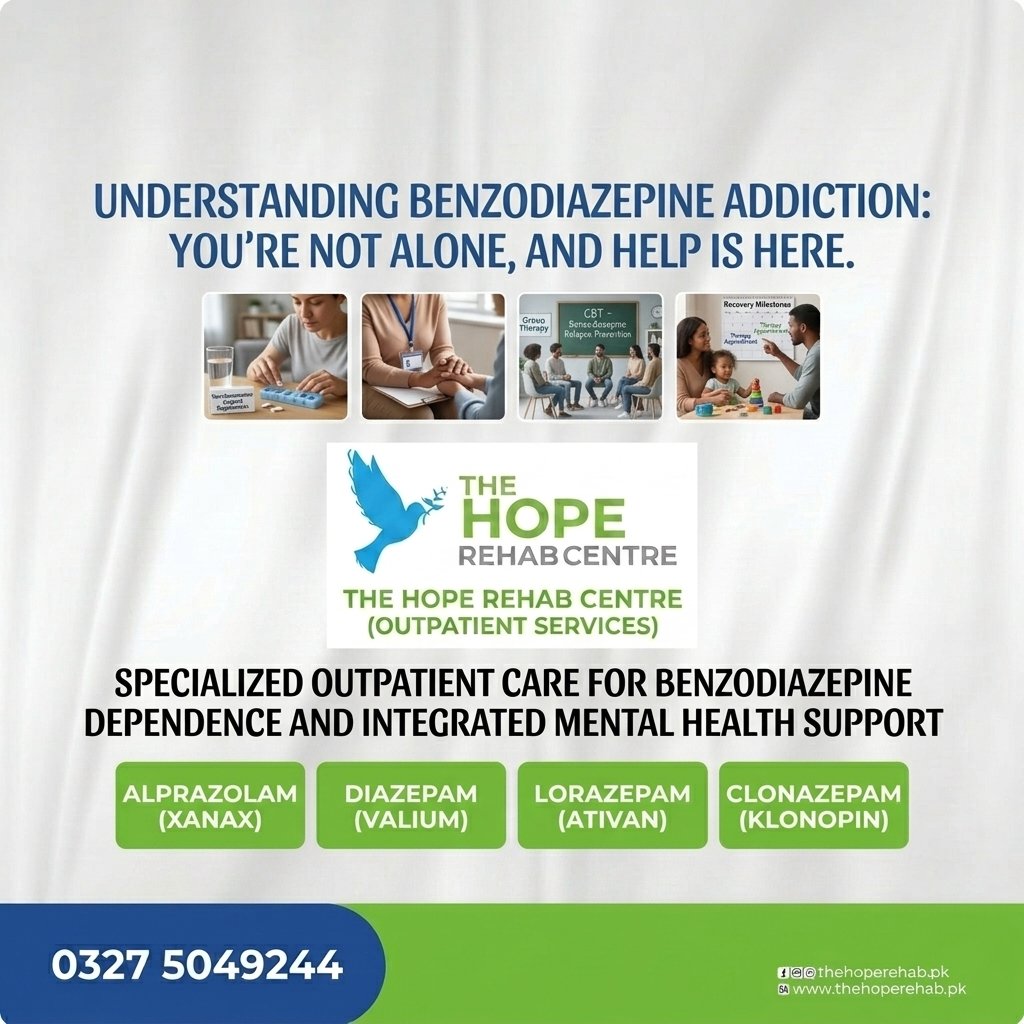
Benzodiazepines are prescription medications that help treat conditions such as anxiety, insomnia, panic disorders and specific seizure conditions. Although these medications can be useful when administered appropriately under the care of a health professional, over-use or inappropriate use may lead to dependency and addiction. The effects of physical and psychological health, relationships and functioning in daily life can make benzodiazepine addiction difficult. However, with professional care and a structured recovery plan in place, individuals can effectively recover from dependence and restore their lives.

Being aware of the Symptoms, Risks & Treatments is a vital way to assist those looking for Benzodiazepines Addiction Treatment in Islamabad, Pakistan. at The Hope Rehabilitation Center Islamabad, Pakistan, full-service treatment programs provide compassionate, ethical care based on evidence-based studies of the lowest personal recovery level.

What Is Benzodiazepines Addiction?

Addiction to benzodiazepines occurs when a person has become physically or psychologically dependent on drugs like diazepam, alprazolam, lorazepam or clonazepam. This leads to a period where the body gets used to medications Ans thus it becomes harder to stop with withdraw diagnosis.

These legitimate medical uses can become dependence because that is the nature of these medications when taken for a long time or at high doses.

Typical Signs and Symptoms of Benzodiazepines Addiction

Identifying the red flags early enough could motivate immediate intervention and lead to better recovery results.

Common symptoms include:

  • Strong cravings for the medication
  • Taking higher doses than prescribed
  • Difficulty stopping or reducing use
  • Drowsiness or excessive sleepiness
  • Poor concentration and memory problems
  • Mood swings or irritability
  • Anxiety when medication is unavailable
  • Neglecting personal or professional responsibilities
  • Using a prescription without doctor approval

These symptoms may worsen as dependence develops.

Causes and Risk Factors

Addiction to benzodiazepines can be a result of different reasons, including:

Long-Term Prescription Use

Long-term use of benzodiazepines is highly associated with dependence on the drug itself.

Mental Health Conditions

Dependence is also more common in people with anxiety disorders, panic disorder, depression or chronic stress.

Misuse of Medication

Increases the risk of addiction a lot, especially if you take high doses, someone else’s prescription and abuse them with alcohol or other drugs.

A Personal or Family History of Addiction

A history of substance use disorders may render a patient more vulnerable to the development of medication dependence.

Health Risks of Benzodiazepines Addiction

Chronic abuse may also inflict damage on physical and emotional well-being.

Physical Health Risks

Potential complications include:

  • Persistent fatigue
  • Poor coordination
  • Slurred speech
  • Dizziness
  • Higher risk for falls and injuries
  • We breathed a sigh of relief — but for all too short a second.
  • Risk of overdose

Mental Health Effects

Benzodiazepines Addiction – Benzodiazepines Addiction Treatment in Islamabad, Pakistan
  • Anxiety
  • Depression
  • Memory impairment
  • Emotional instability
  • Difficulty concentrating
  • Sleep disturbances

Integrated treatment treats addiction and co-occurring mental health issues.

Why Professional Treatment Is Important

Abruptly stopping these drugs can cause severe withdrawal syndrome and, rarely, life-threatening complications without medical supervision. Professional treatment is a much more controlled, and therefore safer, method of doing this through proper assessment and carefully structured treatments.

Do you want to recover from the Benzodiazepines Use and Find the Treatment for Benzodiazepines Addiction in Islamabad, Pakistan?

  • Safely manage withdrawal symptoms
  • Reduce physical dependence
  • Tackle the underlying issues that caused the addiction
  • Improve emotional well-being
  • Develop healthy coping strategies
  • Reduce the likelihood of relapse

Customized treatment plans based on the individual’s history and goals for rehabilitation are prepared at The Hope Rehabilitation Center Islamabad, Pakistan.

Treatment Approaches for Benzodiazepines Addiction

Medical Assessment

The process of recovery starts with evaluating the physical health, medication history and mental health profile of the individual.

Supervised Detoxification

Detoxification is really a gradual process which permits your body to become accustomed under attention control, assisting with withdrawal symptoms difficulty management.

Individual Counseling

Personal counseling gives people the ability to learn about what causes their addiction and begin creating healthy coping strategies.

Cognitive Behavioral Therapy (CBT)

CBT is an evidence-based therapy designed to help patients recognize maladaptive thought patterns and replace them for more adaptive behaviors that enhance long term recovery.

Group Therapy

Group sessions promote help, communication and helping through the whole recovery process.

Family Support Programs

Family counselling works to restore communication, rebuild family trust and families can create a strong family home center that encourage long-term recovery.

Relapse Prevention and Aftercare

After the formal treatment process, recovery continues with support and planning to prevent relapse.

Helpful strategies include:

  • Identifying personal triggers
  • Managing stress effectively
  • Continuing counselling sessions
  • Maintaining healthy daily routines
  • Building supportive relationships
  • Participating in aftercare programmers

The Hope Rehabilitation Center Islamabad, Pakistan makes sure that relapse prevention are included at every point of an addiction recovery journey.

Its significance for mental health care

Most people addicted to benzos will also experience:

  • Anxiety disorders
  • Depression
  • Chronic stress
  • Sleep disorders
  • Trauma-related conditions

When addiction and mental health concerns are treated concurrently, long-term recovery outcomes tend to be more favorable and overall well-being is often improved.

Frequently Asked Questions (FAQs)

1.     What is benzodiazepine addiction?

Benzodiazepine abuse involves the use of prescription anti-anxiety or sedative medications that lead to an individual becoming dependent and often unable to quit or stop using the drug even when it causes problems.

2.     Can benzodiazepine addiction be treated?

Yes. A professional approach, including monitored detoxification under medical supervision (if necessary), counselling or other forms of behavioral therapy and continued support can ensure a safe recovery.

3.     Why is there a need not to abruptly discontinue the treatment of benzodiazepines?

Withdrawal symptoms can be severe if benzodiazepines are stopped abruptly. The specificity of medical supervision allows for a milder and safer withdrawal.

4.     Is therapy necessary during treatment?

Yes. Therapy may explore the root causes of addiction, work with clients on identifying triggers to their substance use and how to deal with them as well as teach tools for a healthier long-term recovery.)

5.     How can families help in the recovery process?

Family members can facilitate attendance at treatment, attend family counselling fission, promote positive interaction and engage in continuous emotional support.

Conclusion

Addiction to benzodiazepines is a treatable illness so long as patients receive professional care, support and patience. Immediate intervention might decrease the risk of health-related problems and increase long-term recovery rates. Benzodiazepines Addiction Treatment in Islamabad, Pakistan offers a range of benefits that can help individuals on their journey towards recovery, including access to structured care, evidence-based therapies and holistic treatments.

The rehabilitation programmers of The Hope Rehabilitation Center Islamabad, Pakistan features supervised detoxification, psychological therapies, no cost mental health therapy adult family involvement with the addicts aiming at relapse prevention. Individuals can rebuild towards lasting recovery, restoring their health and quality of life through individualized programming and dedicated professionals.

Addiction Treatment Programs | Personalized Care for Long-Term Recovery

Addiction Treatment Programs | Personalized Care for Long-Term Recovery

Addiction is a complex health condition that affects the brain, behavior, and overall well-being. It can impact individuals of all ages and backgrounds, influencing physical health, emotional stability, relationships, and daily responsibilities. While addiction can feel overwhelming, recovery is possible with the right treatment, professional guidance, and ongoing support.

Effective addiction treatment programs are designed to address both the physical and psychological aspects of substance use disorders. Rather than focusing only on stopping substance use, comprehensive treatment helps individuals understand the underlying causes of addiction, develop healthier coping strategies, and build the skills needed for lasting recovery.

At The Hope Rehabilitation Center Islamabad, Pakistan, personalized addiction treatment programs provide compassionate, evidence-based care tailored to each individual’s unique needs and recovery goals.

What Are Addiction Treatment Programs?

Addiction treatment programs are structured plans that combine medical care, counseling, behavioral therapies, and recovery support to help individuals overcome substance use disorders. Every person’s experience with addiction is different, which is why treatment plans should be individualized rather than using a one-size-fits-all approach.

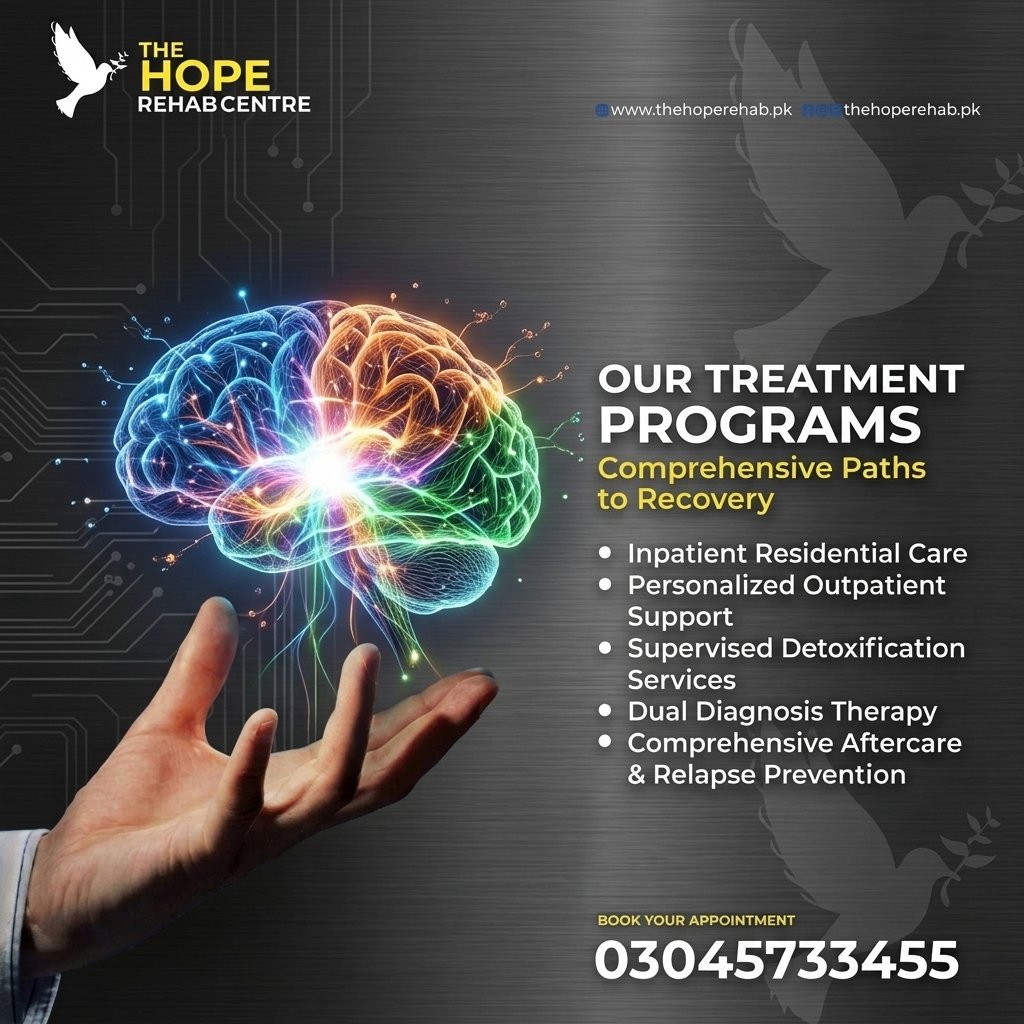
Comprehensive programs often include:

  • Medical assessment
  • Detoxification when appropriate
  • Individual counseling
  • Behavioral therapy
  • Group therapy
  • Family support
  • Relapse prevention planning
  • Aftercare services

These services work together to support both immediate recovery and long-term wellness.

Who Can Benefit from Addiction Treatment?

Professional treatment may benefit individuals experiencing dependence on substances such as:

  • Alcohol
  • Heroin
  • Prescription opioids
  • Methamphetamine
  • Cocaine
  • Cannabis (marijuana)
  • Benzodiazepines
  • Nicotine and tobacco products

Treatment can also support individuals living with co-occurring mental health conditions such as anxiety, depression, or trauma-related disorders.

The Importance of Early Intervention

Seeking treatment early can reduce the impact addiction has on physical health, mental well-being, and personal relationships. Early intervention may also help individuals avoid more serious medical, legal, or social consequences.

Professional support provides individuals with practical tools to begin recovery before addiction becomes more severe.

Key Components of Addiction Treatment Programs

Addiction Treatment Programs | Personalized Care for Long-Term Recovery

Comprehensive Assessment

Recovery begins with a detailed evaluation of physical health, mental health, substance use history, and personal recovery goals. This assessment helps healthcare professionals develop an individualized treatment plan.

Medical Detoxification

For some individuals, medically supervised detoxification may be recommended to manage withdrawal symptoms safely. Medical supervision helps ensure patient safety while preparing for the next stages of treatment.

Individual Counseling

One-on-one counseling allows individuals to explore personal challenges, emotional triggers, and behaviors associated with addiction. Counseling also helps build healthy coping skills and strengthen motivation for recovery.

Behavioral Therapy

Evidence-based therapies, including Cognitive Behavioral Therapy (CBT), help individuals recognize unhealthy thought patterns, manage cravings, improve emotional regulation, and reduce the risk of relapse.

Group Therapy

Group counseling creates opportunities for peer support, shared experiences, and personal growth. Many individuals find encouragement and motivation by learning from others facing similar challenges.

The Role of Family in Recovery

Addiction often affects the entire family, not just the individual receiving treatment. Family involvement can improve communication, rebuild trust, and strengthen long-term recovery.

Family support programs may include:

  • Family counseling
  • Education about addiction
  • Communication skills training
  • Healthy boundary setting
  • Emotional support strategies

At The Hope Rehabilitation Center Islamabad, Pakistan, family participation is encouraged whenever it supports the individual’s recovery journey.

Relapse Prevention

Recovery continues after formal treatment is completed. Relapse prevention focuses on helping individuals recognize potential challenges and develop practical strategies for maintaining progress.

Relapse prevention plans may include:

  • Identifying personal triggers
  • Developing healthy routines
  • Managing stress effectively
  • Continuing therapy when needed
  • Participating in support groups
  • Building positive social connections

Long-term recovery is strengthened through consistent follow-up care and continued personal growth.

Benefits of Professional Addiction Treatment Programs

Comprehensive addiction treatment programs offer numerous benefits, including:

  • Personalized treatment planning
  • Professional medical supervision
  • Evidence-based therapies
  • Mental health support
  • Improved emotional well-being
  • Stronger family relationships
  • Enhanced coping skills
  • Long-term recovery support

These services help individuals address the physical, emotional, and behavioral aspects of addiction while improving overall quality of life.

Why Choose Professional Care?

Recovery is often more successful when guided by experienced healthcare professionals who understand the complexities of addiction. Professional treatment provides a safe, structured environment where individuals can focus on healing while receiving compassionate support.

At The Hope Rehabilitation Center Islamabad, Pakistan, addiction treatment programs are designed to meet each person’s unique needs through individualized care, clinical expertise, and a commitment to long-term recovery.

Frequently Asked Questions (FAQs)

1. What are addiction treatment programs?

Addiction treatment programs are structured services that combine medical care, counseling, behavioral therapies, and recovery planning to help individuals overcome substance use disorders.

2. Is detoxification included in every treatment program?

Not always. Detoxification is recommended only when clinically appropriate, depending on the type of substance used, level of dependence, and individual health needs.

3. Can addiction treatment help with mental health conditions?

Yes. Many comprehensive programs address both addiction and co-occurring mental health conditions, providing integrated and individualized care.

4. Why is family involvement important during recovery?

Family support can improve communication, strengthen relationships, encourage treatment participation, and provide emotional encouragement throughout recovery.

5. Can people achieve long-term recovery after treatment?

Yes. Many individuals achieve lasting recovery through professional treatment, continued counseling, relapse prevention planning, healthy lifestyle changes, and ongoing support.

Conclusion

Addiction is a treatable health condition, and recovery is possible with comprehensive, evidence-based care. Effective addiction treatment programs address not only substance use but also the emotional, behavioral, and social factors that contribute to addiction.

At The Hope Rehabilitation Center Islamabad, Pakistan, personalized addiction treatment programs combine medical assessment, counseling, behavioral therapies, family support, relapse prevention, and aftercare planning to help individuals build healthier, more fulfilling lives. With compassionate care and ongoing support, every step toward recovery becomes an opportunity for lasting positive change.

Drug and Alcohol Addiction | Understanding Recovery and Professional Support

Drug and Alcohol Addiction | Understanding Recovery and Professional Support

Drug and alcohol addiction is a complex health condition that affects millions of people worldwide. It can influence physical health, emotional well-being, relationships, education, employment, and overall quality of life. While substance use may begin as an occasional habit, repeated use can gradually lead to dependence, making it increasingly difficult to stop without professional support.

Recovery is possible with the right combination of medical care, counseling, behavioral therapy, and ongoing support. At The Hope Rehabilitation Center Islamabad, Pakistan, treatment programs are designed to provide compassionate, evidence-informed care that helps individuals address addiction while promoting long-term physical and emotional well-being.

Understanding Drug and Alcohol Addiction

Drug and alcohol addiction, also known as a substance use disorder, occurs when a person continues using alcohol or drugs despite experiencing harmful consequences. Addiction affects the brain’s reward system, influencing motivation, decision-making, and self-control.

Over time, individuals may develop tolerance, requiring larger amounts of a substance to achieve the same effects. They may also experience withdrawal symptoms when attempting to reduce or stop use.

Substances commonly associated with addiction include:

  • Alcohol
  • Heroin
  • Cannabis (Marijuana)
  • Methamphetamine (Ice)
  • Cocaine
  • Prescription opioids
  • Sedatives and tranquilizers

Common Signs and Symptoms

Recognizing the warning signs of addiction can encourage timely intervention and treatment.

Physical Signs

  • Changes in sleep patterns
  • Unexplained weight changes
  • Poor personal hygiene
  • Frequent fatigue
  • Bloodshot eyes or unusual appearance
  • Tremors or shakiness

Behavioral Signs

  • Neglecting work, school, or family responsibilities
  • Social withdrawal
  • Financial difficulties
  • Secretive behavior
  • Risk-taking activities
  • Repeated unsuccessful attempts to stop using substances

Emotional Signs

  • Mood swings
  • Anxiety
  • Depression
  • Irritability
  • Difficulty concentrating
  • Reduced motivation

At The Hope Rehabilitation Center Islamabad, Pakistan, a comprehensive assessment helps identify both the physical and emotional effects of addiction before creating a personalized treatment plan.

Causes and Risk Factors

Drug and Alcohol Addiction | Understanding Recovery and Professional Support

Addiction develops through a combination of biological, psychological, and environmental influences. Common contributing factors include:

  • Family history of substance use disorders
  • Emotional trauma
  • Chronic stress
  • Mental health conditions
  • Peer influence
  • Easy access to addictive substances

Understanding these underlying factors is important because successful treatment often addresses more than the addiction itself.

Health Effects of Drug and Alcohol Addiction

Long-term substance use can affect multiple body systems and overall well-being.

Physical Health

Substance use may contribute to:

  • Liver disease
  • Heart problems
  • Respiratory conditions
  • Weakened immune function
  • Digestive disorders
  • Neurological complications

Mental Health

Addiction often occurs alongside mental health conditions such as:

  • Depression
  • Anxiety disorders
  • Trauma-related conditions
  • Mood disorders
  • Sleep disturbances

Integrated treatment can help individuals manage both addiction and emotional health more effectively.

Treatment Options

Recovery typically involves several stages, depending on each individual’s needs.

Medical Assessment and Detoxification

For some individuals, detoxification is the first stage of treatment. Healthcare professionals monitor withdrawal symptoms while supporting physical stabilization.

Individual Counseling

Counseling helps individuals understand the emotional and behavioral factors contributing to substance use while developing healthier coping strategies.

Cognitive Behavioral Therapy (CBT)

CBT focuses on identifying harmful thought patterns, managing cravings, and responding to triggers in healthier ways.

Group Therapy

Group sessions provide opportunities for peer support, shared experiences, and encouragement throughout recovery.

At The Hope Rehabilitation Center Islamabad, Pakistan, treatment plans are tailored to each individual’s medical history, emotional needs, and personal recovery goals.

Relapse Prevention and Long-Term Recovery

Recovery continues after formal treatment ends. Relapse prevention strategies help individuals maintain progress while managing future challenges.

These strategies may include:

  • Identifying personal triggers
  • Building healthy daily routines
  • Stress management techniques
  • Ongoing counseling
  • Family support
  • Follow-up recovery planning

Long-term recovery often depends on consistency, self-awareness, and continued professional guidance.

The Importance of Family Support

Addiction affects not only the individual but also family members and close relationships. Family support can improve communication, strengthen motivation, and encourage healthier recovery environments.

Family counseling may help:

  • Rebuild trust
  • Improve communication
  • Address emotional concerns
  • Encourage healthy boundaries
  • Support long-term recovery goals

At The Hope Rehabilitation Center Islamabad, Pakistan, family involvement may be incorporated into treatment when appropriate.

Frequently Asked Questions (FAQs)

1. What is drug and alcohol addiction?

Drug and alcohol addiction is a condition in which individuals continue using substances despite experiencing harmful physical, emotional, or social consequences.

2. Can addiction affect mental health?

Yes. Addiction is often associated with depression, anxiety, emotional instability, and other mental health conditions.

3. What treatments are available for addiction?

Treatment may include medical assessment, detoxification, counseling, behavioral therapy, group therapy, and relapse prevention planning.

4. How long does addiction treatment take?

Treatment duration varies depending on the individual’s health, substance use history, and recovery needs.

5. Why is family involvement important during recovery?

Supportive family relationships can improve communication, provide encouragement, and contribute positively to long-term recovery.

Conclusion

Drug and alcohol addiction is a serious but treatable health condition that affects both physical and emotional well-being. Early recognition, professional treatment, and ongoing support can help individuals develop healthier coping strategies and rebuild their lives.

At The Hope Rehabilitation Center Islamabad, Pakistan, comprehensive treatment programs combine compassionate care, evidence-informed therapies, counseling, family support, and relapse prevention planning. With individualized care and continued guidance, individuals can work toward lasting recovery, improved well-being, and a healthier future.

Cocaine Addiction – Cocaine Addiction Treatment at Islamabad, Pakistan

Cocaine Addiction – Cocaine Addiction Treatment at Islamabad, Pakistan

Cocaine use disorder, more commonly known as cocaine addiction, is a compulsive psychological and physical dependence on the drug that can have devastatingly detrimental consequences to all areas of one’s life. Cocaine is a powerful stimulant which gives temporary feelings of increased energy and euphoria but with repeated use rapidly induces tolerance, dependence and addiction. Cocaine use disorder, if not handled in a timely manner, can lead to catastrophic medical, psychosocial and behavioral issues.

Cocaine is an extremely addictive and highly dangerous drug. For those needing help in terms of Cocaine Addiction Treatment, read about the risks, symptoms and recovery options below. The treatment programs at the The Hope Rehabilitation Center Islamabad, Pakistan are tailored to help provide evidence-based, ethical treatment that is compassionate and supportive of continued recovery.

What Is Cocaine Addiction?

Cocaine addiction is typically regarded as a physical or psychological dependence on cocaine that leads the individual to continue taking it despite harmful consequences. Cocaine acts on the reward system of the brain by more or less bursting with increased dopamine levels that produce very intense pleasure and triggers a desire to use it again.

The brain slowly down-regulates its natural reward response, and eventually the drug is incapable of producing a high without medical assistance.

Symptoms and Signs of Cocaine Addiction

Knowing the first signs of cocaine addiction can prompt early intervention and increase the chances of recovery.

Common symptoms include:

  • Intense cravings for cocaine
  • Increased tolerance
  • Mood swings
  • Restlessness and irritability
  • Anxiety or panic attacks
  • Insomnia
  • Loss of appetite
  • Weight loss
  • Poor concentration
  • Neglecting responsibilities at work, school or home

These symptoms are sometimes progressive and tend to worsen the more you become addicted.

Causes of Cocaine Addiction

Many reasons explain the addiction to cocaine.

Emotional Stress

Certain people use cocaine to numb emotional discomfort, stress, or struggles in their lives.

Mental Health Disorders

Anxiety, depression and trauma are conditions that can lead to substance misuse.

Peer Pressure

Most studies also provide estimates of the (relative) contribution of social environments and/or peer influence to the use of drugs for recreational purposes, especially in young adults.

Genetic and Family Factors

Having a family history of addiction may predispose to type dependence on substances.

Knowing those factors assists the practitioners in developing personalized treatment plans.

Health Risks of Cocaine Addiction

Cocaine is one of the most widely used illicit drugs and has such a power to almost have an effect on every organ in the body when someone long-term uses cocaine

Physical Health Risks

Potential complications include:

Cocaine Addiction – Cocaine Addiction Treatment at Islamabad, Pakistan
  • High blood pressure
  • Irregular heartbeat
  • Heart attack
  • Stroke
  • Respiratory problems
  • Weight loss
  • Seizures
  • Increased risk of overdose

Mental Health Effects

The cocaine addiction can also lead to:

  • Anxiety
  • Depression
  • Paranoia
  • Hallucinations
  • Aggressive behavior
  • Memory problems
  • Emotional instability

Often to recover you have to treat both the addiction and mental illness.

The Necessity of Professional Cocaine Addiction Treatment

With frequent cocaine use, increased cravings and withdrawal symptoms make quitting on your own challenging. An organized treatment program can offer medical monitoring, emotional support and working therapies in order to help individuals recovering safely.

Cocaine Addiction Treatment in Islamabad, Pakistan provides aid to individuals who:

  • Manage withdrawal symptoms
  • Reduce cravings
  • Improve emotional well-being
  • Identify addiction triggers
  • Build healthier coping strategies
  • Lower the risk of relapse

The Hope Rehabilitation Center Islamabad, Pakistan offer personalized treatment plans based on each individual’s recovery needs.

Treatment Approaches for Cocaine Addiction

Medical Assessment

The process for getting better starts with an initial assessment, which involves thorough physical health and mental health assessments, a complete past history of substance use.

Detoxification

Cocaine detoxification is the process through which cocaine is removed from your system, and a healthcare provider assists in monitoring you as you go through withdrawal symptoms and overall health.

Individual Counseling

Individual counseling encourages patients to explore the emotional and psychological roots of their compulsions, as they learn how to cope effectively.

Cognitive Behavioral Therapy (CBT)

Cognitive Behavioral Therapy (CBT) is an evidence based therapy that allows patients to identify unhealthy thinking habits and replace them with positive behavior.

Group Therapy

Group therapy offers encouragement, accountability, and companionship from others who are also on a journey of recovery.

Family Support Programs

Family Therapy enhances communication, restores trust and provides a safe environment that facilitates long journey of recovery.

Relapse Prevention Strategies

This is recovered by holistic thinking and strong relapse prevention planning after the treatment.

Helpful strategies include:

  • Identifying personal triggers
  • Managing stress in healthy ways
  • Attending follow-up counseling
  • Maintaining structured daily routines
  • Building positive relationships
  • Participating in ongoing recovery programs

Relapse Prevention Stage at The Hope Rehabilitation Center Islamabad, Pakistan

Significance of mental well-being professionals

Most people with cocaine addiction experience mental illnesses such as:

  • Anxiety disorders
  • Depression
  • Trauma-related disorders
  • Chronic stress

Dual diagnosis (addiction and mental health) can lead to better treatment outcomes and a better quality of life long-term.

Frequently Asked Questions (FAQs)

1.     What is cocaine addiction?

Cocaine addiction is a substance use disorder characterized by the compulsive desire to take cocaine despite harmful consequences.

2.     Can cocaine addiction be treated?

Yes. The combination of detoxification, counseling, behavioral therapy and relapse prevention can help make successful recovery a lasting reality.

3.     What Are Symptoms of Cocaine Withdrawal?

The possible withdrawal symptoms include dysphoria, fatigue, depression, anxiety, sleep disturbances or excessive somnolence [66], increased appetite and strong cravings.

4.     Cocaine addiction therapy: Why is it important?

Therapy is the process of understanding how addiction starts and ends, developing healthy coping skills, and reducing the risk of relapse.

5.     Can family involvement improve recovery?

Yes. Family support can also enhance emotional well-being, foster healthy communication styles and re-enforce long-term recovery commitment.

Conclusion

Cocaine addiction is a chronic illness that is treatable & affects both physical and mental health. With sufficient intervention and professional treatment, how well an individual recovers can improve positively. Abstract Cocaine addiction treatment in Islamabad, Pakistan offers a structured environment and therapeutic care to overcome addiction and regain a healthier life.

The The Hope Rehabilitation Center Islamabad, Pakistan offer a variety of comprehensive treatment programs, including Safe detoxification Evidence based therapies Mental health care Family support Relapse prevention with skilled and nurturing care, people can begin their long-term healing journey in a drug-free life.

Alcohol Addiction – Alcohol Addiction Treatment in Islamabad, Pakistan

Alcohol Addiction – Alcohol Addiction Treatment in Islamabad, Pakistan

A person can be addicted to alcohol, that causes many serious health issues, and it disturbs the mental state of a person as well as his/her relationships and everyday life. Though alcohol is used socially, over time excessive and constant use of drinking can create an addiction. What begins as a drink here and there may evolve into addiction, so much that stopping without the help of a professional feels impossible.

What happens in the process of recovering from Alcohol Addiction Treatment Islamabad, Pakistan and effects of alcohol. Alcohol addiction treatment at The Hope Rehabilitation Center Islamabad, Pakistan is conducted under professional supervision, with an ethical approach and a planned recovery regimen.

What Is Alcohol Addiction?

Alcoholism, alcohol dependence or alcohol use disorder is a psychological and physical addiction to the consumption of alcoholic beverages. The dependence can disrupt work, family life, mental and physical health.

Symptoms of Alcohol Addiction Common indicators of alcohol dependence include:

  • Drinking more than intended
  • Strong cravings for alcohol
  • Difficulty controlling alcohol use
  • Needing alcohol to relax
  • Increased tolerance
  • Withdrawal symptoms when not drinking

Alcohol addiction affects people of all ages and from various locations.

How Long Do You Need to Drink Alcohol Before Becoming Addicted?

Early recognition of the alcohol addiction can lead in successful recovery.

Common symptoms include:

  • Frequent drinking
  • Loss of Control Over Alcohol Consumption
  • Mood swings
  • Anxiety or irritability
  • Poor sleep
  • Isolation from family and friends
  • Financial difficulties
  • Neglecting responsibilities
  • Memory problems
  • Physical weakness

Without treatment, these symptoms can worsen over time.

Health Risks of Alcohol Addiction

Risks of Alcohol Use to Body and Mind

Physical Health Risks

Chronic alcohol consumption increases the risk of

  • Liver disease
  • Heart problems
  • High blood pressure
  • Digestive disorders
  • Weakened immune system
  • Sleep disturbances
  • Weight changes
  • Brain damage

Mental Health Effects

Alcohol addiction can also positively impact emotional health by:

Alcohol Addiction – Alcohol Addiction Treatment in Islamabad, Pakistan
  • Depression
  • Anxiety
  • Mood instability
  • Aggression
  • Stress dependency
  • Suicidal thoughts in severe cases

That is why along with alcohol recovery, mental health care is often necessary

Causes of Alcohol Addiction

There are plenty of factors why alcohol addiction can create.

Emotional Stress

Numerous individuals use alcohol to address stress, agony, or psychological instability.

Trauma

This risk for alcohol dependency may be greater among those who have experienced trauma in the past.

Mental Health Disorders

Depression and anxiety may drive some to seek solace in alcohol as a form of self-medication.

Social Influence

This is partly due to peer pressure and also because of the social environments in which regular drinking occurs.

Family History

Genetics may also contribute to alcohol addiction.

Understanding these causes leads into treatment planning.

Alcohol Withdrawal Symptoms

With this in mind, ceasing alcohol use abruptly following heavy consumption sparks withdrawal symptoms.

Common withdrawal symptoms include:

  • Sweating
  • Tremors
  • Anxiety
  • Nausea
  • Restlessness
  • Insomnia
  • Mood swings
  • Increased heart rate
  • Confusion

In extreme cases, withdrawal can pose danger–this is why detoxification under professional supervision is crucial.

Why You Need Professional Alcohol Addiction Treatment

Experience Alcohol Addiction Treatment in Islamabad, Pakistan for safe detoxification process along with emotional support and structured recovery planning.

Professional treatment can help individuals:

  • Manage withdrawal symptoms safely
  • Understand emotional triggers
  • Improve mental health
  • Learn healthier coping strategies
  • Prevent relapse
  • Restore daily routines

The Hope Rehabilitation Center Islamabad, Pakistan tailor-makes each treatment plan to suit different needs.

Treatment Approaches for Alcohol Addiction

Detoxification

Detox serves to eliminate alcohol from your system as you begin managing the withdrawal symptoms in a safe manner.

Individual Counseling

This helps any individual look into emotional issues and what really lead to their addiction.Assisted living facilities provide a sober environment but it is also a social situation for patients who don let the groups assists them.

Cognitive Behavioral Therapy (CBT)

CBT addresses the negative thoughts and behaviors related to alcohol use.

Group Therapy

Make good use of group support for motivation, emotional connection and rebuilding experience.

Family Support Programs

Family involvement is important to increasing communication, building trust and supporting recovery.

Relapse Prevention After Alcohol Treatment

Keep in mind that long-term recovery often necessitates continuous assistance and the preparation of relapse prevention plans.

Important strategies include:

  • Identifying triggers
  • Managing stress
  • Attending therapy sessions
  • Building healthy habits
  • Avoiding high-risk environments
  • Strengthening family support

Relapse prevention is one of the most important aspects in recovery planning; At The Hope Rehabilitation Center Islamabad, Pakistan, we ensure that all procedures are detailed.

Frequently Asked Questions (FAQs)

1.     What is alcohol addiction?

Alcohol dependence occurs when a person becomes physically and emotionally attached to alcohol.

2.     Can alcohol addiction be treated?

Yes. The right environment, drugs for detoxification, therapy, and structure may aid recovery.

3.     Is alcohol withdrawal dangerous?

It can be. Severe withdrawal symptoms may necessitate the need for medical supervision.

4.     Can alcohol affect mental health?

Yes. Alcohol can aggravate anxiety, depression and emotional unsteadiness.

5.     Is this important to help a person battle alcoholism?

Yes. Engagement of family may increase support and enhance long-term recovery.

Conclusion

Alcohol use disorder influences each aspect of a person’s life, including their physical health (liver disease or heart problems), emotional stability and relationships. Although recovery can sometimes be challenging, it is achievable with the appropriate support and therapy. Alcohol Addiction Treatment in Islamabad, Pakistan will get you the guidance and help to start your recovery

Alcohol addiction treatment at The Hope Rehabilitation Center Islamabad, Pakistan centers involves the finest detox, counseling, family support, and guidance in relapse prevention. With professional support and willingness, all the steps can be related to recovery or emotional stability and an eventful life.

Family Support Program | Strengthening Recovery Through Care and Connection

Family Support Program | Building Stronger Families for Lasting Recovery

Recovery from addiction or mental health challenges is rarely a journey taken alone. Family plays a powerful role in helping individuals heal, rebuild trust, and maintain long-term stability. A Family Support Program is designed to involve loved ones in the treatment process, offering education, emotional guidance, and structured support.

When a person struggles with addiction, depression, trauma, or behavioral health issues, the entire family can be affected. Emotional stress, communication breakdown, and uncertainty often become part of daily life. A strong family support system can make recovery more stable and meaningful.

At The Hope Rehabilitation Center Islamabad, Pakistan, family support programs are an important part of treatment, helping both individuals and their families move toward healthier relationships and long-term healing.

What Is a Family Support Program?

A Family Support Program is a structured approach that helps family members understand addiction, mental health conditions, and the recovery process. It creates a safe space where families can learn how to support their loved one while also taking care of their own emotional well-being.

These programs may include:

  • Family counseling sessions
  • Emotional support meetings
  • Educational workshops
  • Conflict resolution guidance
  • Communication skill building

The goal is to strengthen family relationships and improve recovery outcomes.

Why Family Support Matters in Recovery

Addiction and mental health challenges can affect trust, communication, and emotional stability within a family. Without proper understanding, families may feel helpless or overwhelmed.

A family support program can help by:

  • Improving understanding of addiction and mental health
  • Reducing blame and confusion
  • Encouraging healthy communication
  • Building emotional resilience
  • Supporting long-term recovery goals

At The Hope Rehabilitation Center Islamabad, Pakistan, family involvement is encouraged when it can positively support the recovery journey.

How Addiction Affects Families

Substance use disorders often create challenges beyond the individual. Family members may experience:

Emotional Stress

Watching a loved one struggle can lead to anxiety, sadness, and emotional exhaustion.

Trust Issues

Repeated relapse, dishonesty, or unpredictable behavior can damage trust within the home.

Financial Strain

Addiction may create financial difficulties that affect the entire family.

Communication Problems

Families often struggle to talk openly about addiction, leading to conflict or silence.

A structured Family Support Program helps families address these issues in a healthy and productive way.

Key Elements of a Family Support Program

Family Support Program | Strengthening Recovery Through Care and Connection

Family Counseling Sessions

Counseling creates an environment where family members can express feelings, ask questions, and work through emotional challenges together.

At The Hope Rehabilitation Center Islamabad, Pakistan, these sessions are guided by trained professionals who focus on healing relationships and improving understanding.

Education About Addiction and Mental Health

Learning about addiction, relapse, withdrawal, and emotional triggers can help families respond with more patience and awareness.

Education can reduce misunderstandings and improve support at home.

Communication Skills Training

Healthy communication is essential during recovery. Families may learn:

  • Active listening
  • Setting boundaries
  • Managing conflict calmly
  • Expressing emotions clearly

These skills help reduce tension and build stronger relationships.

Relapse Prevention Support

Families can learn how to recognize warning signs of relapse and how to respond appropriately without panic or blame.

This can improve long-term recovery planning.

Benefits of Family Involvement in Recovery

Family support can improve treatment outcomes in many ways.

Emotional Encouragement

Support from loved ones can motivate individuals to stay committed to treatment.

Improved Accountability

Family involvement can help individuals stay focused on their recovery goals.

Better Home Environment

A healthy and supportive home can reduce stress and improve emotional stability.

Stronger Relationships

Recovery can create opportunities to rebuild trust and strengthen family bonds.

At The Hope Rehabilitation Center Islamabad, Pakistan, the goal is to help both individuals and families heal together.

Family Healing Is Important Too

Family members also need support. Living with addiction or mental health struggles can be emotionally draining. Family support programs remind loved ones that their well-being matters too.

Support may help family members:

  • Manage stress
  • Set healthy boundaries
  • Understand their own emotions
  • Develop better coping strategies

Healing as a family can create a stronger foundation for lasting recovery.

Frequently Asked Questions (FAQs)

1. What is a Family Support Program?

A Family Support Program helps families understand addiction and mental health while providing emotional support and guidance during recovery.

2. Why is family support important in addiction recovery?

Family support can improve motivation, emotional stability, and long-term recovery success.

3. Can family counseling help rebuild trust?

Yes. Counseling can improve communication and help repair damaged relationships over time.

4. Do family members need support too?

Yes. Addiction affects the whole family, and emotional support for loved ones is often important.

5. Can family support reduce relapse risk?

A supportive and informed family environment can help individuals stay focused on recovery and recognize challenges early.

Conclusion

A Family Support Program is an important part of recovery because it recognizes that healing often involves more than one person. Addiction and mental health challenges can affect the entire family, but with education, counseling, and emotional support, families can become a strong source of encouragement and stability.

At The Hope Rehabilitation Center Islamabad, Pakistan, family support programs are designed to strengthen relationships, improve communication, and support lasting recovery. Through shared understanding and professional guidance, families can move forward together with greater hope, trust, and emotional balance.

Crystal Meth Addiction – Crystal Meth Addiction Treatment in Islamabad, Pakistan

Crystal Meth Addiction – Crystal Meth Addiction Treatment in Islamabad, Pakistan

Crystal meth plays center phase in the list concerning most hostile types of dependency issues. Crystal meth, also known as methamphetamine or ‘ICE,’ is a potent central nervous system stimulant. It produces very strong feelings of energy, awareness, and euphoria; however habitual use generally results in permanent harm physically, emotionally, or psychologically.

Knowing the dangers of meth use and what the recovery process looks like would be beneficial for anyone looking into Crystal Meth Addiction Treatment in Islamabad, Pakistan. The Hope Rehabilitation Center Islamabad, Pakistan offer treatment programs to help people with crystal meth addiction safely, professionally, and with compassion.

What Is Crystal Meth?

Crystal meth is an artificial stimulant that acts throughout the body but particularly on chemicals in the brain, including dopamine. That produces high-intensity short-term pleasure but damages the brain reward system with time.

Types of crystal meth inset: Morning even, gemstone replacement will concern.

  • Smoking
  • Snorting
  • Injecting
  • Swallowing

Dependence is a particular problem because it can occur very quickly, due to the drug’s high potential for addiction.

Signs of Crystal Meth Addiction

Being able to identify the early warning signs can help with making amends.

Common signs include:

  • Extreme energy or hyperactivity
  • Rapid weight loss
  • Insomnia
  • Aggressive behavior
  • Mood swings
  • Anxiety
  • Paranoia
  • Hallucinations
  • Poor personal hygiene
  • Skin sores from scratching
  • Isolation from family and friends

Long-term usage leads symptom-severity to get worse.

The negative influence of Crystal Meth crystal meth

Crystal the sluice addiction concerns help to performance the physical and psychological.

Physical Effects

  • Increased heart rate
  • High blood pressure
  • Severe weight loss
  • Tooth decay (“meth mouth”)
  • Skin damage
  • Weak immune system
  • Sleep problems

Psychological Effects

  • Anxiety
  • Depression
  • Paranoia
  • Panic attacks
  • Aggression
  • Hallucinations
  • Memory problems

Sustained use could cause permanent changes in how emotions are processed and thought patterns.

The Addictiveness of Crystal Meth

How Crystal Meth Works === Crystals releasing dopamine are being purged rapidly == The brain becomes reliant on the drug over time for normalcy.

This often leads to:

  • Strong cravings
  • Increased tolerance
  • Frequent use
  • Difficulty stopping
  • Emotional dependence

This cycle will perpetuate and worsen without treatment.

Crystal Meth Addiction – Crystal Meth Addiction Treatment in Islamabad, Pakistan

The Importance of Professional Treatment

The withdrawal symptoms associated with quitting crystal meth can be severe, making it very difficult to quit cold turkey without support.

Crystal Meth Addiction Treatment in Islamabad, Pakistan | How is treat crystal-Meth?

  • Manage withdrawal safely
  • Reduce cravings
  • Improve mental health
  • Address emotional triggers
  • Build healthier habits
  • Lower relapse risks

The Hope Rehabilitation Center Islamabad, Pakistan offers treatment plans that help you to recover from both physically as well as emotionally.

How Is Crystal Meth Addiction Treated?

Detoxification

Detox is usually first. Step. It assists the body in flushing out meth while allowing a patient to detox with limited withdrawal symptoms and in an environment that is safe.

Individual Therapy

One-on-one counseling allows those finding ways to understand the roots of addiction and emotional complexities related to meth.

Cognitive Behavioral Therapy (CBT)

One of the most effective treatments available for crystal meth is CBT. It works to replace negative thoughts and behaviors.

Group Therapy

You are learnt on the information these support groups permit those to communicate experiences, therefore lowering isolation and generating motivation.

Family Support Programs

Studies show how family involvement enhances communication, restores trust and reinvigorates recovery.

Crystal Meth Withdrawal Symptoms

Though crystal meth withdrawal can have emotional & physical symptoms.

Common symptoms include:

  • Fatigue
  • Depression
  • Anxiety
  • Strong cravings
  • Sleep disturbances
  • Mood swings
  • Irritability
  • Difficulty concentrating

Having professional help during withdrawal can increase comfort and safety.

Relapse Prevention After Treatment

Preventing relapse is an integral part of long-term recovery.

Important strategies include:

  • Identifying personal triggers
  • Managing stress
  • Attending regular therapy
  • Building healthy routines
  • Avoiding risky environments
  • Strengthening family support

Relapse prevention plays an integral role in long-term treatment planning at The Hope Rehabilitation Center Islamabad, Pakistan.

Frequently Asked Questions (FAQs)

1.     What is crystal meth?

Crystal Meth is a very potent stimulant drug that has an instant effect on the brain and leads to addiction very quickly.

2.     Is crystal meth addiction treatable?

Yes. Recovering is possible with professional treatment, therapy, and some structure.

3.     The length of time until crystal meth withdrawal begins all simply depends on the user’s individual abuse with this drug.

The symptoms of withdrawal differ, but a few emotional signs can last for varying periods of time — think days to weeks depending on how long and heavy the user was.

4.     Can crystal meth make us sick?

Yes. Repeat use can increase over time to anxiety, depression, paranoia and nervousness or emotionality.

5.     Can family support improve recovery?

Yes. Family follow-up can reinforce emotional recuperation and amend relapse risks.

Conclusion

Crystal meth abuse is an illness can impact all areas of a person’s life, including their physical well-being, mental health and social relationships. It might take time to recover but with the right surrounding and professional assistance, it is possible. One should consider Crystal Meth Addiction Treatment in Islamabad, Pakistan to help recover individuals from dependency and to start the healing process.

The Hope Rehabilitation Center Islamabad, Pakistan programs include safe detoxification (for various drugs like opiates, alcohol, stimulants), therapy such as cognitive-behavioral therapy (CBT), family support to help affected families discuss the problems of addiction without blame, and relapse prevention. Through structure and dedication, those seeking to recover can find their way back to emotional balance and a brighter tomorrow.