The Hope Rehab Center

Category Dual Diagnosis Treatment

Dual Diagnosis Treatment in Pakistan: Key Steps for Addiction and Mental Health Recovery

Dual Diagnosis Treatment in Pakistan: Key Steps for Addiction and Mental Health Recovery

The treatment of both the substance use disorder and a mental health condition is called dual diagnosis. They impact each other and they are made worse rather than better by treating them separately. Someone struggling with addiction could also an ongoing battle against depression, anxiety, trauma symptoms, bipolar disorder or some other mental illness.

Addiction treatment is effective care if it looks beyond just addiction and treats the person (or client) holistically. Medical assessment, withdrawal management, counseling, behavioral therapies, psychiatric care, family support and relapse prevention may serve as possible treatment. In The Hope Rehabilitation Center Islamabad, Pakistan in addition we provide structured programs for the ones suffering from addiction on an individual level but also a family rehabilitation program to assist with treatment as well for any concerns around mental wellbeing.

What Is Dual Diagnosis?

Co-occurring disorder: Dual diagnosis or Co-occurring refers to a situation where an individual has a comorbid mental health and substance use disorder.

Substance use can include different types of drugs, including alcohol, heroin, methamphetamine, cannabis, cocaine or opioids like prescription medicines and other addictive substances. Depression, anxiety disorders, post-traumatic stress disorder (PTSD), bipolar disorder and other psychiatric problems are all considered mental health conditions.

That relationship between the two conditions may be different. Mental health symptoms can be present before the onset of substance use, appear during chronic use or worsen in relation to intoxication or withdrawal.

An evaluation can ascertain the issues at play and indicate the best plan of care.

Reasons Addiction Co-Occur with Mental Health Problems

It is well-known that very few people have just one cause when it comes to co-occurring addiction and mental health. Biological, psychological, social and environment may be involved.

Self-Medication and Emotional Pain

Others develop problems with drugs or alcohol as a means of dealing with anxiety, sadness, trauma, loneliness, insomnia, or other emotional challenges. While a substance can provide momentary escape from unpleasant symptoms, continued use can lead to features of dependence which, at least in the long term, may exacerbate psychological symptoms.

Substance-Induced Mental Health Symptoms

Some substances can alter mood, affect sleep, and impact the ability to think and perceive. Some people may have anxiety, agitation, confusion or psychotic symptoms associated with stimulants like methamphetamine.

Going off heroin, for instance, is associated with very extreme fluctuations in mood and behavior.

Shared Risk Factors

Many risk elements may be common across addiction and mental well-being conditions together with: continual stress, trauma, social isolation, family background and terrible life events. These factors, which may overlap, can lead to a greater vulnerability to either disorder.

Signs That Could Mean a Dual Diagnosis

And it can be easy to confuse alcoholism with mental illness.

Possible warning signs include:

  • Persistent sadness or hopelessness
  • Severe or ongoing anxiety
  • Major mood changes
  • Social withdrawal
  • Changes in sleep or appetite
  • Unusual suspiciousness or paranoia
  • Difficulty controlling substance use
  • Ancient civilizations in order to manage emotions
  • Deterioration of job, academic or family functioning

Delirium or a psychological symptom that lasts longer than intoxication or withdrawal

Having these symptoms does not equate to a dual diagnosis. This should be assessed properly by a qualified professional.

How Dual Diagnosis Treatment in Pakistan Functions
Dual Diagnosis Treatment in Pakistan: Key Steps for Addiction and Mental Health Recovery

Treatment is individualized based on the individual’s substance use, mental health, physical health, safety needs, and recovery goals.

Comprehensive Assessment

Normally treatment starts with an assessment of substance abuse and psychological wellbeing. Professionals may review:

  • Substance use history
  • Previous treatment
  • Withdrawal experiences
  • Current medications
  • Physical health
  • Mood and behavior
  • Sleep patterns
  • Trauma history
  • Family and social circumstances

A thorough evaluation can determine whether a psychologic disorder stands on its own or an interplay of symptoms directly due to (or exacerbated by) substance use.

Withdrawal and Medical Support

Others can have life-threatening withdrawal complications. Medically supervised withdrawal management may be required based on the substance and physical health of the person.

Detox is helpful in addressing the physical ramifications of ending substance use, but it is not a comprehensive addiction or mental health treatment.

Counseling and Behavioral Therapy

Psychotherapy can also raise users’ awareness about the connection of their thoughts, emotions and behaviors and substance use.

Evidence-informed techniques such as cognitive-behavioral strategies may provide assistance with:

  • Managing cravings
  • Identifying triggers
  • Challenging unhealthy thought patterns
  • Improving coping skills
  • Managing stress
  • Strengthening motivation for recovery

Mental Health Treatment and Medication

Many sufferers also have coexisting conditions that need psychiatric treatment and can be managed through medical prescriptions. Medications should be prescribed according to an individual patient diagnosis, medical history, current substance use, and other clinical issues.

By beneficial guide injection shall be only taken according to approved determination conducted by a respectable board. This also should not be initiated, discontinued or changed without suitable medical assistance.

It can give you a well-rounded treatment plan and make sure that mental health symptoms are not neglected as they begin to tackle addiction.

The Role of Family Support

Families also suffer significantly from stress when addiction and mental health problems are involved. Family and friends may feel confused, scared, angry or lost as to what to do.

Family education has raised awareness, which helps decrease blame and stigma and promotes better dialogue.

Families can support recovery by:

  • Encouraging professional treatment
  • Learning about co-occurring disorders
  • Communicating calmly and respectfully
  • Establishing healthy boundaries
  • Supporting treatment appointments
  • Watching for significant behavioral changes
  • Encouraging healthy routines
  • When Safety as Concerns Invoke Seeking Professional Guidance

Appropriately, family assures themselves emotionally as well.

Relapse Prevention in Dual Diagnosis Recovery

Both addiction and mental health may need to be treated long term in recovery. Cravings and relapses can be prompted by emotional fallout, pressure situations, social conflict, or contact with previously drug-using settings.

A relapse-prevention plan may include:

  1. Continuing counseling
  2. Regular mental health follow-up
  3. Taking prescribed medication appropriately
  4. Identifying personal triggers
  5. Developing healthy coping strategies
  6. Building a reliable support network
  7. Keeping a regular sleep and daily routine
  8. Avoiding high-risk environments
  9. Seeking professional help when symptoms exacerbate

A return to drug use does not signify that treatment has failed. This can mean that more support is needed to take another look at the recovering plan of that person.

How to Select a Dual Diagnosis Treatment Center in Pakistan

As families search Dual Diagnosis Treatment in Pakistan, they want to ensure that the needs of the whole person are met — whether that requires addressing substance use and mental health issues together in one facility.

Useful questions to ask include:

  • Is a comprehensive assessment available?
  • Are withdrawal risks evaluated?
  • Q4: Can co-occurring conditions such as addiction and mental health be treated together?
  • Is individual counseling provided?
  • When it is warranted, is psychiatric support available?
  • Is family involvement encouraged?
  • Is there training on relapse prevention?
  • Can you have continuity of care after the initial treatment phase?

Those seeking a structured rehabilitation programmed for an addiction and/or treatment for mental health issues in Islamabad may wish to consider The Hope Rehabilitation Center Islamabad, Pakistan

Frequently Asked Questions

1.     What does dual diagnosis mean?

You were a dual diagnosis: the simultaneity of substance uses disorder and mental health condition. These conditions may interact with one another and often need to be treated together.

2.     Drug Addiction Is A Threat To Mental Health

Many maintain or exacerbate mental health problems, and substance use, both intoxication as well as withdrawal can impact thoughts, feelings (including depression), behavior, and sleep. A detailed analysis is required to identify the deep-rooted reasons.

3.     Specifically, when depression and the addiction itself happen together.

Yes. Depression coexists with substance use disorders. When they do, treating both conditions as dimensions of a single coordinated treatment plan may yield richer quality care.

4.     Are dual diagnosis treatment programs sufficient for detox?

Answer: No – Detox is designed to focus on the physical process of withdrawal. Those with co-occurring circumstances also qualify for counseling, mental health treatment, behavioral remedy, relapse prevention and continuing care.

5.     What is the duration of dual diagnosis treatment?

The treatment duration is variable. The timeline involves the specific substance, degree of addiction, mental health, physical health, adherence to treatment and follow-up needs.

Conclusion

This process is referred to as Dual Diagnosis Treatment in Pakistan and it offers an integrated approach for individuals suffering from both addiction and mental health problems. Since such conditions can coexist and affect each other, focusing on either substance use or psychological symptoms alone may fail to resolve important determinants of recovery.

Such plans may consist of medical evaluation, withdrawal management, behavioral therapy, counseling or family involvement and long-term follow-up.

If you are struggling with an addiction along with mental health issues or if someone you love is facing this situation, reach out to a qualified healthcare or addiction professional about the best course of treatment. The Hope Rehabilitation Center Islamabad, Pakistan is a facility in Pakistan that offers organized support for people and families who are searching for addiction and mental health recovery services there.
Dual Diagnosis Treatment in Pakistan: Powerful Steps for Addiction and Mental Health Recovery

Dual Diagnosis Treatment in Pakistan: Powerful Steps for Addiction and Mental Health Recovery

Dual Diagnosis Treatment All over the Pakistan This treatment is meant for persons dealing with Drug and alcohol abuse problem along with a mental disorder. The mentioned problems can be present in co-occurrence and may depend on one another. Such as a person with depression may start using drugs and/ or alcohol to escape psychological distress, then continued substance use can contribute to increased anxiety, depression, or other mental health symptoms.

Focusing on only one issue can ignore critical aspects of recovery. Synergizing gives us the opportunity to treat addiction in conjunction with mental health. Whatever the case may be, we at The Hope Rehabilitation Center Islamabad, Pakistan provide structured support to individuals and families looking for help with substance use and related psychological concerns.

What Is a Dual Diagnosis?

A dual diagnosis, or co-occurring disorder, is when someone has both a substance use disorder as well as a mental health disorder.

Substance-related problems can involve:

  • Alcohol
  • Heroin and other opioids
  • Methamphetamine or crystal meth
  • Cannabis
  • Cocaine
  • Prescription medications
  • Other addictive substances

Mental health problems may be grouped illnesses like depression, anxiety disorders, trauma and post-trauma disorder, bipolar disorder or other mental illness.

The relationship isn’t always straightforward. The mental health symptoms can present prior to, subsequent to or overlapping with substance use. It is thus requiring a cautious professional analysis.

Why Do Addiction and Mental Health Issues Happen Together?

There are many reasons why co-occurring disorders may exist. Any number of factors can be at work, including genetics, chemistry of the brain, trauma and stressors in the environment, and other personal circumstances.

Self-Medication and Emotional Distress

There are those who use substances as a remedy whenever sadness, anxiety, insomnia, traumatic memories or different unpleasant emotions hit them. Even if a compound can temporarily alleviate, reliance on repeated use only amplifies the problem.

Substance-Induced Symptoms

Some medication can invoke or exacerbate psychiatric symptoms. Stimulants in particular can directly trigger anxiety, agitation, paranoia or psychotic symptoms in certain individuals. Major alterations in mood and behavior can also occur when one stops taking drugs (known as withdrawal).

Shared Risk Factors

Addictions and mental health disorders do share risk factors, including childhood trauma, chronic stress, social isolation and family history. This may be why the two conditions are more likely to (co)-occur.

When to Seek Dual Diagnosis Care

Dual Diagnosis Treatment in Pakistan: Powerful Steps for Addiction and Mental Health Recovery

Following that, identifying a co-occurring issue is never an easy task. Moods, Sleep, Thoughts and Behavior Effects of Drug It can change Mood, Sleep, Thinking &Behavior.

Potential warning signs include:

  • Persistent sadness or hopelessness
  • Severe anxiety or panic
  • Major mood changes
  • Social withdrawal
  • Sleep disturbances
  • Paranoia or unusual beliefs
  • Using substances repeatedly specifically to cope with an emotion
  • Inability to stop using drugs or drinking alcohol
  • Family dysfunctionrelated working, or educational status

Life dysfunction and problems which are ongoing even when they aren’t intoxicated

An assessment with a professional will help clarify what is going on and the type of treatment indicated.

How Does Dual Diagnosis Treatment in Pakistan Work?

Effective care should be individualized. For this reason, the treatment process often starts with a thorough assessment of co-occurring substance use and mental health disorder.

Assessment and Diagnosis

Substance use history (patterns of use, withdrawal history), physical health, medication review and monitoring, mental state (mood) & sleep patterns; trauma / abuse history; behavior issues.

It also serves to identify whether they have a second mental health condition that is independent from their substance use or, conversely, symptoms due to the use of substances either directly (by/toxicity) or indirectly (i.e. worsening an existing condition).

Medical and Withdrawal Management

Certain medications can lead to severe or even fatal withdrawal side effects. Some substances, as well as personal risk factors dictate the need for medically supervised withdrawal management.

Although detoxification helps with the physical aspect of stopping substance use, it is only one aspect of back into recovery.

Psychological Treatment

Counseling and behavioral therapies teach people how to understand their triggers and develop healthier coping skills.

Cognitive-behavioral strategies may assist individuals with awareness of unhelpful thoughts and behaviors while discovering effective techniques to cope with cravings, stress, and negative feelings.

Medication When Clinically Appropriate

Prescribed medication can help with some mental health or substance use disorders. Because of this, medication should be prescribed by someone qualified to assess the individual based upon their diagnosis, medical history, current substance uses and any other treatments being received.

No medication should ever be commenced, stopped or changed without suitable medical advice.

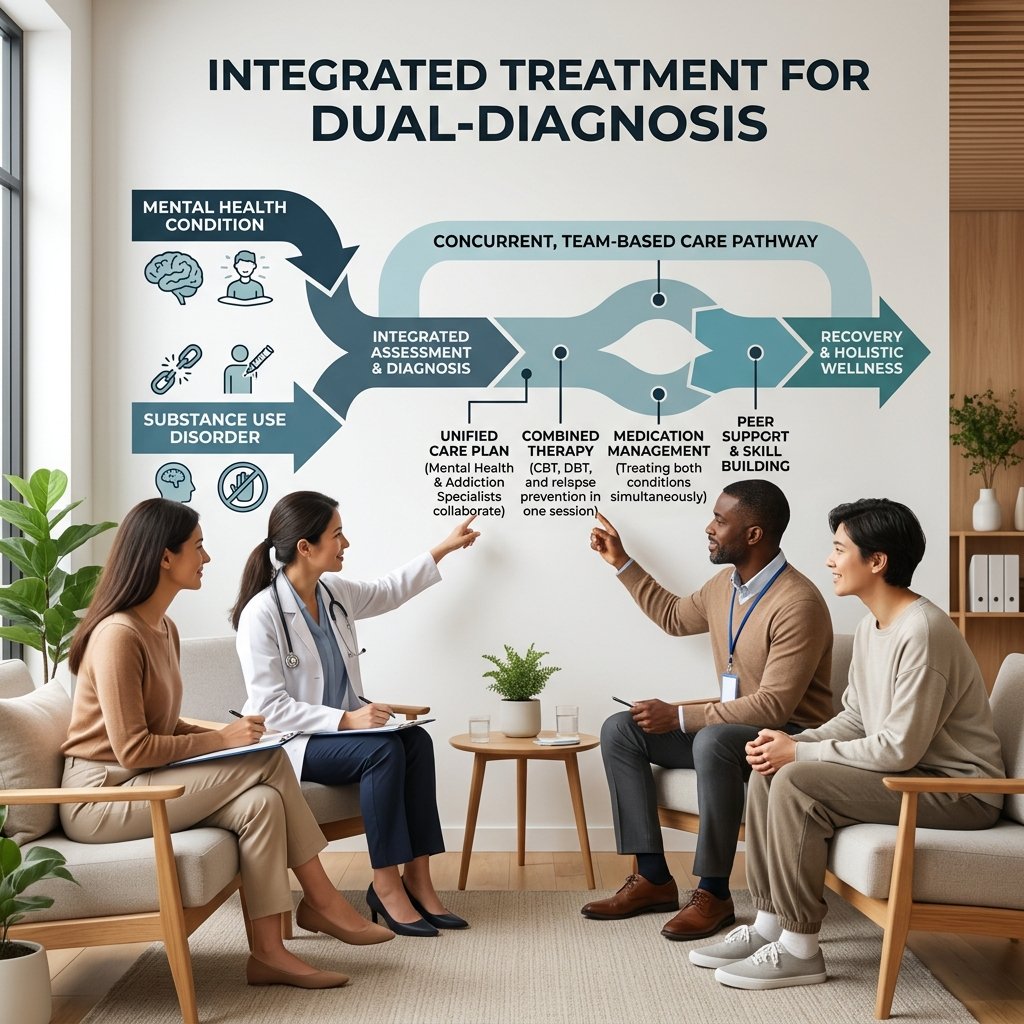
The Importance of Integrated Treatment

One of the key advantages of dual diagnosis treatment is that you can have addiction and mental health issues treated at the same time as part of an integrated plan.

Someone who is recovering from methamphetamine use (and experiences anxiety and/or paranoia) may benefit from being on serotonin reuptake inhibitors. Focusing on the substance abuse without treating chronic post-traumatic symptoms may actually complicate recovery efforts.

Integrated care can focus on:

  • Reducing harmful substance use
  • Managing mental health symptoms
  • Developing healthy coping skills
  • Improving daily functioning
  • Strengthening relationships
  • Preventing relapse
  • Supporting long-term recovery

Dual Diagnosis Recovery: Family Support

Families can have important challenges related to mental health and addiction problems. Relatives will wonder why anyone continues using even when it is plain to all that they have lost a job or destroyed a family.

Education can replace blame with a more informed understanding of both addiction and mental health.

Family members can help the recovery process by doing the following:

  • Encouraging professional treatment
  • Communicating calmly
  • Learning about co-occurring disorders
  • Setting clear and healthy boundaries
  • Supporting treatment appointments
  • Watching for changes in behavior
  • Taking warning signs seriously
  • Taking care of one’s own mental health

A positive family life can be a great supplement to therapeutic support, but it is not an alternative.

Relapse Prevention and Long-Term Care

Dual diagnosis recovery is most often an ongoing process because both substance-related triggers and mental health symptoms may change over time.

A relapse-prevention plan may include:

  • Continued counseling
  • Mental health follow-up
  • Medication management when prescribed
  • Identifying emotional and environmental triggers
  • Building a healthy support network
  • Staying in a consistent sleep pattern and daily routine
  • Avoiding high-risk situations
  • Developing stress-management skills
  • Seeking help early on when symptoms worsen

Callan: Recovery is not always a linear process. Rather than a reason to write off treatment, a decrease in substance uses or an increase in psychiatric symptoms can be impetus for reassessing treatment.

Selecting A Dual Diagnosis Therapy Facilities

Families seeking help for Dual Diagnosis Treatment in Pakistan should only look for a provider that can treat both substance use and mental health needs.

Useful questions include:

  • Is there a psychological evaluation provided?
  • Is evaluated for physical health and risk of withdrawal?
  • Addiction and mental health illness (mental disorders) often can be treated in concert.
  • Is individual counseling available?
  • Is family support included?
  • When appropriate, are medications managed by qualified professionals?
  • Does the program include relapse prevention?
  • Is there a continuing care plan or aftercare program?

Individuals and families searching for managed, structured addiction and mental health support in Islamabad may consider The Hope Rehabilitation Center Islamabad, Pakistan.

Frequently Asked Questions

1.     What does dual diagnosis mean?

Dual diagnosis = both a problem with the substance AND another mental health matter successfully diagnosed!! These two issues could interact and impact recovery.

2.     Can addiction cause mental health problems?

Certain compounds can lead to psychological symptoms or intensify pre-existing problems, plus withdrawal may affect mood, sleep and behavior. This will play a vital role in defining the correlation between the symptoms of mental health and substance use with a professional assessment.

3.     Another name for dually diagnosed cases is comorbid patients in which a person is suffering from both depression and drug addiction.

Depression and substance use disorders can overlap. That while treatment may only need consider one and not the all to think we both will be resolved.

4.     Is it enough to just detox with a dual diagnosis?

Detox, by its very nature, is about withdrawal and short-term solutions to the physical challenges of stopping. You may require ongoing treatment for addiction, mental health symptoms, coping skills and relapses.

5.     How long does dual diagnosis treatment withdrawal take?

No one holotype timeline It depends on the substances used, the severity of any underlying mental health condition, one’s physical health status, how responsive one is to treatment and whether continuing support and/or counseling are required.

Conclusion

An integrated approach for people dealing with both addiction and mental health challenges could be offered by Dual Diagnosis Therapy in Pakistan. A more holistic approach that recognizes how substance use, emotions, behavior, physical health and relationships work together as opposed to treating these problems in isolation.

You are supported by involucrate, correct withdrawal management, psychological therapy, family conditioning and ongoing ease handling. Islamabad The Hope Rehabilitation Center Islamabad, Pakistan provide live-in rehabilitation for individuals and families][6] in Pakistan along with structured support for addiction recovery and co-occurring mental health problems.

Dual Diagnosis Treatment – Dual Diagnosis Treatment in Islamabad, Pakistan

Dual Diagnosis Treatment – Dual Diagnosis Treatment in Islamabad, Pakistan

Dual diagnosis means someone has both a substance uses disorder and some kind of mental health disorder. If the problem is addressed on its own, it means that other co-occurring concerns could affect one another and complicate recovery. This integrated, person-centered approach helps someone to get the help they need for their addiction as well as with their mental health.

Both individuals and families applying for Dual Diagnosis Treatment Pakistan, first assessment by expert Care at The Hope Rehabilitation Center Islamabad, Pakistan can be tailored to the person, their use of alcohol or drugs, mental health, health conditions, family situation and goals for recovery.

What Is Dual Diagnosis Treatment?

Dual diagnosis treatment is an integrated approach for people experiencing both addiction and a mental health condition. Instead of viewing these issues as completely independent problems, healthcare providers assess how they interact and come up with a coordinated plan.

Substance use disorders may involve:

  • Alcohol
  • Heroin and other opioids
  • Cocaine
  • Crystal methamphetamine or ICE
  • Cannabis or marijuana
  • Prescription medications
  • Benzodiazepines

Common co-occurring mental health disorders include: Affective disorders, such as depression and bipolar disorder Anxiety disorders PTSD, or post-traumatic stress disorder Other mental health conditions

Interpretation of an online assessment for mental health or substance use disorder can only be done by a qualified professional.

Why Can Addiction & Mental Health Problems Happen Together?

There is not one because you can point to that explains co-occurring conditions. Several factors can contribute.

Self-Medication

Alcohol or drugs are often used by some people as an escape from feeling stressed, depressed, traumatized, unable to sleep or without other problems negatively affecting their mental health. While using substances can give the illusion of relief in the short term, over time it creates a cycle of dependency, often exacerbating symptoms.

Effects of Substance Use

Chronic substance use can impact sleep, mood, cognition and brain function. For some individuals, it may activate or worsen psychological symptoms.

Trauma and Stress

Exposure to trauma and chronic stress are risk factors for mental health problems in both adults and youth, as well as problematic substance use.

Shared Risk Factors

Both conditions may have a genetic component, and family history, social circumstances and environmental pressures all play a role as well.

Red flags that indicate you may want to consider a dual diagnosis assessment

Potential warning signs include:

  • Persistent sadness or anxiety
  • Significant mood changes
  • Intense desire for drugs or alcohol
  • Difficulty controlling substance use
  • Social withdrawal
  • Sleep disturbances
  • Problems at work or school
  • Difficulty managing emotions
  • A substance use disorder characterized by ongoing use notwithstanding transitory challenges
  • Repeated unsuccessful attempts to stop

These symptoms do not make a diagnosis You will need a full professional assessment.

How Dual Diagnosis Treatment Works

Dual Diagnosis Treatment – Dual Diagnosis Treatment in Islamabad, Pakistan

Comprehensive Assessment

Typically, treatment starts with an evaluation and review of substance use, mental health symptoms, medical history, medications, family situation and prior treatment.

The complete view enables clinicians to prioritize and select a suitable care level.

Medical Detoxification

Others need to participate in withdrawal management under supervision before starting rehabilitation. The necessity for detoxification is contingent on the substance which was abused as well as physical dependence, withdrawal dangers and health condition.

Many substances (e.g. Alcohol, Benzodiazepines) can cause potentially life-threatening withdrawal syndromes making it crucial that such a process be formally assessed.

Individual Therapy

Personalized treatment provides a confidential space to talk about substance-use triggers, emotional well-being and trauma, behavioral issues, and personal recovery goals.

Cognitive Behavioral Therapy

Cognitive Behavioral Therapy (CBT)-good for spotting negative thought patterns and instead develop better responses to issues such as cravings, anxiety, stress, etc.

Group Therapy

Group sessions may offer peer support and the chance to gain insights from others dealing with similar recovery issues.

Medication Management

When clinically indicated, medical professionals may treat certain mental health diagnoses or substance use disorders with pharmacologic agents. Drugs should be chosen and monitored on the basis of a person’s medical necessities.

Dual Diagnosis Treatment Among Family

Co-occurring disorders treatment is a family affair. Relatives may find it difficult to determine if certain behaviors are addiction-related, as part of mental health symptoms or both.

Relatives: Family counseling and education might be helpful for you.

  • Understand co-occurring disorders
  • Communicate more effectively
  • Establish healthy boundaries
  • Encourage appropriate treatment
  • Recognize warning signs
  • Support relapse prevention

The Hope Rehabilitation Center Islamabad, Pakistan views family involvement on a case-by-case basis, as appropriate and aligned with the treatment plan of the individual recipient and their privacy.

Relapse Prevention and Aftercare

While withdrawal symptoms may ease often, recovery does not end there. Mental health symptoms and substance-use cues may still need treatment as well.

An aftercare plan may include:

  • Ongoing counseling
  • Mental health follow-up
  • Medication monitoring when prescribed
  • Family support
  • Healthy daily routines
  • Stress-management techniques
  • Support groups
  • Relapse-prevention planning

In the event of resumption of using substances, a professional reassessment can identify any problems that may have contributed to this choice and whether treatment needs to be modified.

Why Integrated Care Matters

It is not uncommon to leave major challenges to recovery unaddressed when addiction is treated without considering the presence of an underlying mental health condition. Likewise, managing psychological symptoms without properly addressing problem substance use can complicate sustained improvement.

Unfortunately, integrated care enables professionals to look at both conditions and how they interact. Since conditions vary in combination and severity, treatment continues to be individualized.

Frequently Asked Questions (FAQs)

1.     What is dual diagnosis?

Dual diagnosis describes the existence of a substance use disorder and mental health condition within an individual person.

2.     What mental illnesses can accompa­ny addiction?

Anxiety disorders, depression, bipolar disease, posttraumatic stress disorder (PTSD), and other mental health issues are frequently co-occurring with substance use disorders. Diagnosis requires an objective assessment.

3.     Can dual diagnosis be treated?

Yes. Withdrawal management, psychotherapy and CBT, medication as needed, family support, recovery planning for long-term prevention of relapse (relapse is common in this disorder), follow-up mental health care.

4.     Is detoxification always required?

Is it true that detoxification is possible for everyone? No, detoxification really depends on the substance but also on the level of physical dependence, withdrawal risk and health of individual. A qualified professional would need to make the best recommendation for level of care.

5.     What can Families do for a Person with Dual Diagnosis?

Families will learn about co-occurring conditions, develop respectful communication skills, establish and maintain healthy boundaries, support their loved ones in professional treatment where necessary, and engage in family therapy when appropriate.

Conclusion

Dual diagnosis can complicate challenges because mental health conditions and substance use disorders may interact. Tackling these two issues together with an integrated treatment model guides you towards a sustainable recovery.

The Hope Rehabilitation Center Islamabad, Pakistan focused individually suitable Dual Diagnosis Treatment in Islamabad, Pakistan based on assessment, clinical care, addiction treatment and evidence-based therapy with long-term family support, relapse prevention and continuing care. With professional support, individuals can clarify the nature of their situations and take decisive steps to achieve better health, greater stability and improved overall quality of life.

Dual Diagnosis Treatment – Dual-Diagnosis Treatment in Islamabad, Pakistan

Dual Diagnosis Treatment – Dual-Diagnosis Treatment in Islamabad, Pakistan

Dual diagnosis is when a person has both a substance uses disorder and another mental health condition. Because of the interrelationship between these co-occurring conditions, only treating one problem at a time will not help with recovery in case another condition exists. This integrated approach serves to help those in need of addiction and mental health support ultimately manage day-to-day stressors in healthier ways.

If you are looking for Dual-Diagnosis Treatment in Islamabad, Pakistan professional assessment can be a good first step. The Hope Rehabilitation Center Islamabad, Pakistan program is built around individual care, dignity, privacy and the best available scientific treatment methods.

What Is Dual-Diagnosis Treatment?

A dual-diagnosis treatment is a comprehensive treatment method for individuals with both mental health and substance use issues. Rather than considering addiction and psychological issues in isolation, clinicians consider how the two interact and create a coordinated treatment plan.

Substance use disorders can be related to alcohol, opioids or opiates, such as heroin and oxycodone; cocaine or cannabis prescriptions including Ritalin and non-prescription stimulants like crystal meth.

Some of the common mental health issues that co-occur with use of substances are:

  • Depression
  • Anxiety disorders
  • Bipolar disorder
  • Post-traumatic stress disorder (PTSD)
  • Trauma-related conditions
  • Other mood or behavioral disorders

Only a professional evaluation can ascertain the specifics of an individual diagnosis and require by way of treatment.

Why do you get co-occurring mental health and addiction conditions?

The causes of dual diagnosis are many, and not unique. It could be due to various biological, psychological or environmental factors.

Self-Medication

Many people are treated not with medication but by using alcohol or drugs for a brief relief from anxiety, sadness, trauma, insomnia and other painful signs. Substances may offer temporary relief, but in the long run they can be detrimental to mental health and create addictions.

Effects of Substance Use

Using substances over and over can disrupt how your brain works, or it may affect your sleep, mood and behavior. In some patients, this can cause or exacerbate psychological symptoms.

Trauma and Chronic Stress

Adversity, chronic stress or exposure to trauma can increase the risk of developing mental health problems and substance use disorders.

Shared Risk Factors

Both kinds of illnesses do occur potentially due to genetics and family history, social situations and loss of environmental assurance.

Indicators That a Person May Prefer To Seek Dual-Symptom Maintenance

They can have various warning signs, such as:

  • Persistent sadness or anxiety
  • Significant mood changes
  • Intense craving — for drugs or alcohol
  • Social withdrawal
  • Difficulty managing emotions
  • Sleep disturbances
  • Declining work or academic performance
  • Substance uses despite harmful consequences
  • Repeated unsuccessful previous attempts to cut down or stop using substances

The diagnosis is not made by these signs alone. A competent professional needs to carry out a detailed analysis.

How Dual-Diagnosis Treatment Works

Dual Diagnosis Treatment – Dual-Diagnosis Treatment in Islamabad, Pakistan

Comprehensive Assessment

An assessment of substance use, mental health symptoms, medical history, medications, family situation and any treatment history is carried out to begin with.

This provides an assessment to clinicians to prioritize and begin treatment at the correct level of care.

Medical Detoxification

If you have physical dependence, you may require supervised detoxification. Detox aims at managing the withdrawal and putting the individual in a stable condition with rest of rehabilitation and psychological treatment.

Individual Therapy

In individual counseling, you will have the opportunity to discuss inner struggles; witnessed substance-use patterns, triggers and trauma; and behavioral challenges in a private setting.

Cognitive Behavioral Therapy (CBT)

CBT enables a person to identify unhelpful thoughts and behaviors, such as a need for alcohol or the inability to deal with anxiety or stress, and develop coping strategies.

Group Therapy

Group therapies are another form of treatment where you gain encouragement, help and a chance to hear from people struggling with the exact same steps in recovery.

Medication Management

Clinical psychologists are qualified to use medications to treat certain mental health disorders or substance use disorders when deemed appropriate. Individual medical assessment always must decide the use of medication.

The Importance of Family Support

Having family members who understand both addiction and mental health conditions can help strengthen recovery.

Family support may involve:

  • Education about co-occurring disorders
  • Family counseling
  • Improved communication
  • Healthy boundaries
  • Relapse-prevention education
  • Emotional support

The Hope Rehabilitation Center Islamabad, Pakistan also incorporate family involvement into treatment as appropriate based on clinical judgement and the likelihood that accommodation of the family members alternative beliefs will further enhance client engagement.

Relapse Prevention and Aftercare

In cases of dual-diagnosis, the need for support remains after intensive treatment. Relapse Prevention is about spotting the signs of trouble early and getting help before things get out of hand.

An aftercare plan may include:

  • Ongoing counseling
  • Mental health follow-up
  • Medication monitoring when prescribed
  • Support groups
  • Family involvement
  • Healthy daily routines
  • Stress-management strategies

For this reason, continued treatment for both disorders is needed as deterioration of mental health symptoms can lead to a greater risk of substance use and the impact of harmful substances may aggravate psychological symptoms.

Benefits of Integrated Care

An integrated approach to treatment can provide individuals with:

  • Tackle addiction and mental health hand-in-hand
  • Understand personal triggers
  • Develop healthier coping skills
  • Improve emotional regulation
  • Strengthen relationships
  • Establish healthier routines
  • Reduce the risk of relapse
  • Improve overall quality of life

Recovery is not the same for everyone; some people may progress more quickly than others.

Frequently Asked Questions (FAQs)

1.     What is dual diagnosis?

Dual diagnosis is when you have both a substance uses disorder and a mental health condition at the same time.

2.     Why are both conditions necessary to be treated in tandem?

Addiction and mental health disorders can affect one another. By treating both together, the treatment plan accounts for all factors impacting recovery.

3.     What therapies may be employed for dual-diagnosis treatment methods?

Treatment may be based on resident needs, and can include individual counseling, CBT, group therapy, family counseling, medical care, and medication management as clinically appropriate.

4.     Is detoxification always required?

Not necessarily. Detox is contingent on the specific substance, strength of dependence and danger of withdrawal, as well as the patient’s overall health. Appropriate care is determined through a professional assessment.

5.     What can families do to support a person with dual diagnosis?

Families can educate themselves about co-occurring disorders, encourage appropriate treatment at the right time treatment, learn how to communicate with respect and set healthy boundaries and as needed engage in family counseling.

Conclusion

Because substance use and mental health conditions may interact in ways that fuel each other, dual diagnosis can present a complicated set of challenges. But an integrated approach will address both domains, promoting better coping and a stronger support network.

The Hope Rehabilitation Center Islamabad, Pakistan are specialized in providing Dual-Diagnosis Treatment in Islamabad, Pakistan that includes addiction recovery support with mental health care services, therapy, family involvement, and skills for relapse prevention. However, with proper professional assessment and ongoing care, there are good steps that can be taken toward enhanced wellness and lasting recovery.

Dual-Diagnosis | Integrated Treatment for Addiction and Mental Health

Dual-Diagnosis | Integrated Treatment for Addiction and Mental Health

Dual-diagnosis, also known as co-occurring disorders, refers to the presence of both a substance use disorder and a mental health condition at the same time. These conditions often influence one another, making recovery more complex if only one issue is addressed. Individuals may struggle with addiction while also experiencing depression, anxiety, bipolar disorder, post-traumatic stress disorder (PTSD), or other mental health concerns.

Effective treatment requires an integrated approach that addresses both conditions simultaneously. At The Hope Rehabilitation Center Islamabad, Pakistan, dual-diagnosis treatment programs are designed to provide comprehensive, evidence-based care that supports both mental wellness and long-term recovery from addiction.

What Is Dual-Diagnosis?

Dual-diagnosis occurs when a person experiences both a mental health disorder and a substance use disorder. In some cases, mental health symptoms may contribute to substance use as individuals attempt to cope with emotional distress. In other situations, prolonged substance use may worsen or trigger mental health symptoms.

Because these conditions are closely connected, treating one while ignoring the other may reduce the effectiveness of recovery efforts. A coordinated treatment plan helps individuals address the full range of their healthcare needs.

Common Mental Health Conditions Associated with Dual-Diagnosis

Several mental health disorders may occur alongside addiction, including:

  • Depression
  • Anxiety disorders
  • Bipolar disorder
  • Post-traumatic stress disorder (PTSD)
  • Obsessive-compulsive disorder (OCD)
  • Personality disorders
  • Schizophrenia and other psychotic disorders

A professional assessment helps determine whether both conditions are present and guides the development of an individualized treatment plan.

Signs and Symptoms of Dual-Diagnosis

Recognizing dual-diagnosis can be challenging because symptoms of addiction and mental health conditions often overlap.

Emotional Symptoms

  • Persistent sadness
  • Anxiety or excessive worry
  • Mood swings
  • Irritability
  • Feelings of hopelessness
  • Difficulty managing emotions

Behavioral Symptoms

  • Increased use of alcohol or drugs
  • Withdrawal from family and friends
  • Difficulty maintaining work or education
  • Poor decision-making
  • Changes in daily routines
  • Loss of interest in enjoyable activities

Physical Symptoms

  • Sleep disturbances
  • Changes in appetite
  • Fatigue
  • Low energy
  • Difficulty concentrating

At The Hope Rehabilitation Center Islamabad, Pakistan, comprehensive evaluations help healthcare professionals understand both the addiction and the individual’s mental health needs.

Why Integrated Treatment Is Important

Dual-Diagnosis | Integrated Treatment for Addiction and Mental Health

Treating addiction without addressing mental health concerns—or vice versa—may leave underlying challenges unresolved. Integrated treatment aims to improve overall recovery by providing coordinated care for both conditions.

Benefits of integrated treatment include:

  • More accurate diagnosis
  • Personalized treatment planning
  • Improved emotional well-being
  • Better coping strategies
  • Reduced risk of relapse
  • Stronger long-term recovery outcomes

Treatment Options for Dual-Diagnosis

Comprehensive Assessment

Treatment begins with a detailed evaluation of physical health, mental health, substance use history, and personal recovery goals.

Individual Counseling

One-on-one counseling helps individuals explore emotional challenges, identify triggers, and develop healthier coping strategies.

Behavioral Therapy

Evidence-based therapies, including Cognitive Behavioral Therapy (CBT), help individuals recognize negative thought patterns, improve emotional regulation, and manage both mental health symptoms and substance use triggers.

Medication Management

For some individuals, medications may be recommended by qualified healthcare professionals as part of an overall treatment plan. Medication decisions are based on a thorough clinical assessment and ongoing monitoring.

Group Therapy

Group counseling offers opportunities for peer support, shared experiences, and practical recovery skills in a supportive environment.

The Role of Family Support

Family involvement can strengthen recovery by improving communication, increasing understanding, and providing emotional encouragement.

Family counseling may help:

  • Improve relationships
  • Reduce misunderstandings
  • Strengthen healthy boundaries
  • Support treatment participation
  • Encourage long-term recovery

At The Hope Rehabilitation Center Islamabad, Pakistan, family participation may be included whenever appropriate and beneficial to the individual’s treatment plan.

Relapse Prevention

Recovery from dual-diagnosis continues after formal treatment ends. Ongoing support helps individuals maintain emotional stability and reduce the likelihood of relapse.

Relapse prevention strategies may include:

  • Continuing therapy
  • Managing stress effectively
  • Recognizing emotional triggers
  • Following personalized treatment recommendations
  • Maintaining healthy routines
  • Participating in aftercare programs

Long-term recovery is strengthened through consistent follow-up care and ongoing support.

Why Professional Care Matters

Dual-diagnosis requires careful assessment and coordinated treatment from experienced healthcare professionals. Individualized care helps ensure that both addiction and mental health concerns are addressed together rather than separately.

At The Hope Rehabilitation Center Islamabad, Pakistan, treatment programs focus on compassionate care, clinical expertise, and evidence-based therapies that support lasting recovery and improved overall well-being.

Frequently Asked Questions (FAQs)

1. What is dual-diagnosis?

Dual-diagnosis refers to the presence of both a mental health disorder and a substance use disorder occurring at the same time.

2. Why is integrated treatment important?

Integrated treatment addresses both conditions together, helping individuals receive more comprehensive and coordinated care.

3. Can mental health conditions contribute to addiction?

Yes. Some individuals may use substances in an attempt to cope with emotional distress, while substance use may also worsen existing mental health symptoms.

4. What therapies are commonly used for dual-diagnosis?

Treatment may include individual counseling, Cognitive Behavioral Therapy (CBT), group therapy, family counseling, and medication management when clinically appropriate.

5. Can people recover from dual-diagnosis?

Yes. With personalized treatment, ongoing support, and a comprehensive care plan, many individuals successfully manage both conditions and achieve long-term recovery.

Conclusion

Dual-diagnosis presents unique challenges because addiction and mental health conditions often influence one another. Addressing both conditions through an integrated treatment approach can improve emotional well-being, strengthen recovery, and support long-term health.

At The Hope Rehabilitation Center Islamabad, Pakistan, dual-diagnosis treatment combines comprehensive assessment, counseling, behavioral therapies, family involvement, and relapse prevention planning to provide holistic care. Through individualized treatment and compassionate support, individuals can work toward lasting recovery and a healthier, more balanced future.

Cocaine Addiction – Cocaine Addiction Treatment at Islamabad, Pakistan

Cocaine Addiction – Cocaine Addiction Treatment at Islamabad, Pakistan

Cocaine use disorder, more commonly known as cocaine addiction, is a compulsive psychological and physical dependence on the drug that can have devastatingly detrimental consequences to all areas of one’s life. Cocaine is a powerful stimulant which gives temporary feelings of increased energy and euphoria but with repeated use rapidly induces tolerance, dependence and addiction. Cocaine use disorder, if not handled in a timely manner, can lead to catastrophic medical, psychosocial and behavioral issues.

Cocaine is an extremely addictive and highly dangerous drug. For those needing help in terms of Cocaine Addiction Treatment, read about the risks, symptoms and recovery options below. The treatment programs at the The Hope Rehabilitation Center Islamabad, Pakistan are tailored to help provide evidence-based, ethical treatment that is compassionate and supportive of continued recovery.

What Is Cocaine Addiction?

Cocaine addiction is typically regarded as a physical or psychological dependence on cocaine that leads the individual to continue taking it despite harmful consequences. Cocaine acts on the reward system of the brain by more or less bursting with increased dopamine levels that produce very intense pleasure and triggers a desire to use it again.

The brain slowly down-regulates its natural reward response, and eventually the drug is incapable of producing a high without medical assistance.

Symptoms and Signs of Cocaine Addiction

Knowing the first signs of cocaine addiction can prompt early intervention and increase the chances of recovery.

Common symptoms include:

  • Intense cravings for cocaine
  • Increased tolerance
  • Mood swings
  • Restlessness and irritability
  • Anxiety or panic attacks
  • Insomnia
  • Loss of appetite
  • Weight loss
  • Poor concentration
  • Neglecting responsibilities at work, school or home

These symptoms are sometimes progressive and tend to worsen the more you become addicted.

Causes of Cocaine Addiction

Many reasons explain the addiction to cocaine.

Emotional Stress

Certain people use cocaine to numb emotional discomfort, stress, or struggles in their lives.

Mental Health Disorders

Anxiety, depression and trauma are conditions that can lead to substance misuse.

Peer Pressure

Most studies also provide estimates of the (relative) contribution of social environments and/or peer influence to the use of drugs for recreational purposes, especially in young adults.

Genetic and Family Factors

Having a family history of addiction may predispose to type dependence on substances.

Knowing those factors assists the practitioners in developing personalized treatment plans.

Health Risks of Cocaine Addiction

Cocaine is one of the most widely used illicit drugs and has such a power to almost have an effect on every organ in the body when someone long-term uses cocaine

Physical Health Risks

Potential complications include:

Cocaine Addiction – Cocaine Addiction Treatment at Islamabad, Pakistan
  • High blood pressure
  • Irregular heartbeat
  • Heart attack
  • Stroke
  • Respiratory problems
  • Weight loss
  • Seizures
  • Increased risk of overdose

Mental Health Effects

The cocaine addiction can also lead to:

  • Anxiety
  • Depression
  • Paranoia
  • Hallucinations
  • Aggressive behavior
  • Memory problems
  • Emotional instability

Often to recover you have to treat both the addiction and mental illness.

The Necessity of Professional Cocaine Addiction Treatment

With frequent cocaine use, increased cravings and withdrawal symptoms make quitting on your own challenging. An organized treatment program can offer medical monitoring, emotional support and working therapies in order to help individuals recovering safely.

Cocaine Addiction Treatment in Islamabad, Pakistan provides aid to individuals who:

  • Manage withdrawal symptoms
  • Reduce cravings
  • Improve emotional well-being
  • Identify addiction triggers
  • Build healthier coping strategies
  • Lower the risk of relapse

The Hope Rehabilitation Center Islamabad, Pakistan offer personalized treatment plans based on each individual’s recovery needs.

Treatment Approaches for Cocaine Addiction

Medical Assessment

The process for getting better starts with an initial assessment, which involves thorough physical health and mental health assessments, a complete past history of substance use.

Detoxification

Cocaine detoxification is the process through which cocaine is removed from your system, and a healthcare provider assists in monitoring you as you go through withdrawal symptoms and overall health.

Individual Counseling

Individual counseling encourages patients to explore the emotional and psychological roots of their compulsions, as they learn how to cope effectively.

Cognitive Behavioral Therapy (CBT)

Cognitive Behavioral Therapy (CBT) is an evidence based therapy that allows patients to identify unhealthy thinking habits and replace them with positive behavior.

Group Therapy

Group therapy offers encouragement, accountability, and companionship from others who are also on a journey of recovery.

Family Support Programs

Family Therapy enhances communication, restores trust and provides a safe environment that facilitates long journey of recovery.

Relapse Prevention Strategies

This is recovered by holistic thinking and strong relapse prevention planning after the treatment.

Helpful strategies include:

  • Identifying personal triggers
  • Managing stress in healthy ways
  • Attending follow-up counseling
  • Maintaining structured daily routines
  • Building positive relationships
  • Participating in ongoing recovery programs

Relapse Prevention Stage at The Hope Rehabilitation Center Islamabad, Pakistan

Significance of mental well-being professionals

Most people with cocaine addiction experience mental illnesses such as:

  • Anxiety disorders
  • Depression
  • Trauma-related disorders
  • Chronic stress

Dual diagnosis (addiction and mental health) can lead to better treatment outcomes and a better quality of life long-term.

Frequently Asked Questions (FAQs)

1.     What is cocaine addiction?

Cocaine addiction is a substance use disorder characterized by the compulsive desire to take cocaine despite harmful consequences.

2.     Can cocaine addiction be treated?

Yes. The combination of detoxification, counseling, behavioral therapy and relapse prevention can help make successful recovery a lasting reality.

3.     What Are Symptoms of Cocaine Withdrawal?

The possible withdrawal symptoms include dysphoria, fatigue, depression, anxiety, sleep disturbances or excessive somnolence [66], increased appetite and strong cravings.

4.     Cocaine addiction therapy: Why is it important?

Therapy is the process of understanding how addiction starts and ends, developing healthy coping skills, and reducing the risk of relapse.

5.     Can family involvement improve recovery?

Yes. Family support can also enhance emotional well-being, foster healthy communication styles and re-enforce long-term recovery commitment.

Conclusion

Cocaine addiction is a chronic illness that is treatable & affects both physical and mental health. With sufficient intervention and professional treatment, how well an individual recovers can improve positively. Abstract Cocaine addiction treatment in Islamabad, Pakistan offers a structured environment and therapeutic care to overcome addiction and regain a healthier life.

The The Hope Rehabilitation Center Islamabad, Pakistan offer a variety of comprehensive treatment programs, including Safe detoxification Evidence based therapies Mental health care Family support Relapse prevention with skilled and nurturing care, people can begin their long-term healing journey in a drug-free life.

Treatment Programs | Comprehensive Care for Addiction and Mental Health Recovery

Treatment Programs | Comprehensive Care for Addiction and Mental Health Recovery

Recovery is a personal journey, and every individual has unique needs, experiences, and challenges. Effective treatment programs are designed to provide structured, compassionate, and evidence-informed care that supports both physical and emotional healing. Whether someone is facing addiction, depression, anxiety, or another mental health condition, receiving professional support can be an important step toward long-term well-being.

Treatment programs combine medical care, psychological support, counseling, and lifestyle guidance to help individuals regain stability and develop healthier coping strategies. At The Hope Rehabilitation Center Islamabad, Pakistan, treatment plans are personalized to meet each person’s specific recovery goals while maintaining a respectful, confidential, and supportive environment.

What Are Treatment Programs?

Treatment programs are organized plans of care that help individuals recover from substance use disorders, mental health conditions, or both. These programs often include a combination of medical assessment, therapy, counseling, education, and follow-up support.

The purpose of treatment is not only to reduce symptoms but also to improve emotional resilience, daily functioning, and overall quality of life.

Depending on individual needs, treatment programs may be short-term or long-term and can involve different levels of care.

Types of Treatment Programs

Inpatient Rehabilitation

Inpatient programs provide 24-hour care in a structured setting where individuals can focus entirely on recovery. This option may be appropriate for those with severe addiction, complex mental health conditions, or a need for close supervision during treatment.

Outpatient Services

Outpatient treatment allows individuals to receive therapy and counseling while continuing with work, education, or family responsibilities. Scheduled appointments provide ongoing professional support without requiring residential care.

Detoxification Programs

For individuals with substance dependence, detoxification may be the first stage of treatment. During detox, the body gradually clears addictive substances while withdrawal symptoms are monitored and managed by healthcare professionals.

Mental Health Support Programs

Mental health treatment programs may include therapy, psychiatric assessment, emotional wellness planning, and coping skills development for conditions such as depression, anxiety, trauma, or stress-related disorders.

At The Hope Rehabilitation Center Islamabad, Pakistan, treatment recommendations are based on each individual’s clinical assessment and recovery needs.

Key Components of an Effective Treatment Program

Comprehensive Assessment

Treatment begins with a detailed evaluation of physical health, mental well-being, substance use history, and personal circumstances. This assessment helps professionals create an individualized care plan.

Individual Counseling

One-on-one counseling provides a confidential space where individuals can discuss emotional challenges, identify personal goals, and develop healthier coping strategies.

Behavioral Therapy

Evidence-based therapies, including Cognitive Behavioral Therapy (CBT), can help individuals recognize negative thought patterns, manage triggers, and build positive behavioral changes.

Treatment Programs | Comprehensive Care for Addiction and Mental Health Recovery

Group Therapy

Group sessions encourage individuals to share experiences, learn from others, and develop a sense of community during recovery.

Family Support

Family involvement may be incorporated into treatment when appropriate. Family counseling can improve communication, rebuild trust, and strengthen support systems at home.

Benefits of Structured Treatment Programs

Professional treatment offers several advantages that support lasting recovery, including:

  • Personalized care based on individual needs
  • Professional guidance from trained healthcare providers
  • Emotional support in a safe and respectful environment
  • Development of healthy coping skills
  • Improved understanding of addiction and mental health
  • Long-term recovery planning

Structured care helps individuals address not only symptoms but also the underlying factors contributing to their condition.

The Importance of Aftercare

Recovery continues after formal treatment ends. Aftercare programs help individuals maintain progress and manage challenges during daily life.

Aftercare may include:

  • Follow-up counseling
  • Relapse prevention planning
  • Support group participation
  • Mental health check-ins
  • Lifestyle and wellness guidance

At The Hope Rehabilitation Center Islamabad, Pakistan, ongoing support is considered an important part of long-term recovery and emotional well-being.

Building Healthy Habits During Recovery

Treatment programs often encourage individuals to develop routines that support overall health, such as:

  • Maintaining regular sleep schedules
  • Eating balanced meals
  • Participating in physical activity
  • Practicing stress management techniques
  • Strengthening positive social relationships

These habits can contribute to greater emotional stability and improved quality of life.

Frequently Asked Questions (FAQs)

1. What is the purpose of a treatment program?

A treatment program provides structured care to help individuals manage addiction, mental health conditions, and related challenges while supporting long-term recovery.

2. How do professionals decide which treatment program is appropriate?

Healthcare professionals perform a comprehensive assessment to determine the individual’s needs, health status, and recovery goals before recommending a treatment plan.

3. Can treatment programs address both addiction and mental health conditions?

Yes. Many individuals benefit from integrated care that addresses substance use disorders and co-occurring mental health conditions together.

4. Is family involvement important during treatment?

Family participation can improve communication, strengthen emotional support, and contribute positively to the recovery process when appropriate.

5. Why is aftercare important?

Aftercare provides continued guidance, emotional support, and relapse prevention strategies that help individuals maintain progress after completing formal treatment.

Conclusion

Treatment programs provide a structured pathway toward recovery by addressing the physical, emotional, and psychological aspects of addiction and mental health conditions. Every individual’s journey is different, which is why personalized care, professional guidance, and ongoing support are essential components of effective treatment.

At The Hope Rehabilitation Center Islamabad, Pakistan, treatment programs are designed with compassion, professionalism, and respect for each person’s unique needs. Through comprehensive assessment, therapy, counseling, family involvement, and aftercare planning, individuals are supported as they work toward improved health, emotional well-being, and a more stable future.

Family Support Program | Strengthening Recovery Through Care and Connection

Family Support Program | Building Stronger Families for Lasting Recovery

Recovery from addiction or mental health challenges is rarely a journey taken alone. Family plays a powerful role in helping individuals heal, rebuild trust, and maintain long-term stability. A Family Support Program is designed to involve loved ones in the treatment process, offering education, emotional guidance, and structured support.

When a person struggles with addiction, depression, trauma, or behavioral health issues, the entire family can be affected. Emotional stress, communication breakdown, and uncertainty often become part of daily life. A strong family support system can make recovery more stable and meaningful.

At The Hope Rehabilitation Center Islamabad, Pakistan, family support programs are an important part of treatment, helping both individuals and their families move toward healthier relationships and long-term healing.

What Is a Family Support Program?

A Family Support Program is a structured approach that helps family members understand addiction, mental health conditions, and the recovery process. It creates a safe space where families can learn how to support their loved one while also taking care of their own emotional well-being.

These programs may include:

  • Family counseling sessions
  • Emotional support meetings
  • Educational workshops
  • Conflict resolution guidance
  • Communication skill building

The goal is to strengthen family relationships and improve recovery outcomes.

Why Family Support Matters in Recovery

Addiction and mental health challenges can affect trust, communication, and emotional stability within a family. Without proper understanding, families may feel helpless or overwhelmed.

A family support program can help by:

  • Improving understanding of addiction and mental health
  • Reducing blame and confusion
  • Encouraging healthy communication
  • Building emotional resilience
  • Supporting long-term recovery goals

At The Hope Rehabilitation Center Islamabad, Pakistan, family involvement is encouraged when it can positively support the recovery journey.

How Addiction Affects Families

Substance use disorders often create challenges beyond the individual. Family members may experience:

Emotional Stress

Watching a loved one struggle can lead to anxiety, sadness, and emotional exhaustion.

Trust Issues

Repeated relapse, dishonesty, or unpredictable behavior can damage trust within the home.

Financial Strain

Addiction may create financial difficulties that affect the entire family.

Communication Problems

Families often struggle to talk openly about addiction, leading to conflict or silence.

A structured Family Support Program helps families address these issues in a healthy and productive way.

Key Elements of a Family Support Program

Family Support Program | Strengthening Recovery Through Care and Connection

Family Counseling Sessions

Counseling creates an environment where family members can express feelings, ask questions, and work through emotional challenges together.

At The Hope Rehabilitation Center Islamabad, Pakistan, these sessions are guided by trained professionals who focus on healing relationships and improving understanding.

Education About Addiction and Mental Health

Learning about addiction, relapse, withdrawal, and emotional triggers can help families respond with more patience and awareness.

Education can reduce misunderstandings and improve support at home.

Communication Skills Training

Healthy communication is essential during recovery. Families may learn:

  • Active listening
  • Setting boundaries
  • Managing conflict calmly
  • Expressing emotions clearly

These skills help reduce tension and build stronger relationships.

Relapse Prevention Support

Families can learn how to recognize warning signs of relapse and how to respond appropriately without panic or blame.

This can improve long-term recovery planning.

Benefits of Family Involvement in Recovery

Family support can improve treatment outcomes in many ways.

Emotional Encouragement

Support from loved ones can motivate individuals to stay committed to treatment.

Improved Accountability

Family involvement can help individuals stay focused on their recovery goals.

Better Home Environment

A healthy and supportive home can reduce stress and improve emotional stability.

Stronger Relationships

Recovery can create opportunities to rebuild trust and strengthen family bonds.

At The Hope Rehabilitation Center Islamabad, Pakistan, the goal is to help both individuals and families heal together.

Family Healing Is Important Too

Family members also need support. Living with addiction or mental health struggles can be emotionally draining. Family support programs remind loved ones that their well-being matters too.

Support may help family members:

  • Manage stress
  • Set healthy boundaries
  • Understand their own emotions
  • Develop better coping strategies

Healing as a family can create a stronger foundation for lasting recovery.

Frequently Asked Questions (FAQs)

1. What is a Family Support Program?

A Family Support Program helps families understand addiction and mental health while providing emotional support and guidance during recovery.

2. Why is family support important in addiction recovery?

Family support can improve motivation, emotional stability, and long-term recovery success.

3. Can family counseling help rebuild trust?

Yes. Counseling can improve communication and help repair damaged relationships over time.

4. Do family members need support too?

Yes. Addiction affects the whole family, and emotional support for loved ones is often important.

5. Can family support reduce relapse risk?

A supportive and informed family environment can help individuals stay focused on recovery and recognize challenges early.

Conclusion

A Family Support Program is an important part of recovery because it recognizes that healing often involves more than one person. Addiction and mental health challenges can affect the entire family, but with education, counseling, and emotional support, families can become a strong source of encouragement and stability.

At The Hope Rehabilitation Center Islamabad, Pakistan, family support programs are designed to strengthen relationships, improve communication, and support lasting recovery. Through shared understanding and professional guidance, families can move forward together with greater hope, trust, and emotional balance.

Drugs Addiction – Drug Addiction Treatment in Islamabad, Pakistan

Drugs Addiction – Drug Addiction Treatment in Islamabad, Pakistan

Drug dependency is a brain disorder characterized by compulsive engagement in rewarding stimuli, despite adverse consequences. It occurs when an individual becomes reliant on harmful substances, but struggles to stop using them despite the negative effects. Ans – It can destroy your physical health, emotional stability, relationships and day to day life everything. If left unaddressed, however, it can ultimately result in significant health risks.

However, for people who are looking every route to get Drug Addiction Treatment in Islamabad Pakistan, it is important that they know about the causes, symptoms & rehabilitation procedure. The Hope Rehabilitation Center Islamabad, Pakistan provide professional, ethical treatment programs in conjunction with ongoing care to ensure patients always have loving support during their long-lasting recovery.

What Is Drug Addiction?

Drug addiction is a prolonged disorder characterized by compulsive drug seeking and use that is mostly uncontrollable, despite harmful consequences. Drugs act on brain neurochemicals that govern pleasure and reward, lending themselves as reinforcing agents which makes it more difficult to stop taking the substance.

Common addictive substances include:

  • Heroin
  • Cocaine
  • Crystal meth (ICE)
  • Cannabis (marijuana)
  • Prescription painkillers
  • Opioids
  • Sleeping pills

However, each has a different mode of action on the body and each can result in dependency.

The Clinical Features of Drug or/and Drug Addiction

Identifying the early warning signs of addiction – as it is coming – can really help.

Common symptoms include:

  • Strong cravings for drugs
  • Loss of control over usage
  • Increased tolerance
  • Withdrawal symptoms
  • Mood swings
  • Anxiety or depression
  • Isolation from family and friends
  • Financial problems
  • Neglecting responsibilities
  • Changes in sleeping or eating habits

These symptoms can also each worsen over time.

Causes of Drug Addiction

There are many physical, emotional and social factors that contribute to the development of drug addiction.

Emotional Stress

For many people, drugs are a way to alleviate stress, pain or emotional issues.

Trauma

A history of trauma makes you susceptible to drug use.

Mental Health Disorders

Mental illnesses such as anxiety, depression, and PTSD can also cause one to abuse.

Peer Pressure

Drugs Addiction – Drug Addiction Treatment in Islamabad, Pakistan

Social influences can also drive a person to experimenting with drugs.

Family History

You may be destined to become an addict, being an identified genetic predisposition.

Knowing the underlying cause, it assists in making a better treatment plan.

Health Risks of Drug Addiction

Drugs ruin the body and mind.

Physical Health Risks

  • Heart problems
  • Liver damage
  • Kidney issues
  • Weakened immune system
  • Weight loss
  • Sleep disturbances
  • Risk of overdose

Mental Health Risks

  • Depression
  • Anxiety
  • Paranoia
  • Hallucinations
  • Mood disorders
  • Suicidal thoughts

Most people with sort of addiction often require a psychological assist within the course of treatment.

The Importance of Getting Help with Your Drug Addiction

Simply quitting drugs is very difficult for someone with physical dependence and emotional triggers. Professional treatment is the process of receiving care in a structured environment.

Drug Addiction Treatment Islamabad Pakistan aids persons with;

  • Manage withdrawal symptoms safely
  • Understand addiction triggers
  • Improve mental health
  • Learn healthier coping strategies
  • Prevent relapse
  • Rebuild daily life routines

The Hope Rehabilitation Center Islamabad, Pakistan tailors’ treatment to the needs of the person.

Treatment Approaches for Drug Addiction

Detoxification

Detox is often the first step in recovery. It gets rid of all the toxic materials from the body and at the same time controls withdrawal symptoms.

Individual Counseling

Through personal counseling, they can identify emotional pain, stress and triggers of addiction.

Cognitive Behavioral Therapy (CBT)

CBT helps identify these distorted thought patterns and replace them with healthy behaviors.

Group Therapy

Group sessions offer emotional support, motivation and group learning.

Family Support Programs

With the assistance of family counseling, it becomes easy to build trust and improve communication skills and emotional support.

Relapse Prevention in Recovery

Addiction is a chronic disease, and treatment for drug addiction, as well as wilderness therapy, lasts long term. And preventing relapse is a part of being healthy.

Relapse prevention strategies include:

  • Identifying personal triggers
  • Avoiding harmful environments
  • Managing stress
  • Regular therapy sessions
  • Healthy routines
  • Strong family support

Relapse Prevention, as part of the recovery journey at The Hope Rehabilitation Center Islamabad, Pakistan

Mental Health and Drug Addiction Connection

Drug addiction is often accompanied by mental health issues such as:

  • Depression
  • Anxiety
  • Trauma disorders
  • Stress-related conditions

This is known as dual-diagnosis. Recovery rates are better when they address addiction and mental health simultaneously.

Frequently Asked Questions (FAQs)

1.     What is drug addiction?

This can manifest in a few different ways, but traditionally drug addiction is when an individual struggles to control their need for involuntary or emotionally-driven use of drugs that hurt them both physically and mentally.

2.     Is drug addiction treatable?

Yes. Detox, therapy, and structured treatment are professional aids to recovery.

3.     Time Frame for Drug Addiction Treatment

The period can vary based upon chemical, severity and personal success.

4.     Can addiction affect mental health?

Yes. Drug addiction can lead to increased anxiety, depression and emotional imbalance.

5.     How will family support affect recovery?

Yes. Motivation is strengthened by Family support, which leads to better long-term recovery outcomes.

Conclusion

This article may be found to use easy enough language for normal person addictions which are a serious inefficiency of your wellbeing, romantic relationships and emotions but can be taken care of with treatment if you happen to make adequate steps in heading forward along these lines. Drug Addiction Treatment in Islamabad, Pakistan can offer individuals the support, direction and environment necessary to get out of substance addiction.

The Hope Rehabilitation Center Islamabad, Pakistan offer a comprehensive treatment program that addresses safe detoxification, therapy, family support, and relapse prevention. Dealing with a co-occurring disorder requires professional care and commitment, but the combination of emotional healing and coping tools can allow individuals to move toward a healthier future.

Addiction Treatment – Addiction Treatment in Islamabad, Pakistan

Addiction Treatment – Addiction Treatment in Islamabad, Pakistan

Addiction is a complex health disorder that involves an individual’s mind, body, and behavior. This can be through drugs, alcohol, nicotine or some other untouched addiction and compulsions that make control impossible. Addiction slowly destroys relationships, mental health and overall quality of life. Fortunately, with effective therapy and additional support, recovery is achievable.

Introduction — Those looking to get Addiction Treatment in Islamabad, Pakistan for themselves or someone they know come across information that can change their lives forever; this guide is the first step on that journey. The Hope Rehabilitation Center Islamabad, Pakistan is working on building lives back with compassion, professional care and evidence-based addiction recovery methods.

What Is Addiction?

Addiction is a state in which one loses control of a substance or behavior and actively continues to use the substance despite having consequences. It alters the brain, rendering it difficult to stop using without assistance.

Common types of addiction include:

  • Drug addiction
  • Alcohol addiction
  • Nicotine addiction
  • ICE and crystal meth addiction
  • Opioid addiction
  • Cannabis addiction
  • Prescription medication misuse

Addiction is a terrible disease that impacts the lives of people from the very young to the old; all walks of life.

Signs and Symptoms of Addiction

Early detection of addiction can prevent dire health and emotional ramifications.

Common signs include:

  • Strong cravings for substances
  • Loss of control over usage
  • Increased tolerance
  • Withdrawal symptoms
  • Mood swings
  • Social isolation
  • Neglecting responsibilities
  • Financial problems
  • Sleep disturbances
  • Anxiety or depression

Without treatment, these symptoms may become more severe with time.

Why Professional Addiction Treatment Matters

This is why many people attempt to quit on their own but relapse, because addiction usually contains two components (the physical and the psychological).

Here are some of the Addiction Treatment in Islamabad, when you import addiction treatment in Islamabad?

  • Safe detoxification support
  • Professional counseling
  • Emotional healing
  • Relapse prevention strategies
  • Family guidance
  • Mental health care

Through professional treatment, the odds of life recovered jumping up.

The treatment programs at The Hope Rehabilitation Center Islamabad, Pakistan focus on the physical and psychological elements of addiction.

The Addiction Treatment Process

Comprehensive Assessment

The first step for recovery is to perform a complete evaluation about the individual substance abuse history, and his/her mental health illness and treatment needs.

Detoxification

In patients with physical dependence, detoxification is often the first step. It is effective in the elimination of neuromuscular toxins, managing craving and withdrawal symptoms safely.

Therapy and Counseling

Therapy targets being able to understanding of the addiction in those individuals and explains better coping skill sets.

Cognitive Behavioral Therapy (CBT)

Addiction Treatment – Addiction Treatment in Islamabad, Pakistan

Cognitive Behavioral Therapy is often used to determine negative thoughts and behaviors surrounding addiction.

Group Therapy

Group sessions provide an opportunity to connect with others, share struggles, and receive emotional support.

Family Support Programs

Conclusion: Working together as a family can enhance the level of communication and trust, which generally improves long-term recovery.

Common Causes of Addiction

For many reasons addiction can take hold including:

Emotional Stress

Some will turn to substance use in an effort to cope with stress or trauma, emotional pain.

Mental Health Disorders

A lot of conditions like depression, anxiety, or PTSD can lead to addiction.

Peer Pressure

Social environment: Social environments can impact alcohol and drug use behaviors, especially among young adults.

Genetic Factors

Note that sometimes, family history does correlate with susceptibility to addiction.

And so, the better we can get to know what makes these factors increased risk for developing difficulties allows us to develop treatment plans that are more tailored.

Mental Health and Addiction

Either mental health or addiction frequently go hand in hand. Those that are battling substance abuse also go through:

  • Depression
  • Anxiety
  • Panic disorders
  • Trauma
  • Mood disorders

Integrated treatment for co-occurring disorder can bolster outcomes in recovery. This is commonly referred to as dual-diagnosis treatment.

The Hope Rehabilitation Center Islamabad, Pakistan provide an integrated form of care that can treat emotional challenges as well as substance-related challenges.

Relapse Prevention in Recovery

Treatment does not equate to recovery. Long-term healing includes relapse prevention – another reason to seek help.

Effective relapse prevention includes:

  • Identifying triggers
  • Managing stress
  • Regular counseling
  • Healthy daily routines
  • Family support
  • Ongoing therapy sessions

These strategies act to keep them engaged in recovery.

The Importance of Family Support

Family support is great to recover. Loved ones can help by:

  • Offering emotional encouragement
  • Supporting treatment goals
  • Improving communication
  • Helping reduce stress
  • Recognizing early warning signs

Motivation can also improve by supportive family members, which further helps us in overcoming relapse problems.

Frequently Asked Questions (FAQs)

1.     What is addiction treatment?

Addiction treatment is a formal procedure that assists individuals stop using substances and the psychological and behavioral causes of their addiction.

2.     How Long is Addiction Treatment?

The duration of treatment is based on the type and severity of addiction along with individual progress.

3.     Do you need to detox for every addiction?

Not always. It depends on the substance and the severity of the physical dependence.

4.     Does addiction treatment address mental health issues?

Yes. In fact, a lot of treatment programs combine the treatment for both addictions and mental illness.

5.     Can family involvement improve recovery?

Yes. A family can enhance emotional recovery and provide support for a long time.

Conclusion

The impact of addiction may be deep and THT care, recovery is possible. Addiction Rehabilitation in Islamabad, Pakistan can help individuals regain control of their lives by providing the stability, therapy and support needed to manage substance dependence again.

The Hope Rehabilitation Center Islamabad, Pakistan provide a comprehensive addiction treatment that is grounded in ethical care supported by professional guidance permeated with long-term recovery planning. Detox, therapy, mental health care and family-involved treatment help people on their path to recovery with its clean paintbrush strokes — beginning anew in a healthier environment.

Dual-Diagnosis – Dual-Diagnosis Treatment in Islamabad, Pakistan

Dual-Diagnosis – Dual-Diagnosis Treatment in Islamabad, Pakistan

Dual-diagnosis refers to an individual with both a mental health disorder and substance use disorder at the same point in time. This can complicate treatment, as the two conditions will often interact. Someone with depression might drink alcohol or take drugs to cope, while substance abuse may contribute to feelings of anxiety, stress or other mental health issues.

For all the people looking for Dual-Diagnosis Treatment in Islamabad, Pakistan understanding their addiction and mental health boom is really need to know. Dual-diagnosis treatment, as provided by The Hope Rehabilitation Center Islamabad, Pakistan combines the two problems to be treated under one roof with professional care and planning for recovery.

What Is Dual-Diagnosis?

Dual-diagnosis (or co-occurring disorders) occurs when mental illness and addiction coexist.

Mental health problems associated with dual-diagnosis include:

  • Depression
  • Anxiety disorders
  • Bipolar disorder
  • PTSD (Post-Traumatic Stress Disorder)
  • Stress-related disorders
  • Personality disorders

If these conditions coexist, treatment of only one issue may be insufficient for effective recovery. Both need proper attention.

The Link Between Mental Health and Addiction

Mental health issues are often intertwined with addiction.

Self-Medication

Others resort to drugs or alcohol to cope with emotional anguish, stress, or mental illness symptoms.

Substance-Induced Mental Health Problems

Recurrent drug years or alcohol use problems can cause or hit off disorders such as depression, paranoia, or anxiety.

Shared Risk Factors

Both mental health disorders and addiction are seen as a combination of the increased risk due to trauma, genetics, stress, and environmental influences.

The understanding of this relationship allows to develop more efficient treatment strategies.

Signs of Dual-Diagnosis

The problem with identifying dual-diagnosis is that symptoms are similar.

Common signs include:

  • Mood swings
  • Anxiety or panic attacks
  • Social withdrawal
  • Substance cravings
  • Difficulty sleeping
  • Emotional instability
  • Lack of focus
  • Feelings of hopelessness
  • Increased stress
  • Losing interest in activities they used to enjoy

A dual-diagnosis treatment will work when both addiction and emotional struggles exist.

Why Dual-Diagnosis Treatment Is Important

Dual-Diagnosis – Dual-Diagnosis Treatment in Islamabad, Pakistan

If mental health issues are left untreated, the chances of a relapse may occur even after addiction treatment. Progress on mental health can also be stymied because of the parallel treatment with substance use.

Dual-Diagnosis Treatment in Islamabad, Pakistan can assist with:

  • Learn what causes addiction
  • Stabilize mental health symptoms
  • Build healthier coping skills
  • Reduce relapse risks
  • Improve emotional well-being
  • Strengthen recovery outcomes

Integrated treatment may enhance stability over the long term.

Treatment Approaches for Dual-Diagnosis

Comprehensive Assessment

The first step in treatment is a thorough assessment of the mental health problem and history of substance use.

Detoxification

Detoxification is the managing of withdrawal, and this usually happens first when people are physically dependent on substance.

Individual Therapy

Counseling One on one counseling assists people to explore emotional pain, trauma and personal triggers.

Cognitive Behavioral Therapy (CBT)

CBT is often included in dual-diagnosis treatment where the goal is to recognize negative ways of thinking and replace them with more healthy behavior.

Medication Management

Medication may also be used to stabilize mental health under professional guidance in certain situations.

Group Therapy

Peer support helps ease isolation and is great for encouragement when recovering.

The Hope Rehabilitation Center Islamabad, Pakistan have personalized treatment plans focused on everyone different emotional and physical needs.

Challenges of Dual-Diagnosis Recovery

It is a long process, expect that it could take time to be treated for dual-diagnosis. Some challenges include:

  • Managing emotional triggers
  • Balancing mental health symptoms
  • Preventing relapse
  • Rebuilding confidence
  • Improving relationships

Having a structured treatment plan allows some people to work their way through these difficulties in a more thoughtful manner.

Family Support in Dual-Diagnosis Treatment

Recovery is often built on a pillar of family support. Families can:

  • Study mental health and addiction
  • Improve communication
  • Offer emotional support
  • Help identify warning signs
  • Encourage treatment consistency

Family counseling programs are created to make the recovery process more solid and better at The Hope Rehabilitation Center Islamabad, Pakistan.

Frequently Asked Questions (FAQs)

1.     What does dual-diagnosis mean?

Dual diagnosis means that you have both of a mental health disorder and a substance use disorder at the same time.

2.     Can dual-diagnosis be treated?

Yes. But it is treatable with integrated treatment for both conditions.

3.     Why is dual-diagnosis treatment different?

Instead of treating addiction and mental health separately, it looks at them together.

4.     Is relapse common in dual-diagnosis?

If one condition remains untreated, relapse can happen. The continued support mitigates against this risk.

5.     Can family support improve recovery?

Yes. Emotional stability, encouragement and better communication throughout treatment are also facilitated by family support.

Conclusion

Dual-diagnosis is a nuanced diagnosis that needs slow/careful, up-stream care. As both mental illness and drug addiction take place together, they must also be treated together in order to promote long-term recovery. Getting Dual-Diagnosis Treatment in Islamabad, Pakistan can offer the organized assistance you’re looking for with emotional health and drug dependence at once.

Dual-diagnosis treatment is aimed towards restoration of both the physical and mental and emotional health of individuals at The Hope Rehabilitation Center Islamabad, Pakistan. With family support, therapy and personalized care, the road to stability, recovery, and a better future can be become a reality for individuals.

Hopelessness Is a Sin: Understanding the Spiritual and Emotional Weight of Despair

Hopelessness Is a Sin: Understanding the Spiritual and Emotional Weight of Despair

Hopelessness is a heavy emotional state that can make a person feel lost, empty, and disconnected from life. It often appears during difficult times—when pain feels endless, when prayers seem unanswered, or when life becomes overwhelming. Many people ask whether hopelessness is simply a feeling or something deeper.

From a spiritual perspective, hopelessness is often seen as dangerous because it can distance a person from faith, purpose, and trust in God. In many religious teachings, despair is discouraged because it can weaken the belief that healing, mercy, and change are still possible.

However, it is important to understand the difference between feeling hopeless and choosing to live in hopelessness.

Hopelessness as a Human Emotion

Every person experiences moments of sadness, pain, and uncertainty. Feeling hopeless during hardship does not make someone weak or sinful. It is part of being human. Loss, trauma, addiction, depression, and emotional pain can create intense feelings of despair.

What matters is how a person responds to those feelings.

When hopelessness becomes permanent in the mind, it can lead to isolation, depression, and harmful decisions. That is why emotional support, faith, and professional help are so important.

Spiritual Meaning of Hopelessness

Many faith traditions teach that God’s mercy, guidance, and help are always present—even when unseen. Losing all hope can sometimes reflect losing trust in that mercy.

In Islamic teachings, despairing completely of Allah’s mercy is strongly discouraged. The Qur’an repeatedly reminds believers that hardship is temporary and that relief can come after struggle.

Hopelessness becomes spiritually harmful when a person believes:

  • Things can never improve
  • Forgiveness is impossible
  • Recovery is out of reach
  • Their life has no value

These thoughts can trap a person in darkness.

The Connection Between Hopelessness and Mental Health

Hopelessness Is a Sin: Understanding the Spiritual and Emotional Weight of Despair

Hopelessness is also closely connected to mental health conditions like depression, anxiety, trauma, and addiction. Sometimes people do not feel hopeless because of weak faith—they feel hopeless because they are emotionally exhausted.

This is why mental health support matters.

At The Hope Rehabilitation Center Islamabad, Pakistan, individuals struggling with depression, addiction, and emotional trauma receive structured care designed to help them rebuild emotional strength and regain hope.

Professional treatment can help people understand that hopelessness is often a symptom, not a permanent truth.

How to Fight Hopelessness

Overcoming hopelessness often takes both spiritual and practical steps:

1. Speak to Someone

Keeping pain inside can make hopelessness stronger. Talking to a trusted person, therapist, or counselor can provide relief.

2. Reconnect with Faith

Prayer, reflection, and spiritual connection can help restore inner peace and perspective.

3. Focus on Small Steps

Recovery and healing do not happen overnight. Small progress still matters.

4. Seek Professional Help

If hopelessness is linked with depression, addiction, or trauma, professional support may be necessary.

At The Hope Rehabilitation Center Islamabad, Pakistan, mental health and addiction recovery programs help individuals rebuild confidence, emotional balance, and hope.

Final Thoughts

Hopelessness is not something to ignore. While it can be a painful emotional experience, living in complete despair can damage both mental health and spiritual well-being. The key is to remember that no hardship lasts forever.

Healing is possible. Forgiveness is possible. Recovery is possible.

Even in the darkest moments, hope remains one of the strongest forces a person can hold onto. Sometimes the first step toward healing is simply believing that a better day can still come.